Oriental scenery Pl.14 — History & Analysis
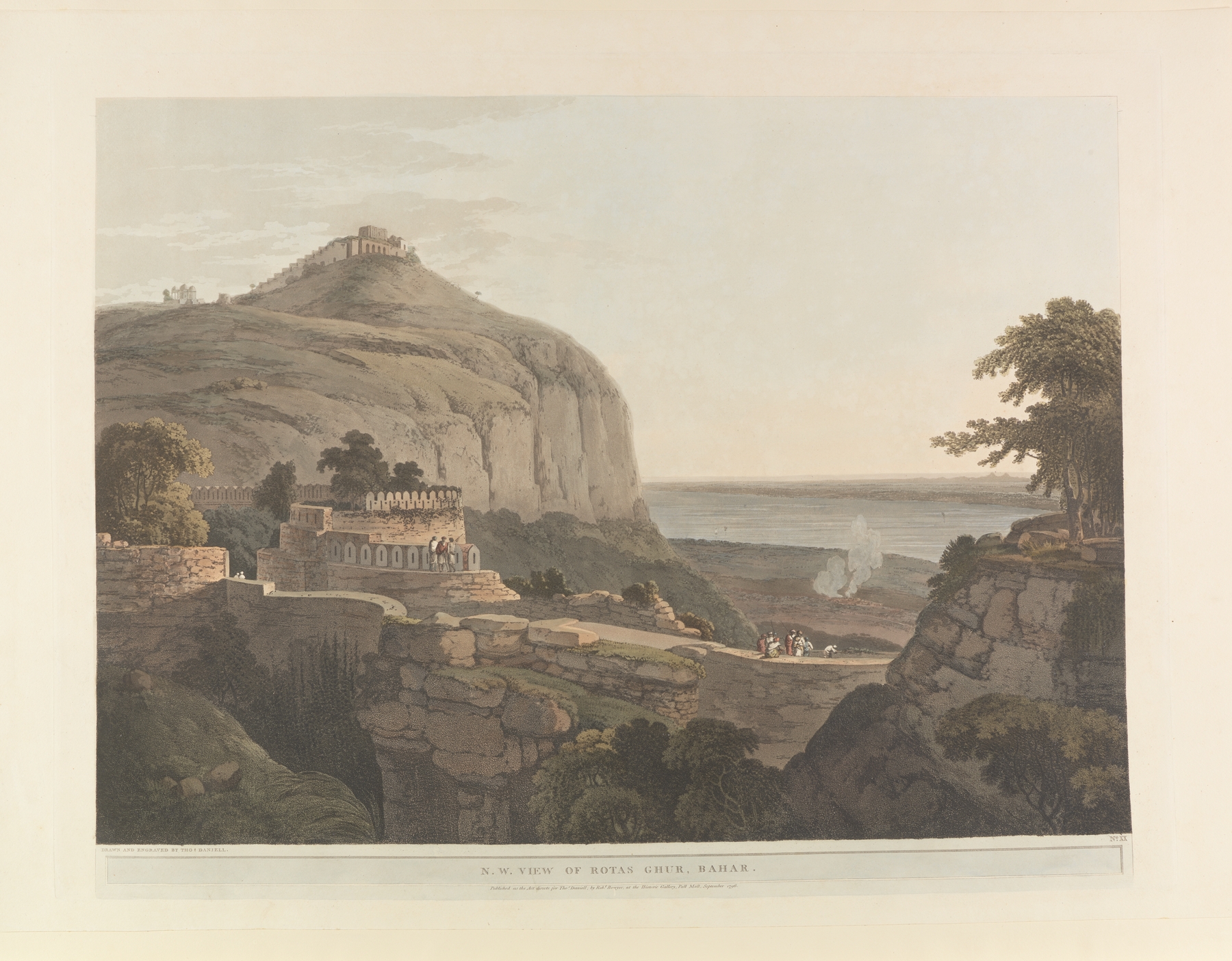
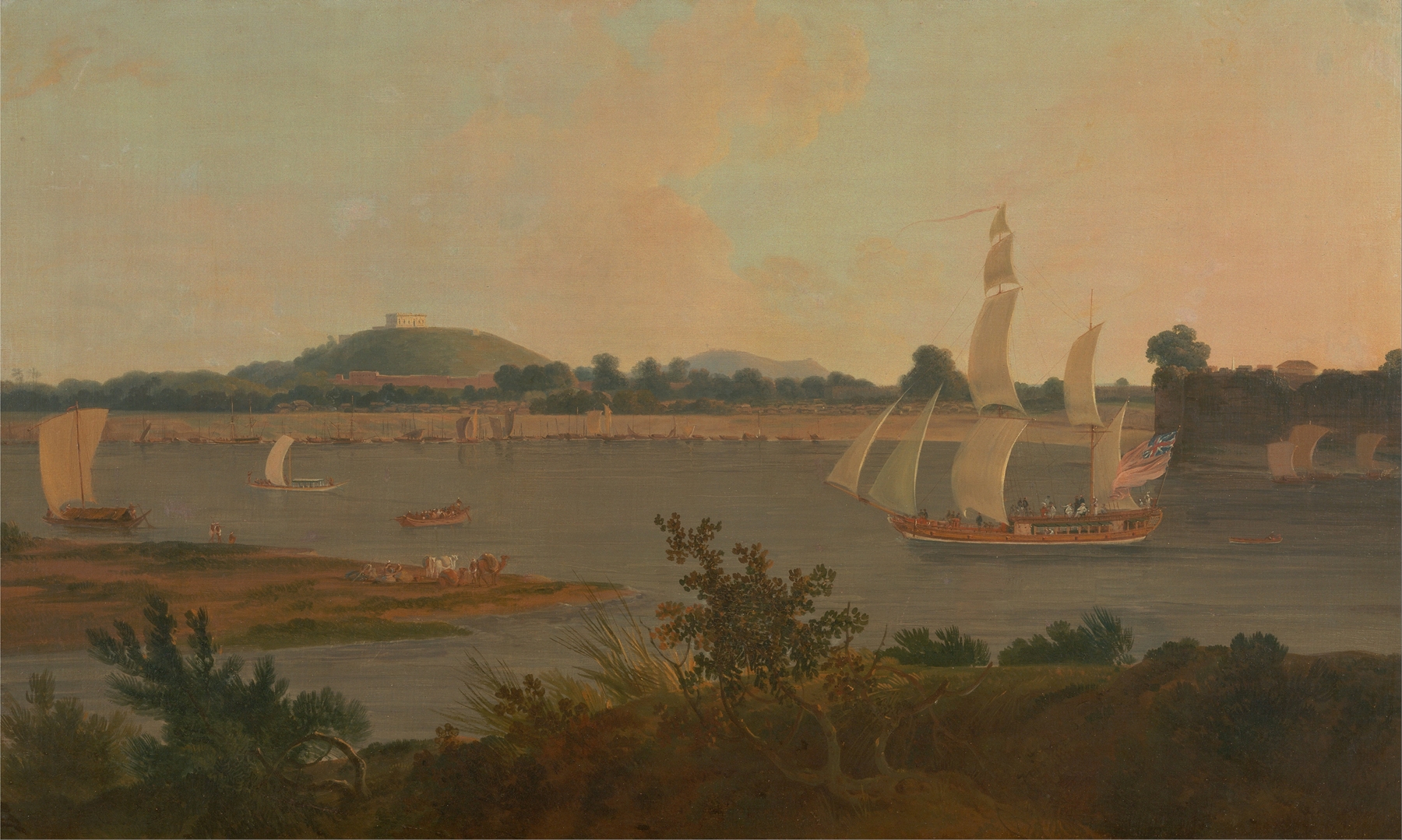
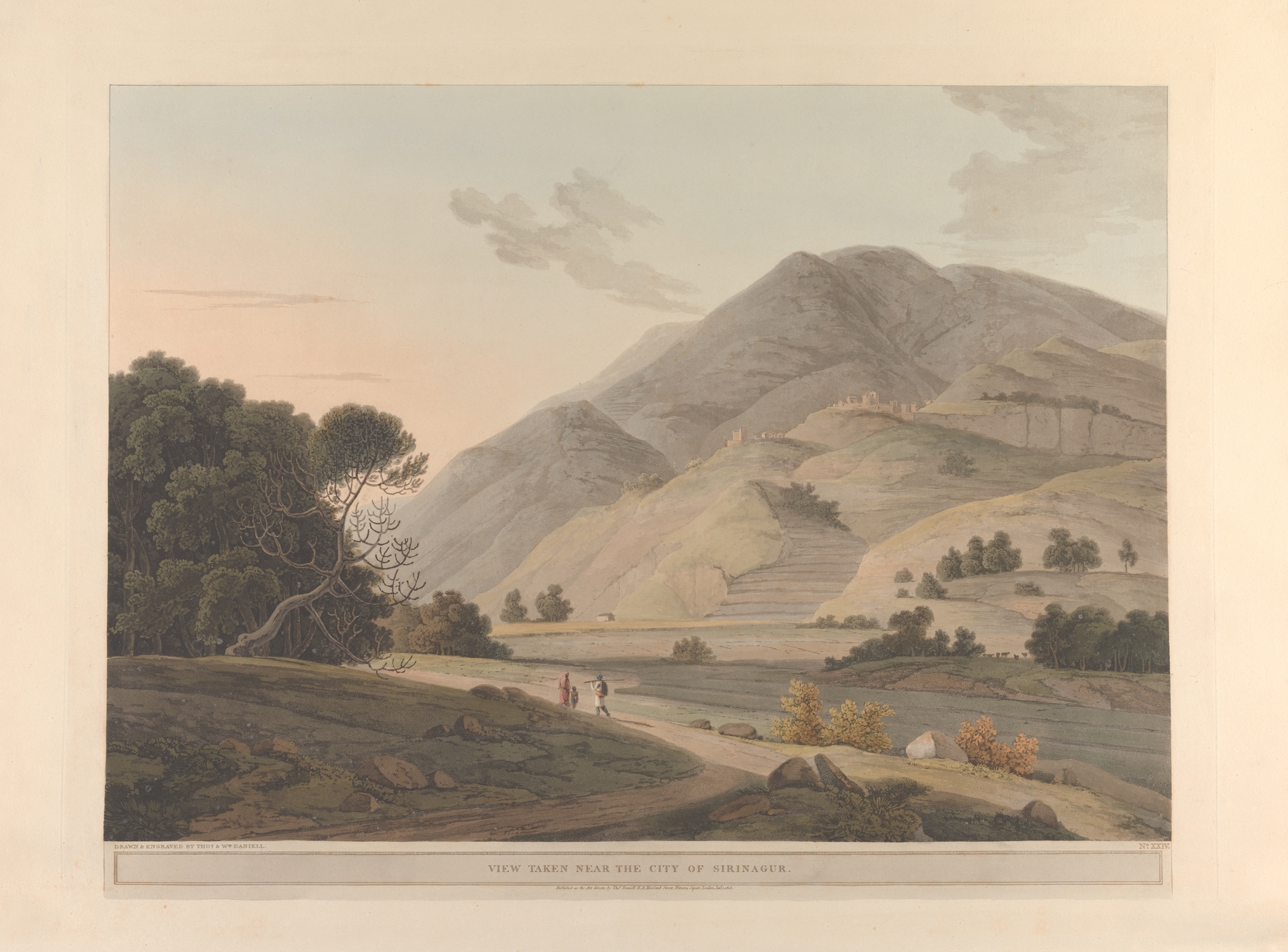
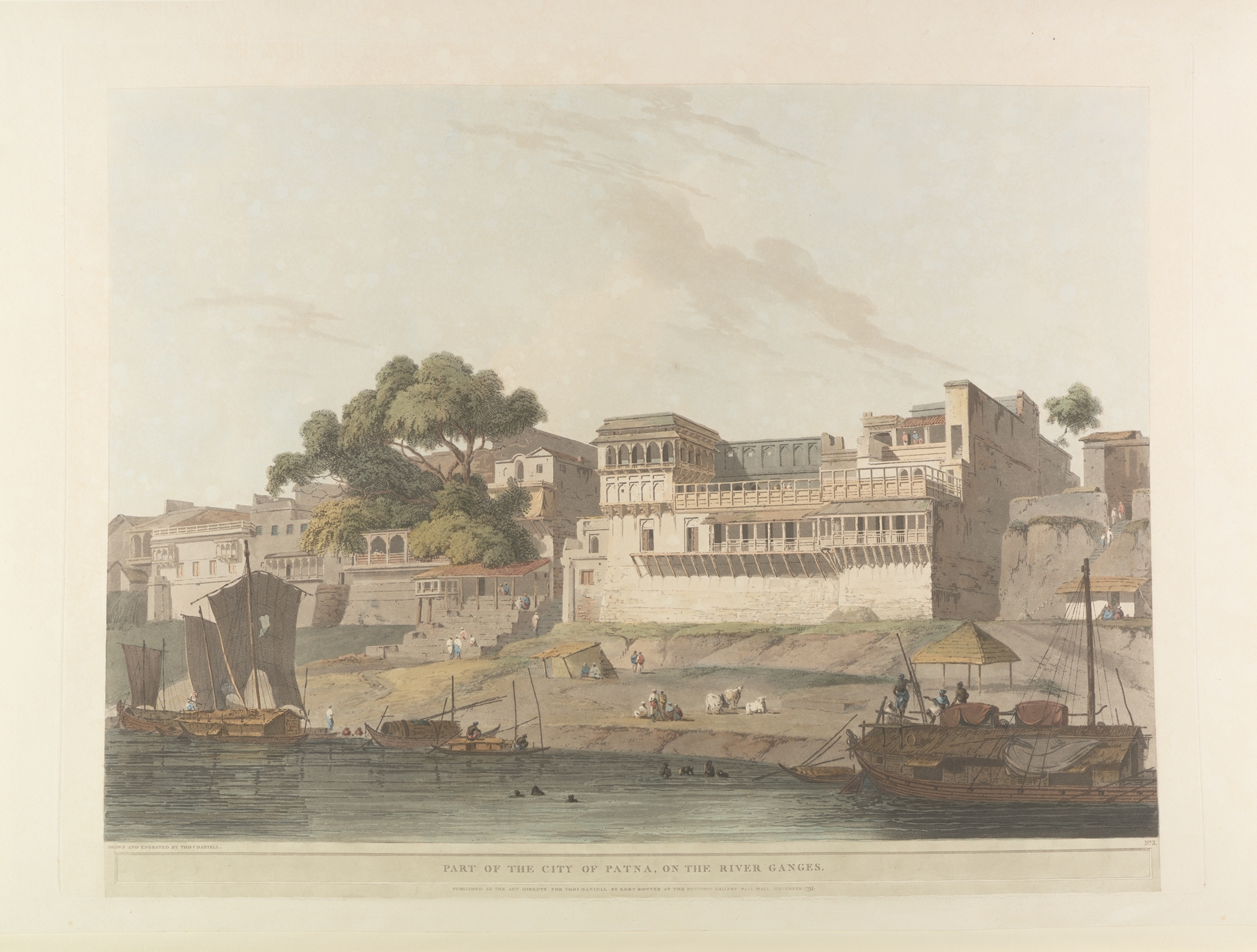
“Under the brush, chaos becomes grace.” This sentiment beautifully encapsulates the interplay of light and shadow that defines the essence of Oriental Scenery Pl.14. It’s a visual exploration where faith in nature and artistry converges. Look to the left at the delicate silhouettes of palm trees, their feathery fronds swaying gently against the backdrop of a soft, ochre sky. The horizon glows with hints of coral and gold, inviting the viewer to lose themselves in the serene landscape.
The artist deftly balances vivid colors with a tranquil composition, leading the eye through the gentle curve of the river that meanders toward the horizon, as if beckoning one to journey deeper into this enchanting world. Beneath the surface, this piece holds echoes of spiritual longing and a reverence for nature’s sublime beauty. The tranquil water reflects both the sky and the lush foliage, creating a harmonious dialogue between earth and heaven. The juxtaposition of the vibrant hues with the soft, muted tones evokes a sense of peace, suggesting that faith and acceptance of the natural order can bring clarity amidst life's complexities.
In 1808, Thomas Daniell was immersed in the exploration of the East while residing in India. This period of his life was marked by a fascination with the landscapes and cultures he encountered, which profoundly influenced his artistic vision. The early 19th century saw an increasing Western interest in Asian aesthetics, and Daniell's work stands as a significant bridge between these two worlds, capturing the beauty and mystery of the Orient through his keen eye for detail and composition.