Oriental scenery Pl.28 — History & Analysis
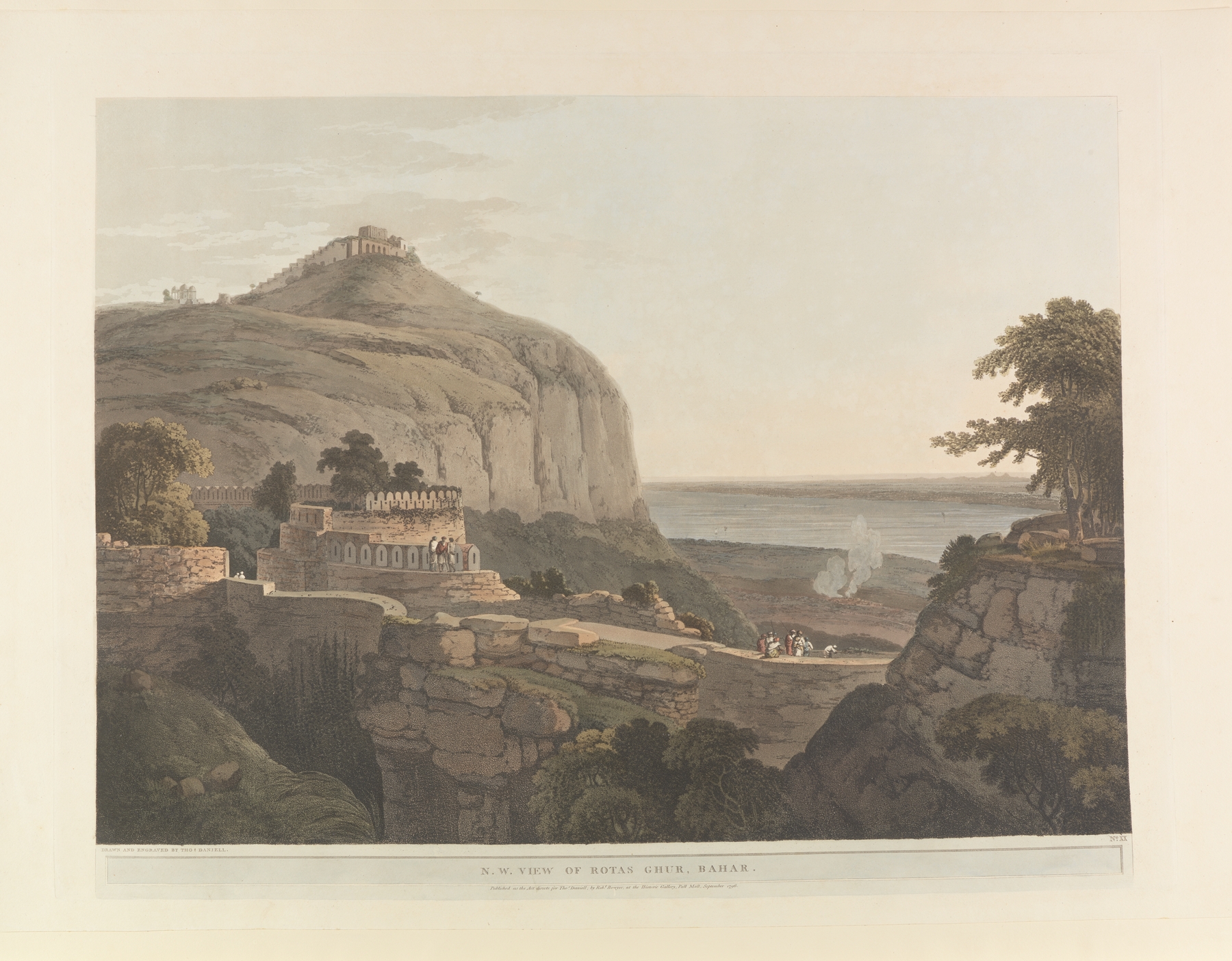
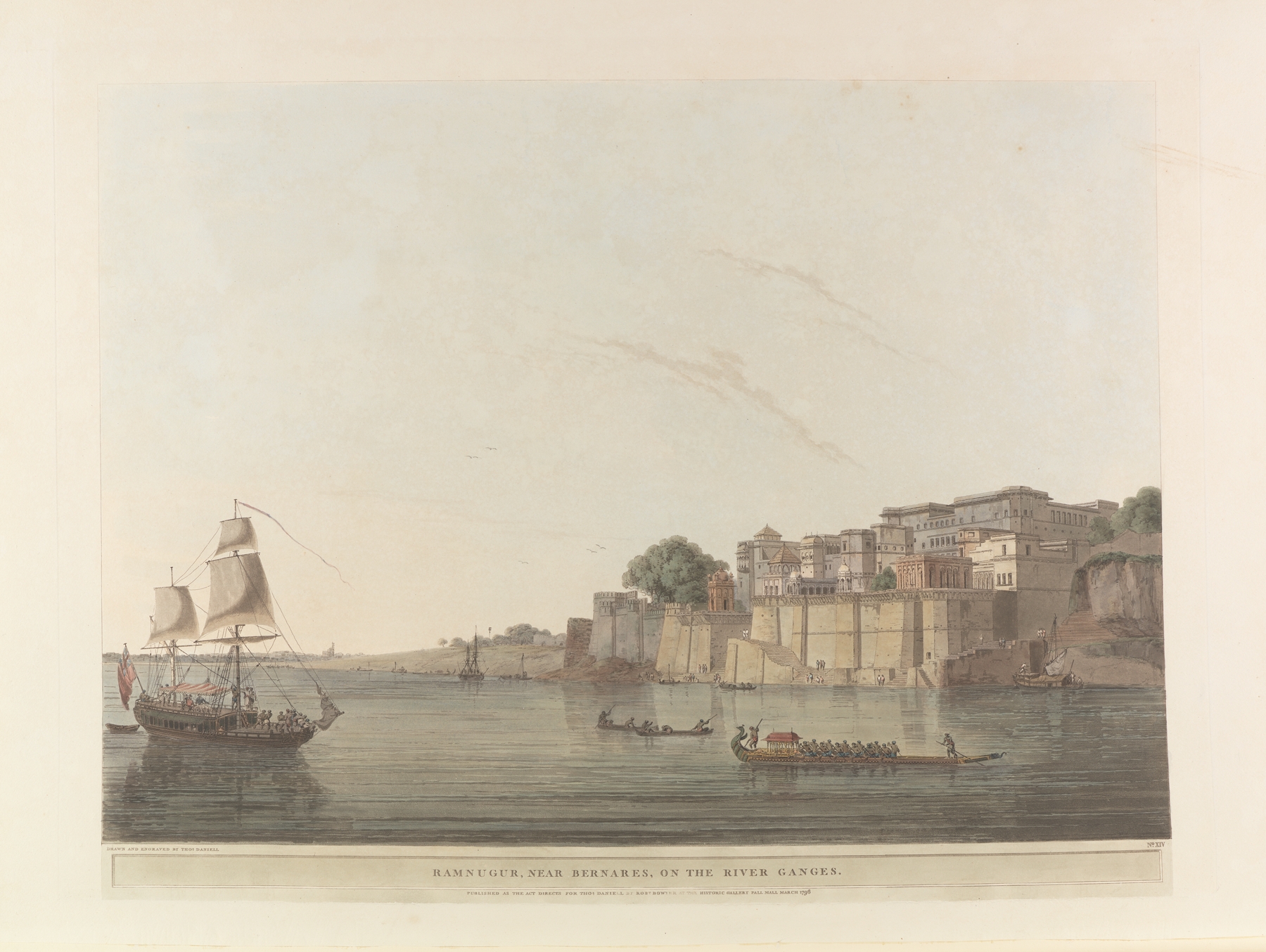
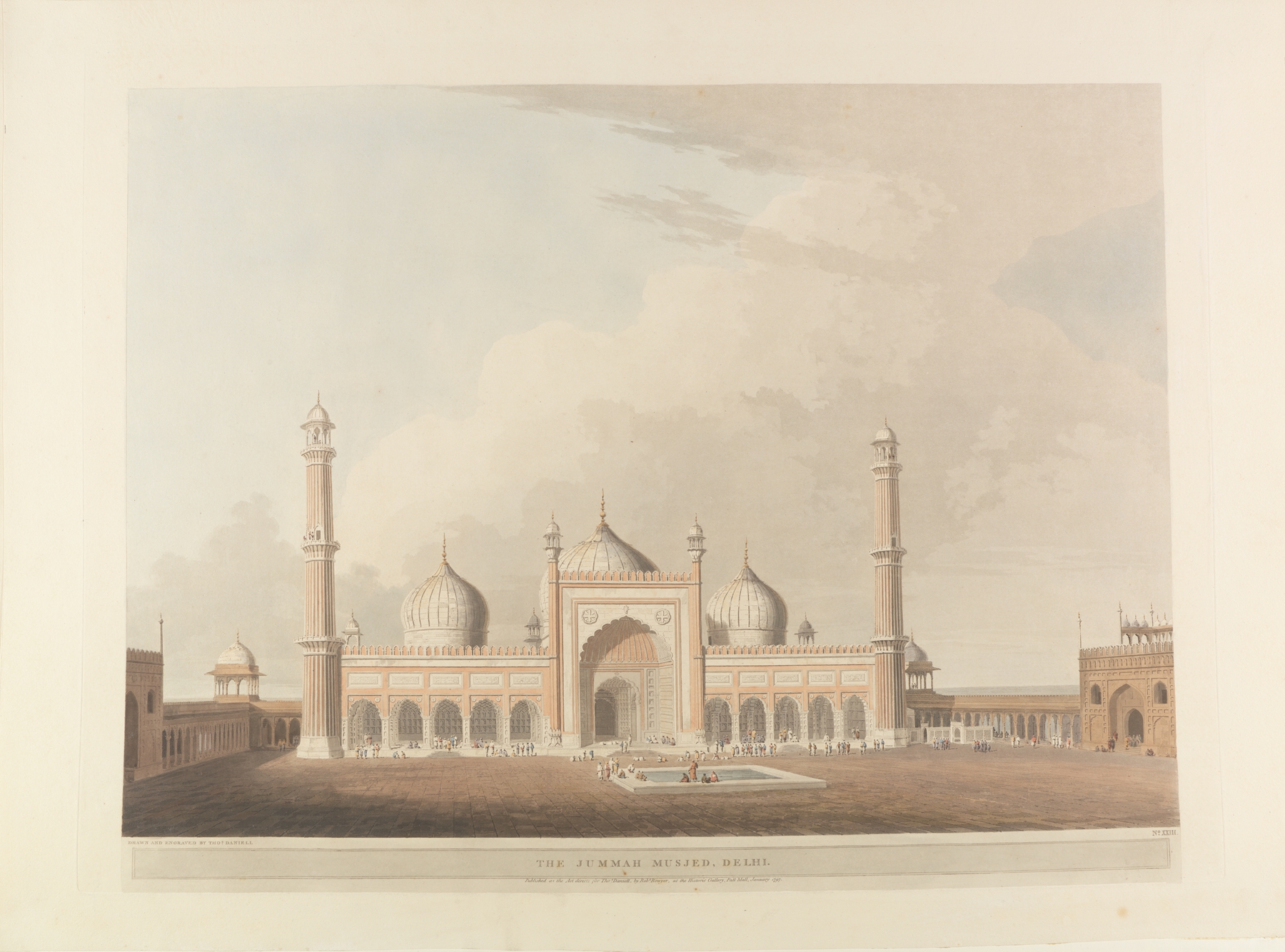
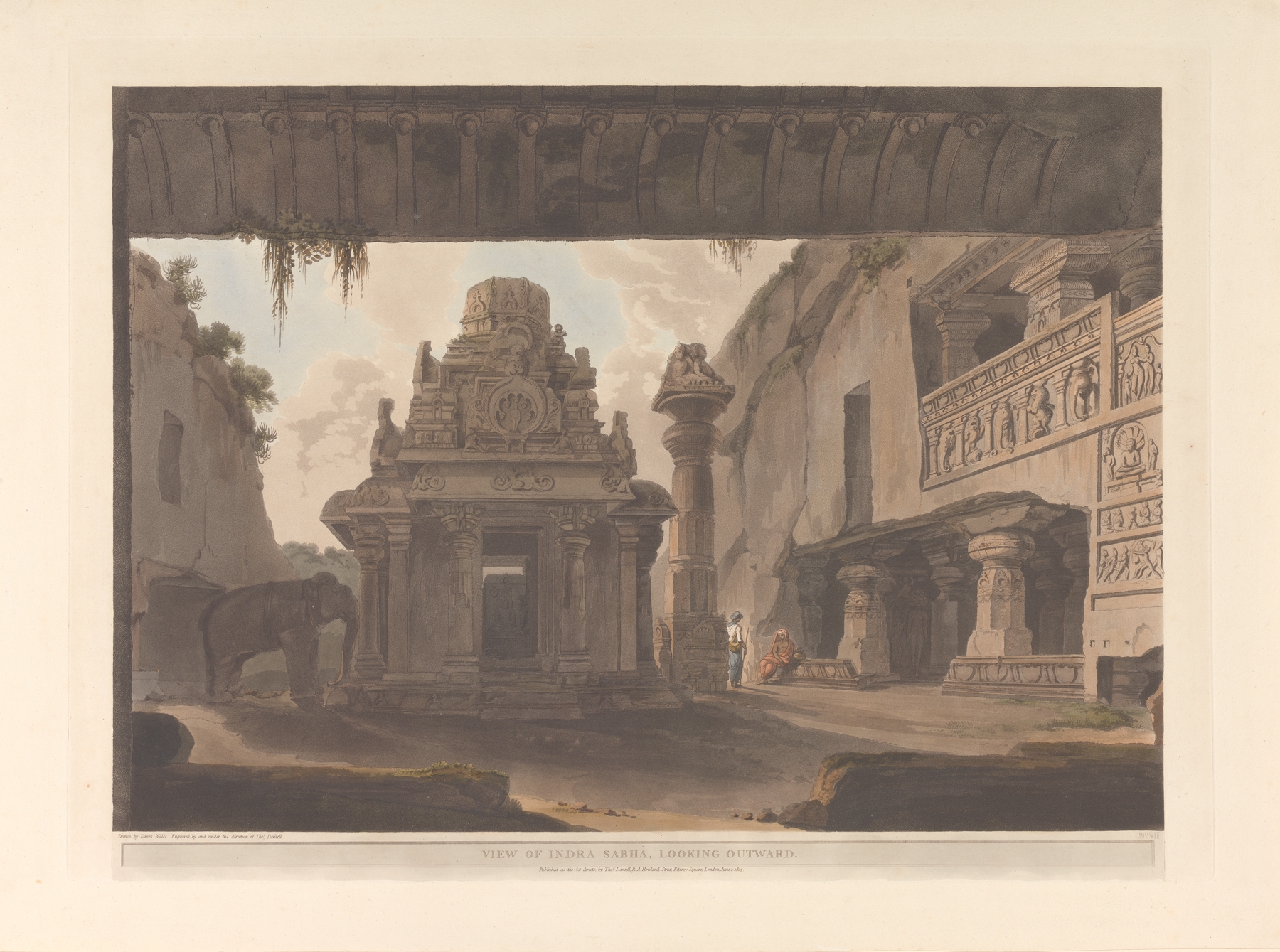
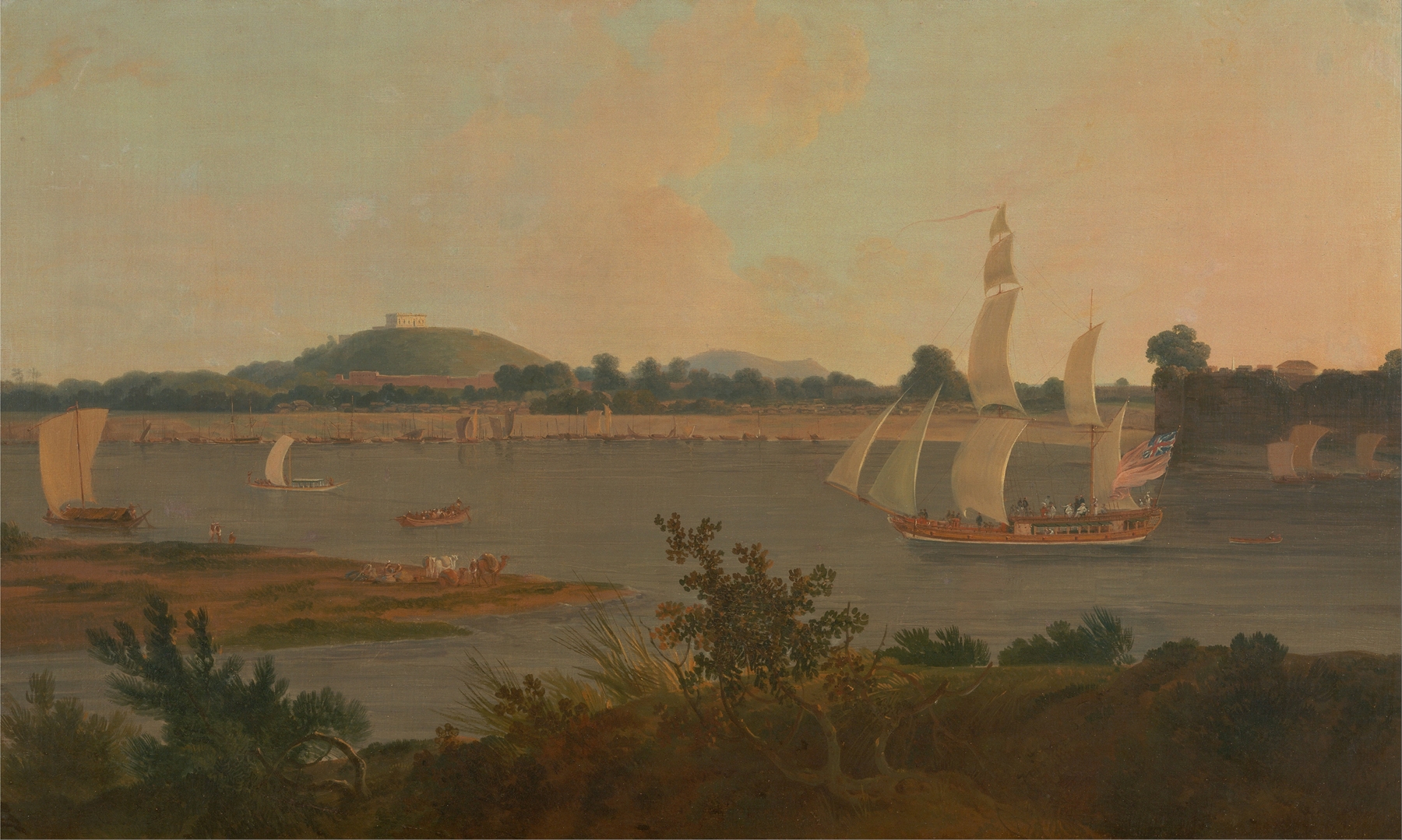
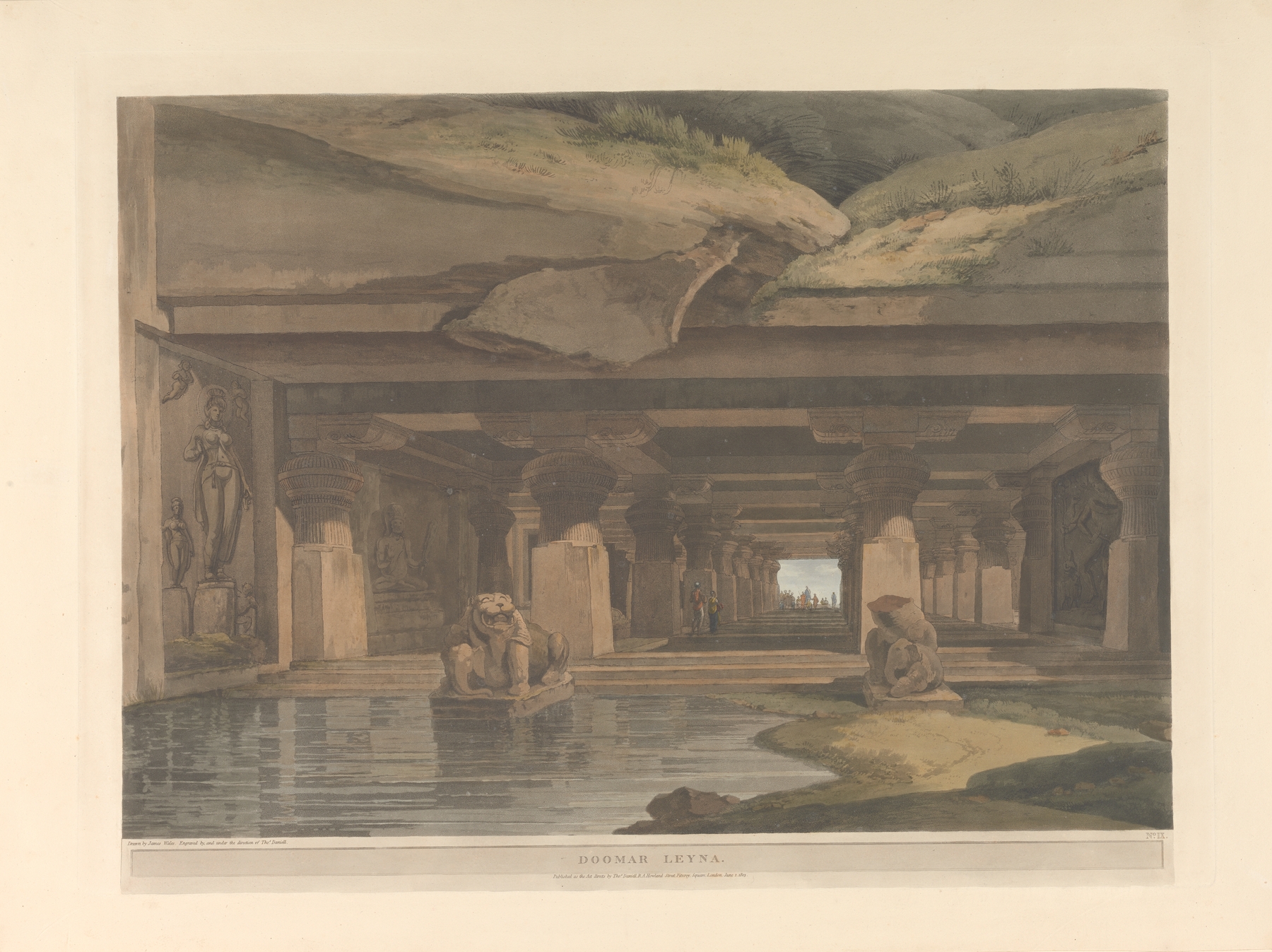
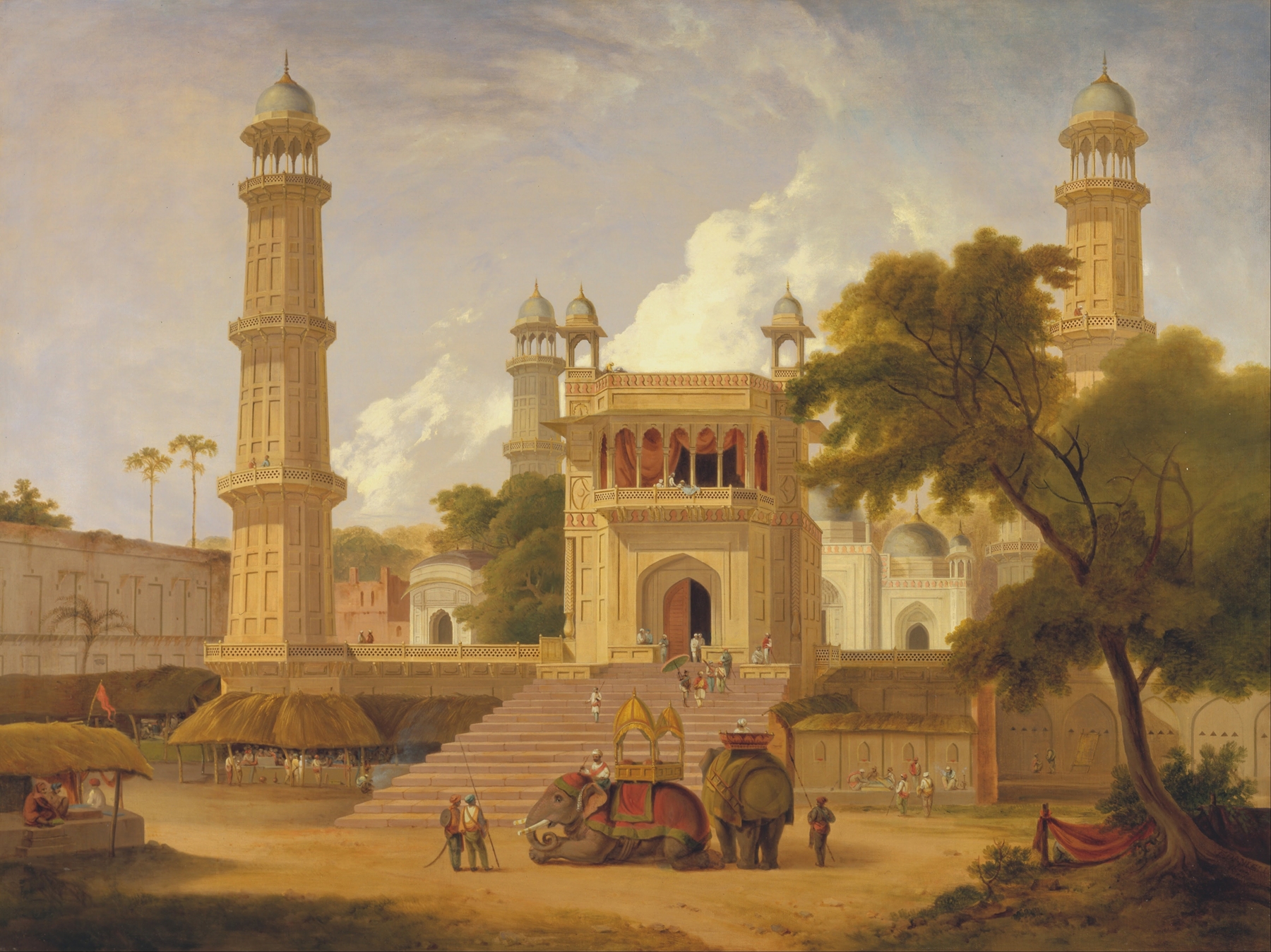
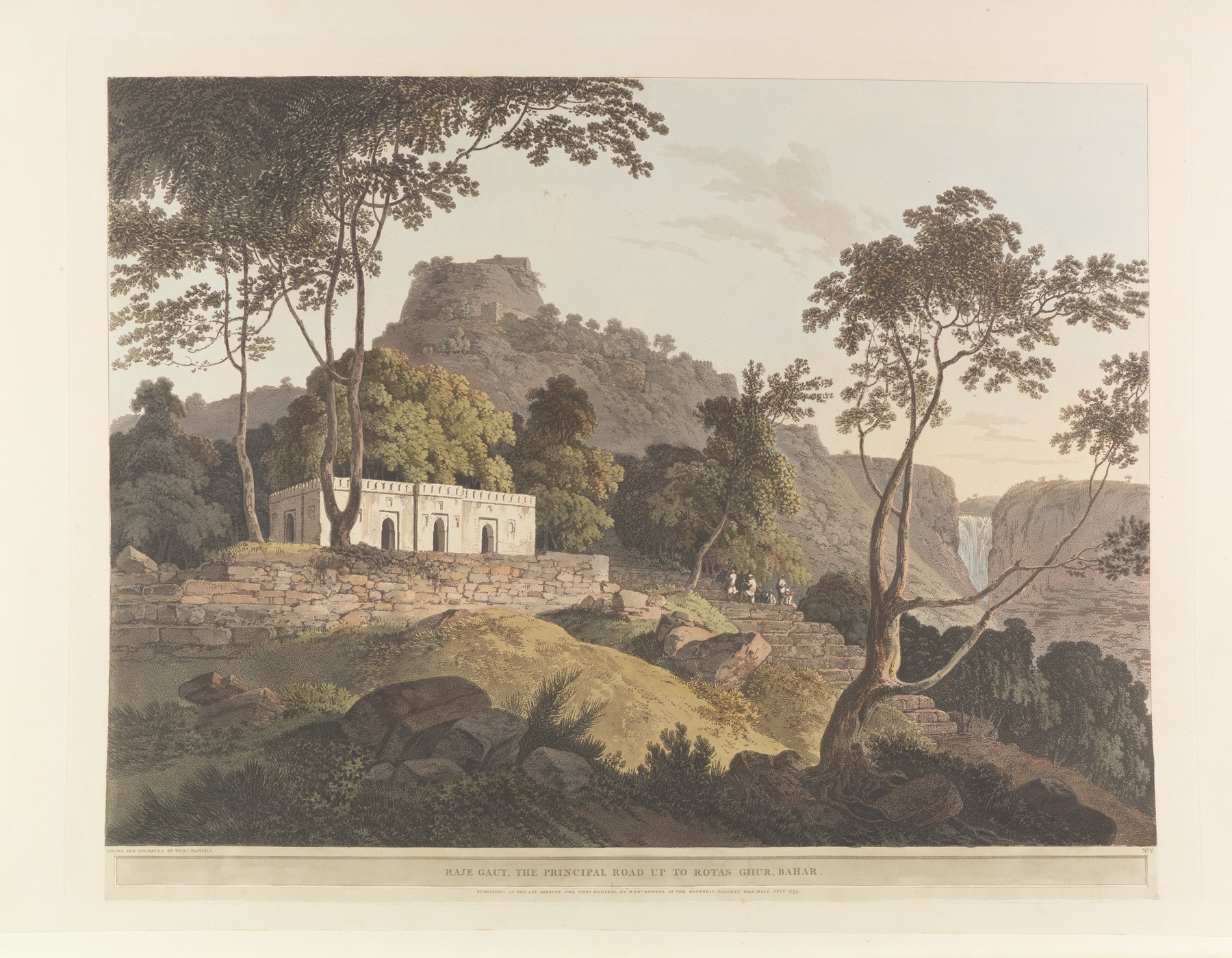
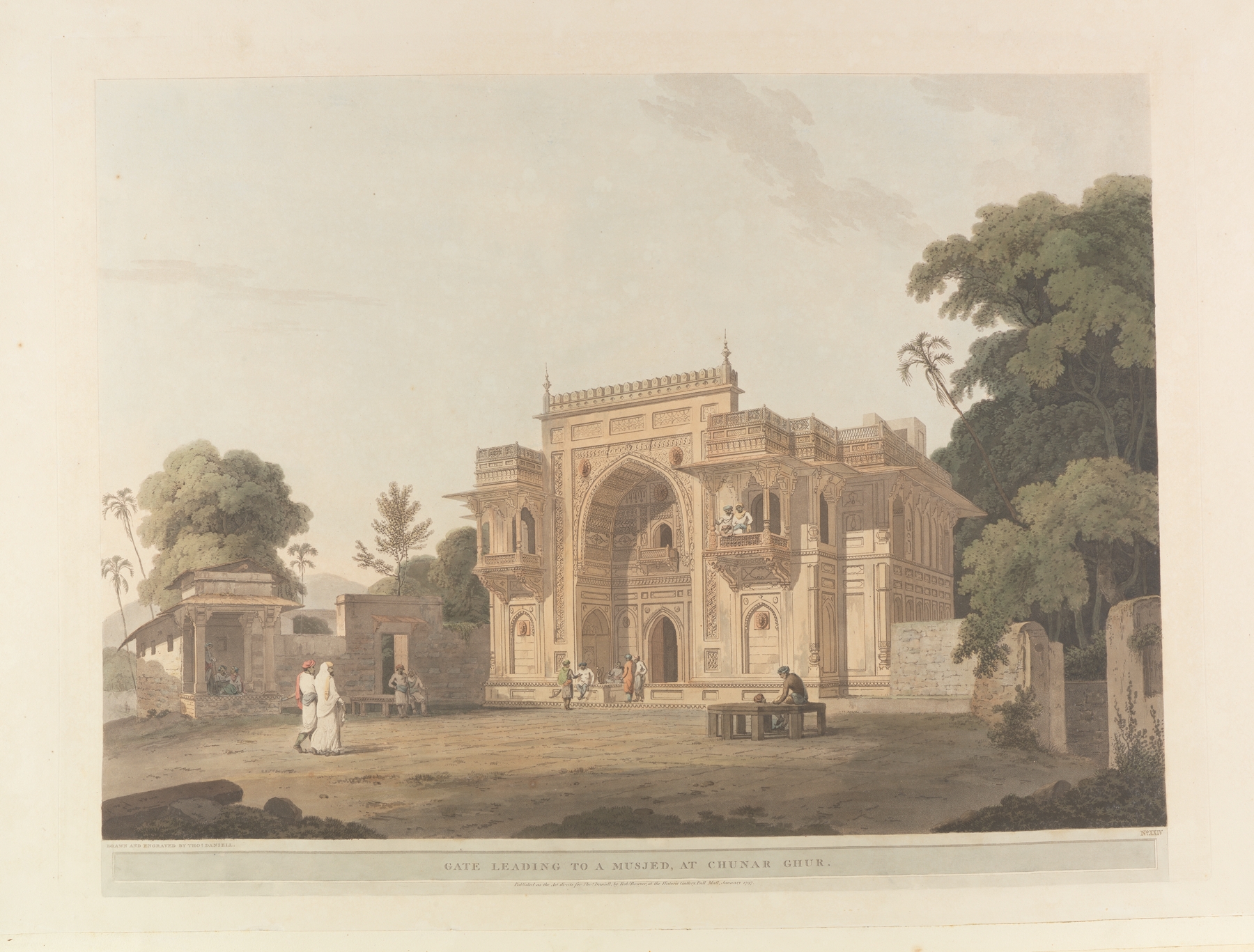
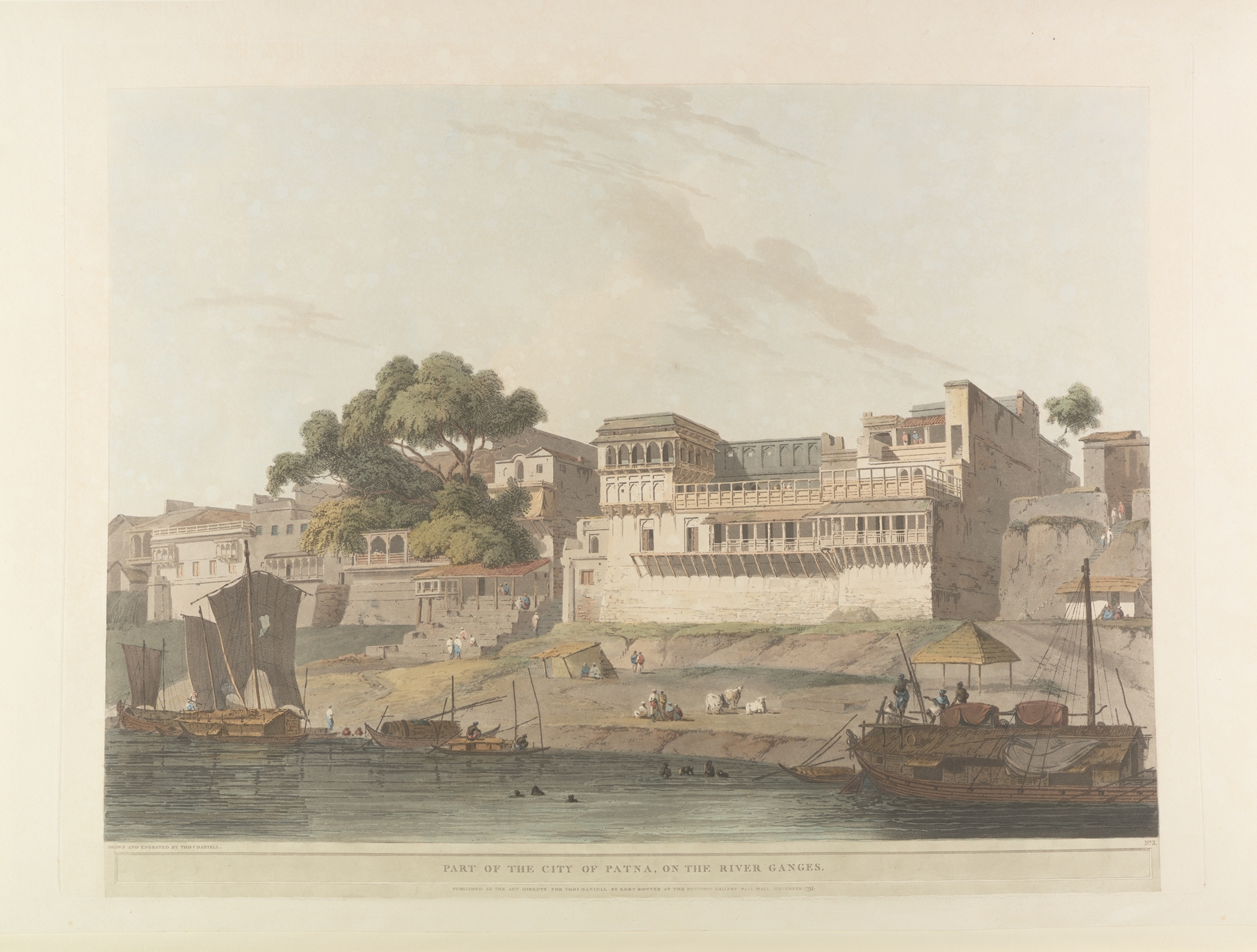
“Art reveals the soul when the world turns away.” In the quiet embrace of a canvas, one finds the fervent whispers of obsession, where every brushstroke speaks of longing and focus. Look to the left at the delicate interplay of light and shadow, where the azure sky meets the verdant hills, creating a tapestry of tranquility. Notice how Daniell employs soft pastels to evoke a sense of serenity, inviting the viewer to wander into the lush landscape dotted with figures engaged in their daily lives. The precise attention to detail in the architecture and foliage reveals an artist captivated by his subject, each element meticulously rendered to bring the scene to life.
Beneath the surface, an emotional tension occurs between the lushness of the landscape and the stillness of its inhabitants. The figures, perhaps oblivious to the beauty surrounding them, suggest a disconnect; they are rooted in their own world, leaving the viewer to ponder their thoughts and desires. This juxtaposition of nature's grandeur against human isolation echoes a profound longing, capturing the essence of a place both enchanting and distant.
In 1808, during his time in India, the artist produced this work amidst a growing fascination with Eastern landscapes among European audiences. Daniell was part of a wave of artists exploring the exoticism of the Orient, a movement deeply intertwined with the colonial pursuits of the era. As he painted, he was not only documenting a land he admired but also reflecting the complex narratives of cultural obsession and representation that would shape perceptions for generations.