Oriental scenery Pl.10 — History & Analysis
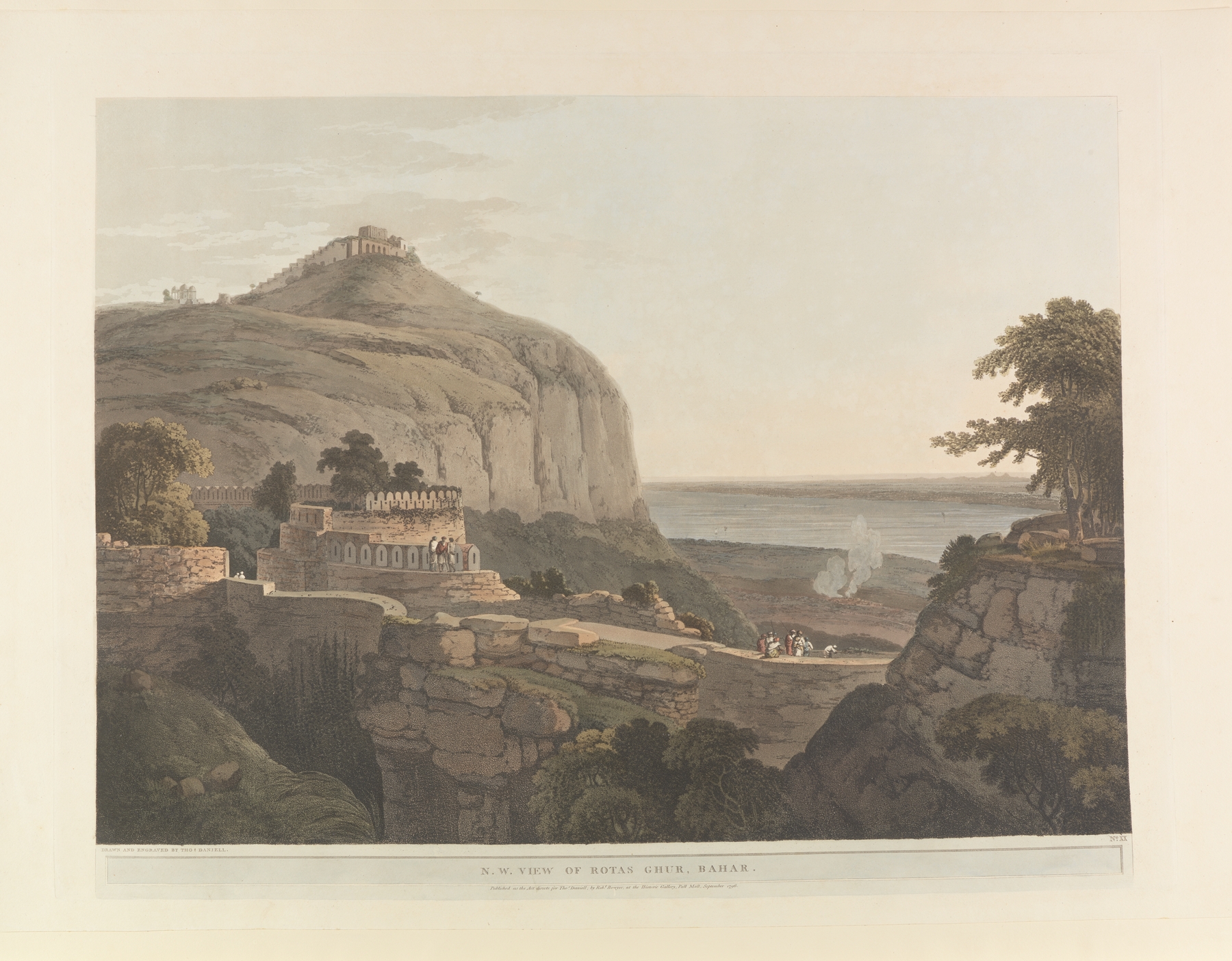
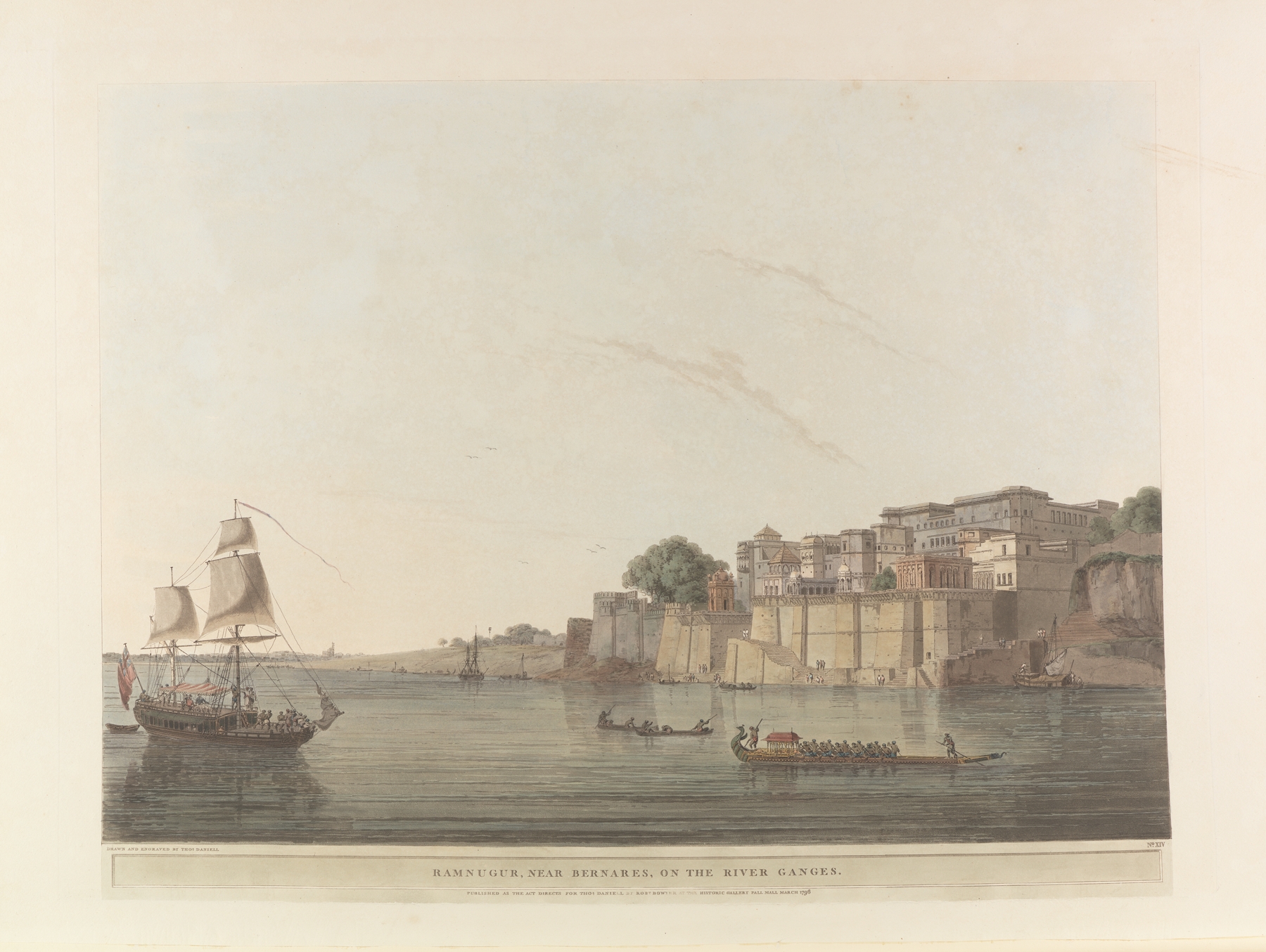
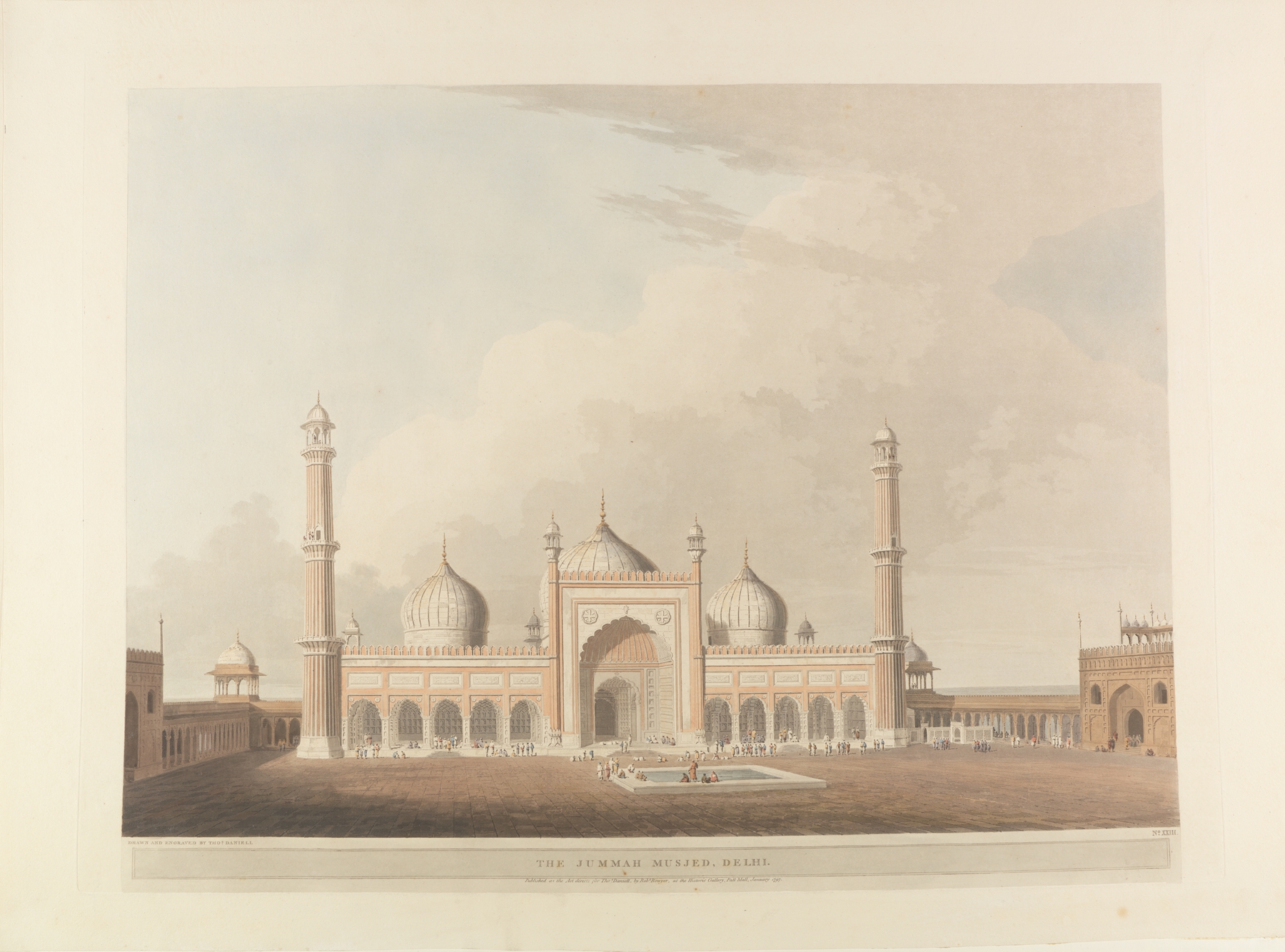
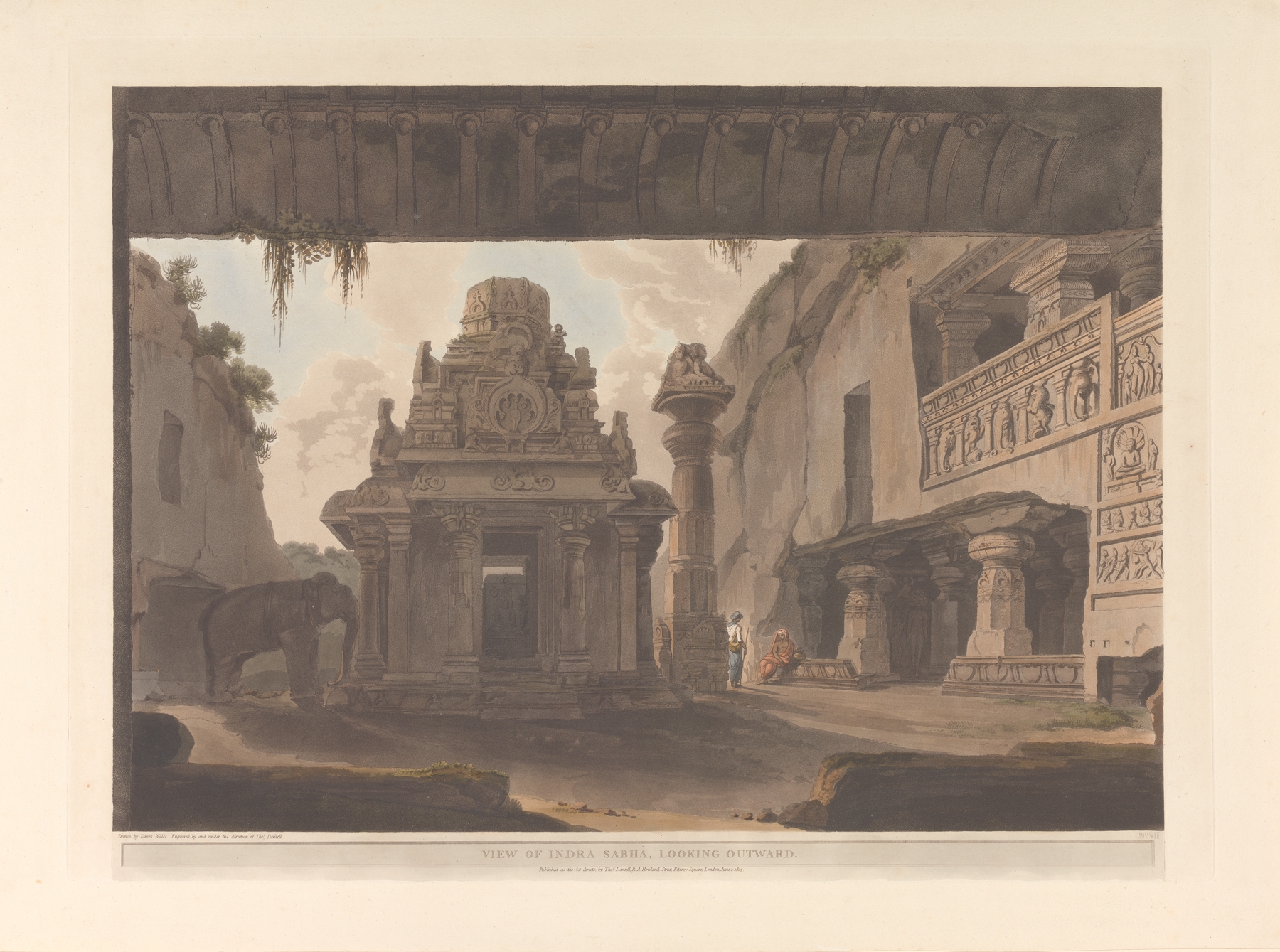
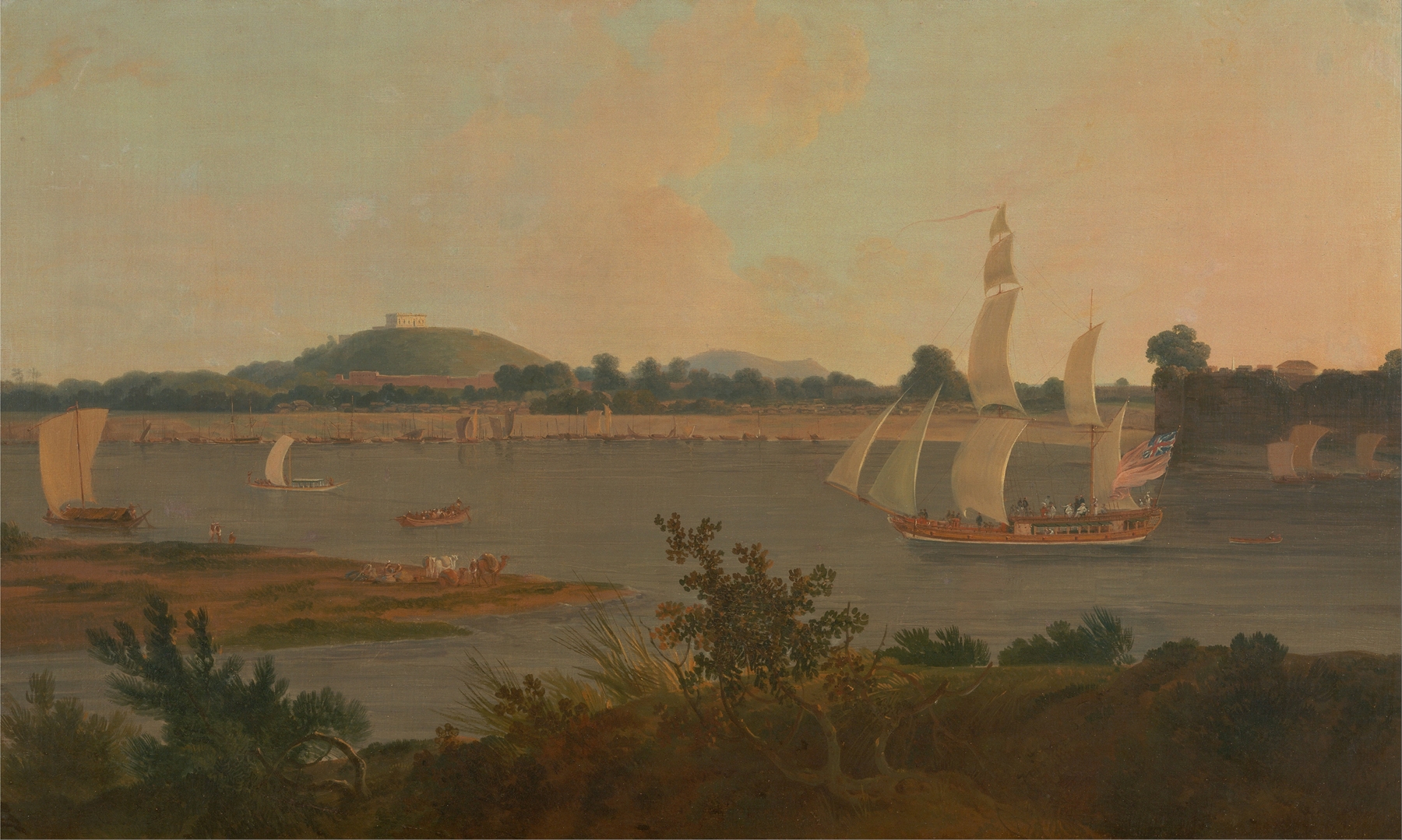
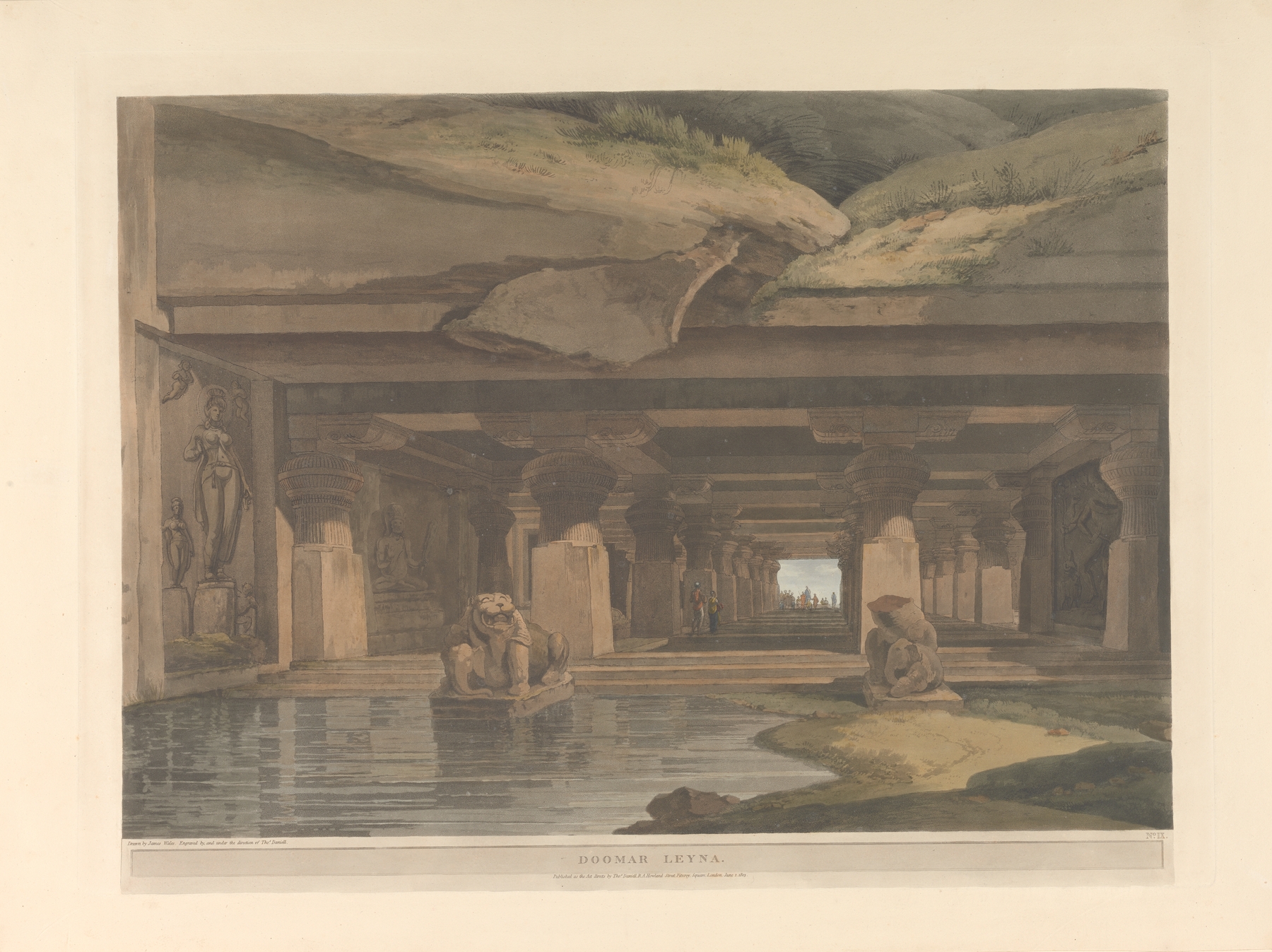
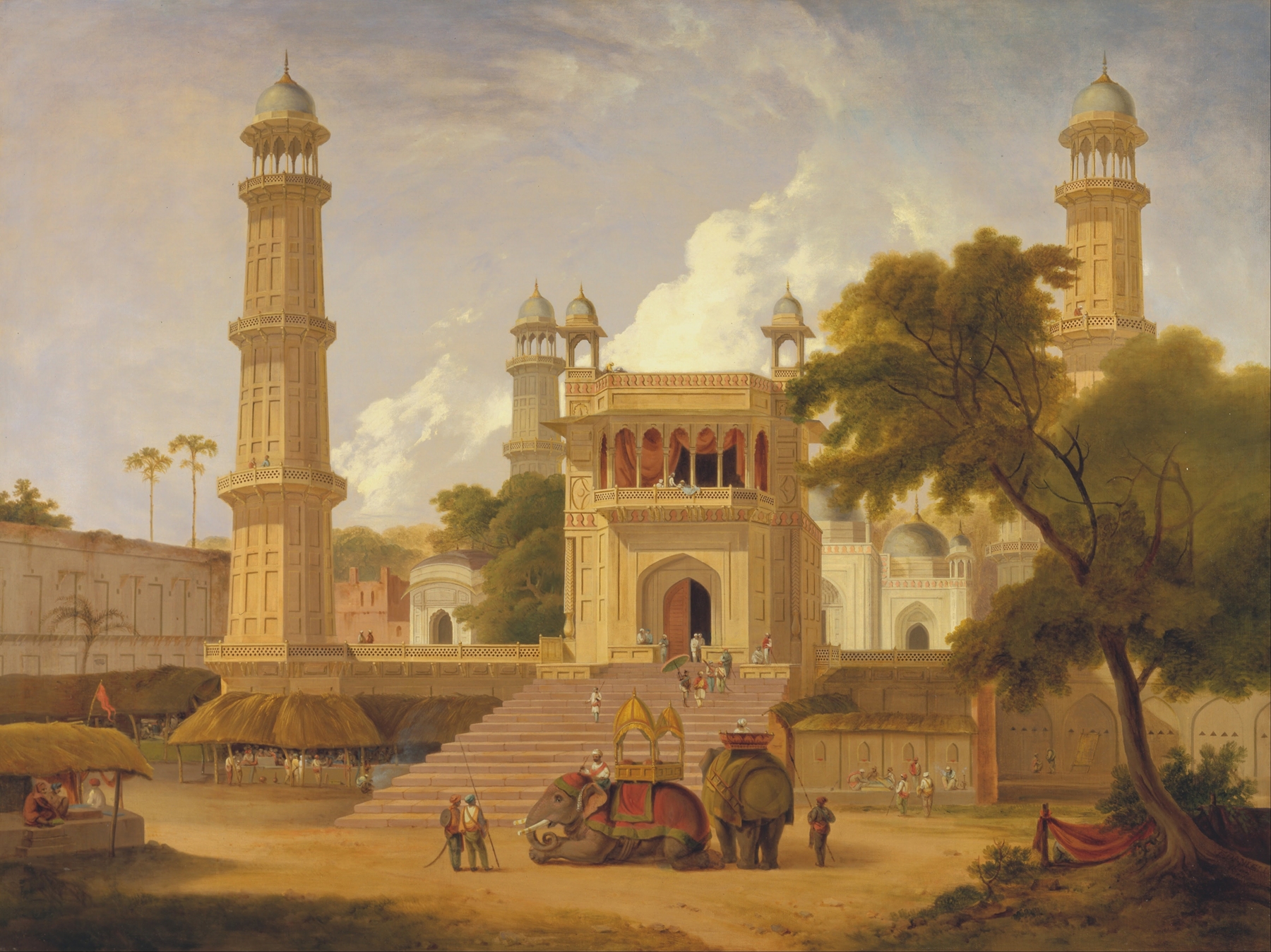
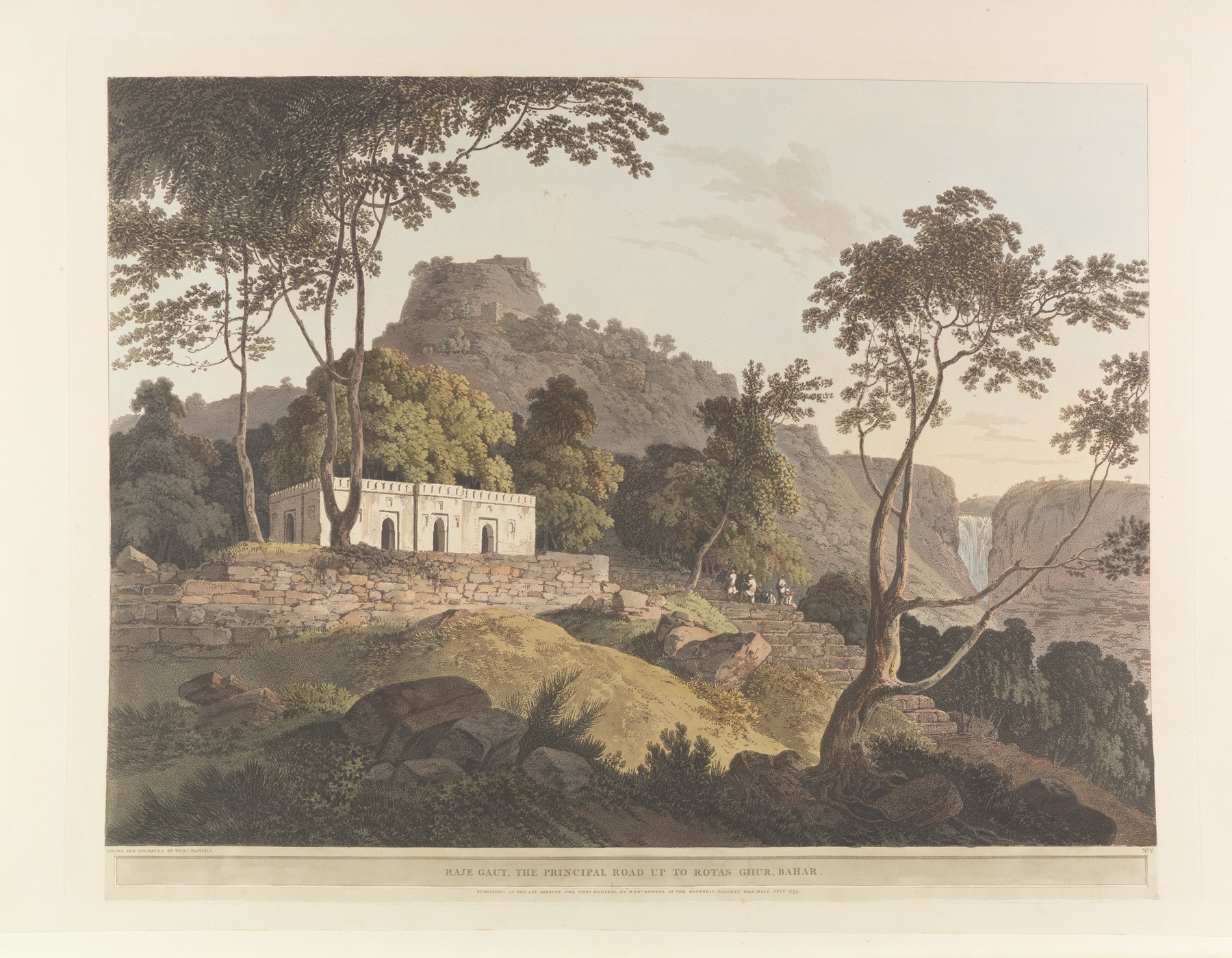
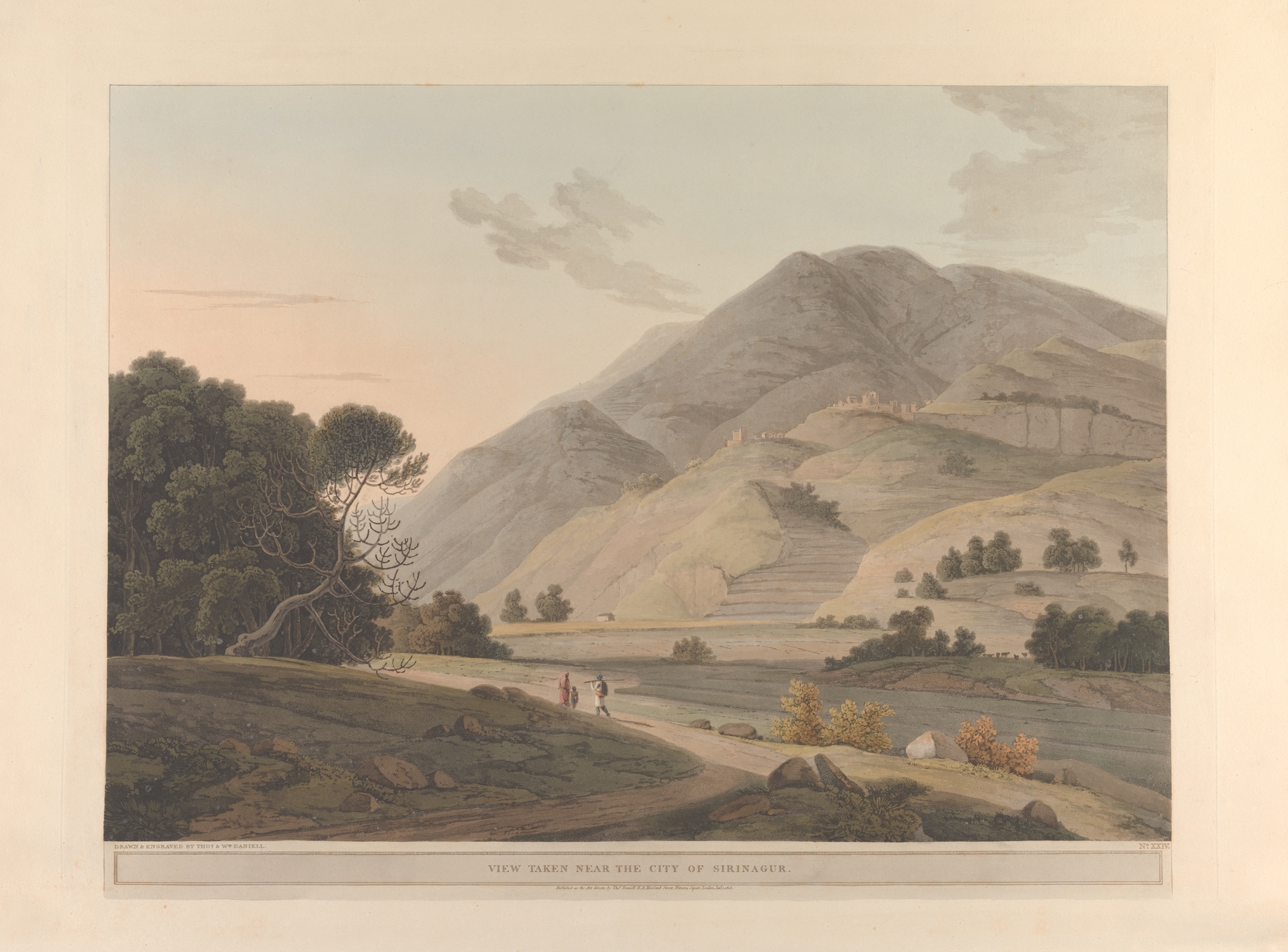
What if silence could speak through light? In the stillness of Oriental Scenery Pl. 10, the gentle embrace of nature invites us into a world where tranquility reigns and rebirth feels just a heartbeat away. Look to the left at the delicate brushstrokes that form the lush foliage, where vibrant greens blend seamlessly with soft earth tones.
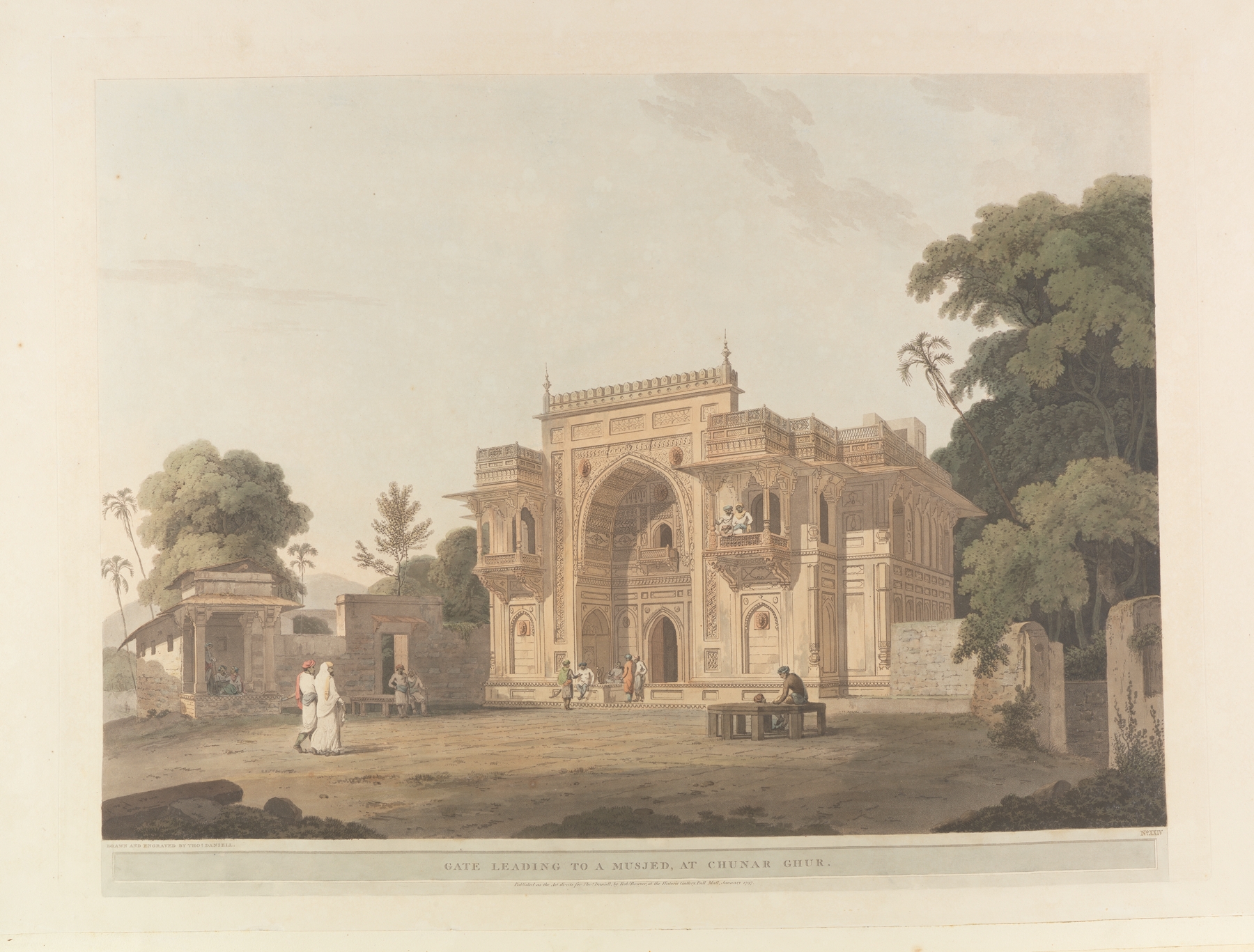
Notice the interplay of light and shadow dancing across the landscape, giving life to the serene water body that reflects a sky kissed by twilight hues. The careful composition draws the eye toward the horizon, where a hint of mist suggests a new dawn, evoking a sense of calm and possibility. Within the scene lies a profound contrast; the serenity of nature stands in stark juxtaposition to the restless human spirit. The subtle inclusion of architectural features hints at human presence, while the surrounding landscape whispers of nature's resilience.
Each element, from the meticulous details of the trees to the expansive sky, evokes feelings of hope—an invitation to witness the birth of a new day and a fresh perspective. In 1808, while residing in India, Thomas Daniell created this piece amid a period of artistic exploration that sought to capture the exoticism of the East. As a prominent figure in British landscape painting, Daniell’s work reflected the Western fascination with Asian culture, underscoring a moment in art history defined by discovery and the blending of styles—a rebirth not only for the artist but also for the landscapes he endeavored to immortalize.