Oriental scenery Pl.20 — History & Analysis
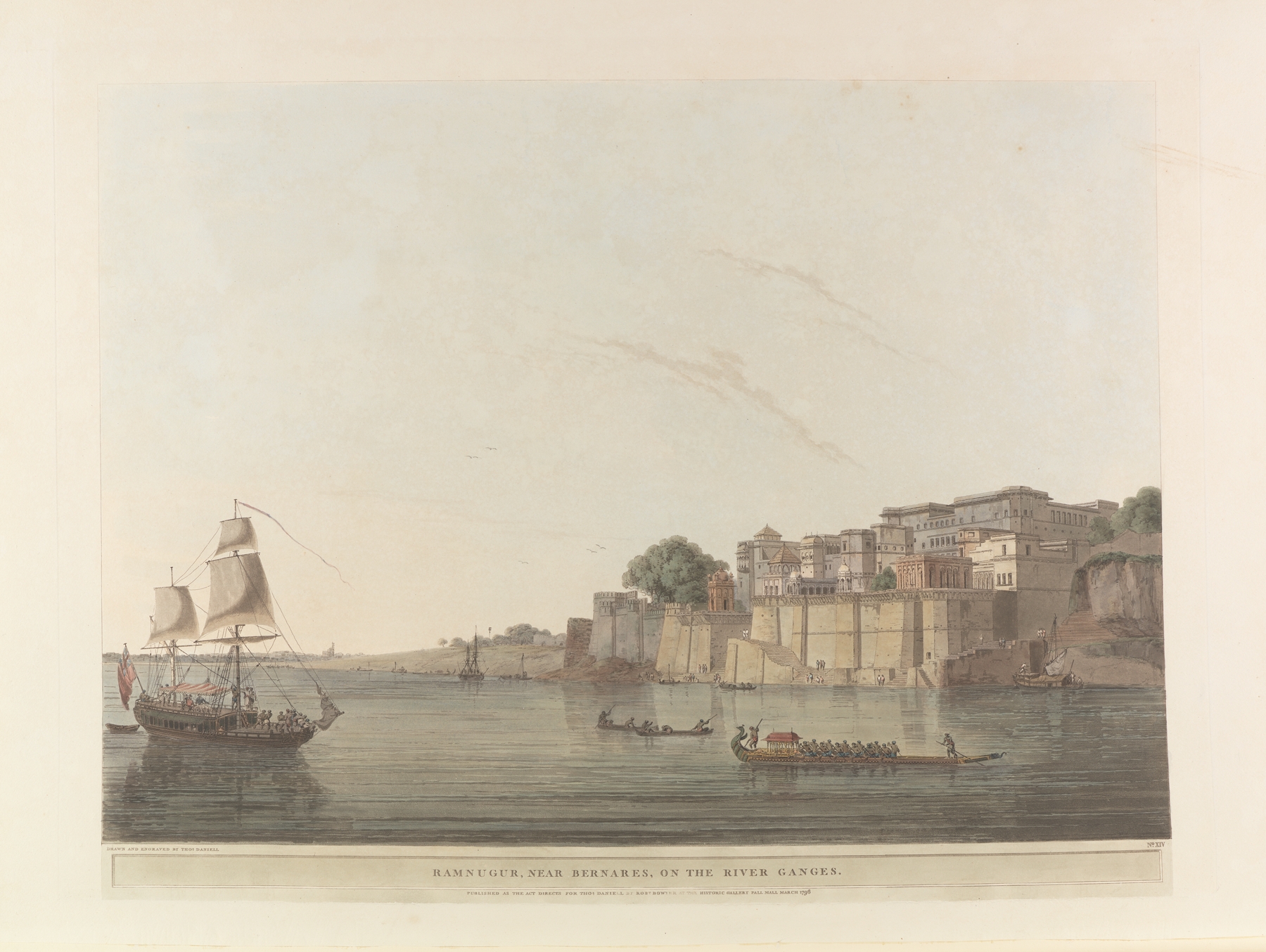
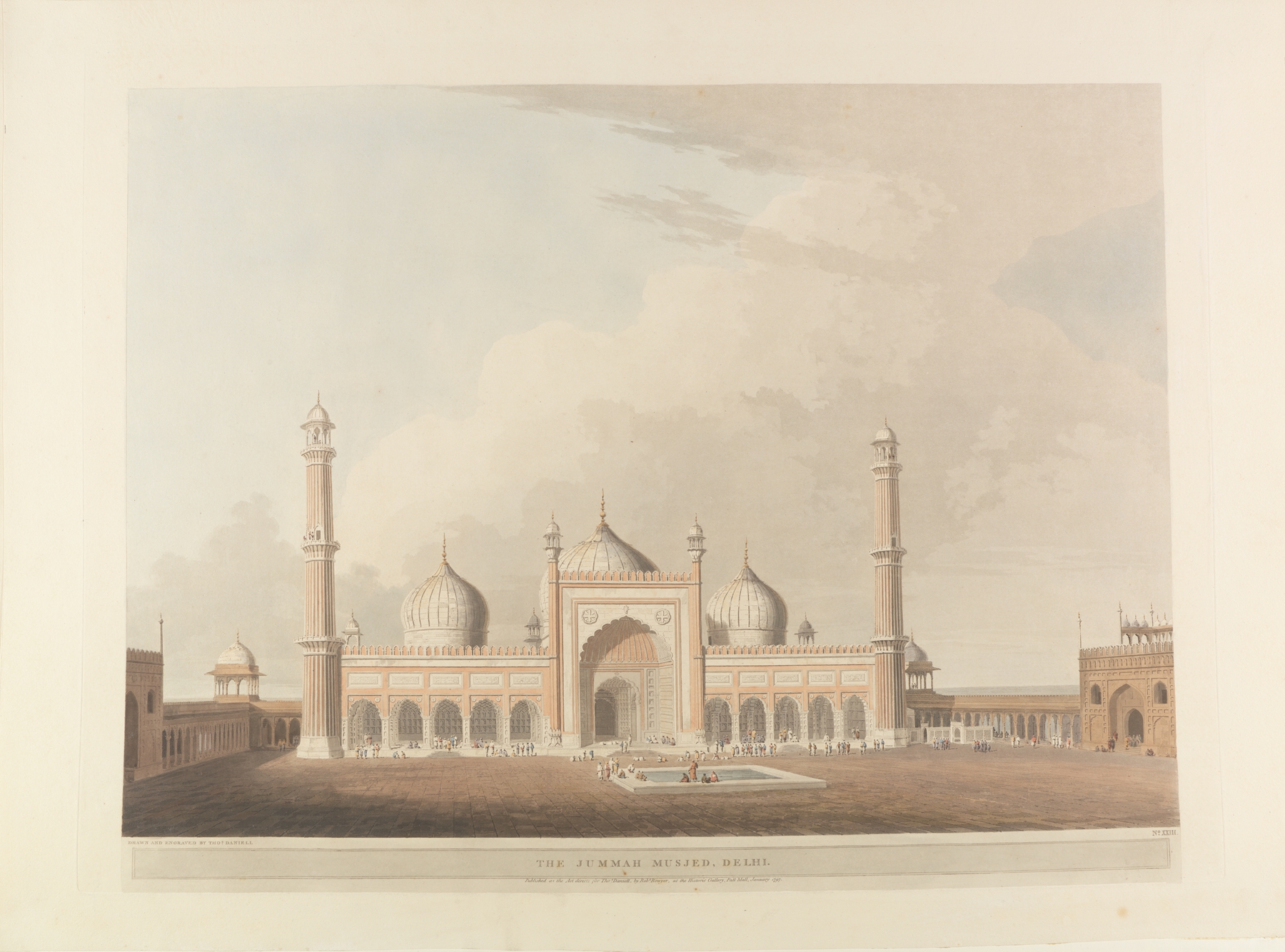
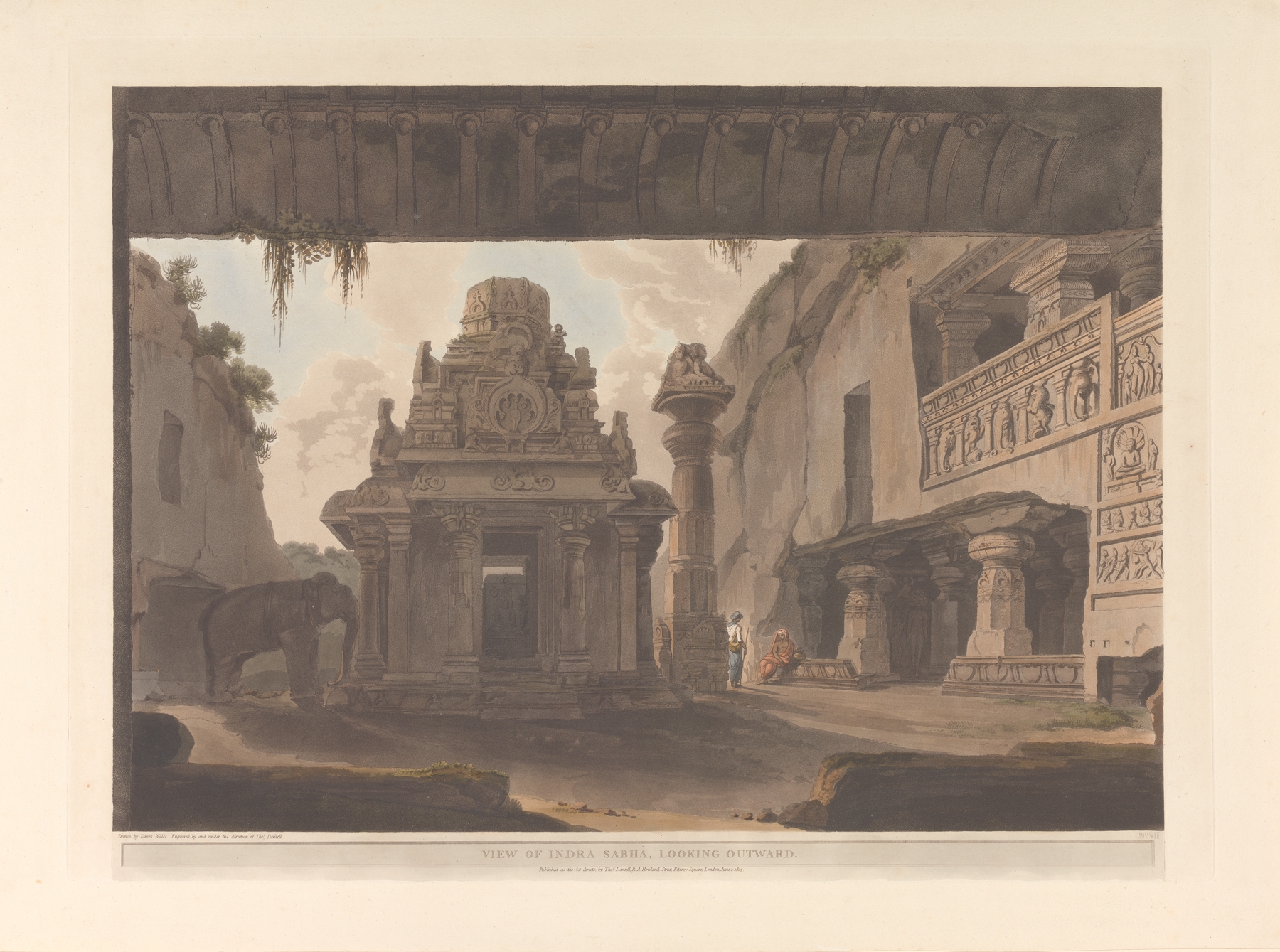
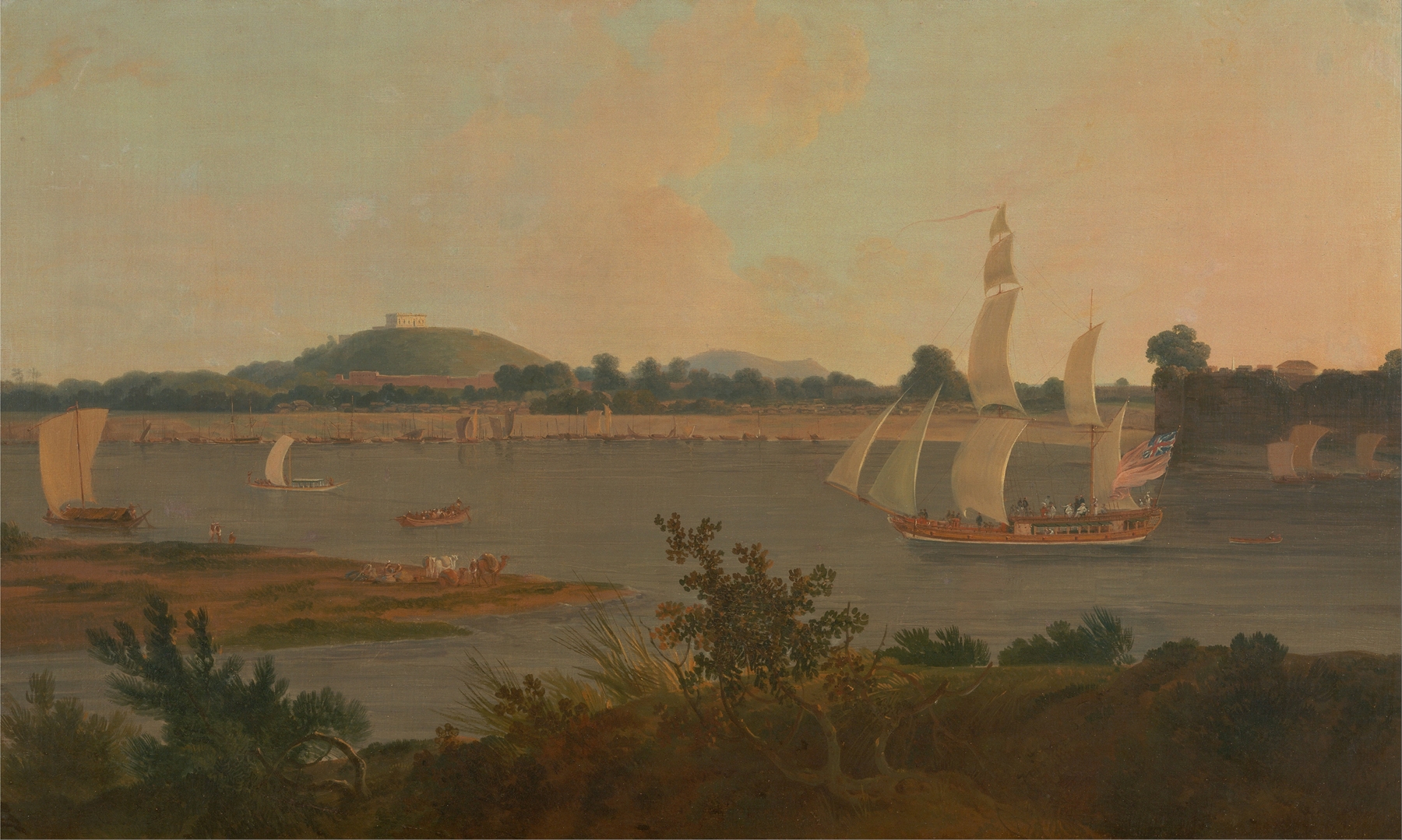
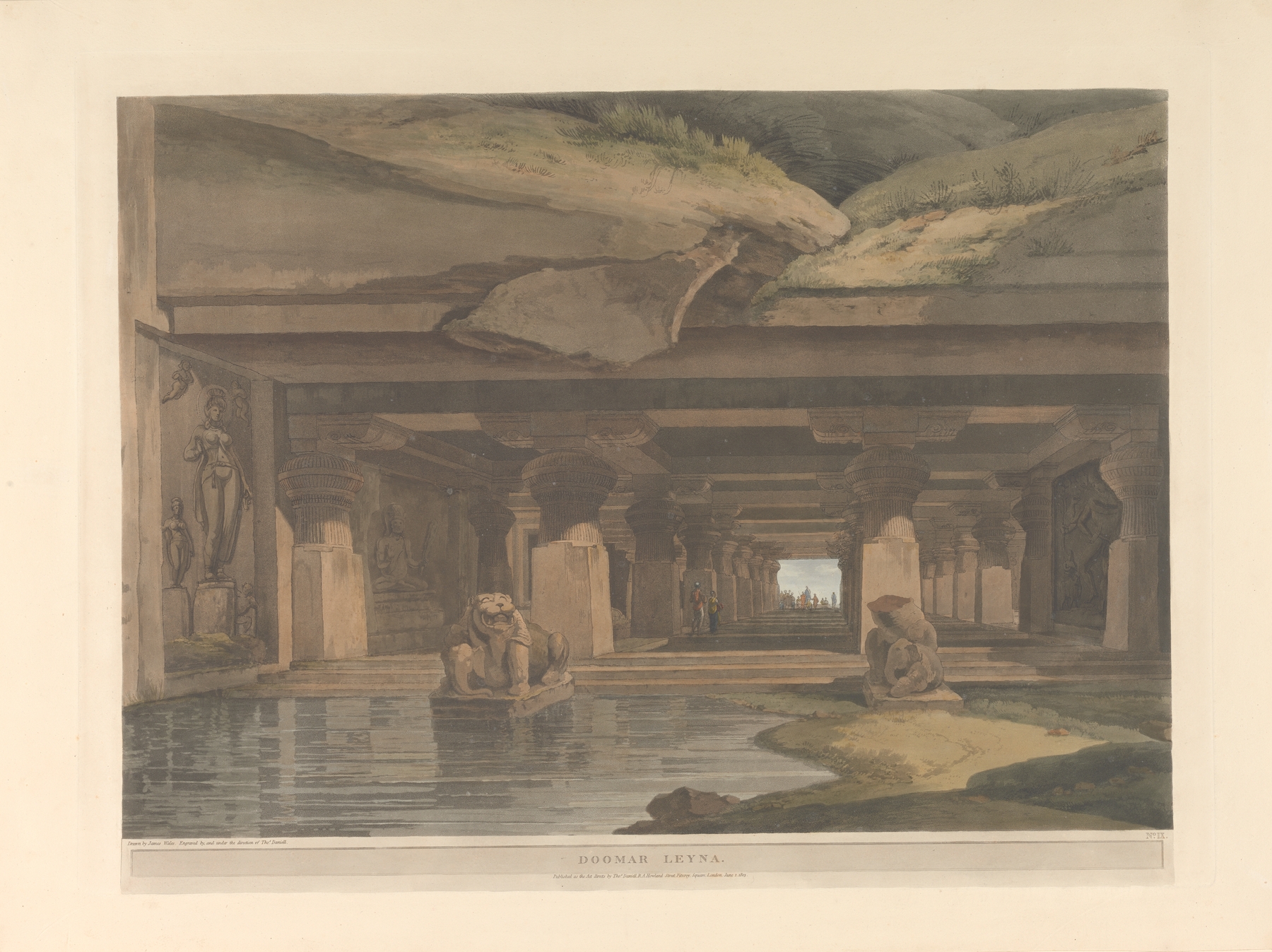
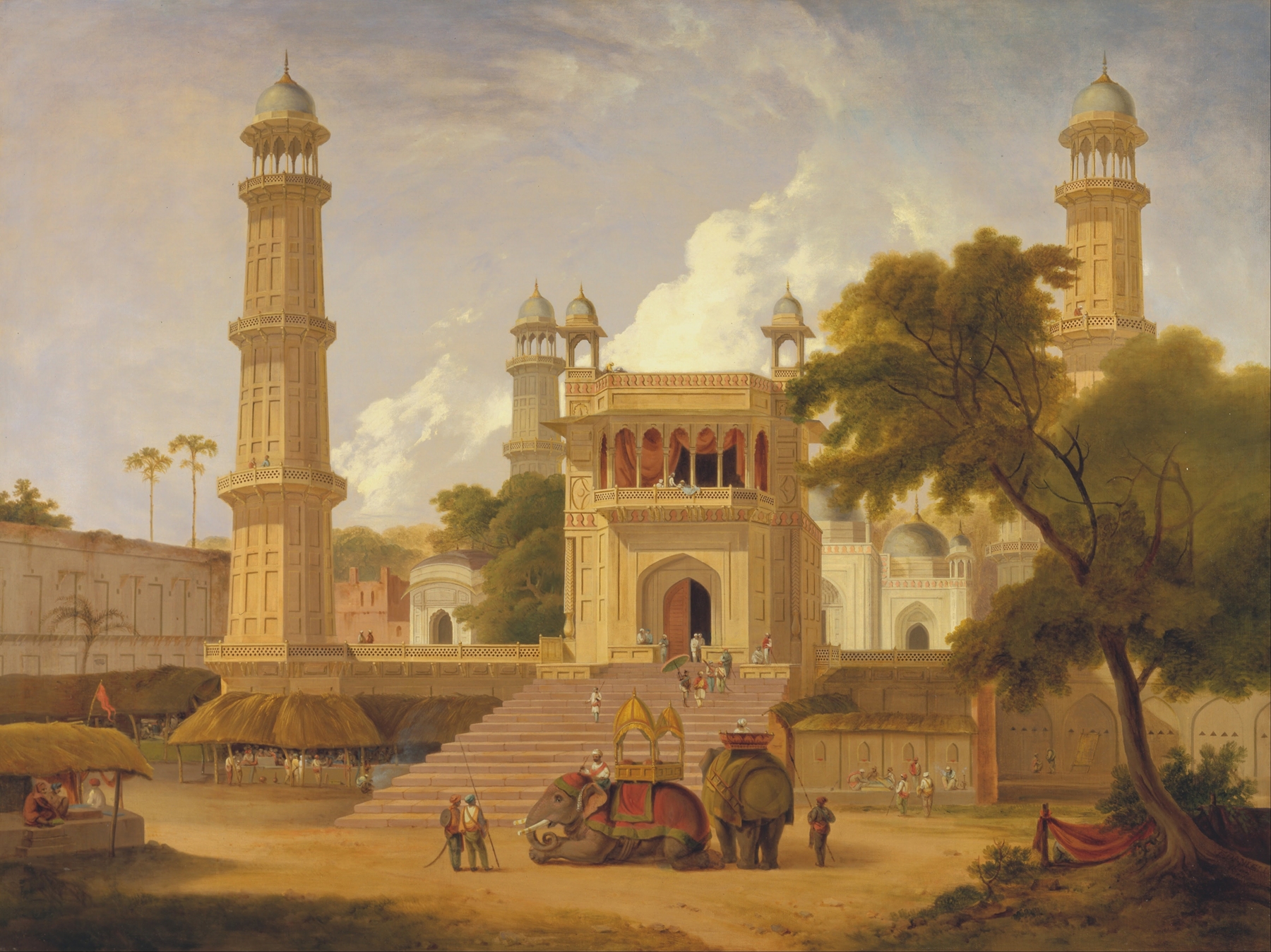
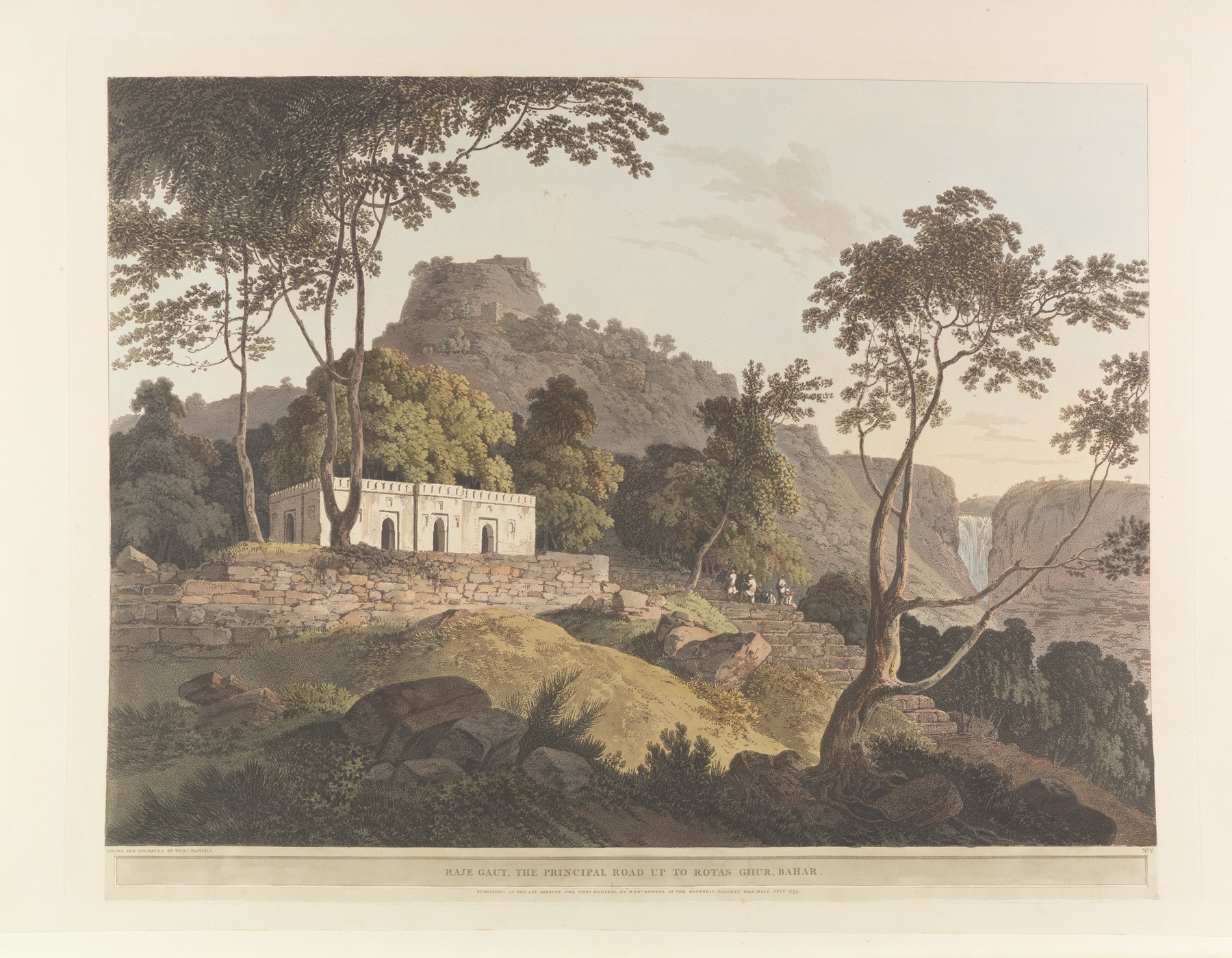
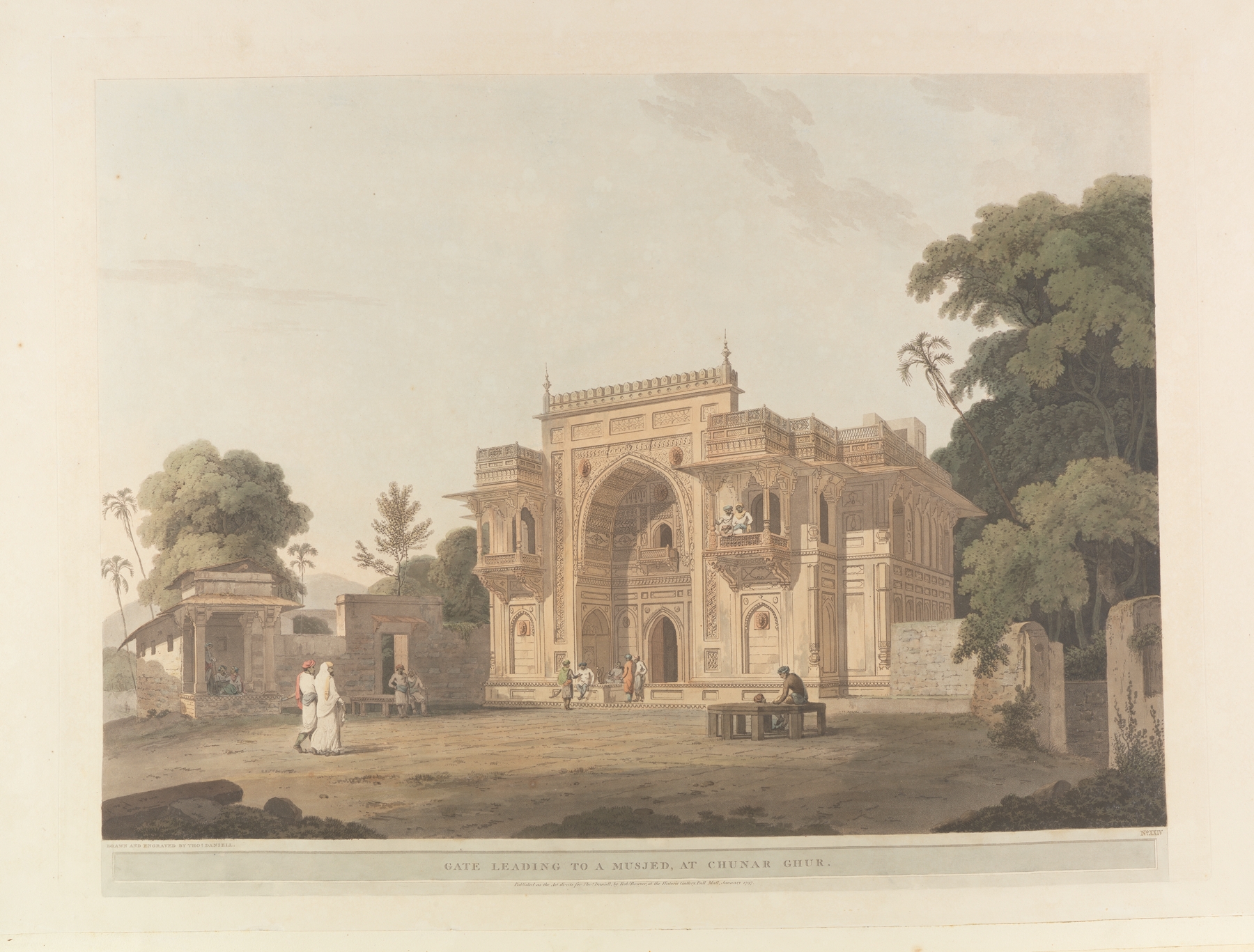
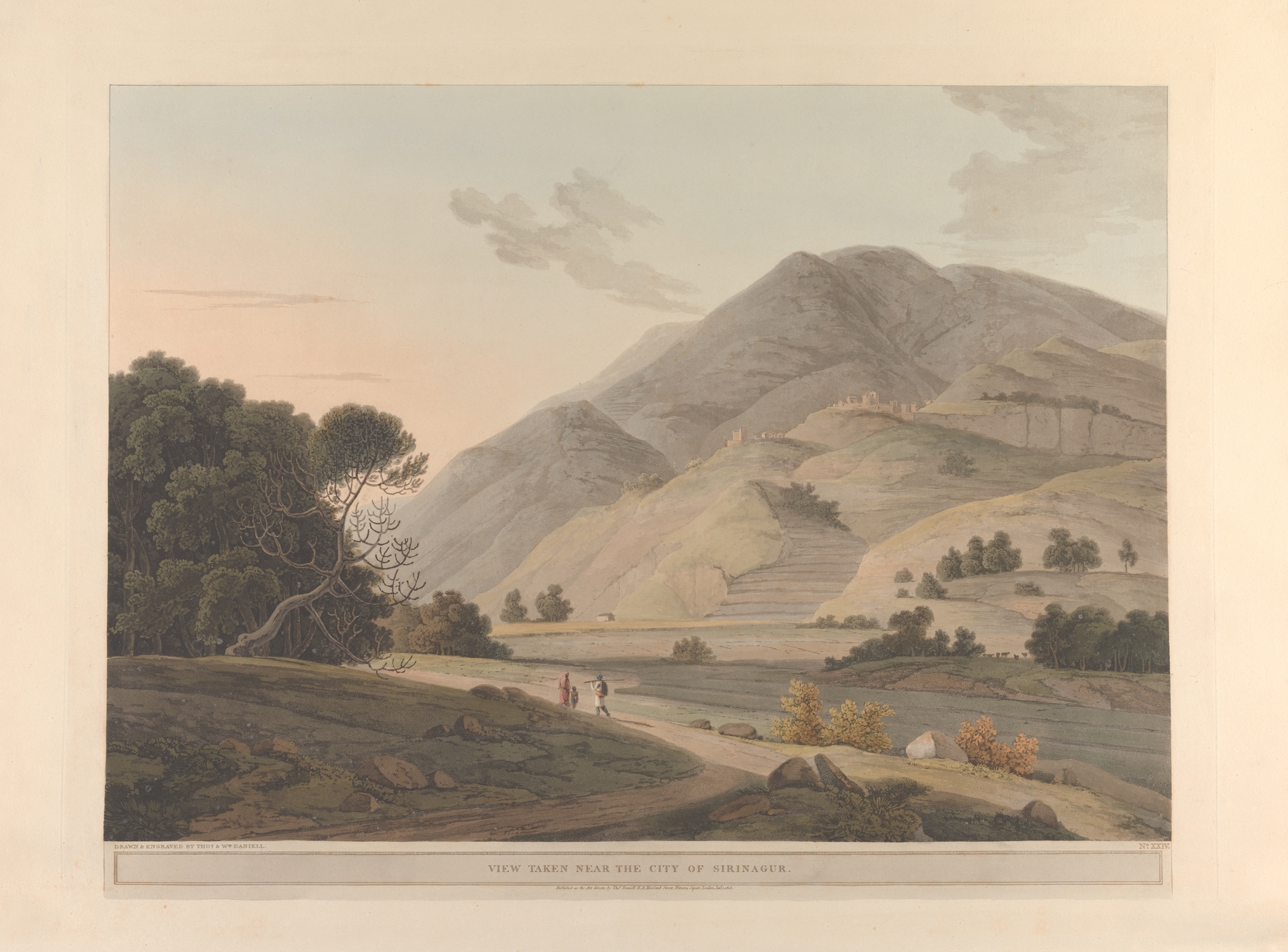
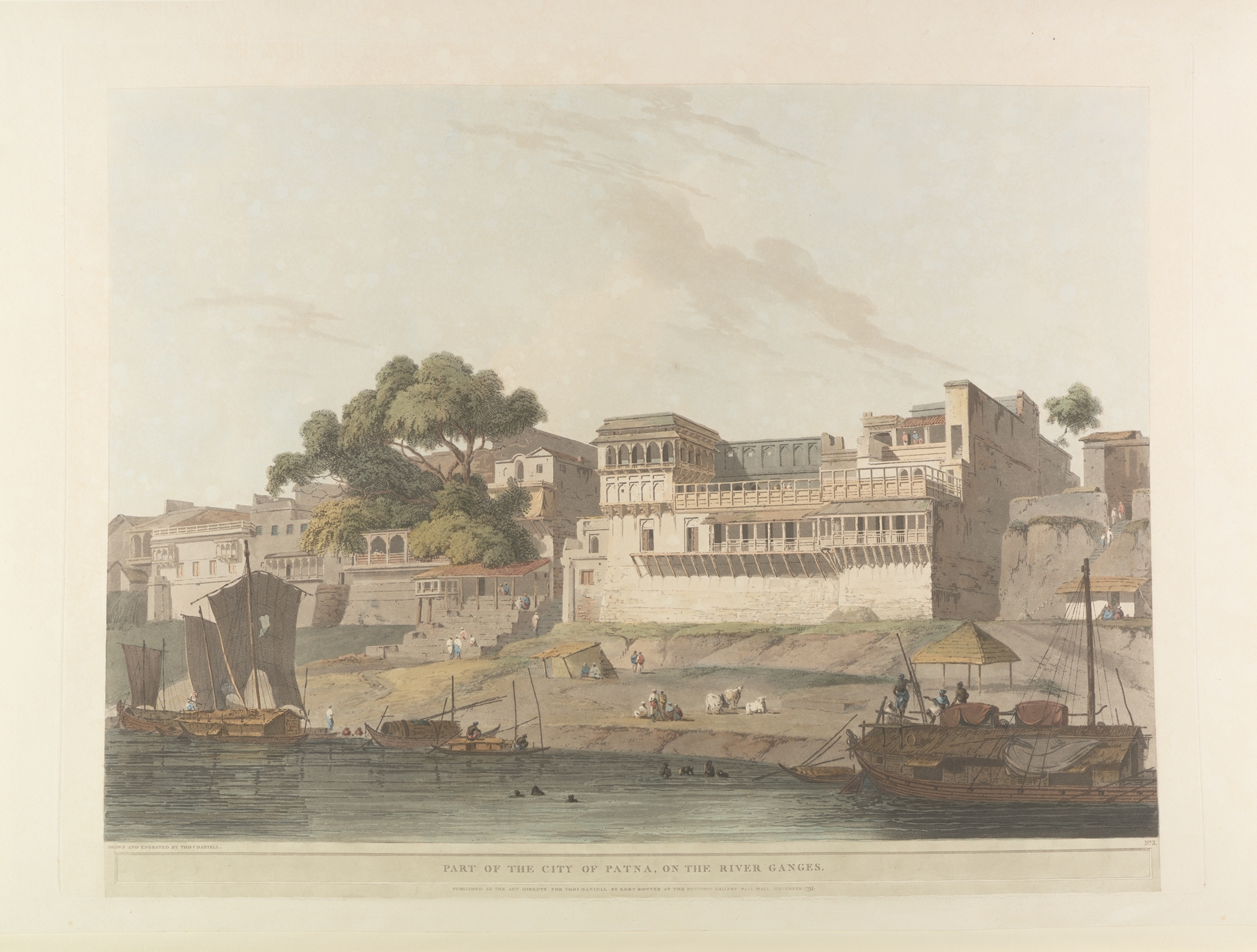
Could beauty survive in a century of chaos? In an era marked by upheaval and change, the elegance portrayed in Oriental Scenery Pl. 20 offers a moment of serene contemplation amidst the storm. Look to the vast expanse of tranquil waters, where delicate brushstrokes capture the soft ripples dancing across the surface. Focus on the lush greenery framing the scene, their vibrant hues of green and earthy tones inviting the viewer into a world filled with lush life.
The composition masterfully balances elements of land and sky, while the warm golden light bathes the landscape, imparting a sense of warmth and harmony. This interplay of light and color draws the eye through the painting, evoking an unhurried journey through an idyllic setting. Beneath this picturesque beauty lies a deeper narrative of contrast. The serene landscape juxtaposes the chaos of global revolutions at the time, hinting at a longing for peace and the exoticism of distant lands. The tranquil figures dotted across the scene, engaged in everyday activities, remind us of the timeless human connection with nature, offering solace against the backdrop of societal upheaval.
There’s an emotional pull in the way the viewer is invited to escape into this serene representation, suggesting a yearning for stability in tumultuous times. Created in 1808 amidst the British Romantic movement, this work reflects Thomas Daniell's experiences in India and his fascination with its landscapes and culture. At this time, he was establishing his reputation as a prominent landscape artist, capturing the essence of the East through his travels. The wider art world was witnessing a shift towards more emotive and imaginative works, positioning Daniell’s creations as both a celebration of beauty and a commentary on the complexities of the world around him.