Oriental scenery Pl.05 — History & Analysis
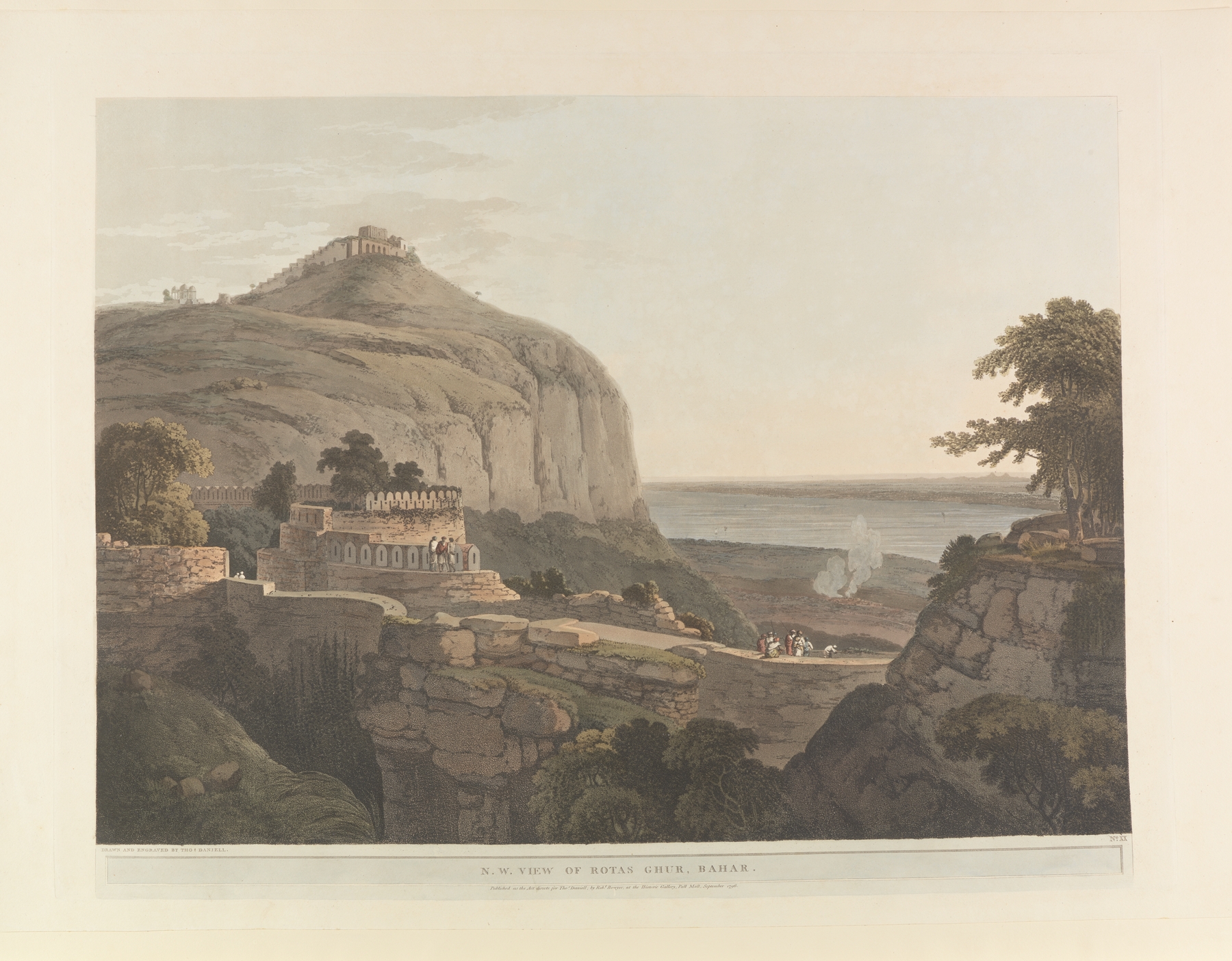
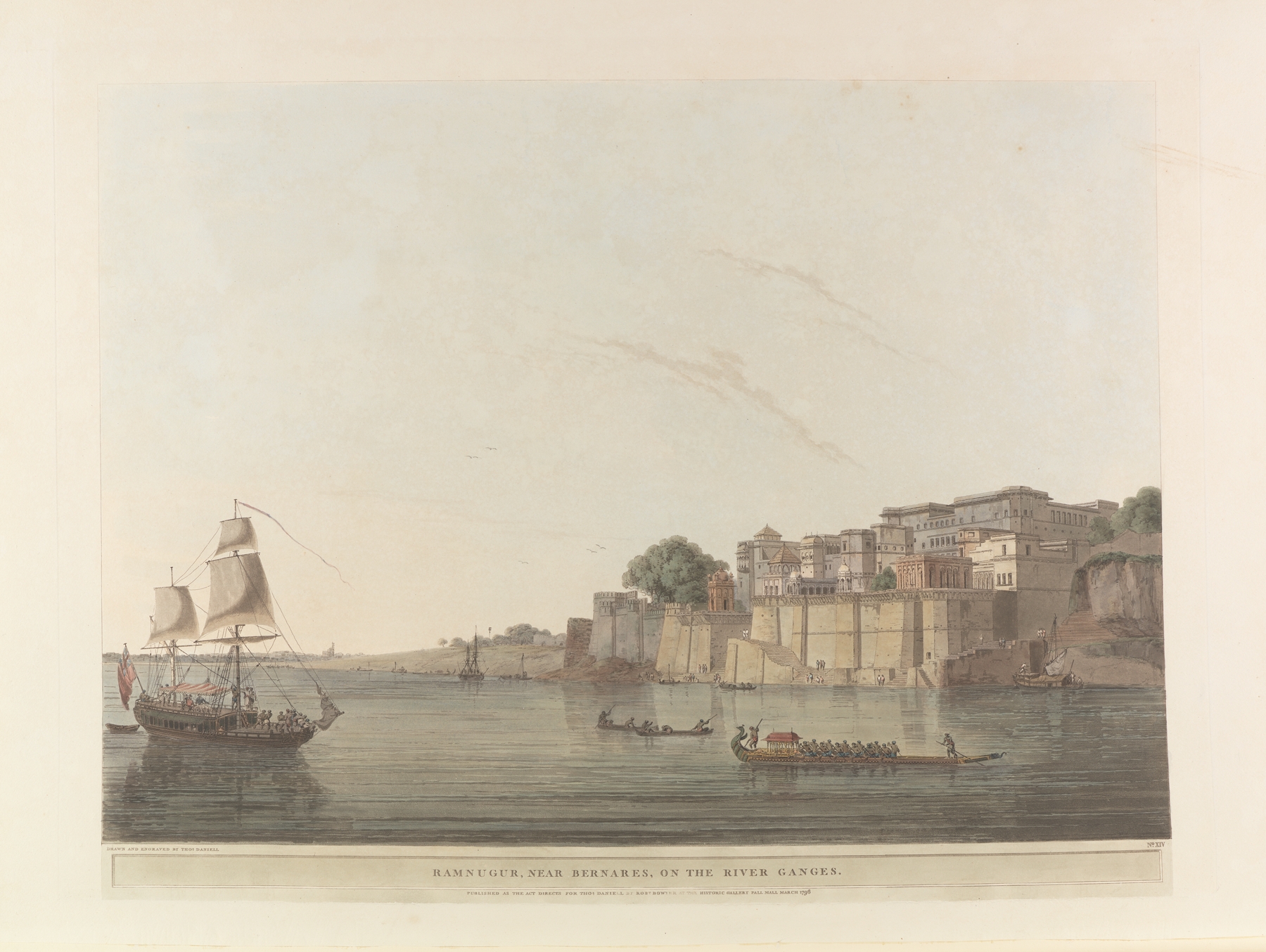
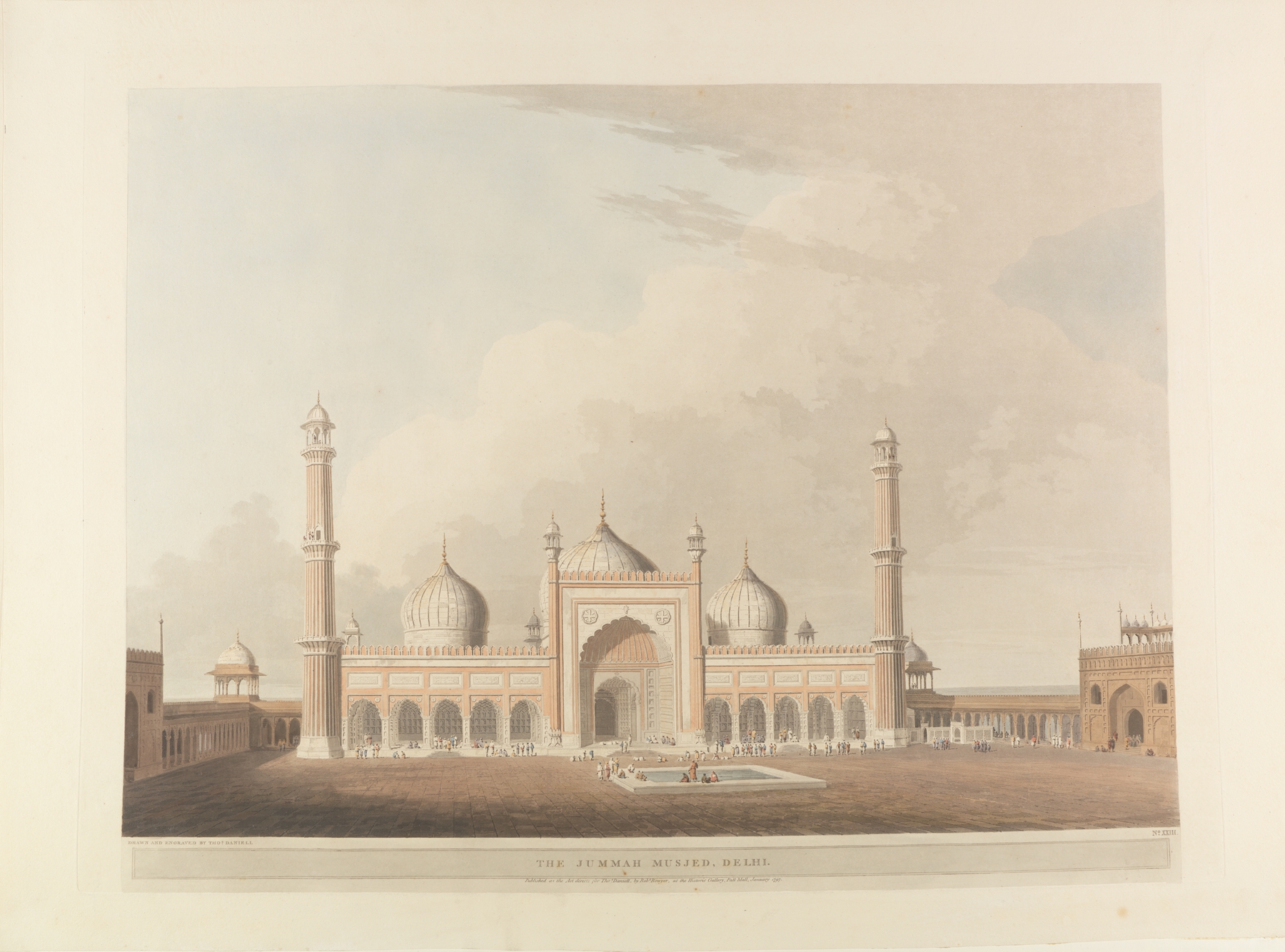
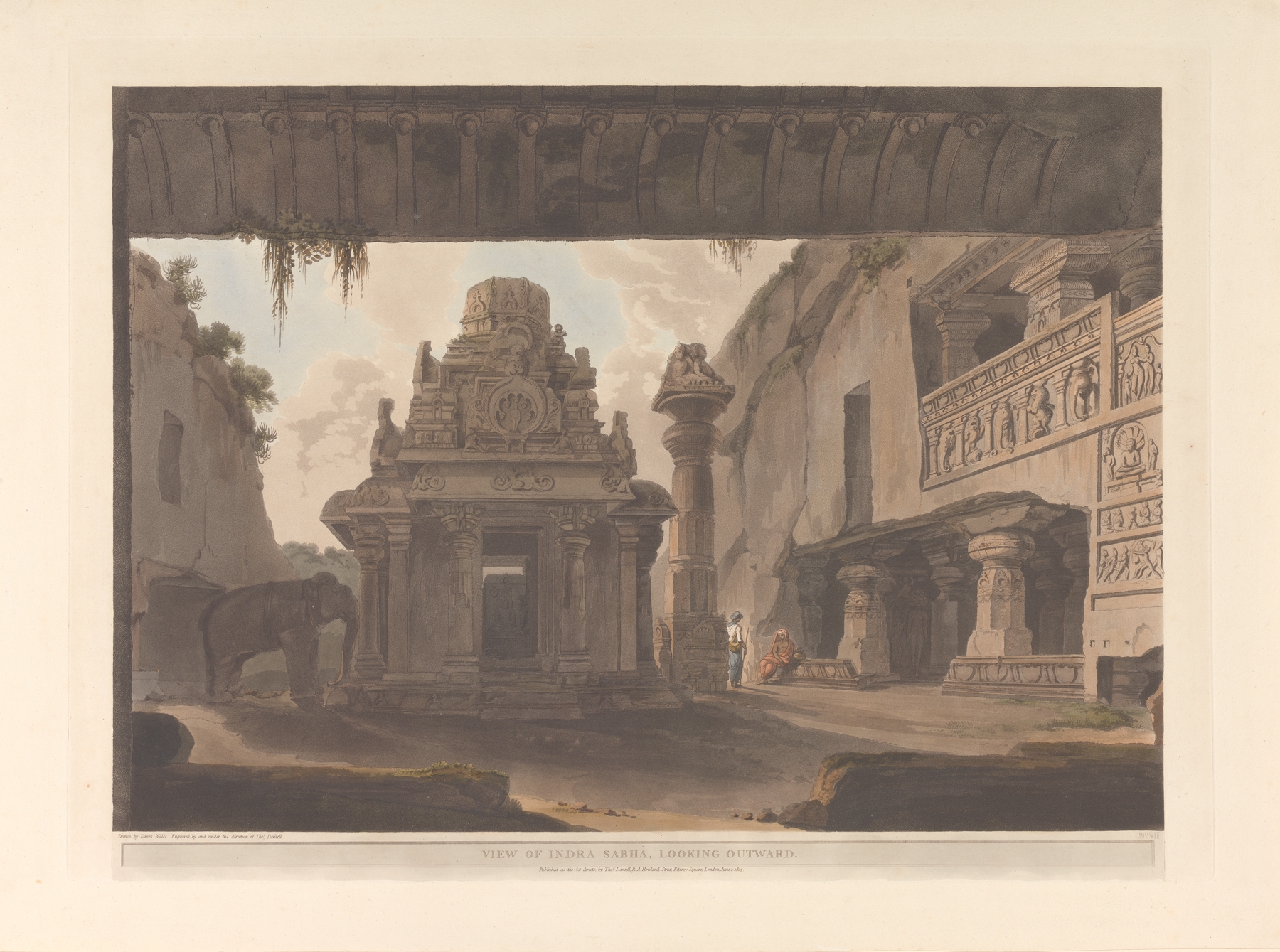
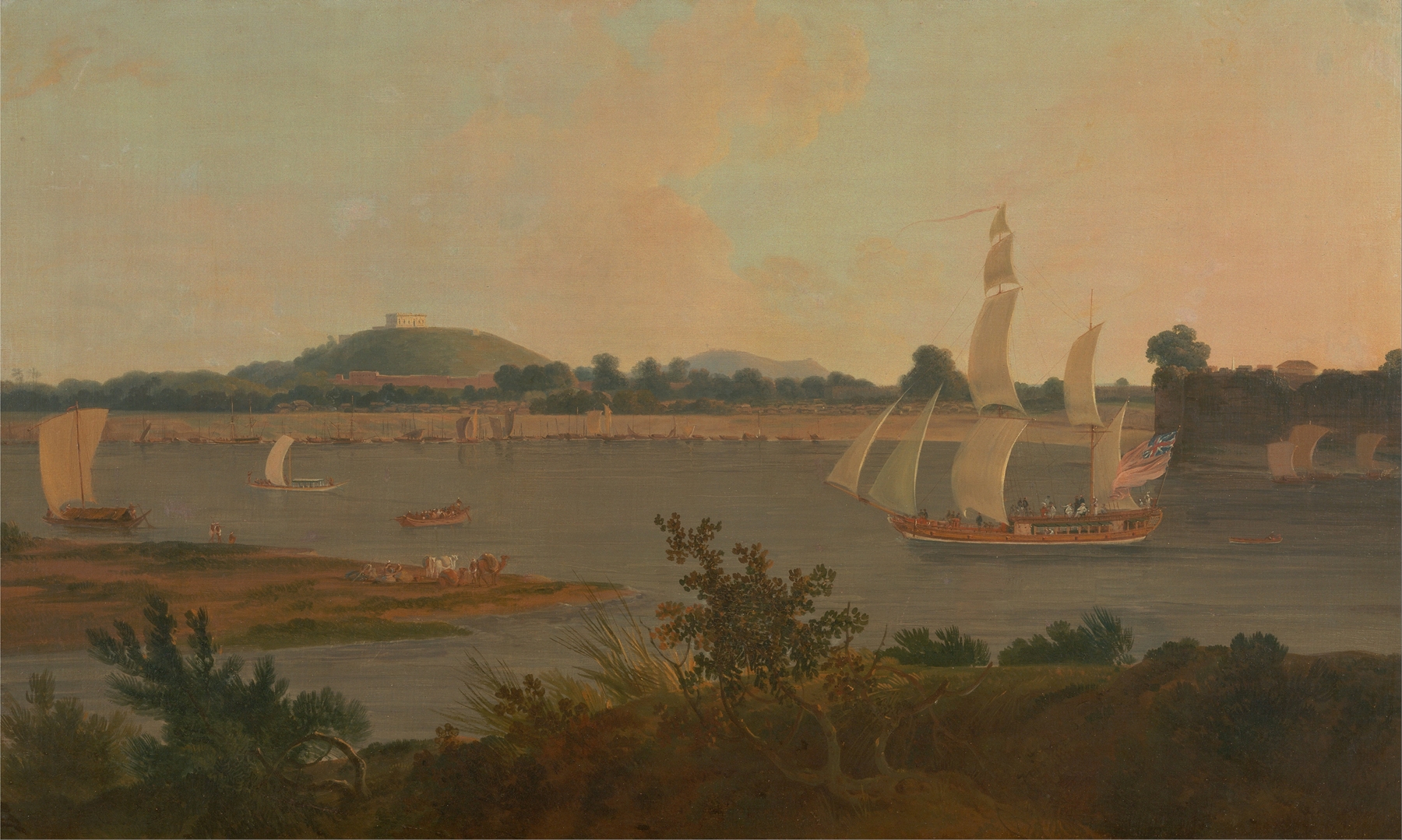
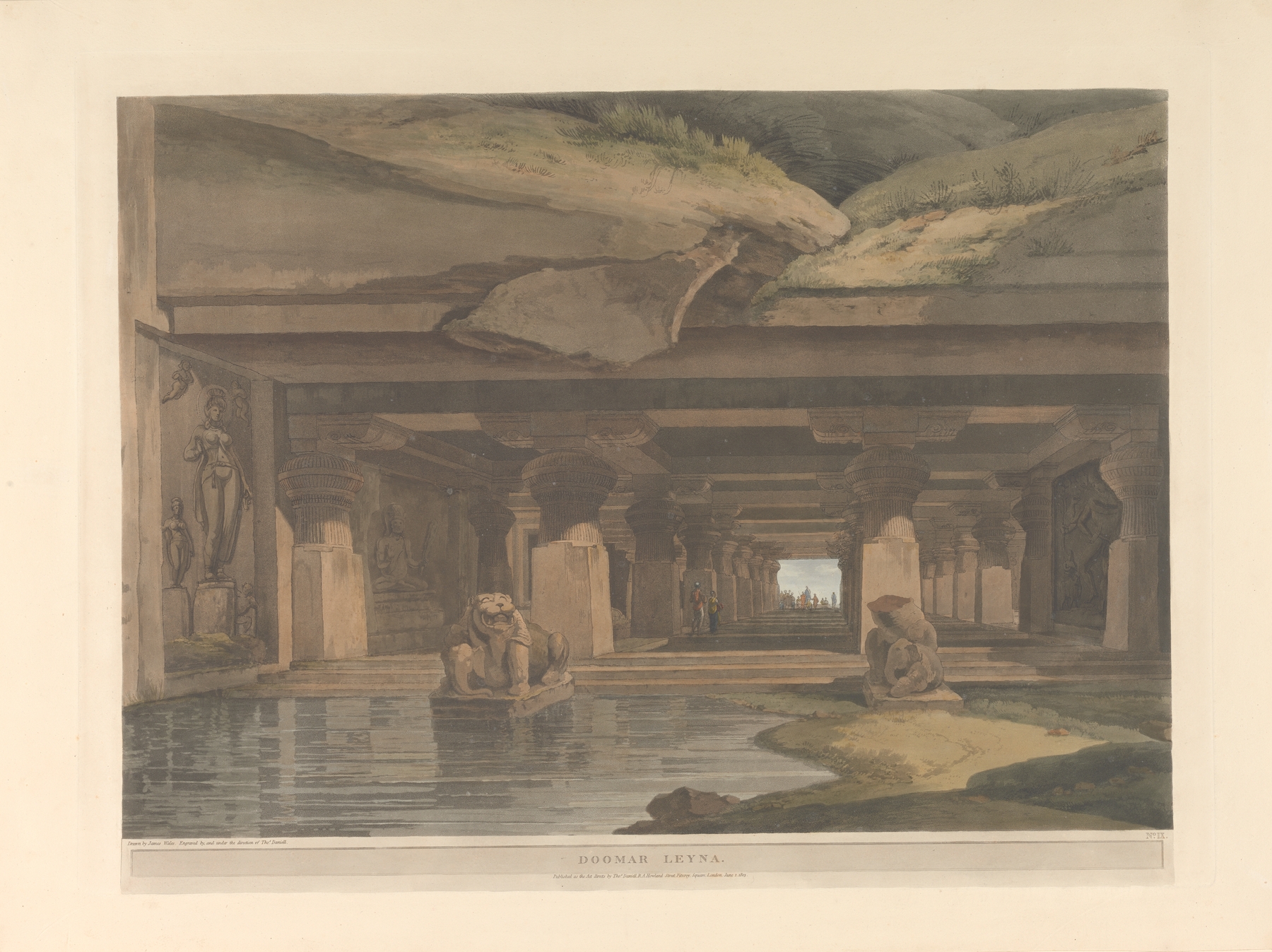
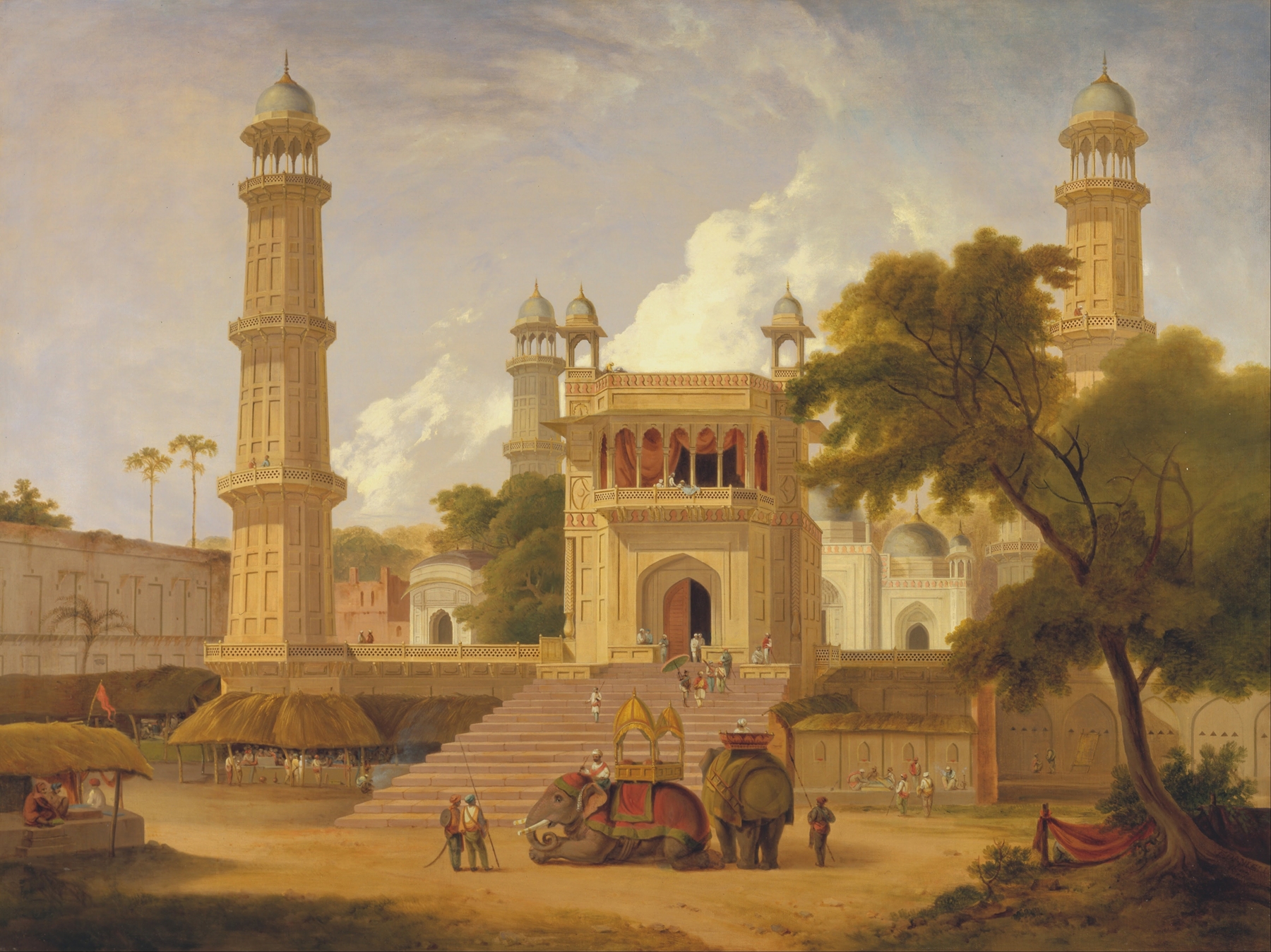
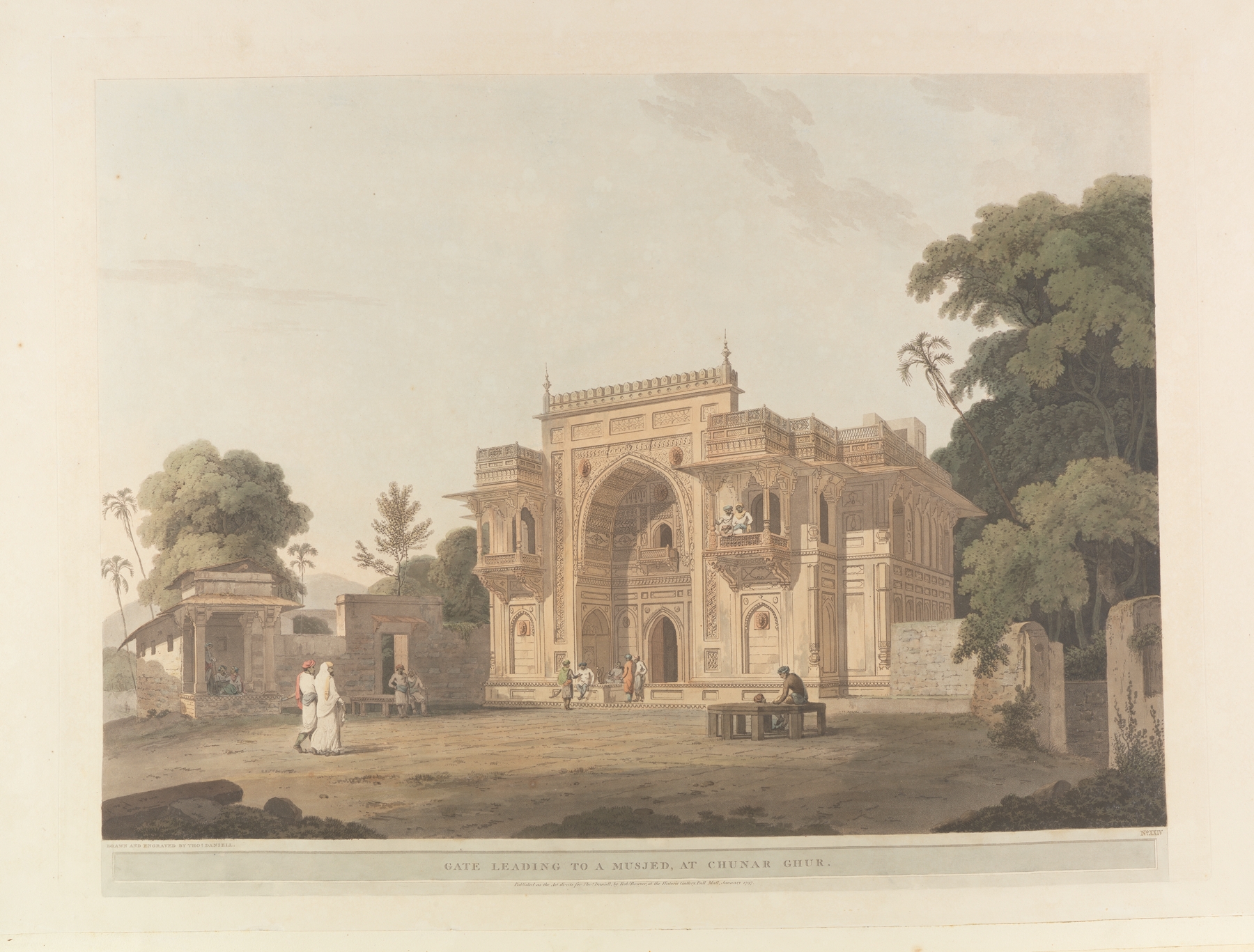
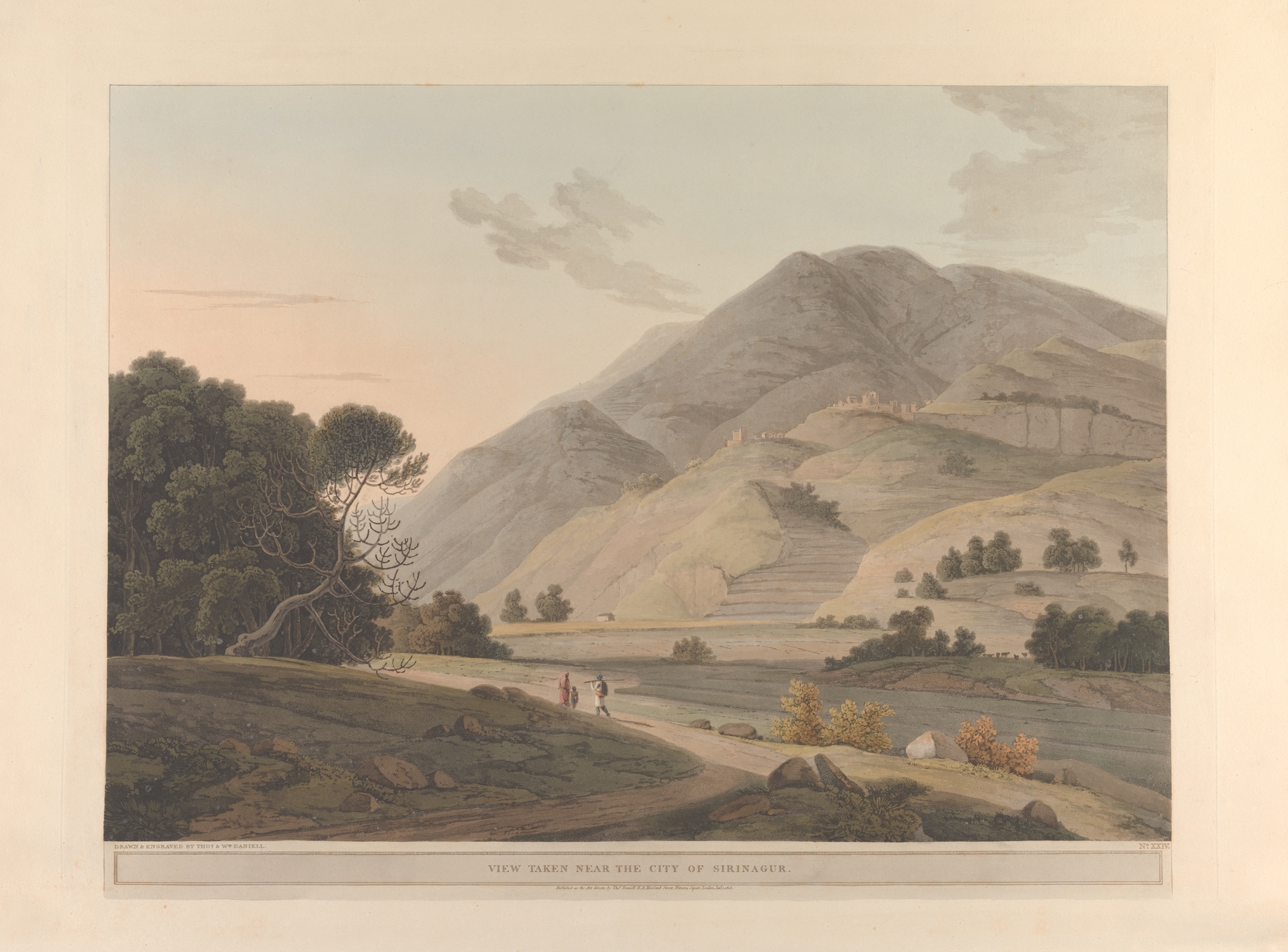
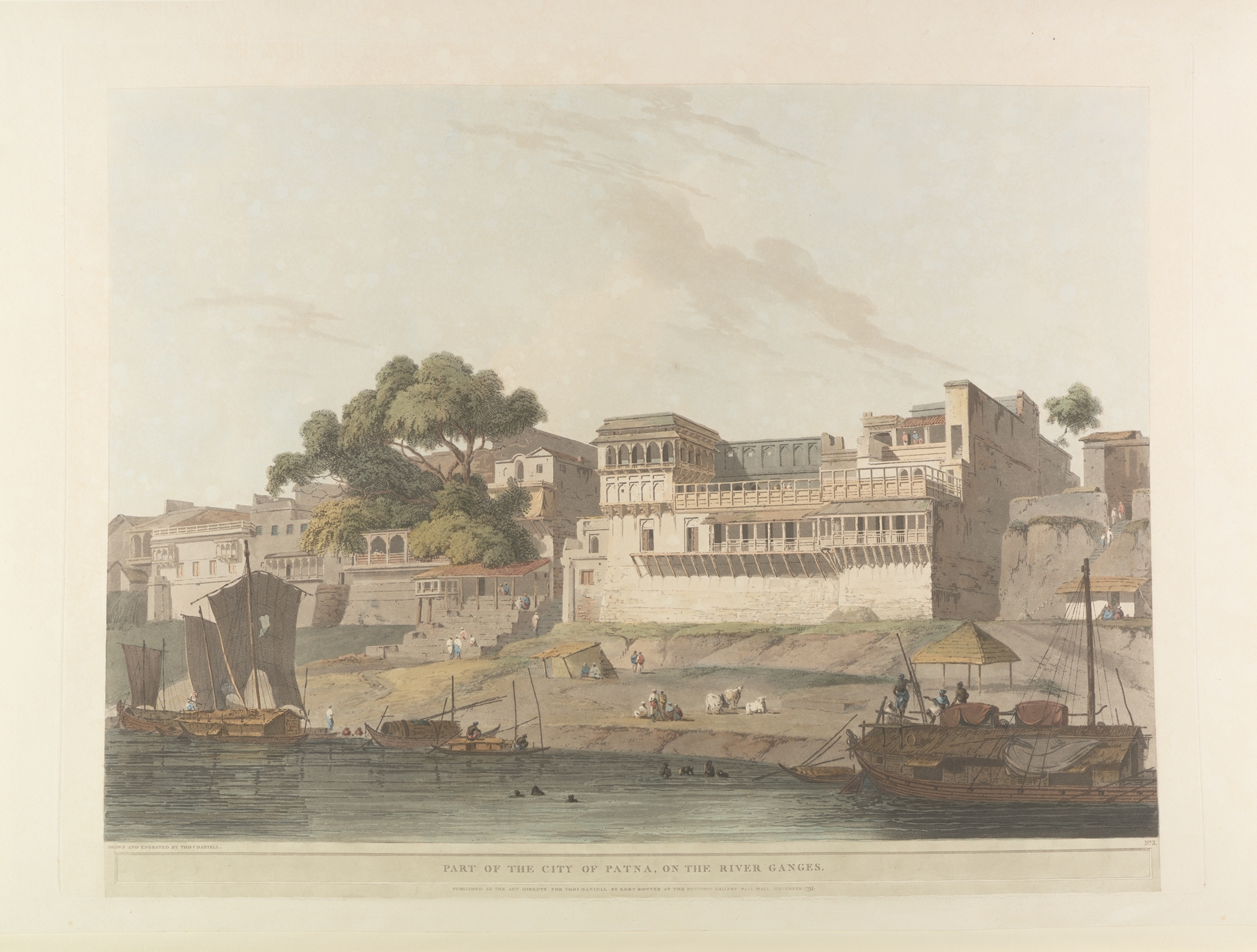
When did color learn to lie? The vibrant hues of nature often mask hidden truths, weaving a tapestry of obsession. Focus on the intricate details of the landscape in Oriental scenery Pl.05, where the lush greenery envelops a distant pagoda, rising like a mirage from the canvas. Notice how Daniell has employed rich greens and soft pastels, bringing life to the foliage while creating an idyllic setting that feels almost too perfect.
The gentle curves of the hills and the serene blue of the sky invite you to step deeper into this entrancing world. Yet, as you linger, consider the contrast: the graceful beauty of the scene belies an underlying tension. The pagoda, a symbol of distant Eastern cultures, stands as a reminder of Western fascination, perhaps even an obsession, with exotic lands. The vibrant colors, while captivating, may also reflect the artist's longing to capture something unattainable—an elusive dream forever out of reach.
In 1808, Thomas Daniell painted this work during his extensive travels in India, seeking both artistic inspiration and cultural understanding. At a time when European artists were increasingly drawn to Orientalism, Daniell found himself immersed in a vibrant world that both fueled his creativity and reflected the complexities of colonial desire. His works serve as both homage and critique of the cultures he portrayed, challenging viewers to contemplate their own perceptions.