Inside of the Mews — History & Analysis
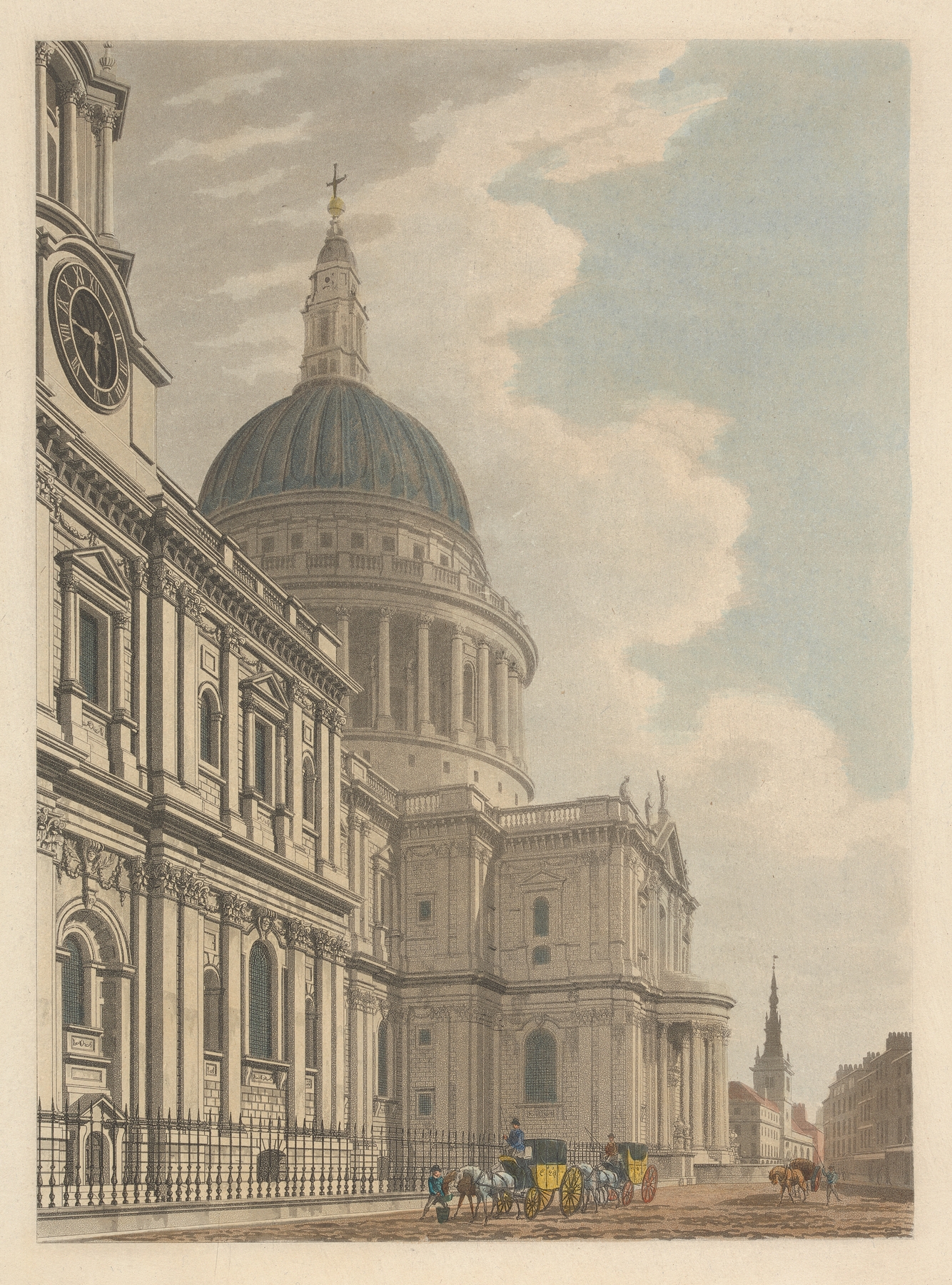
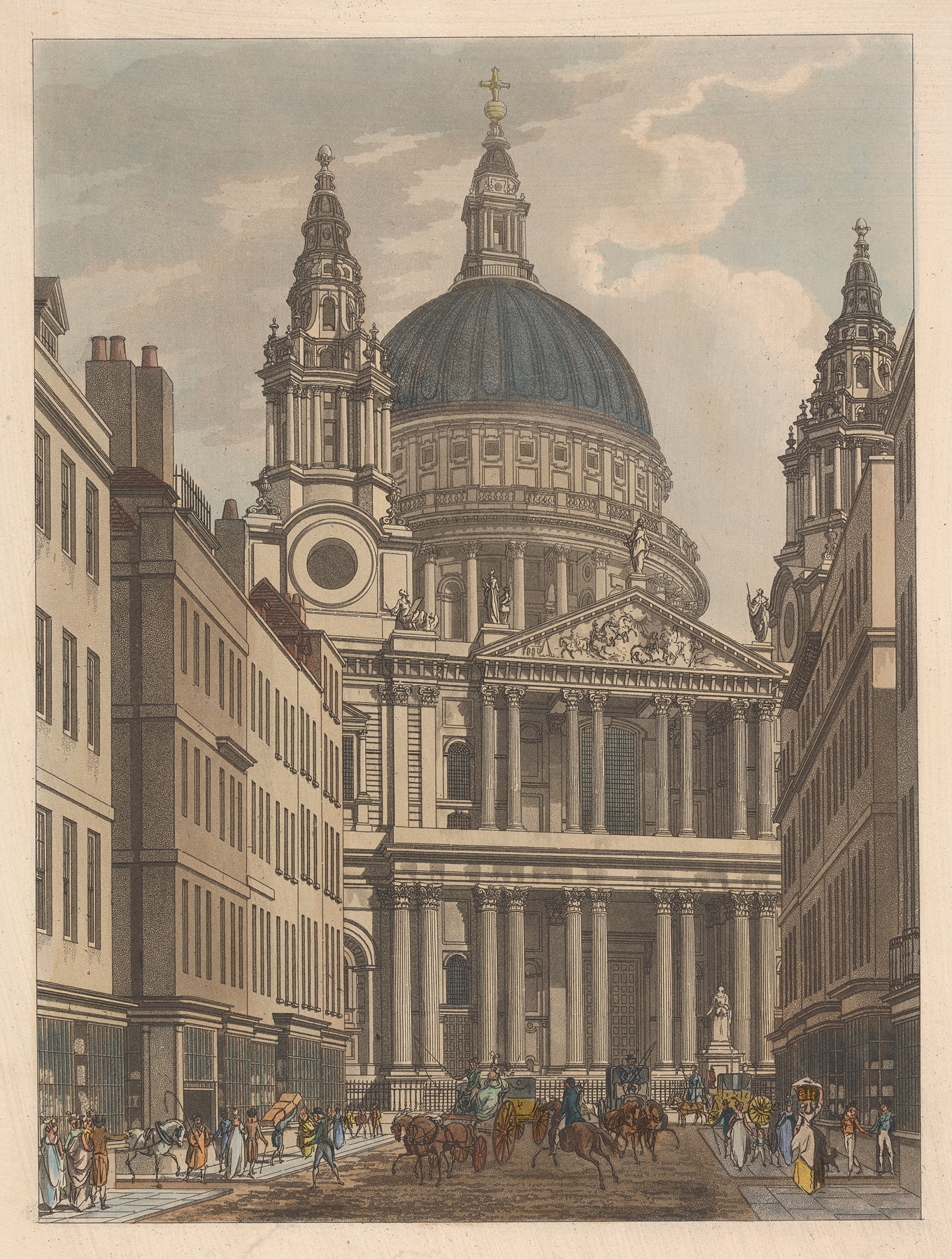
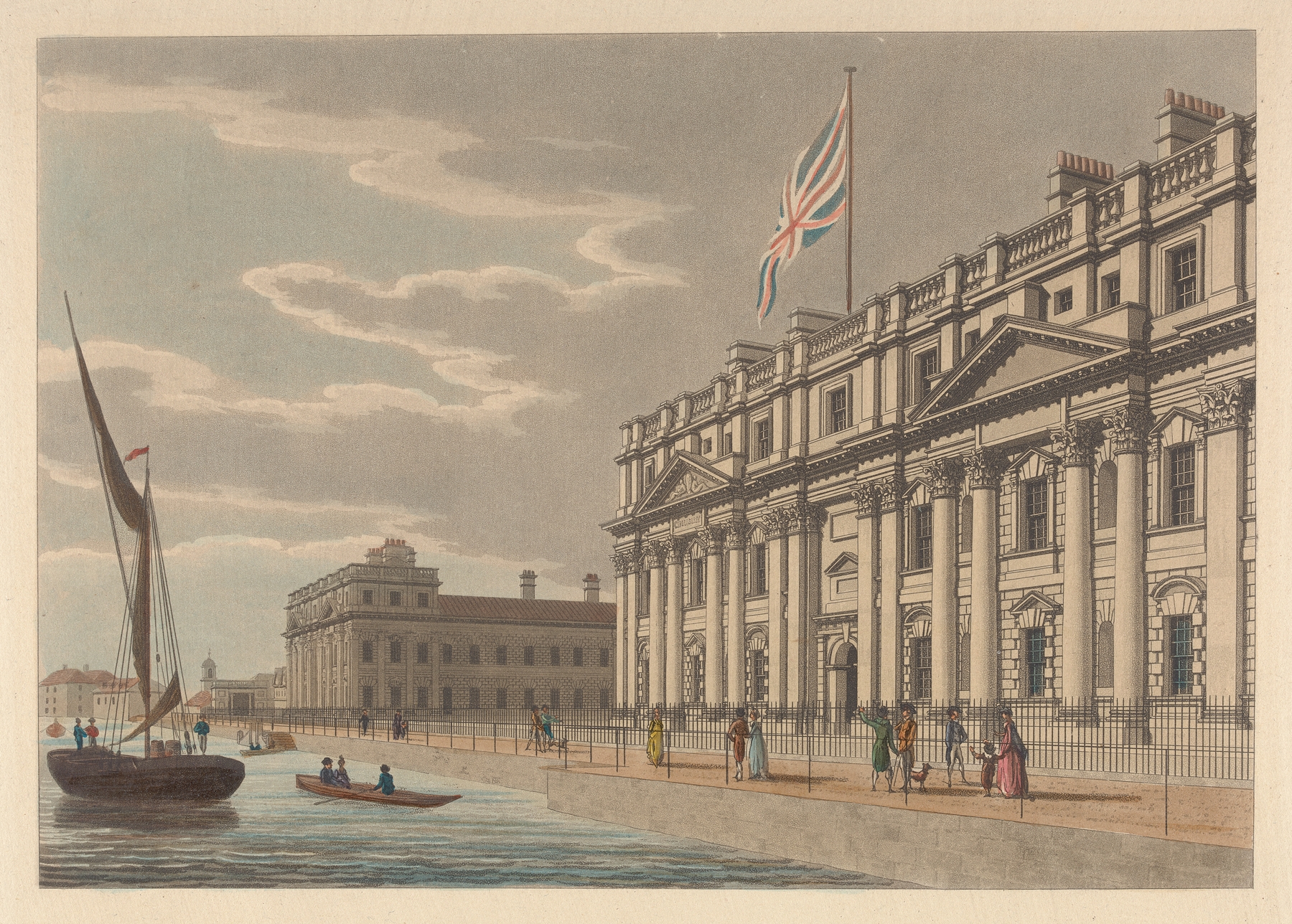
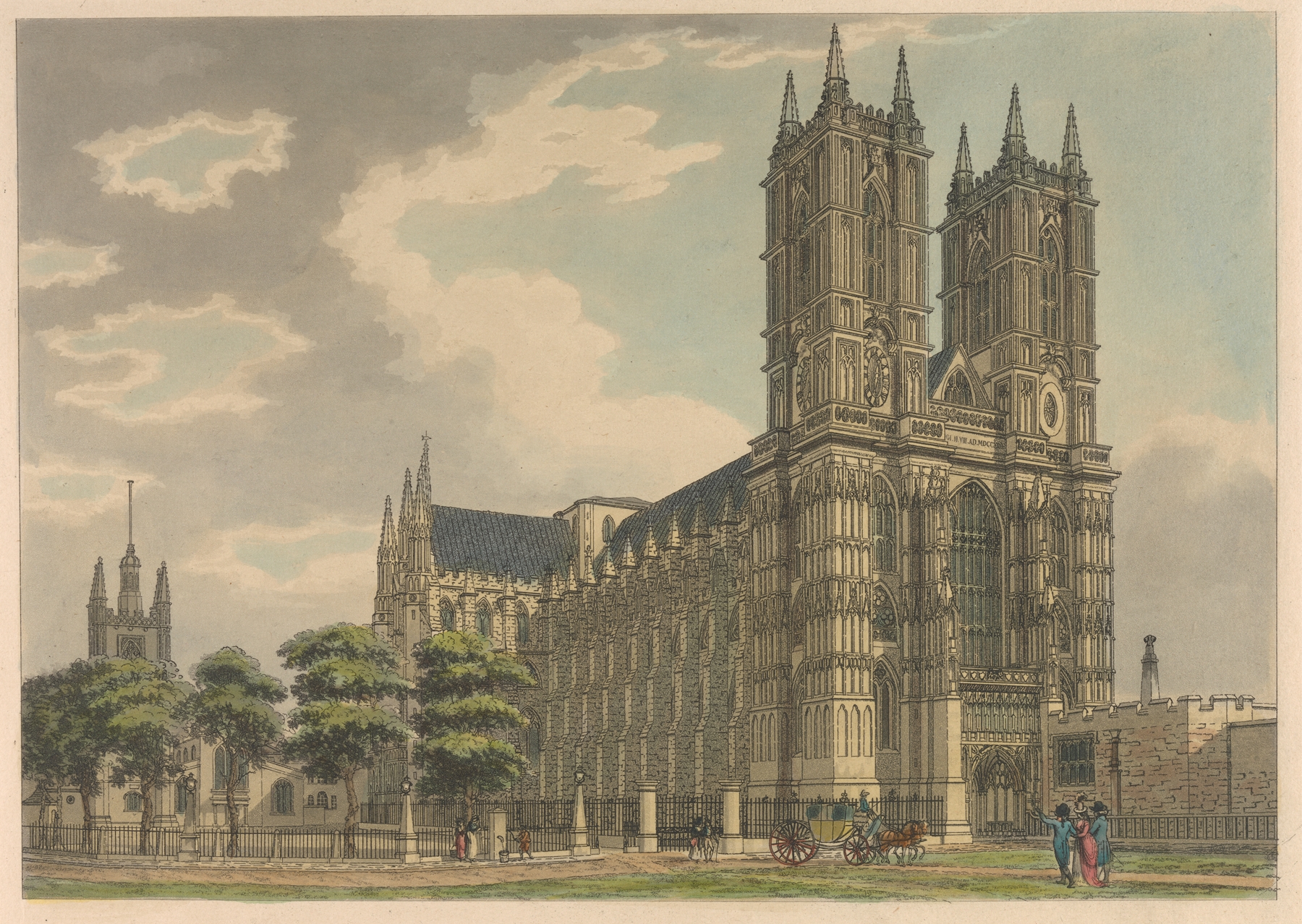
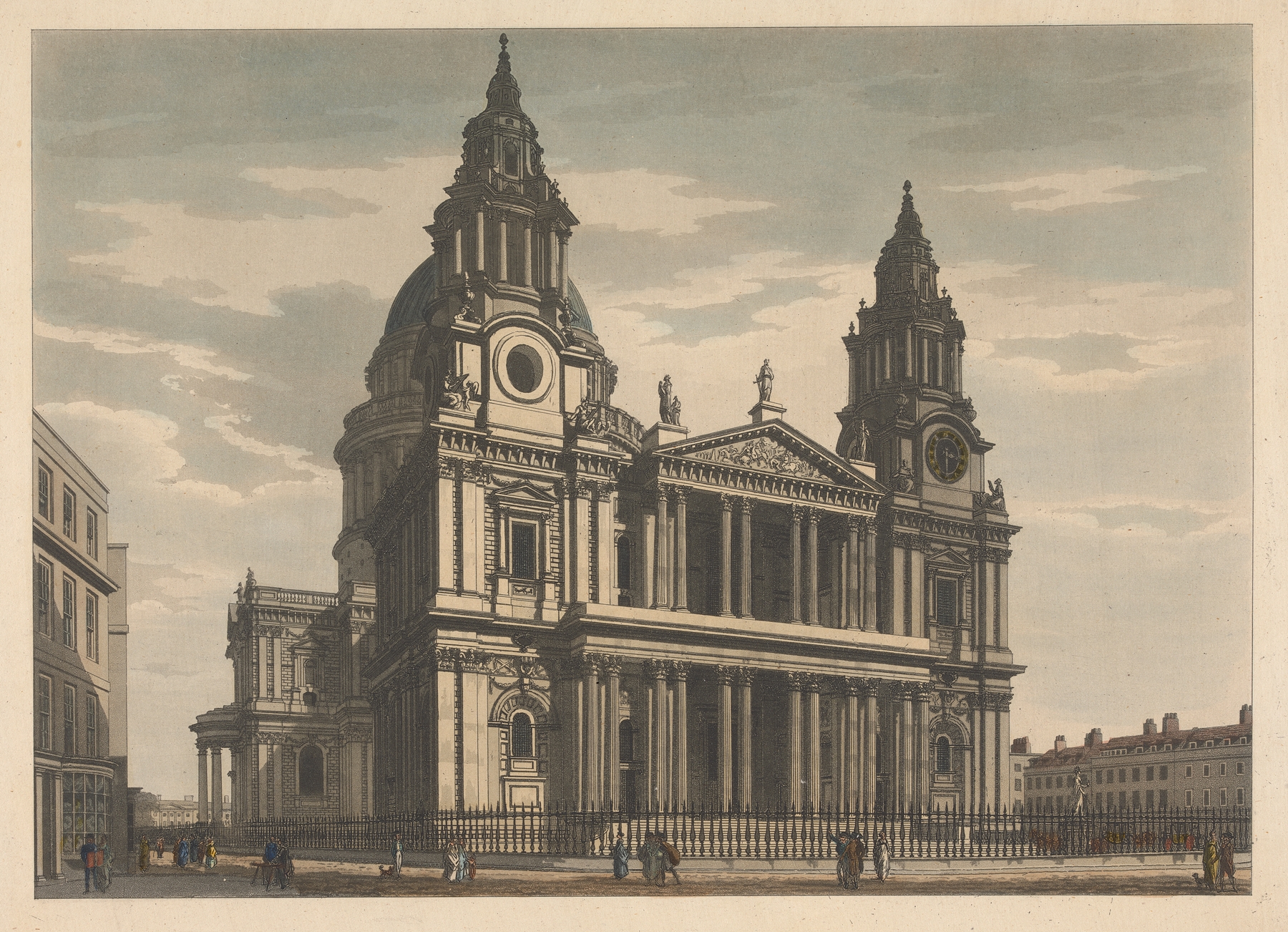
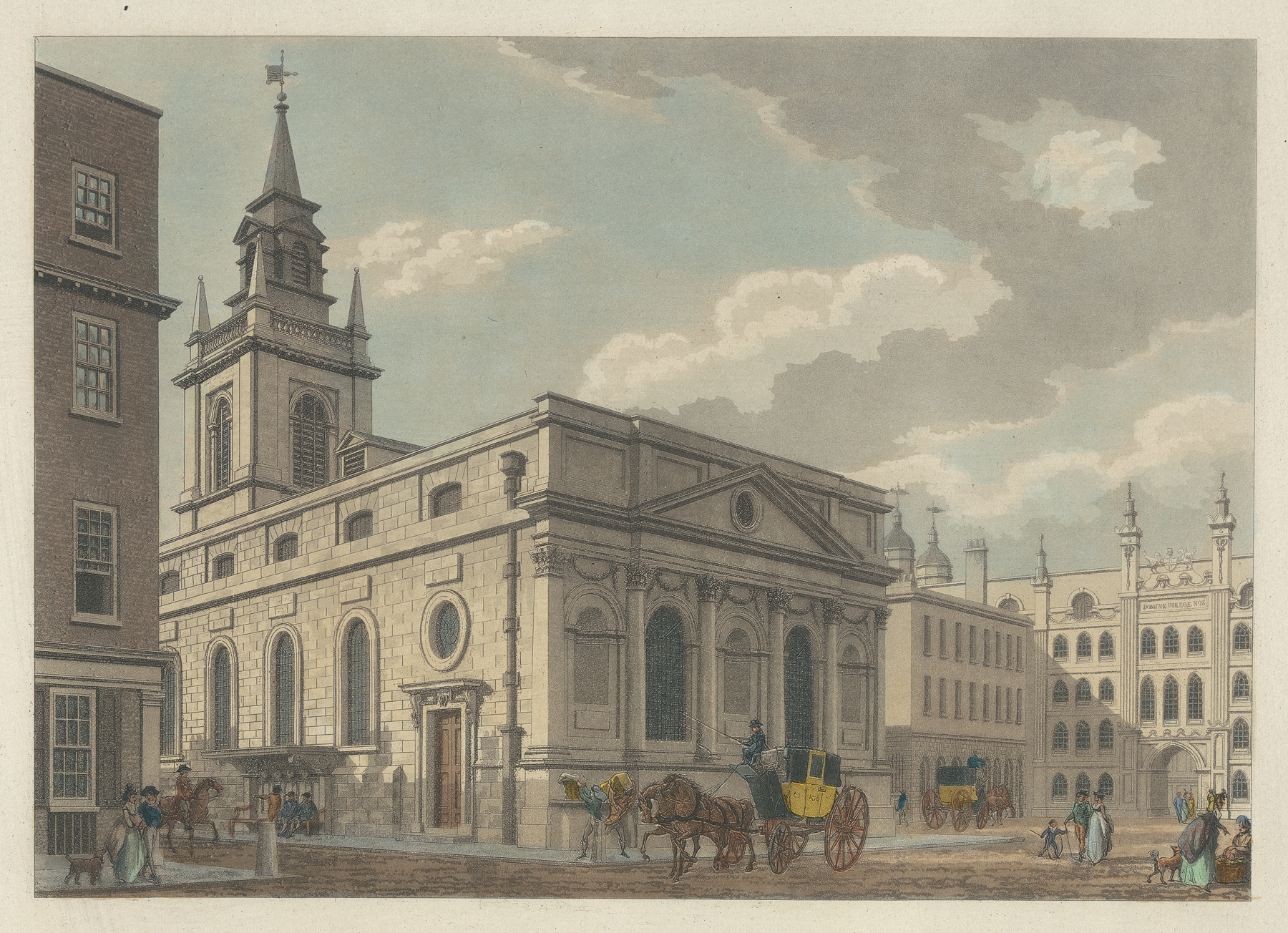
“Sometimes beauty is just pain, disguised in gold.” Here, amidst the lush complexity of a bustling urban scene, lies a moment of paradox: the elegance of the mews cloaks the undercurrents of revolution sweeping through society. The setting invites contemplation, capturing both the allure of everyday life and the unrest simmering just beneath the surface. Look to the left at the intricate architecture of the mews, where the soft glow of twilight casts long shadows against the warm hues of the bricks. The viewer’s eye is drawn first to the rich interplay of light and dark, demonstrating the artist’s deft handling of chiaroscuro.
Notice how the soft pastels of the sunset merge with the deep browns and ochres of the buildings, creating a striking contrast that evokes both comfort and uncertainty, a visual metaphor for the duality of life in 18th-century England. Delve deeper into the painting’s nuances: the figures subtly engaged in their daily tasks hint at a life both ordinary and extraordinary. Each character, from the grooms tending to their horses to the elegantly dressed patrons, embodies the complexities of a society on the brink of change. The harmonious arrangement suggests a fleeting peace, yet the tension in their expressions reveals an awareness of the chaos that revolution could bring.
Here, beauty intertwines with the fragility of existence, perpetually suspended between the serenity of the moment and the storm of history. Thomas Malton, a prominent English architect and painter, created this work in 1794 during a time of social upheaval and artistic evolution. Living in London, he witnessed the growing discontent leading to the French Revolution, an event that influenced many artists of his era. The clarity and precision of his style reflect the Enlightenment ideals of order and reason, while simultaneously foreshadowing the tumult that his society would soon confront.