Interior of the subterranean chapel — History & Analysis
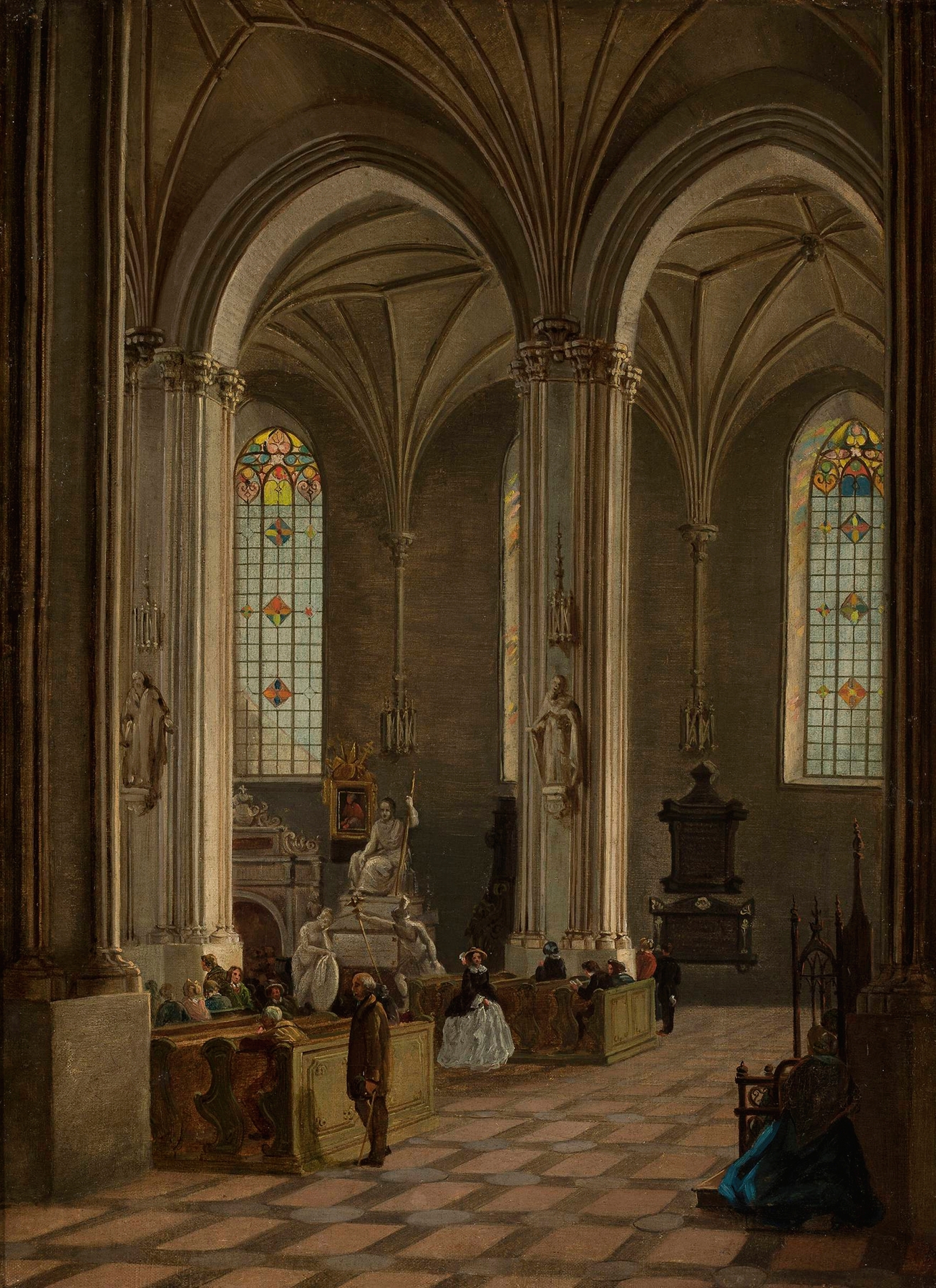
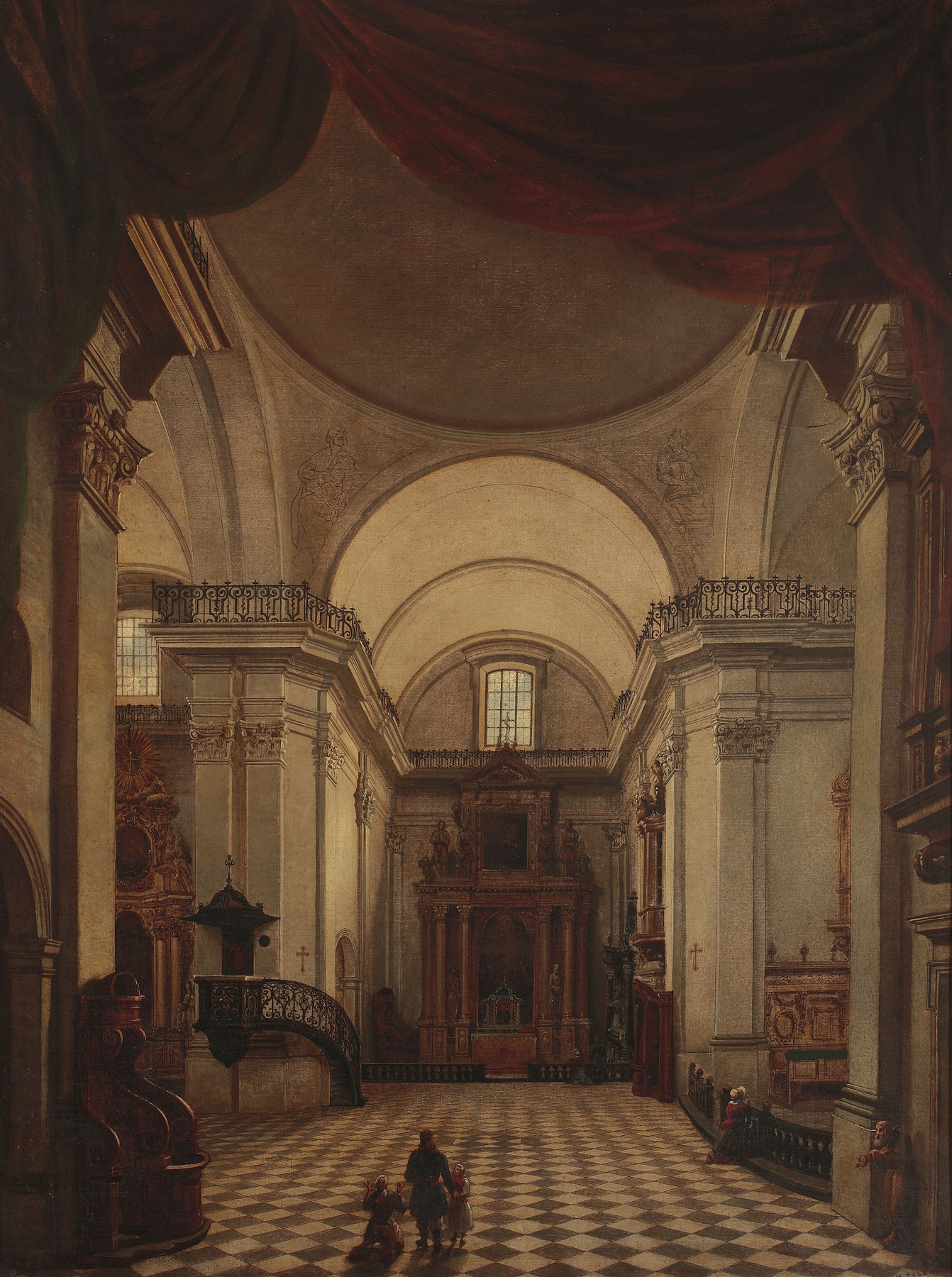
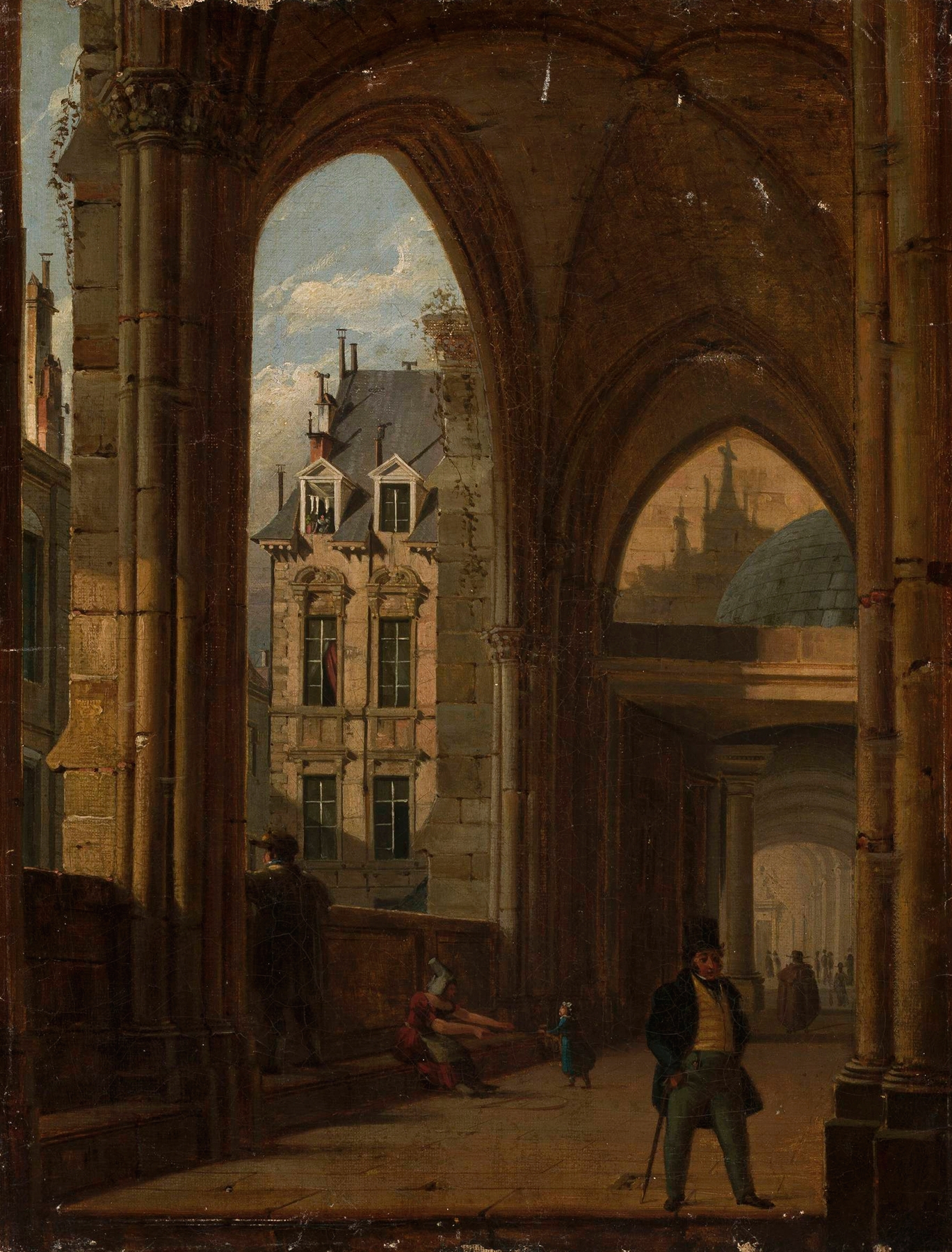
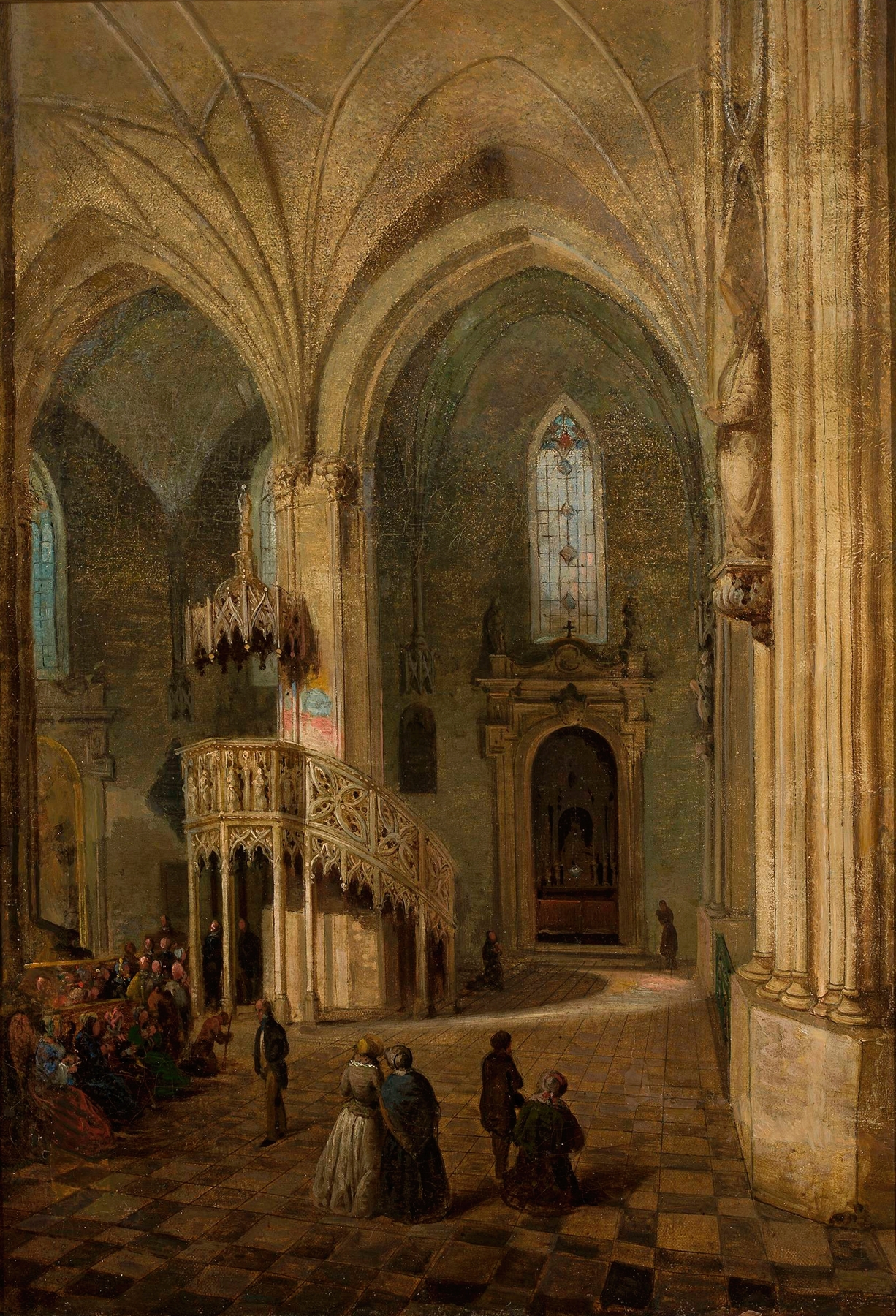
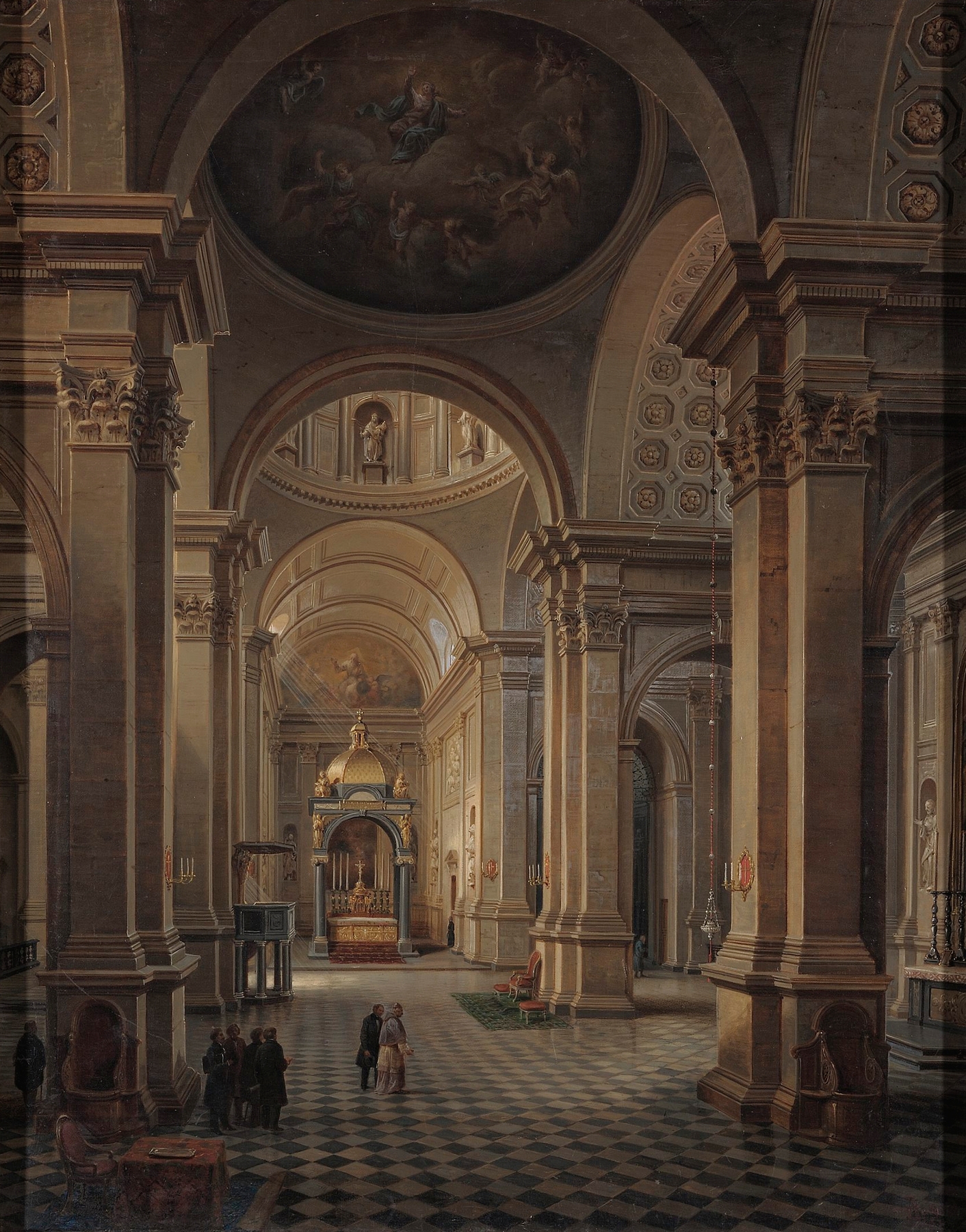
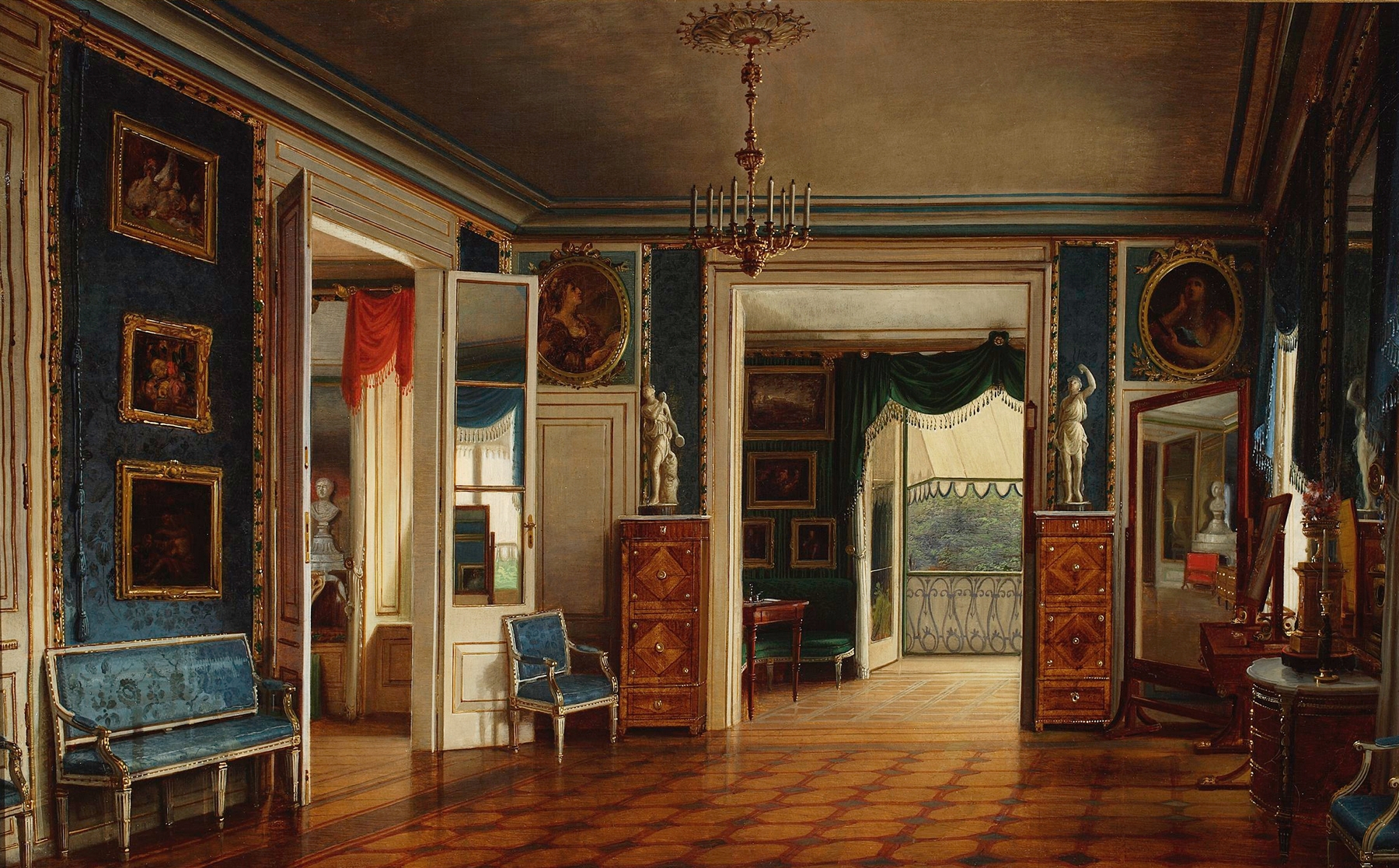
Is this a mirror — or a memory? In the depths of Marcin Zaleski’s Interior of the Subterranean Chapel, we find ourselves suspended between the tangible and the ephemeral, exploring a fragile world where echoes of faith linger in the air. Focus your gaze on the dim light streaming from a single source, illuminating the delicate vaults above. Notice how the artist employs a muted palette of earthy tones, allowing shadows to sculpt the stone walls into a cathedral of quiet reverence.
The intricate details of the chapel's architecture draw you in, creating a sense of intimacy that feels almost sacred. Your eyes dance along the contours of the arches, while the faint flicker of light beckons you to delve deeper into this underground sanctuary. As you explore further, subtle contrasts emerge, revealing a tension between solidity and transience. The stillness of the chapel speaks to both the permanence of its stone structure and the fleeting nature of human experience.
You might observe how the play of light and shadow hints at a duality — the weight of history is palpable, yet an underlying fragility permeates the space, inviting contemplation on what we choose to remember and what fades away. In 1836, Zaleski was immersed in the rich artistic currents of Poland, reflecting a growing interest in Romanticism and national identity following the partitions of his homeland. He painted this work during a period of political upheaval, where art served as a refuge and a means of expression. The subterranean chapel he chose to depict stands not just as a physical location but also as a metaphor for the resilience of the human spirit in the quest for meaning amid chaos.