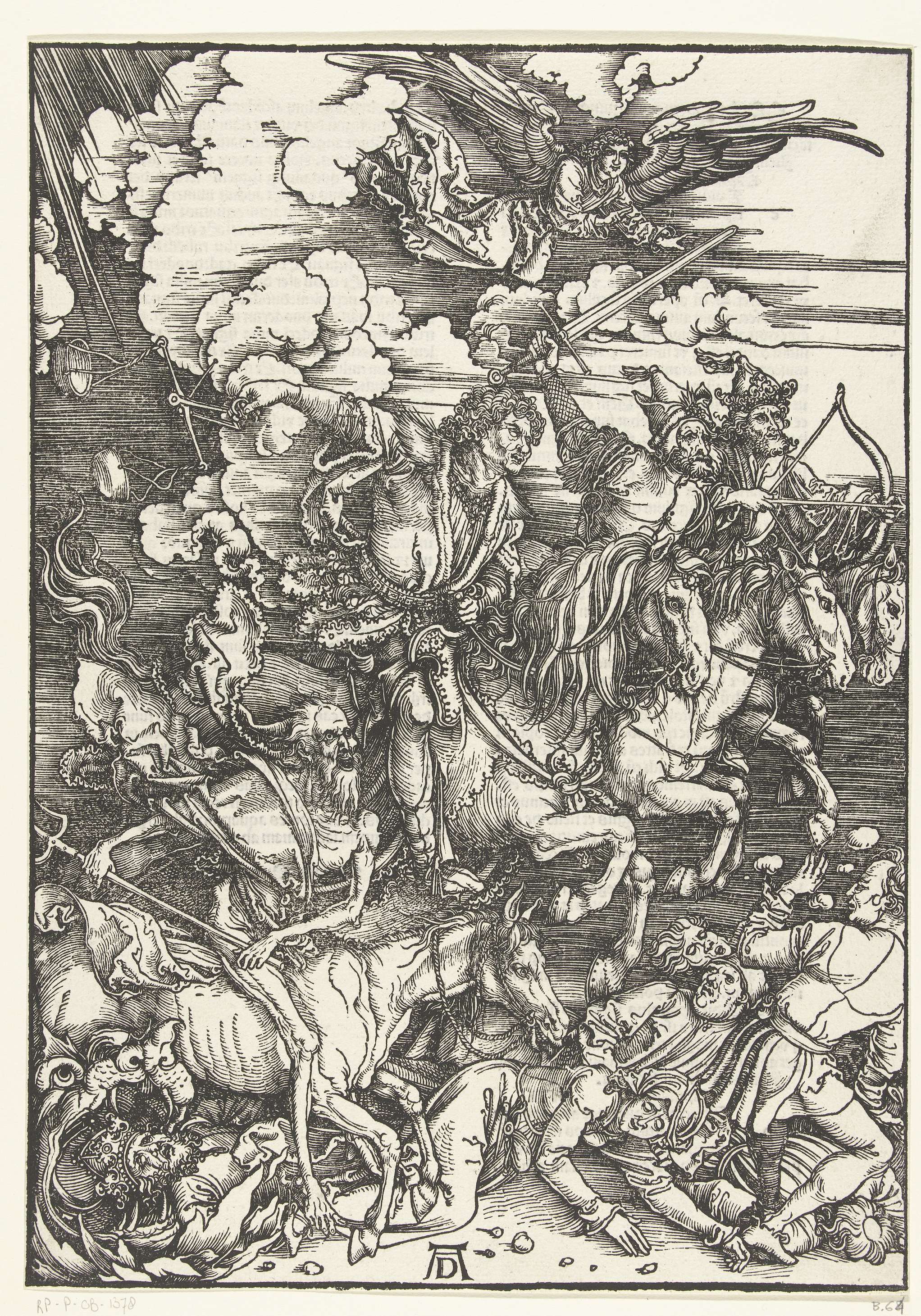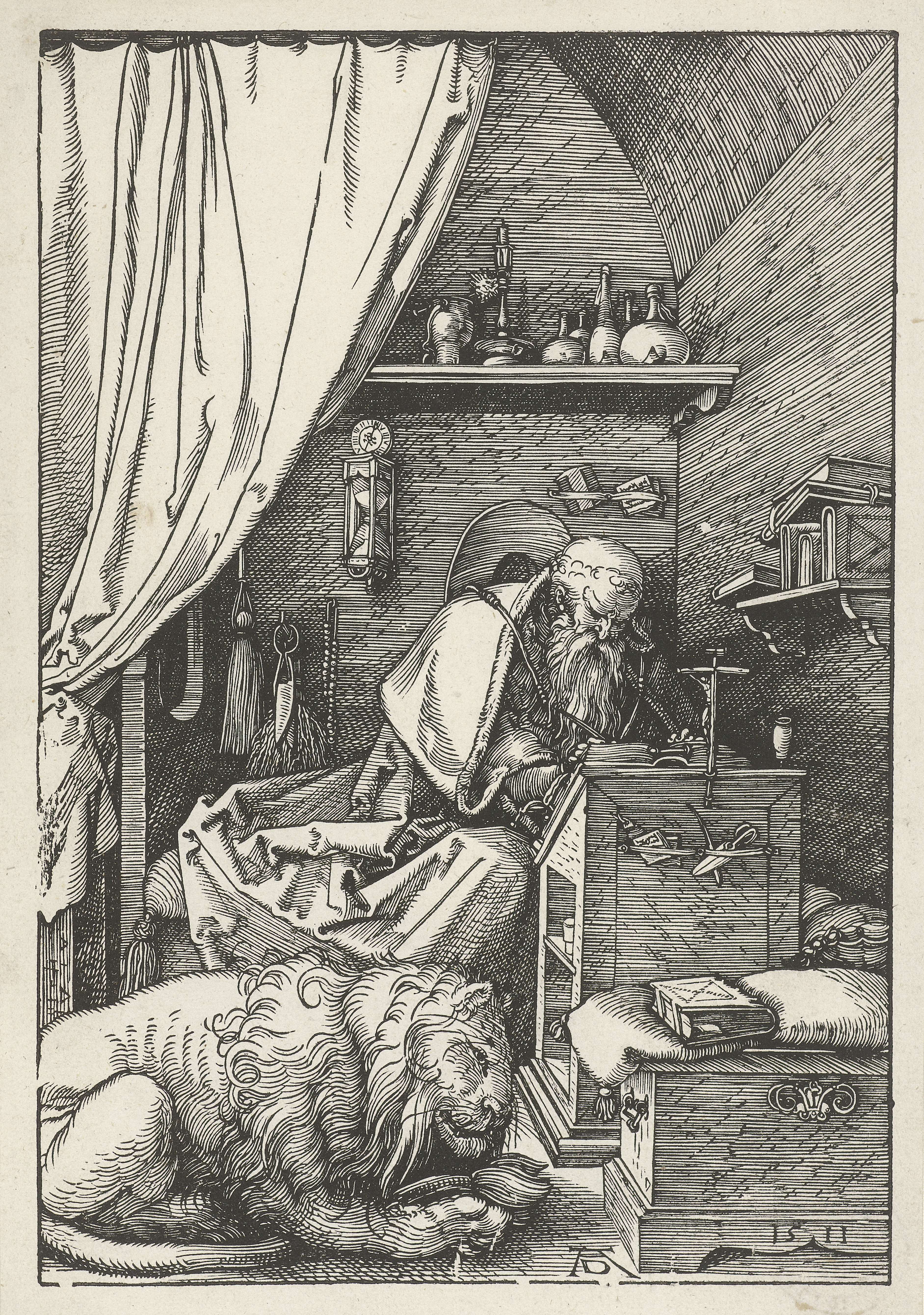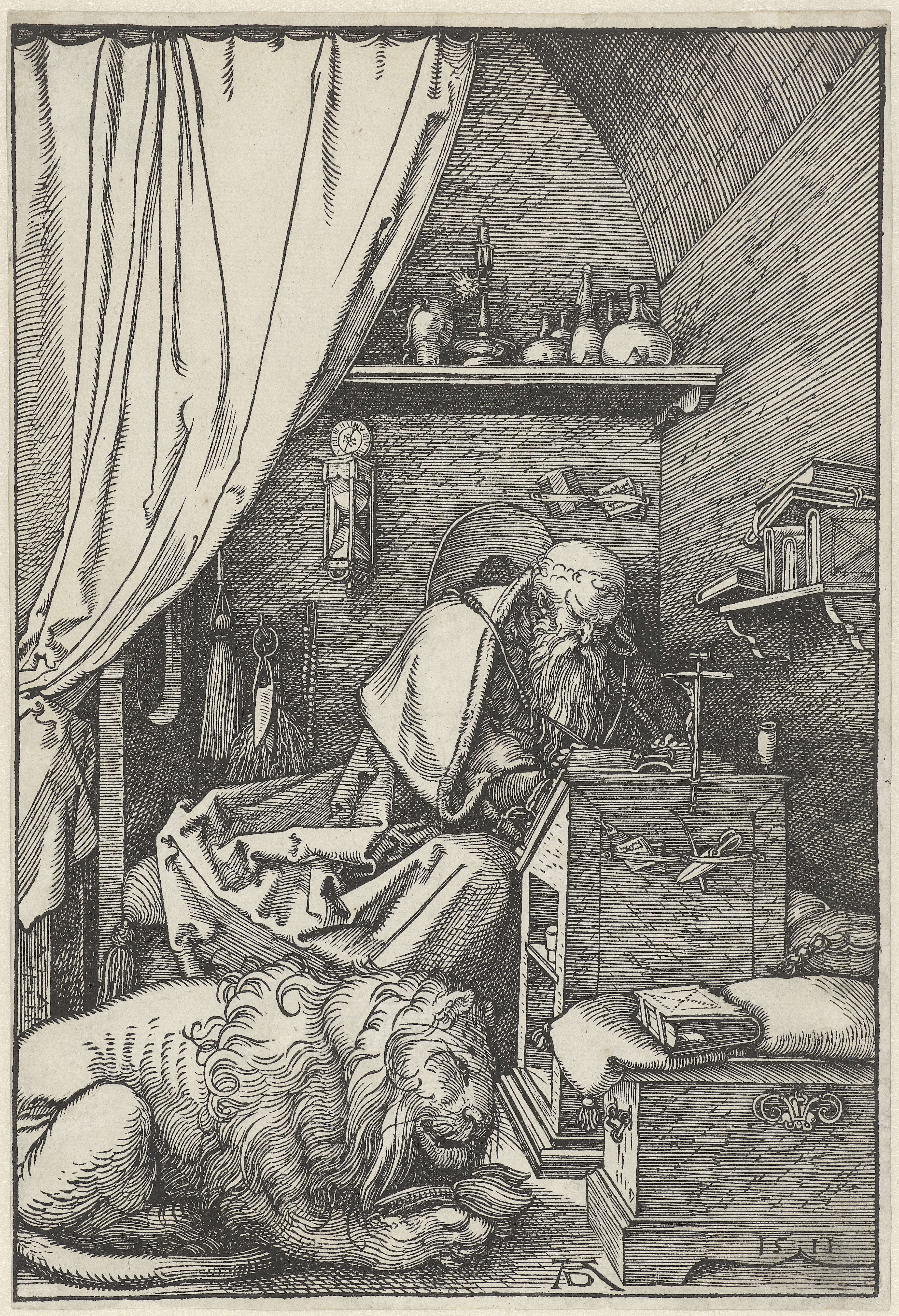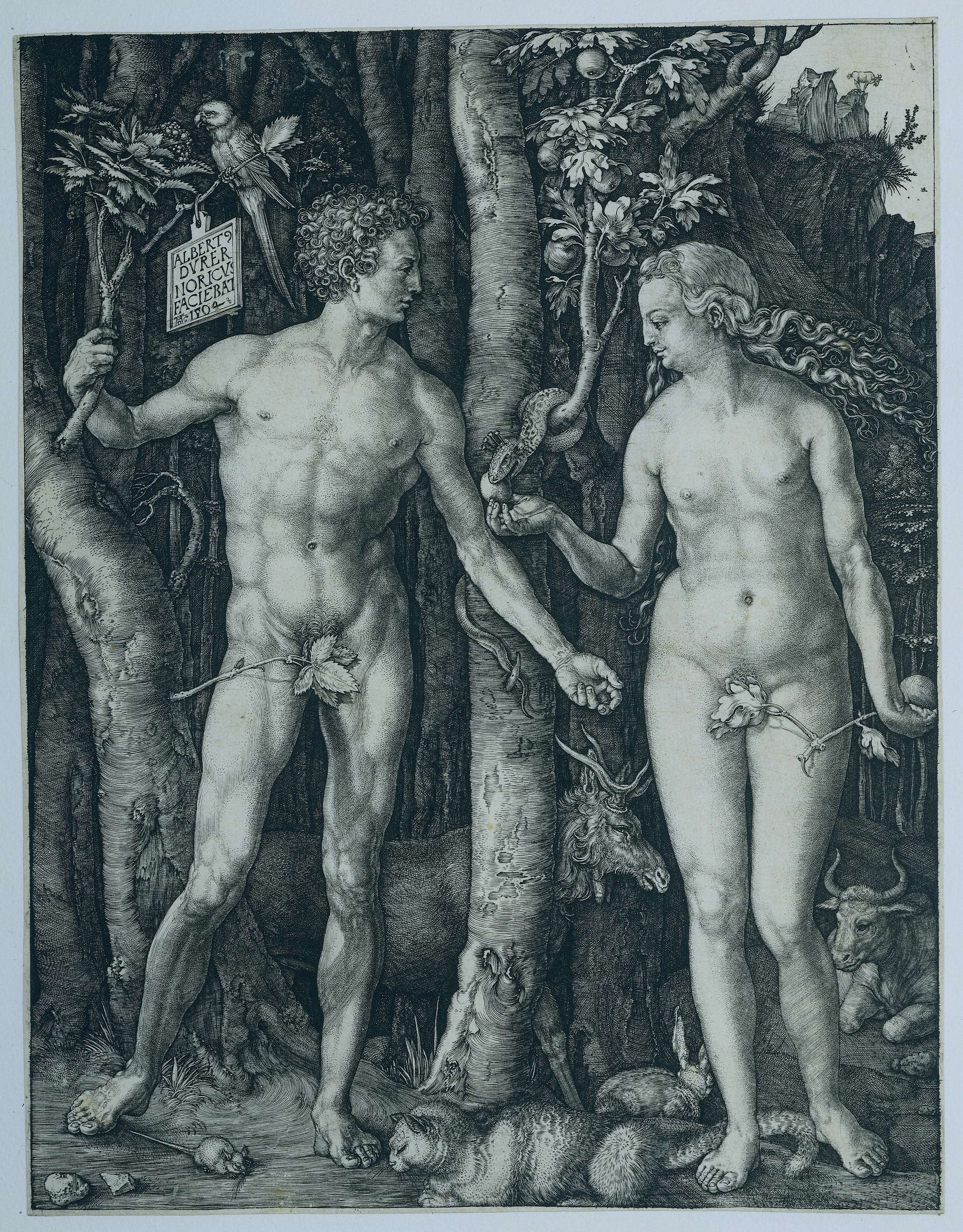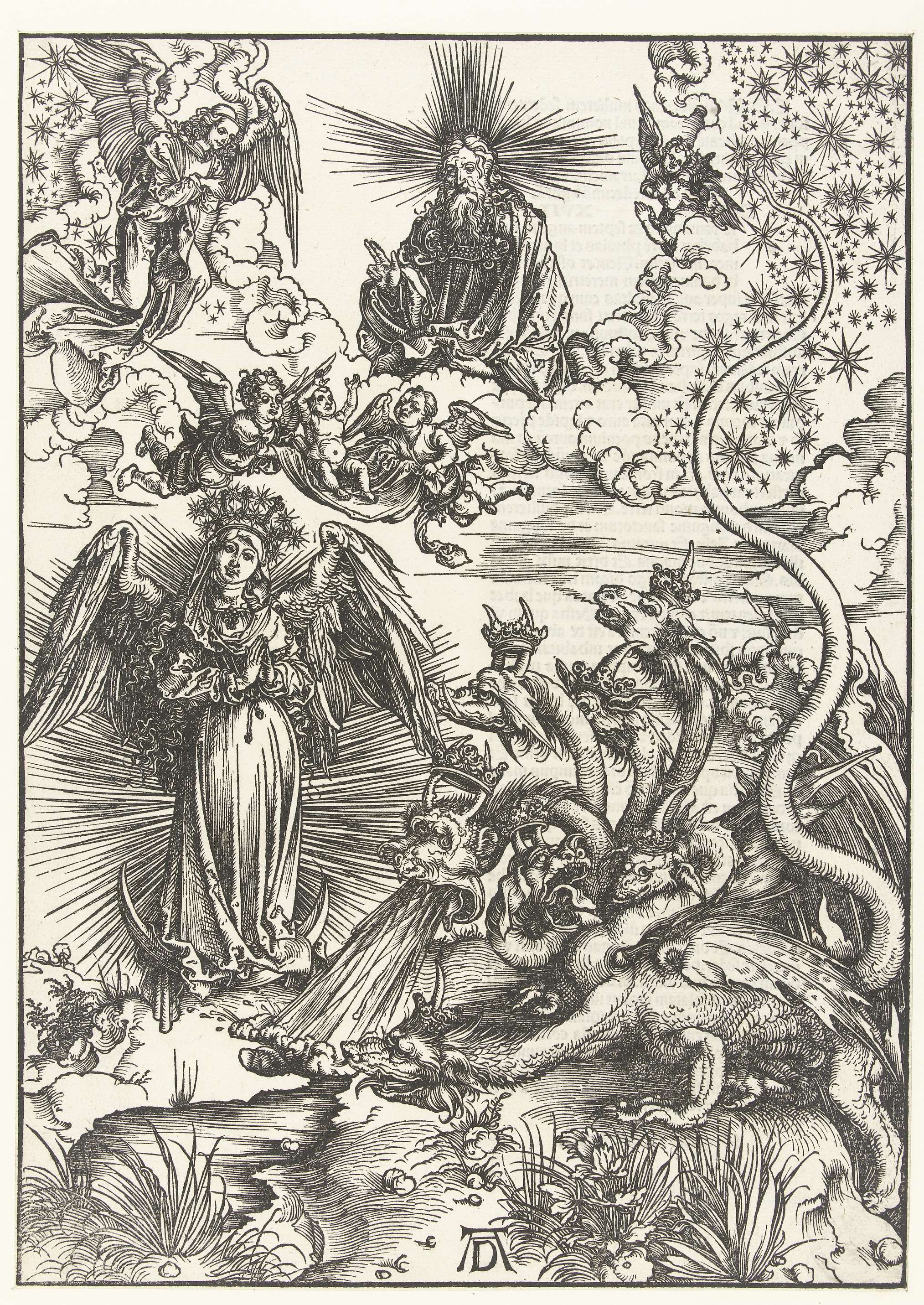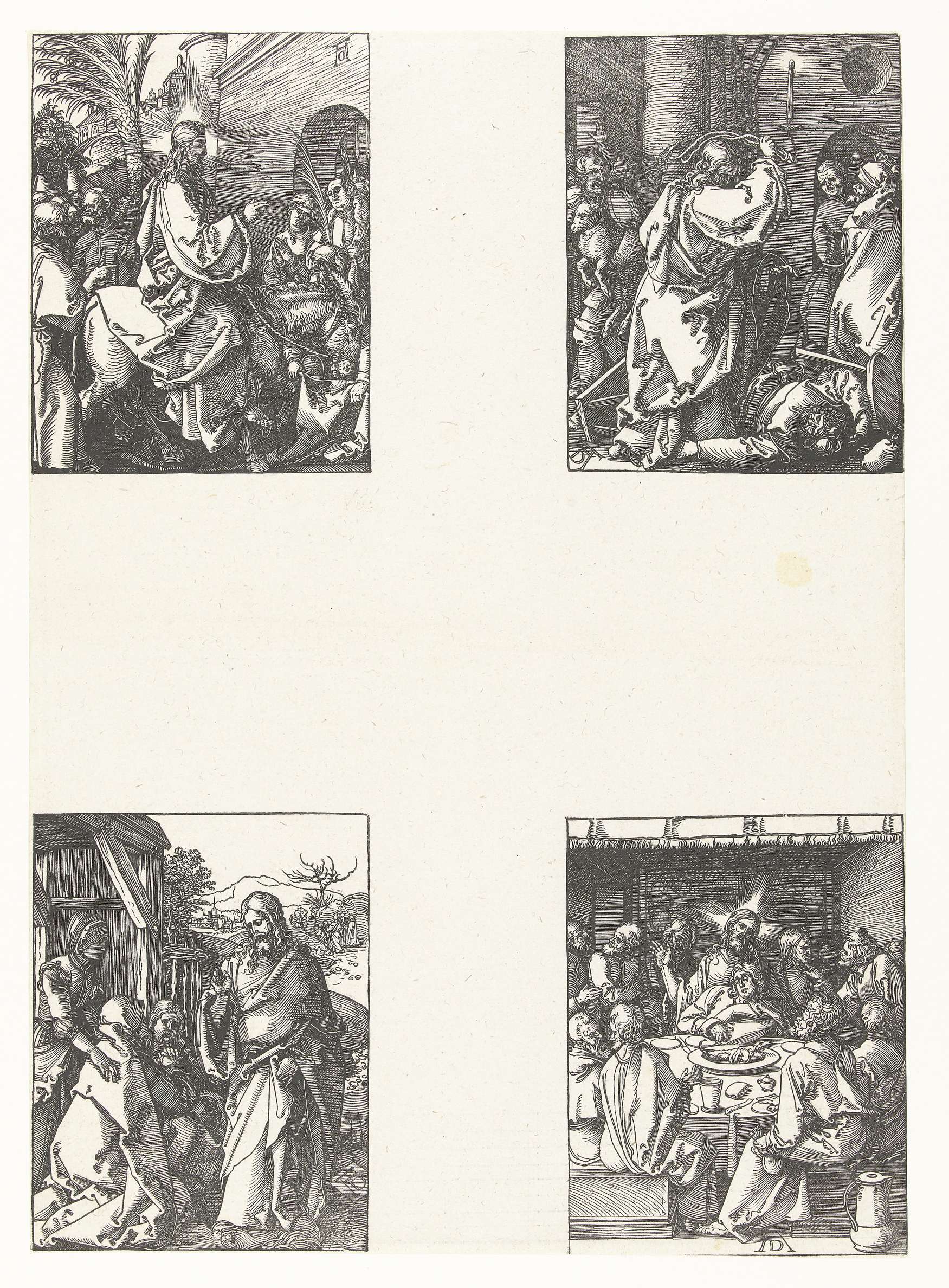
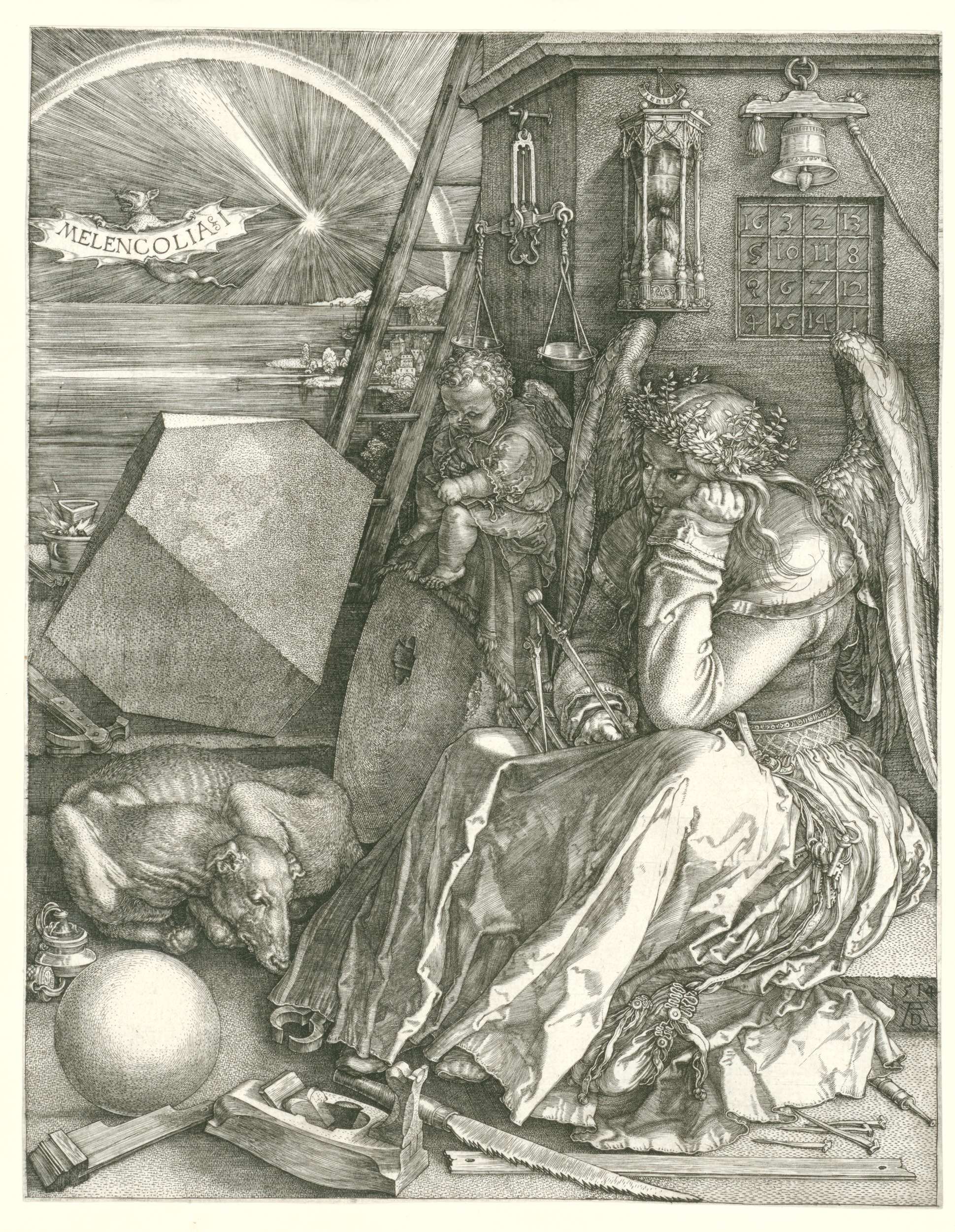
What secret hides in the quiet of the canvas? Faith, woven through each brushstroke, speaks volumes in a world often drowned in chaos. Focus on the intricate details of this masterpiece. Look closely at the figures, each rendered with meticulous precision, their expressions reflecting a profound serenity amidst the unfolding drama. Notice how light dances across the surfaces—glistening halos and soft shadows converge to create a sacred atmosphere, guiding your gaze to the gestures of the central figures as they interact in reverent communion. Dürer masterfully contrasts the ephemeral nature of human connection with the weight of divine presence. The meticulous rendering of textures—from the delicate folds of drapery to the rich hues of the background—invites viewers to linger and contemplate. Subtle symbols of faith emerge, like the gentle touch between Christ and his mother, embodying a poignant farewell. Each element resonates with an emotional tension, echoing the themes of sacrifice and devotion. In the early 16th century, Dürer was grappling with the shifting tides of the Renaissance and the Reformation. Painted between 1508 and 1509 during his time in Nuremberg, he was immersed in an environment that prized humanism yet faced the emerging challenges to traditional religious narratives. This piece reflects not only his technical prowess but also his deep engagement with the spiritual questions of the time, capturing a moment of profound faith against the backdrop of societal change.