Irises — History & Analysis
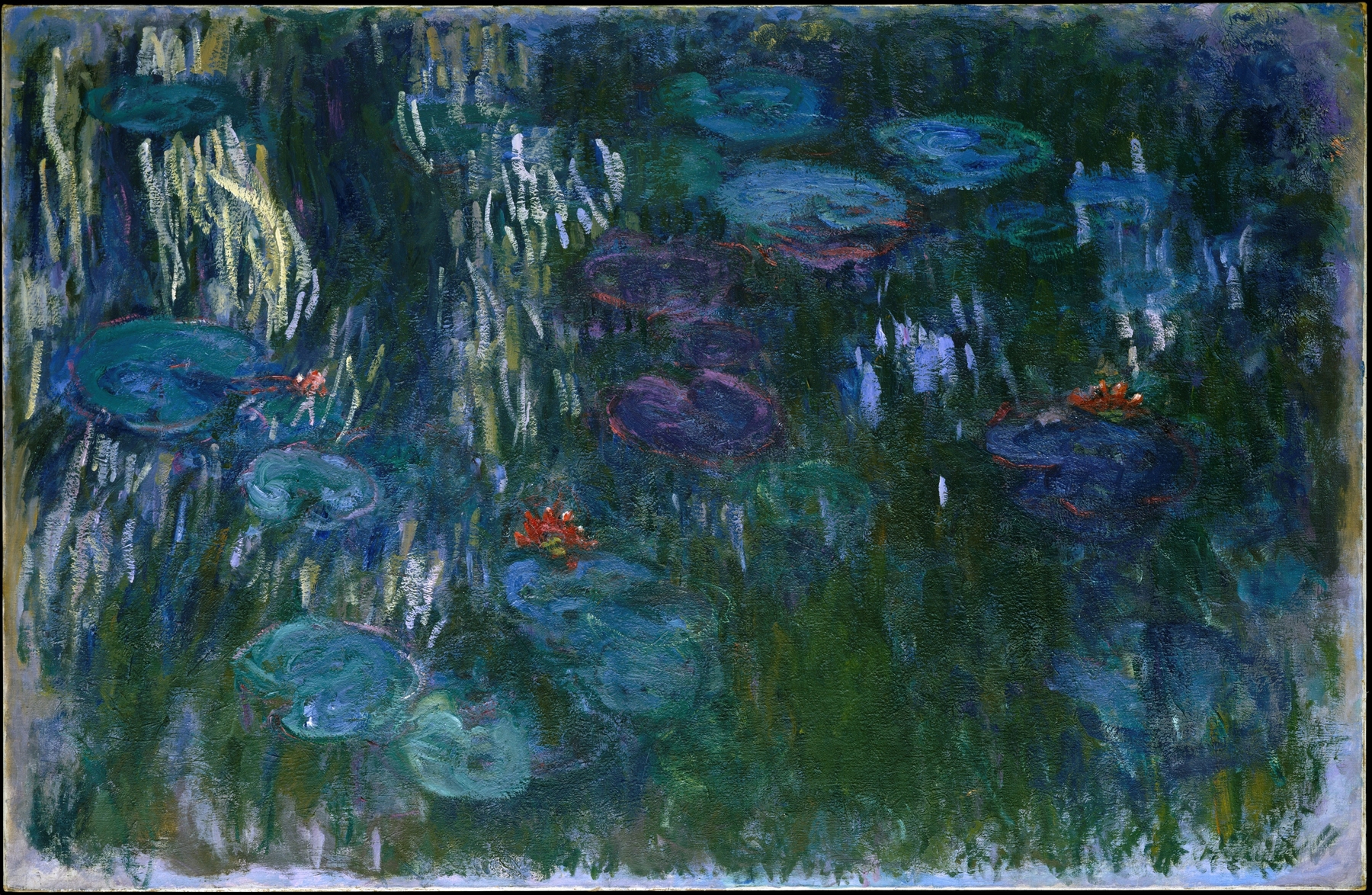
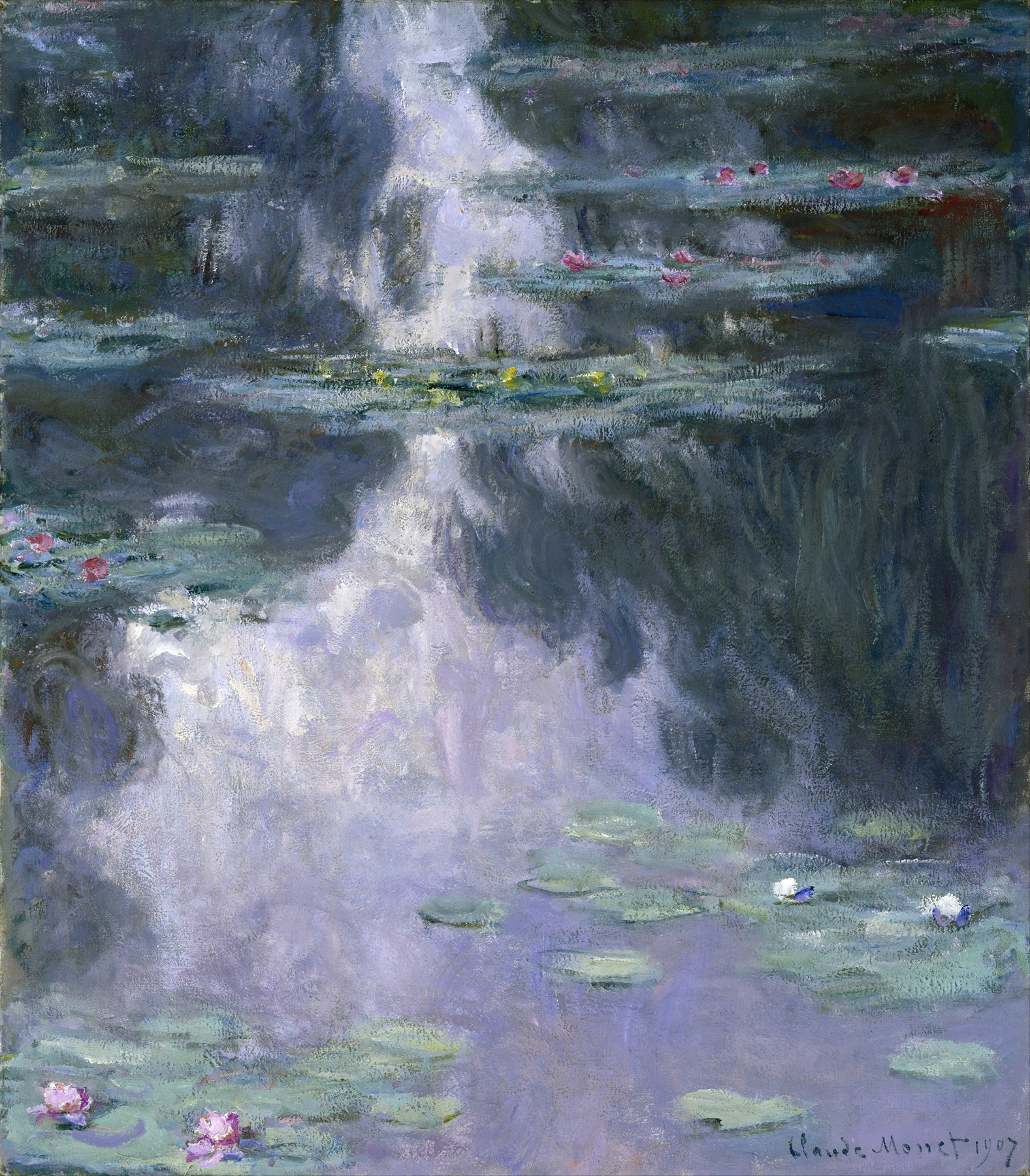
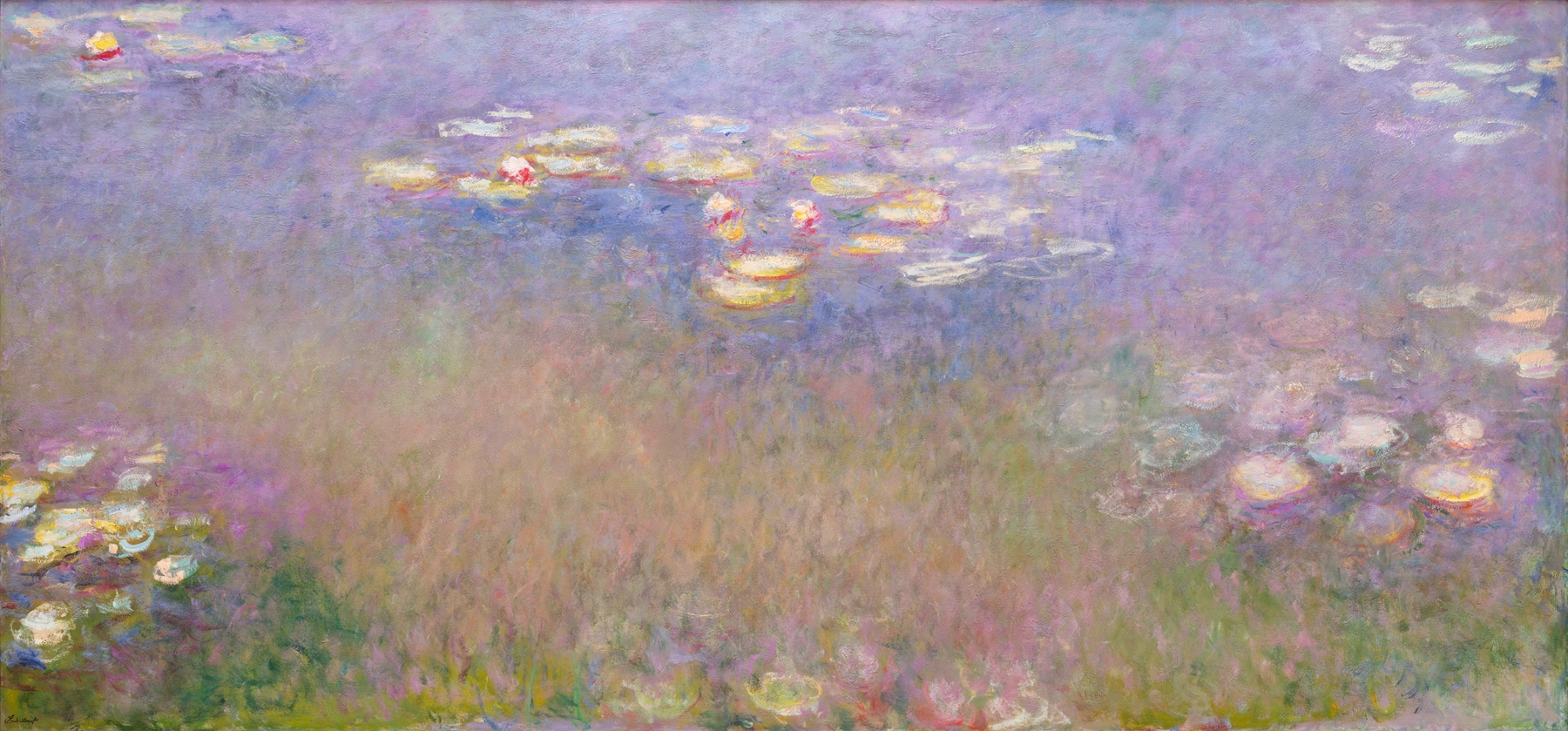
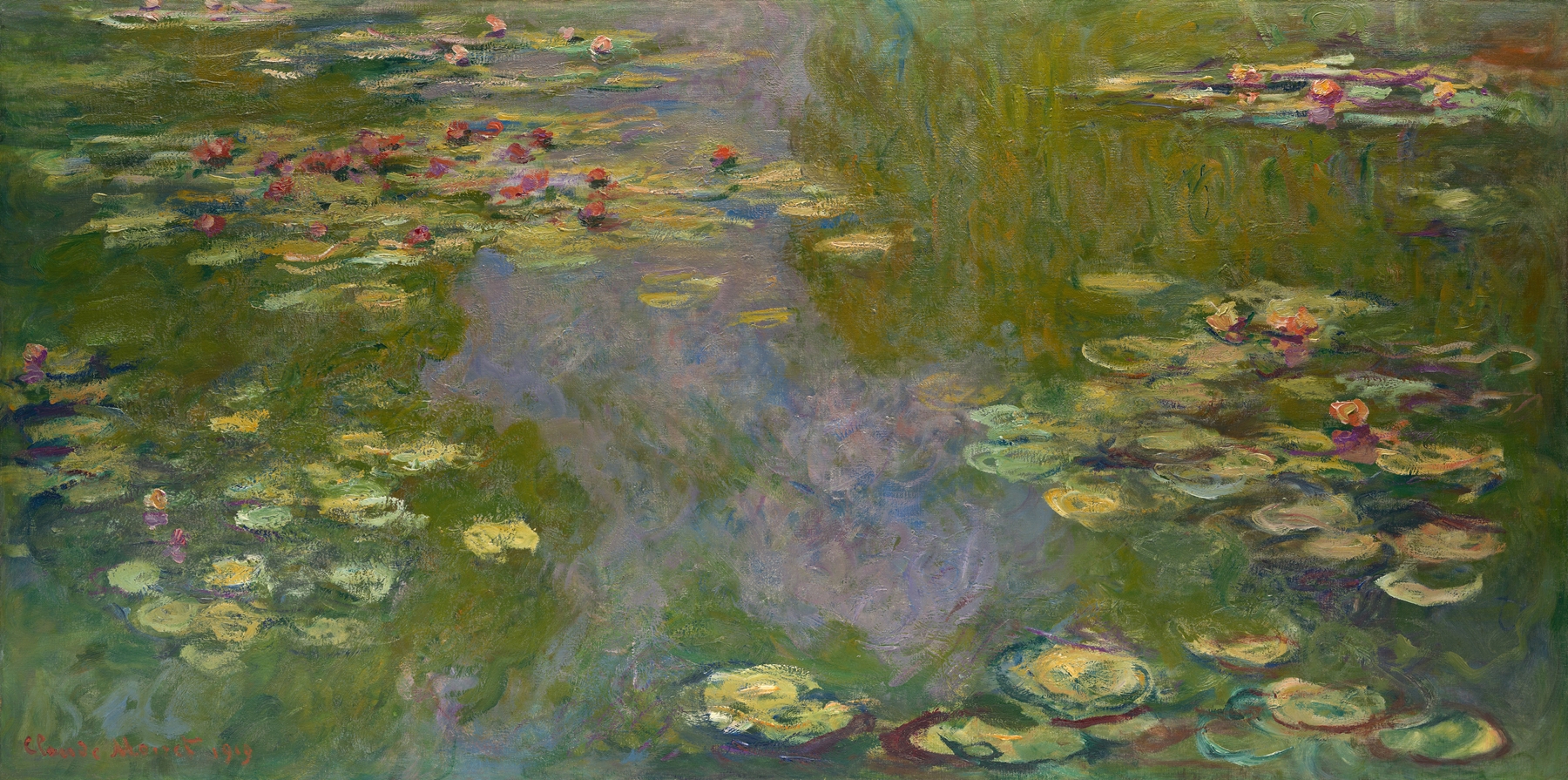
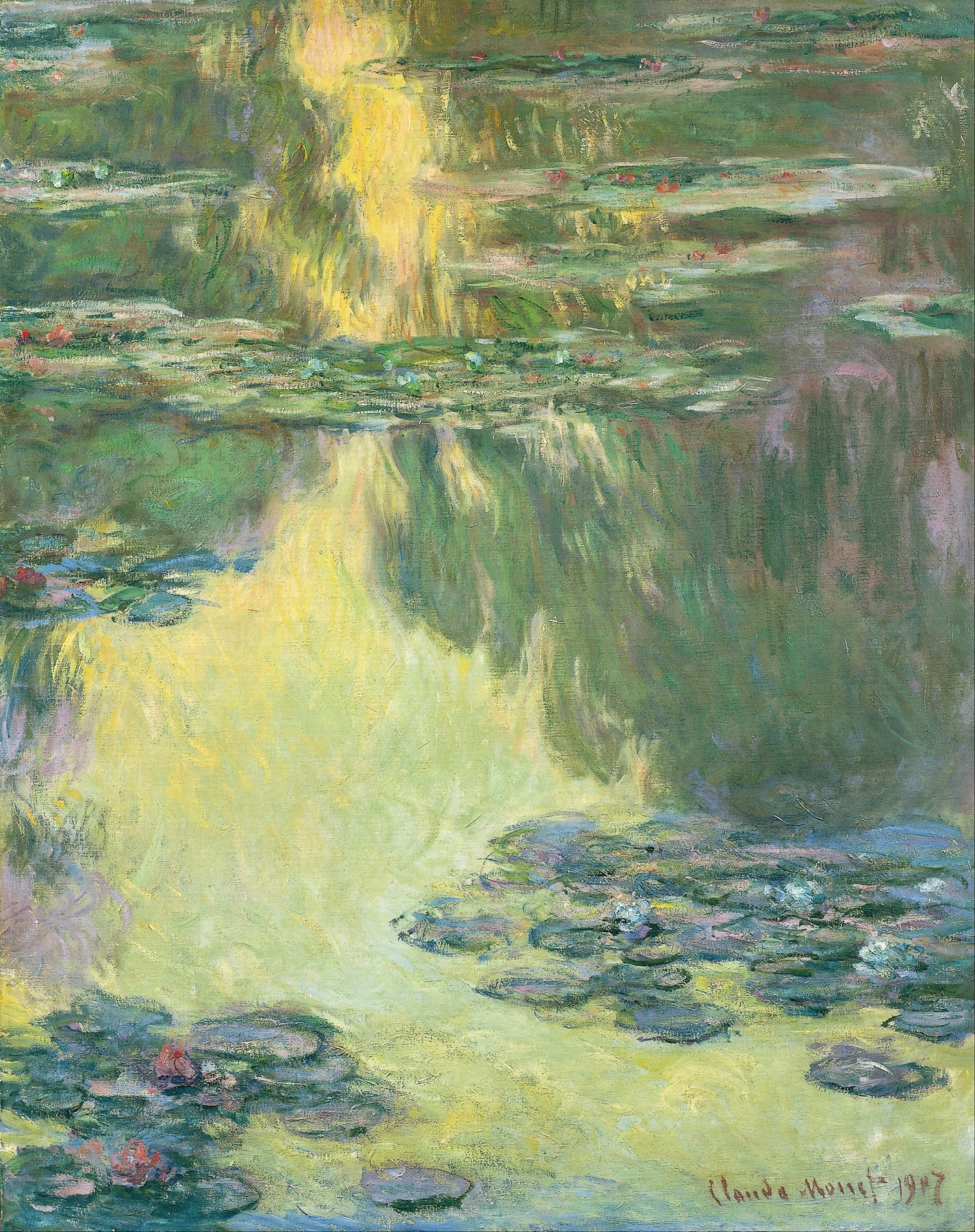
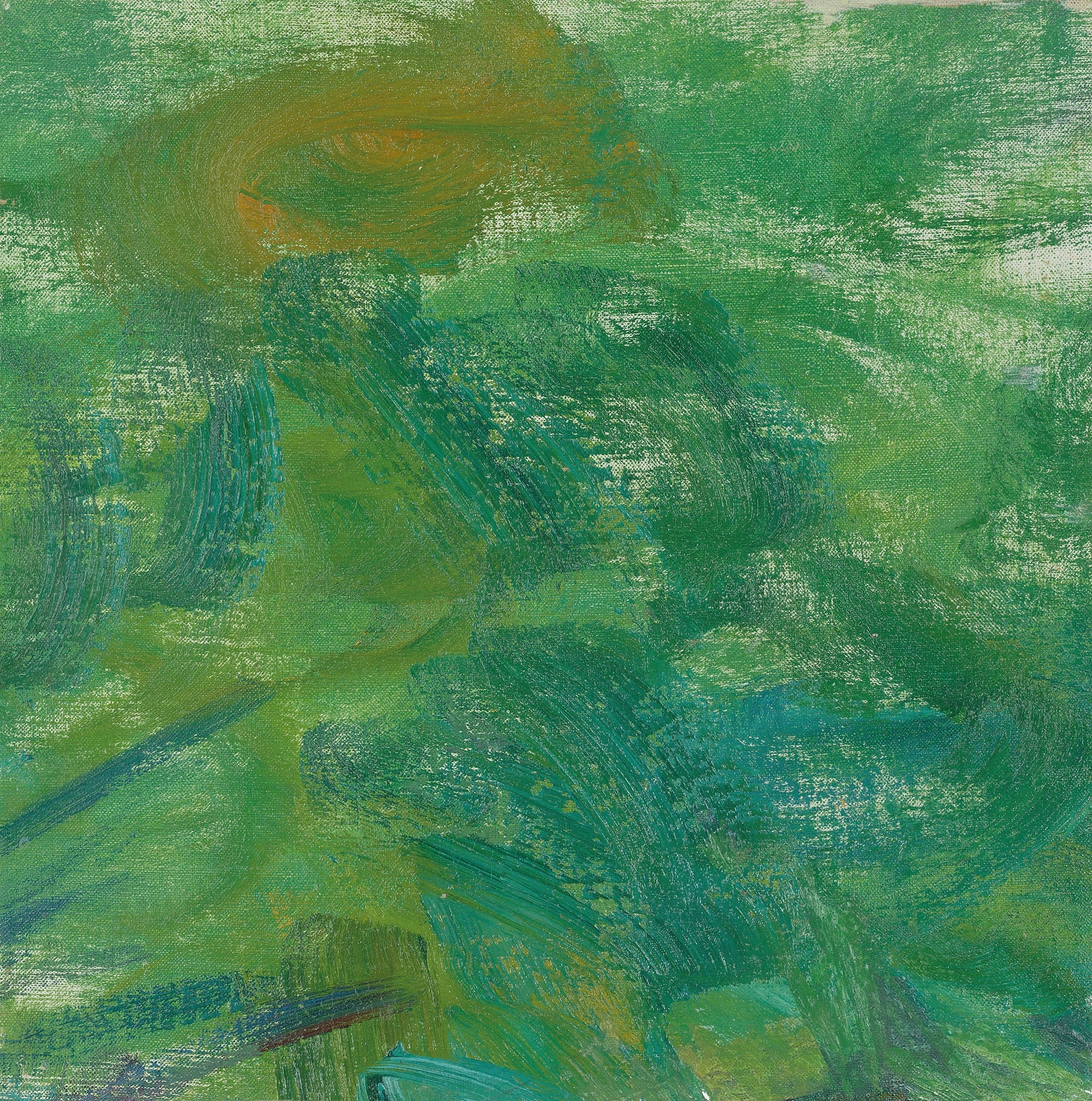
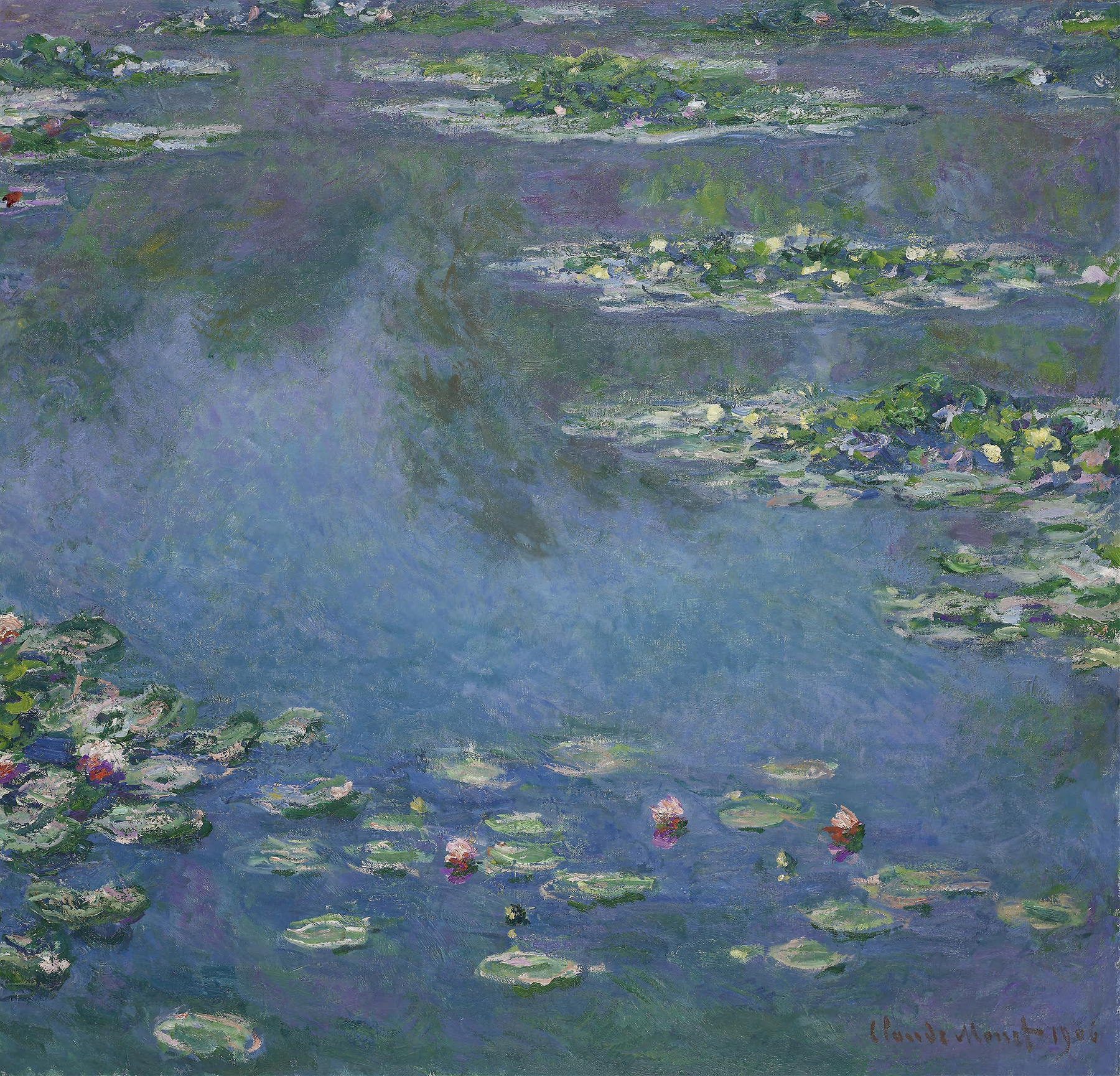
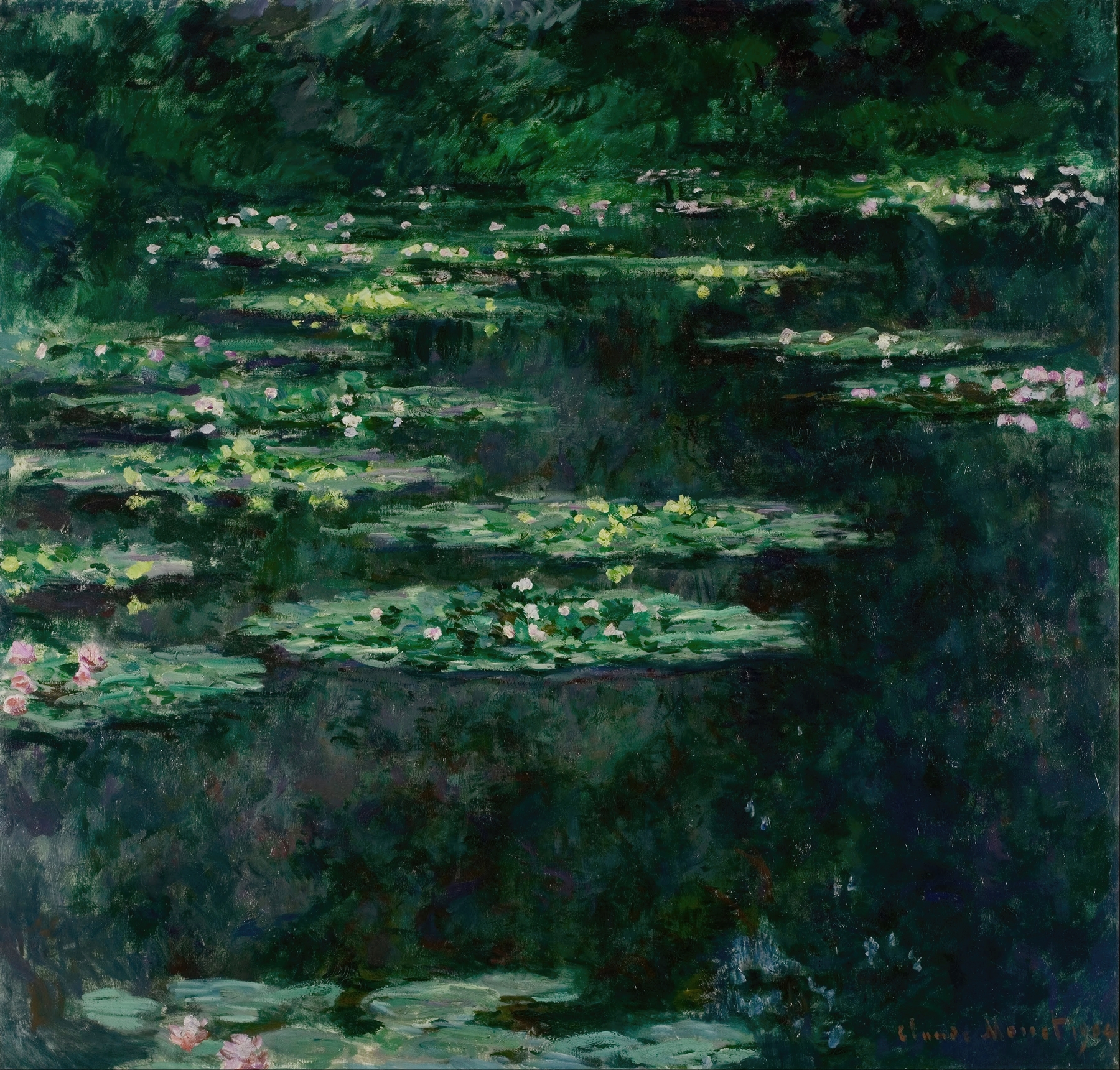
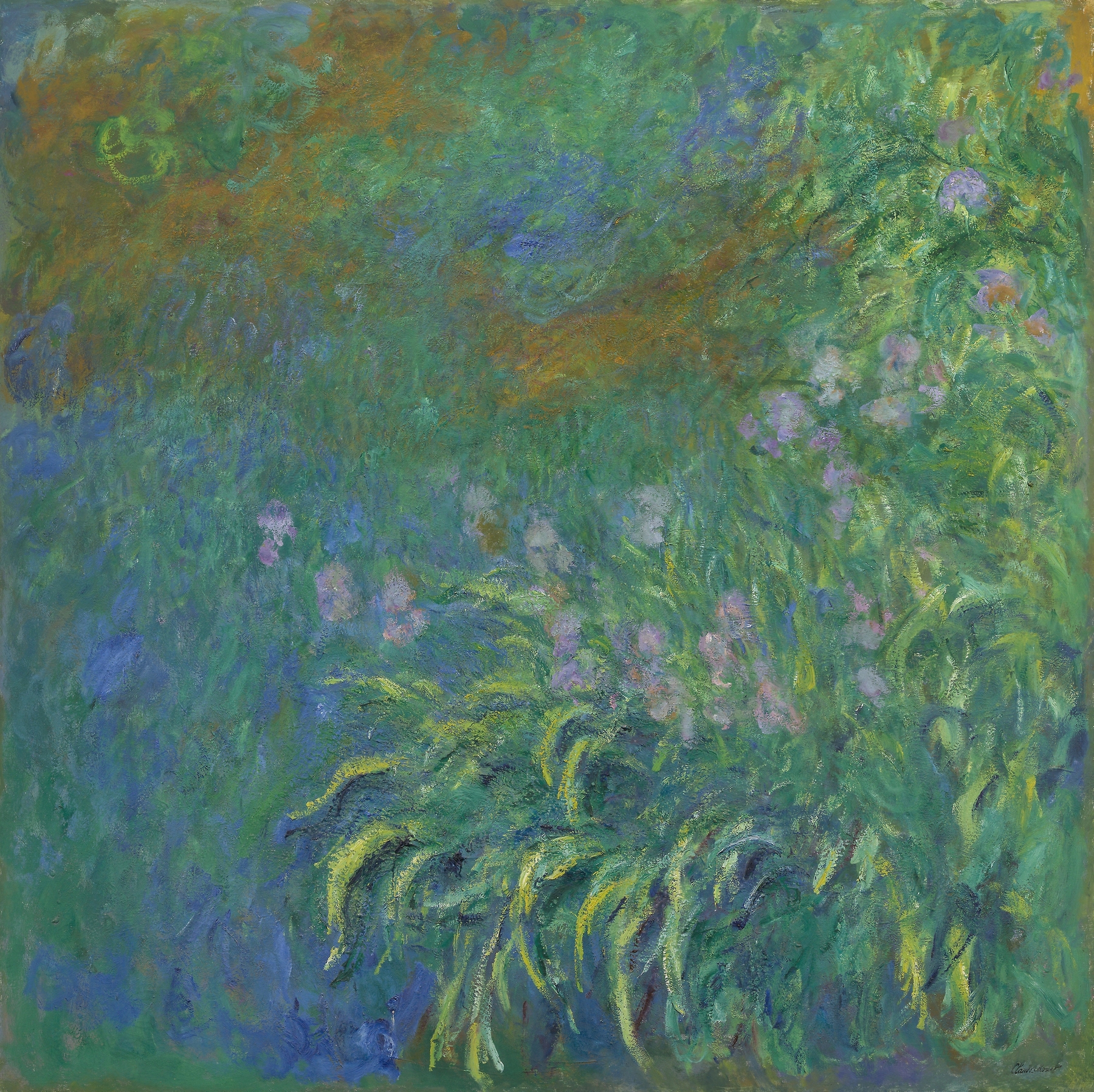
“To paint is to remember what time wants us to forget.” In the quiet embrace of a garden, the Irises bloom, defiantly vibrant against the looming shadows of memory and loss. Each petal whispers of fleeting moments, urging us to linger just a little longer in their ephemeral beauty. In a world where time is relentless, these blossoms stand as a testament to resilience. Focus first on the striking blues and purples that dominate the canvas, inviting your gaze to dance across the sprawling arrangement of flowers. Notice how the brushstrokes oscillate between thick, expressive swathes and delicate, feathery touches, creating a texture that feels both immediate and soft.
The light plays a critical role here, filtering through the foliage and casting dappled reflections that amplify the colors, making them pulse with life amid the surrounding tranquility. As you delve deeper, pay attention to the subtle contrasts woven into the scene. The juxtaposition of the vibrant blooms against the muted greens suggests a battle between life and the inevitable passage of time. The flowers may be in full bloom, yet they hint at the transient nature of beauty, a reminder that each moment is precious and poised to fade.
This tension between exuberance and impermanence resonates powerfully, echoing the artist's own struggles with the fleeting nature of existence. Monet painted this work between 1914 and 1917, during a period marked by personal hardship and the broader chaos of World War I. As he grappled with his declining health and the emotional toll of the war, he turned to his garden in Giverny for solace. The vibrant irises became not only a subject but also a refuge, embodying the beauty and chaos of a world caught between memory and loss, reminding us all of the resilience found in nature.