Italian Landscape — History & Analysis
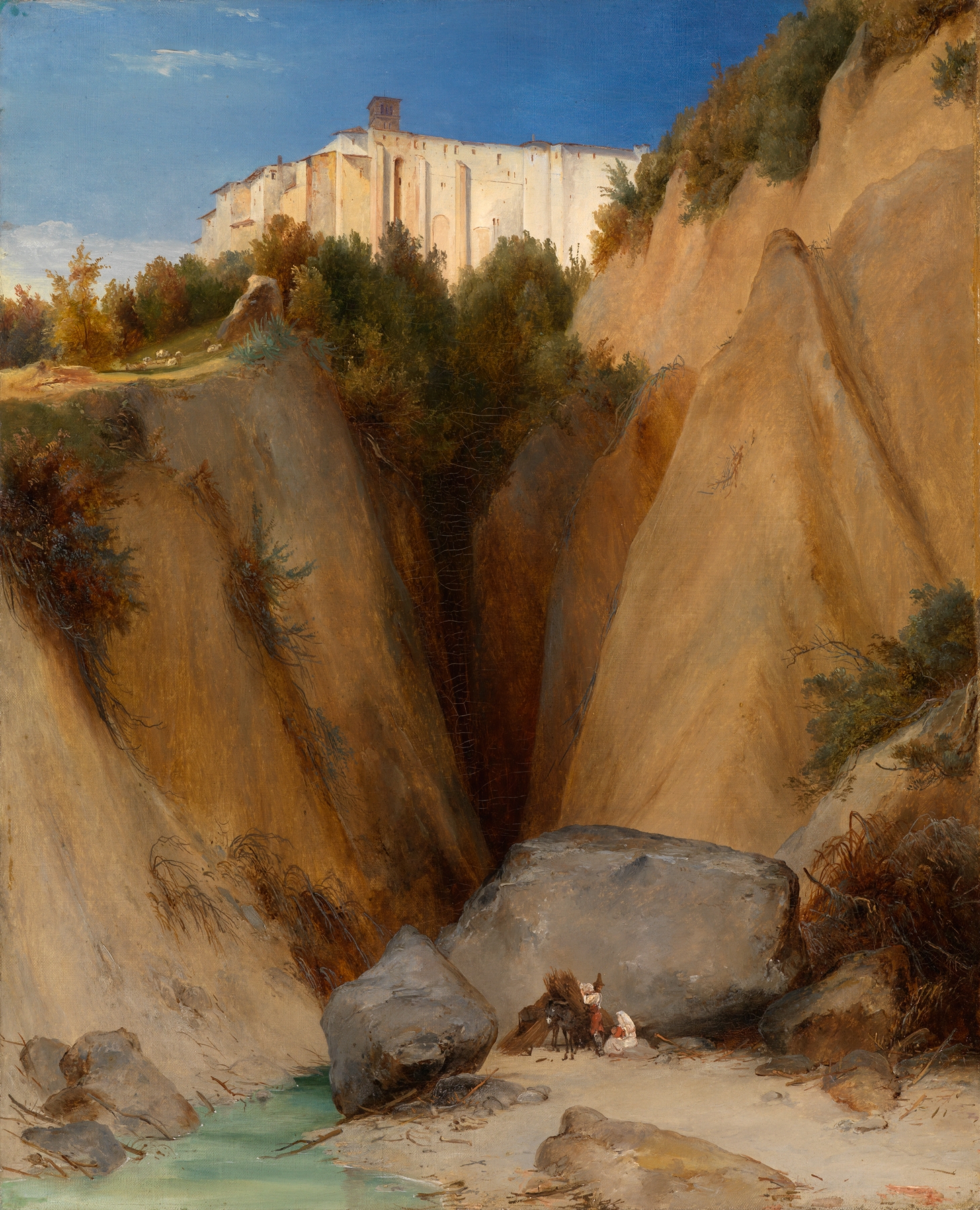
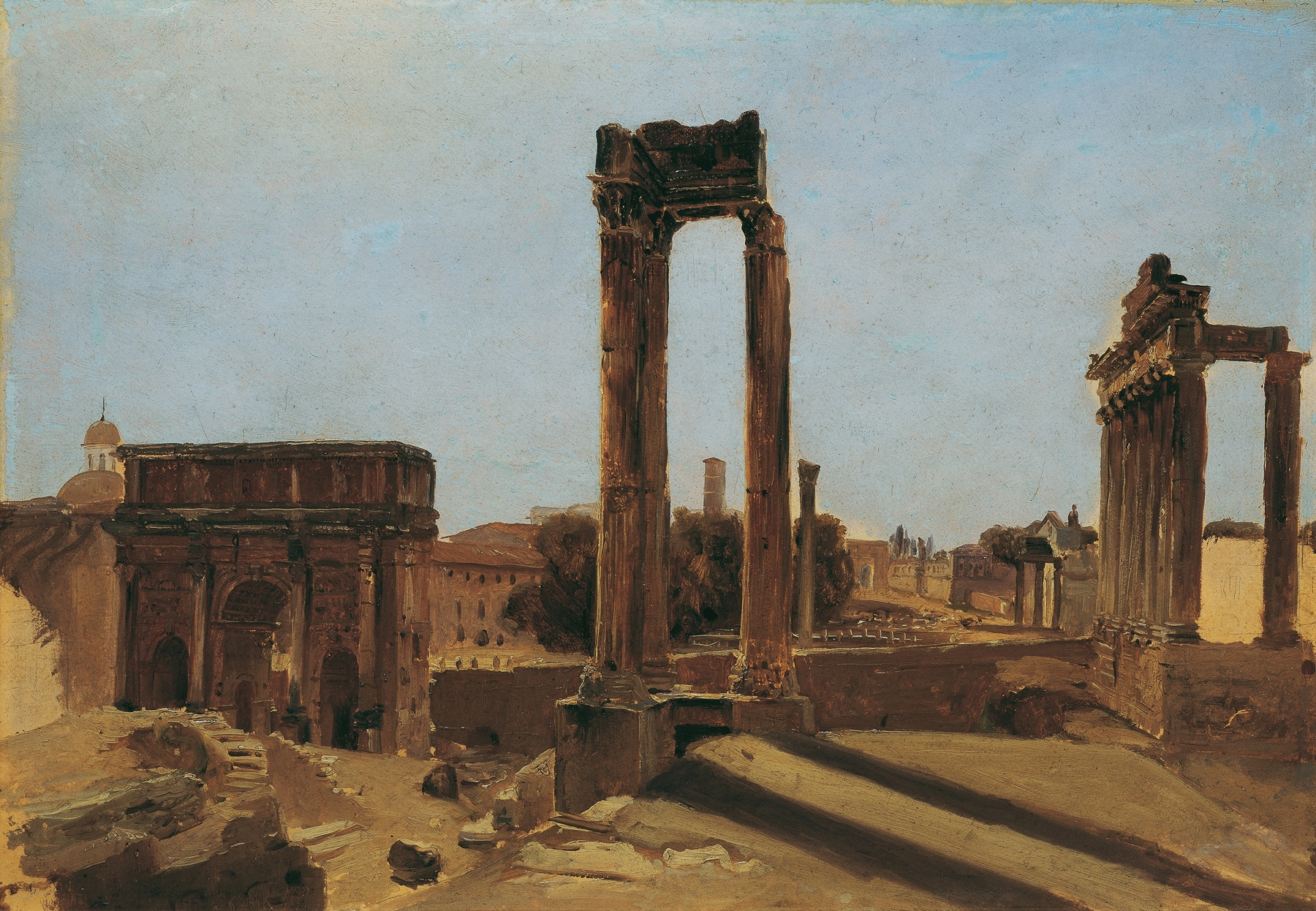
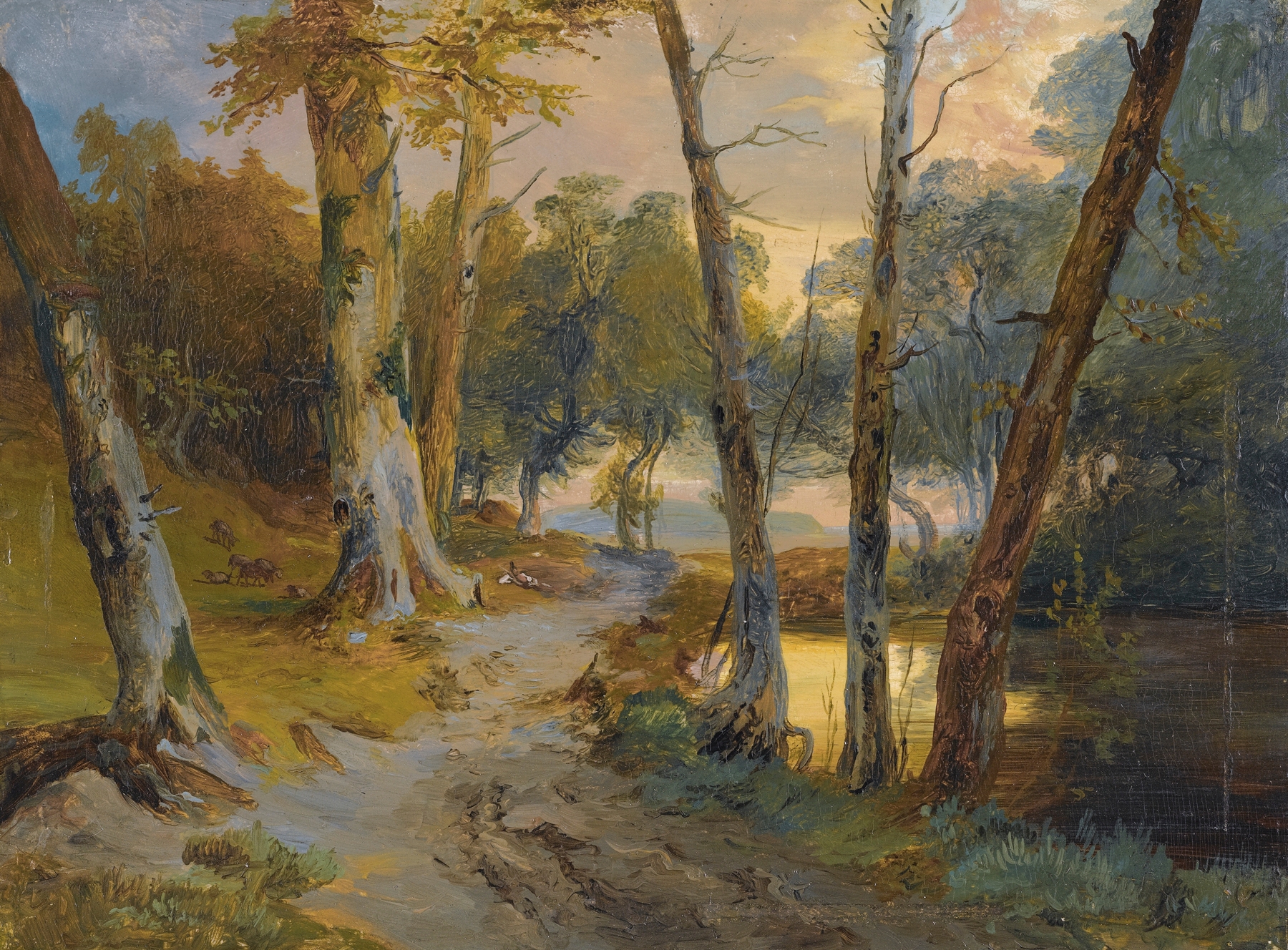
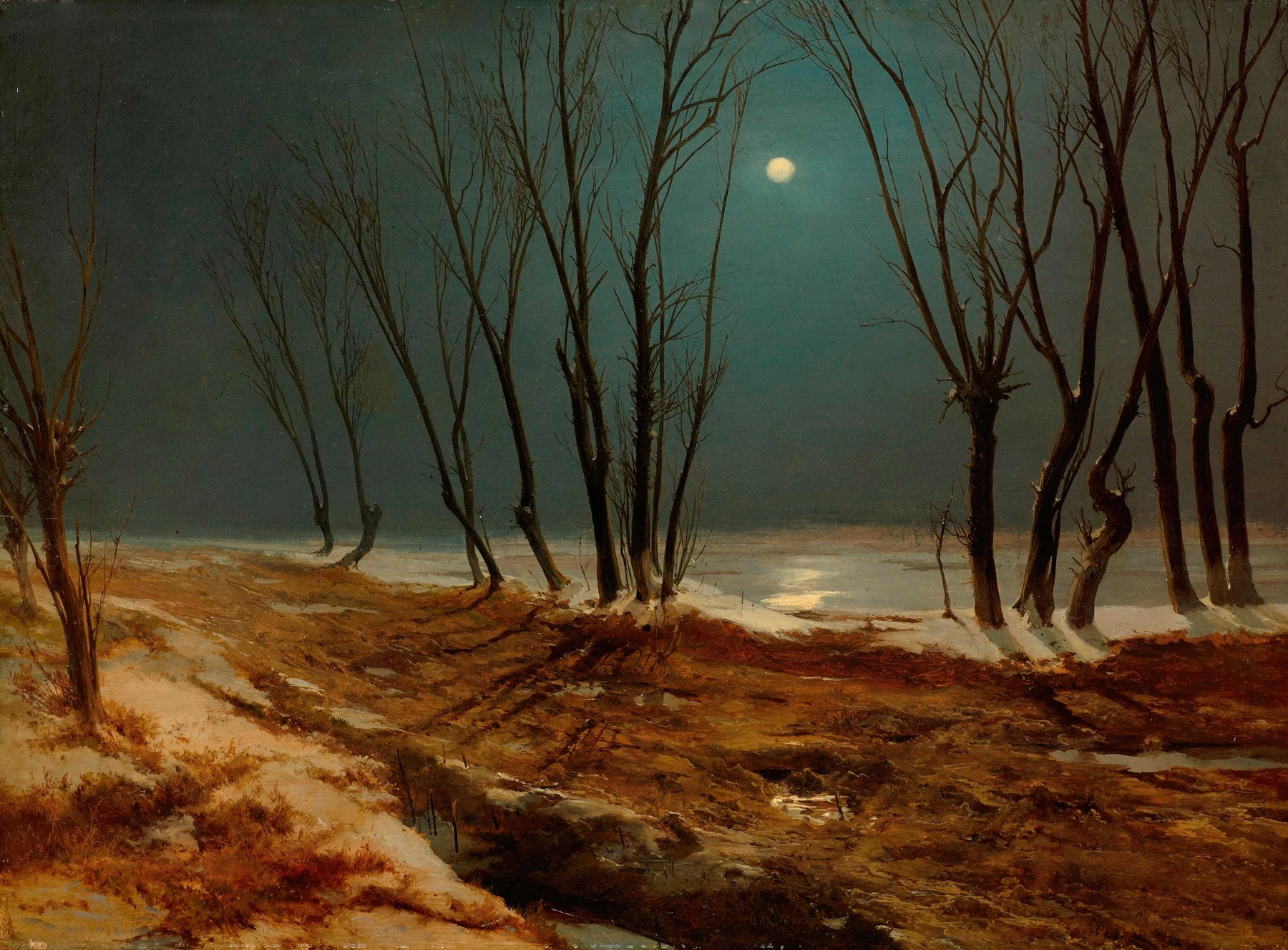
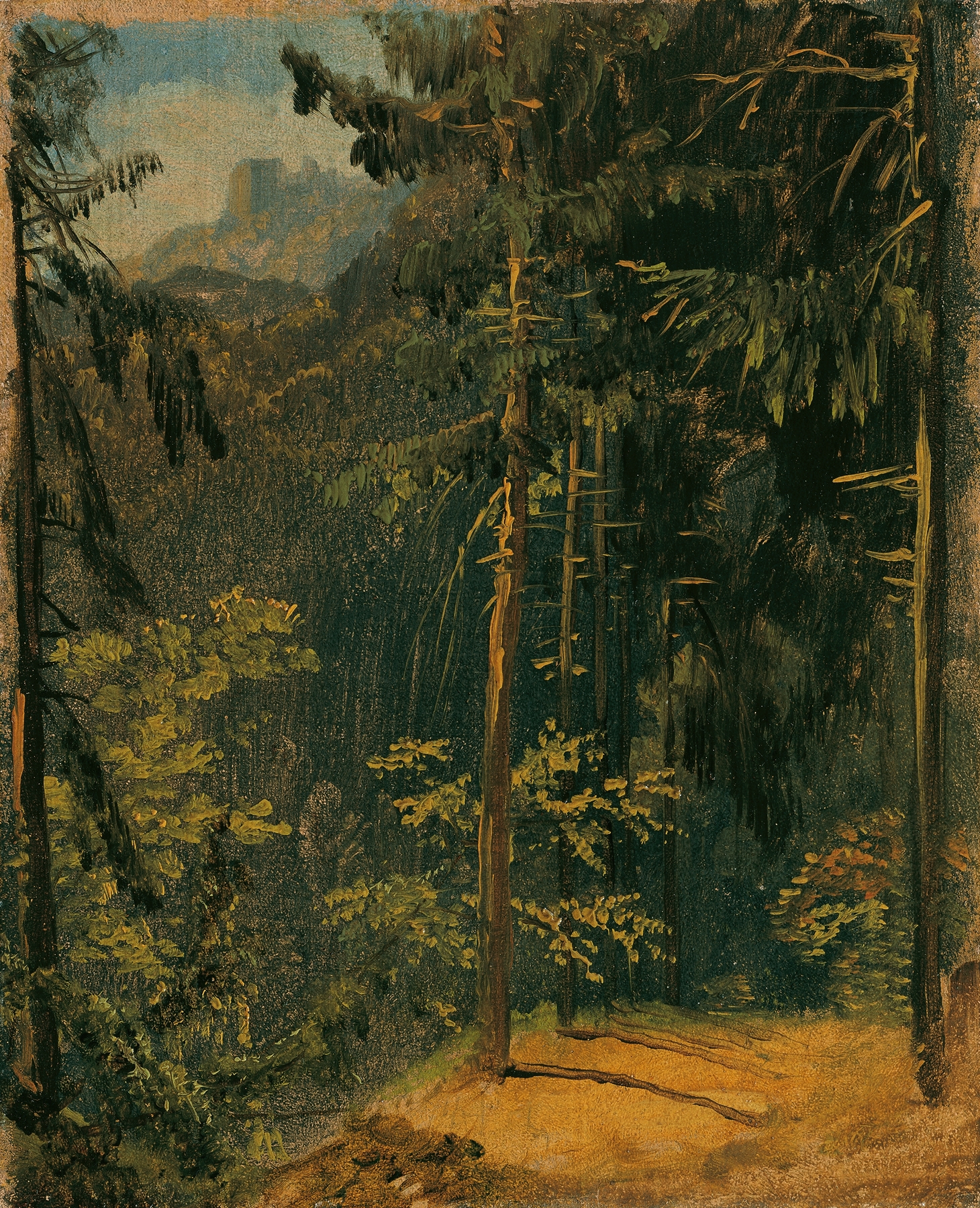
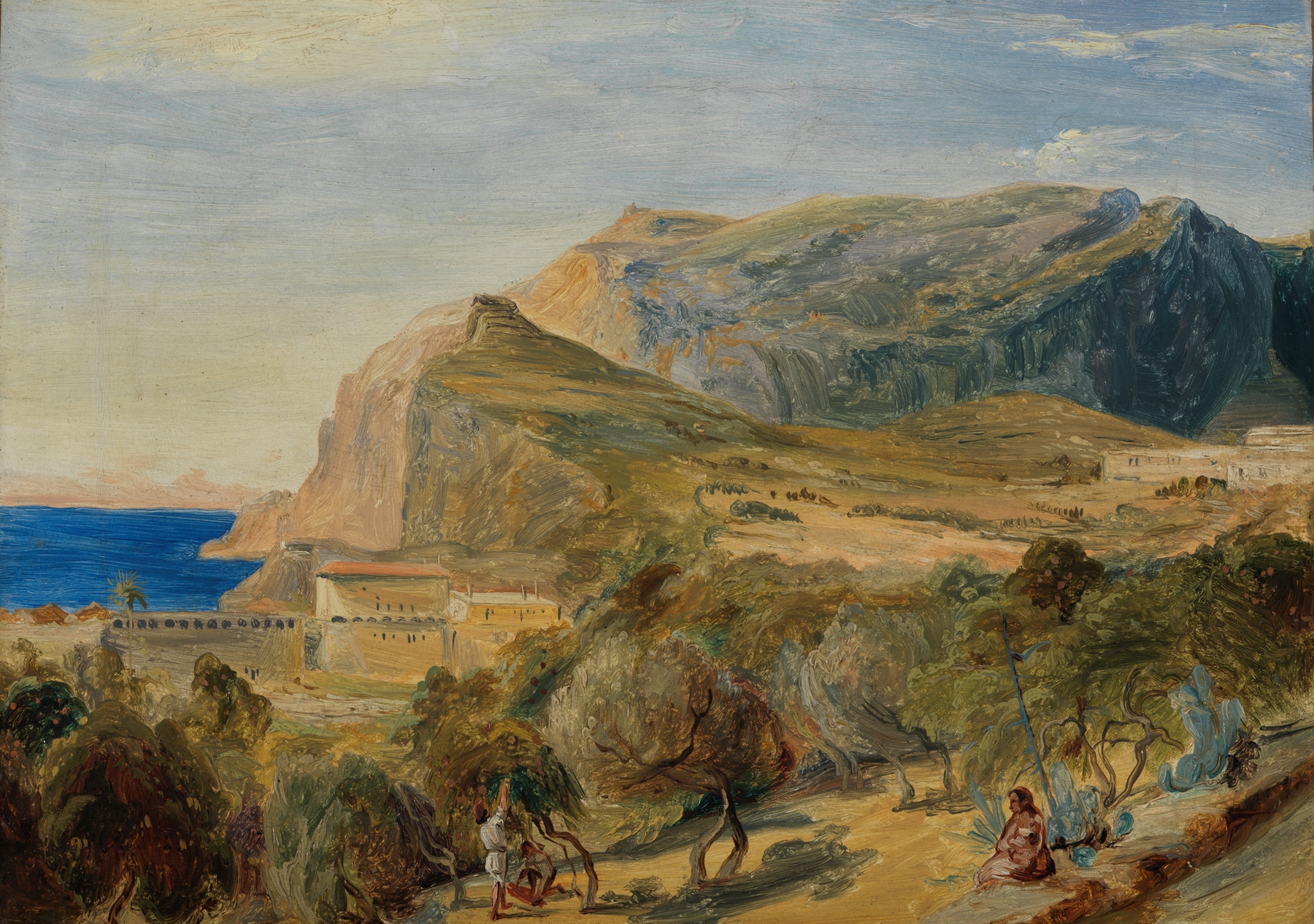
What if beauty was never meant to be finished? In Italian Landscape, the essence of an unfinished dream lingers, whispering of aspirations left unfulfilled and the subtle betrayals of nature itself. Look to the foreground, where the rugged terrain meets a gentle river. The brushstrokes dance with an energy that draws your eyes to the interplay of light and shadow, revealing craggy cliffs that seem to cradle the soft, verdant valley below.
Notice how the muted greens and earthy browns evoke a sense of tranquility, while streaks of warm sunlight break through the clouds, illuminating the water’s surface, creating a contrast that pulses with life. Delve deeper into the layers of this work, and you’ll find hints of emotional tension. The starkness of the rocky cliffs symbolizes the harsh realities that can overshadow beauty, while the calm, flowing river represents the passage of time—the relentless march toward endings that betray our desires for permanence. Each brushstroke tells a story of longing, as if nature itself struggles against the confines of its own beauty, caught in a delicate balance between creation and decay.
Carl Blechen painted this remarkable landscape during a transformative period in the 19th century, a time when artists were beginning to embrace romanticism and express personal visions of the natural world. Though the exact date of this work remains unknown, it reflects the artist's exploration of the Italian countryside, where he sought to capture the ephemeral beauty of landscapes. His experiences in Italy and the burgeoning shift in artistic expression influenced his technique, which straddles the line between realism and the emotive allure of impressionistic forms.