Italian Landscape — History & Analysis
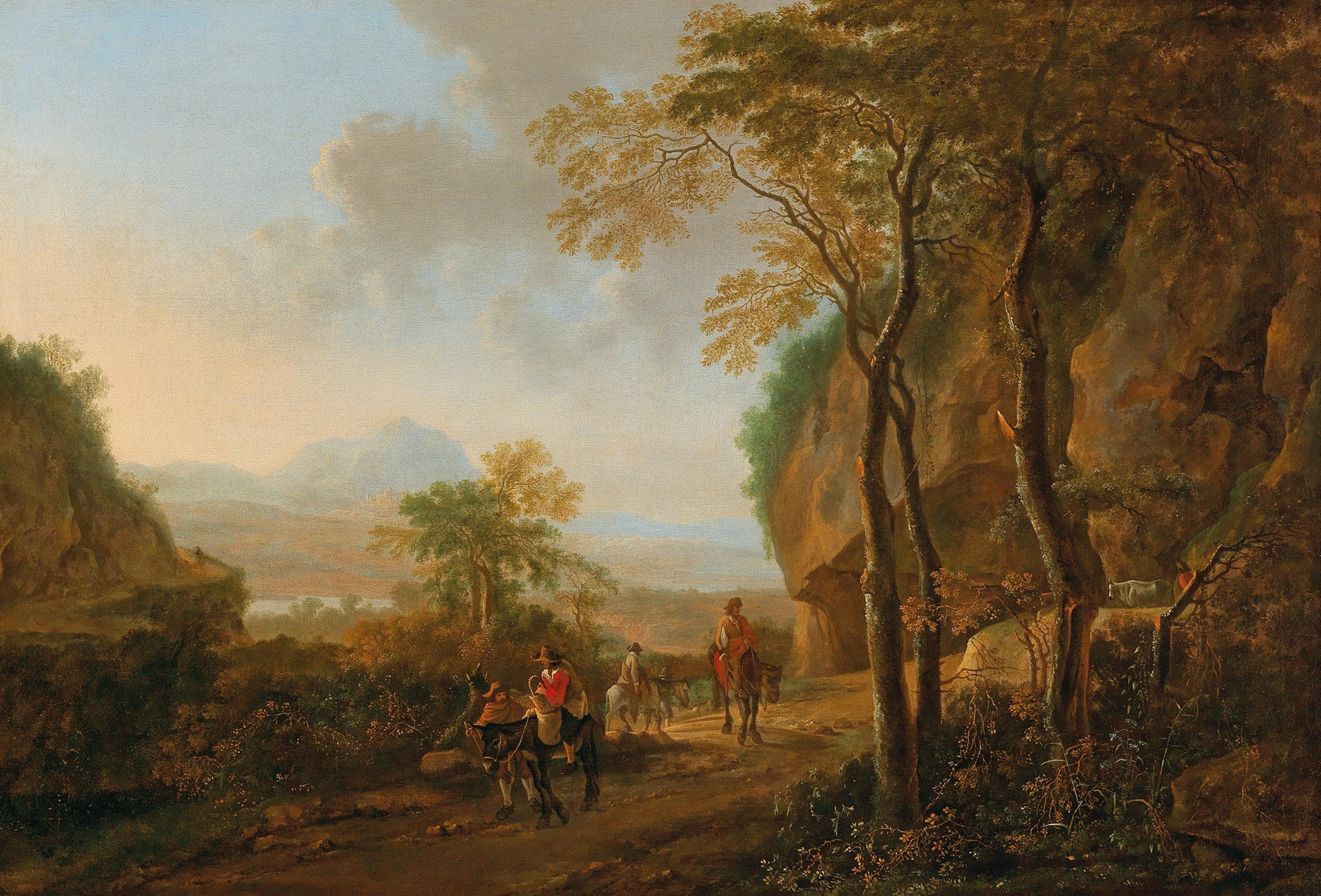
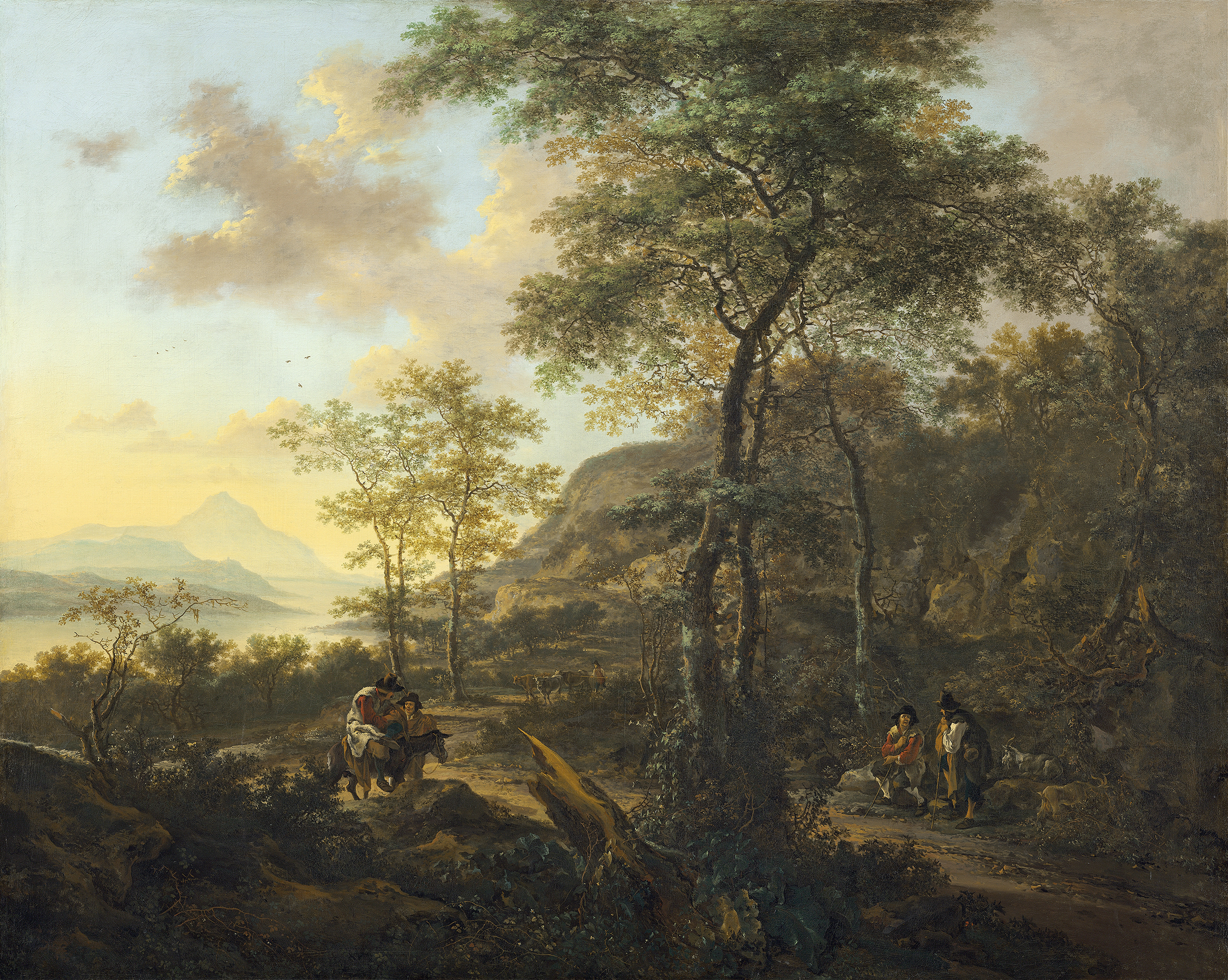
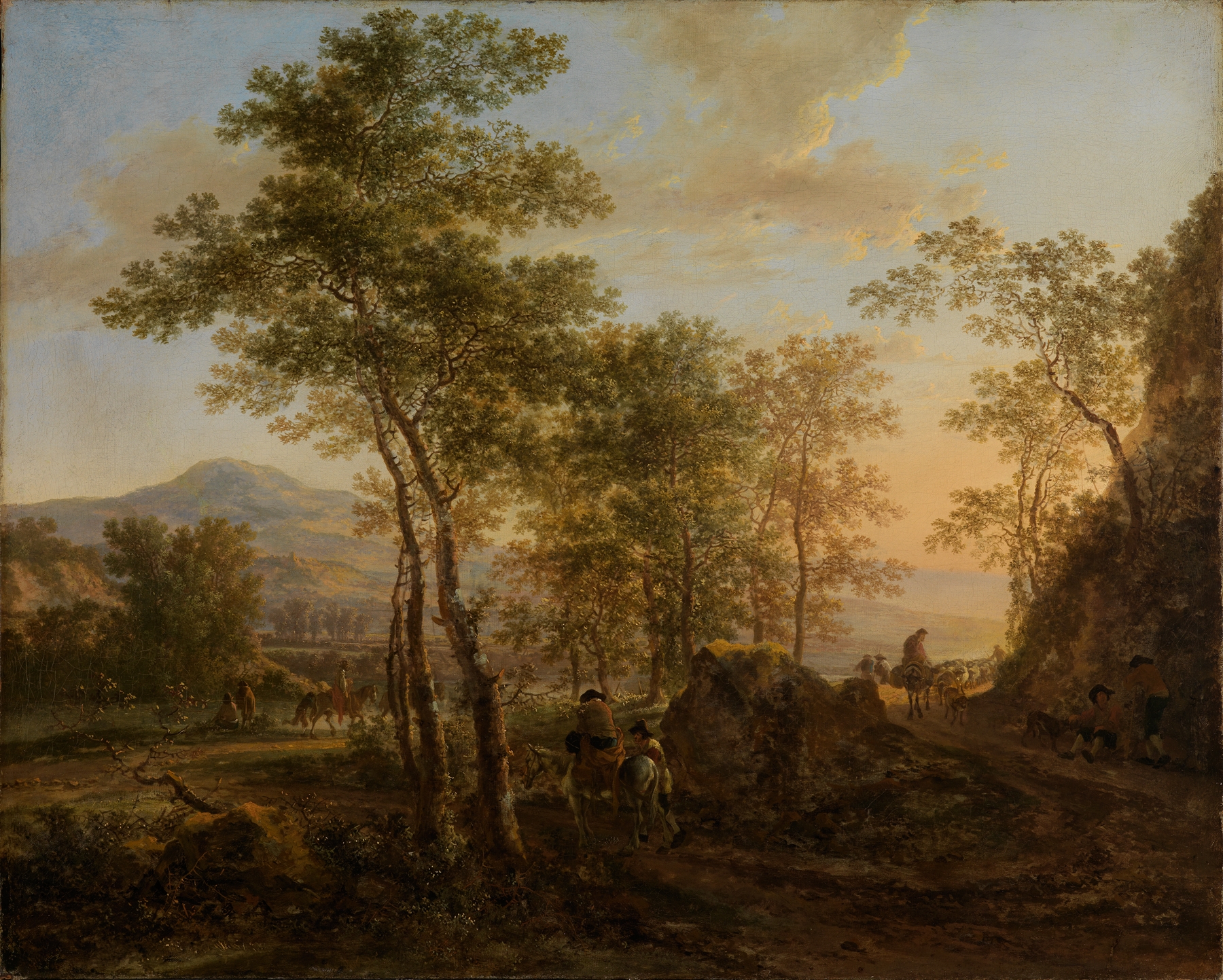
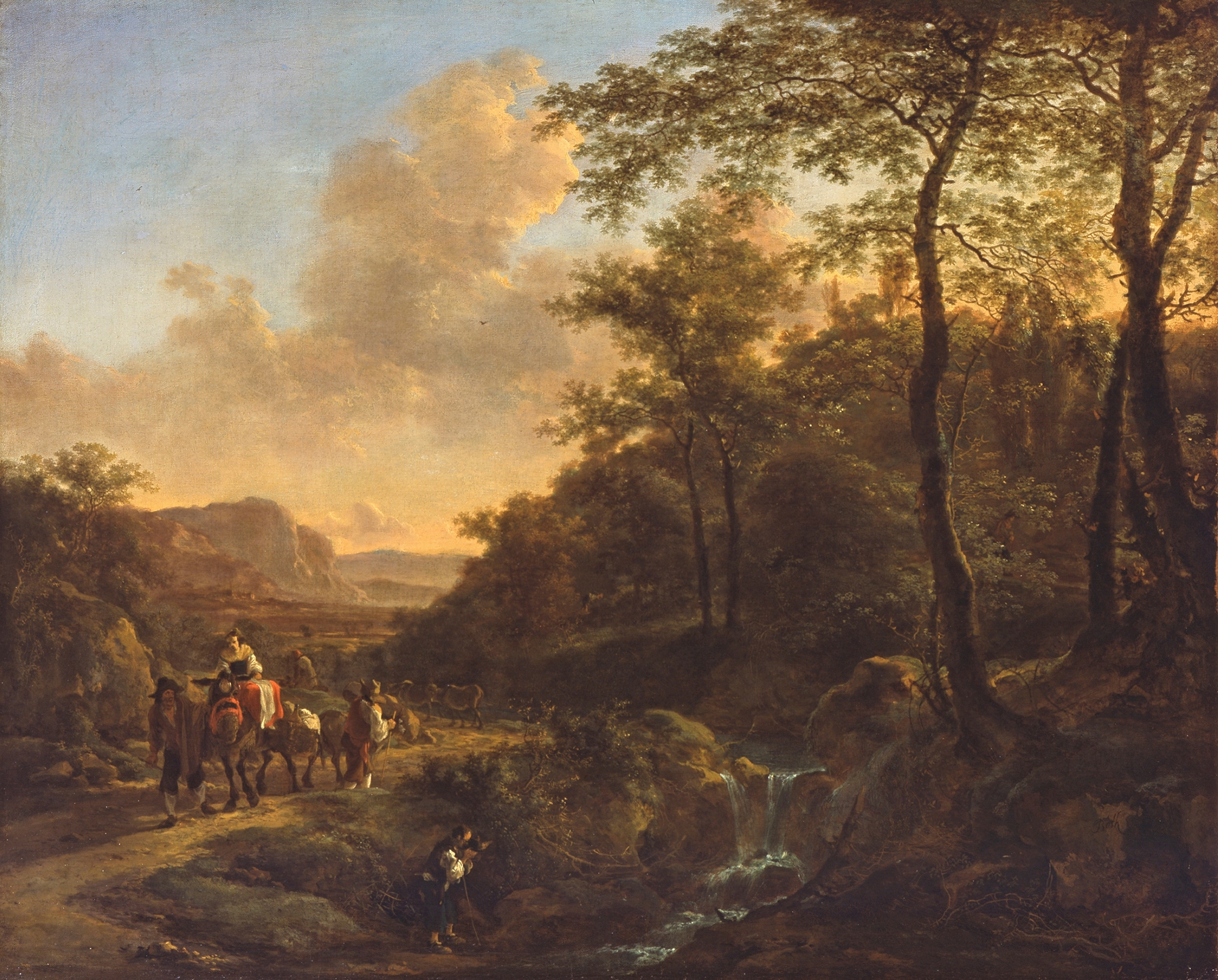
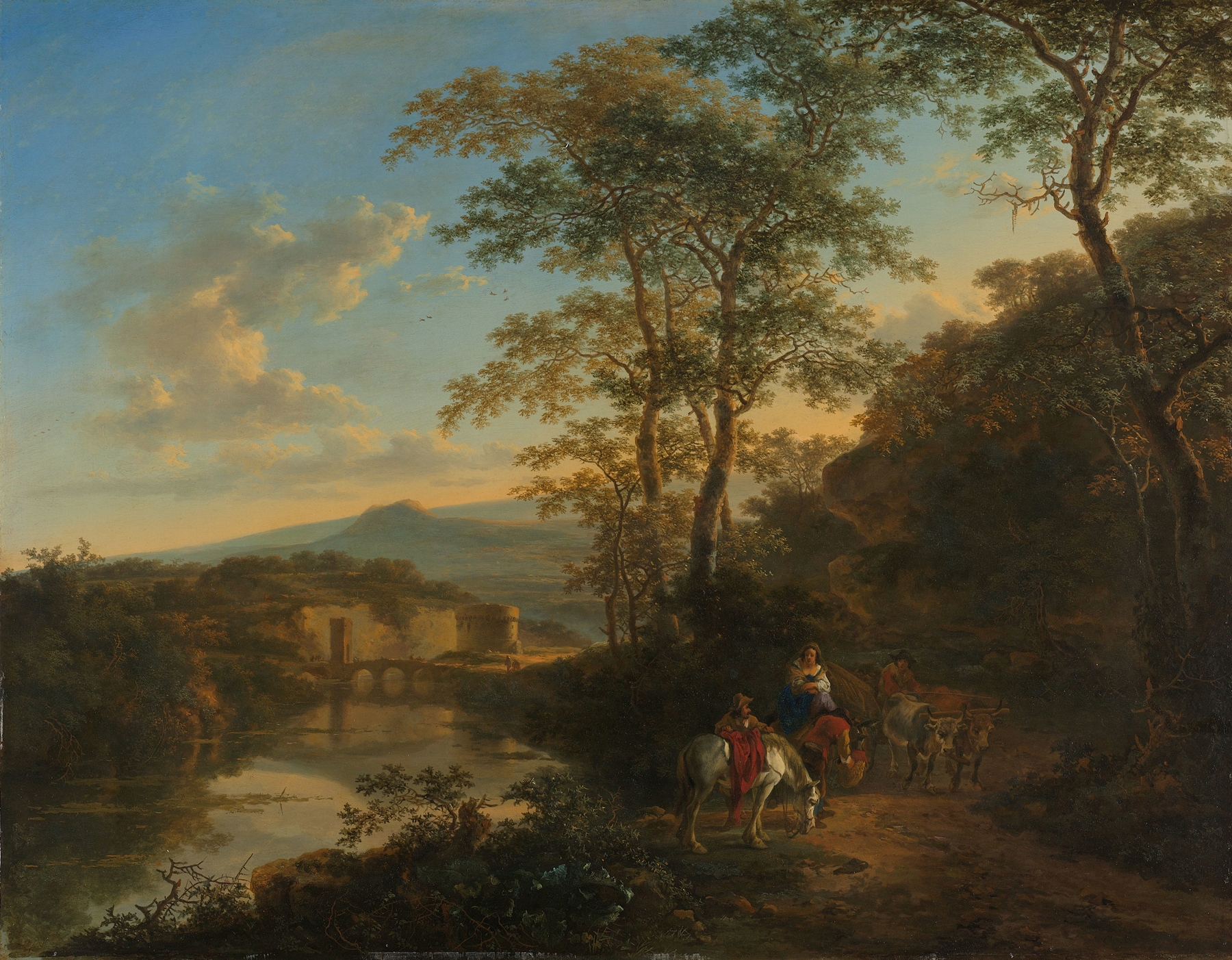
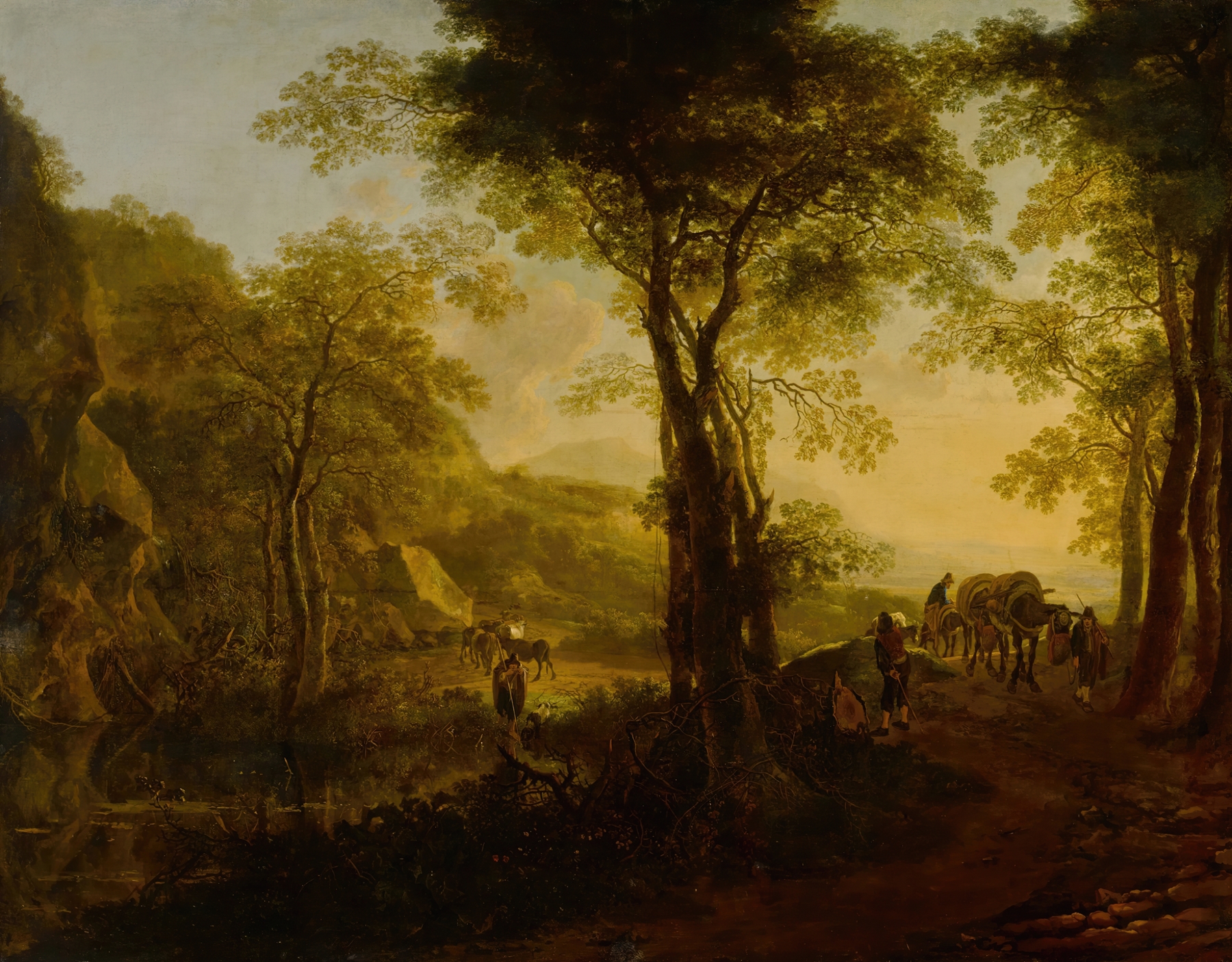
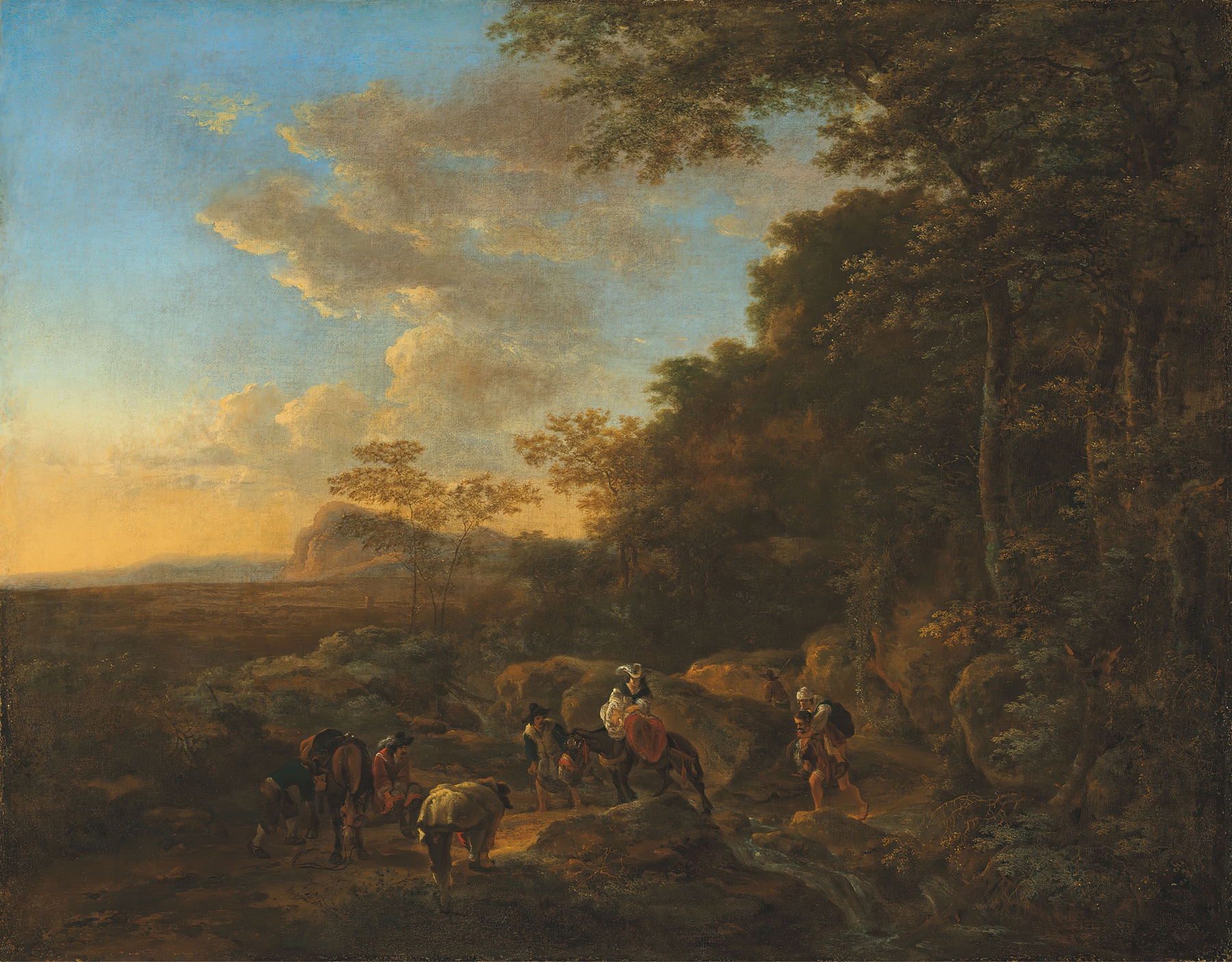
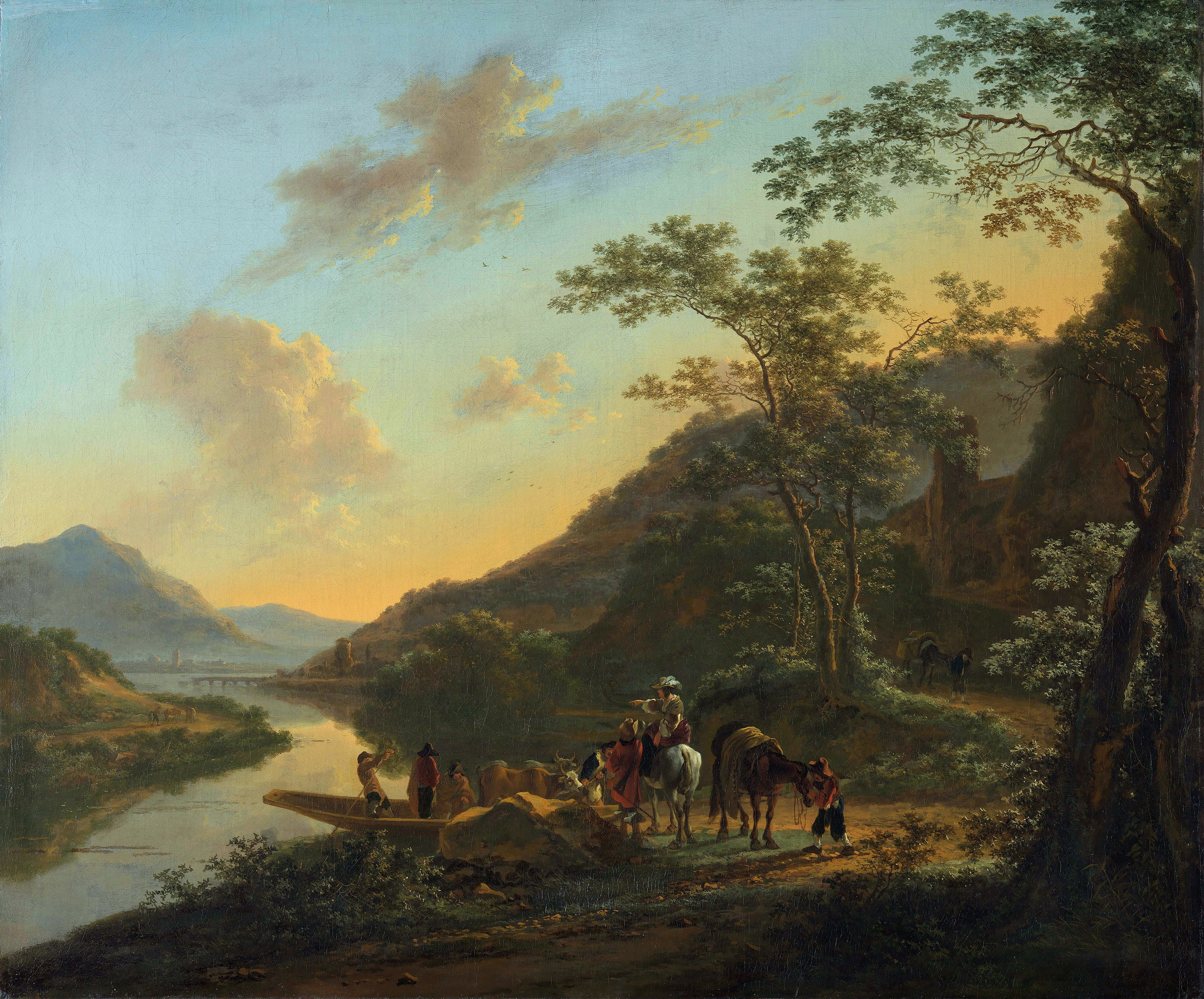
Could beauty survive in a century of chaos? In Jan Both's Italian Landscape, the answer unfurls gently, like the rolling hills beneath an expansive sky. Look to the right at the towering trees, their verdant foliage dancing with the soft embrace of sunlight. The composition draws your gaze through a harmonious blend of greens and blues, guiding you toward the serene lake that reflects the luminous heavens above.
The artist's use of light is masterful—notice how it dapples across the landscape, creating a vivid interplay of shadow and brightness that evokes a sense of awakening and tranquility. Delve deeper, and you will find an intricate interplay of natural elements. The distant mountains stand resolute, perhaps a nod to the enduring presence of nature amidst human turmoil, while the gentle stream flows with a quiet intensity, symbolizing life's continuous journey. Each brushstroke speaks to not just beauty, but a longing for peace and stability, capturing the essence of a landscape that feels both timeless and fleeting.
Jan Both painted this work during the 17th century, a period marked by the emergence of Dutch landscape artistry. His time spent in Italy, where he was influenced by the vibrant colors and dramatic scenery, brought forth a unique fusion of Northern and Southern European styles. Both's work reflects the broader artistic movements of his era, as artists sought to reconcile the chaos of their times with an idealized vision of nature.