Italianate Landscape with Travellers no. 2 — History & Analysis
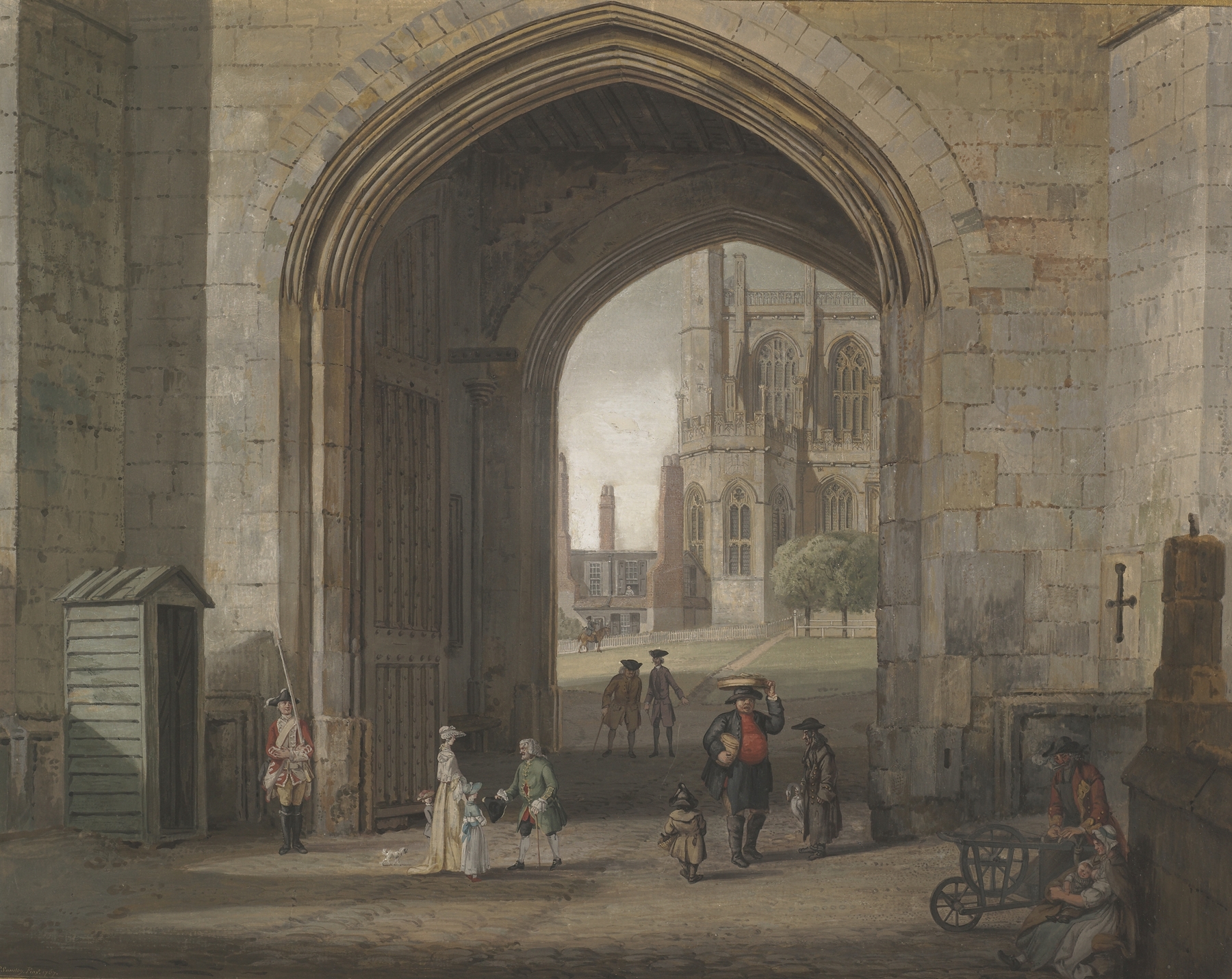
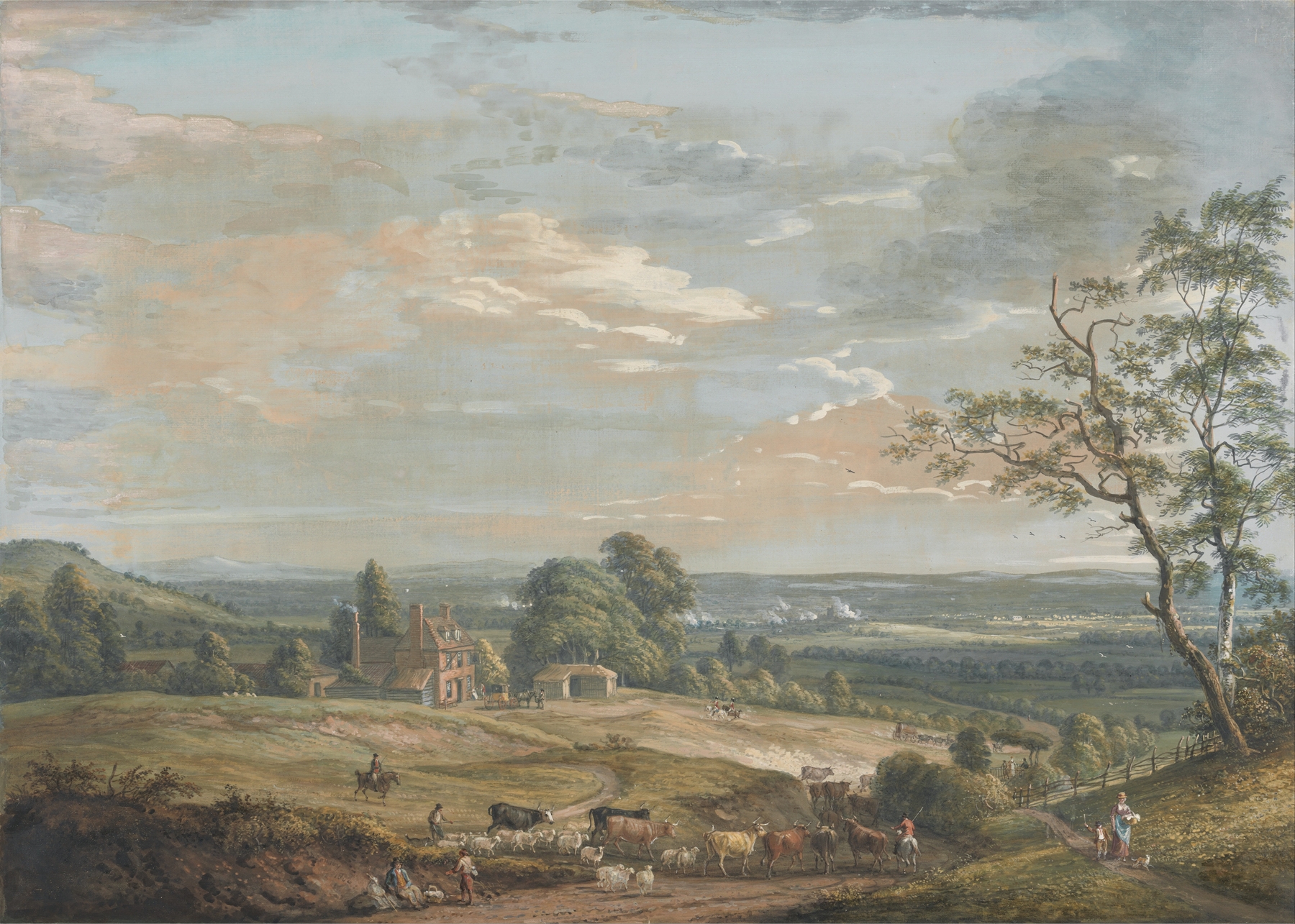
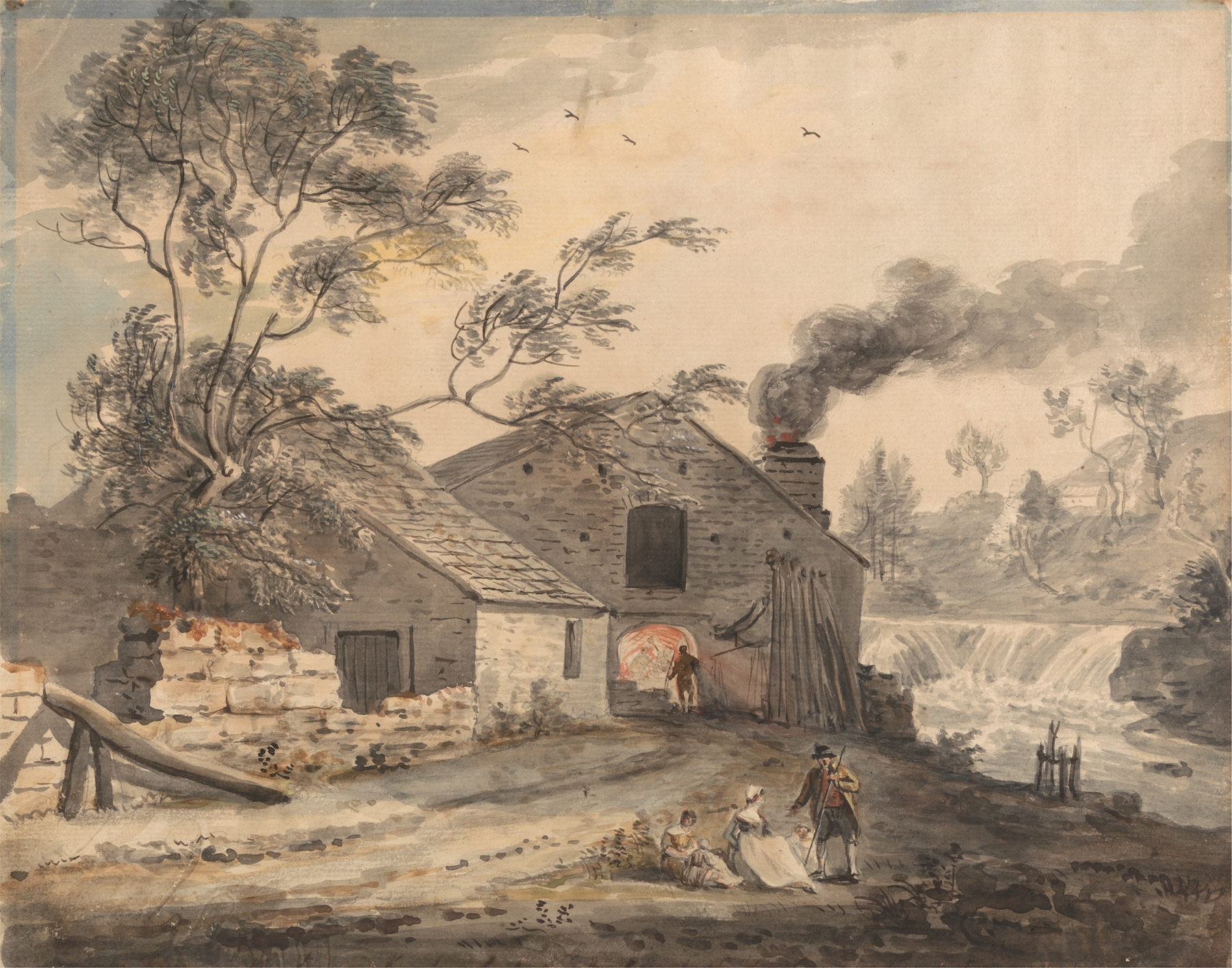
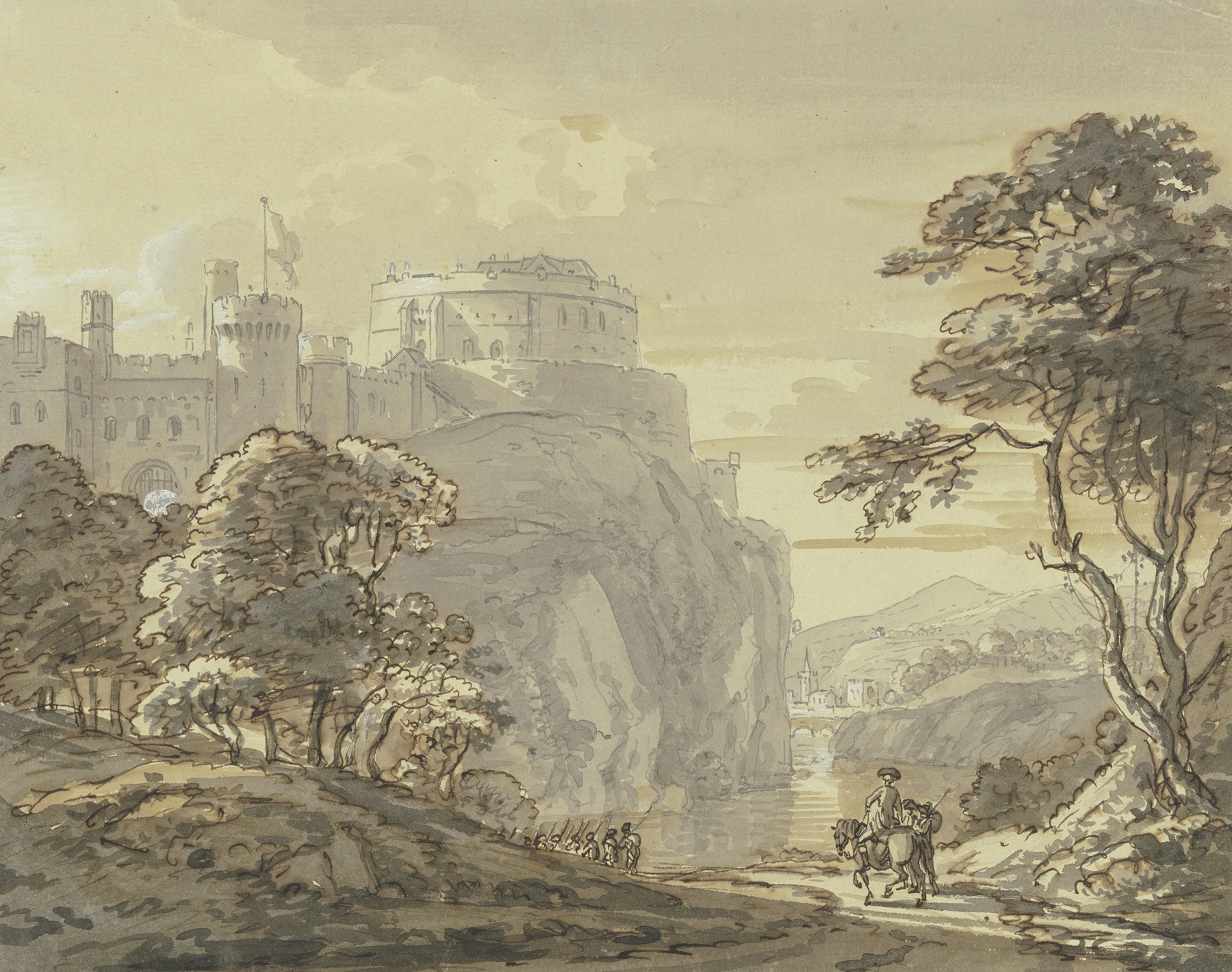
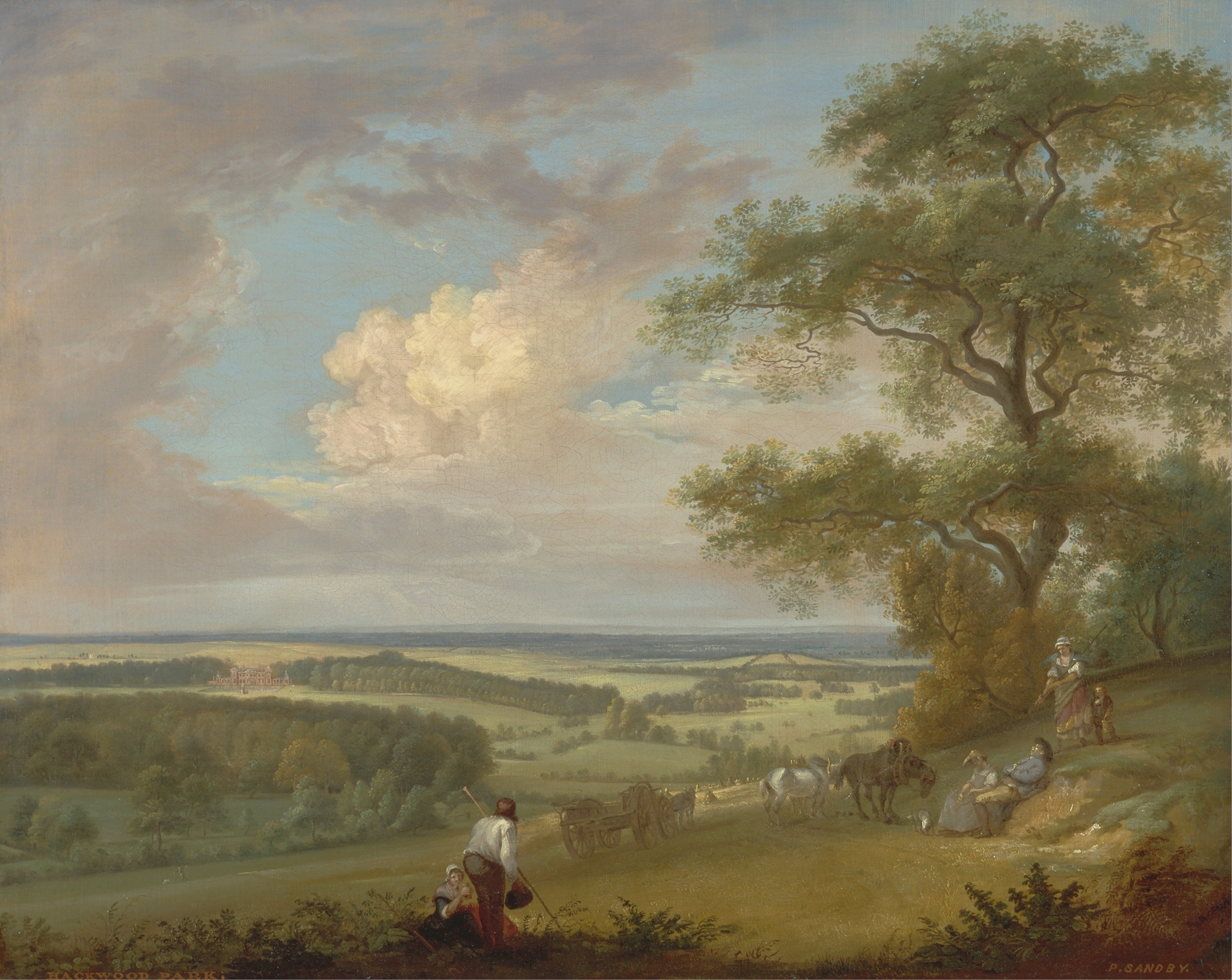
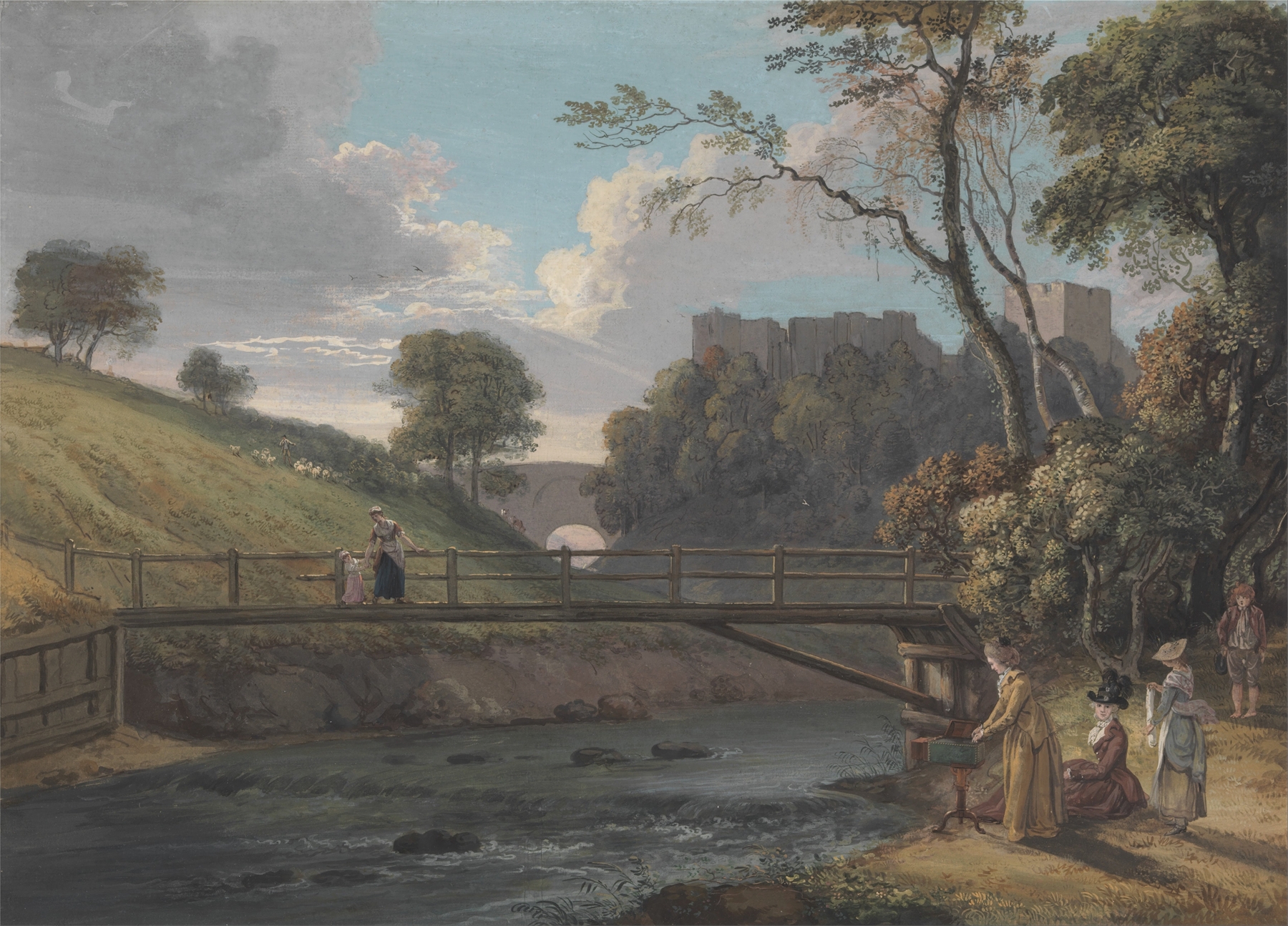
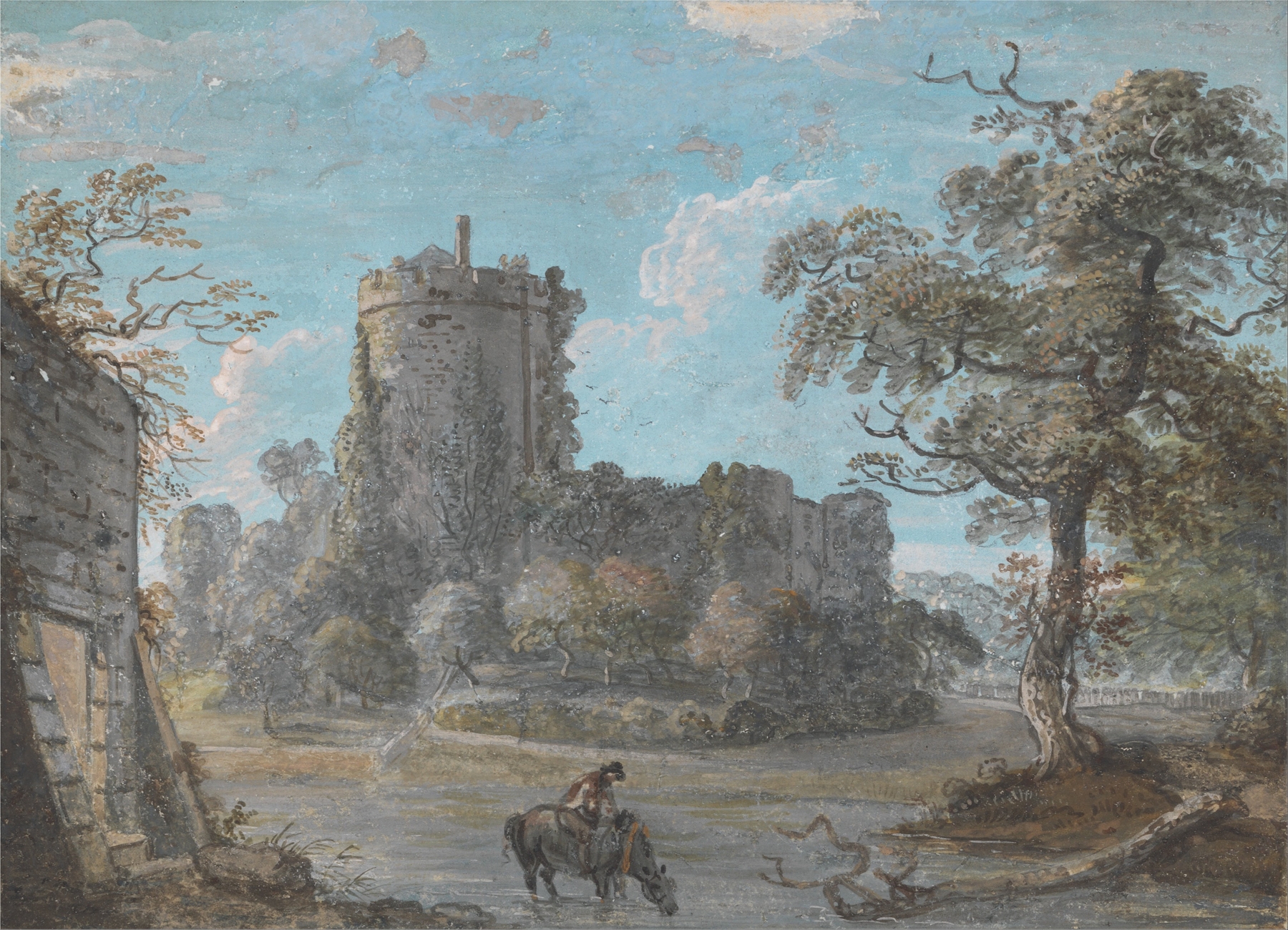
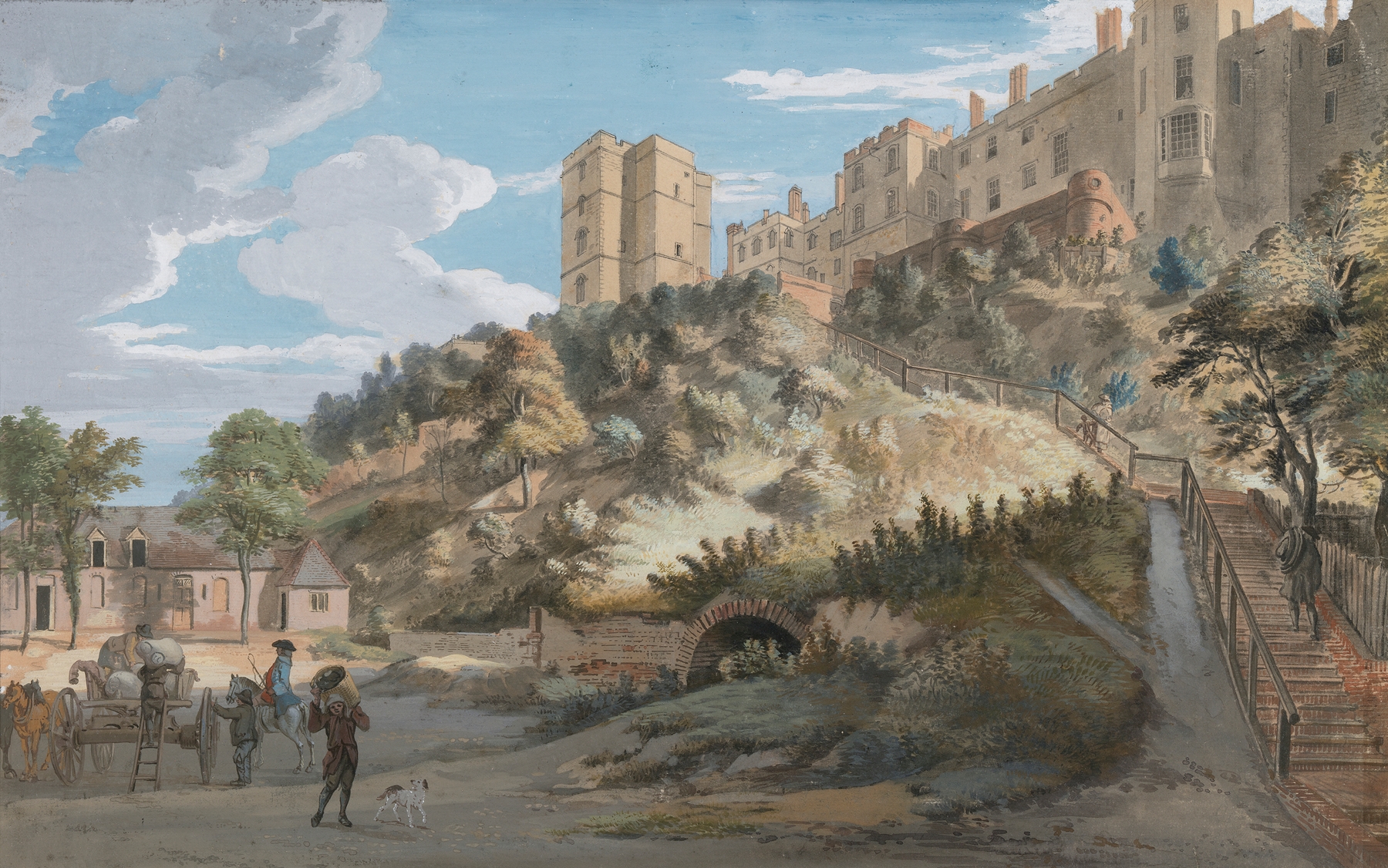
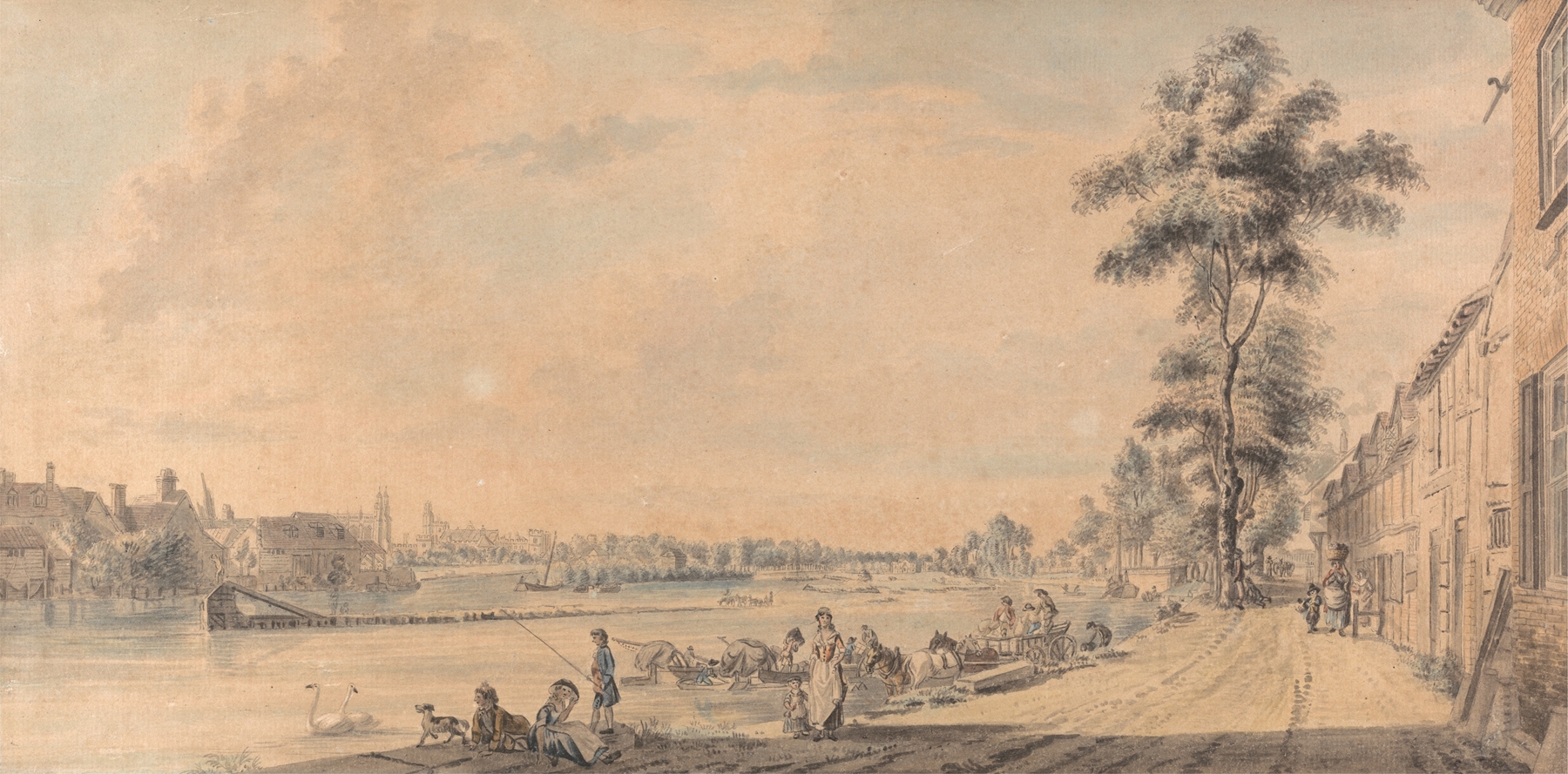
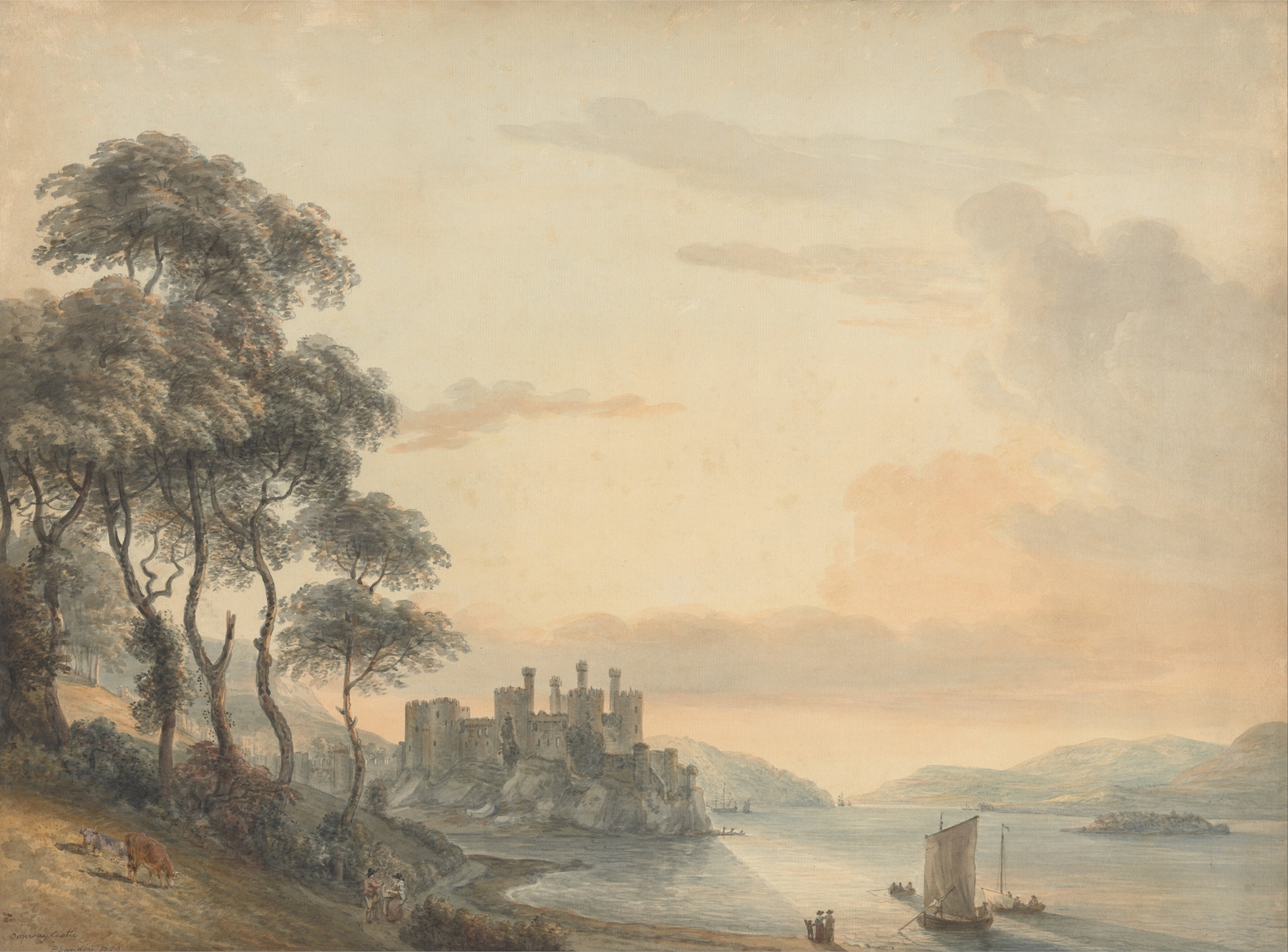
“Under the brush, chaos becomes grace.” In the heart of nature, the tumultuous dance between tranquility and violence unfolds in vibrant strokes. Begin by looking to the horizon, where the undulating hills meet the soft blue sky, washed with delicate clouds. Notice how the warm earth tones of the foreground contrast vividly with the lush greens and blues of the landscape beyond. The figures of travelers are subtly integrated into the scene, drawing the eye towards their movement, yet they remain small amid the grandeur of nature.
The brushwork is both dynamic and tender, revealing a skillful balance between chaos and harmony, as if the very act of painting has tamed the wildness around them. There is a palpable tension between the serenity of the landscape and the anonymous travelers, suggesting a journey that is both physical and existential. The deep shadows lurking beneath the trees evoke a sense of mystery, hinting at unseen forces at play. The interplay of light and dark speaks of life's conflicts, while the lush scenery invites reflection on the harmony that can arise from turmoil.
Each element, from the gentle slopes to the piercing beams of sunlight, conveys the complex duality of experience. In 1760, while living in England, the artist captured this scene during a time when landscape painting was gaining prominence. Sandby, often regarded as a pioneer in watercolor and known for his idyllic representation of rural life, was influenced by the picturesque movement that sought to infuse emotional depth into natural beauty. His work reflected not only personal experience but also a wider cultural shift towards appreciating the sublime intricacies of landscape amidst an evolving world.