Juni — History & Analysis
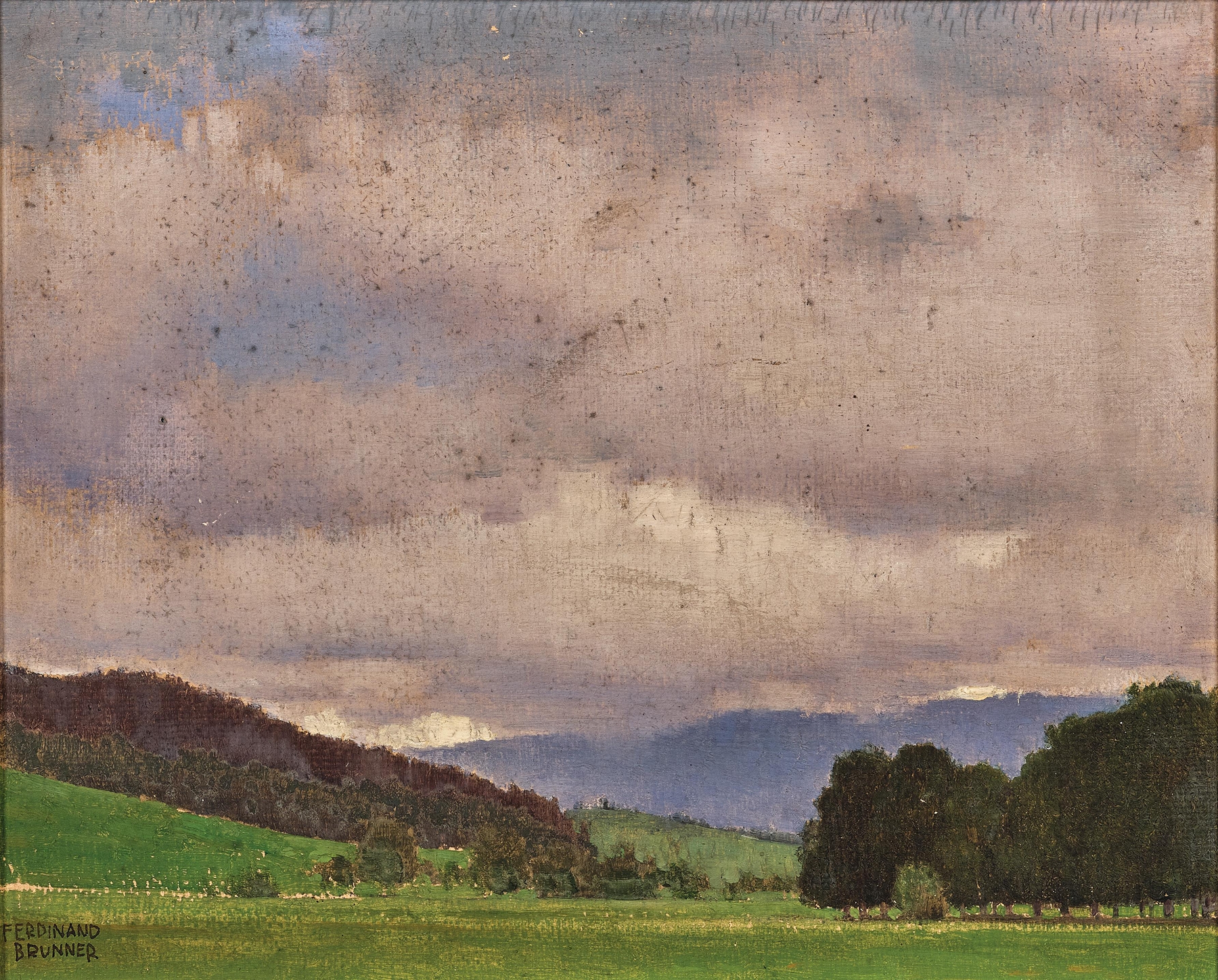
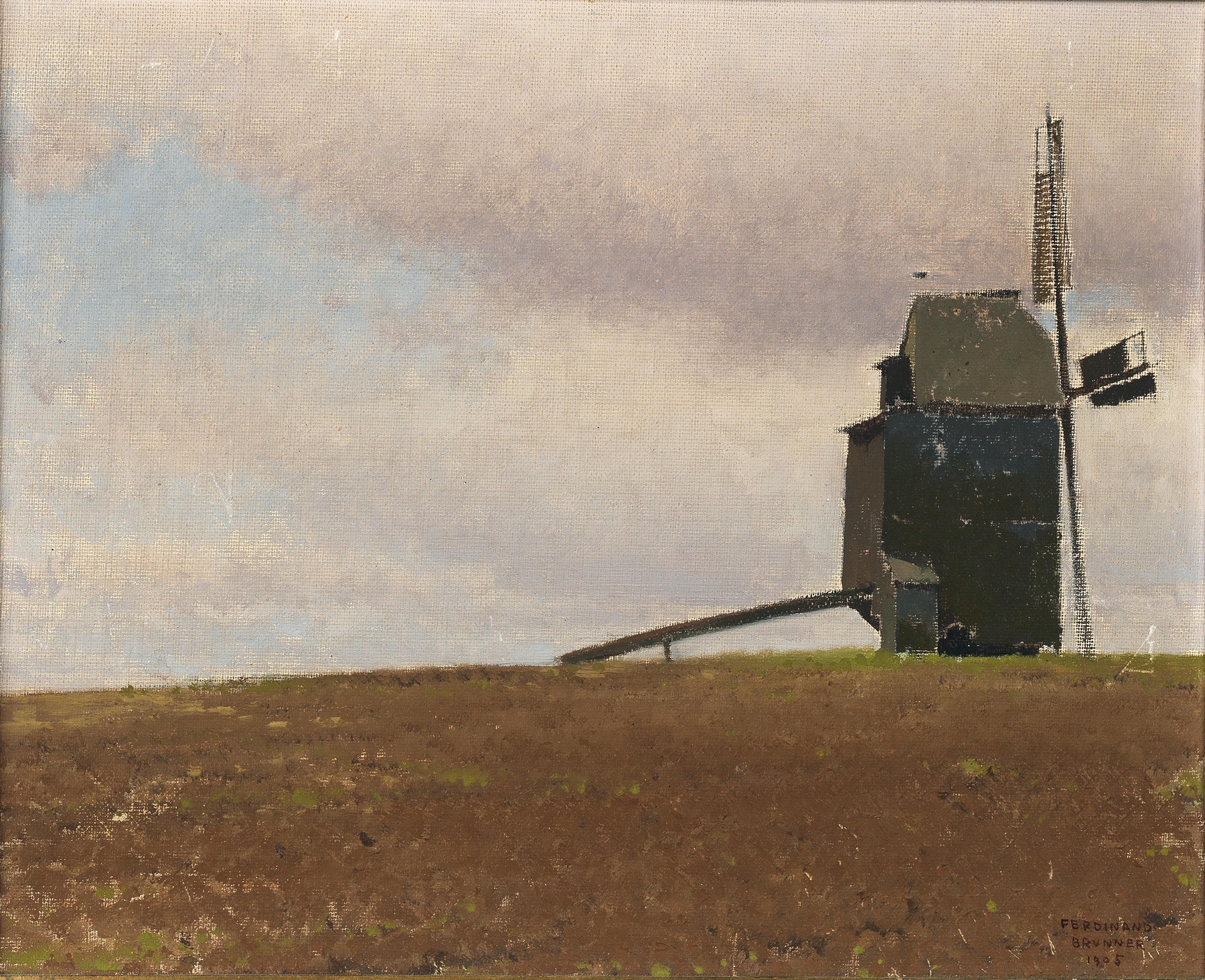
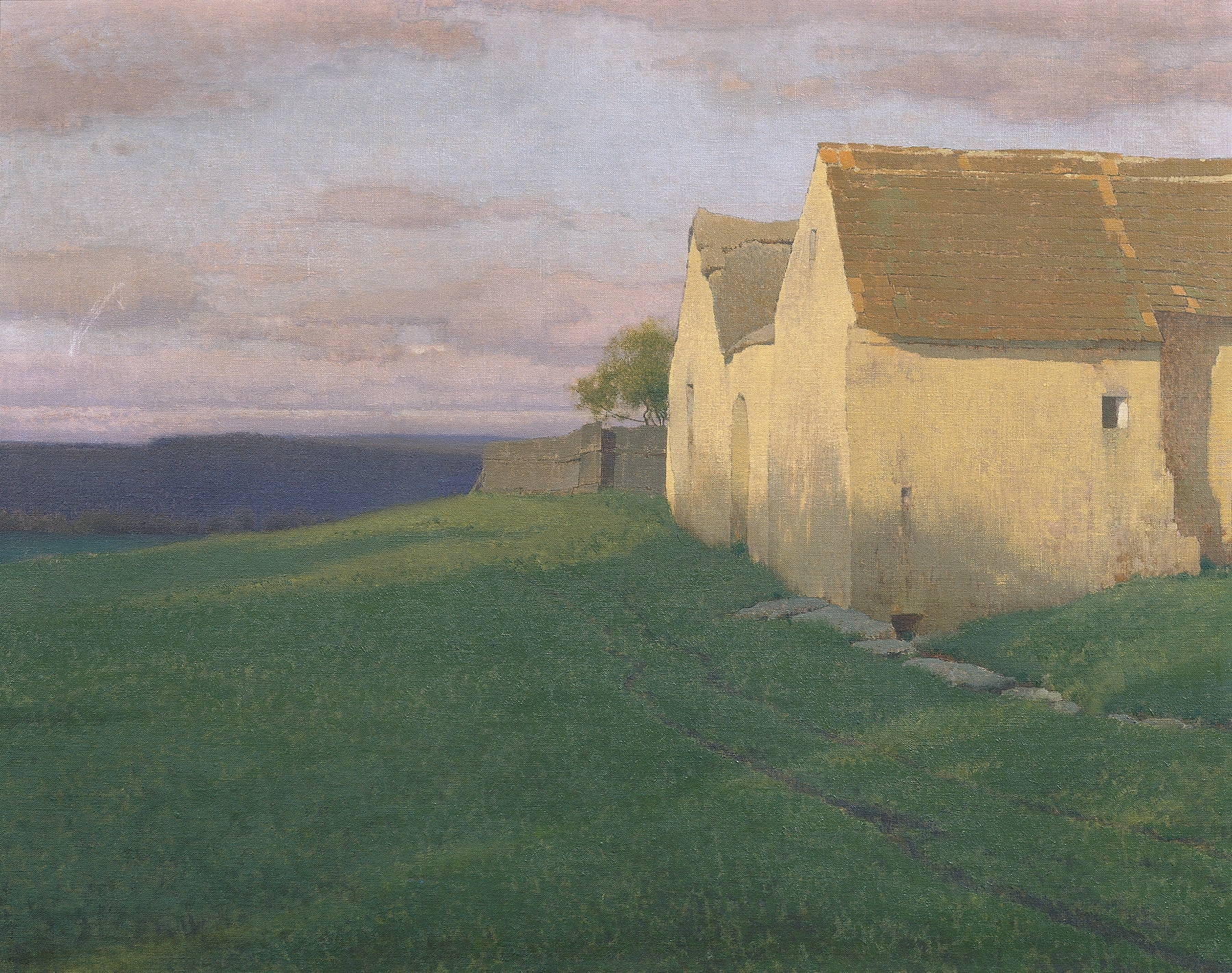
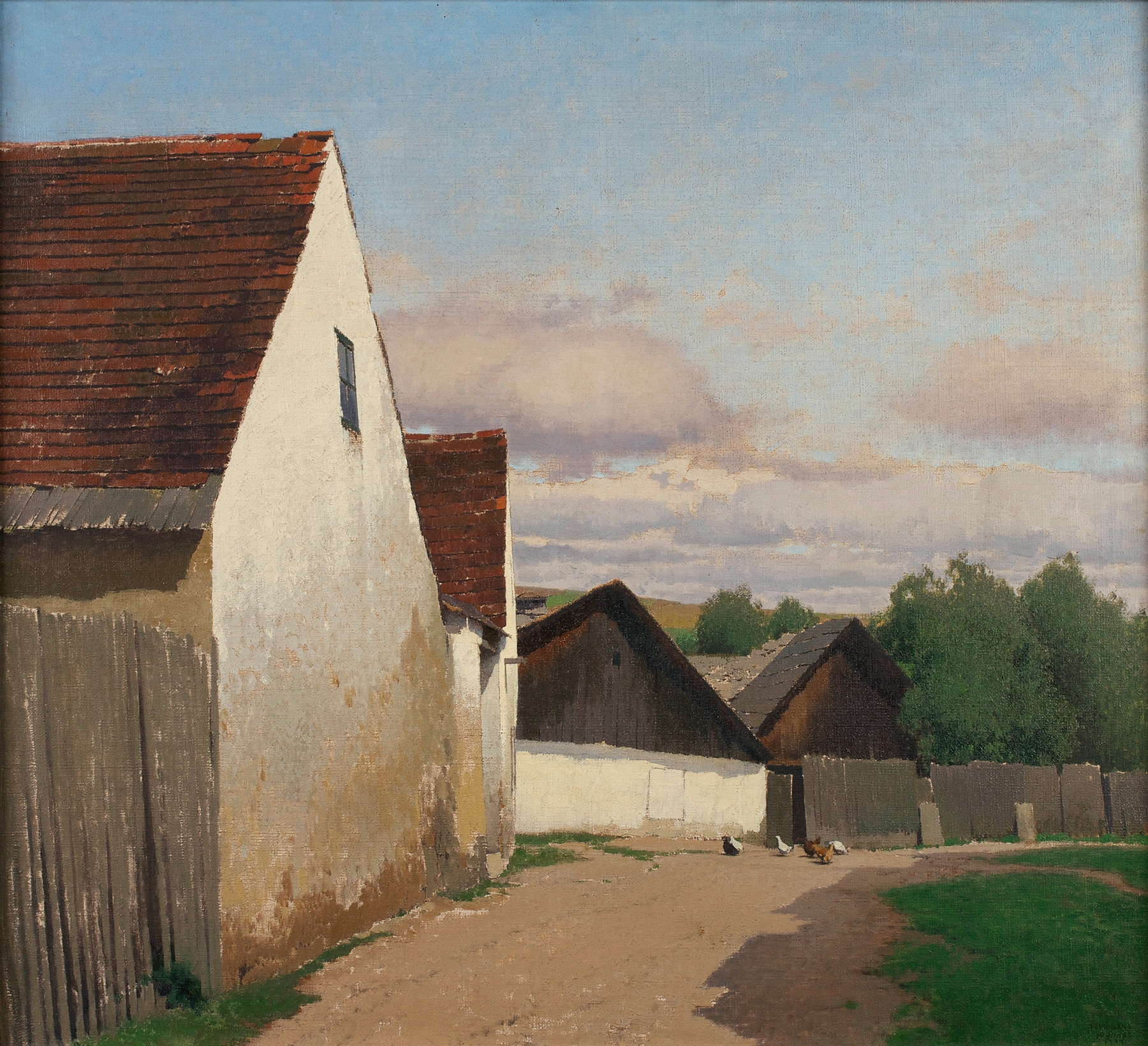
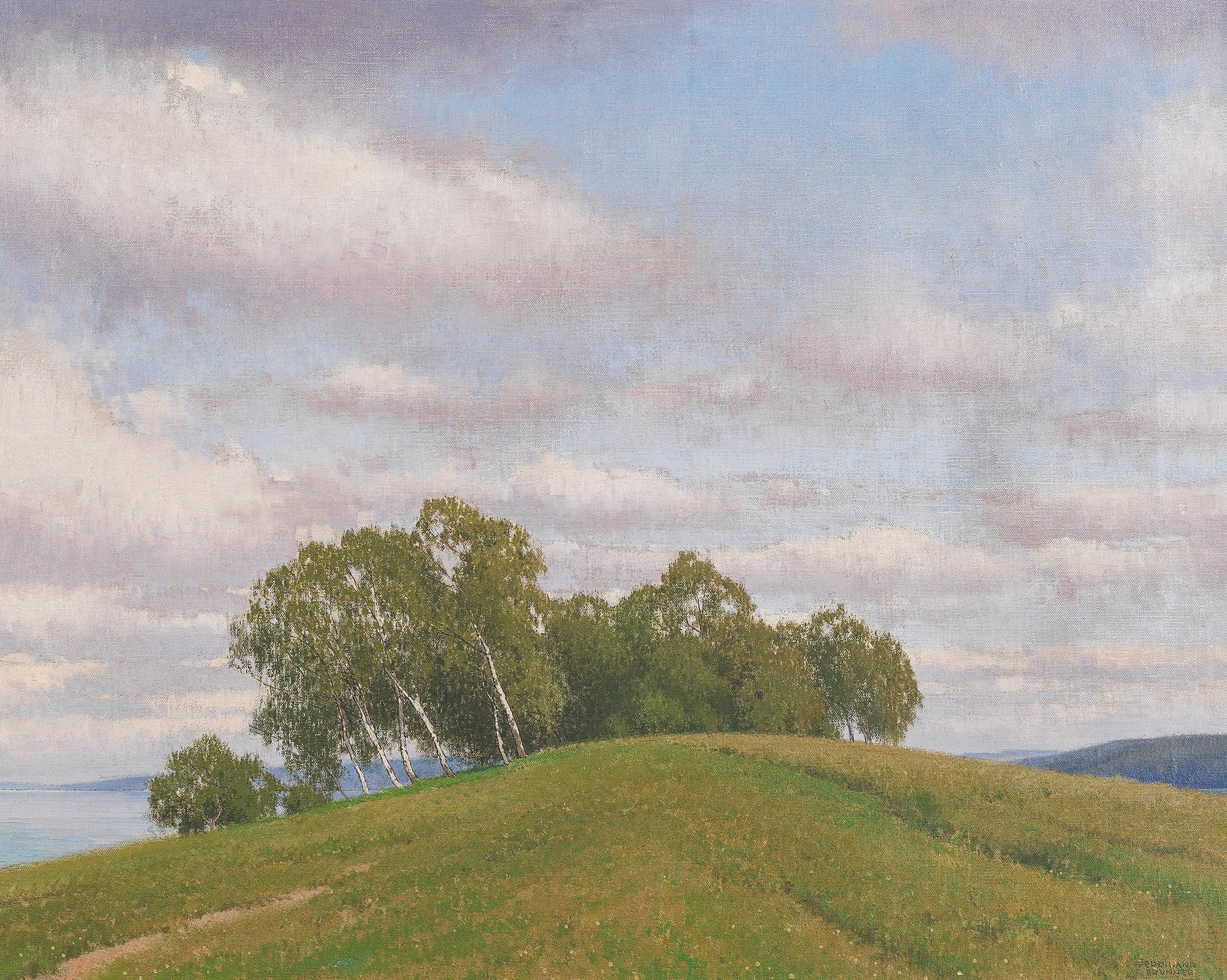
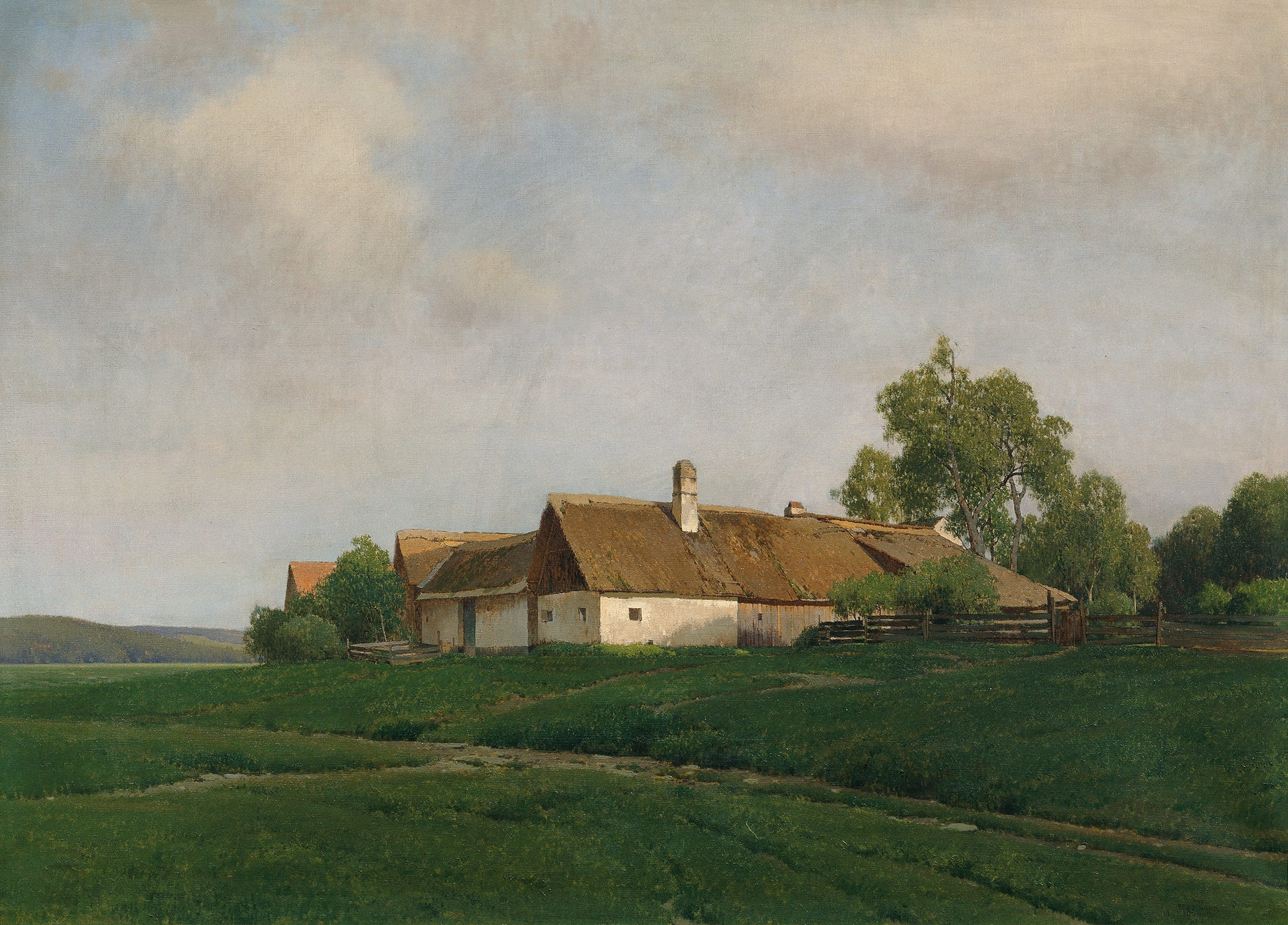
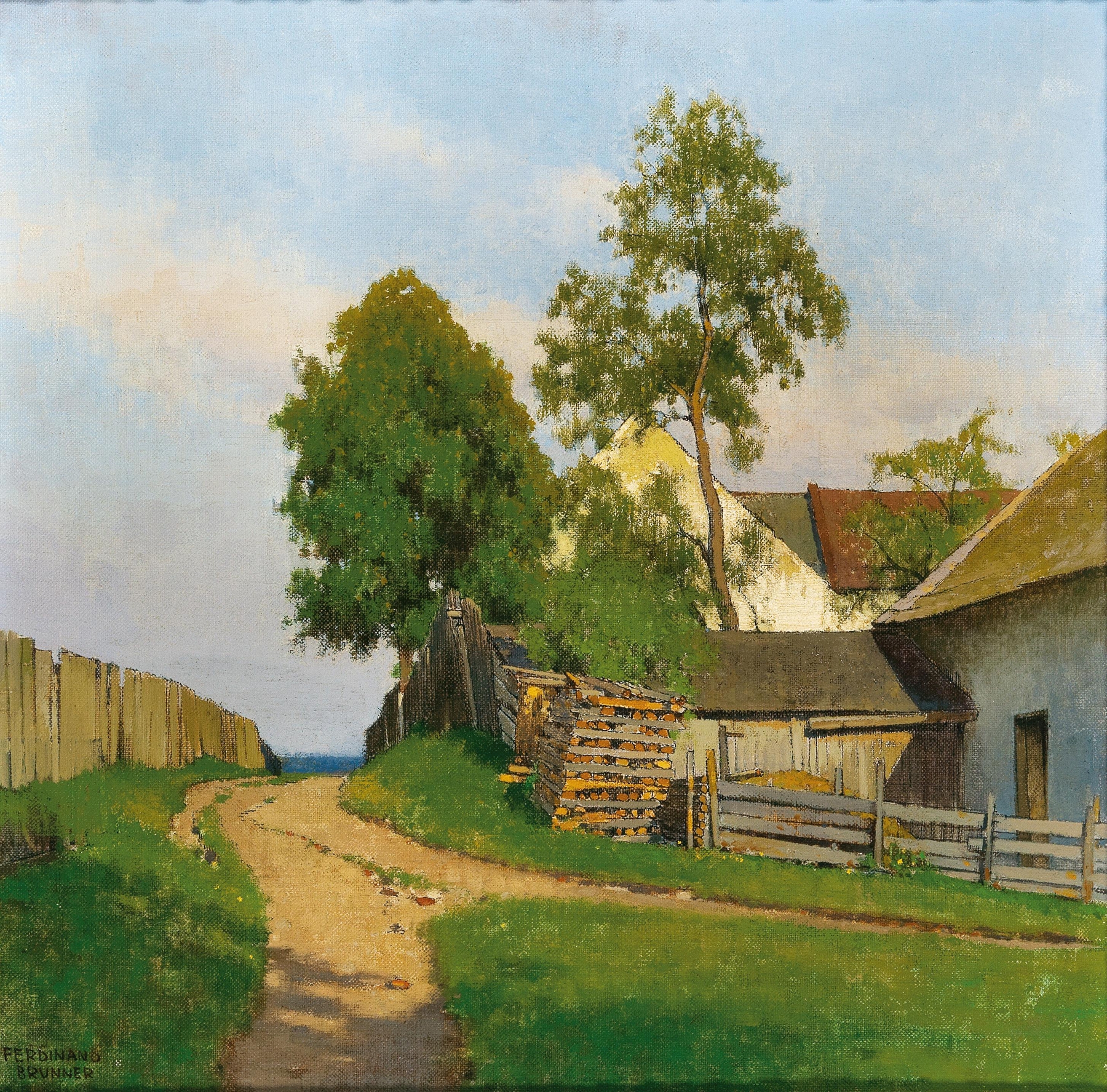
Who listens when art speaks of silence? In Juni, the stillness resonates, inviting contemplation and reflection in every brushstroke. Look at the soft brushwork that blurs the lines between the subject and the background, drawing your eye to the gentle figure at the center. Notice how the muted palette of earthy tones warms the scene, while patches of light delicately illuminate the contours, revealing a sense of intimacy.
The artist’s meticulous attention to texture evokes a tactile quality, making the viewer feel as if they could reach out and touch the fabric of the subject’s clothing or the surrounding environment. Within this serene portrayal lies a deeper emotional tension—an unspoken narrative between stillness and longing. The figure’s gaze, slightly averted, hints at a world beyond the canvas, perhaps suggesting an internal struggle or a moment of vulnerability. Additionally, the juxtaposition of soft shadows against gentle highlights serves as a metaphor for the delicate balance between presence and absence, inviting viewers to ponder the complexities of human experience.
Ferdinand Brunner created Juni in 1903 during a pivotal time in the art world, as movements like Impressionism and Symbolism were shaping new narratives in visual culture. Living in Vienna, Brunner was immersed in an environment that celebrated innovation while grappling with the onset of modernity. His work reflects the transitional spirit of the era, drawing from both traditional and contemporary influences to create a poignant commentary on the human condition.