Kallmünz—Light-Green Mountains — History & Analysis
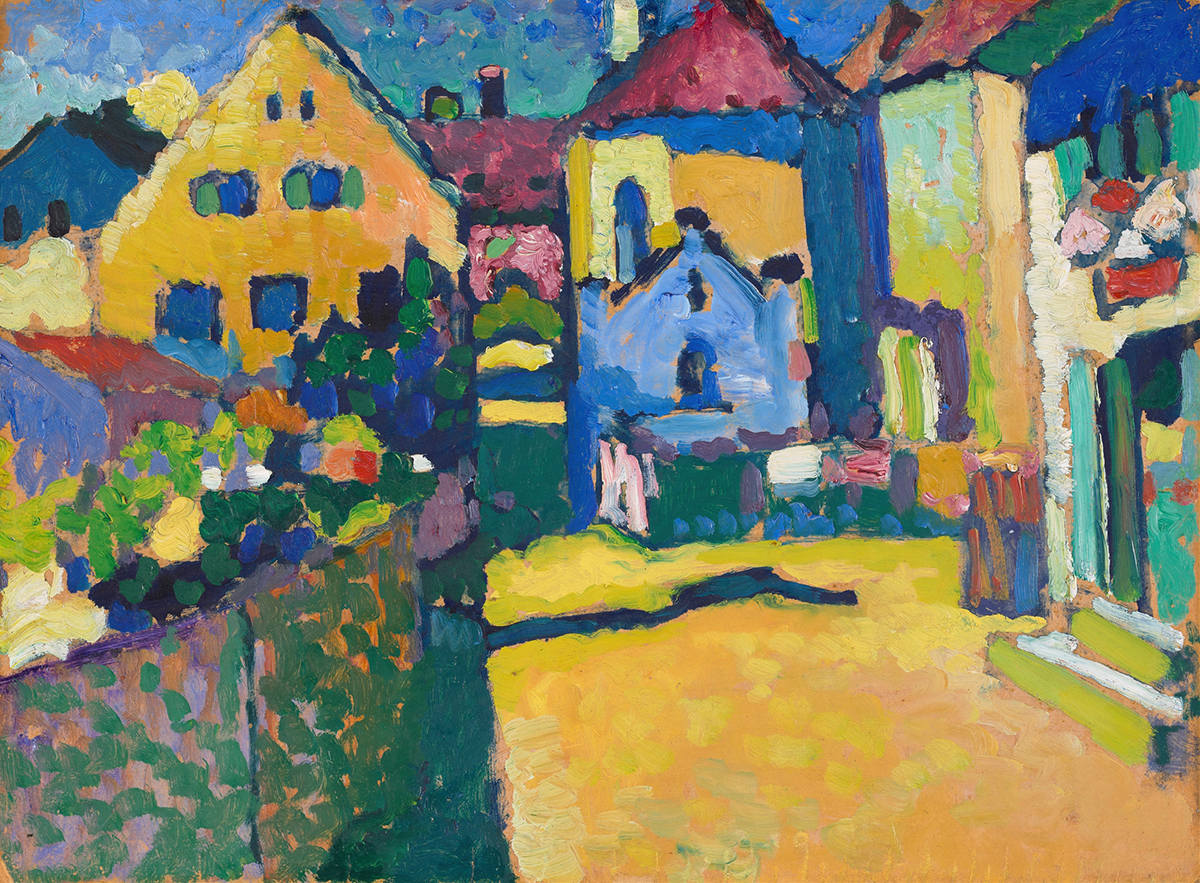
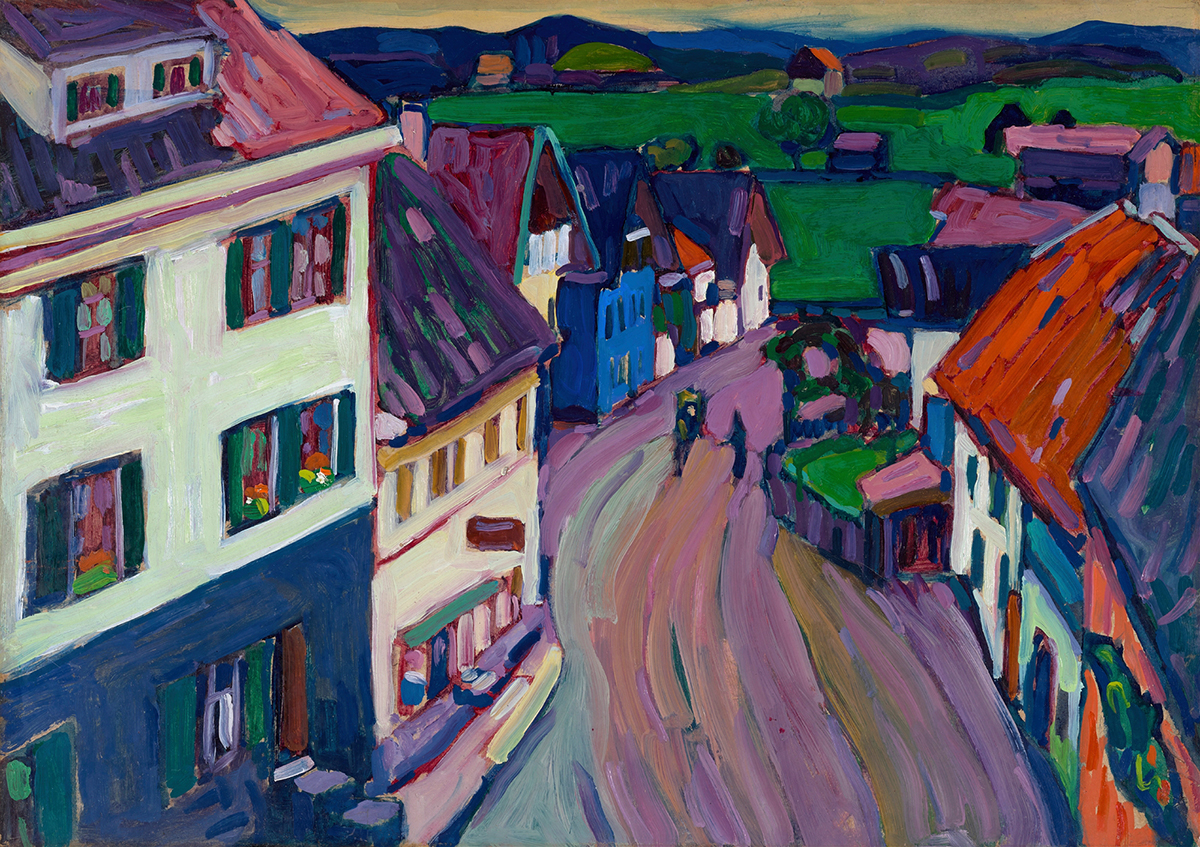
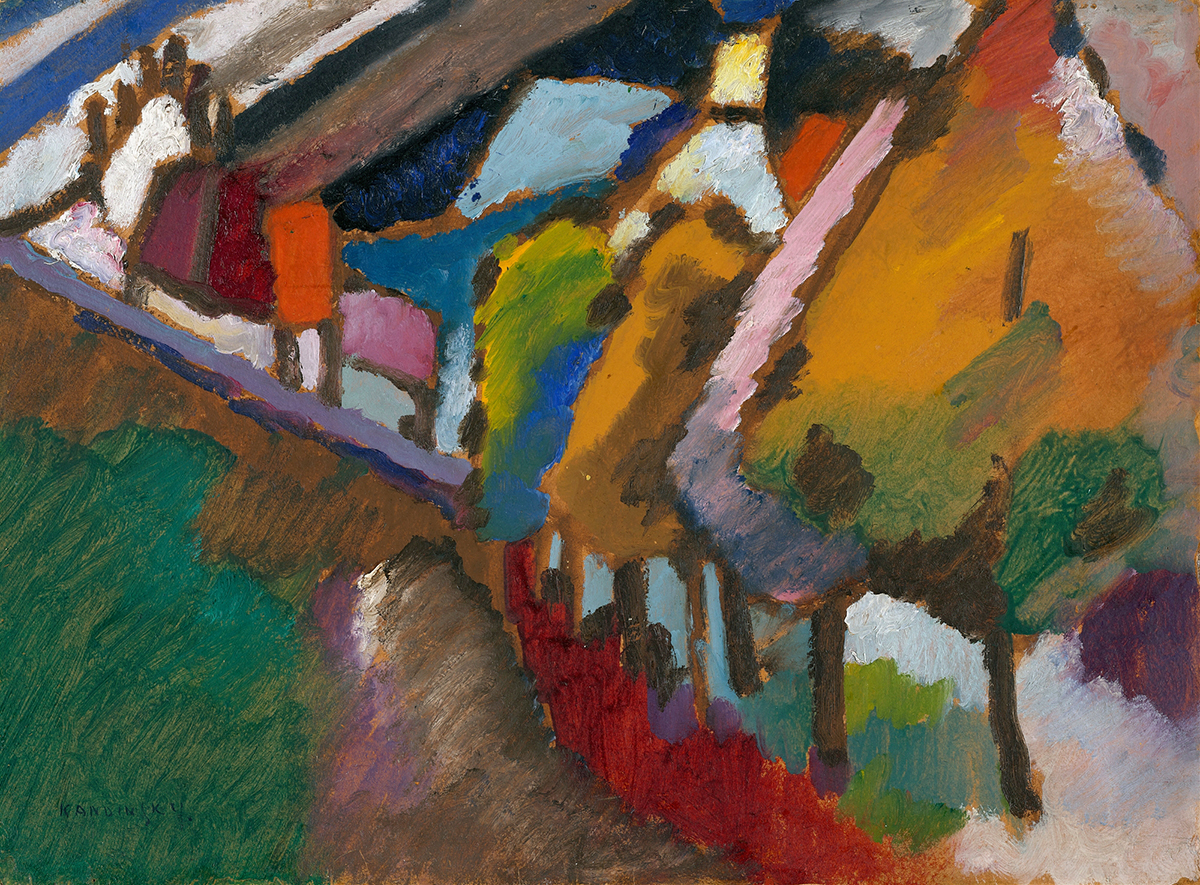
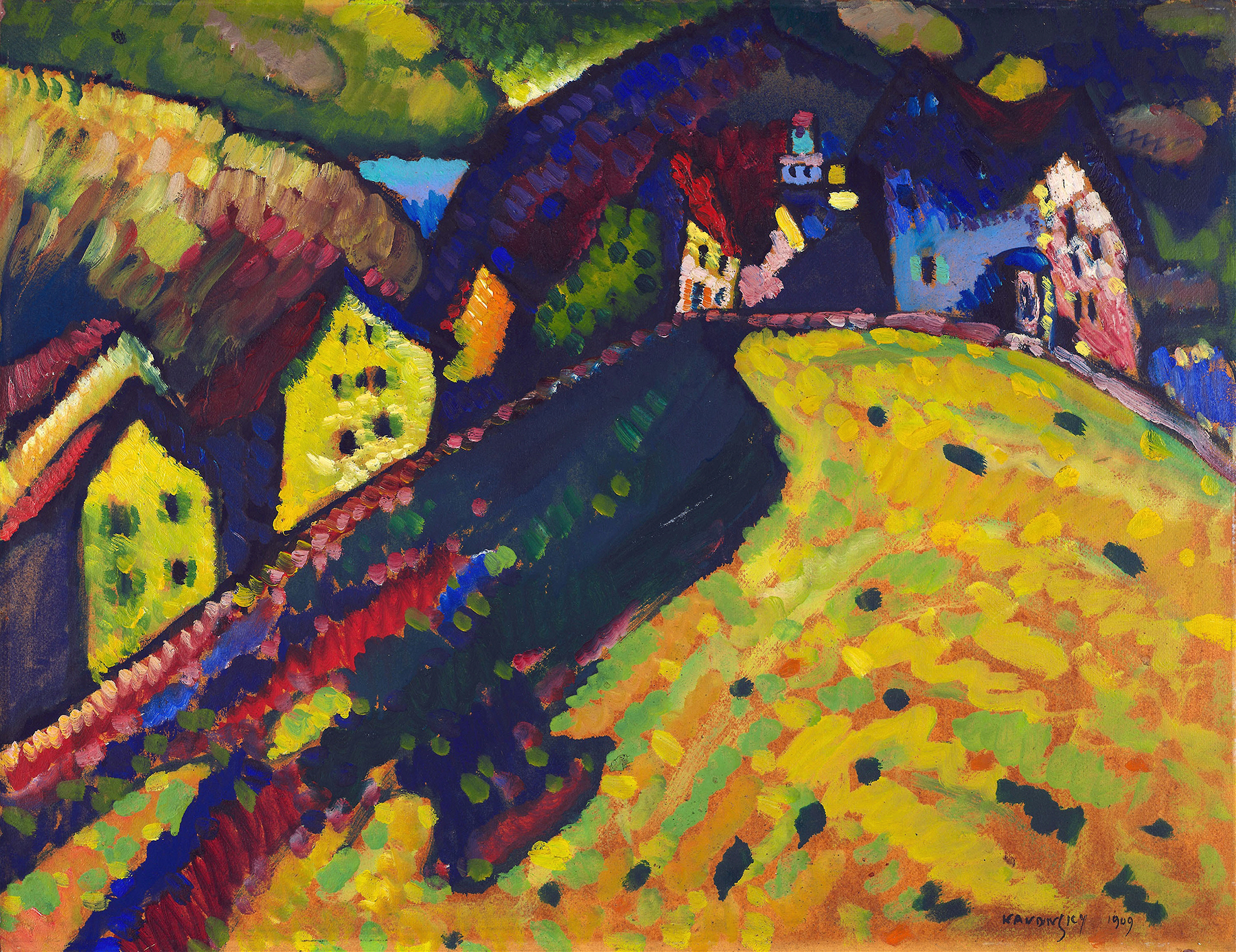
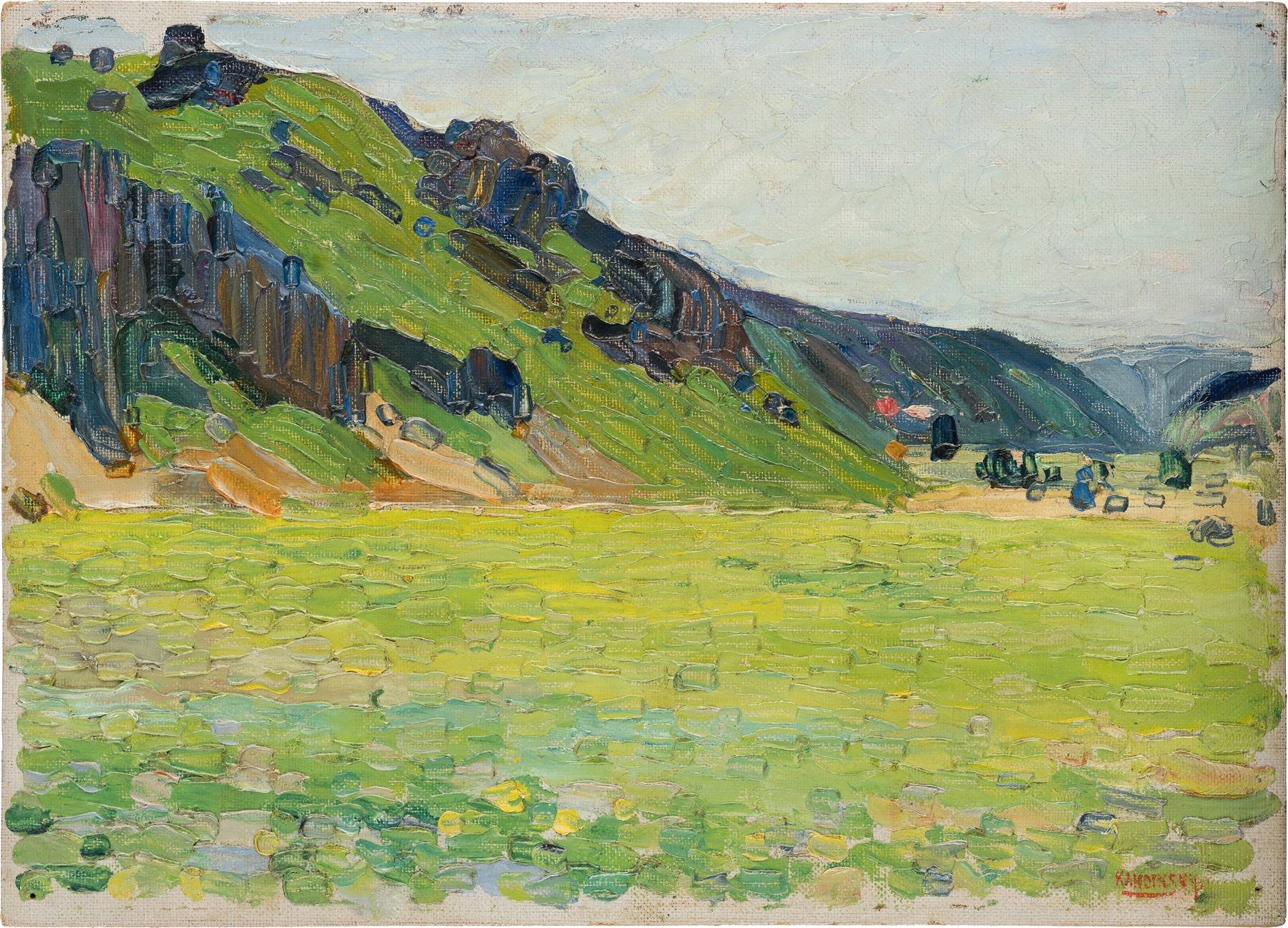
What if beauty was never meant to be finished? In Kallmünz—Light-Green Mountains, the swirling forms and bold colors evoke a sense of both awe and trepidation, hinting at the fragility of our perception. Start by looking to the upper left, where soft strokes of green dance with hints of blue. These colors blend seamlessly, creating an ethereal landscape that invites the viewer to wander deeper.
Notice how the lighter hues suggest distant peaks, while darker shades anchor the composition. Across the canvas, lines oscillate between sharpness and fluidity, mirroring the tension between the known and the unknown. Delving deeper, the intermingling colors represent the duality of beauty and fear. The lush mountains, verdant yet ominous, evoke a sense of wonder tinged with anxiety—an invitation to contemplate the impermanence of nature's majesty.
The rhythmic layers suggest a world both alive and in constant flux, leaving the viewer to grapple with the inevitability of change and decay. At the time of creating this work in 1903, Kandinsky was immersed in a period of exploration and transformation in both his life and the broader art world. Living in Munich, he was influenced by the burgeoning Expressionist movement, seeking to convey emotion through abstraction. This painting emerged from a moment where traditional representation began to dissolve, reflecting his desire to capture not just a scene but the essence of experience itself.