Kaïn doodt Abel — History & Analysis
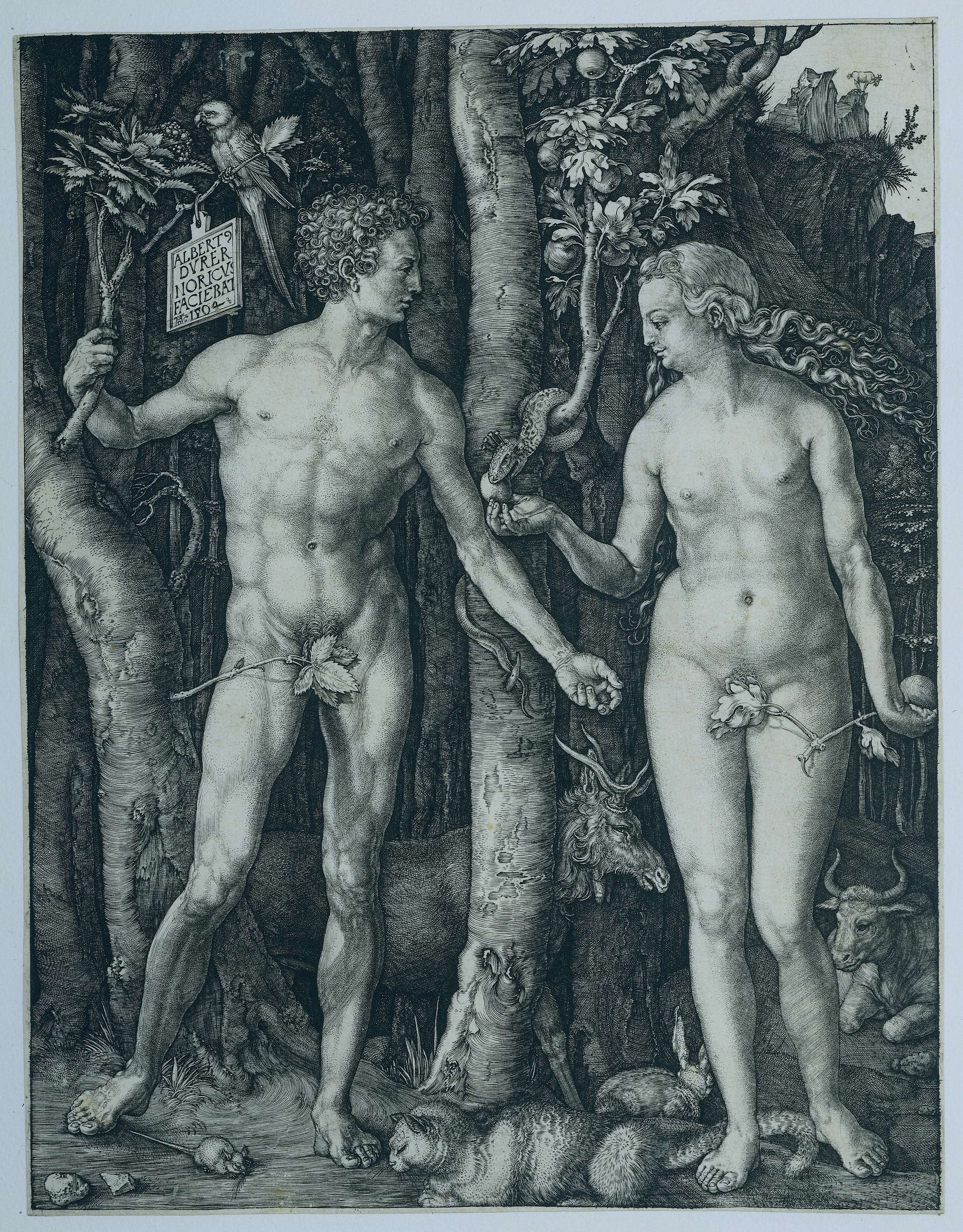
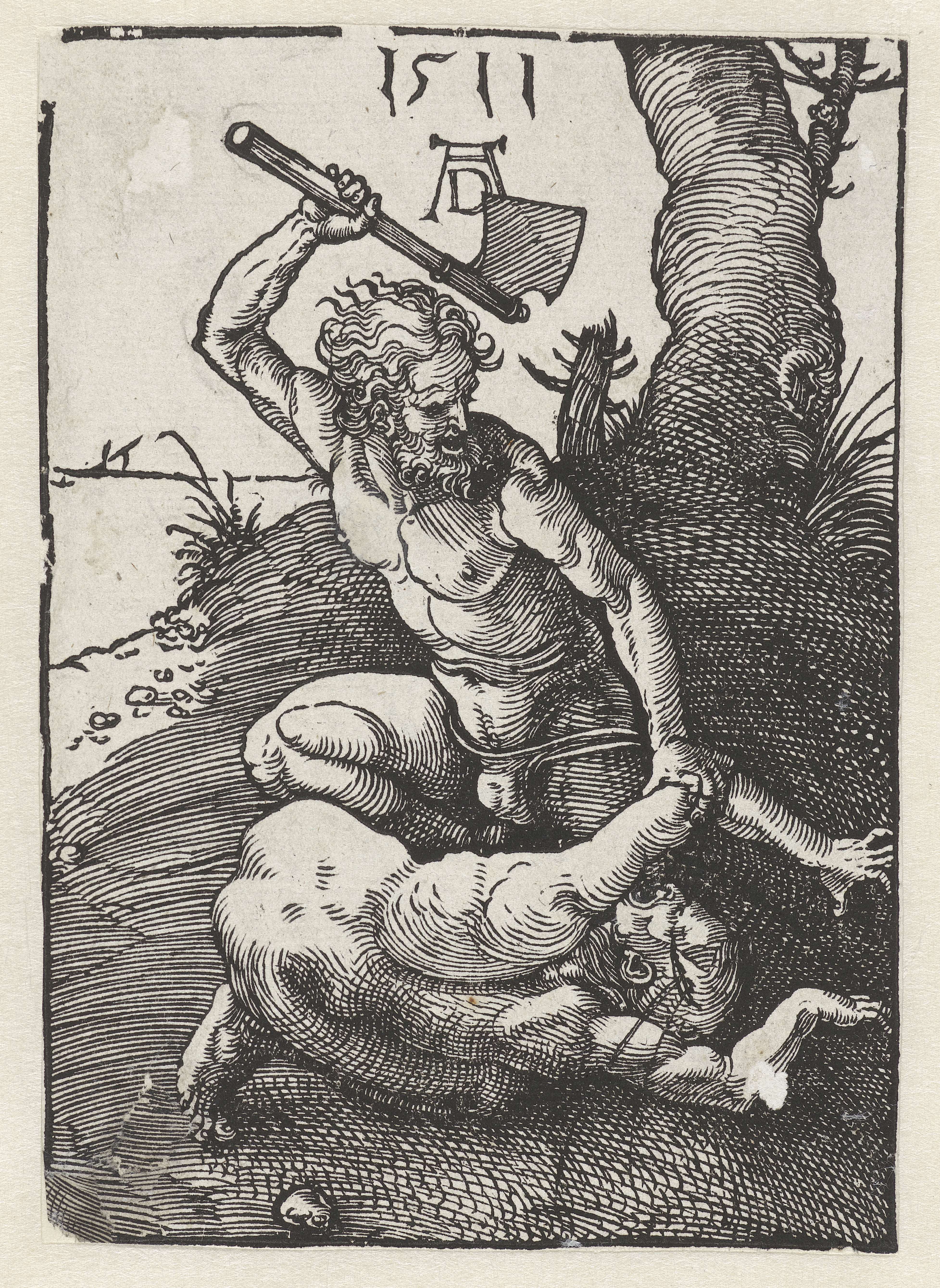
“Between color and silence, truth hides.” In the shadowy depths of human emotion, nostalgia weaves itself into the very fabric of existence, connecting us to moments lost and lessons unlearned. Dürer's Kaïn doodt Abel serves as a vivid reminder of the heartbreaking consequences of jealousy and despair. Focus first on the tension captured in the figures of Cain and Abel. Notice how the light cascades across Abel’s lifeless body, illuminating the innocence in his slumped form, contrasting sharply with the dark, brooding figure of Cain, whose furrowed brow speaks of turmoil. The muted color palette of earth tones adds to the weight of the scene, drawing the eye to the raw emotion etched in their expressions.
Observe the stark lines and intricate details that define their features; every brushstroke resonates with a tragic narrative that transcends time. Delve deeper into the hidden meanings within this poignant tableau. Cain's desperate grasp on the weapon suggests not only his act of violence but also the crushing burden of guilt he will bear, a symbol of the inner demons we all wrestle with. Abel’s stillness serves as a haunting reflection of lost potential and unrealized dreams, reminding us of the fragility of life. This juxtaposition invites the viewer to confront their own feelings of guilt and remorse, creating a powerful emotional resonance that lingers long after the gaze has shifted.
In 1511, Dürer painted this work during a time of personal and artistic evolution. Living in Nuremberg, he was deeply engaged in the early Renaissance, exploring themes that challenged societal norms. This was a period marked by both artistic innovation and existential introspection, as artists began to grapple with human emotion and morality. In Kaïn doodt Abel, Dürer captures a timeless narrative, reflecting the complexities of the human condition that continue to resonate today.