Kapel in het bos – Gelukkige Lisa — History & Analysis
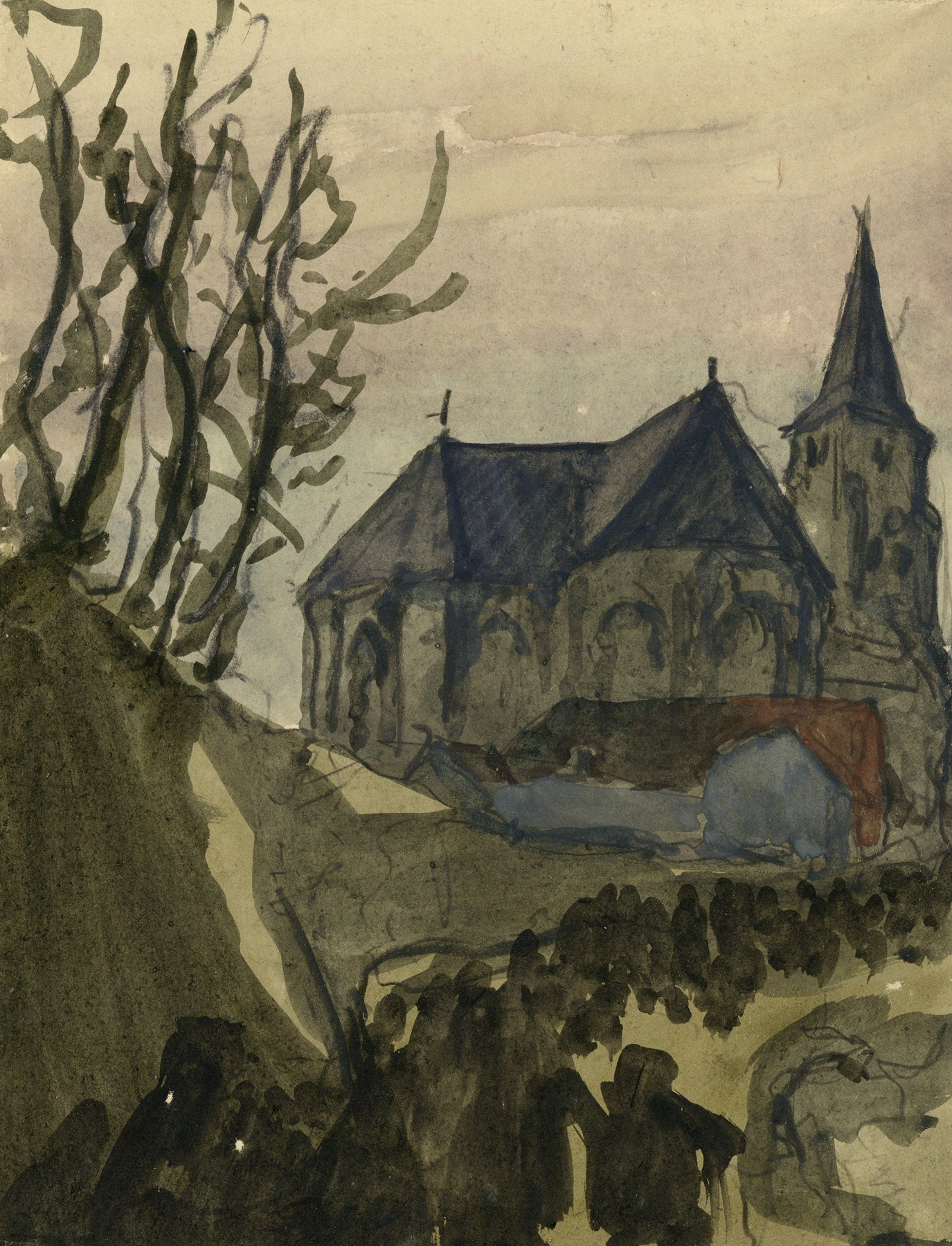
“Every brushstroke is a heartbeat remembered.” In Kapel in het bos, the viewer is invited to explore the intricate layers of memory and revelation embedded in a seemingly tranquil scene. Focus your gaze on the small, thatched-roof chapel nestled amidst the trees. Notice how the dappled sunlight filters through the leaves, casting playful shadows that dance across the chapel’s weathered stones. The warm earth tones evoke a sense of familiarity, while the gentle greens of the surrounding forest cradle the structure, creating a harmonious embrace that feels both sheltering and sacred.
Each stroke of paint reveals not just a place, but an atmosphere, rich with the essence of serenity. The painting contrasts the solidity of the chapel with the fluidity of nature that surrounds it. The light filtering through the leaves symbolizes fleeting moments, whispering secrets of time and change. There’s a quiet tension between the permanence of the man-made structure and the ever-shifting landscape, suggesting a meditation on faith, refuge, and the passage of experiences.
Hidden within the details—perhaps the wear on the chapel’s door or the patches of sunlight on the forest floor—lies a deeper narrative about the human experience and its connection to the sacredness of nature. Alfred Ost painted Kapel in het bos in 1940 during a tumultuous period in Europe amid the looming shadows of war. Working from his studio in Belgium, he was influenced by the local landscapes and the emotional weight they carried. This piece reflects not only his artistic evolution but also a yearning for peace and solace amidst chaos, encapsulating a moment of introspection during a time of uncertainty in the art world and beyond.