Khram Khrista Spasitelia — History & Analysis
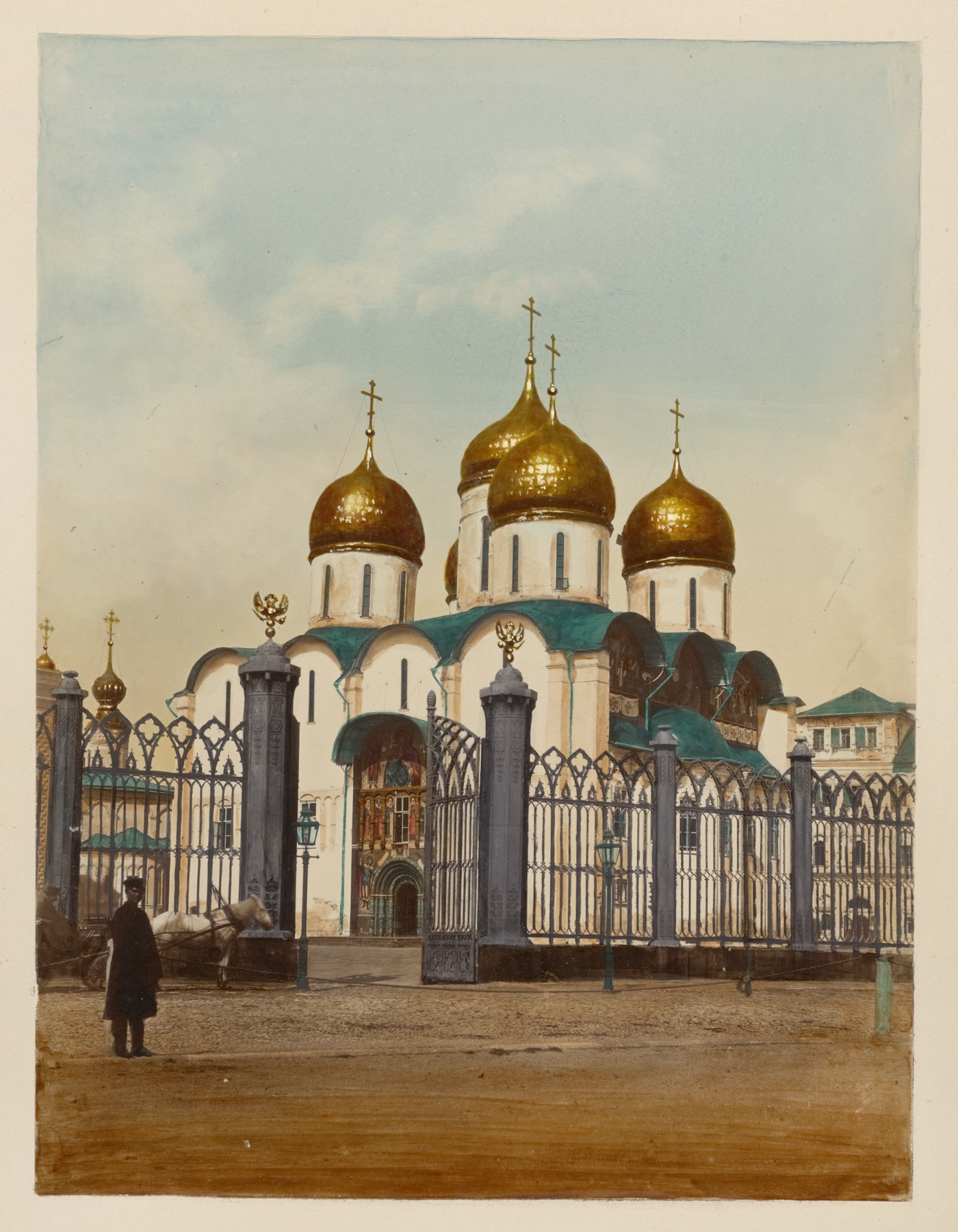
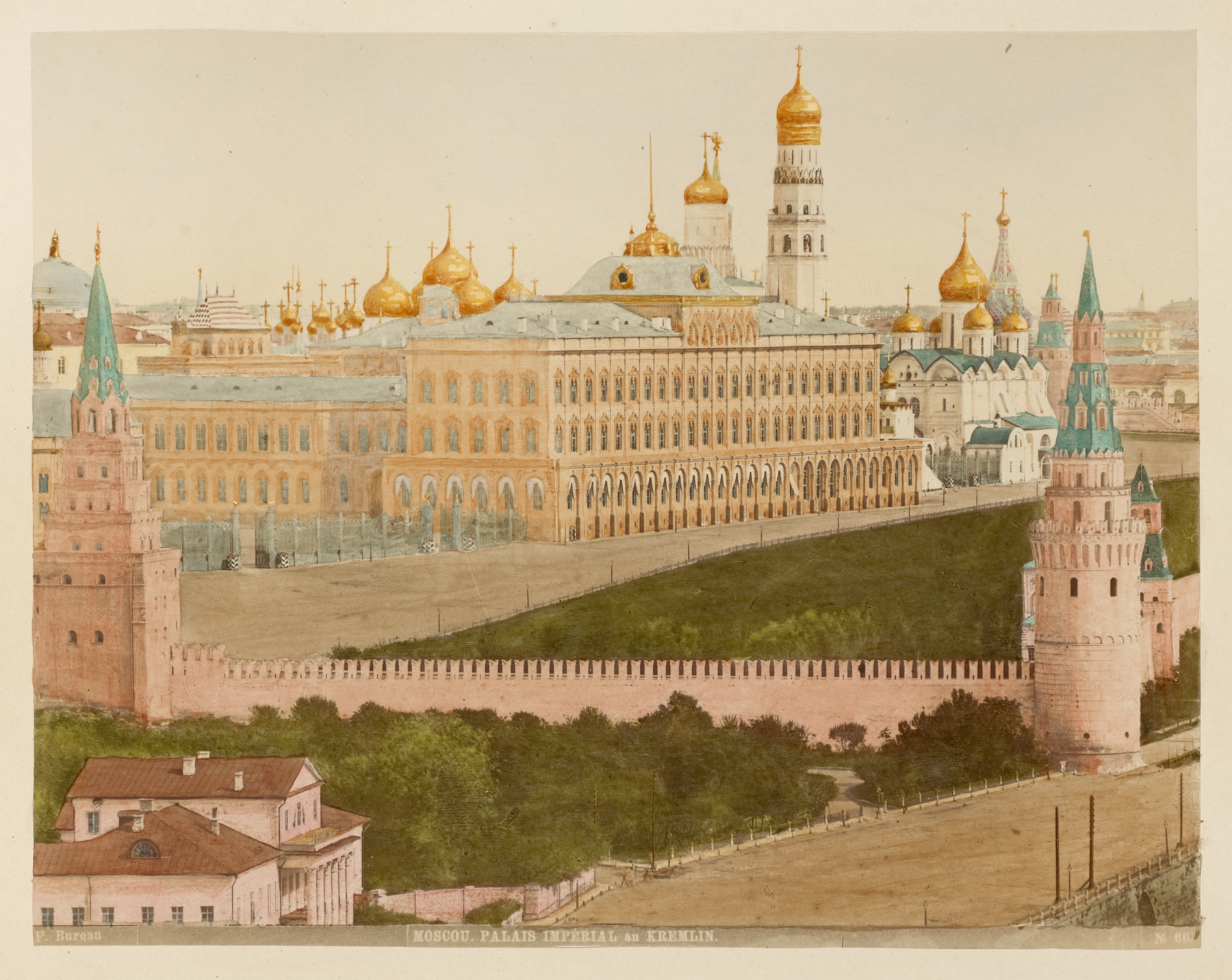
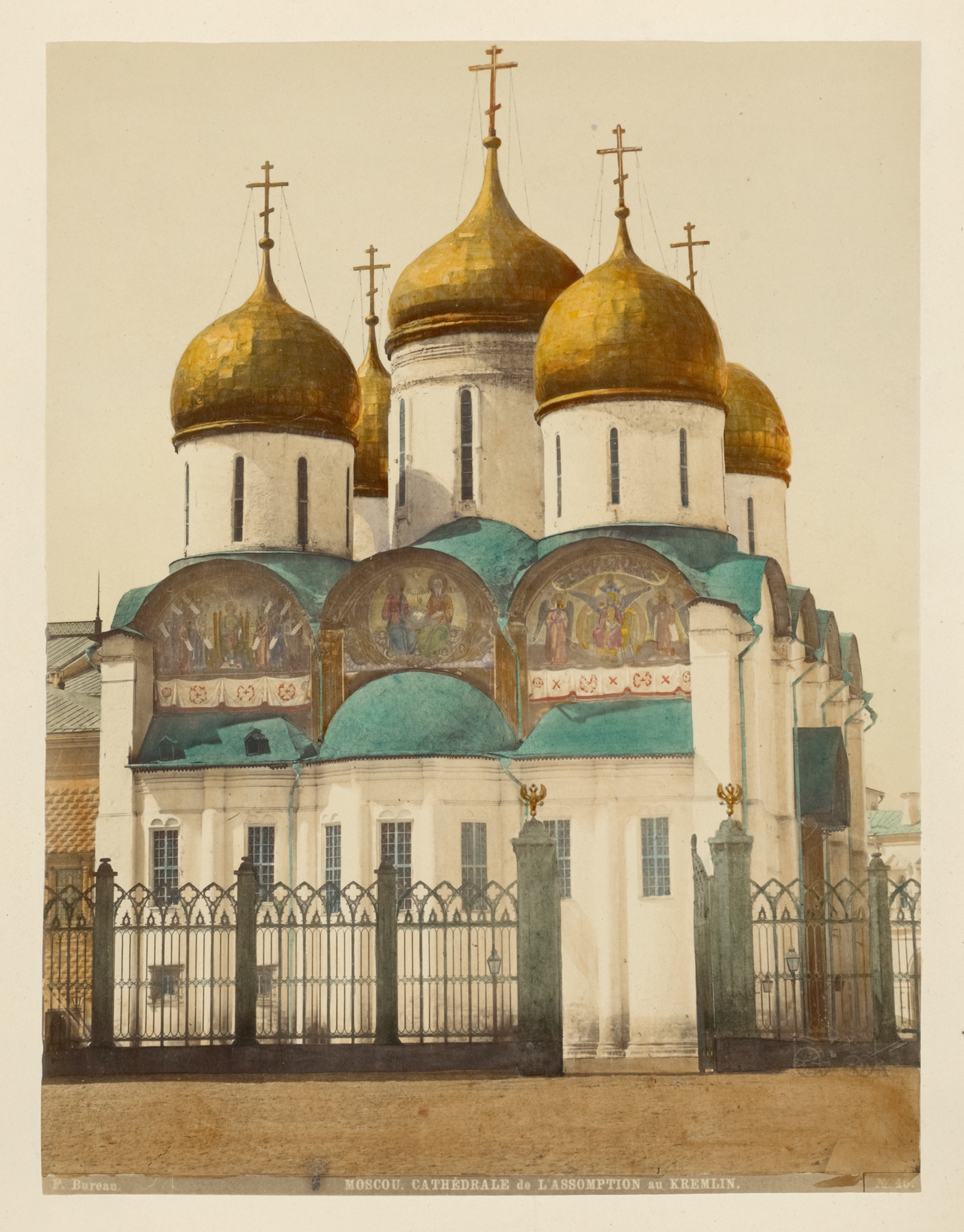
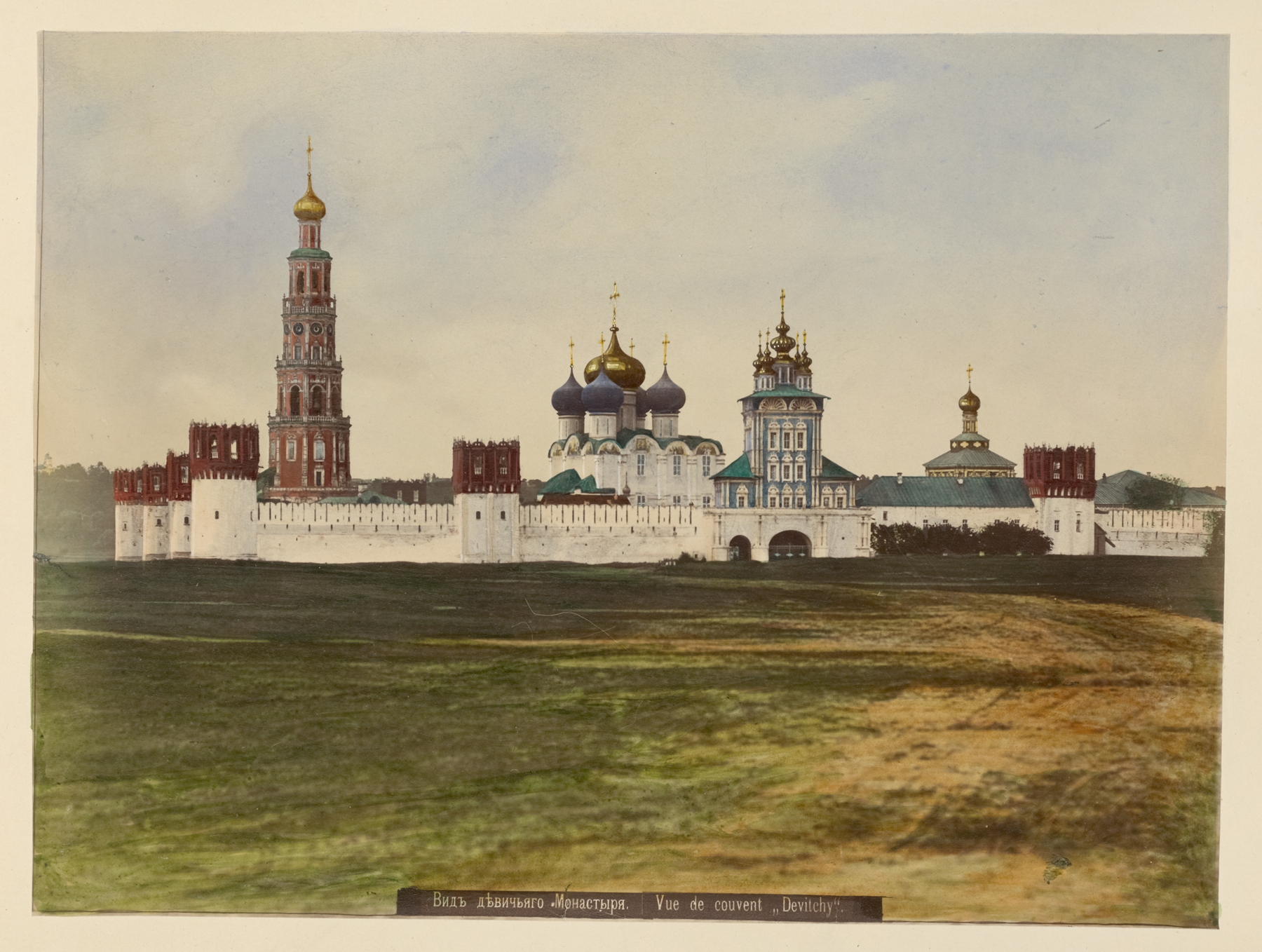
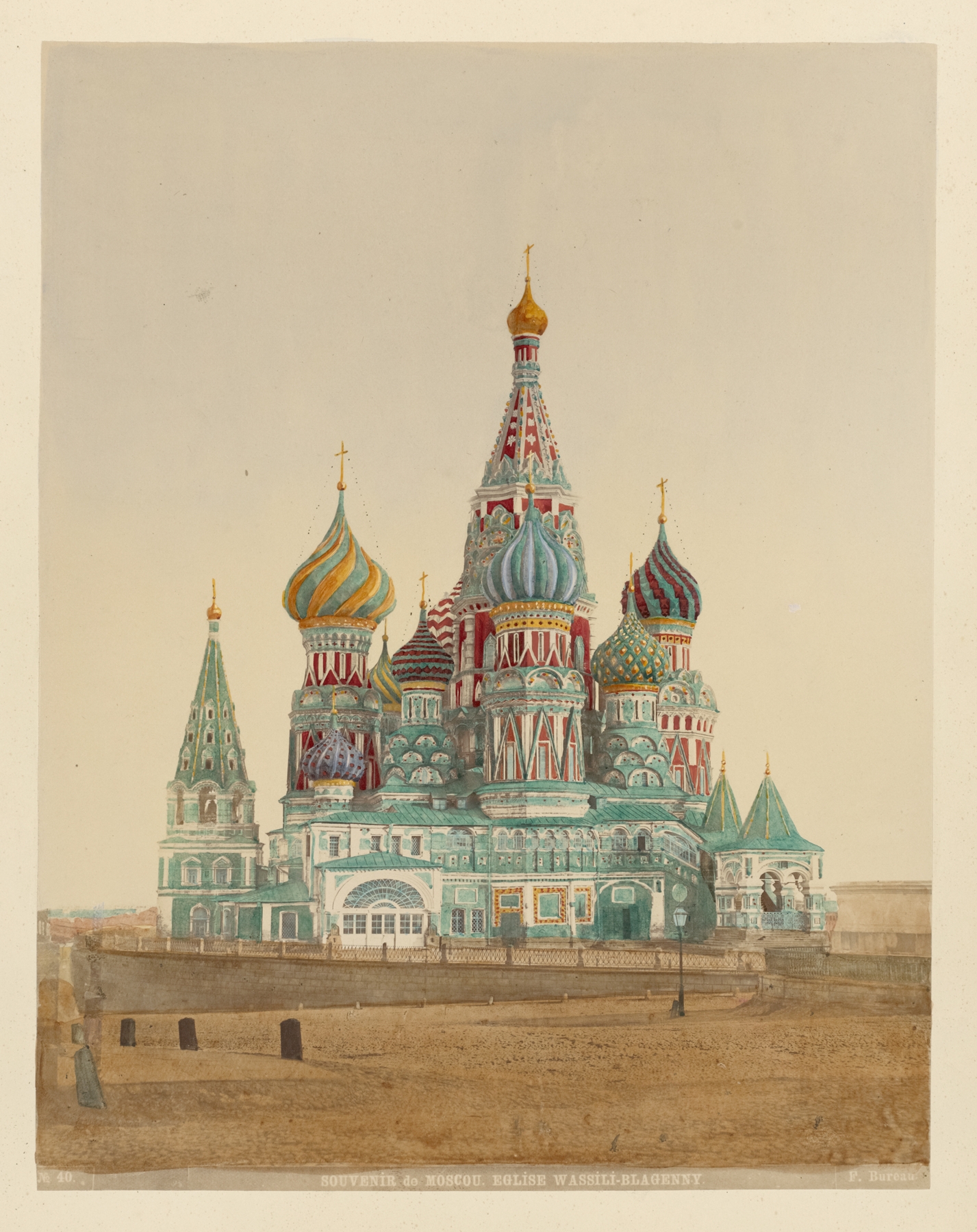
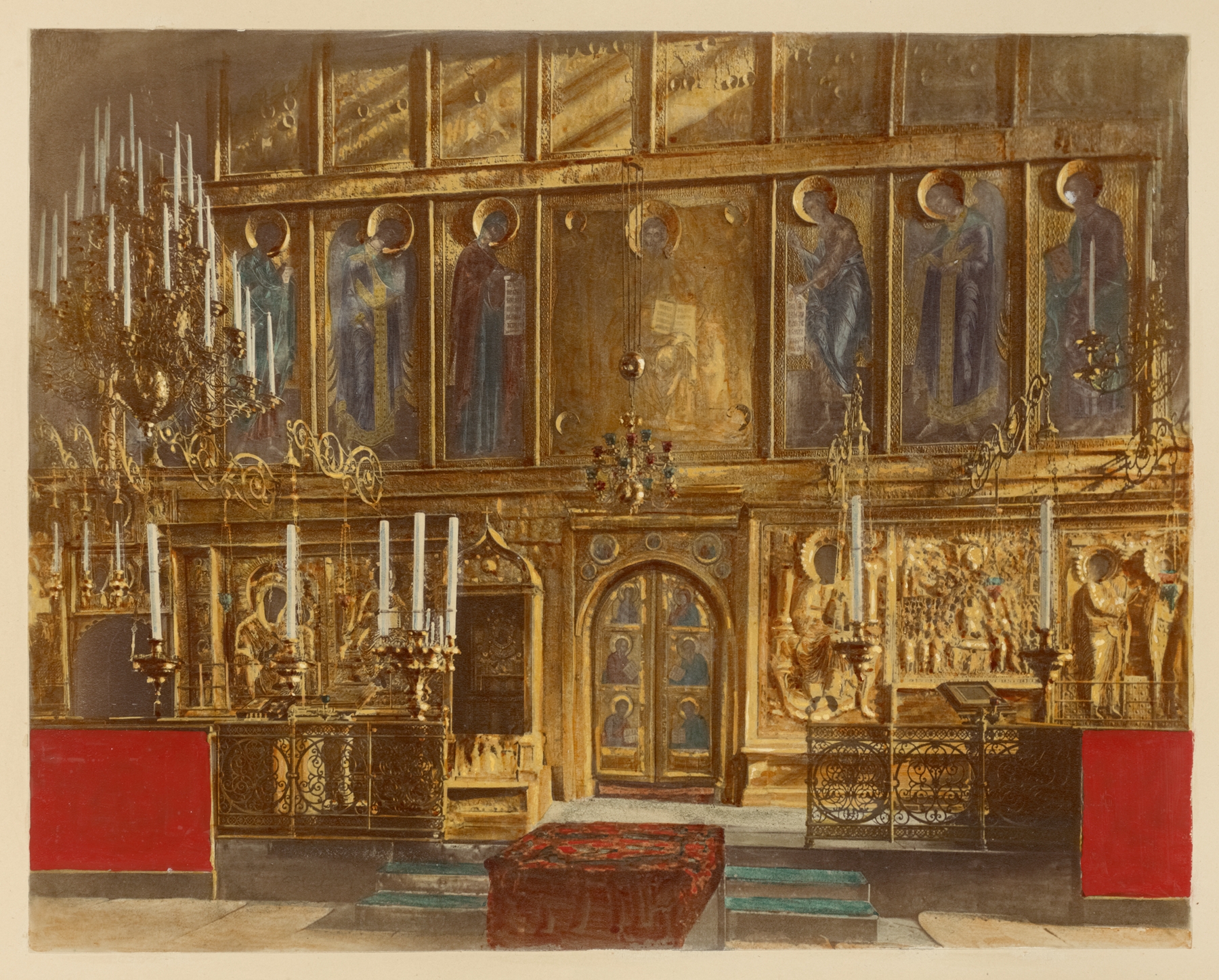
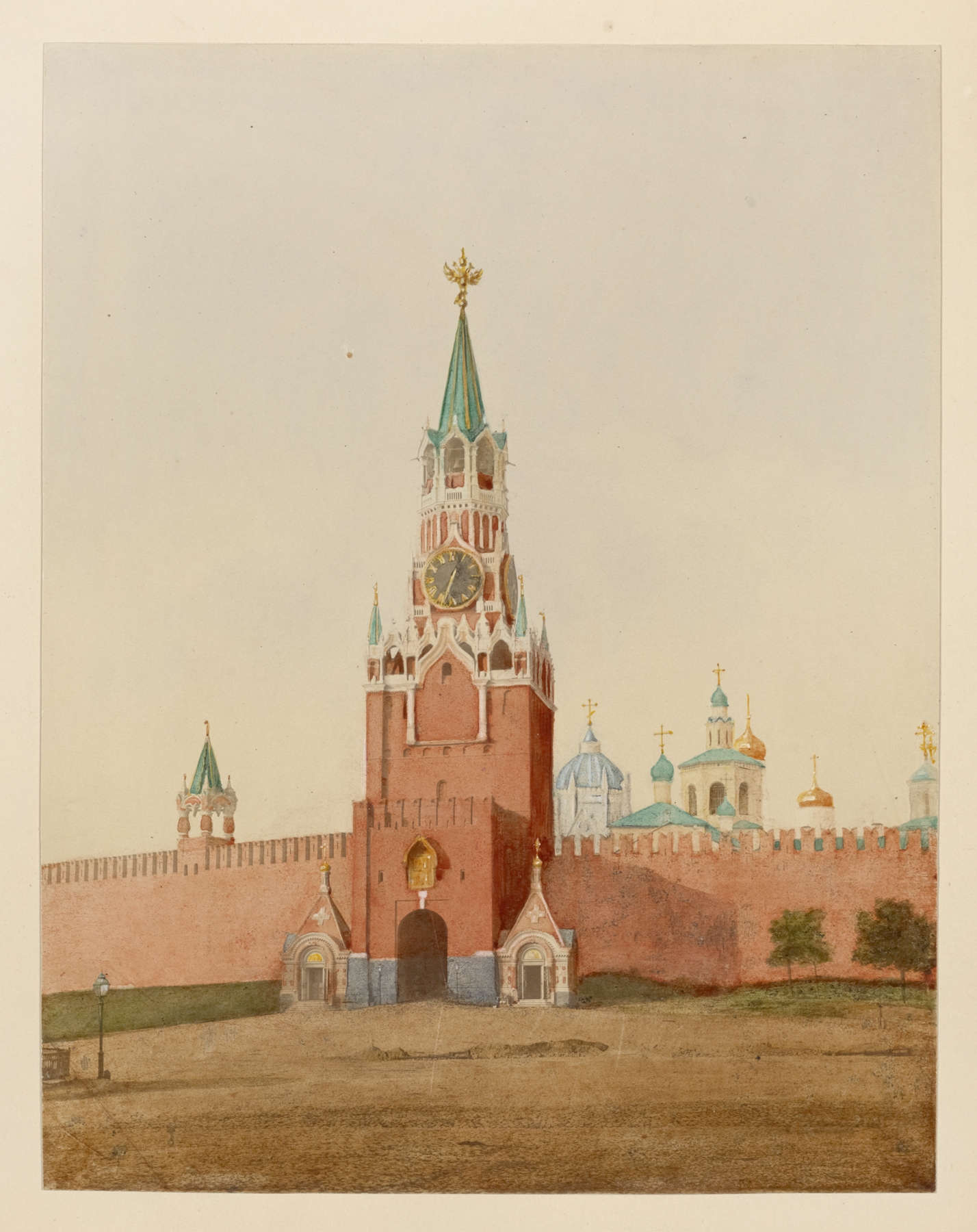
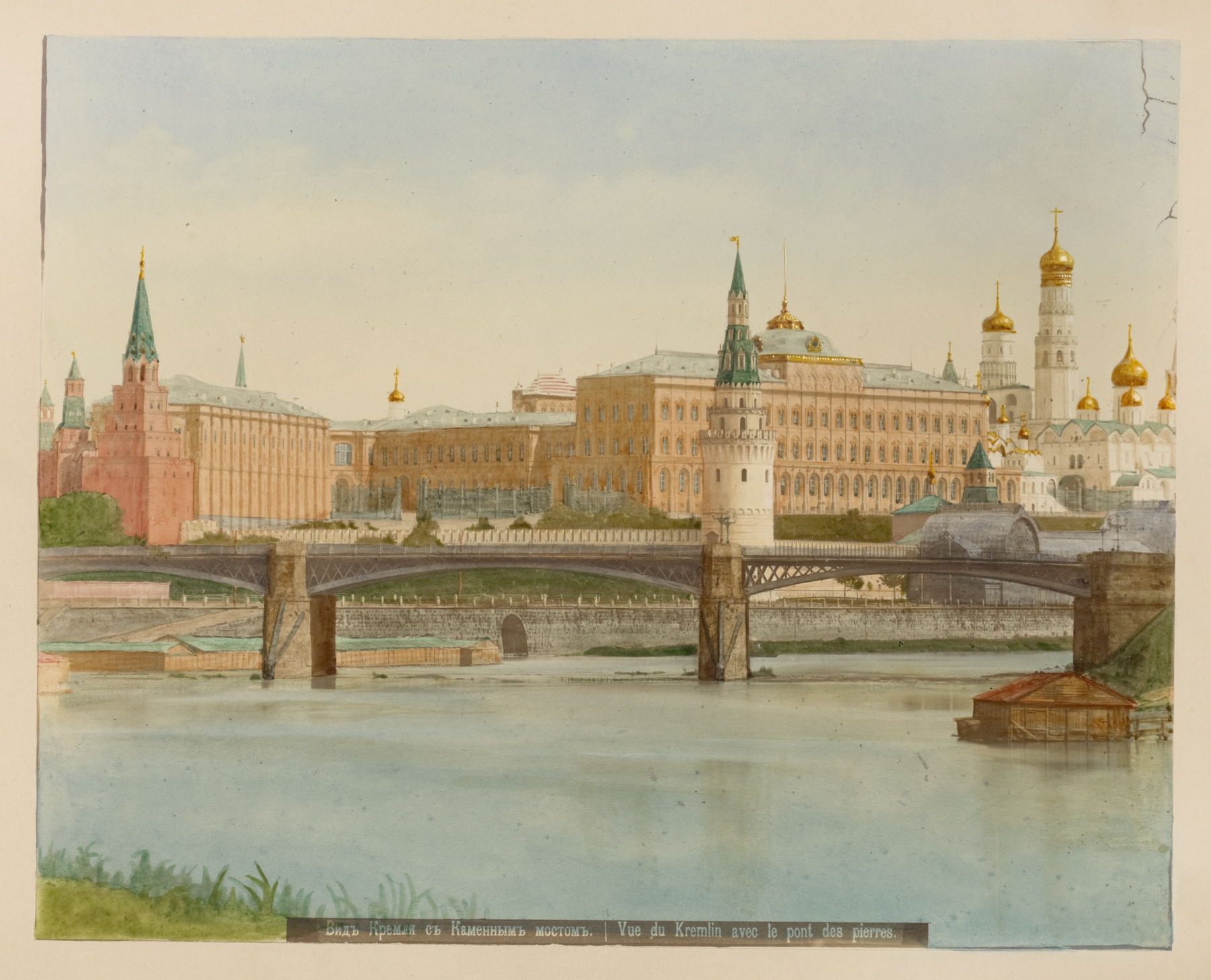
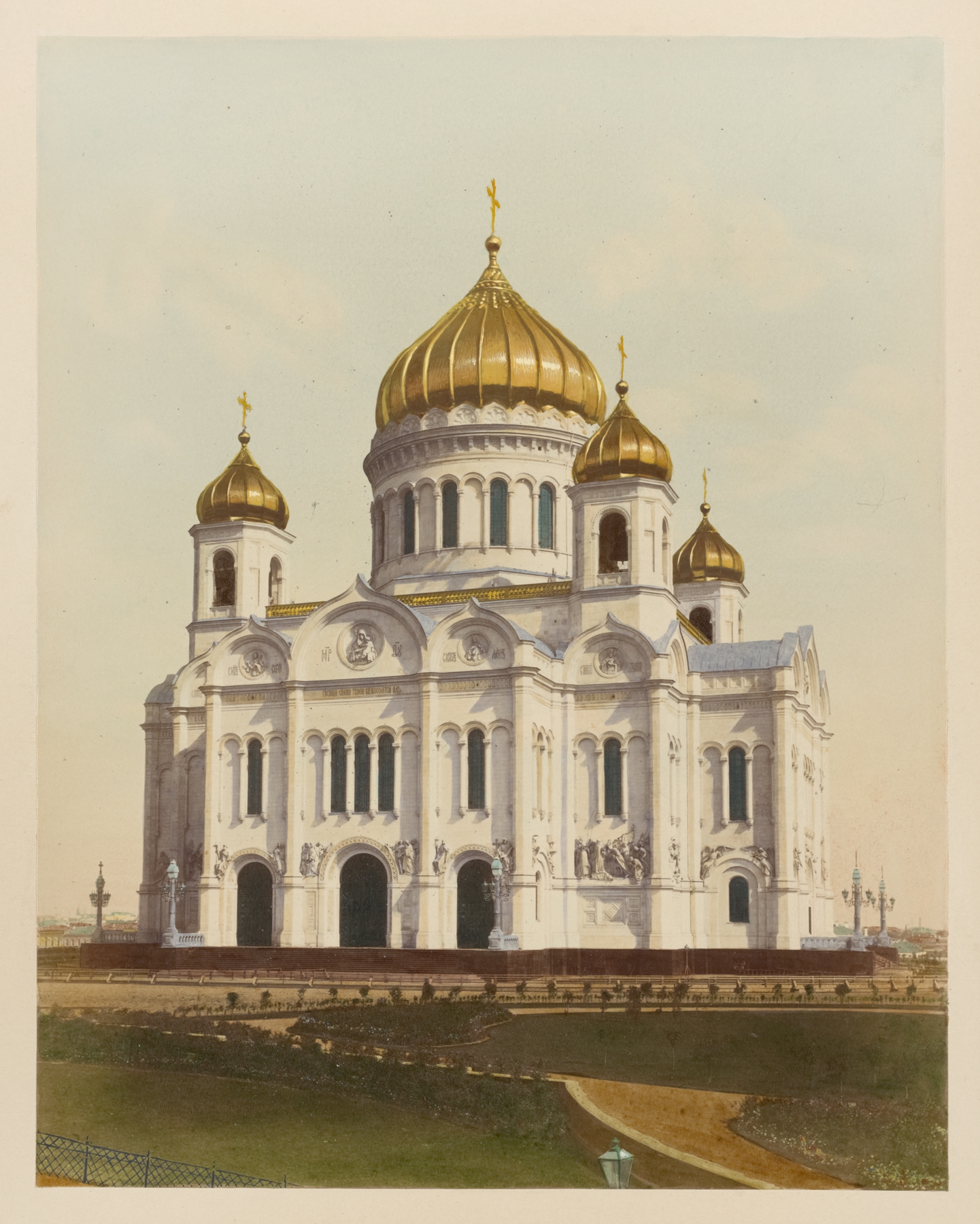
“Between color and silence, truth hides.” Memory lingers in the quiet spaces of our lives, often waiting for a canvas to capture its essence. Focus on the deep, rich hues that envelop the viewer, particularly the striking interplay of blues and browns that define the architectural forms in Khram Khrista Spasitelia. The viewer’s gaze is naturally drawn to the intricate details of the church's façade, where shadows dance playfully amid the stonework, suggesting a history steeped in reverence. Notice how the light spills across the scene, illuminating delicate carvings that seem to breathe with the passage of time.
Each brushstroke speaks to the careful observation of the artist, inviting us to linger in the profound stillness of the moment. At first glance, the painting exudes a sense of solemnity, yet beneath its surface lies an emotional tension between the vibrancy of the colors and the stillness of the architecture. The juxtaposition of light and shadow not only highlights the building's grandeur but also evokes the memories of worshippers who have passed through its doors. This sacred space becomes a vessel of recollection, where the weight of history feels palpable, inviting the observer to reflect on their own experiences of faith and belonging.
Created in 1880, during a period of great change in Russia, J. Daziaro painted this work amidst the rise of a nationalistic artistic movement. The era was marked by a shift towards the celebration of local culture and heritage, as artists sought to depict the spiritual and architectural identity of their homeland. Daziaro, influenced by this trend, captured the church not merely as a structure but as a living testament to the memories woven into its walls, a silent witness to the lives it has touched.