Vid Devich’iago Monastyria — History & Analysis
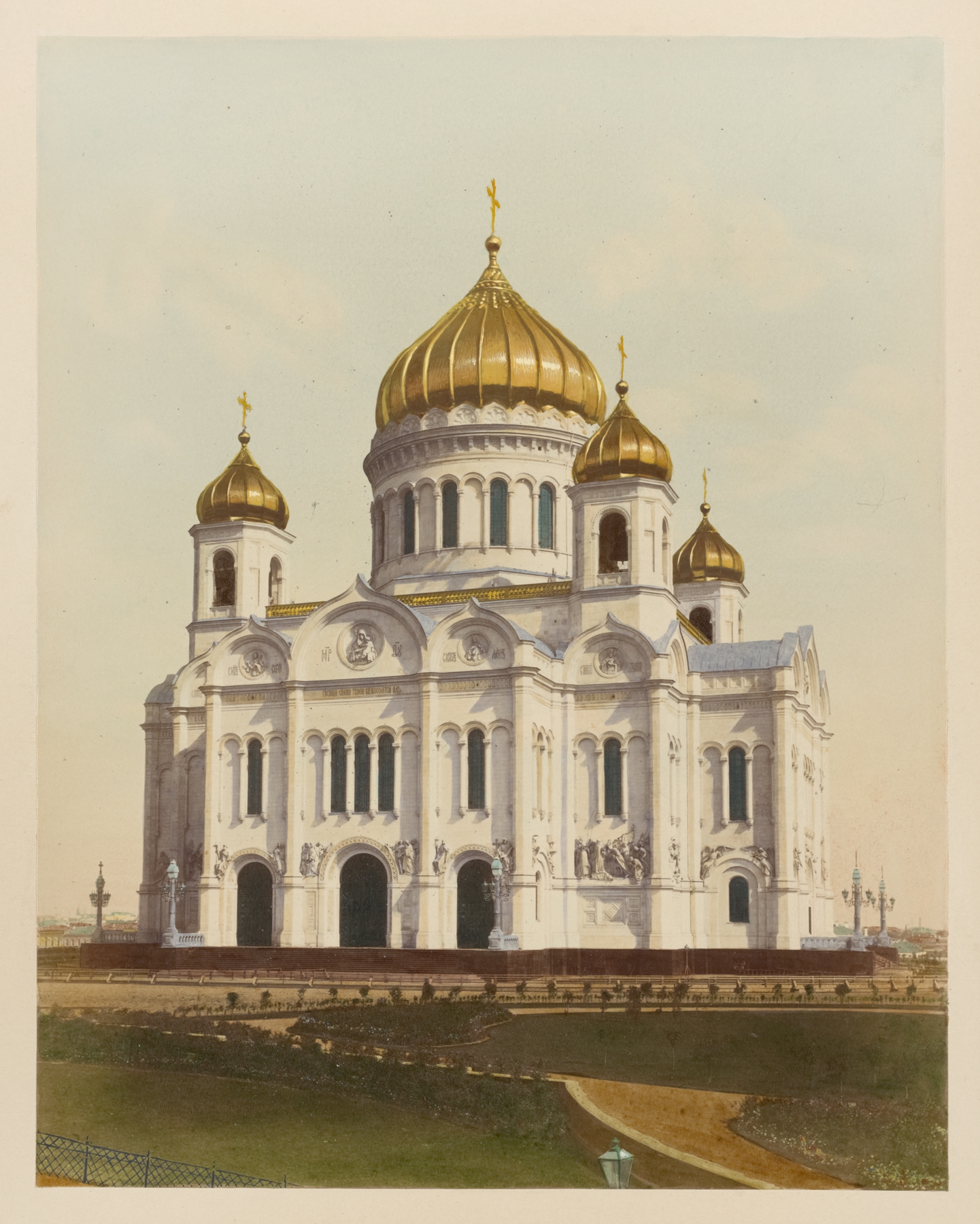
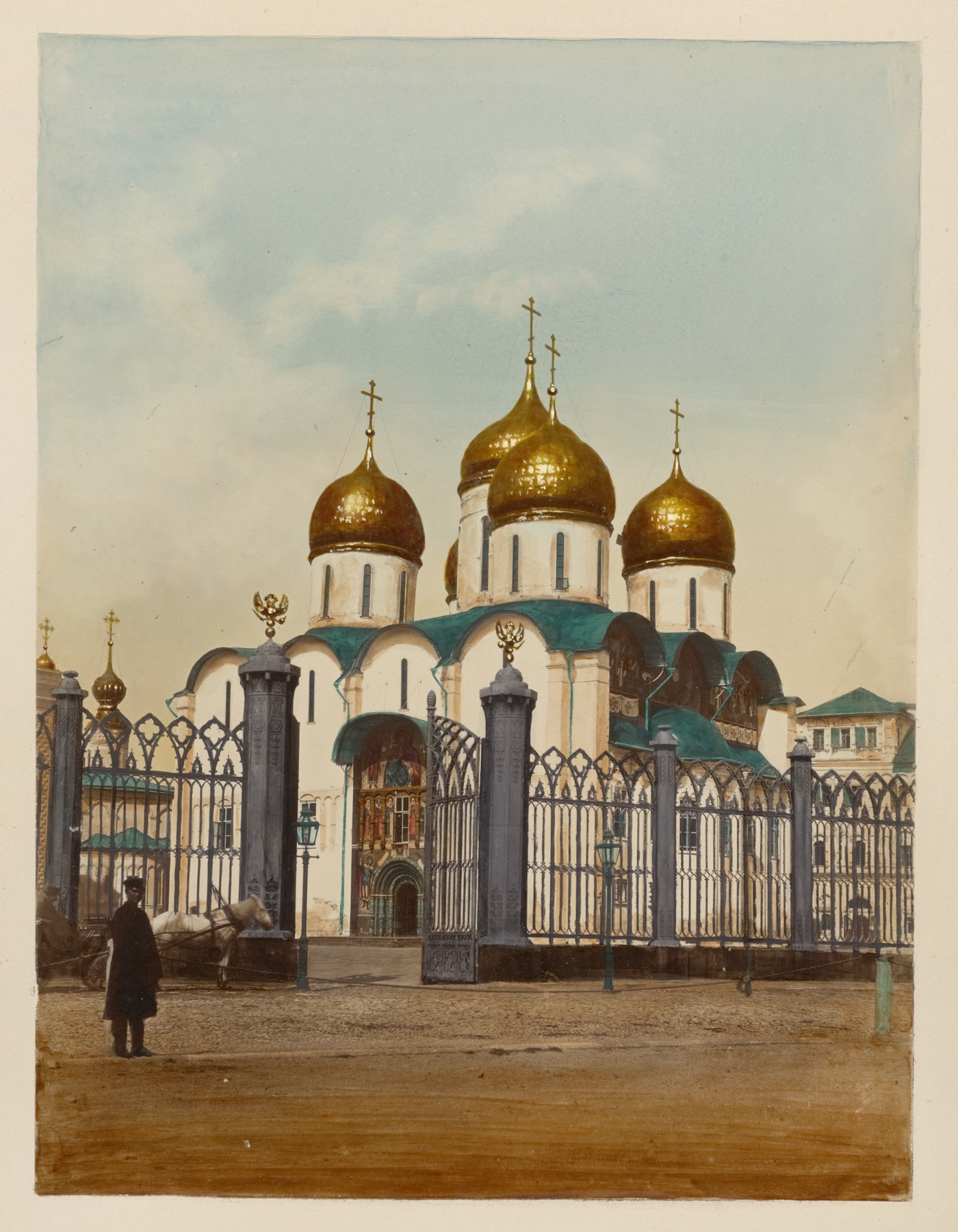
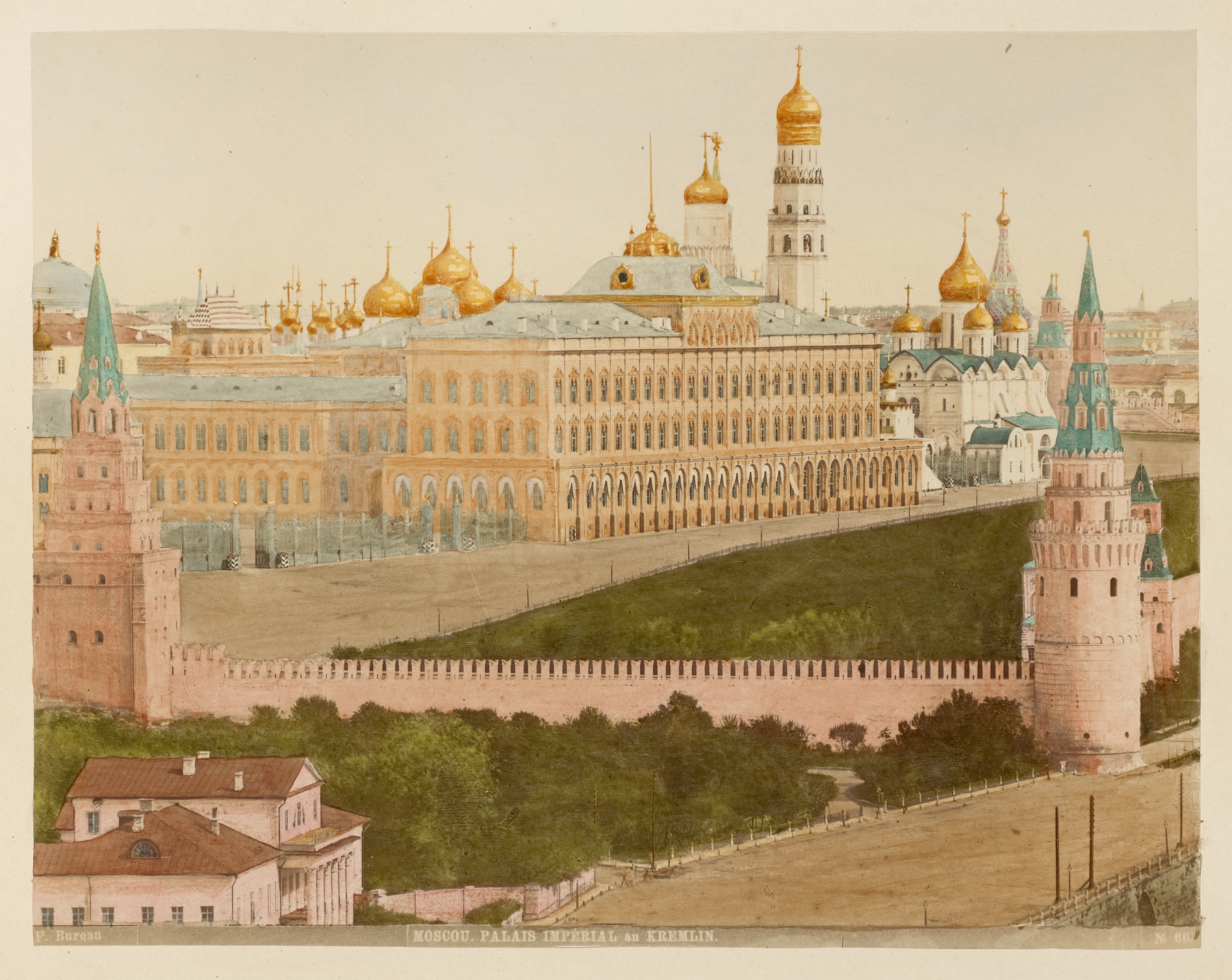
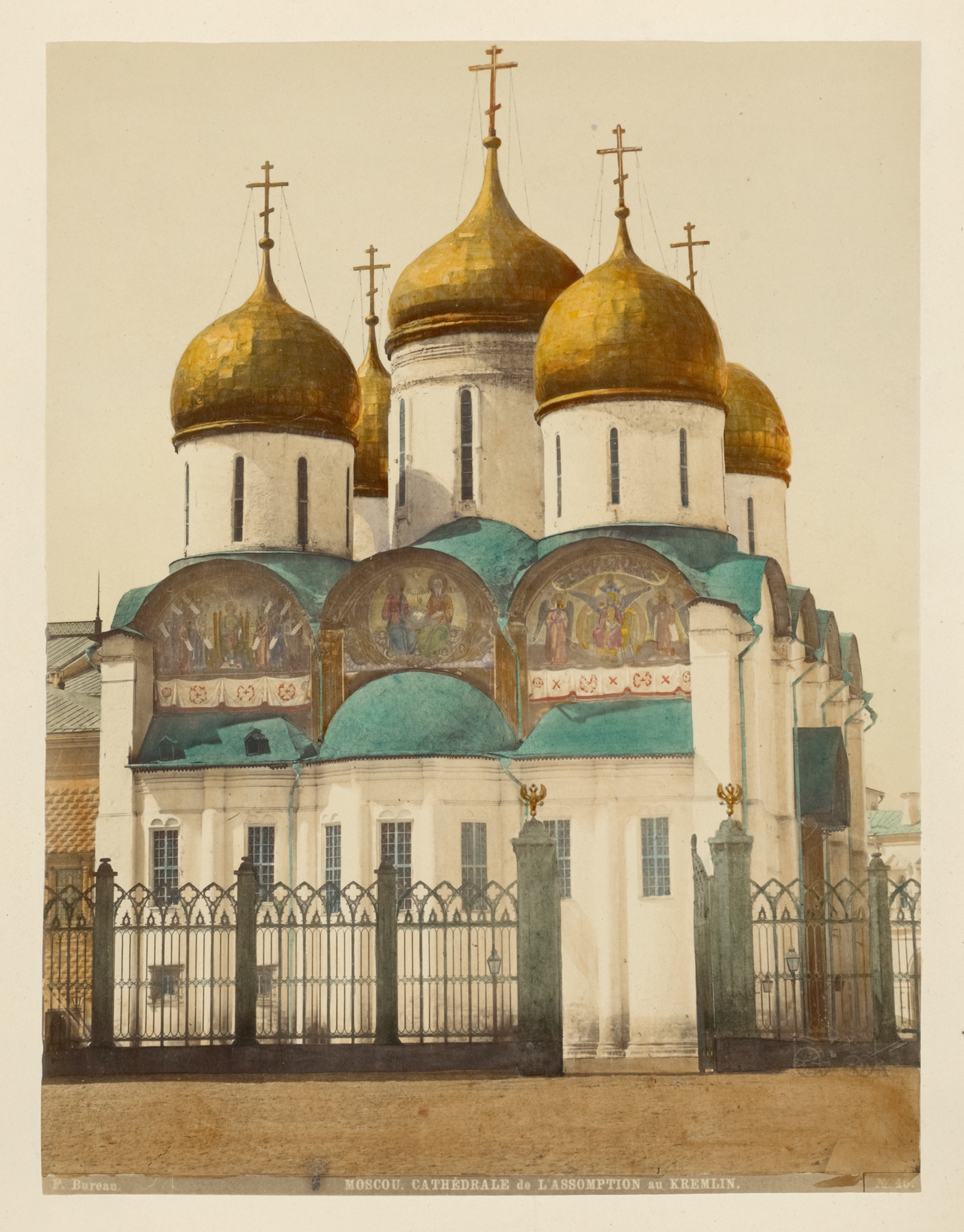
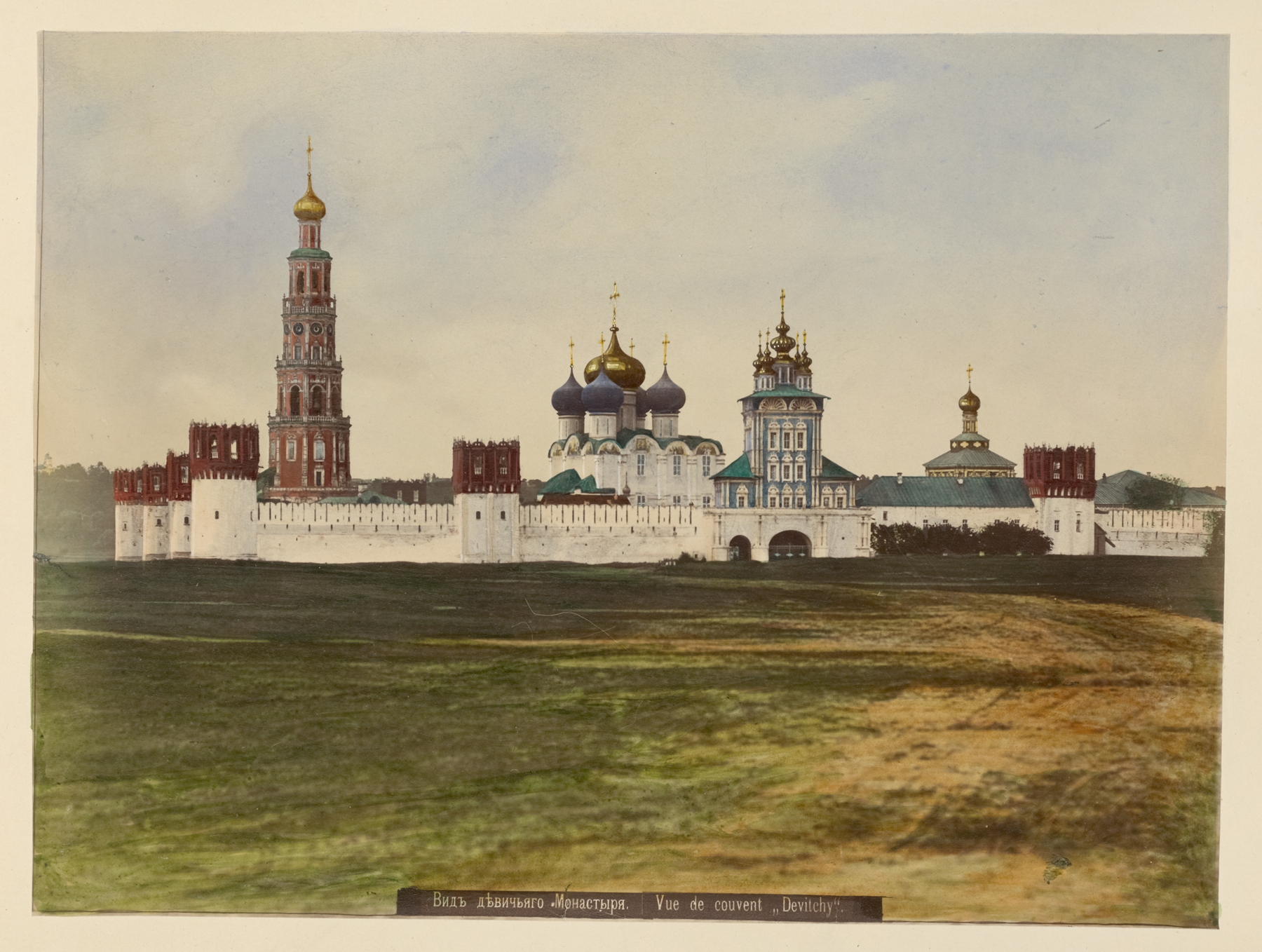
When did color learn to lie? A canvas can veil the truth in hues and shades, crafting destinies that resonate beyond the surface. Look to the left at the delicate brushwork that outlines the monastery, its soft, luminous palette almost ethereal against the somber sky. The interplay of light and shadow reveals the architecture’s intricate details, inviting the viewer to explore its silent corridors and cloistered secrets.
Notice how the soft greens and earth tones blend seamlessly, echoing nature’s whispered presence, while hints of gold flicker in the sunlit windows, suggesting warmth within the stone edifice. Beneath the serene exterior lies a tension—a juxtaposition between the steadfastness of the monastery and the volatile elements that surround it. The clouds swirl ominously, hinting at an impending storm, a metaphor for the struggles of faith and the fragility of human existence. Each stroke conveys a layered narrative; the calm façade belies the turbulence that life may bring, suggesting the monastery stands as a bastion of hope against the chaos of destiny.
In 1880, J. Daziaro painted this piece during a period marked by rapid changes in Russian society and a burgeoning interest in conveying emotional depth through landscape. Working from a place imbued with personal reflections, the artist captures the tension between nature and man-made structures, drawing from the rich cultural backdrop of his time. This era witnessed a shift in artistic expression, which Daziaro embraced, striving to convey not just a scene but the complex interplay of fate and faith.