Spasskii vorot v Kremle — History & Analysis
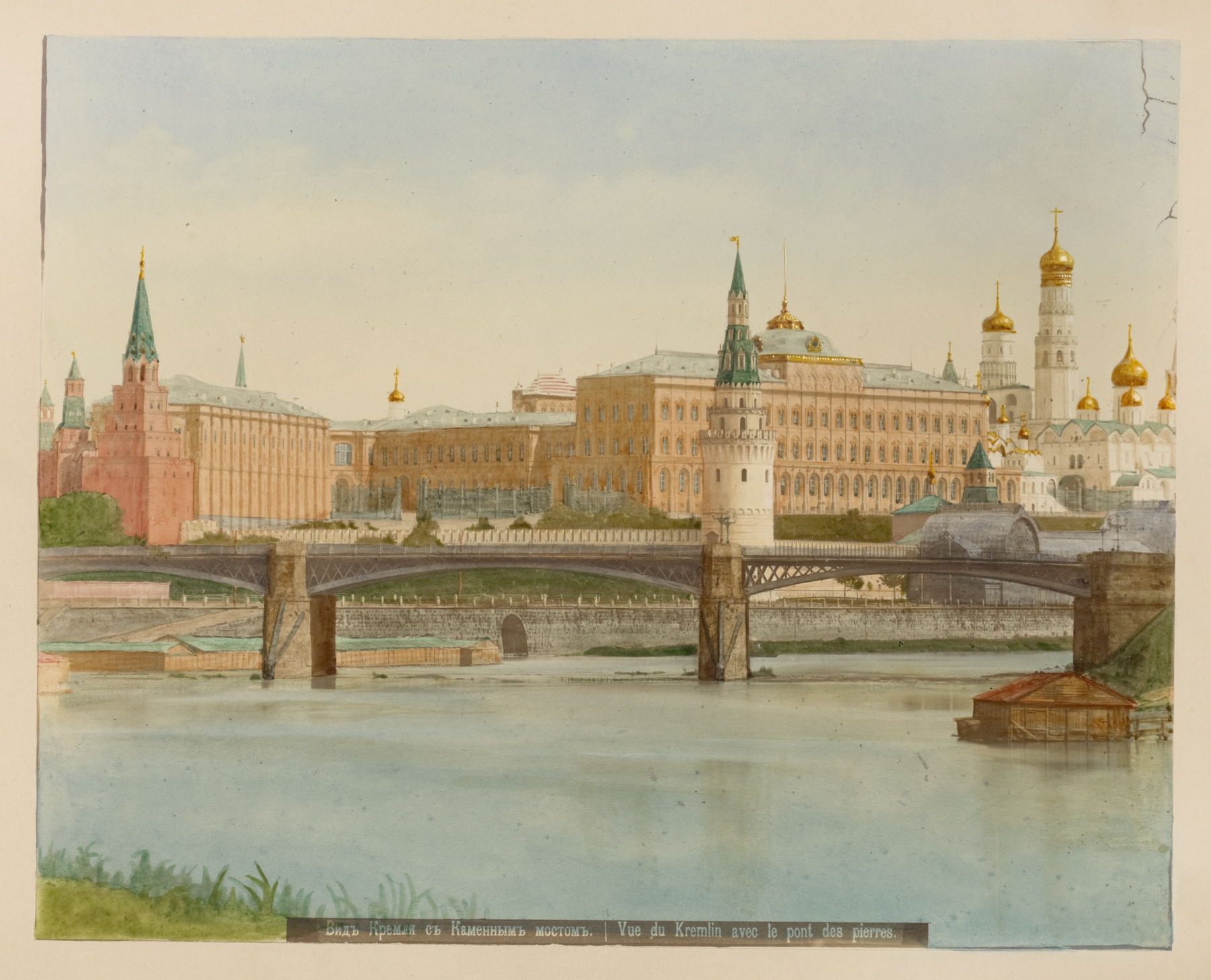
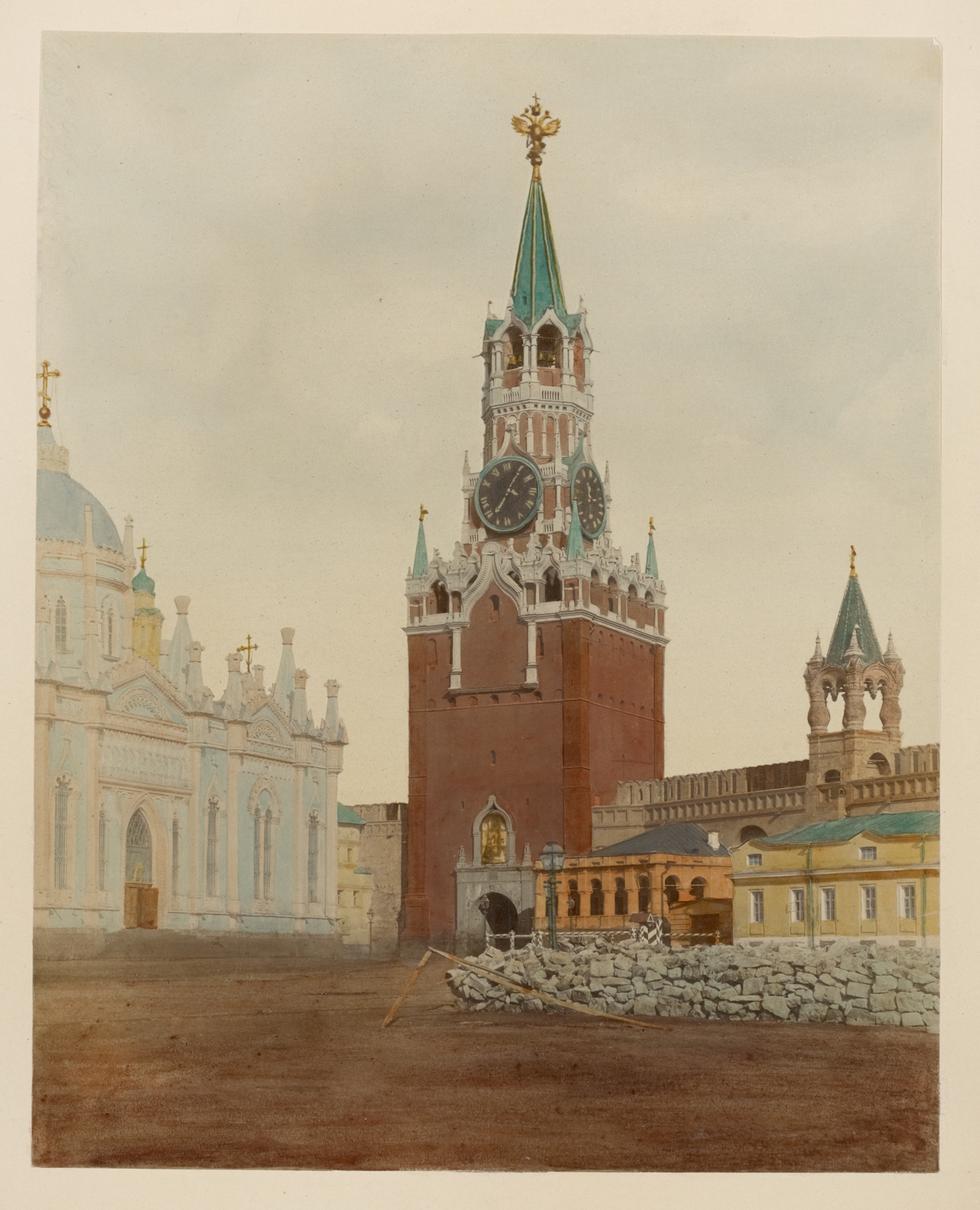
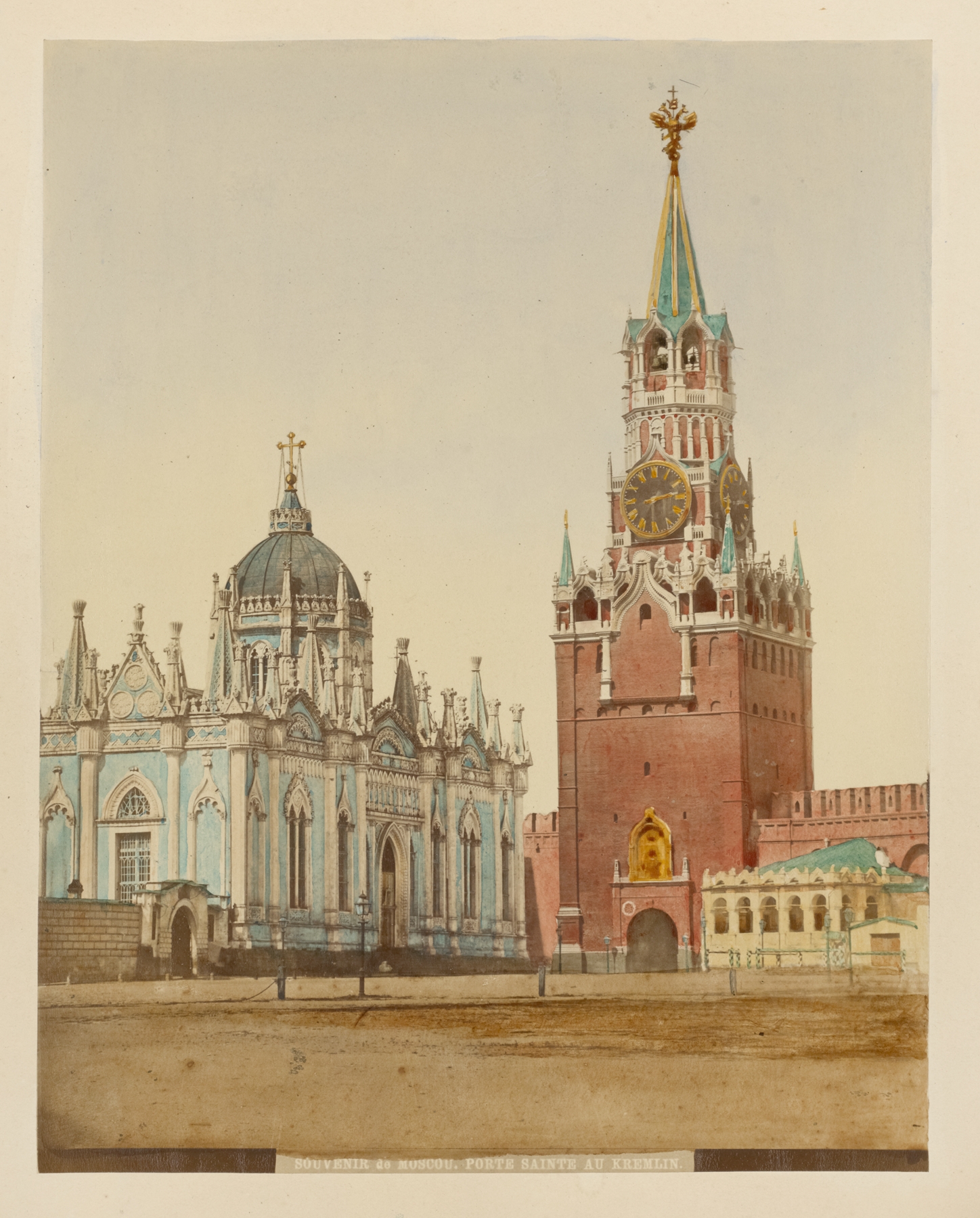
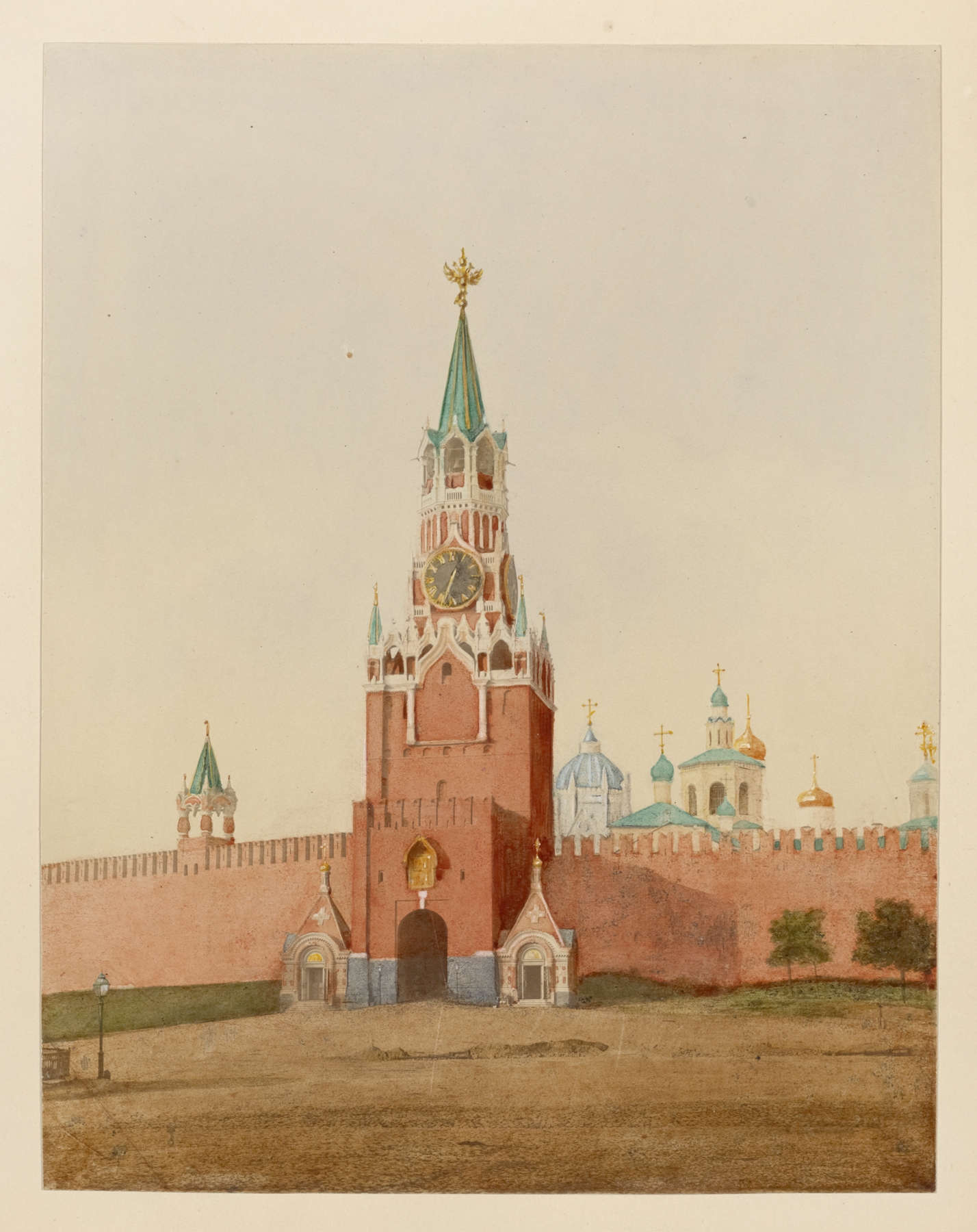
What if silence could speak through light? In the stillness of an empty courtyard, the echoes of a solitary figure resonate against the towering walls, the weight of absence palpable in the air. Focus on the stark contrast between the shadows and the delicate hues of dawn breaking over the Kremlin's Spasskii Gate. The light gently caresses the archway, illuminating the intricately carved stone, while the lingering shadows cling to the periphery. Notice how the warm palette of oranges and golds softens the rigid structure, creating a sense of nostalgia and longing.
The absence of human presence emphasizes the vastness of the space, inviting the viewer to feel the isolation that permeates the scene. Delve deeper into the emotional tension that lies within this composition. The juxtaposition of light and shadow speaks to the duality of hope and despair—an invitation to reflection against the backdrop of a grand yet lonely monument. Each brushstroke reveals the passage of time, capturing a fleeting moment where silence reigns, allowing the viewer to contemplate the stories left untold and the voices unheard.
In 1880, J. Daziaro found himself in a Russia undergoing immense change, caught between tradition and the burgeoning modernity of the era. As he painted this piece from a vantage point within the city, he explored themes of solitude amidst architectural grandeur, echoing the sentiments of a society grappling with its identity. His work reflects both the personal and collective experiences of isolation, making it resonate even in the present day.