Spasskii vorot i senatskii v Kremle — History & Analysis
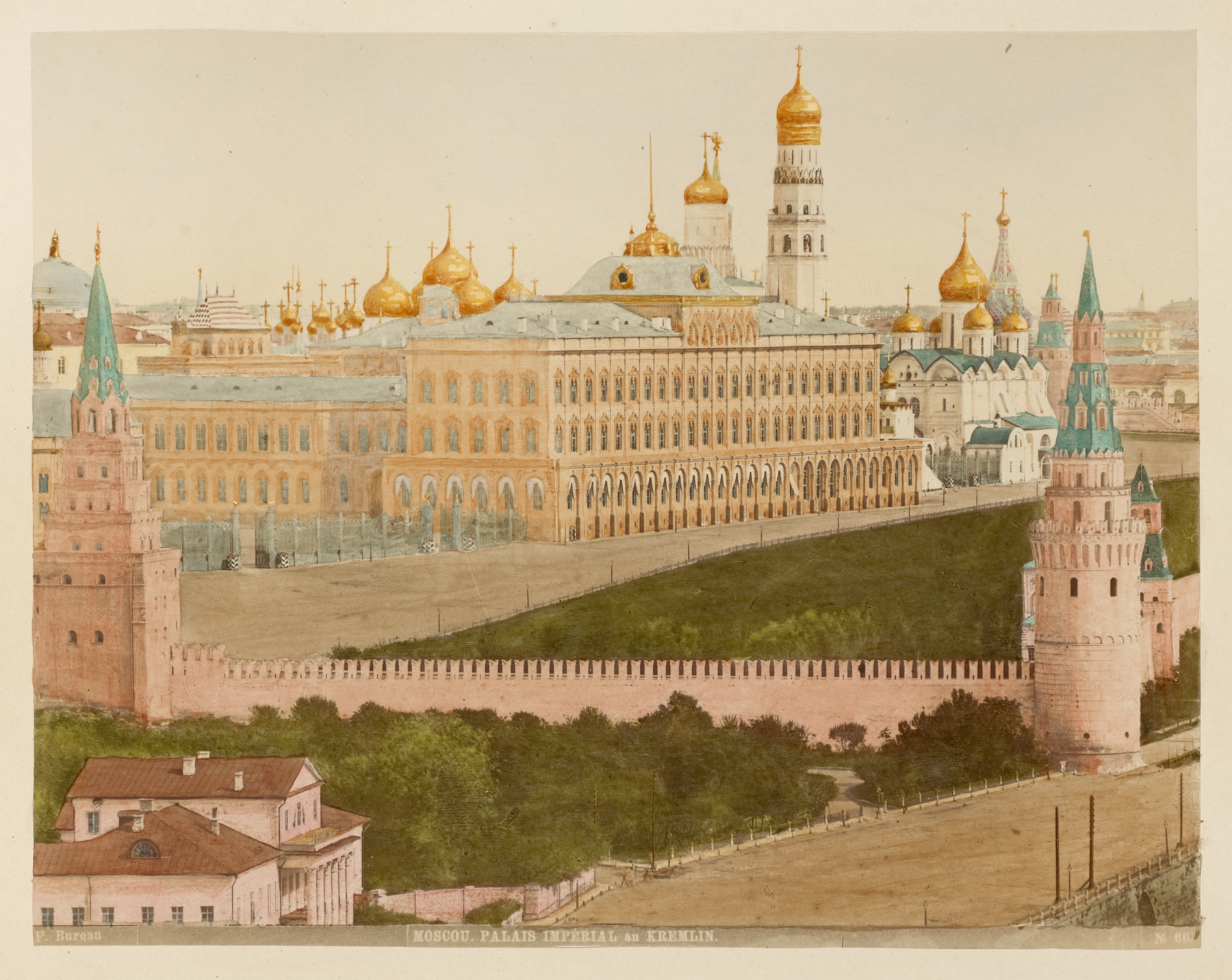
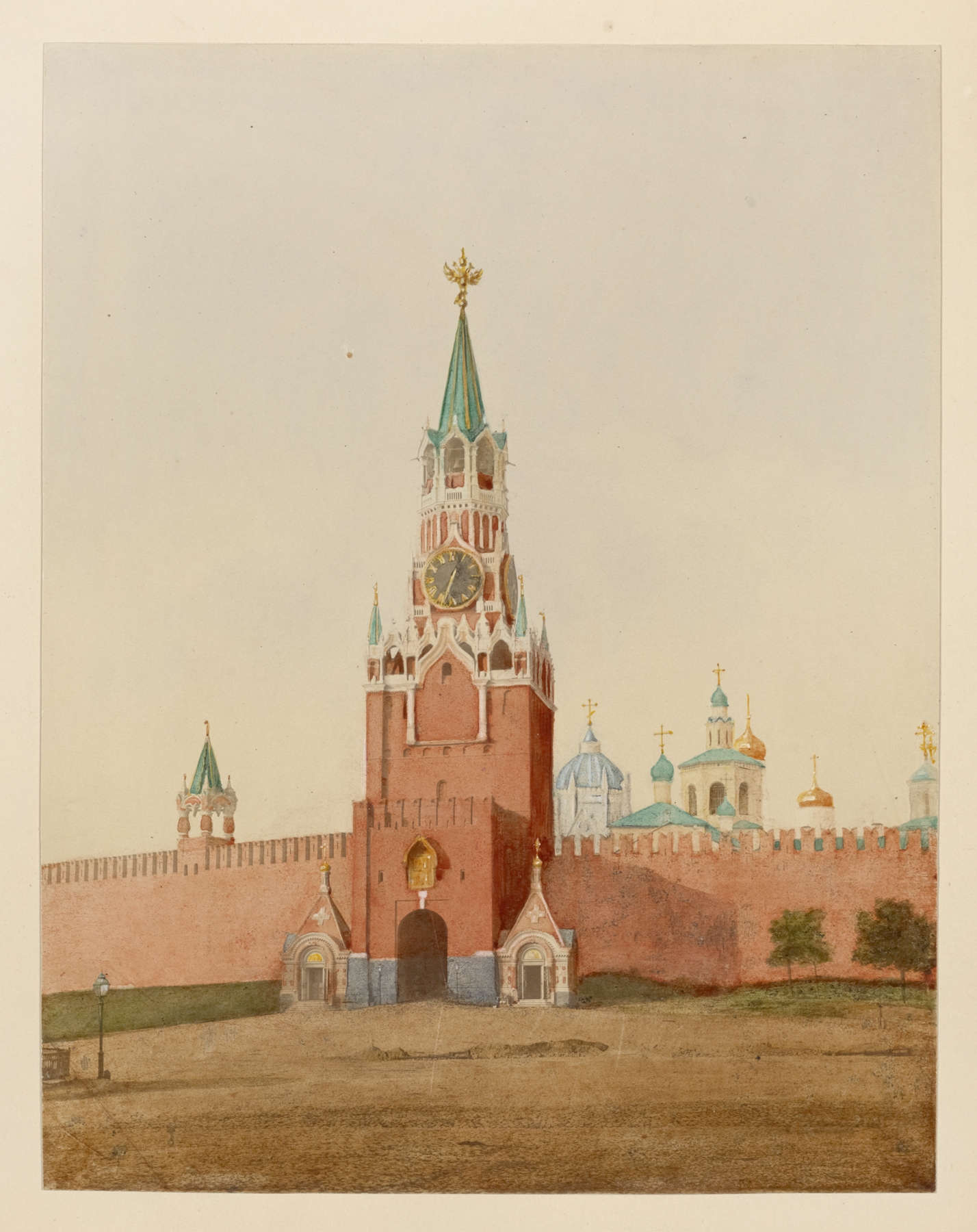
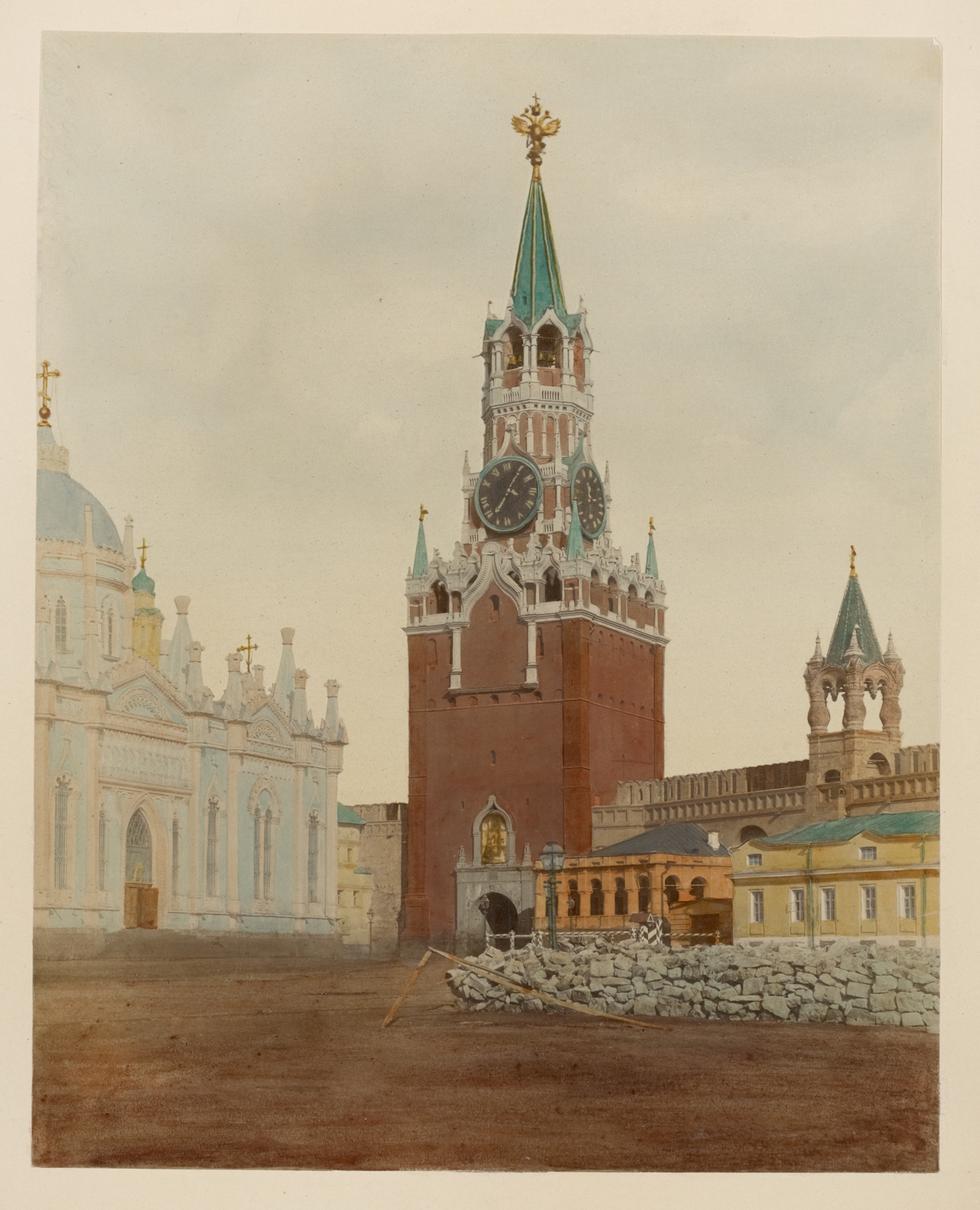
“The canvas doesn’t lie — it simply waits.” Here, fate unfolds in layers, revealing the delicate intersection of time and human intent. What does destiny look like when captured in a moment of stillness? It is a reflection of a profound truth, inviting us to ponder the unchanging amidst the constant flow of life. Focus your gaze on the grand archway that dominates the foreground, where light spills through in a cascade of gold and shadow. The intricate architectural details, etched with precision, guide your eyes upward, leading to the serene sky that cradles the scene.
Notice how the muted colors of the cobblestones contrast with the vibrant hues of the greenery, creating a palpable tension between the permanence of the structures and the fleeting nature of the world encircling them. Each brushstroke carries meaning, whispering secrets of a time gone by. Observe the way figures linger in the background, each absorbed in their thoughts, as if caught in a moment of reflection. The juxtaposition of the bustling energy against the stillness of the archway hints at the duality of existence—how we are propelled forward by fate yet are often paralyzed by introspection. This painting resonates with the notion that every path taken is shaped by moments like this one, where destiny and choice intertwine.
J. Daziaro painted Spasskii vorot i senatskii v Kremle in 1880, a period when Russia was navigating the complexities of modernization and artistic expression. As urban landscapes began to change, the artist found inspiration in the enduring symbols of his country's history. This work reflects not only his personal journey as an artist but also a broader cultural evolution, marking a time when tradition met the inevitable march of progress.