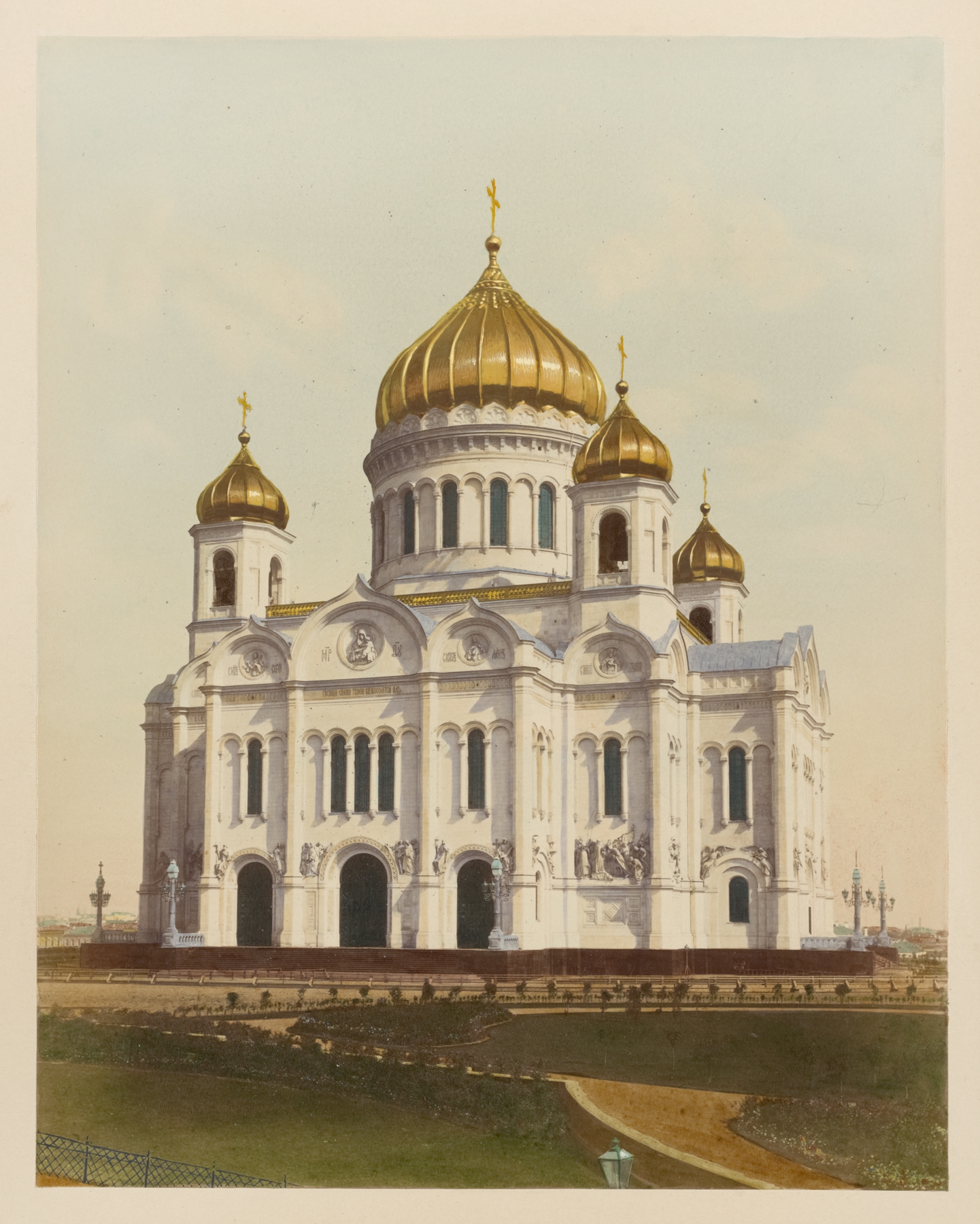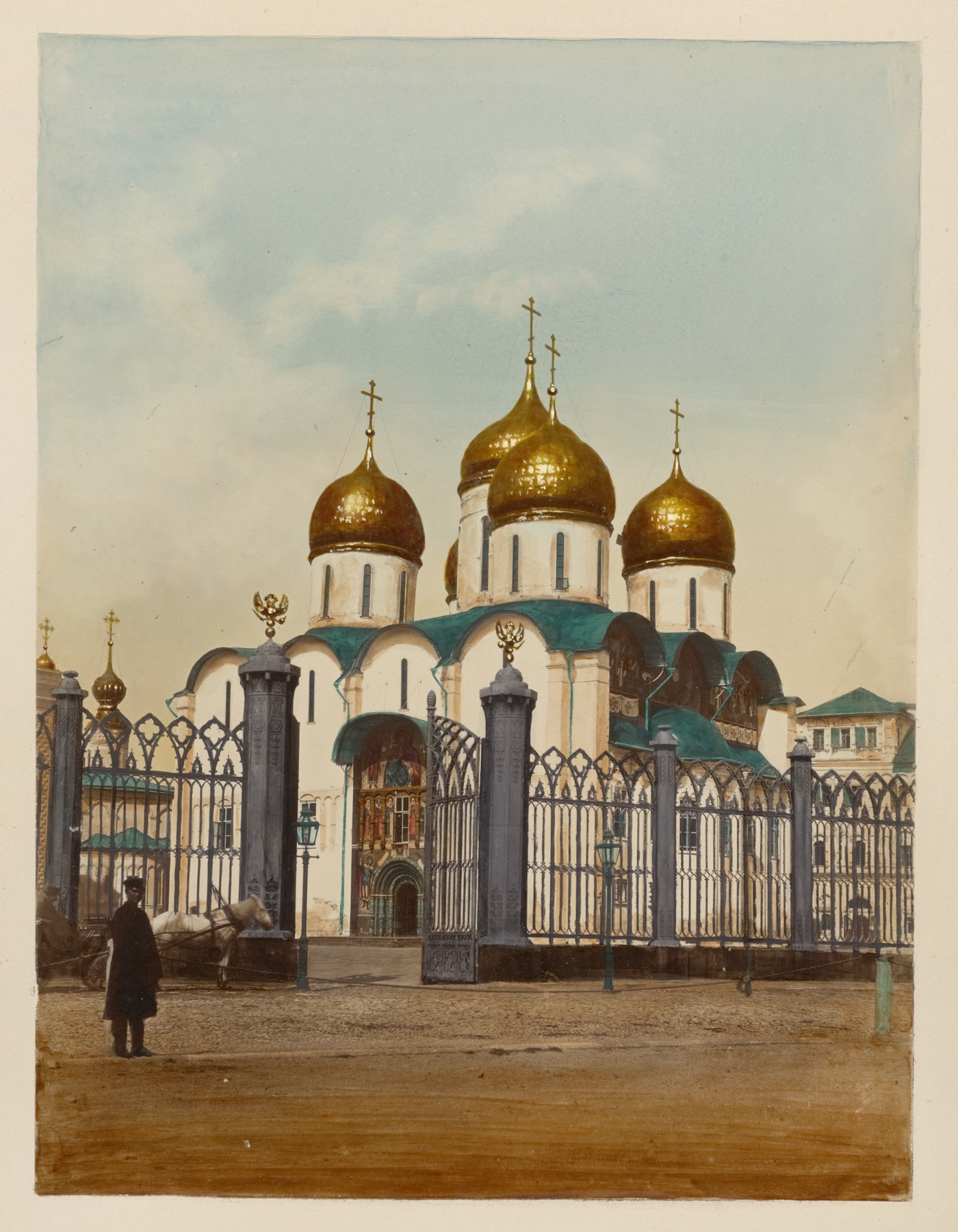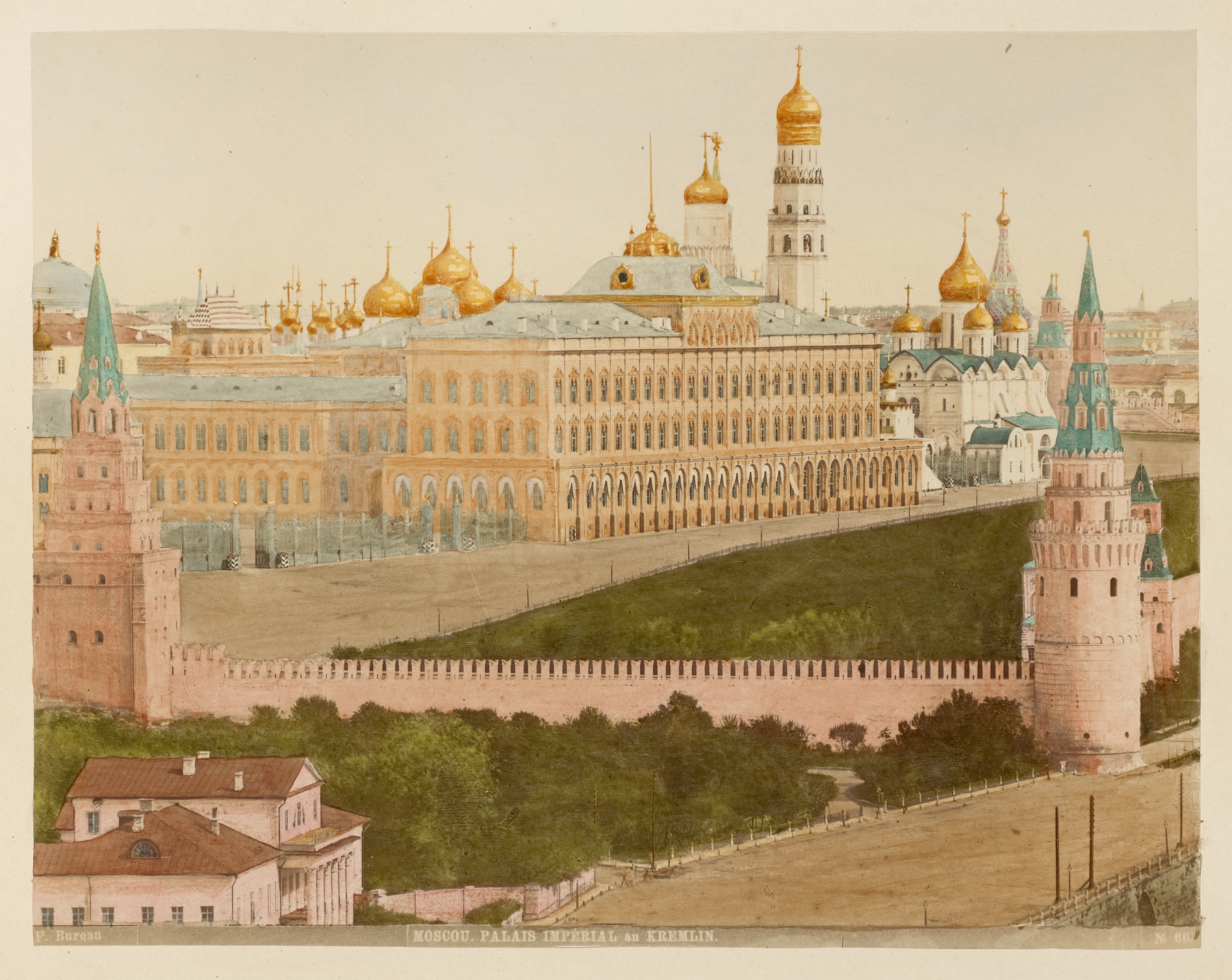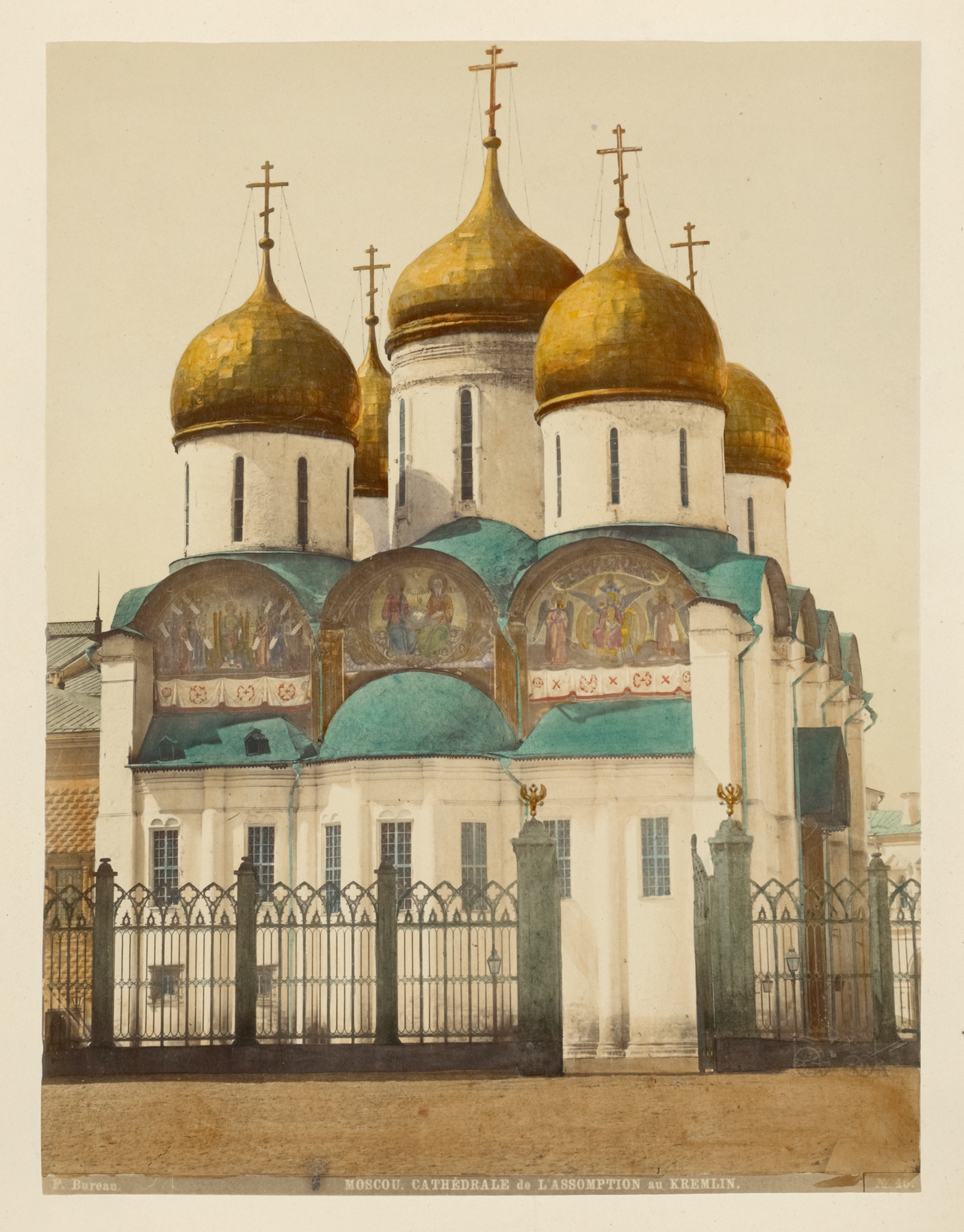
Spasskii vorot v Kremle 2 — History & Analysis
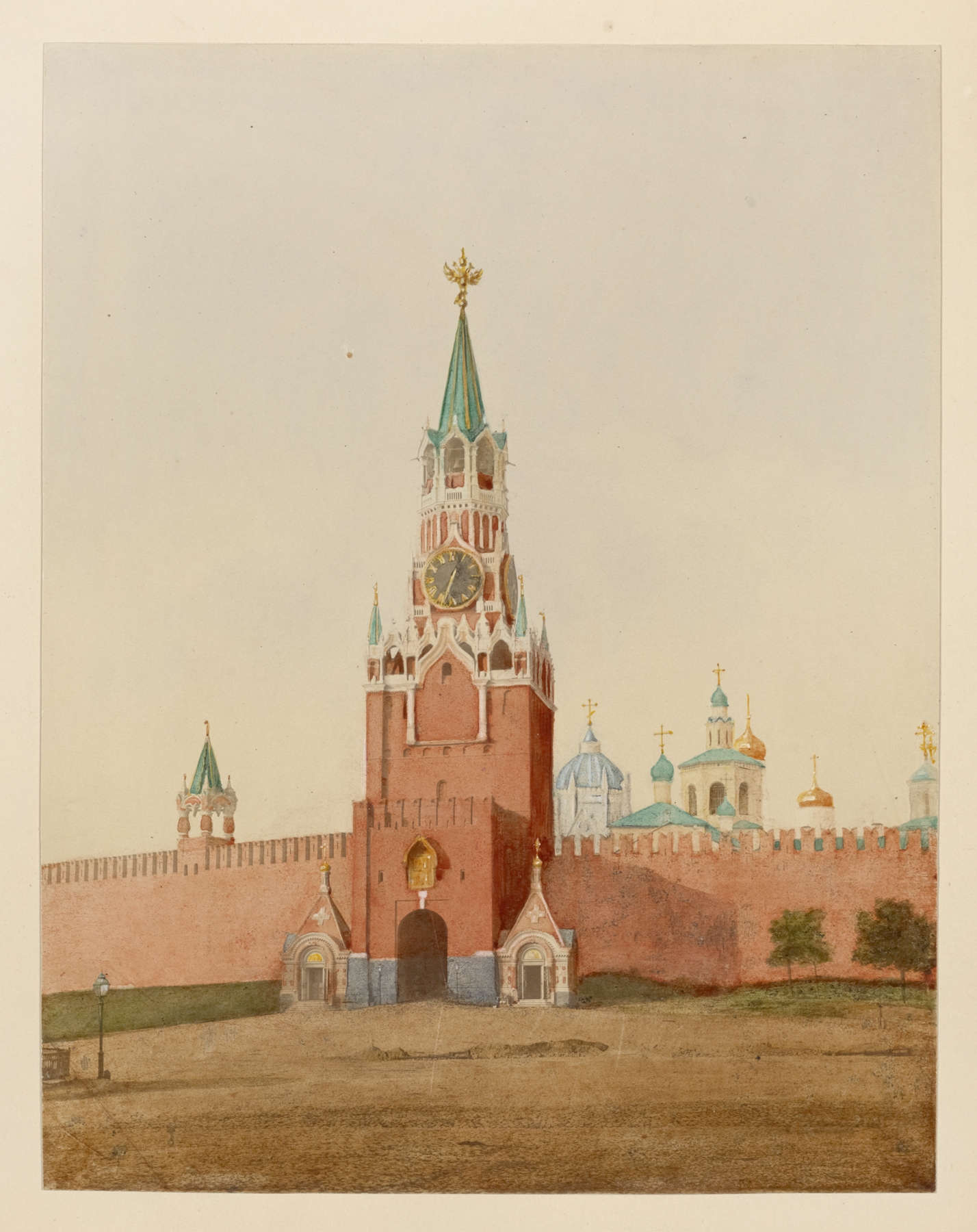
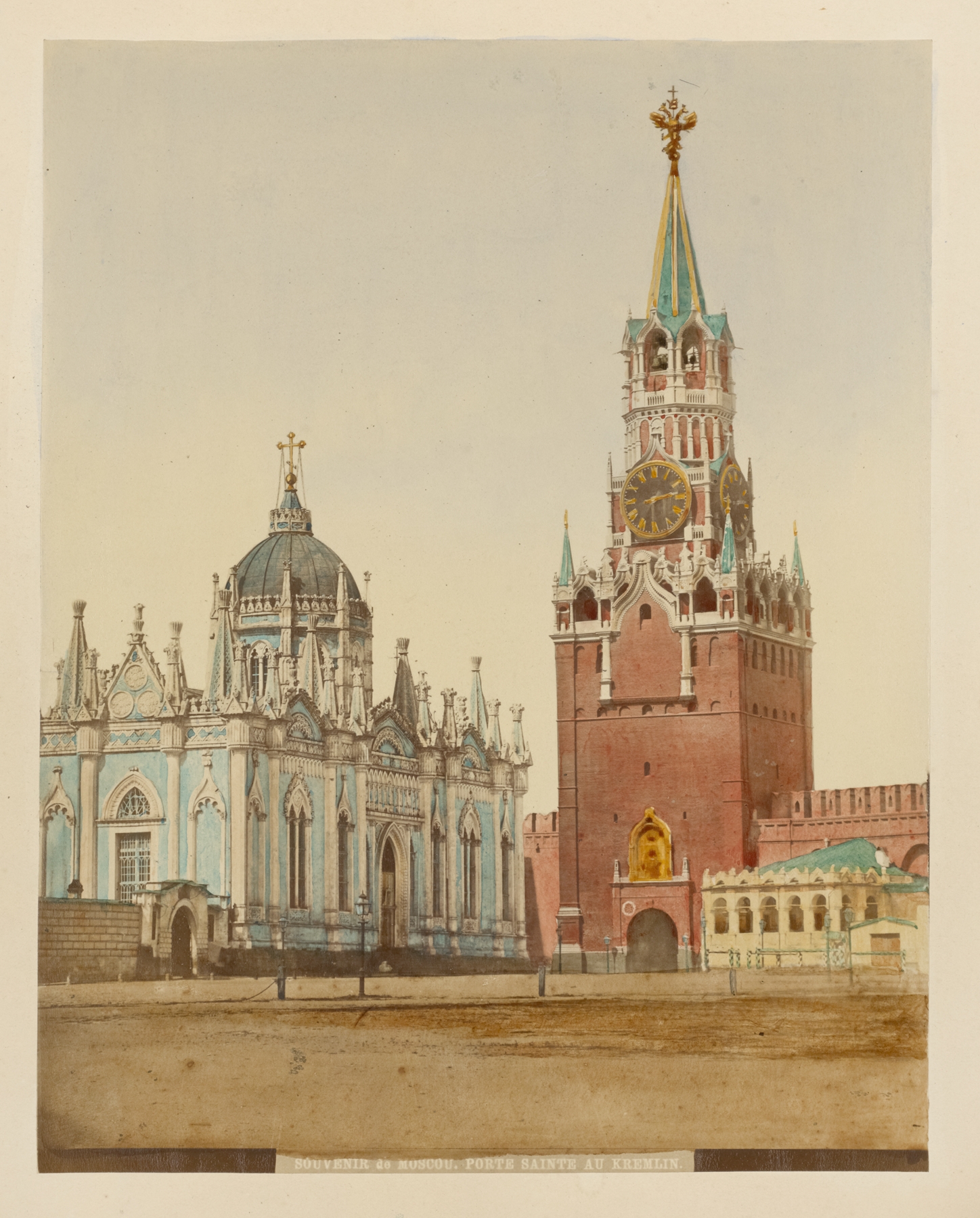
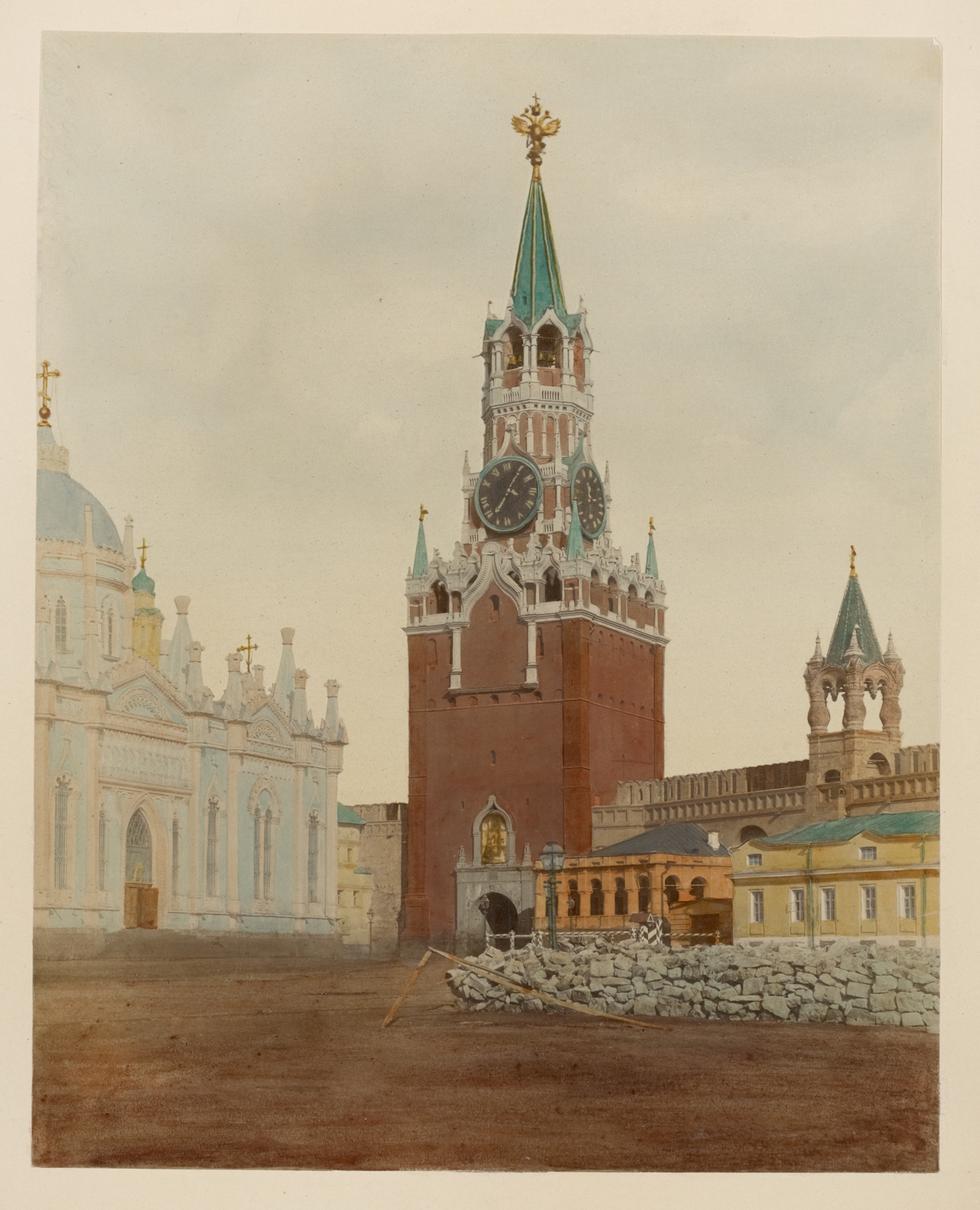
Where does light end, and longing begin? In the interplay of shadows and glowing hues, we find a divine tension that transcends the mere mortal realm. Focus on the left side of the canvas, where the ethereal golden light spills over the ancient stonework of the Spasskii Gate. The intricate carvings and robust textures invite you deeper into the narrative, creating a sense of reverence that is palpable.
The rising sun seems to breathe life into the architecture, juxtaposing the solidity of the gate against the ephemeral nature of the light, while delicate shades of blue and purple in the sky hint at a fleeting moment, capturing the ephemeral beauty of dawn. Within this composition lies a rich tapestry of meaning. The gate, a symbol of entry and passage, represents not just a physical barrier but also a metaphysical threshold. The warmth of the light invites viewers to ponder notions of divinity and sanctuary, while the coolness in the shadows evokes feelings of solitude and yearning.
The contrast between light and dark becomes a dialogue not just about space, but about the soul's journey toward enlightenment and the bittersweet nature of aspiration. In 1880, J. Daziaro was navigating the vibrant art scene emerging in Russia, a time when the country was grappling with rapid change and a rise in national identity. Living in a world marked by innovation and tradition, he painted this work in Moscow, where the grandeur of the Kremlin served as both a backdrop and a catalyst for his explorations of light, architecture, and the human spirit.