Uspenskii sobor v Kremle — History & Analysis
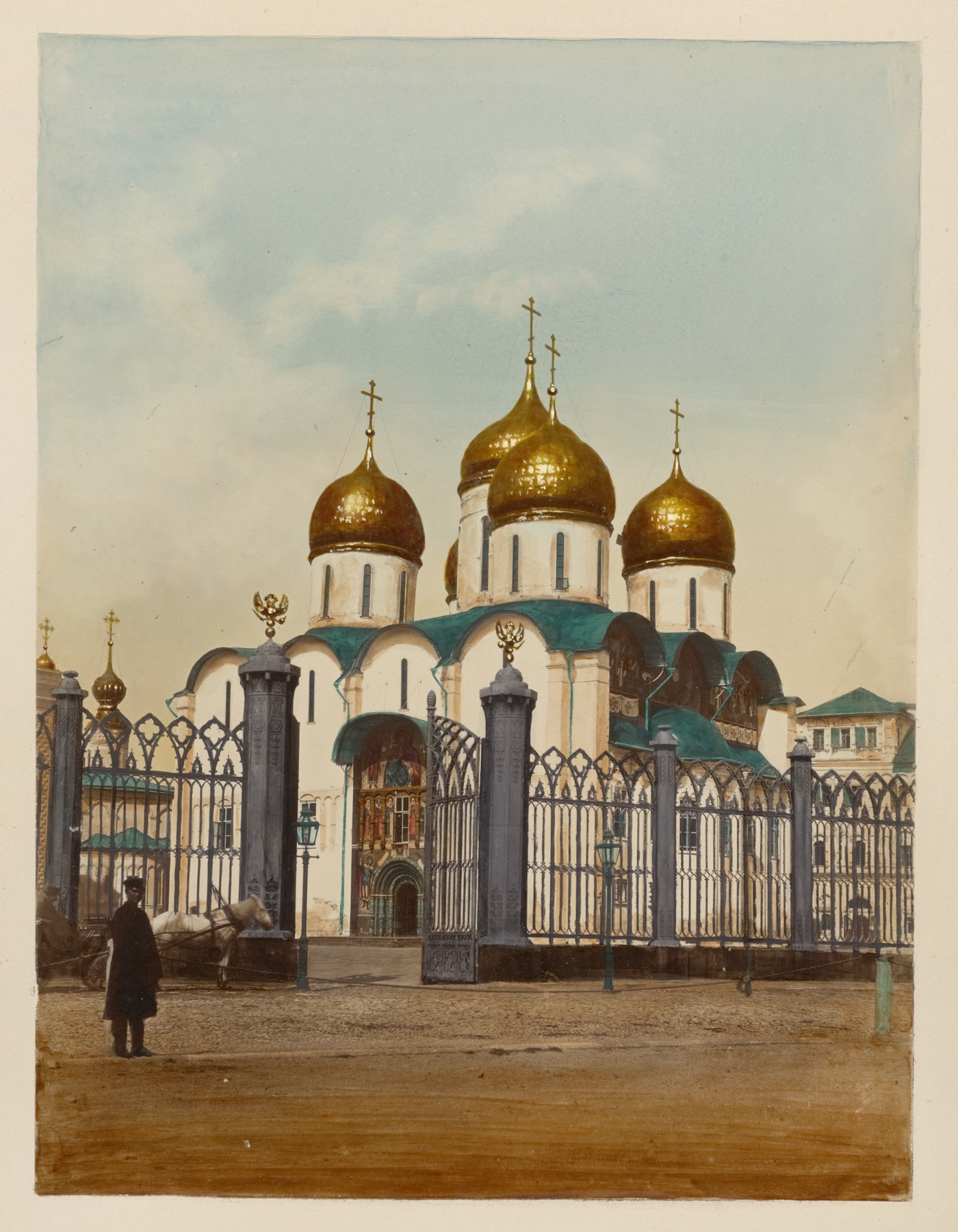
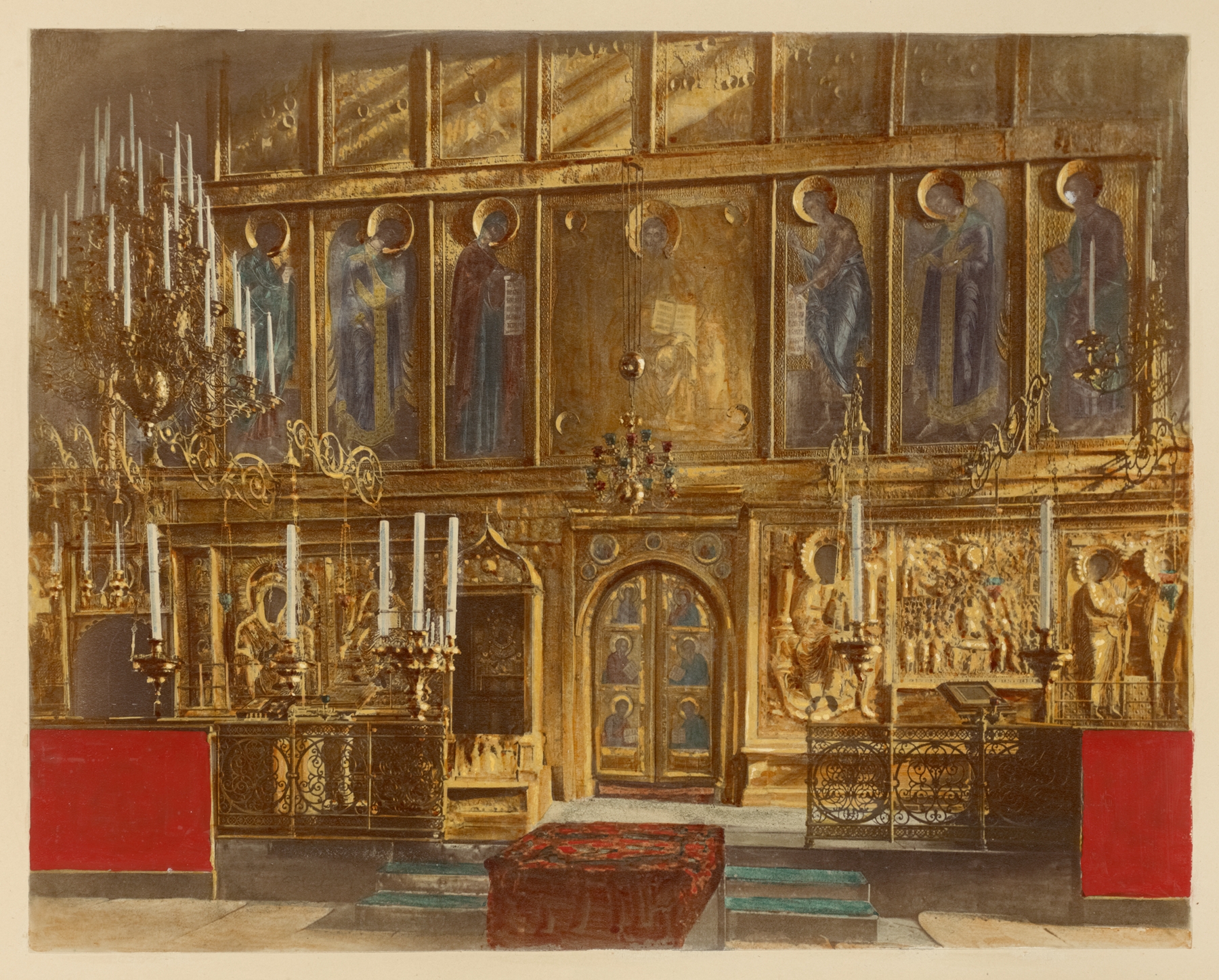
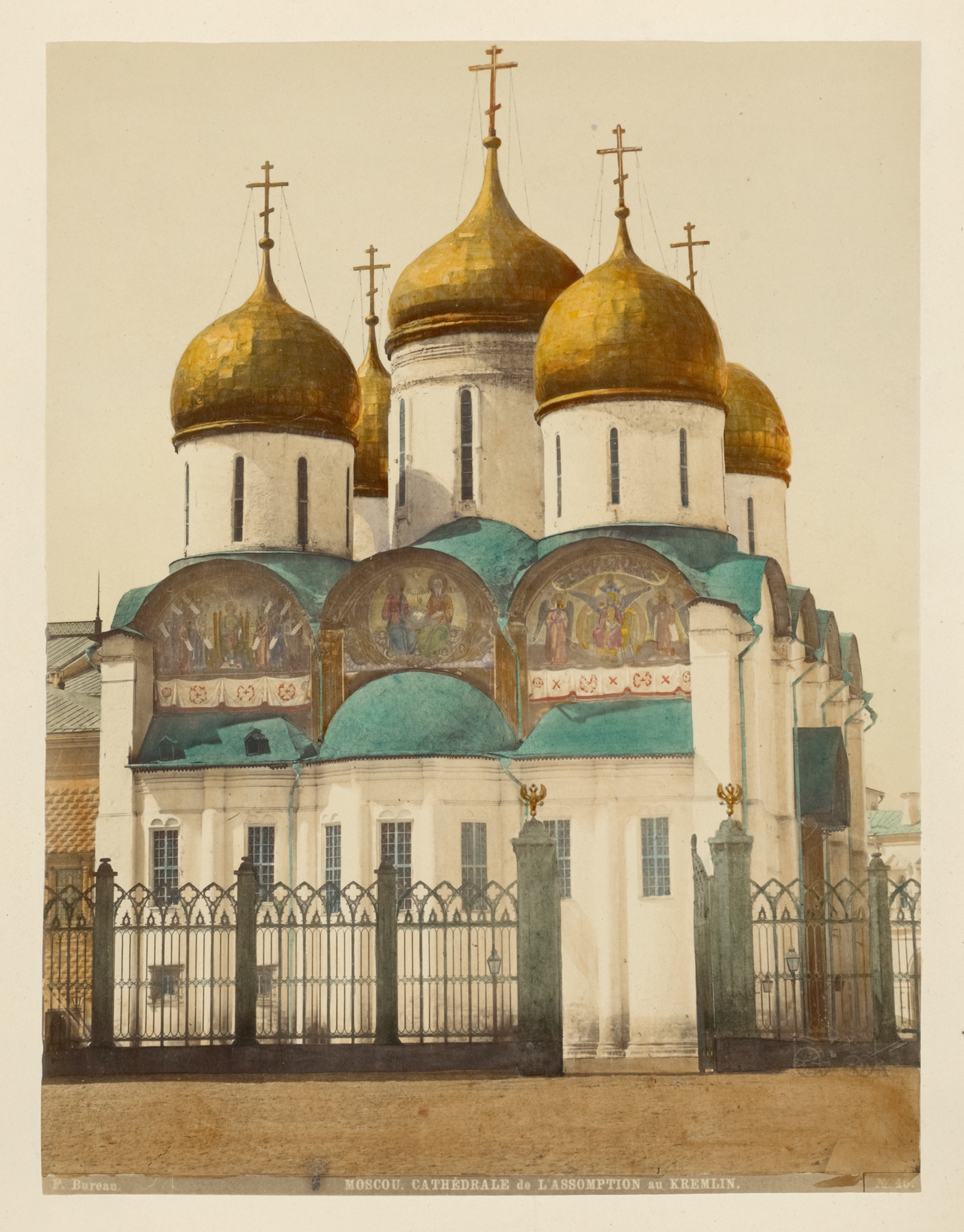
“To paint is to remember what time wants us to forget.” In the quiet embrace of a moment, truth stands still, captured forever on canvas. Look to the center where the grand domes of the Uspenskii Cathedral rise majestically against the azure sky, their gilded surfaces reflecting the light of a departing sun. The artist’s brush dances across the canvas with a masterful rhythm, each stroke meticulously rendering the ornate details of the architecture, from the delicate carvings to the rich hues that envelop the scene. The warm palette of oranges and yellows contrasts with the cool blues of the sky, creating a harmonious balance that draws the viewer’s gaze deep into the heart of the painting.
Within this serene landscape lies a deeper narrative, a juxtaposition of the sacred and the earthly. The cathedral, a symbol of spiritual devotion, stands resilient against the passage of time, while the soft shadows creeping along the cobblestone path suggest the inevitable change that awaits all things. Daziaro hints at this tension through the interplay of light and shadow, inviting contemplation on the impermanence of history and the enduring essence of faith and culture. In 1880, J.
Daziaro painted this piece during a time of significant transition in Russia, as the country navigated the complexities of modernization amidst deep-rooted traditions. Living in Moscow, where the echoes of history merged with the aspirations of a new era, the artist captured not just a building, but the soul of a nation grappling with its identity. This work stands as both a testament to the past and a reflection on the truths that endure through time.