Uspenskii sobor v Kremle — History & Analysis
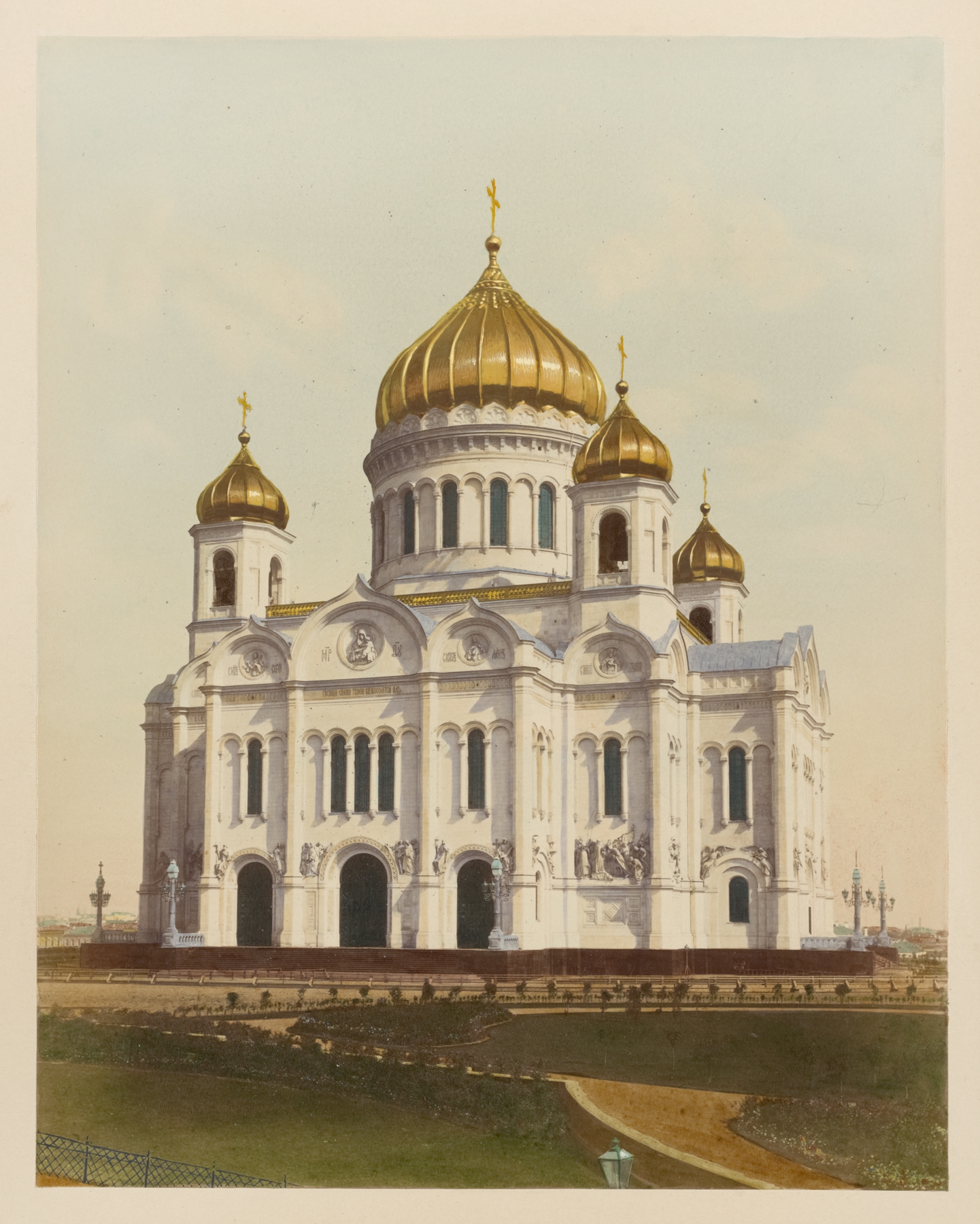
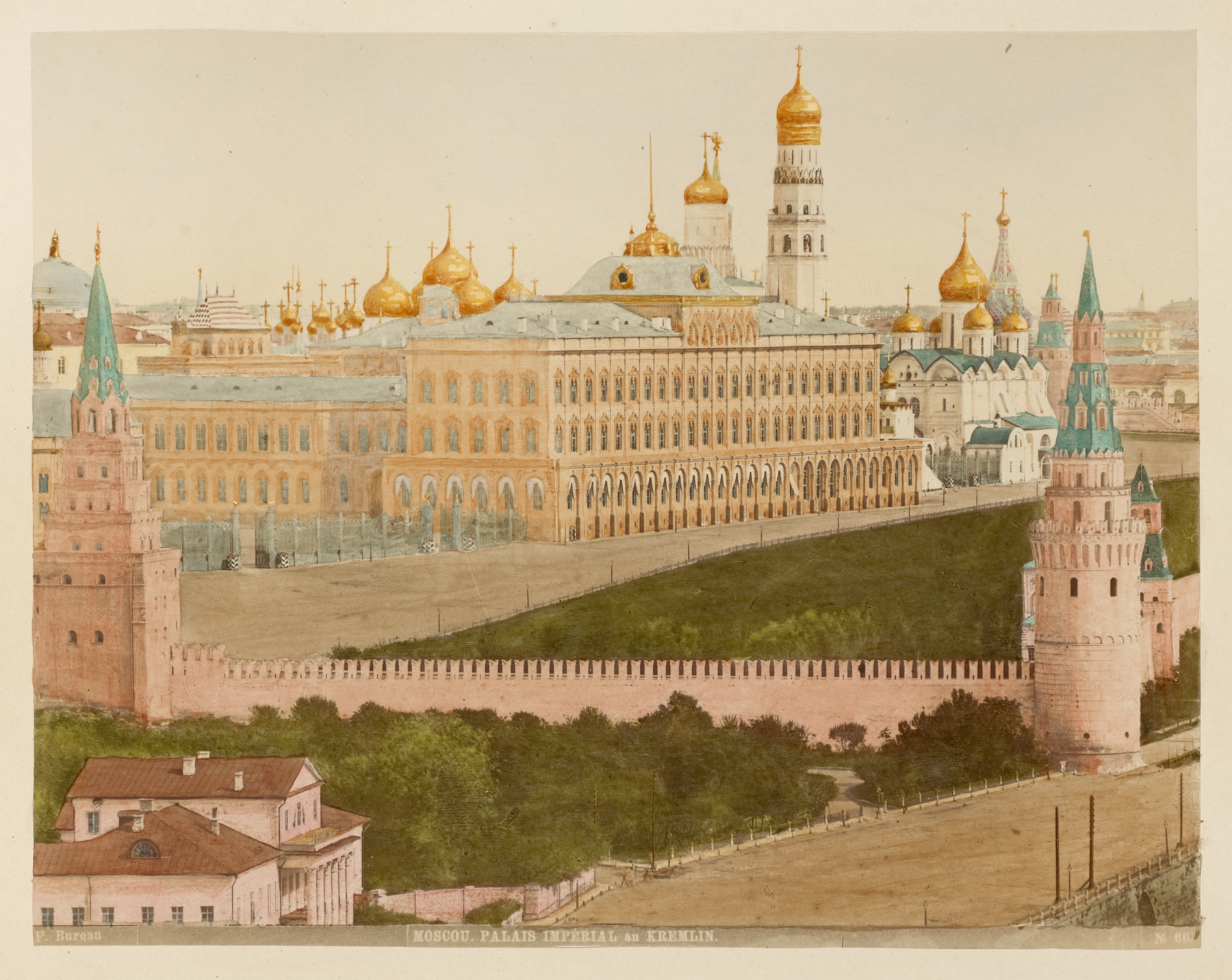
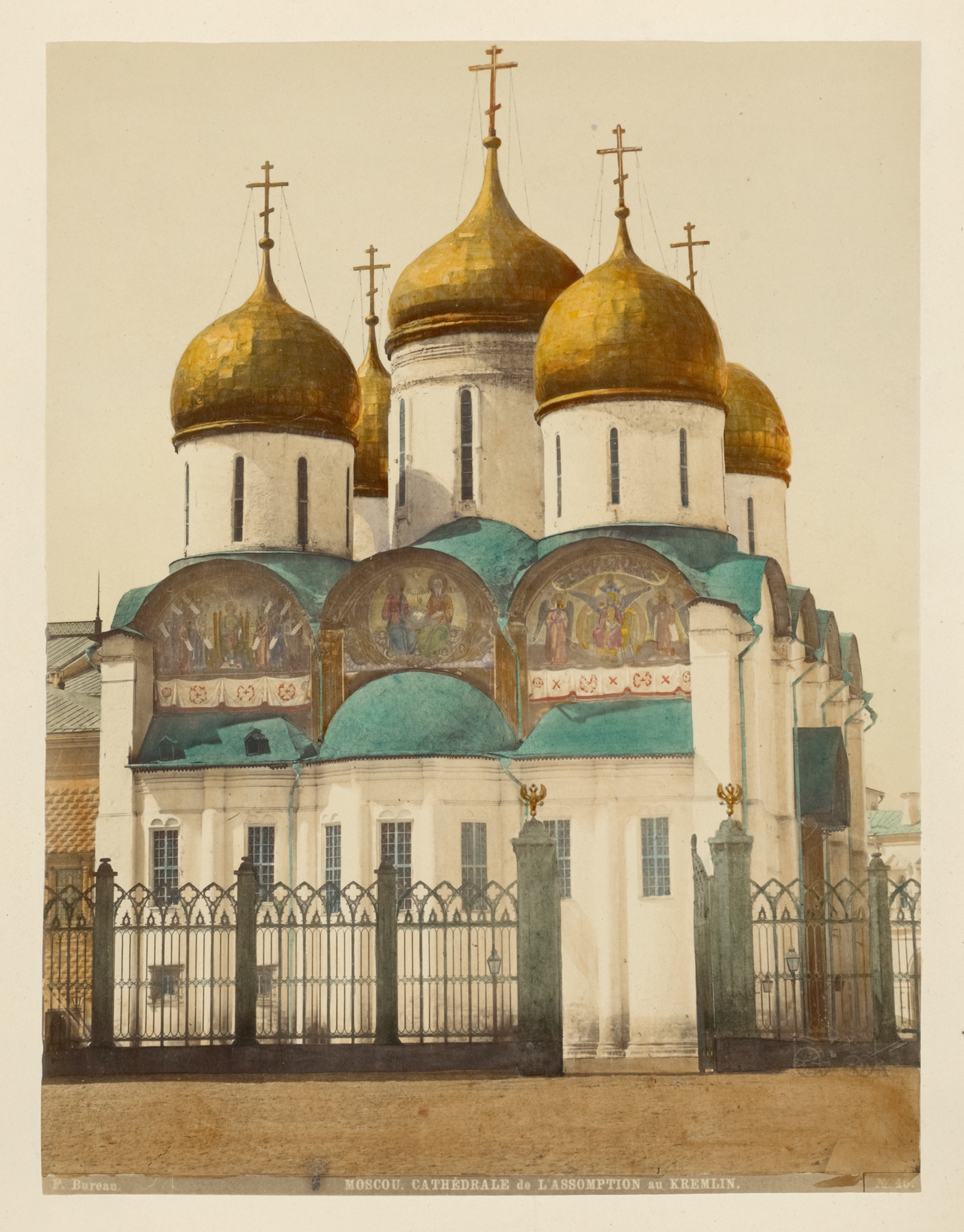
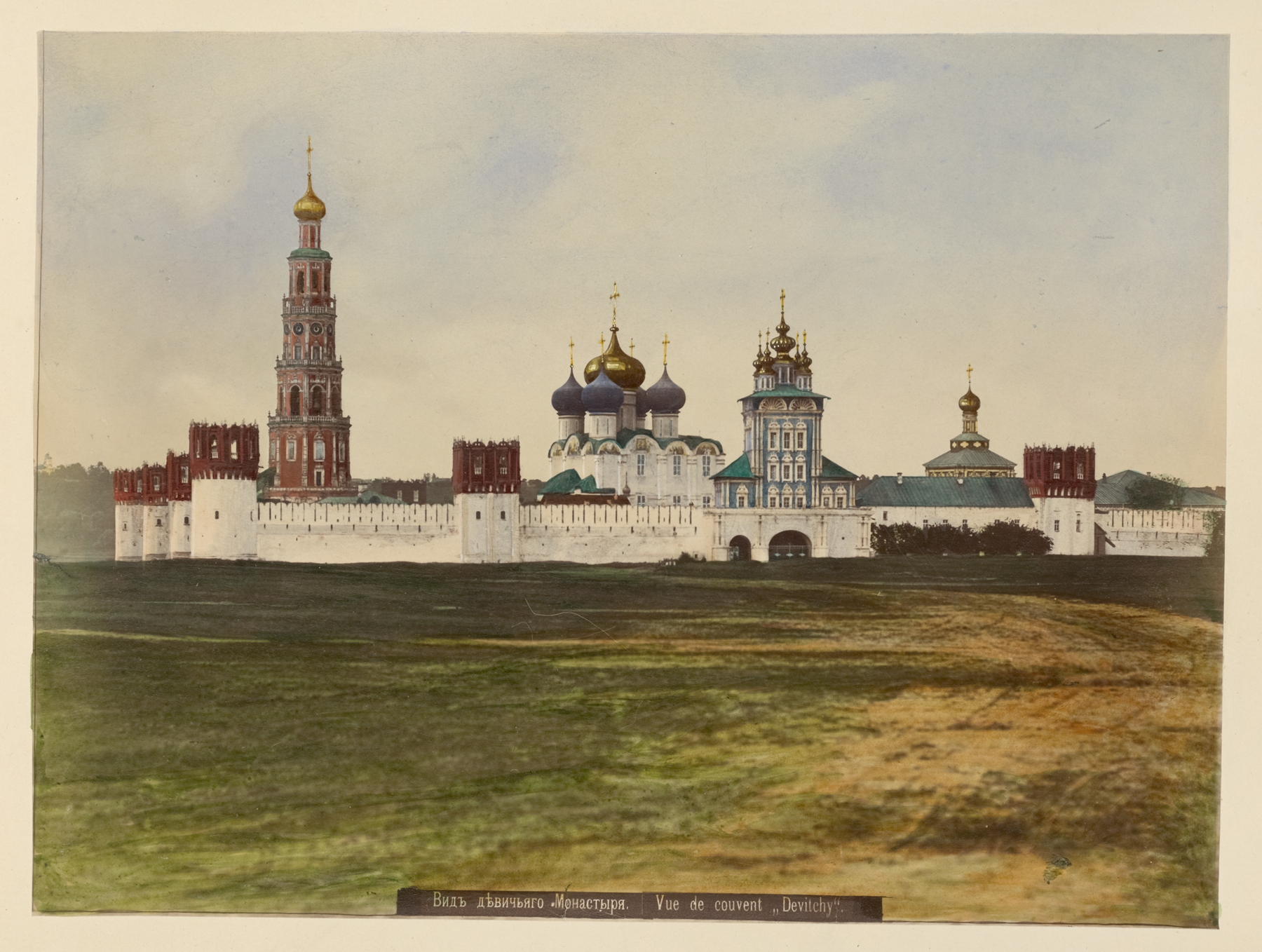
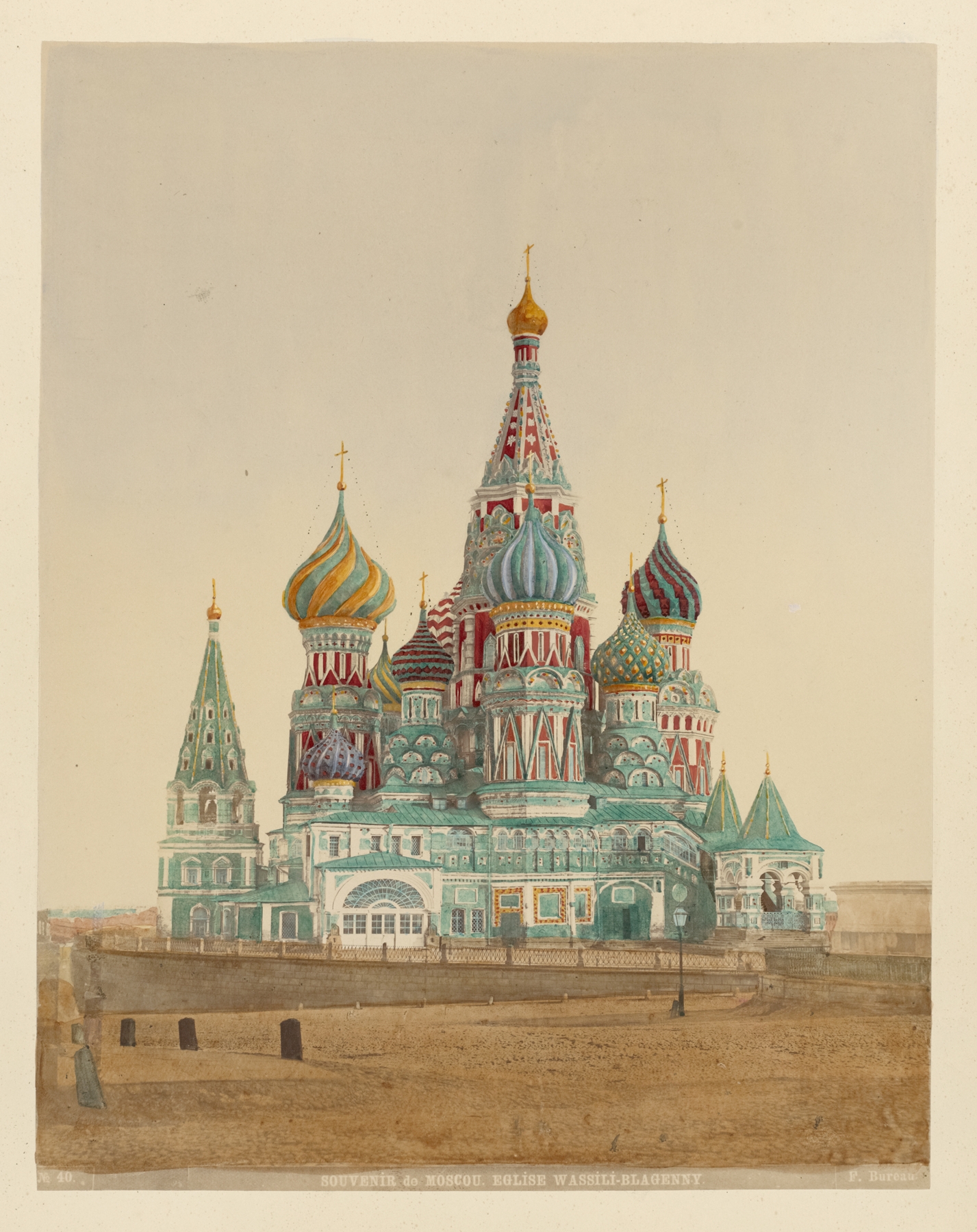
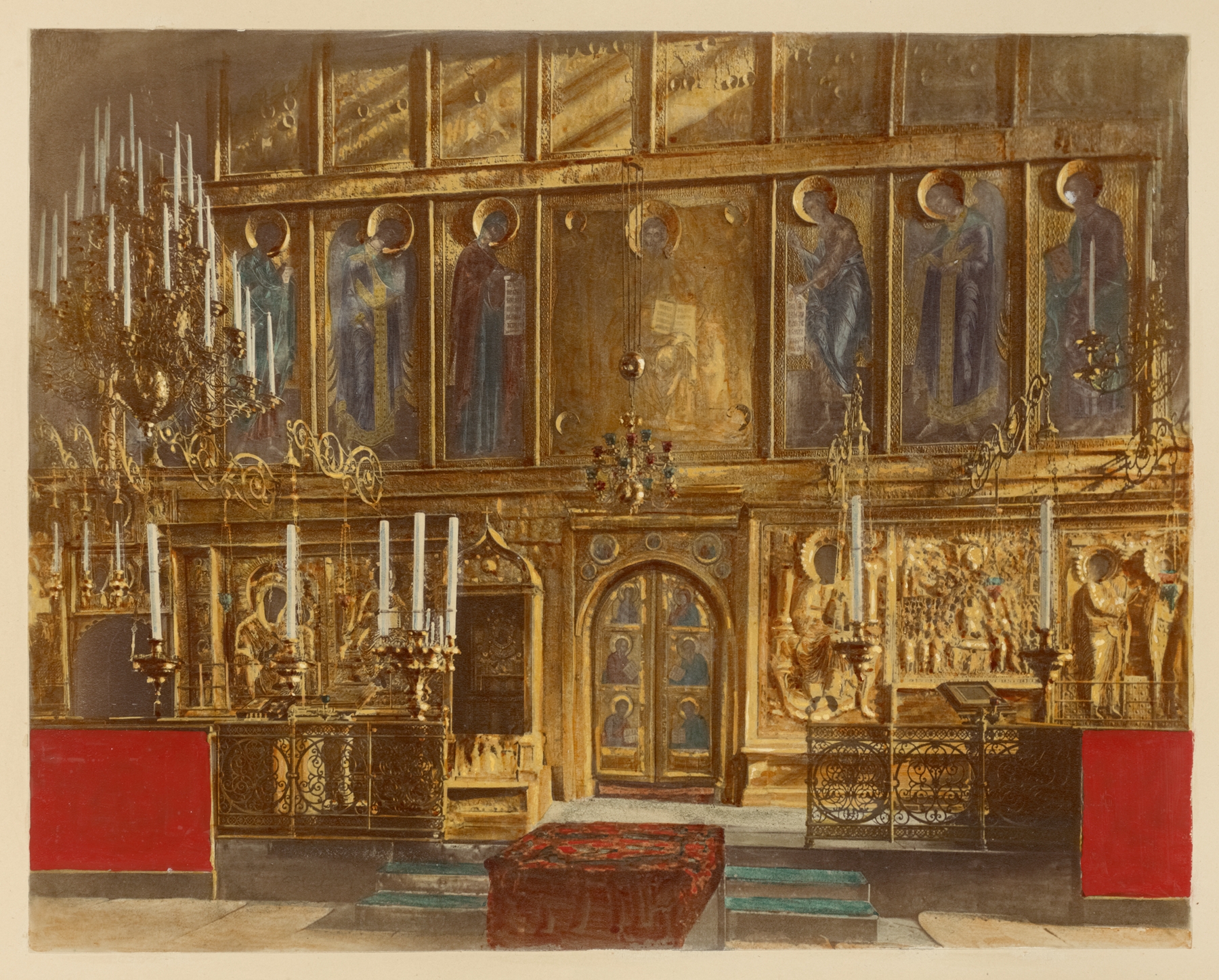
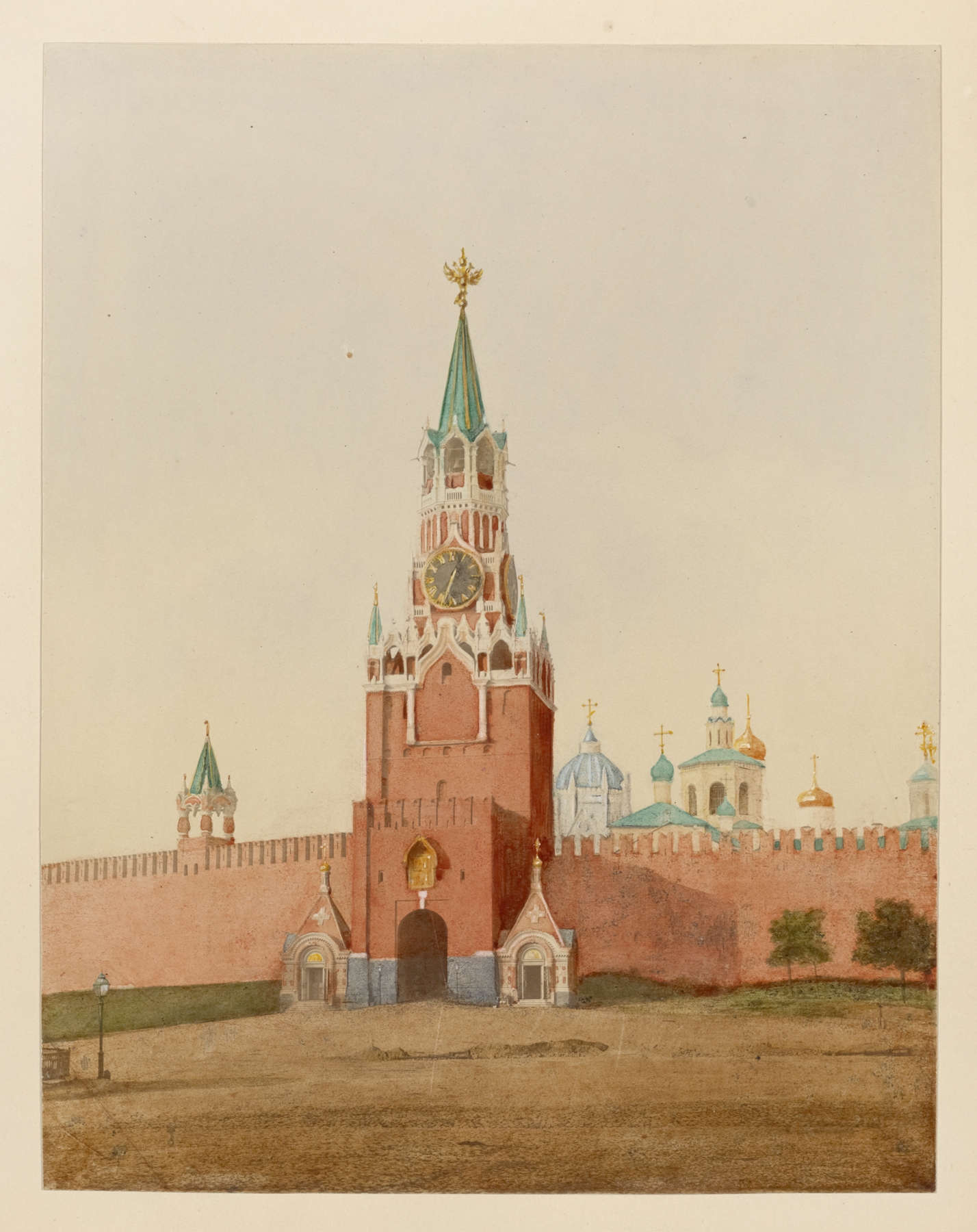
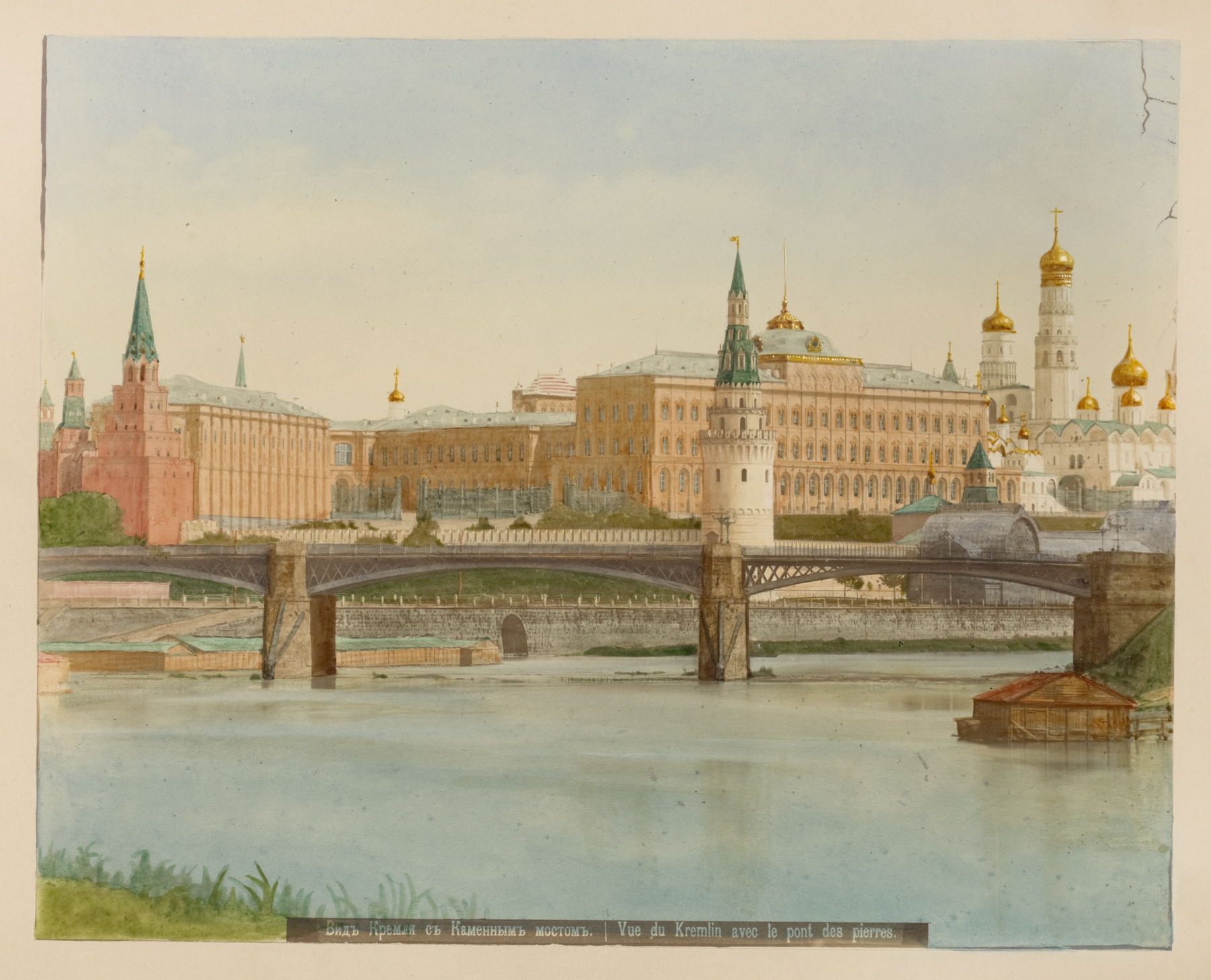
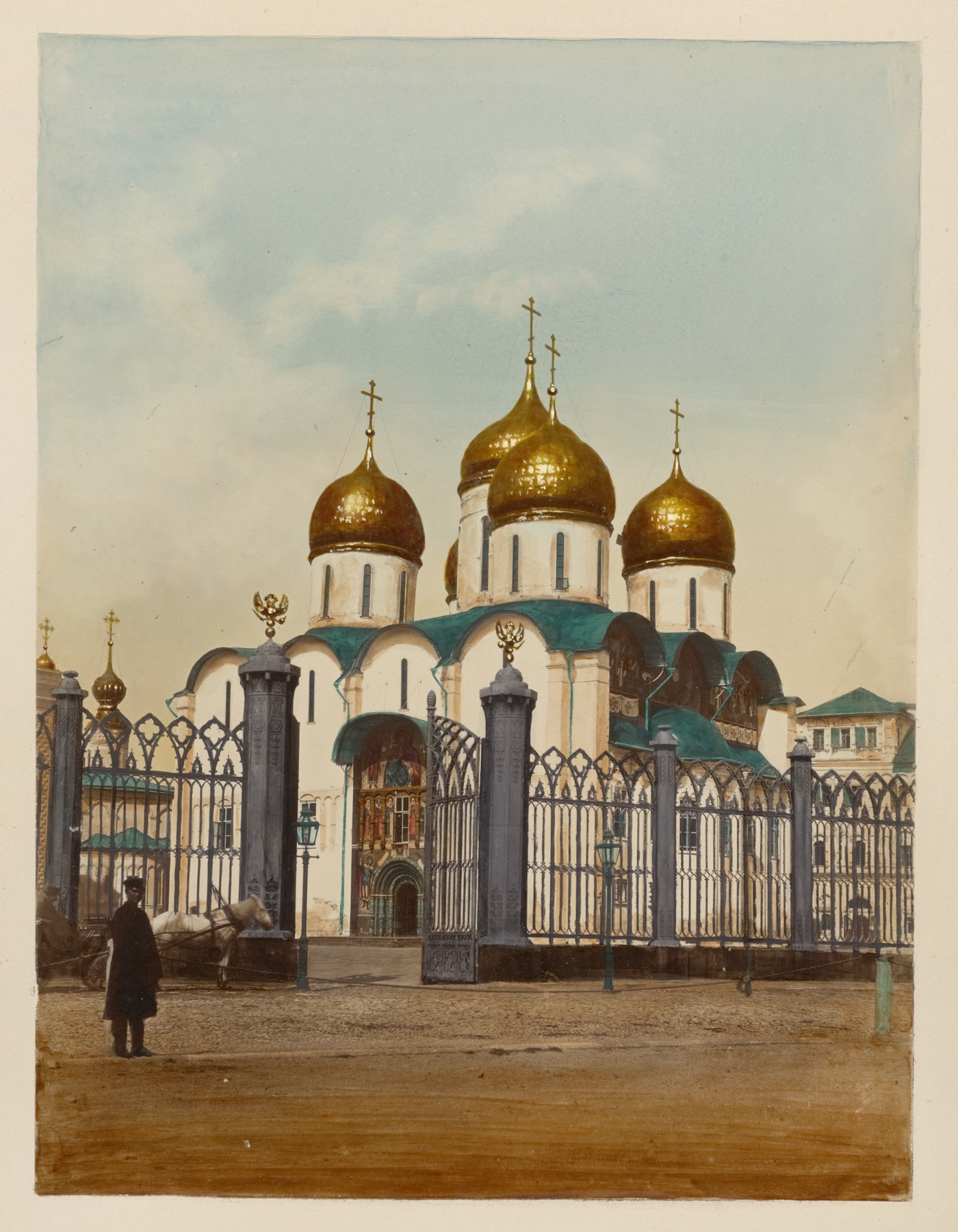
When did color learn to lie? In the world of dreams, hues dance with meanings often unseen, revealing truths that extend beyond the mere representation of the physical realm. Look to the top of the canvas, where the magnificent domes of the Uspenskii Sobor rise dramatically against a cobalt sky. The artist employs a vibrant palette, juxtaposing deep blues with glimmering golds, inviting the viewer's gaze upward. Notice how the light spills across the surfaces, illuminating the intricate details of the architecture while casting shadows that suggest mystery.
The composition, balanced yet dynamic, draws you in to explore the rich textures and patterns that resonate with the history encapsulated within its walls. Within this striking work, emotional tensions arise through the contrast between the solemnity of the structure and the vibrancy of its colors. The domes, symbols of faith and endurance, stand firm against the ephemeral quality of the dreamlike sky. Small figures at the base, dwarfed by the grandeur above, hint at the human experience amidst monumental history — a reminder of our fragility against the timelessness of sacred spaces.
Here, Daziaro invites reflection on the relationship between man and the divine, evoking a sense of awe and reverence. In 1880, Daziaro painted this piece during a period of artistic exploration in Russia, marked by a burgeoning interest in the interplay of light and architecture. Living in Moscow, he was influenced by the Romantic movement, which sought to evoke emotion through a deep appreciation of nature and heritage. At this time, artists were beginning to grapple with the expressive potential of color, and this work stands as a testament to that evolving vision.