Kleine Gebirgslandschaft — History & Analysis
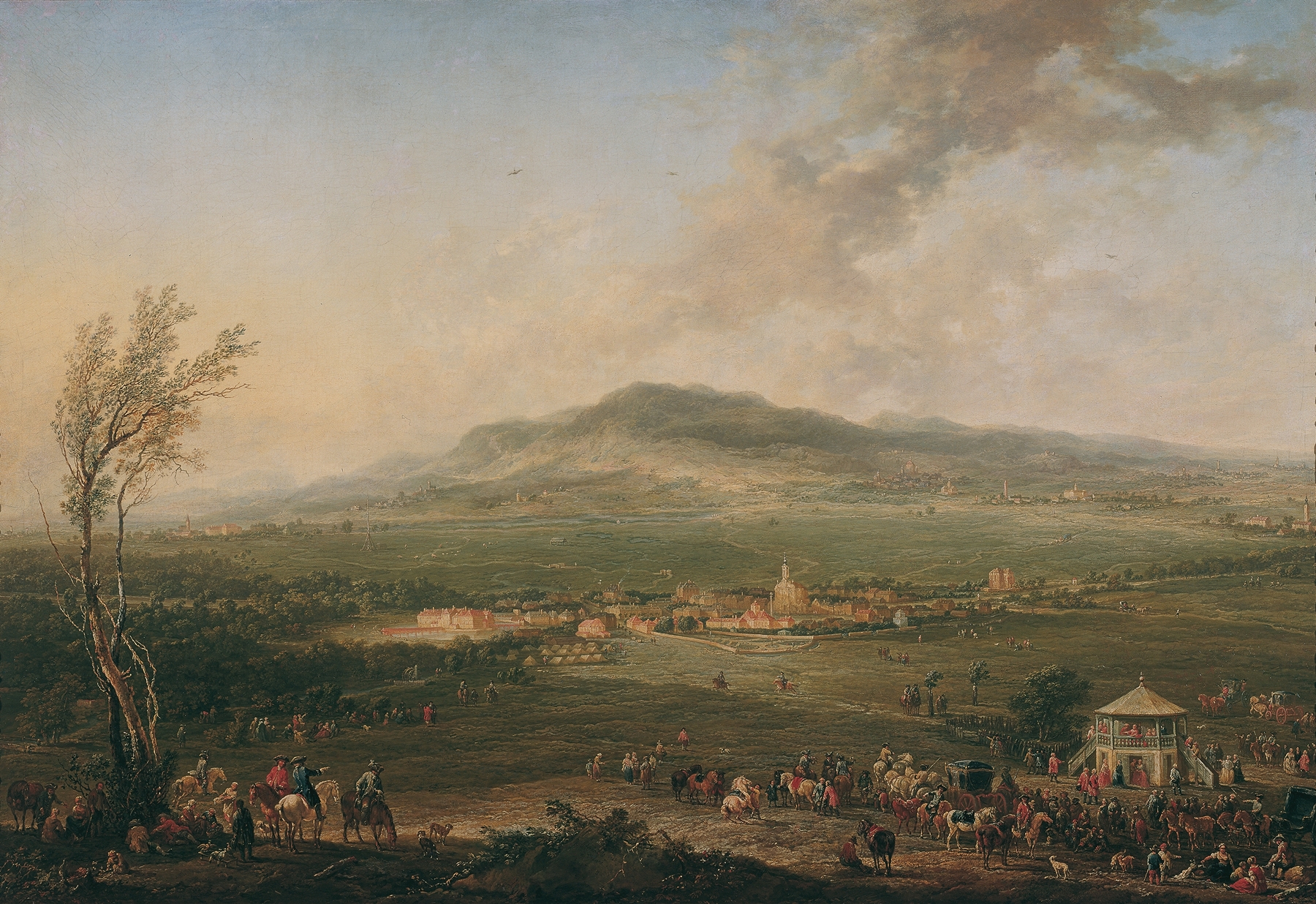
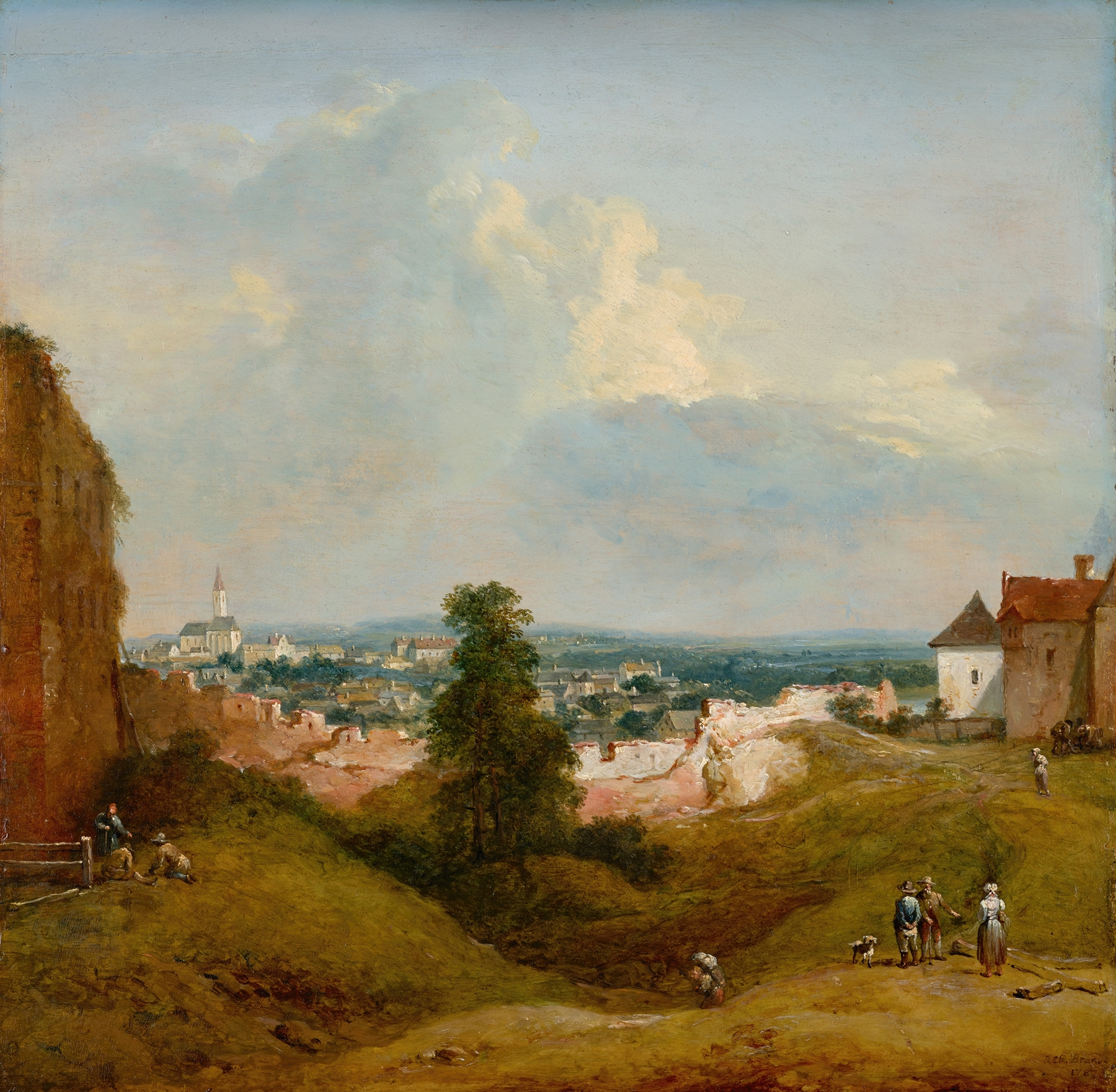
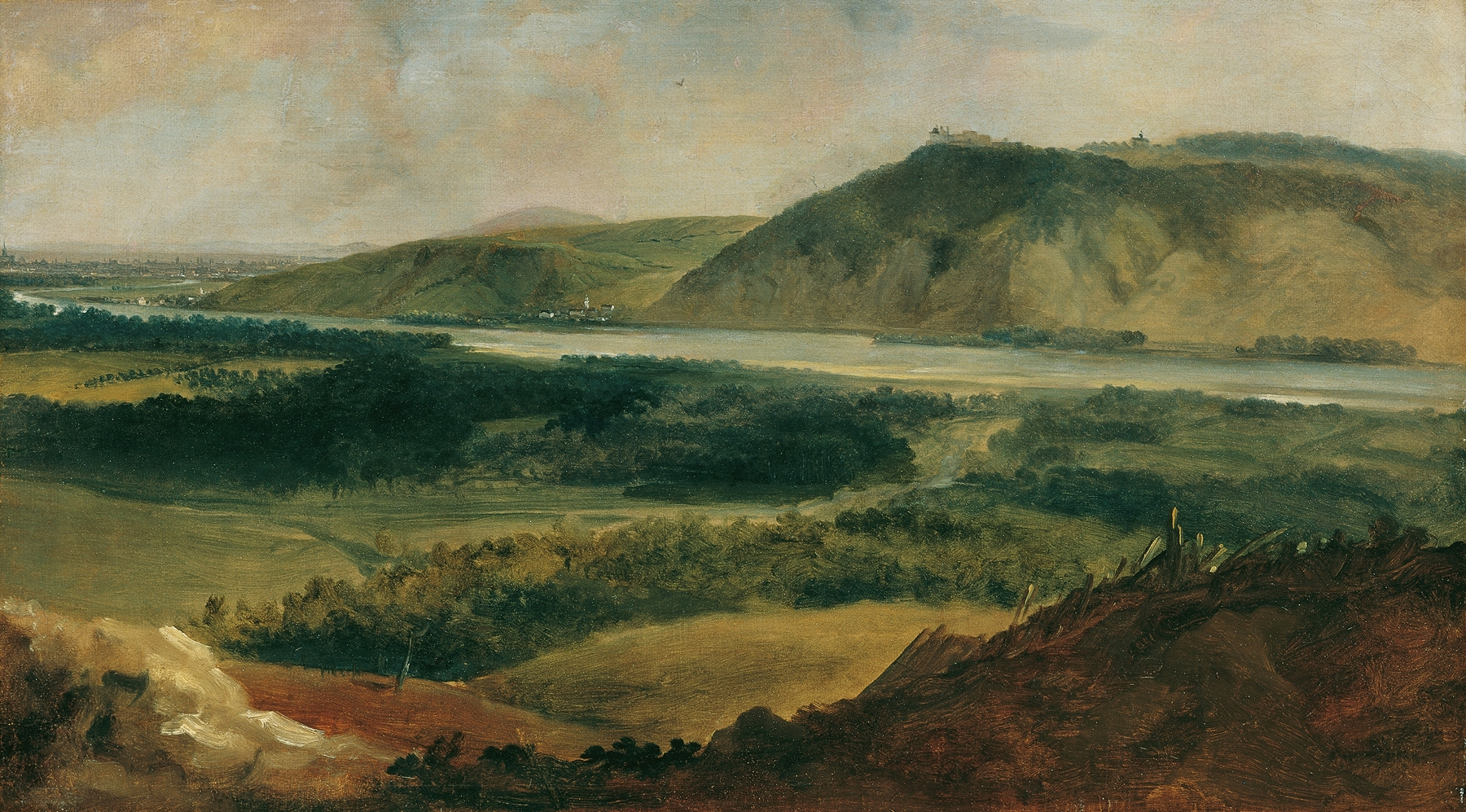
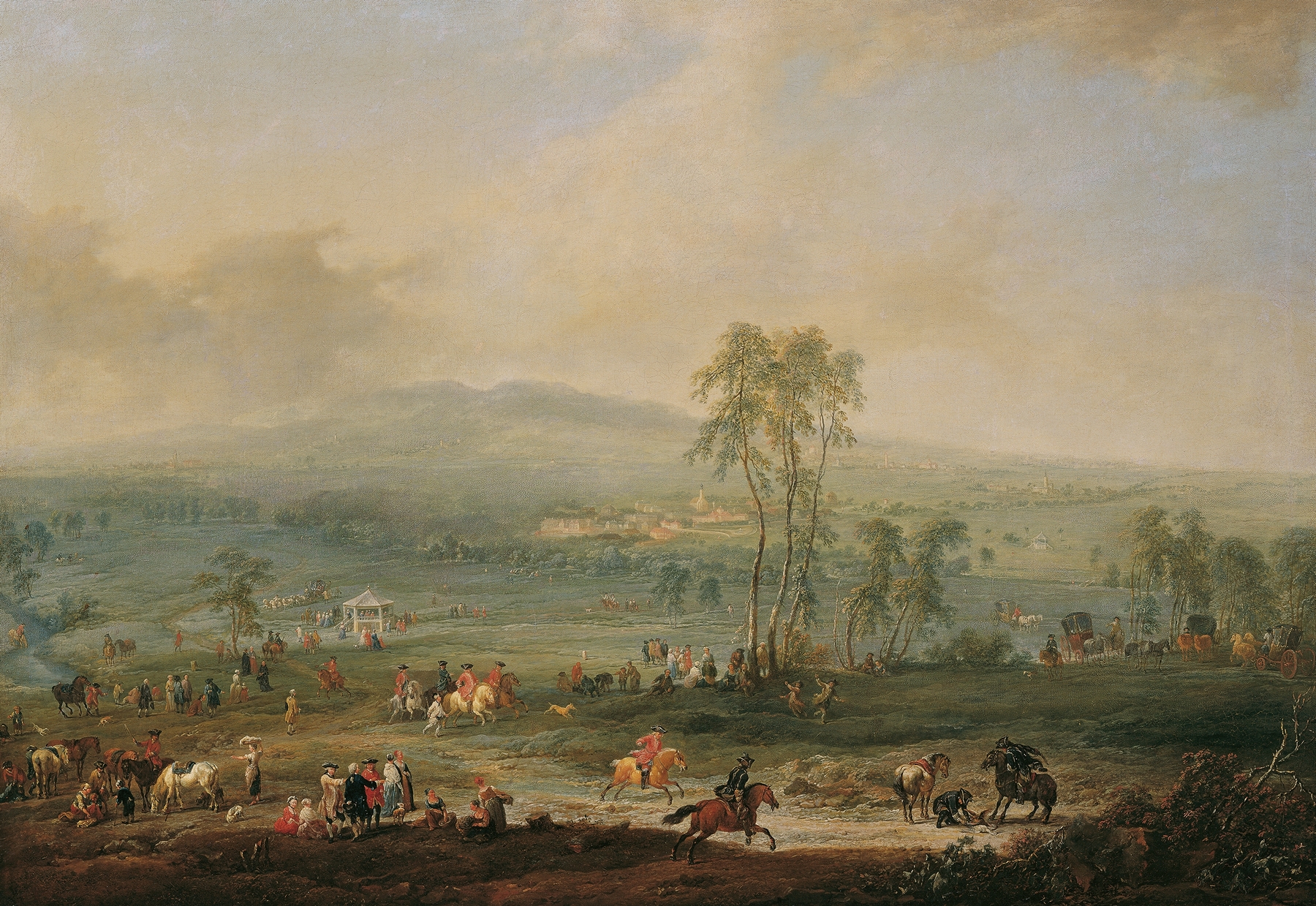
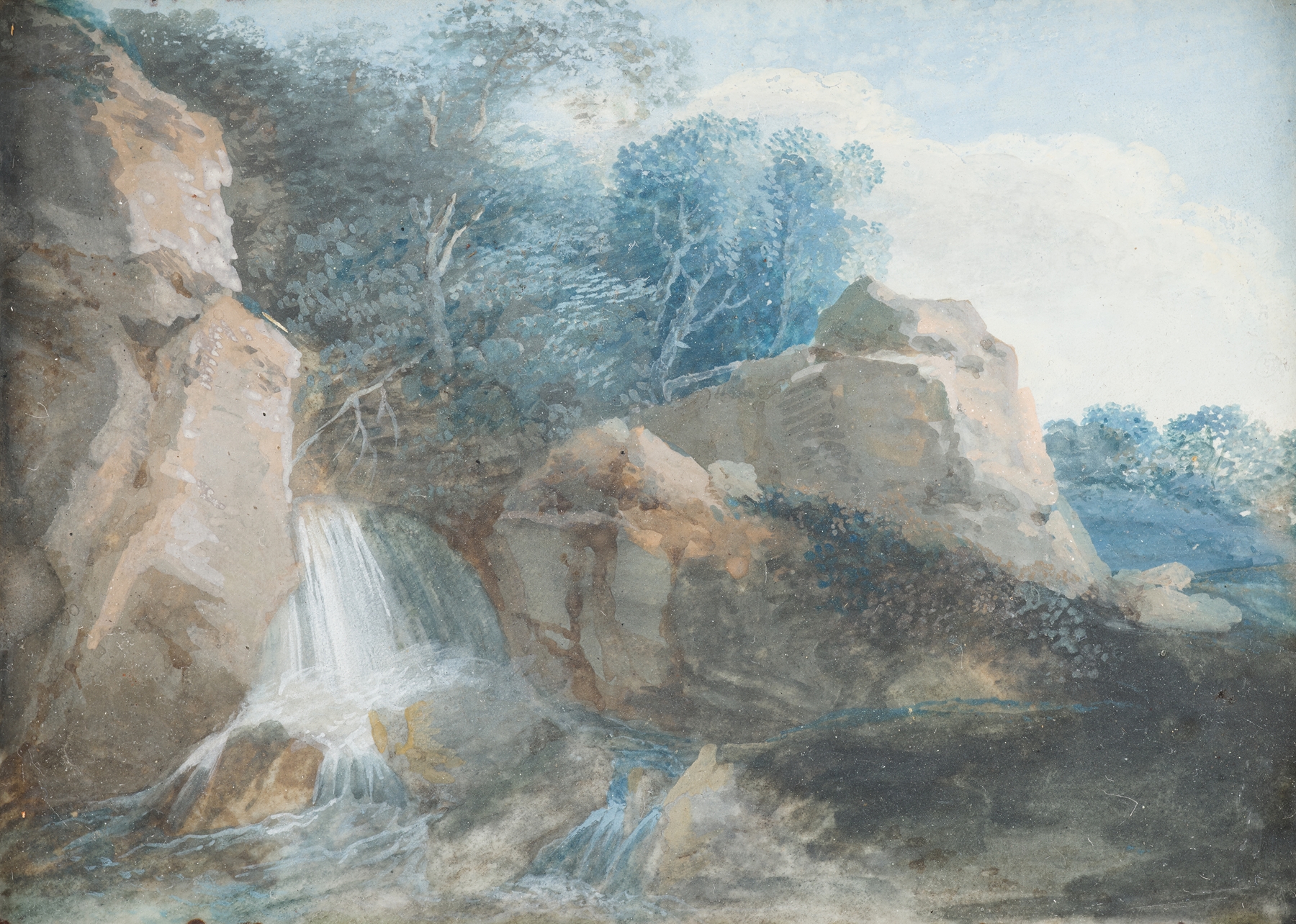
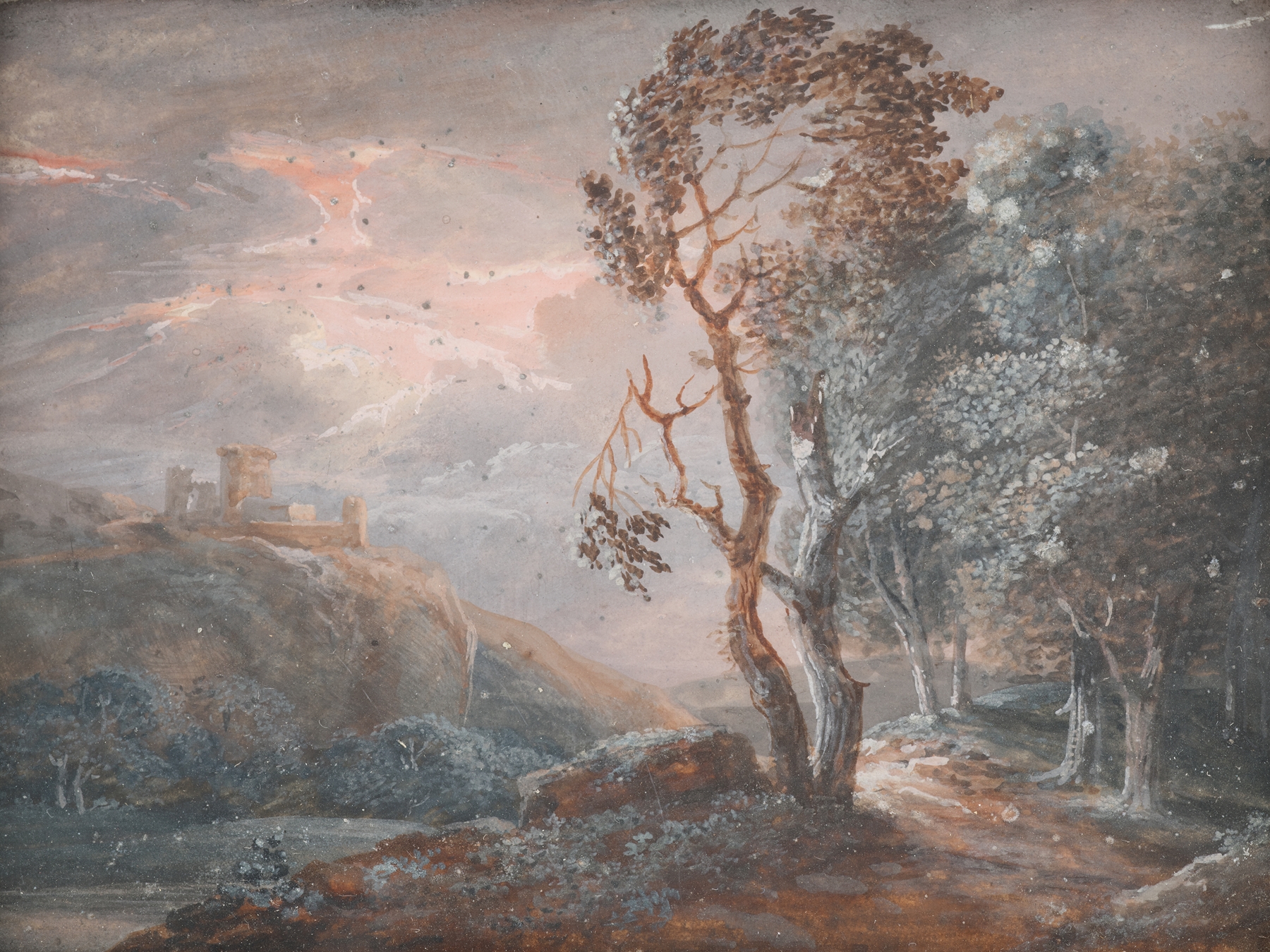
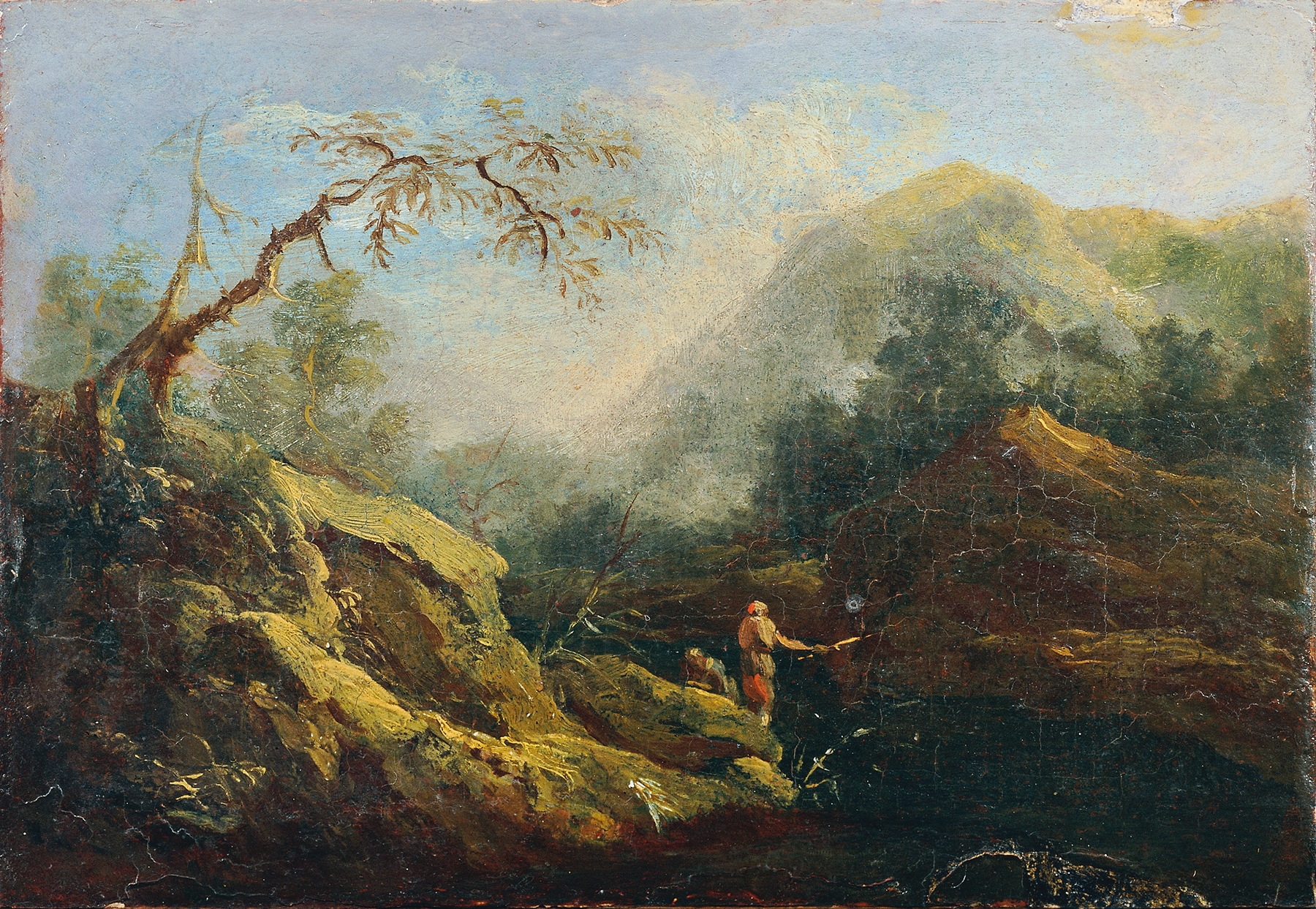
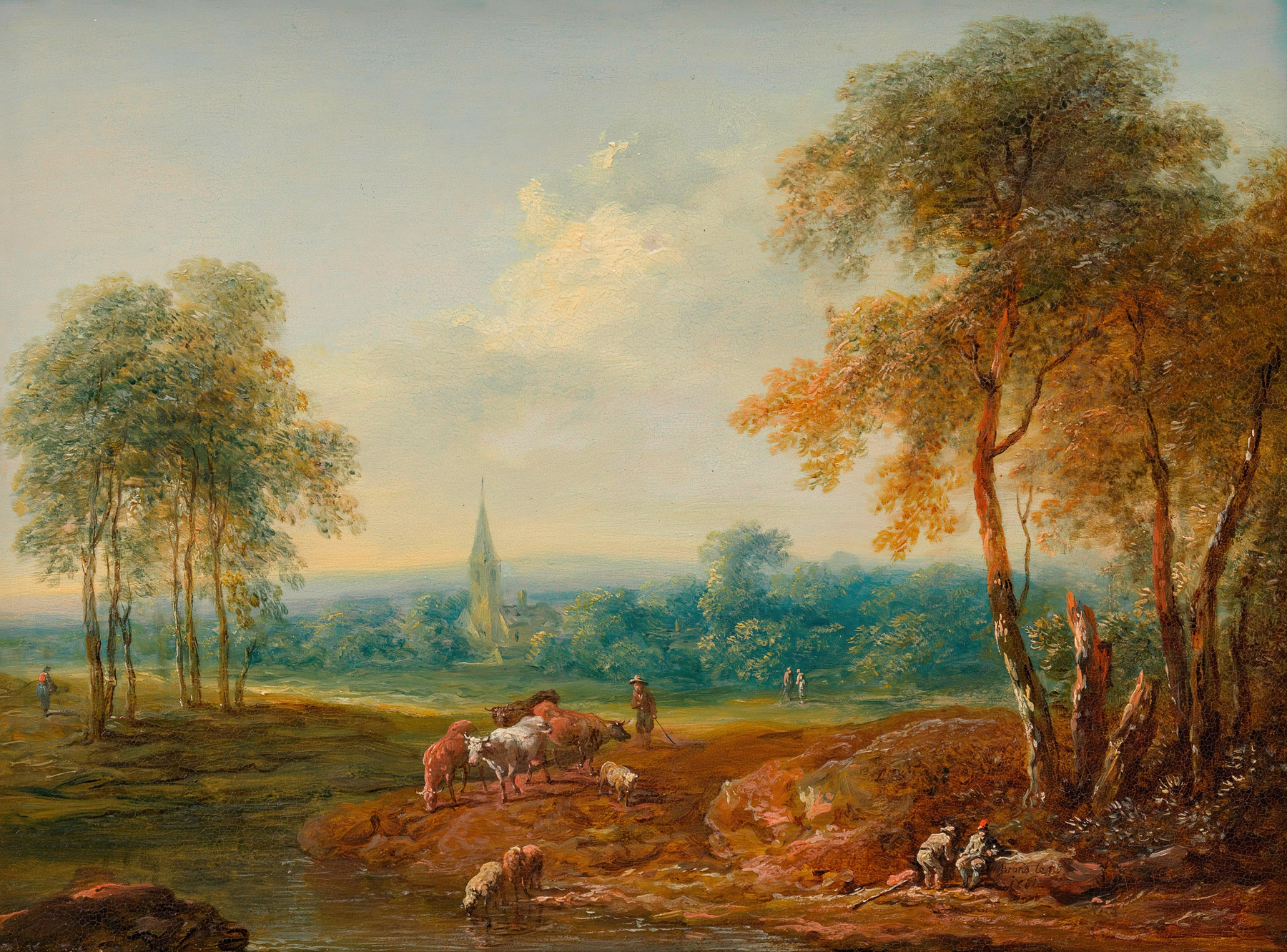
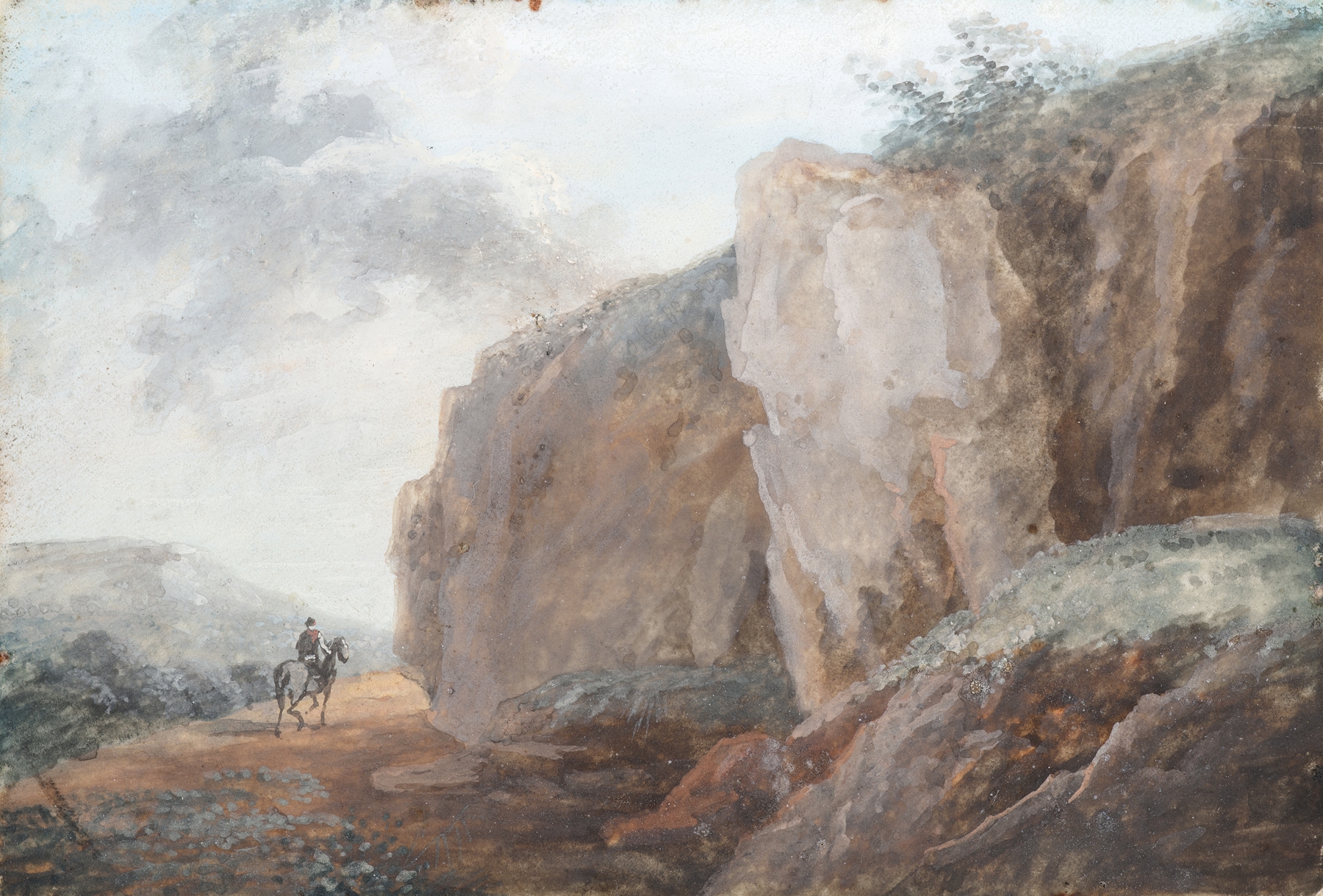
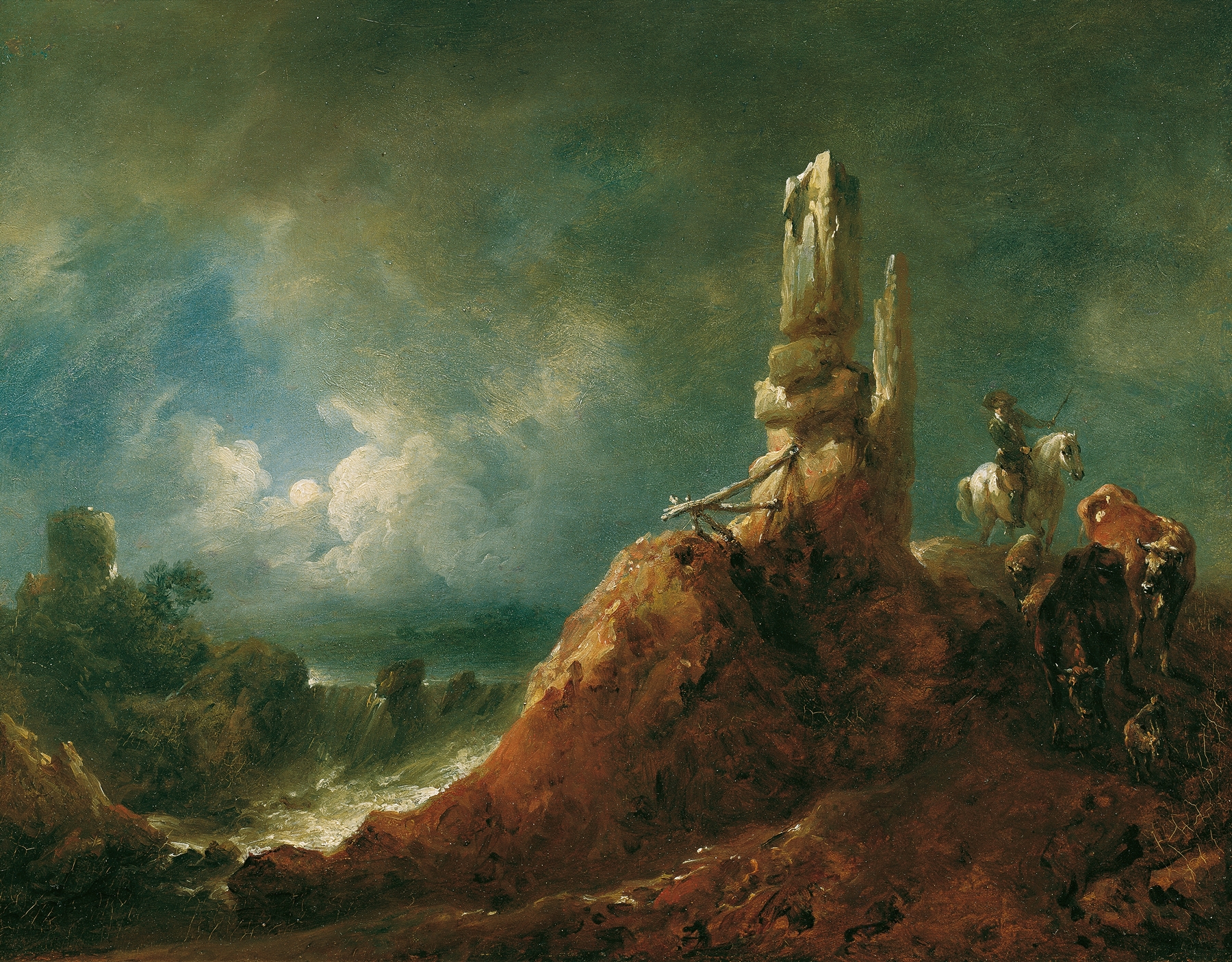
“To paint is to remember what time wants us to forget.” In the serene embrace of the mountains, the echo of longing reverberates through the landscape, capturing a moment suspended between reality and memory. Look to the foreground, where a gently flowing stream winds its way through the lush greenery, drawing your eye into the heart of the composition. Notice how the artist employs a delicate palette of greens and blues, harmonizing with the soft earthy tones of the rugged mountains. The brushwork is light and fluid, evoking a sense of tranquility while allowing the viewer to feel the pulse of nature.
The juxtaposition of the still water against the towering peaks creates a dynamic tension, inviting contemplation. Yet beneath this placid surface lies a profound yearning, a whisper of stories untold. The scattered clouds above suggest an impending change, hinting at nature’s unpredictability and the fleetingness of beauty. The viewer may also sense an underlying melancholy; the mountains stand as eternal witnesses to the passage of time, evoking a sense of nostalgia for moments lost.
It’s a reminder of the human desire to connect with the sublime, to find solace in landscapes that hold fragments of our own histories. Johann Christian Brand painted Kleine Gebirgslandschaft between 1770 and 1780, during a period of personal exploration and emotional depth. Living in Germany amid the burgeoning Romantic movement, he sought to capture the essence of nature and the human spirit. This work reflects not only his mastery of light and color but also the broader cultural shift towards introspection and a deeper connection with the natural world.