Kroonkandelaar en vaas — History & Analysis
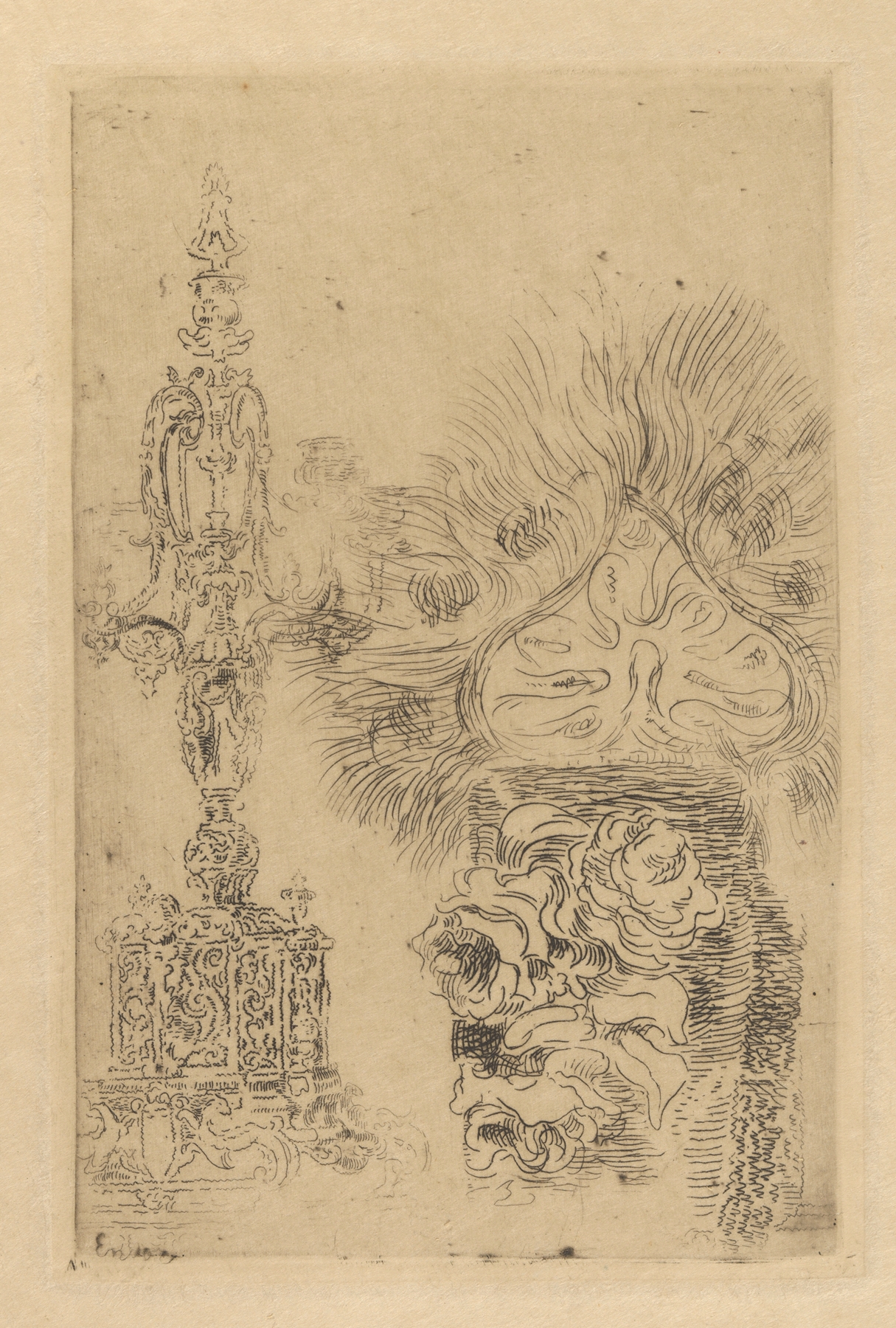
Who listens when art speaks of silence? In Kroonkandelaar en vaas, James Ensor invites us to ponder the quiet truths that dwell in the stillness of everyday objects. Look to the center of the canvas where the lavish chandelier looms, draped in a dance of shadows and flickering light. Its ornate details contrast sharply against the muted vase beside it, creating an almost palpable tension between illumination and darkness.
The delicate brushwork captures the textures of both objects, drawing the viewer’s gaze to their interplay of form and color — the glimmer of glass against the soft curve of porcelain, bathed in a warm yet enigmatic glow. The subtle placement of each element within the composition speaks volumes; the chandelier, heavy and grand, symbolizes the weight of expectation, while the vase, understated yet elegant, represents vulnerability and fragility. Together, they suggest a dialogue between presence and absence, opulence and simplicity, coaxing a contemplation of the truth that lies beneath the surface of materiality. Each flicker of light casts whispers of past conversations, urging the viewer to reflect on the nature of observation and reality.
Created in 1888 in Belgium, Ensor crafted this piece during a period of great personal and artistic exploration. The late 19th century was marked by a burgeoning interest in symbolism, and the artist was seeking to break free from conventional aesthetics. This work emerged as he navigated the complexities of identity and societal expectations, firmly positioning himself within the evolving narrative of modern art.