Kruisdraging — History & Analysis
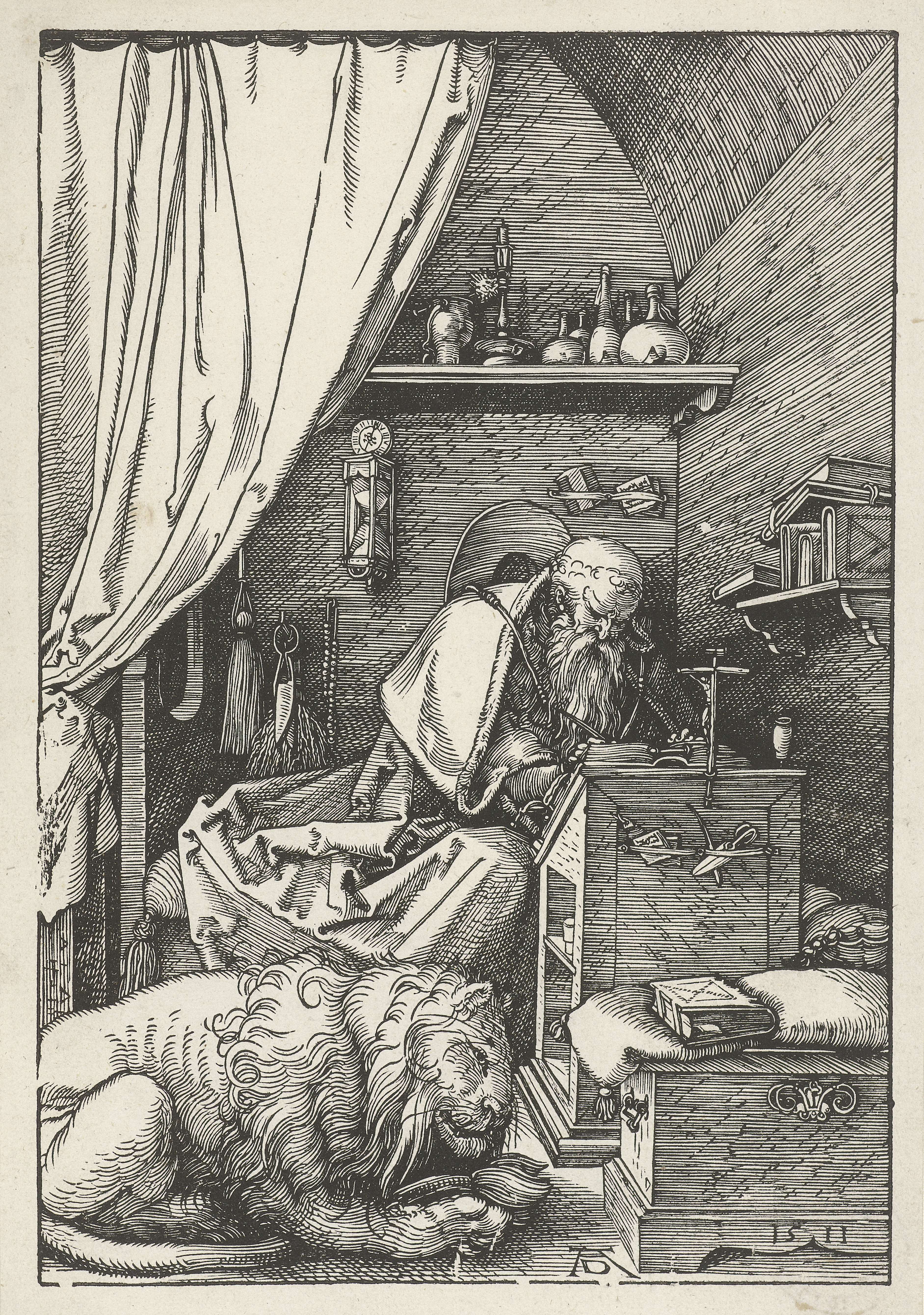
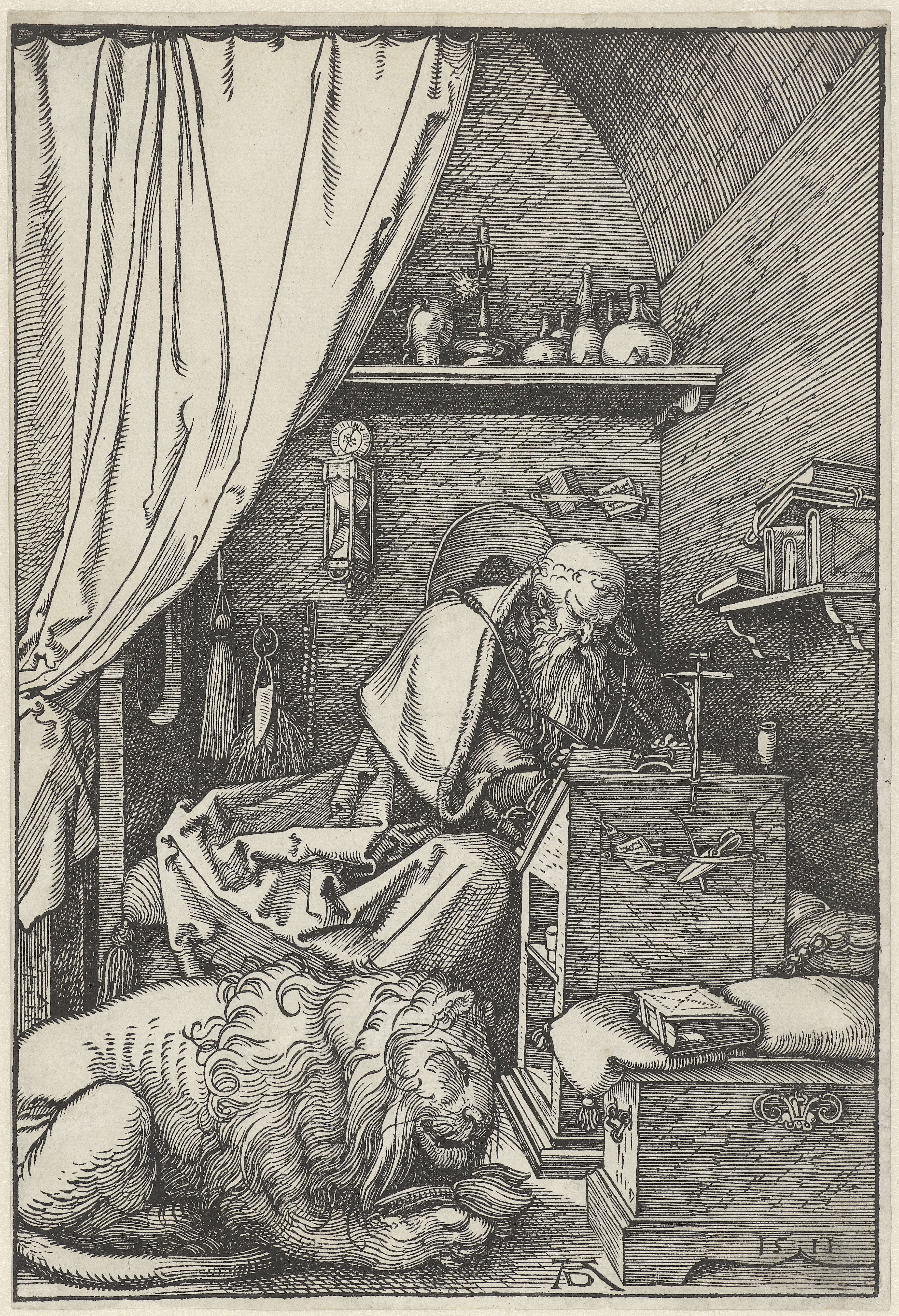
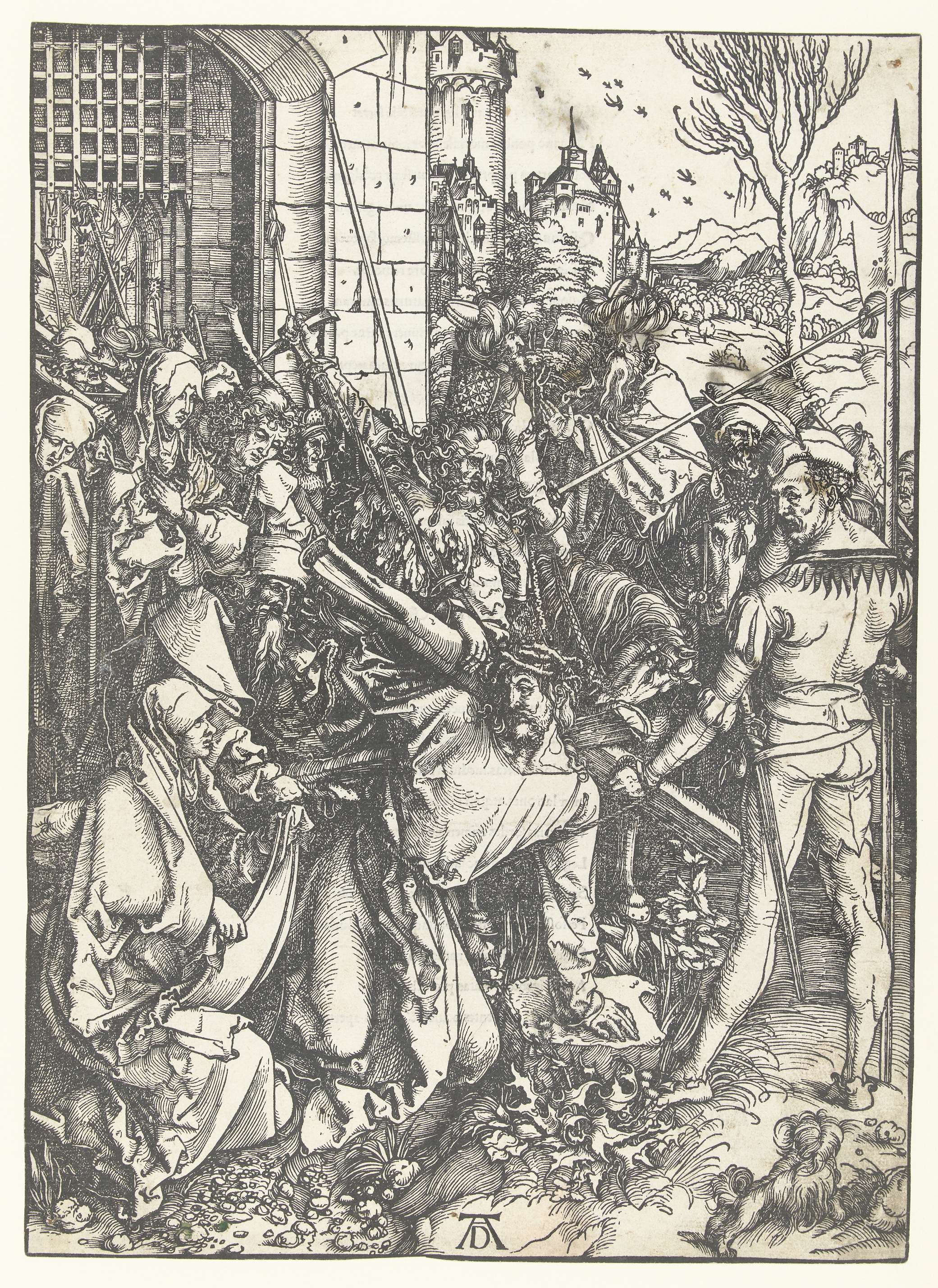
“Every silence here is a confession.” In the somber contemplations of Kruisdraging, the weight of nostalgia hangs heavy, encapsulating a moment that speaks to the soul’s yearning for redemption and understanding. Look to the center of the composition, where figures encircle the cross, their postures imbued with grief and reverence. The chiaroscuro technique creates an almost haunting glow around the central figure, illuminating the deep furrows of pain etched on the faces of the mourners. Notice how Dürer's meticulous attention to detail in the drapery of their garments emphasizes both the physical burden of the cross and the emotional toll it exacts on those present.
The muted palette of browns and grays amplifies the gravity of the moment, drawing the eye toward the purity of Christ's form amidst the surrounding darkness. Yet, within this sorrowful tableau lies a complex interplay of hope and despair. The juxtaposition of the serene expression on Christ’s face against the anguish of his followers highlights the stark contrast between suffering and acceptance. Each figure’s gaze tells a story of personal loss, and in their collective mourning, we find an exploration of human vulnerability.
The way their hands reach towards the cross reveals a longing for connection, as if they are not just witnesses, but participants in a profound act of surrender. In 1511, Albrecht Dürer was immersed in the evolving landscape of Northern Renaissance art, creating works that merged meticulous observation with deep emotional resonance. At this time, he was in Nuremberg, honing his skills in woodcut and engraving. The period was marked by significant shifts in religious thought, which influenced his exploration of themes like suffering and redemption — ideas that resonate powerfully in Kruisdraging.