Kruisiging — History & Analysis
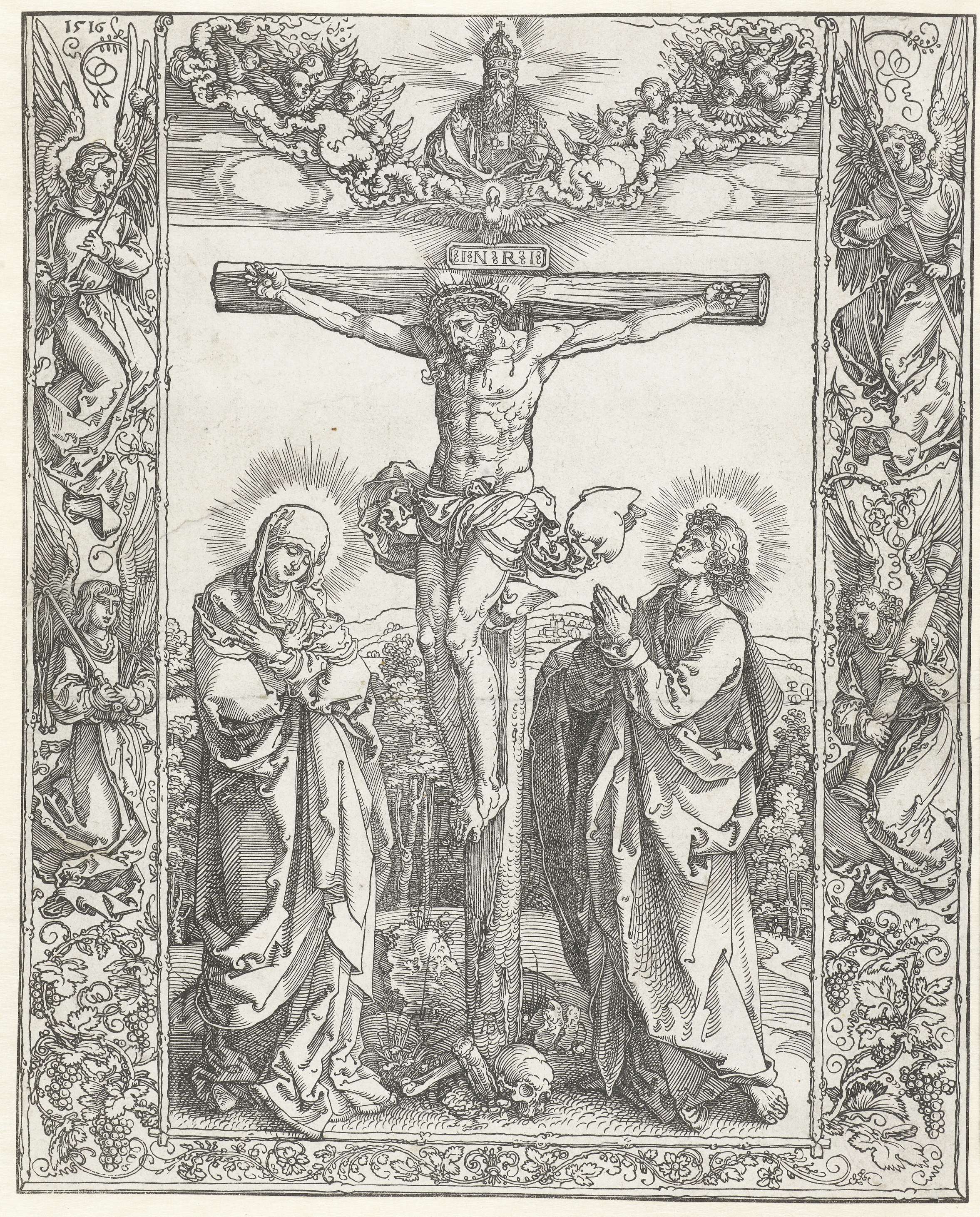
“The canvas doesn’t lie — it simply waits.” In the stillness of Kruisiging, the inevitability of mortality hangs palpably in the air, inviting a confrontation with our own fleeting existence. Look to the center of the composition, where the figure on the cross dominates the scene. The stark contrasts of light and shadow emphasize the anguish etched into every sinew of the body, while the muted earth tones around it evoke a somber mood. Dürer’s meticulous lines and textures create a visceral depth, urging the viewer to feel the weight of despair and sacrifice present in the moment.
The subtle play of chiaroscuro not only enhances the physicality of the crucified figure but also serves as a poignant reminder of the transitory nature of life. Beyond the surface, small details pulse with significance. Notice the anguished faces in the crowd, painted with a haunting realism that speaks to their despair and helplessness. Each expression carries its own story, a profound commentary on the collective grief that accompanies loss.
Additionally, the starkness of the cross in contrast with the rich, dark background serves as a meditation on suffering, suggesting that amidst darkness, there lies a painful yet inevitable truth: we are all bound to face mortality. Created in 1516, this work emerged during a transformative period for Dürer, who was navigating the complexities of humanity and spirituality in a rapidly evolving Renaissance. As an artist in Nuremberg, he was deeply influenced by the humanist movement, which emphasized individual experience and emotion, propelling him to explore themes of death and redemption in his art. This piece reflects not just a personal exploration but also the broader cultural shifts of his time, encapsulating the tension between sacred and profane in the context of a world awakening to new ideas.