La Rivière morte à Deauville — History & Analysis
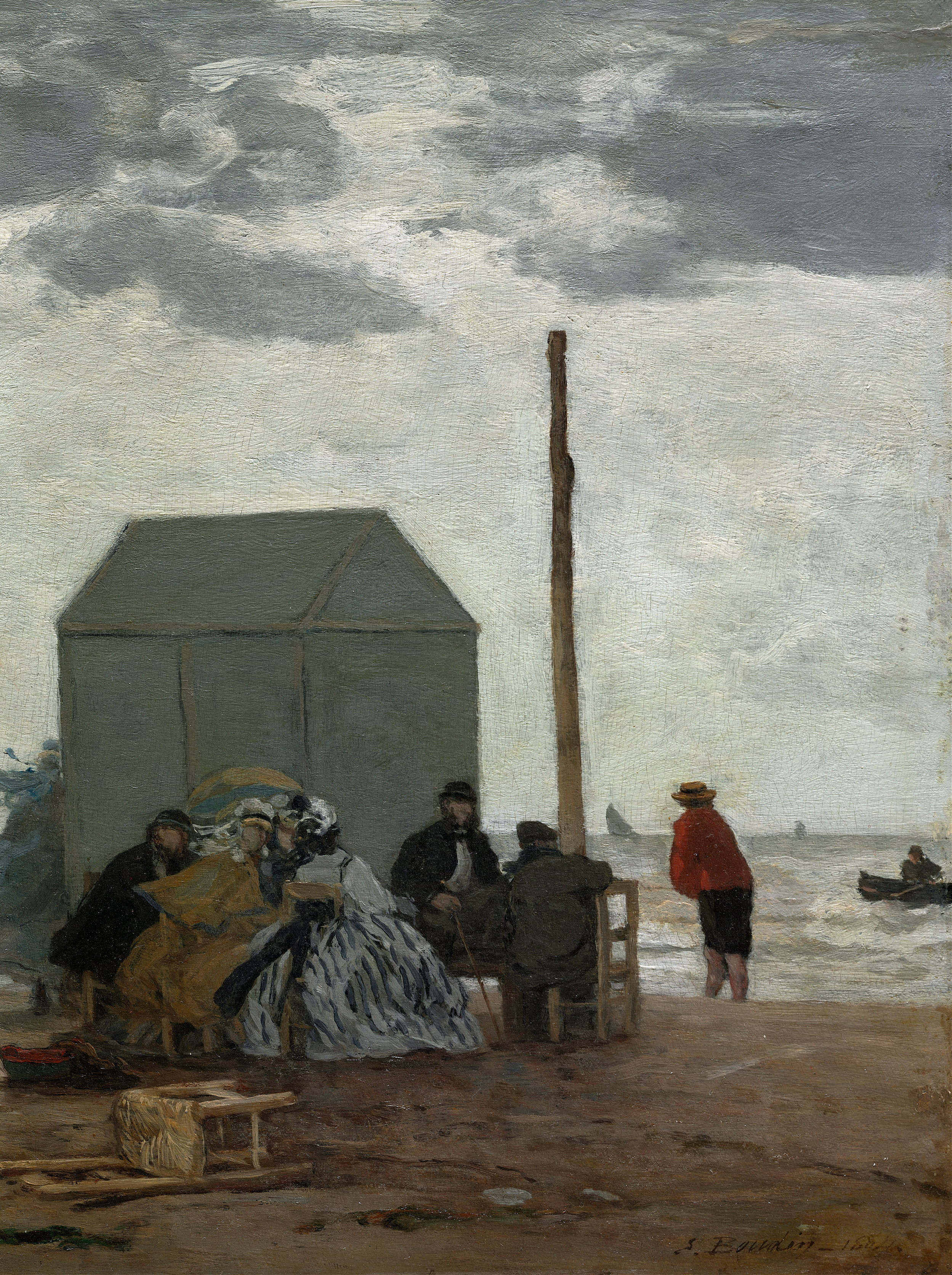
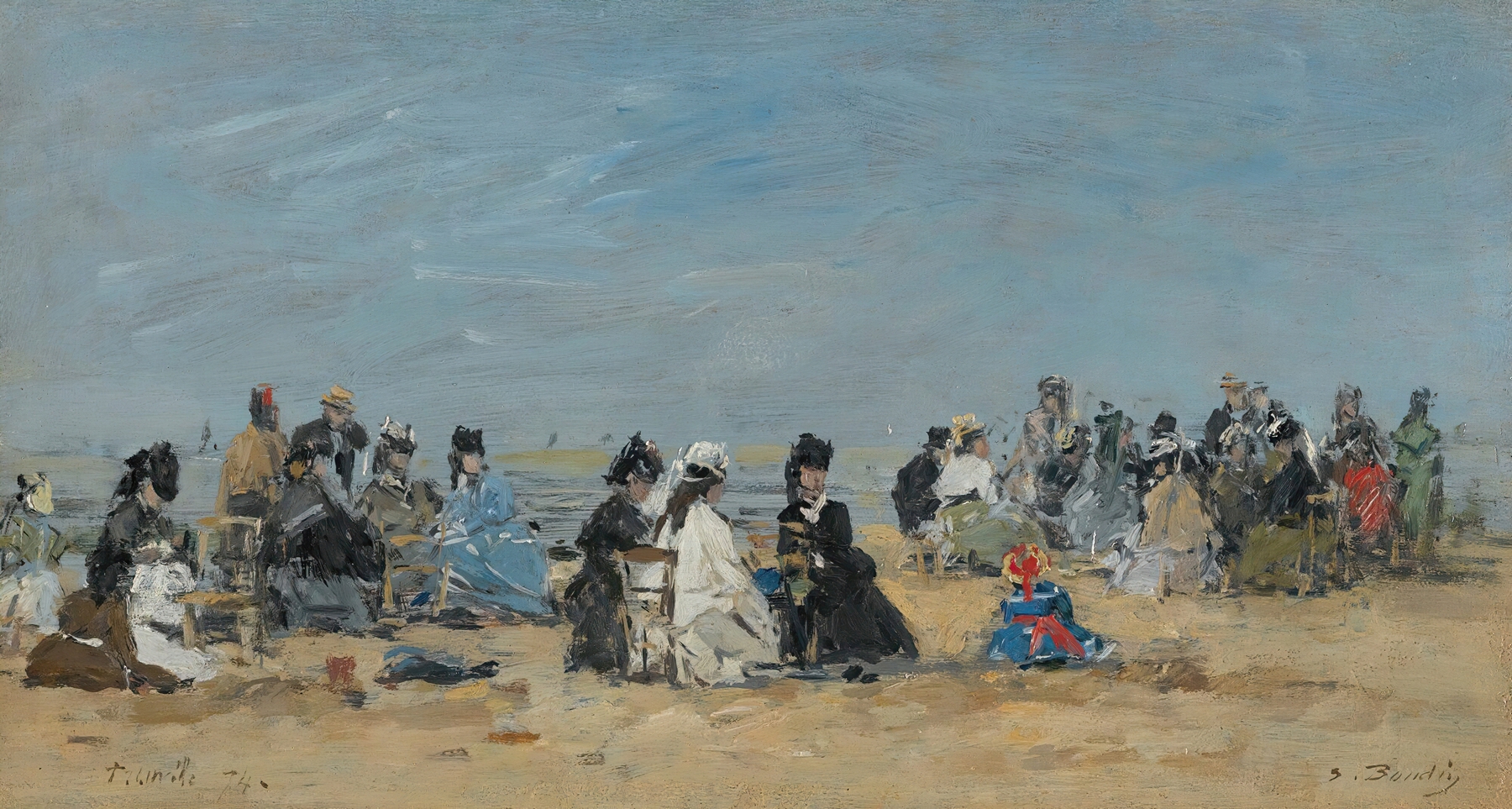
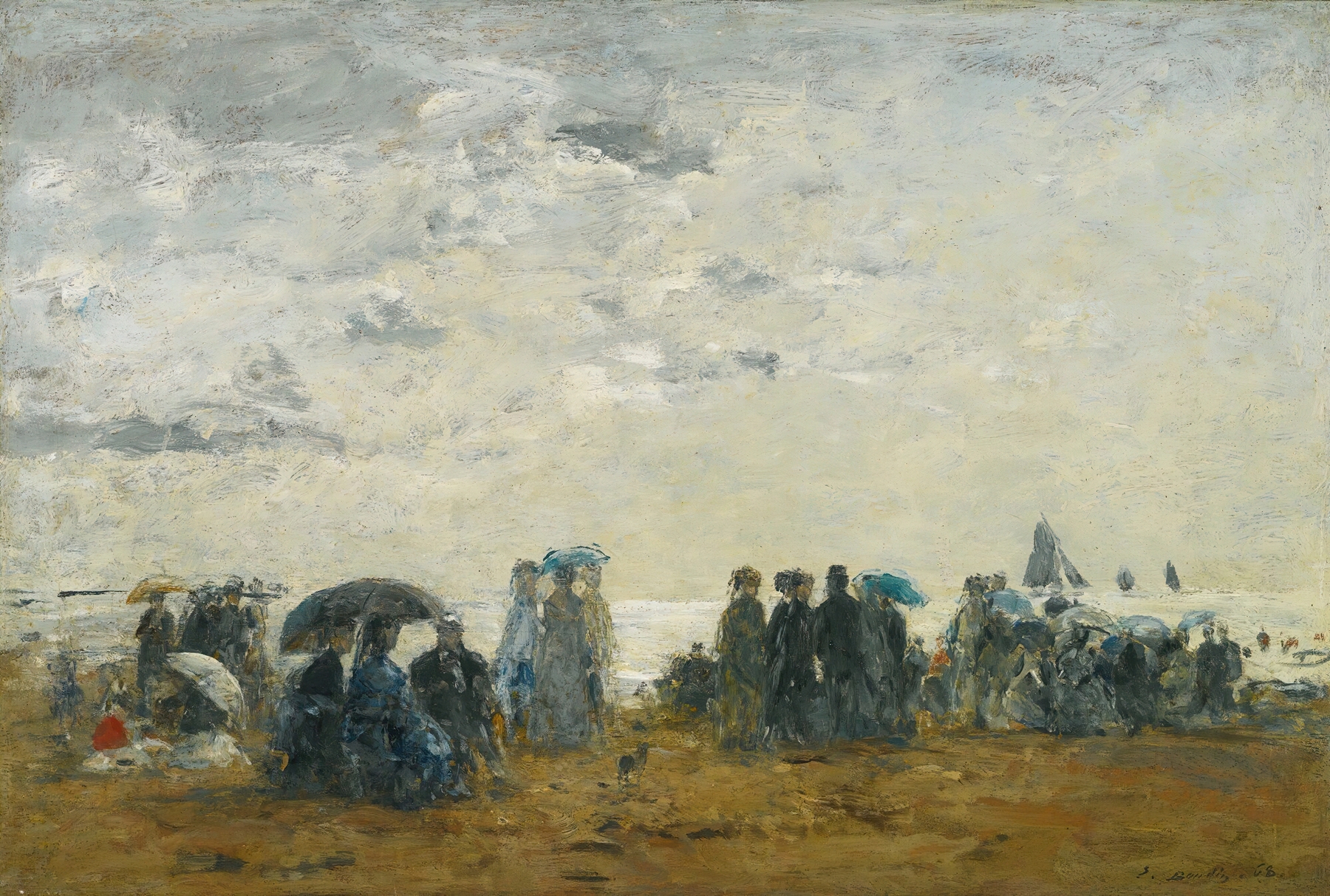
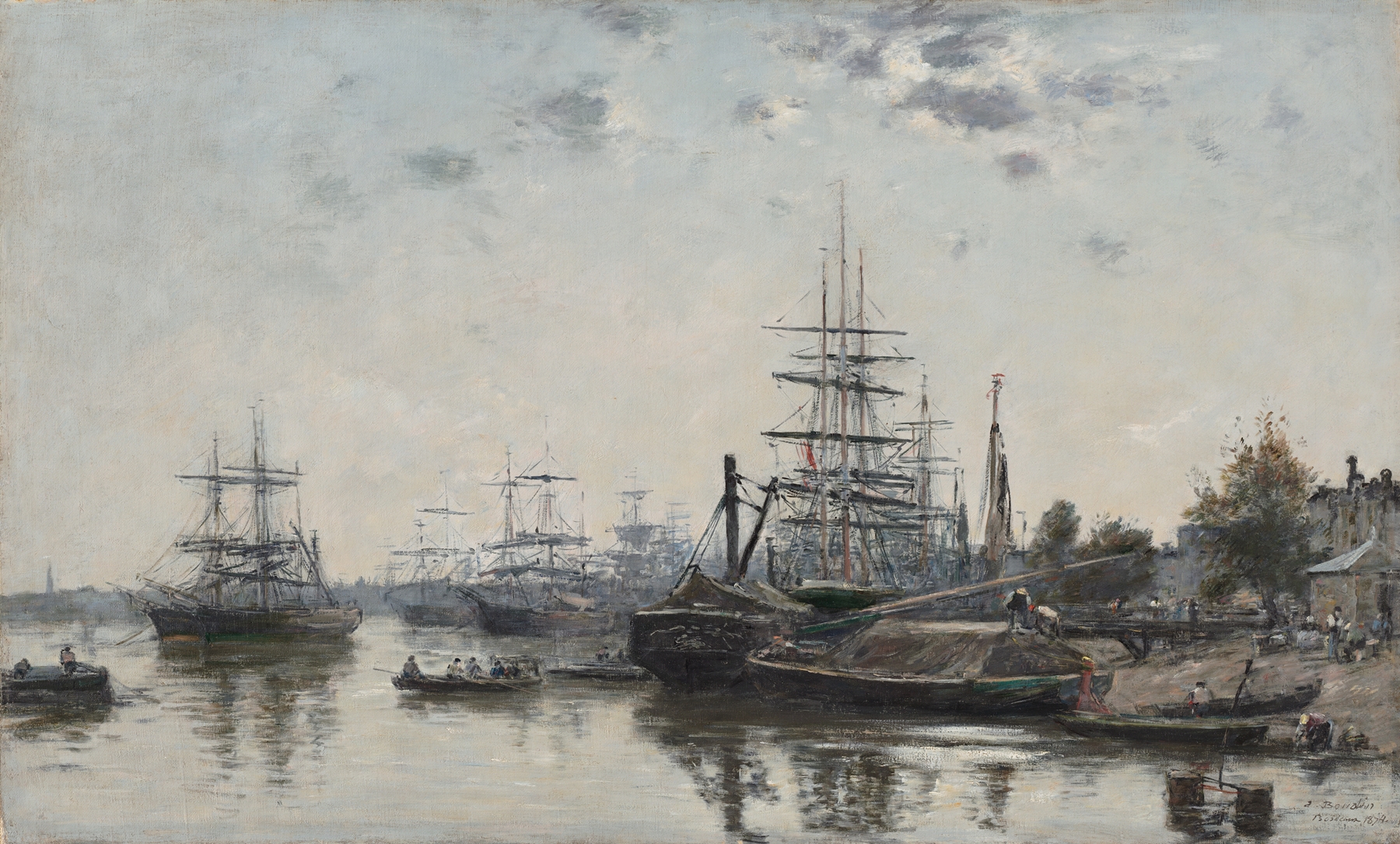
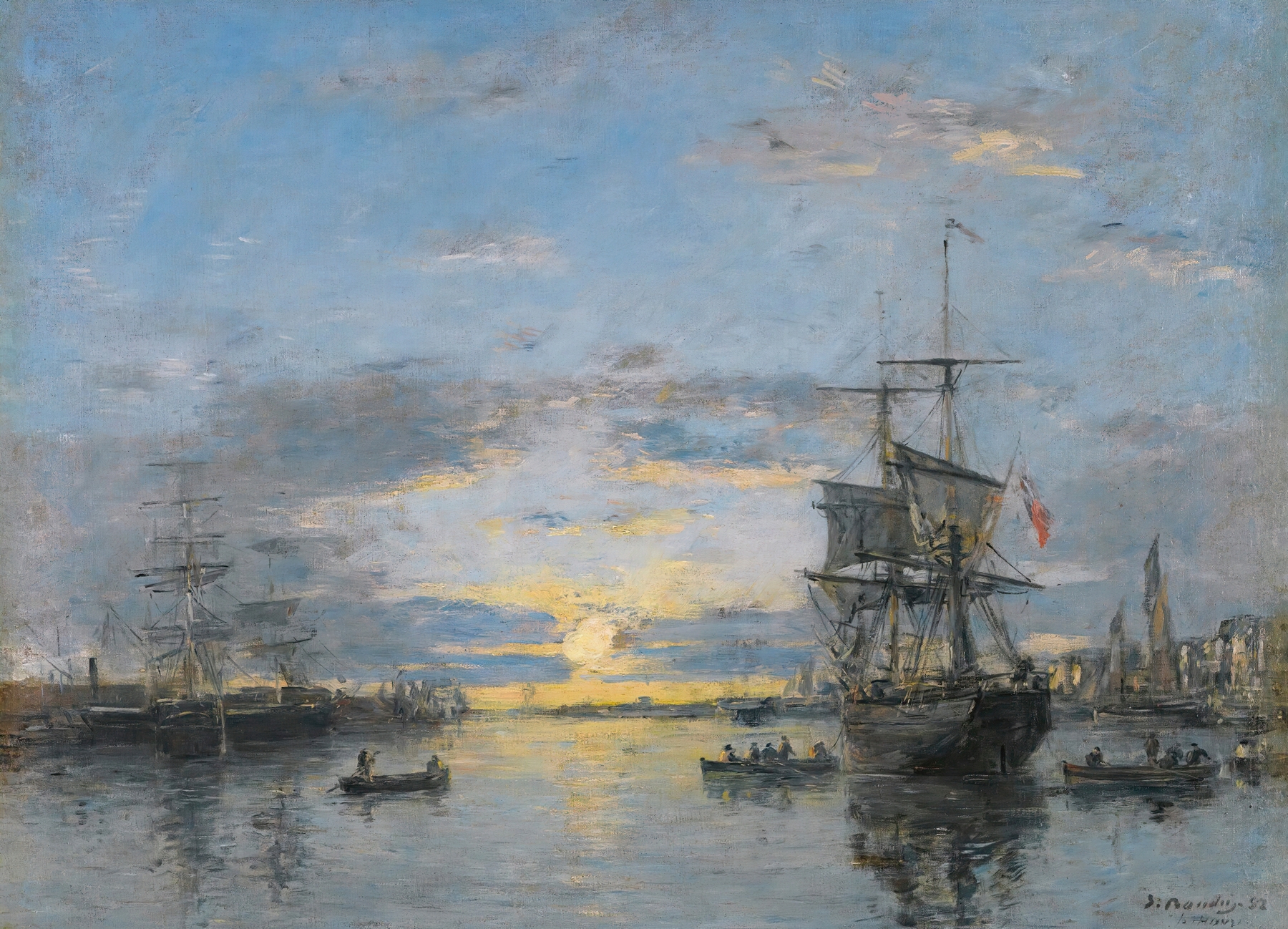
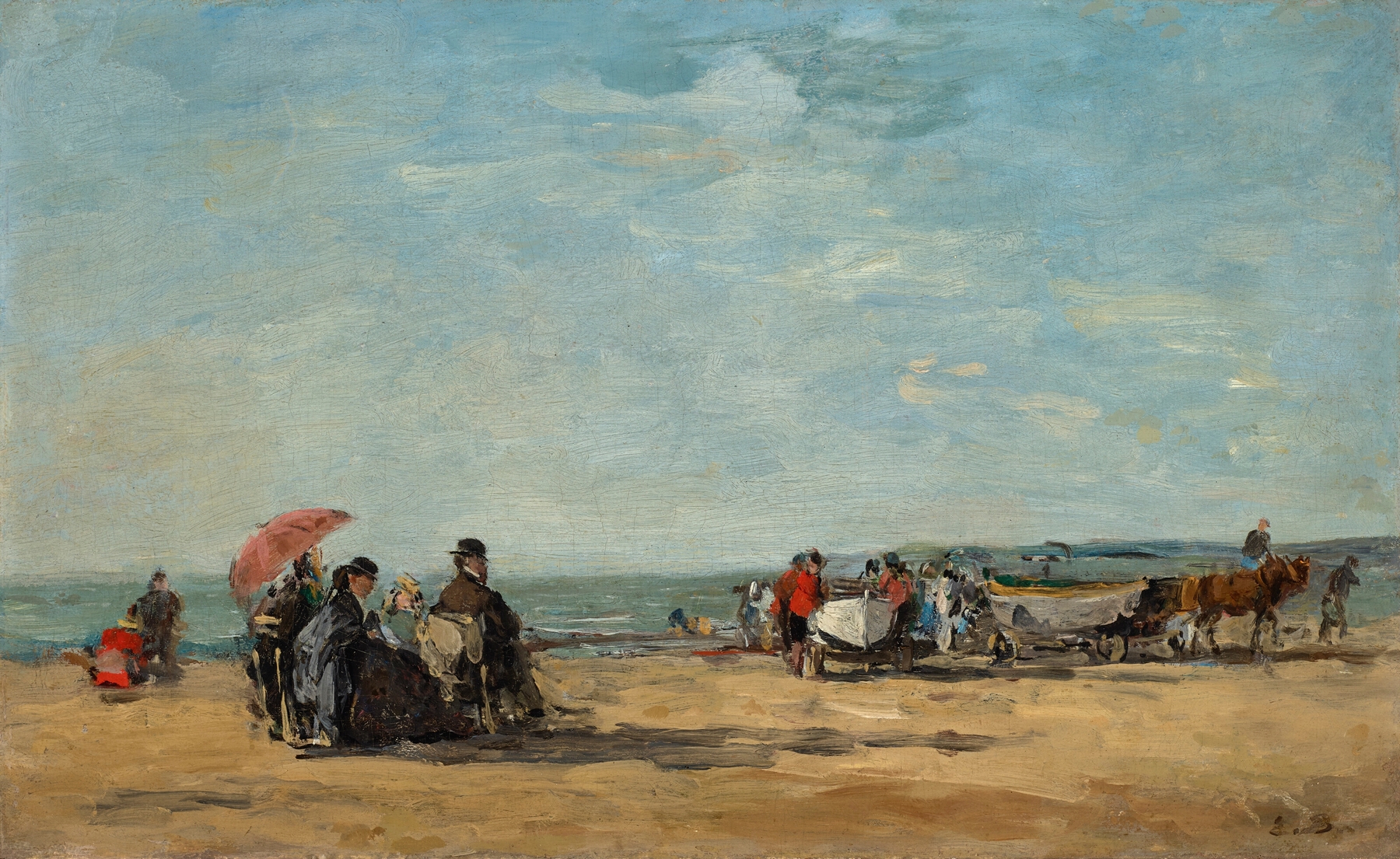
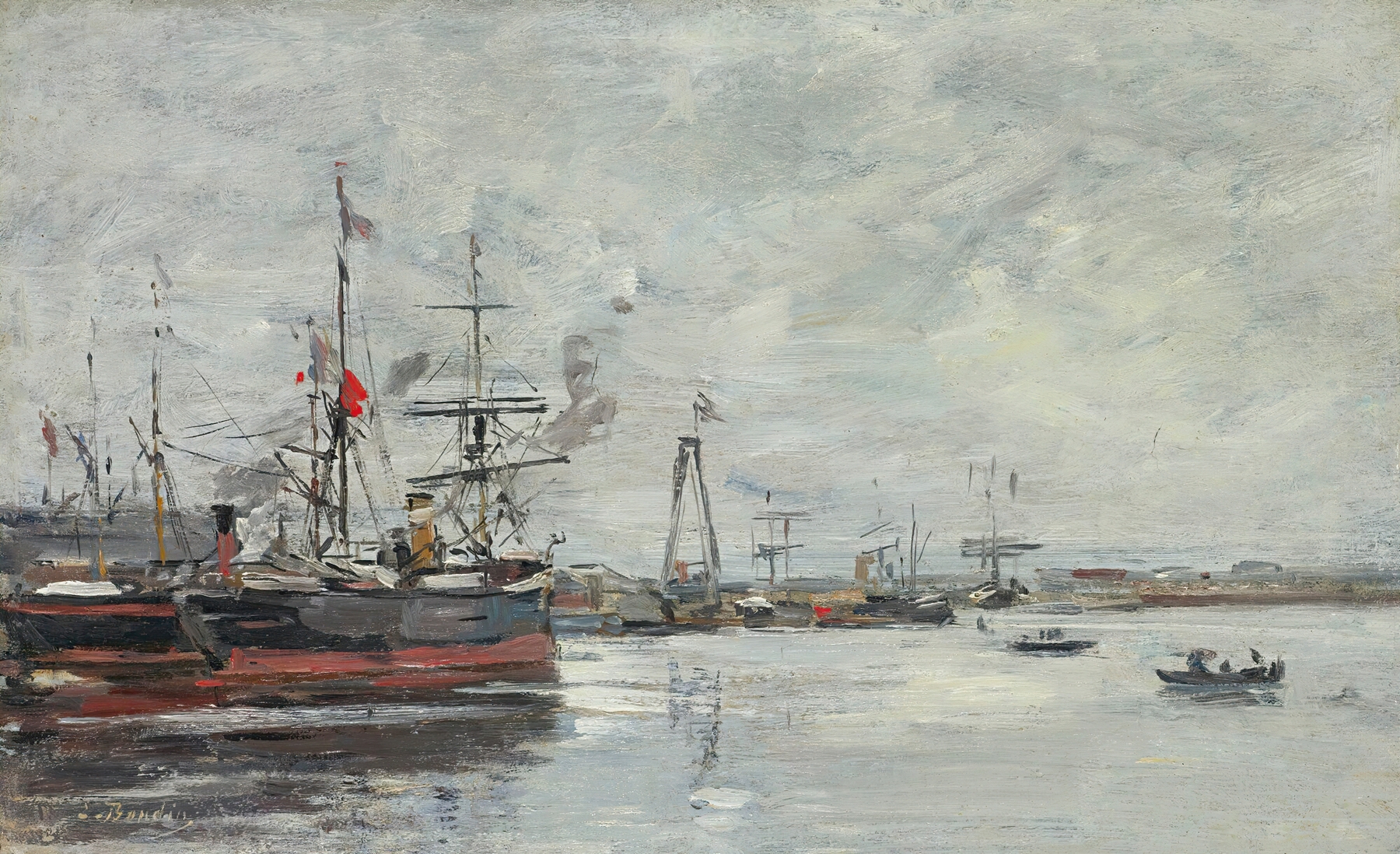
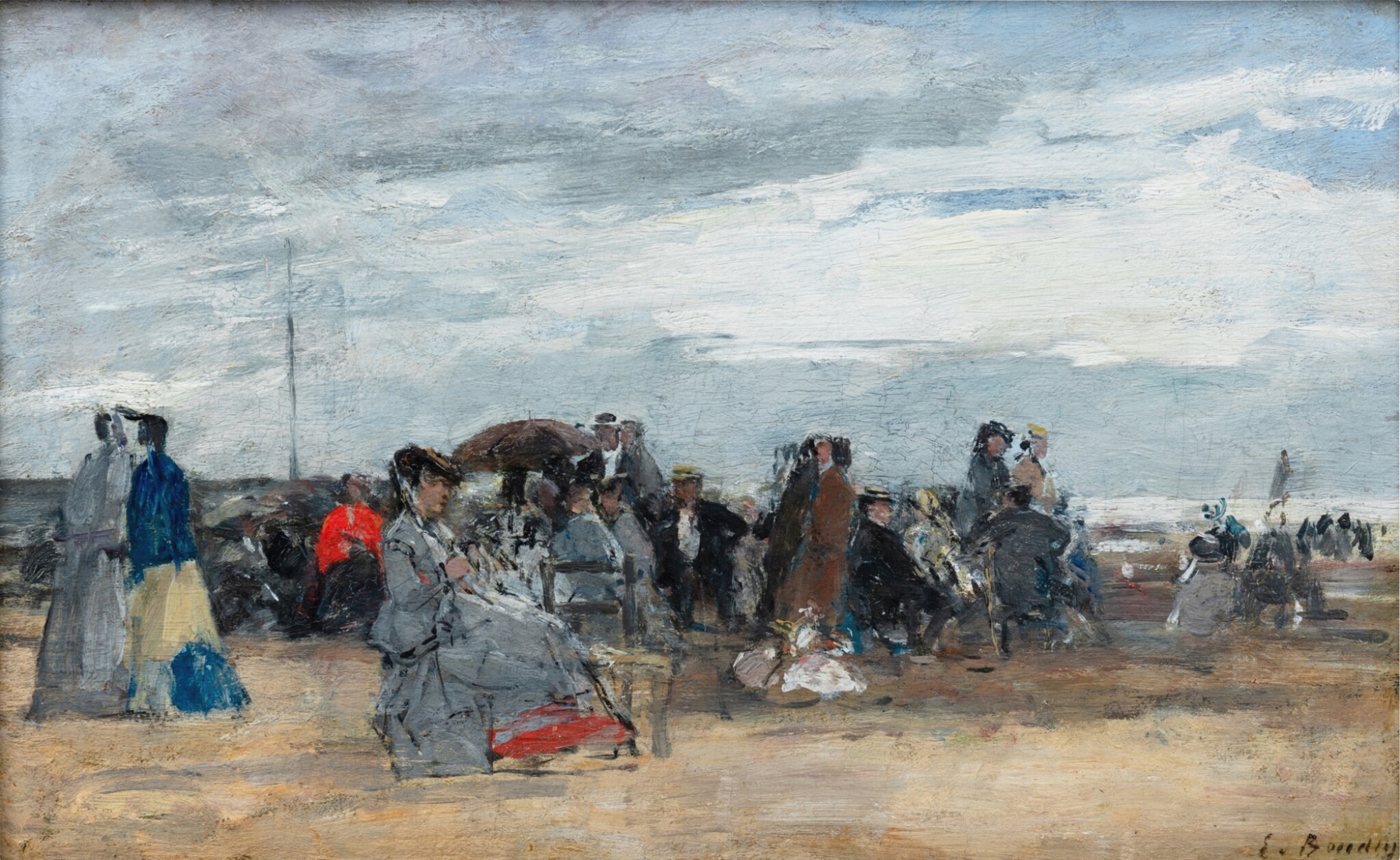
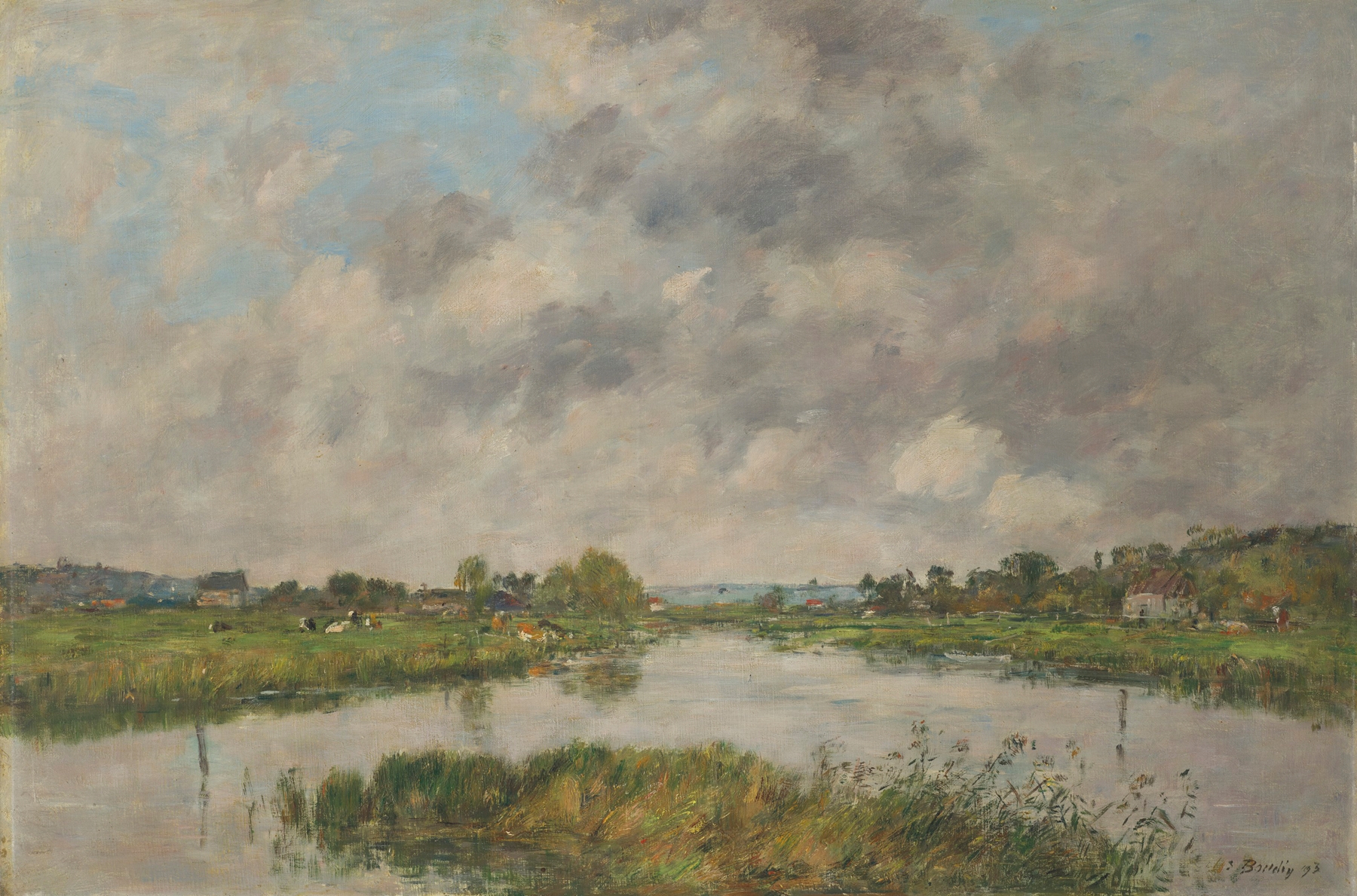
Could beauty survive in a century of chaos? This poignant question lingers as one gazes upon the serene yet somber imagery of a winding river, reflecting the delicate balance between life and death. Look to the left, where the cool blues and grays of the water seamlessly merge with the muted hues of the sky. The composition draws your eye along the river's gentle curves, inviting you to trace the soft ripples that hint at the quiet whispers of the past.
Notice how the artist’s deft brushwork captures the interplay of light and shadow, creating depth and texture that evoke a sense of stillness, yet pulse with an underlying tension. The contrasting elements of vitality and stillness in the scene speak to an existential contemplation. The lush greenery bordering the river contrasts sharply with the stillness of the water, suggesting life’s fragile beauty nestled within the inevitable decay. Each brushstroke seems to echo the passage of time, while the subtle reflections hint at an unspoken narrative—a poignant reminder of mortality and the ephemeral nature of existence.
In 1893, Boudin painted La Rivière morte à Deauville amidst a shifting artistic landscape, as Impressionism was gaining prominence. The artist was known for his explorations of light and atmosphere, often inspired by the coastal scenery of Normandy. During this period, he faced personal challenges, including a decline in health, yet remained committed to capturing the transient beauty of the natural world, embodying a sense of deep reflection that permeates his work.