La trappe aux oiseaux — History & Analysis
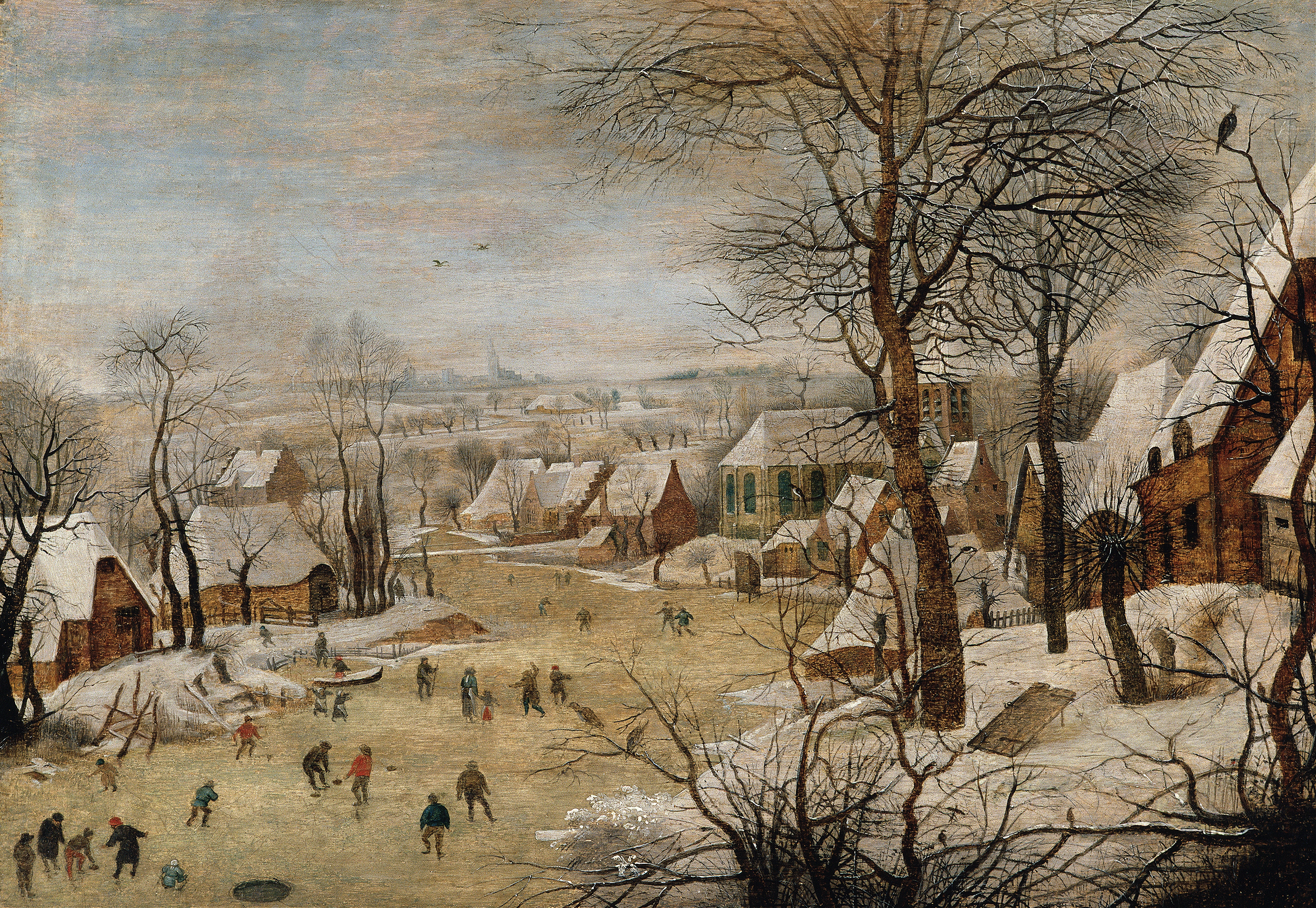
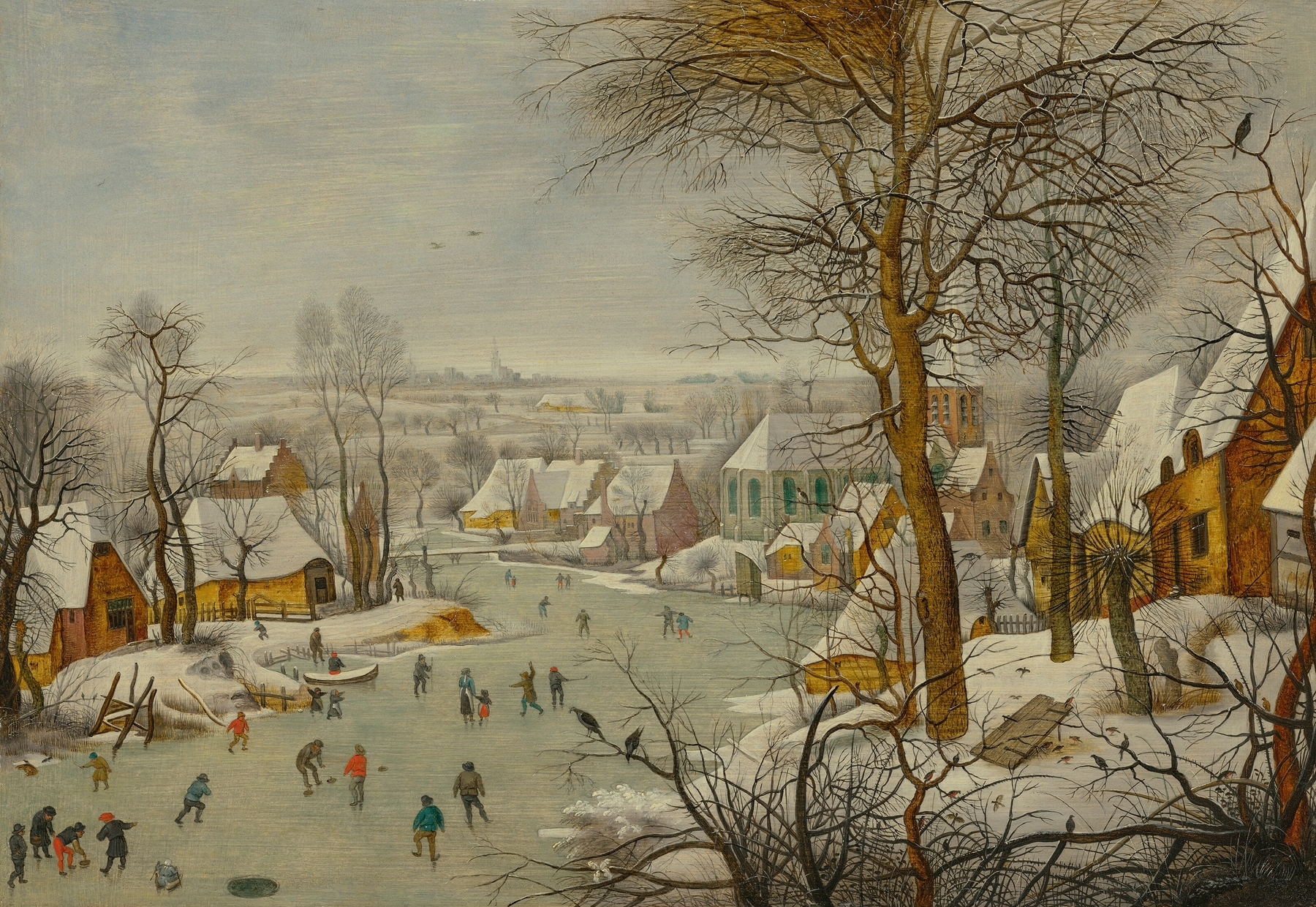
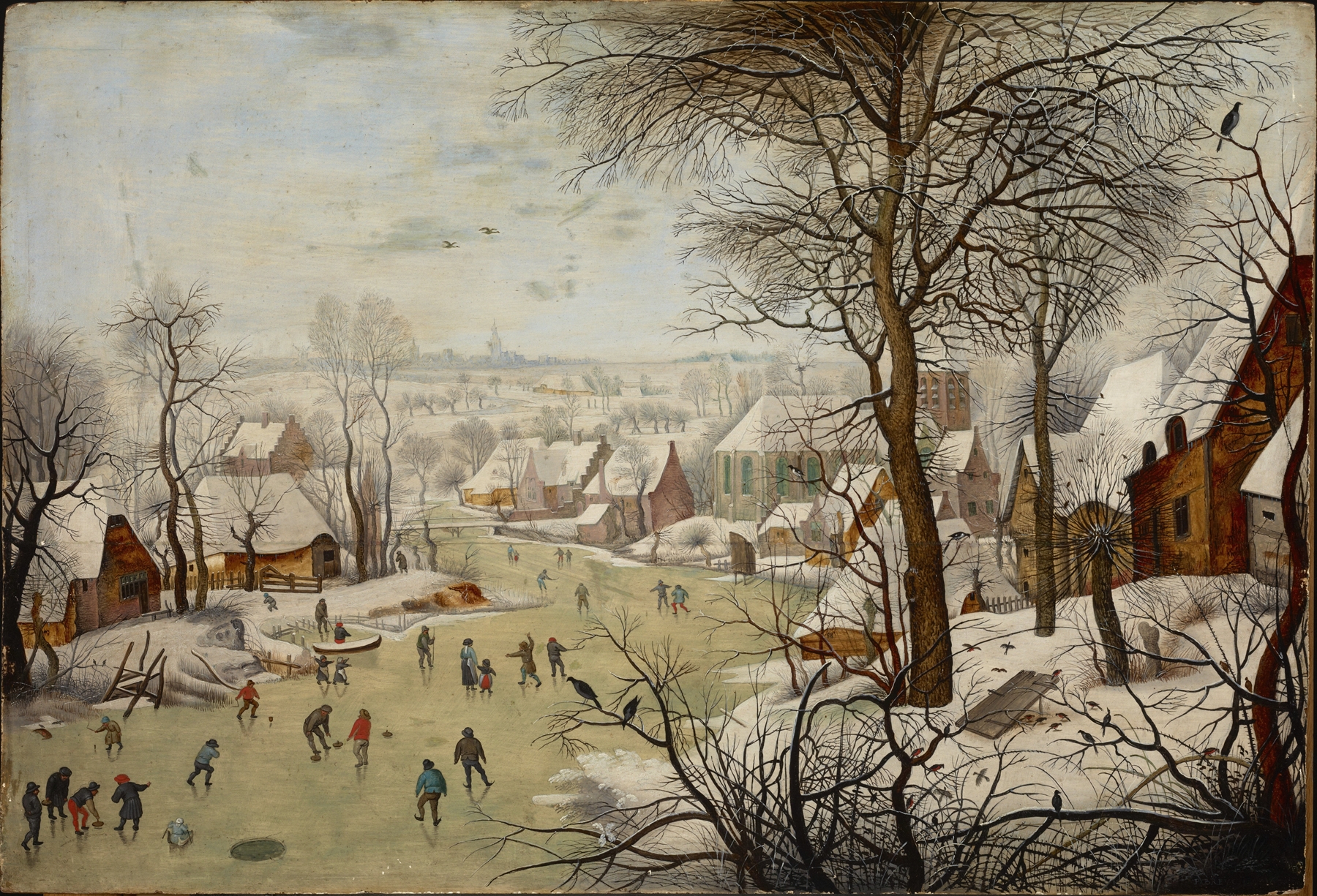
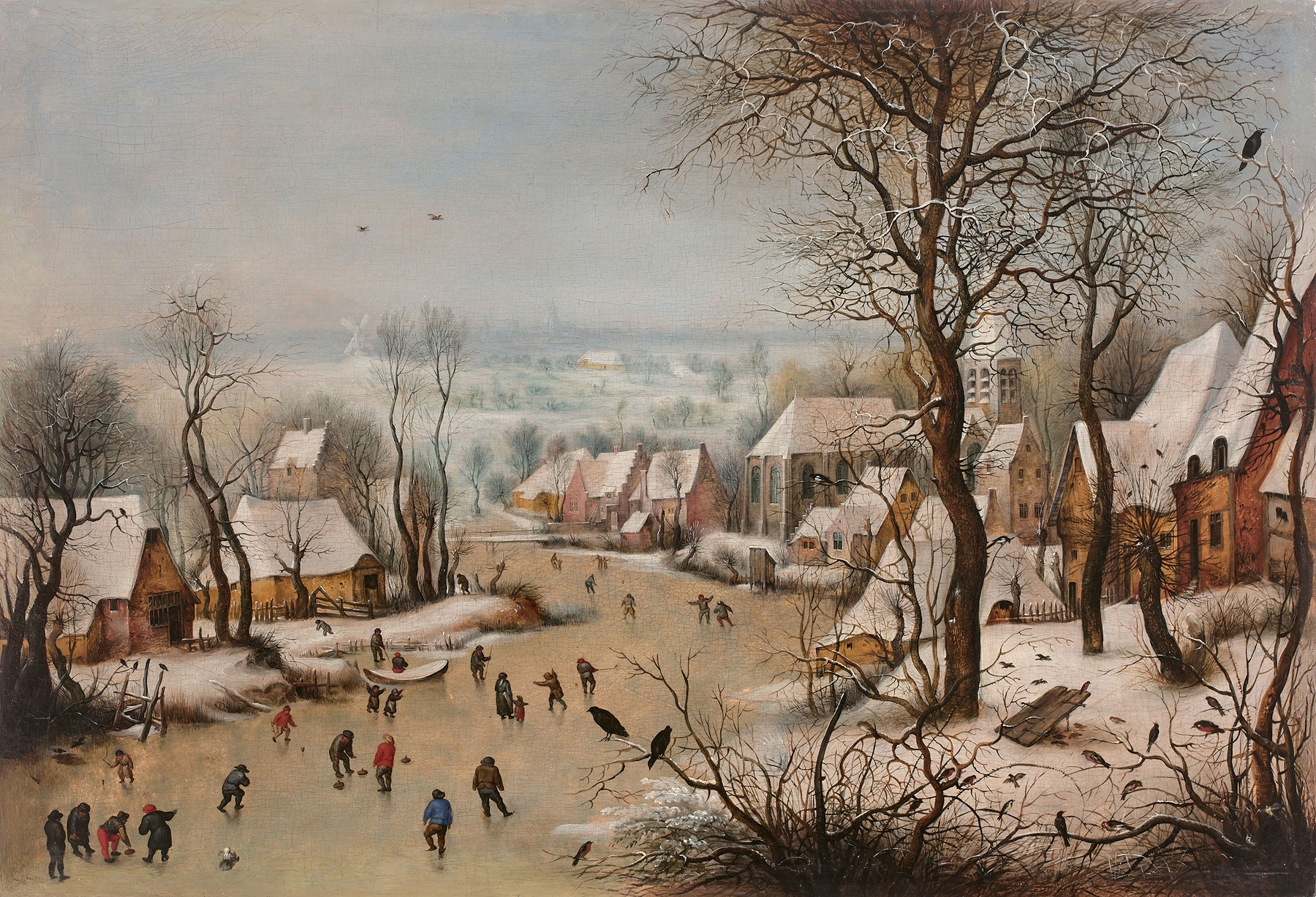
Where does light end, and longing begin? In the delicate interplay of shadow and illumination, dreams take flight, suspended in the air like the birds trapped within their own yearning. Focus on the intricate details of the composition. Look closely at the trap in the center, where the birds flutter hesitantly; their bright plumage contrasts sharply against the muted earth tones surrounding them. Notice how the light, filtering through the trees, casts a soft glow upon the scene, enveloping it in a gentle warmth that speaks of both hope and entrapment.
The meticulous brushwork reveals each feather, transforming the ordinary into a poignant symbol of desire and the fragility of freedom. Beneath the surface of this idyllic moment lies a tension between aspiration and reality. The birds, though vibrant, are ensnared, symbolizing the conflict between the desire to escape and the harshness of existence. The quiet figures in the background—watchful and patient—echo this duality, inviting contemplation on the human condition.
Each element of the scene, from the verdant foliage to the distant horizon, contributes to a narrative of longing, encapsulating the complexity of dreams that remain just out of reach. Brueghel the Younger painted this work during a time when the exploration of nature and human experience resonated deeply in art. While specific dating is uncertain, his works often reflected the themes and styles of his father’s influence and the burgeoning interest in landscape and genre scenes. This painting captures a moment of stillness and reflection, emblematic of a period rich in artistic endeavor and exploration of the human psyche.