Winter Landscape with Skaters and a Bird Trap — History & Analysis
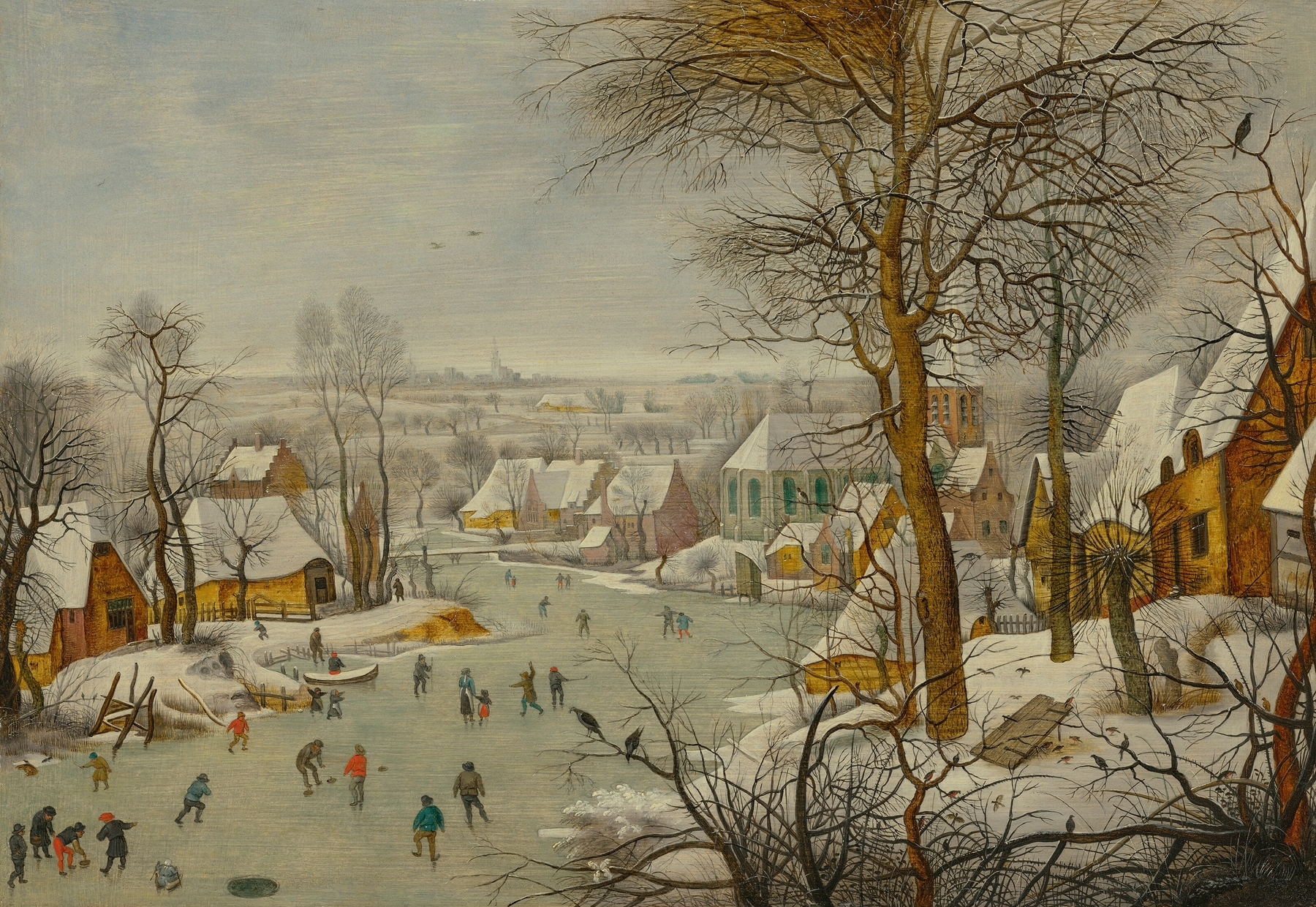
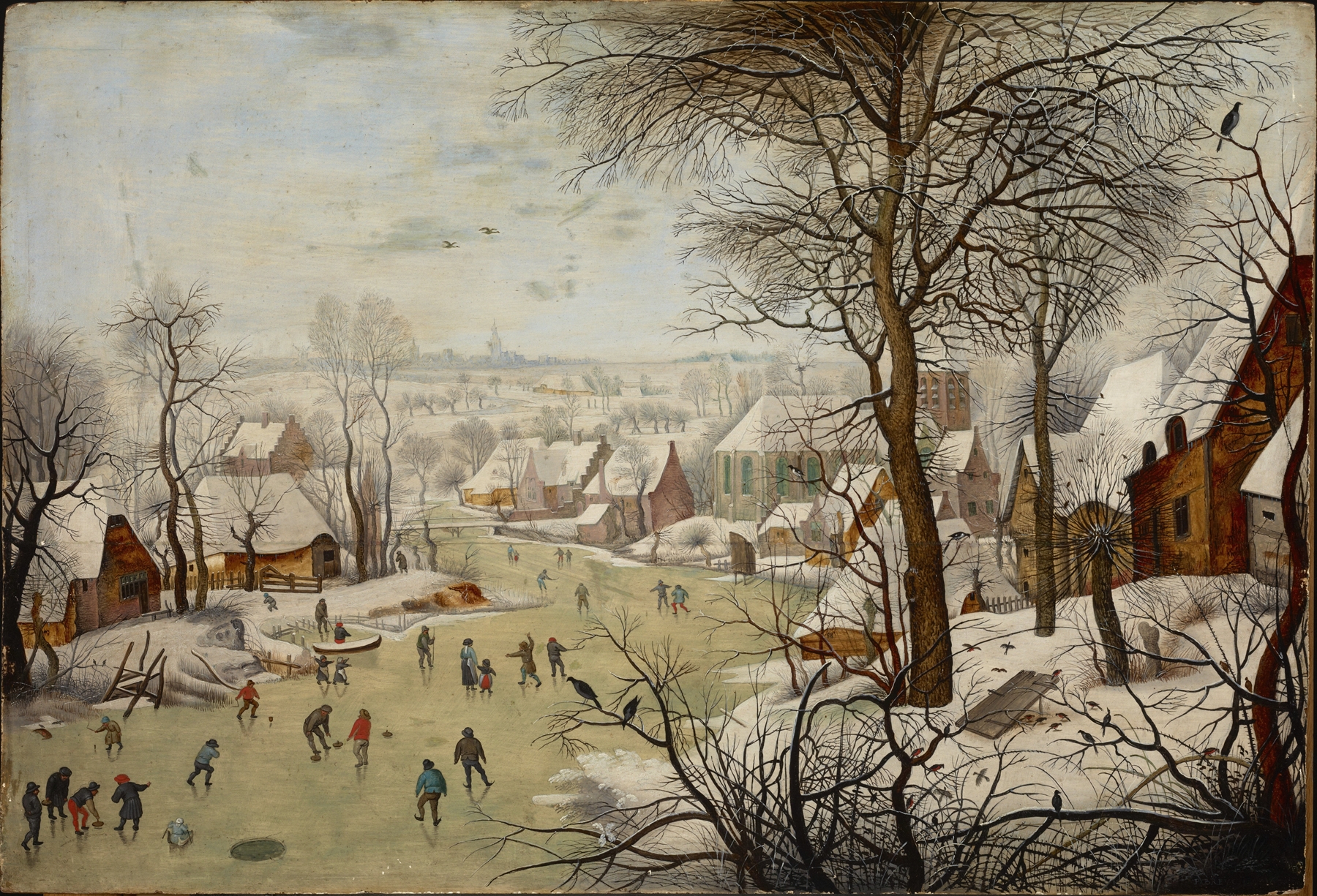
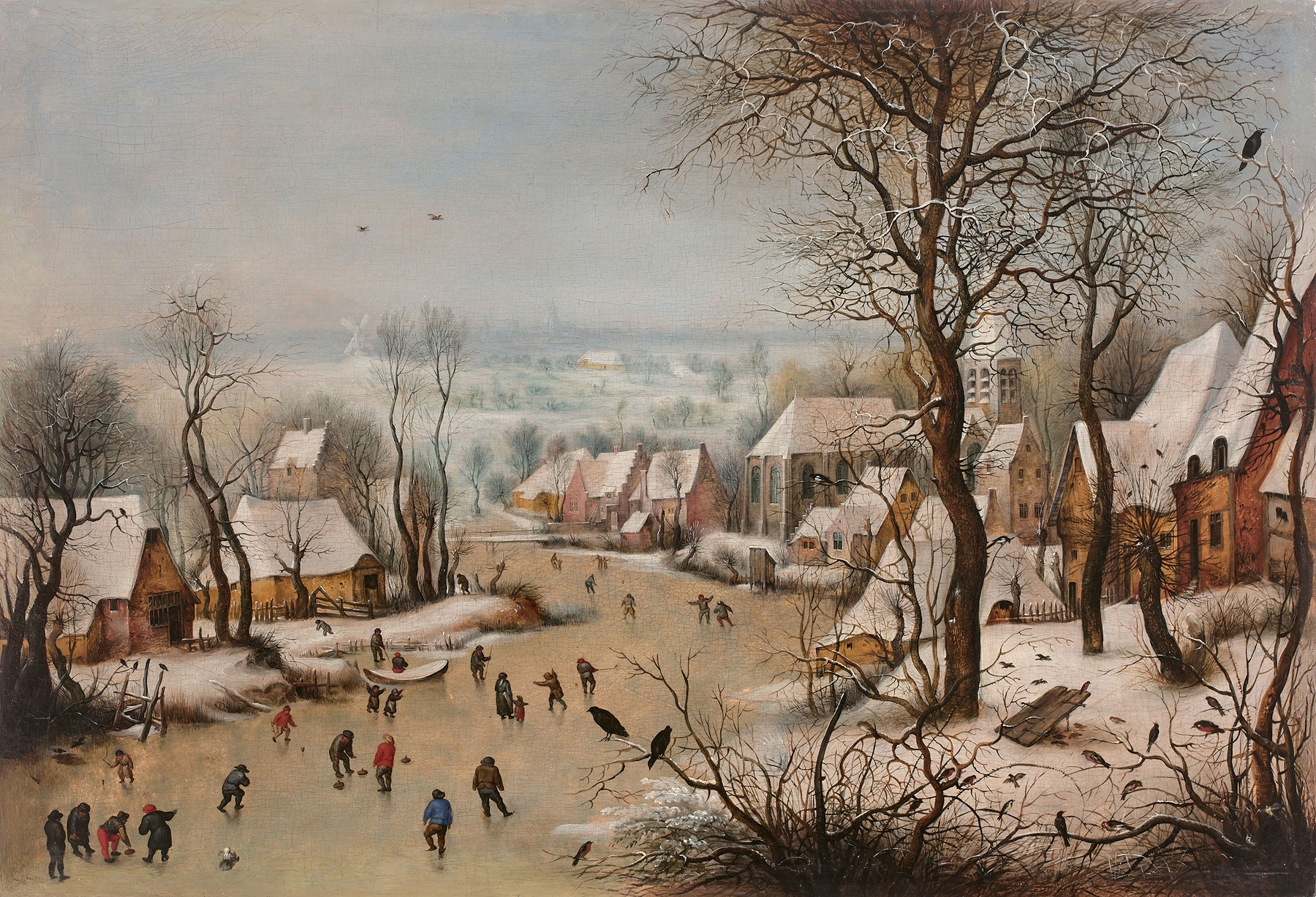
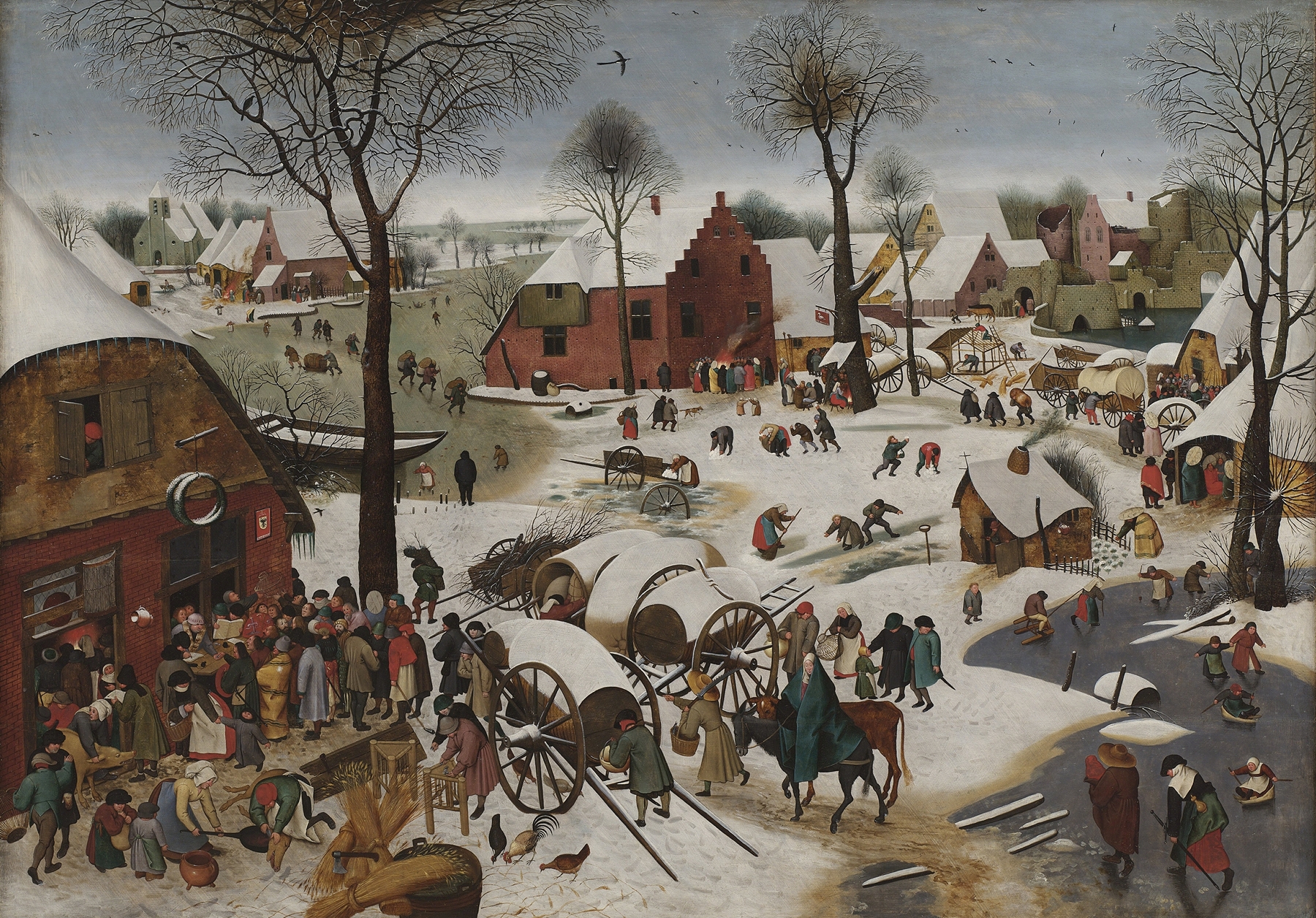
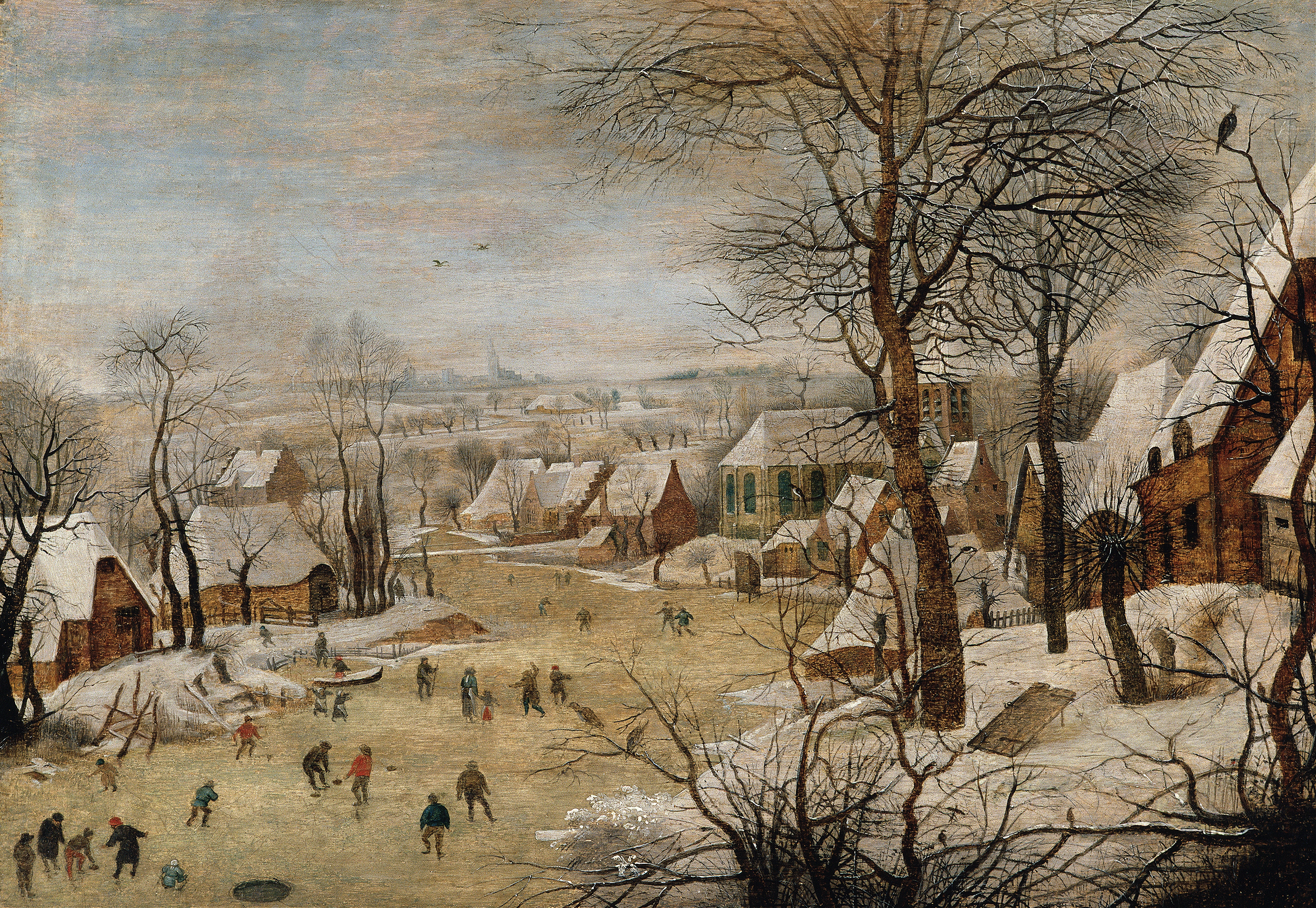
What if silence could speak through light? In the stillness of a winter landscape, shadows whisper tales of longing and loss, encapsulating the essence of grief beneath a serene veneer. Look to the foreground, where clusters of figures glide across the frozen lake, their laughter muted by the cold air. The icy surface, painted with delicate strokes, catches the pale light filtering through a heavy sky.
Notice how the soft whites and muted blues create a tranquil harmony, yet the subtle tension lies in the solitary bird trap resting inconspicuously off to the side, inviting contemplation amidst the bustling activity. Beneath the lively scene, the juxtaposition of joy and the underlying sorrow of nature’s harshness unfolds. The skaters, though vibrant, seem momentarily detached, as if they skate over layers of unspoken grief buried beneath the ice. The bird trap symbolizes a quiet waiting, a reminder of fragility in the midst of life’s distractions.
Each figure, while engaged in merriment, carries a thread of melancholy that connects us to the broader human experience of loss. The artwork emerged during a time of unrest in the early 17th century, reflecting the challenges of post-Reformation Europe. Brueghel the Younger, operating in Antwerp, aimed to preserve and replicate the spirit of his father’s work, which often highlighted the interplay of human emotion and nature. This piece captures a moment in time when artistic explorations of everyday scenes were layered with deeper meanings, inviting viewers to reflect on the delicate balance between joy and sorrow.