The Birdtrap — History & Analysis
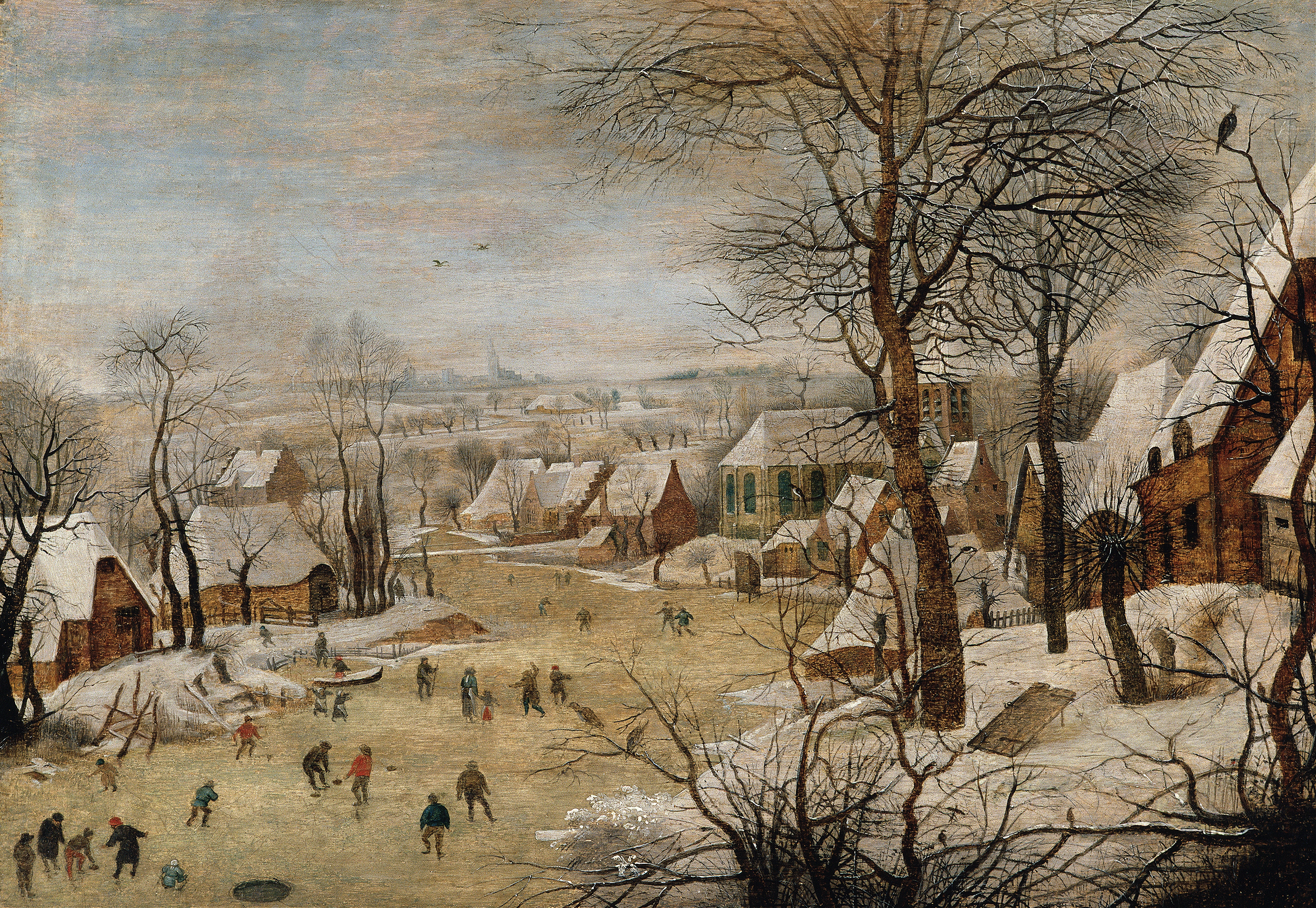
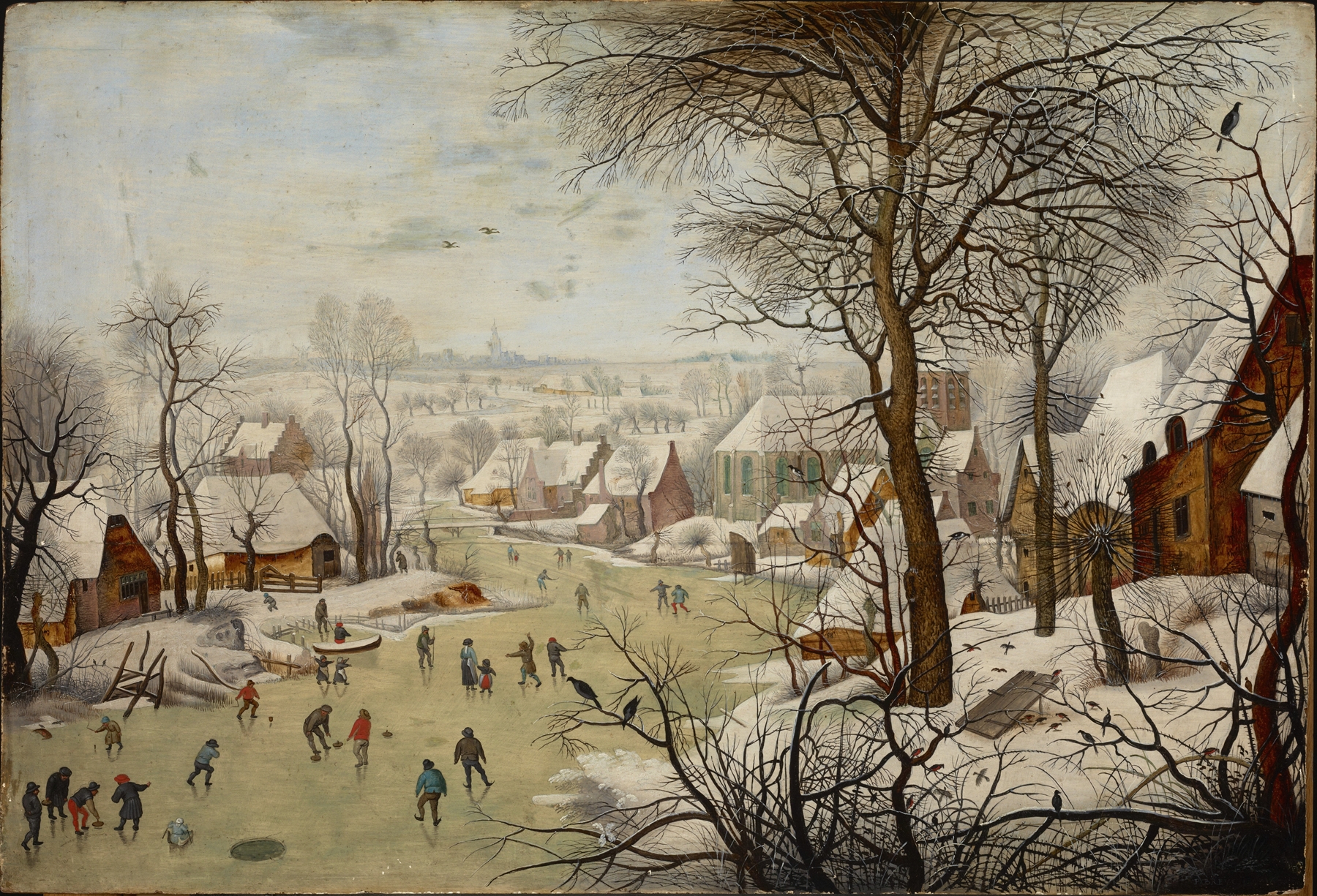
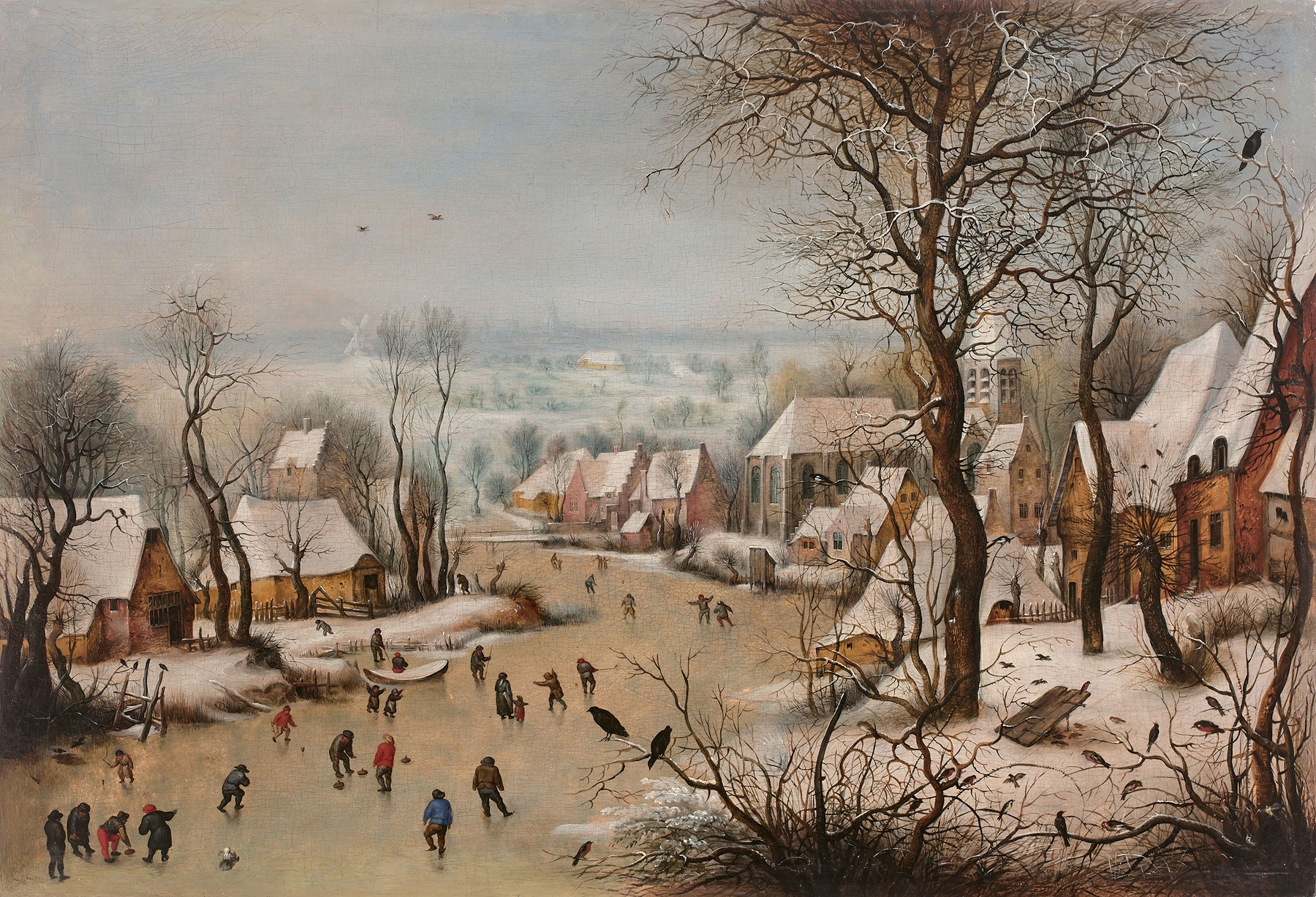
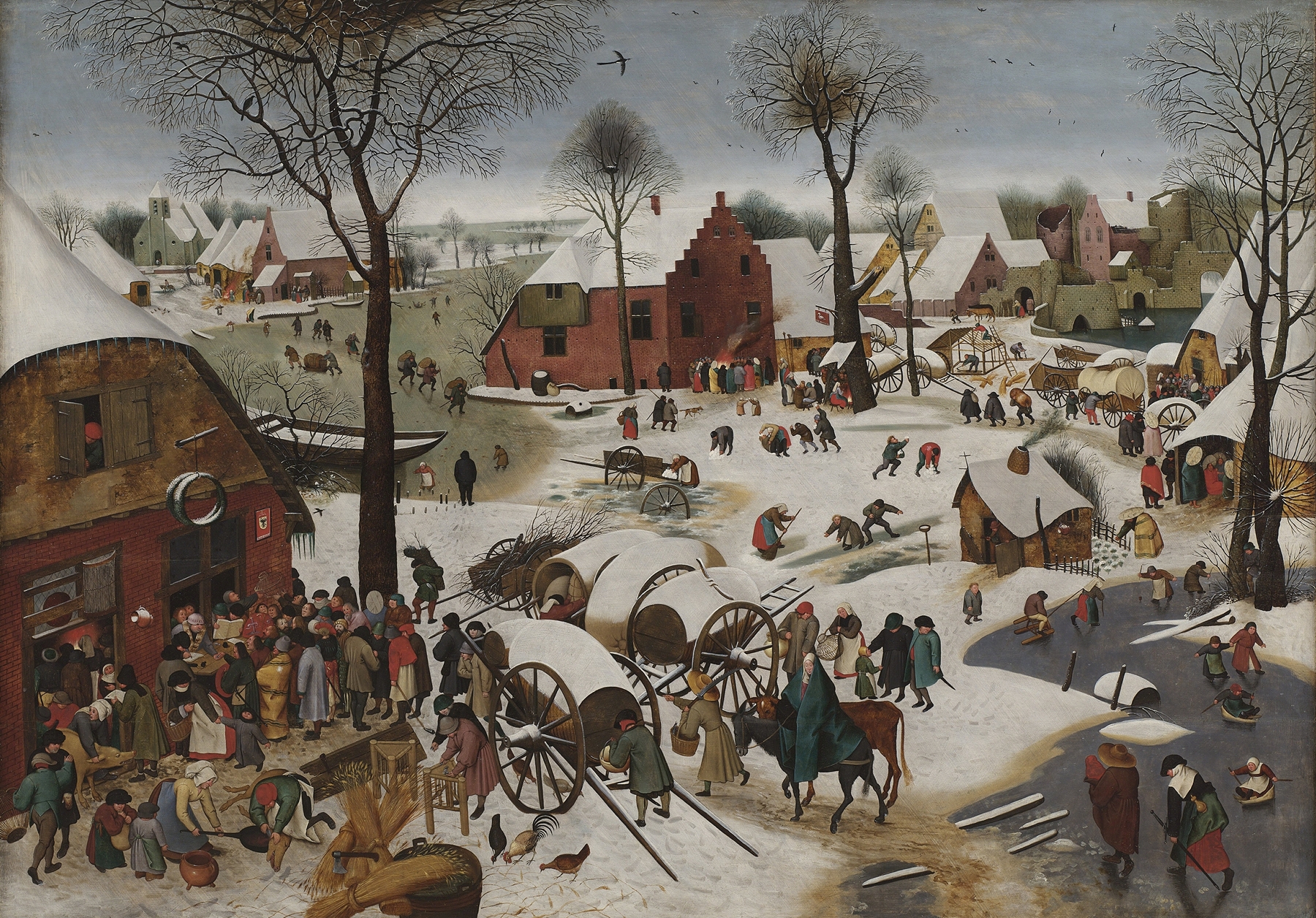
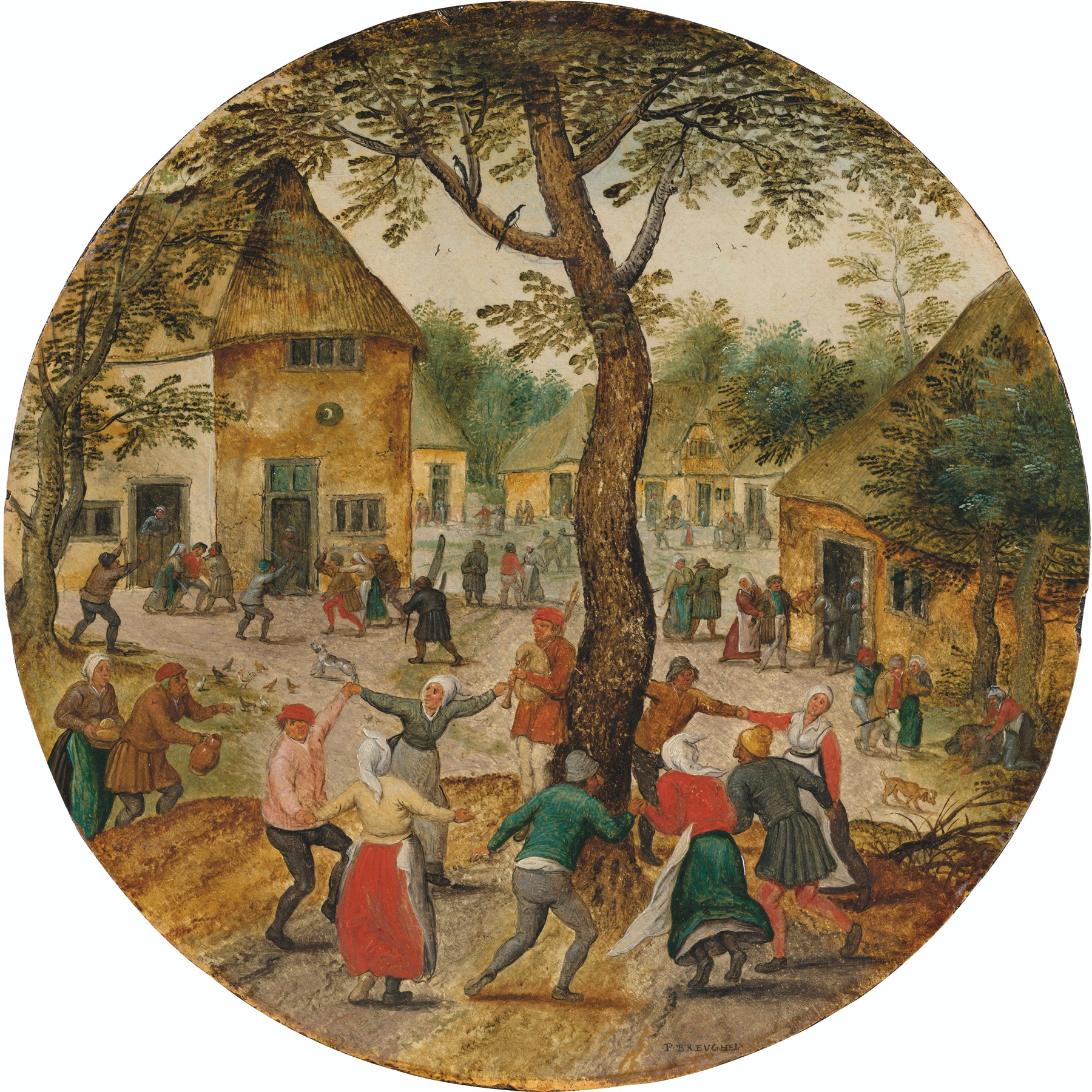
Who listens when art speaks of silence? Within the confines of a modest scene, whispers of violence lay hidden beneath layers of serene domesticity, inviting the viewer to peel back its surface. Look closely at the foreground, where figures huddle together, their hands engaged in the act of trapping a small, unsuspecting bird. The composition draws your eye first to the tension in their postures—bent shoulders and pointed fingers evoking a sense of purpose and urgency.
Notice how the muted earth tones dominate the canvas, lending a somber atmosphere, while shafts of light break through the surrounding shadows, illuminating the intricate details of the trap, as if to reveal the duality of innocence and cruelty. The juxtaposition of the lively bird against the menacing act of entrapment speaks to a deeper commentary on human nature. The innocent creature, a symbol of freedom, contrasts starkly with the oppressive intent of its captors. This tension reflects an unsettling truth about our own desires, how beauty can often be ensnared by darker impulses.
Every detail—the delicate feathers, the tightening grip—whispers the unspoken violence that lurks beneath mundane interactions. Pieter Brueghel The Younger painted this work in a time when the world was grappling with the complexity of human relationships and societal norms. Active in Antwerp around the late 16th century, he stood on the shoulders of his father, who had also explored themes of humanity’s darker side. In an era of religious strife and moral questioning, his artistic choices reveal not just the external world but the conflicting depths of the human psyche, challenging viewers to reflect on their own choices and consequences.