The Census at Bethlehem, After Pieter Brueghel the Elder — History & Analysis
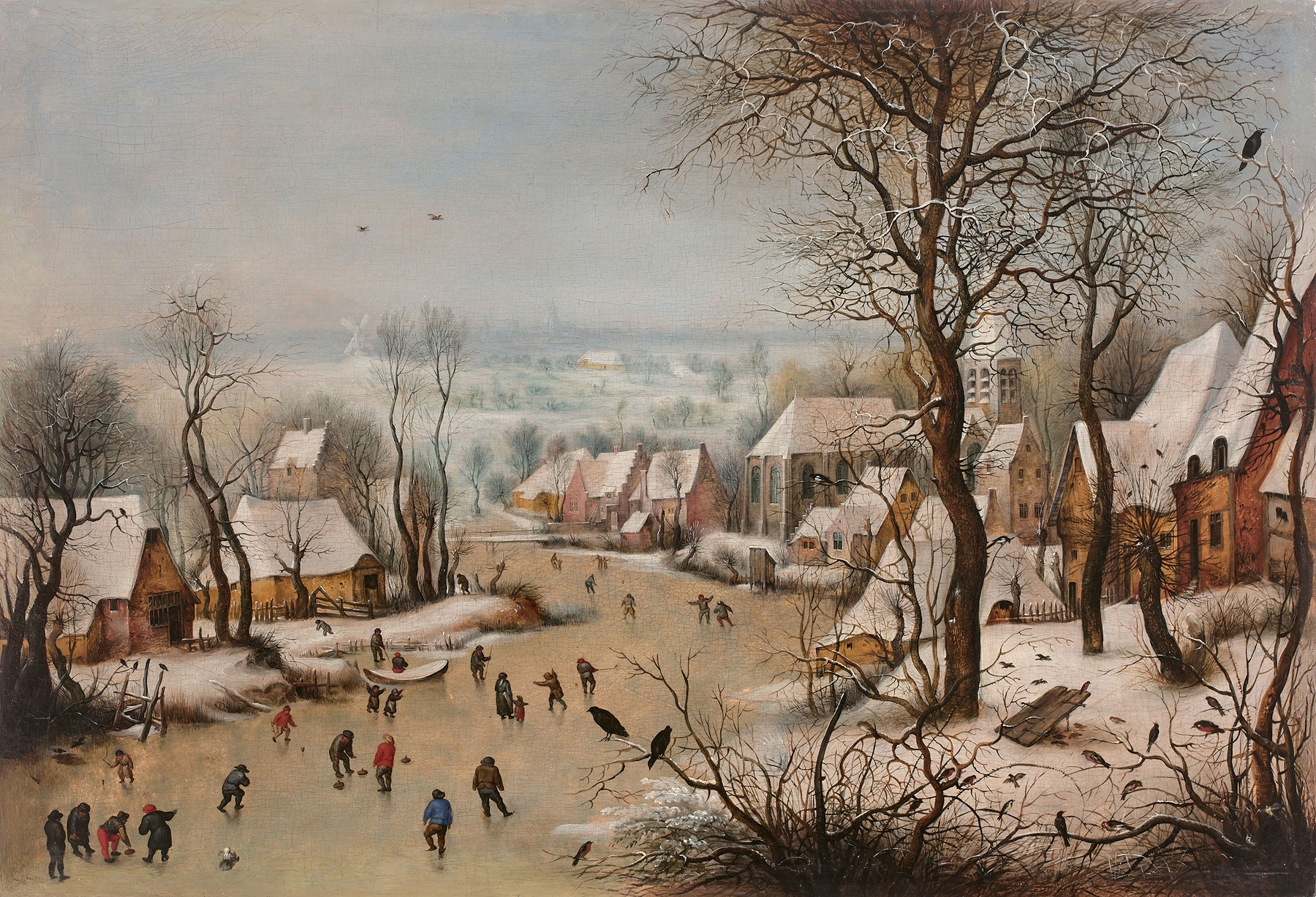
When did color learn to lie? In a world where vibrant hues mask the darker truths of human nature, betrayal can hide in the brilliance of a painted surface. Look to the left at the bustling crowd, where figures fill the scene, their layered garments spilling across the canvas like an overflowing well of stories. The warm earth tones create a sense of familiarity, inviting the viewer to delve deeper into this portrayal of a historical moment.
Notice how the light dances gently on the faces of the townsfolk, revealing their varied expressions, from curiosity to despair, while the shadows linger in the corners, hinting at untold secrets. As you explore this painting, you’ll find the tension between the joyous celebration of a census and the underlying feeling of oppression that pervades the air. The juxtaposition of the jubilant activity against the rigid authority of the officials standing tall in the center speaks to the contrast between the collective joy of community and the individual sorrow of compliance. Here, the act of counting becomes an act of betrayal, as the gathering hints at the looming weight of regulation and control, stripping away the essence of personal freedom.
During the late 16th century, Brueghel the Younger was immersed in the rich artistic traditions of his father’s legacy while navigating the socio-political landscape of Northern Europe. This period was marked by tensions arising from religious conflicts, including the Protestant Reformation, which influenced many artists. His reinterpretation of his father’s work during this time reflects both an appreciation for the nuances of everyday life and an awareness of the complex dynamics of power that shape human interactions.