Summer — History & Analysis
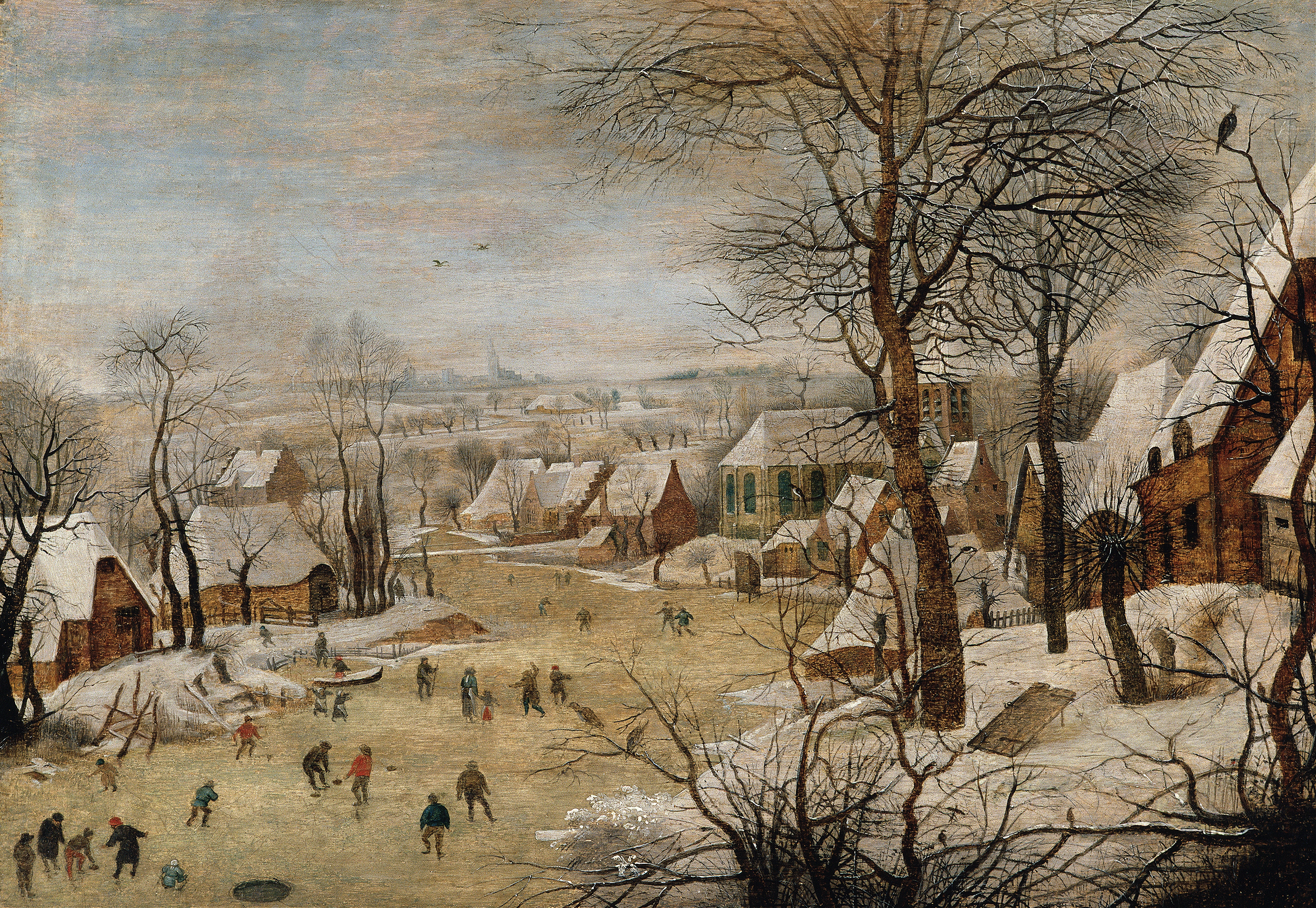
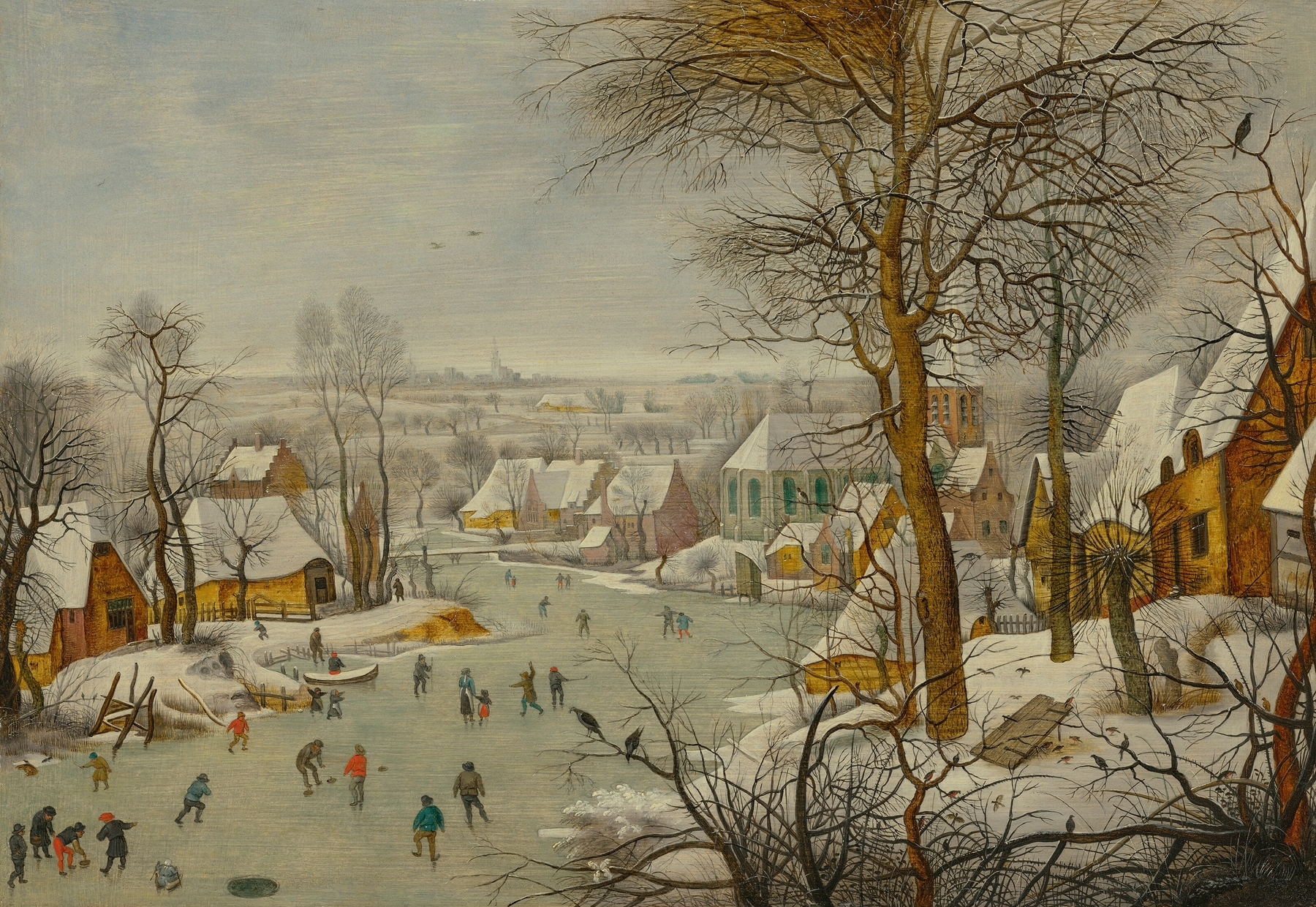
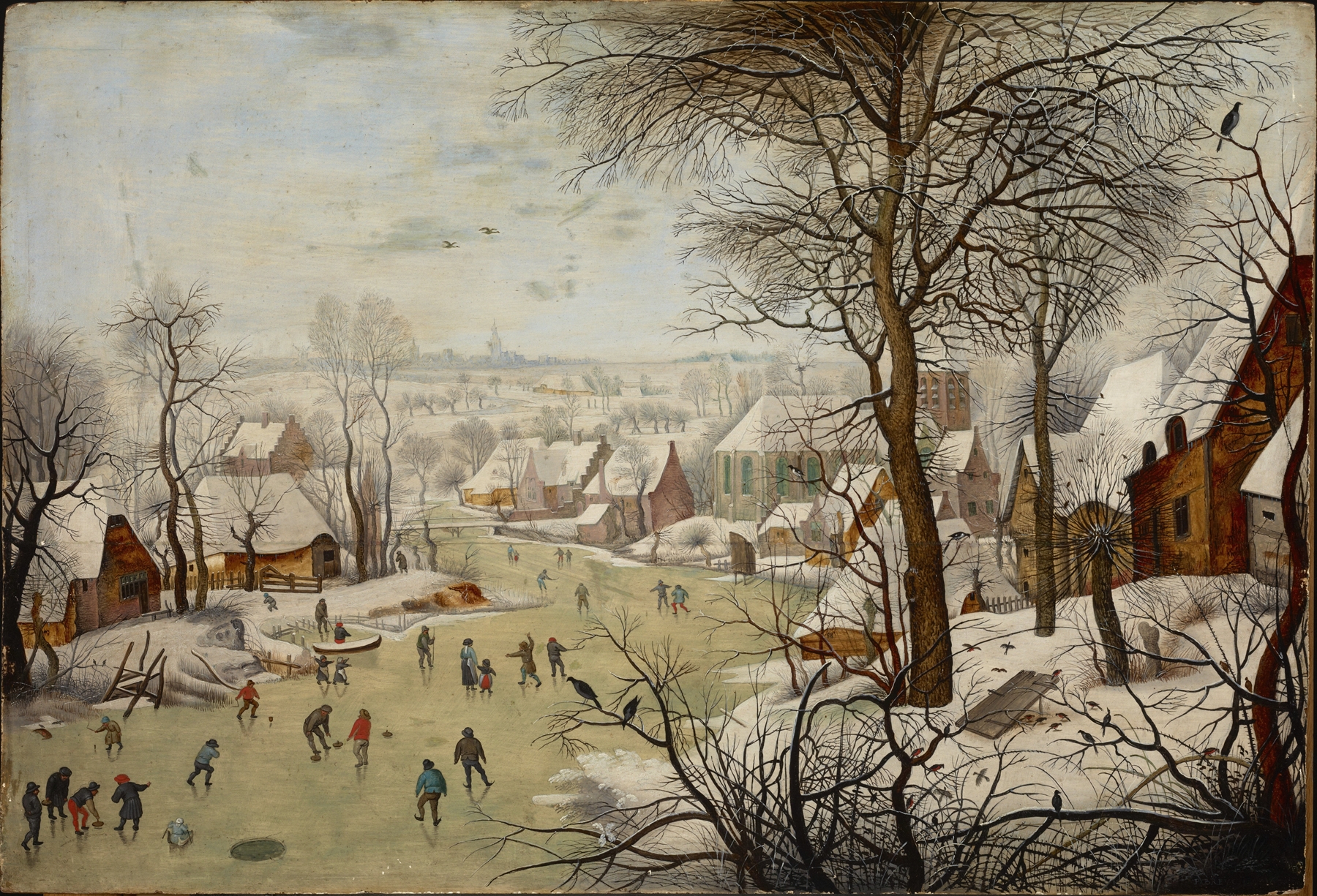
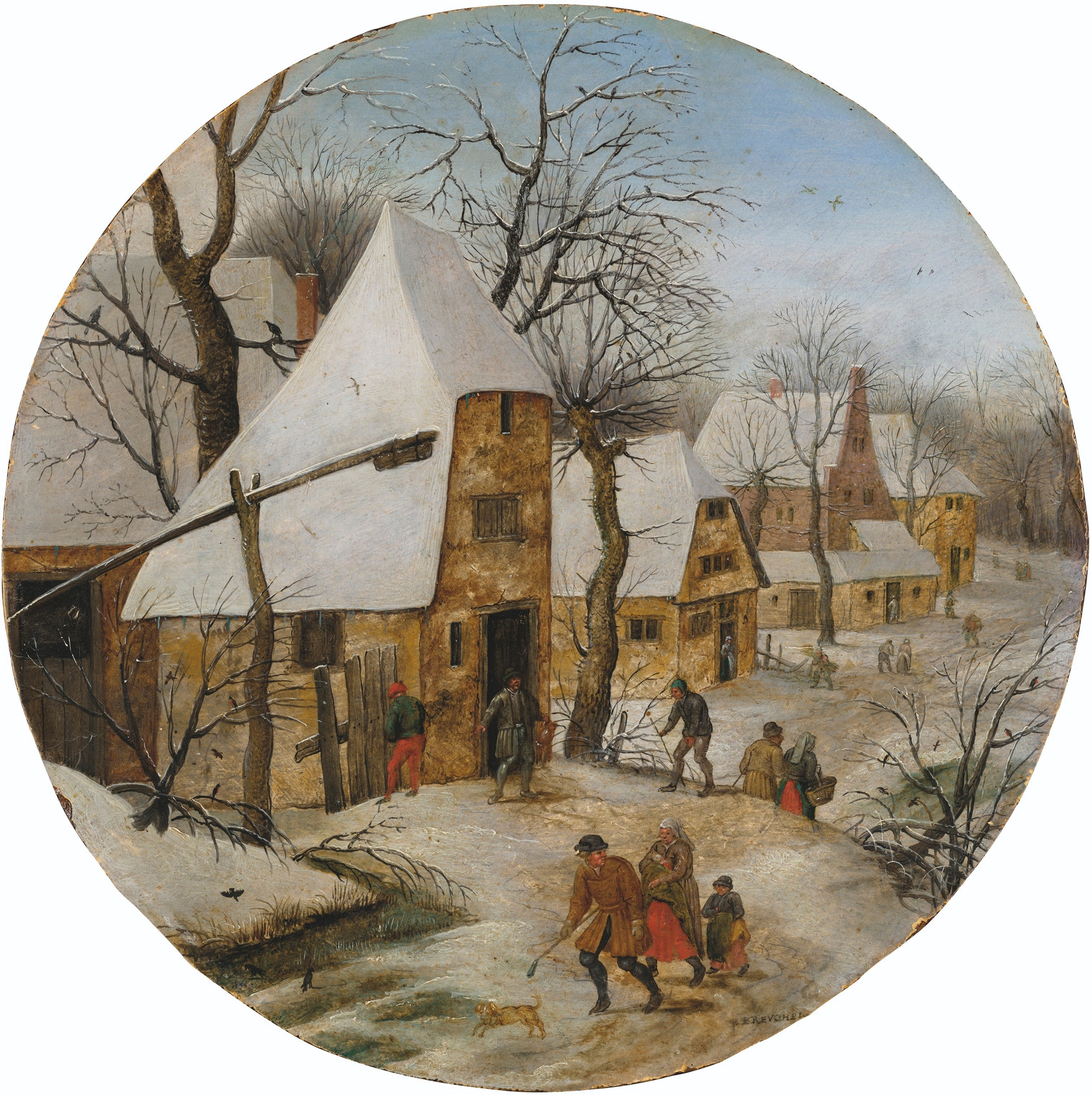
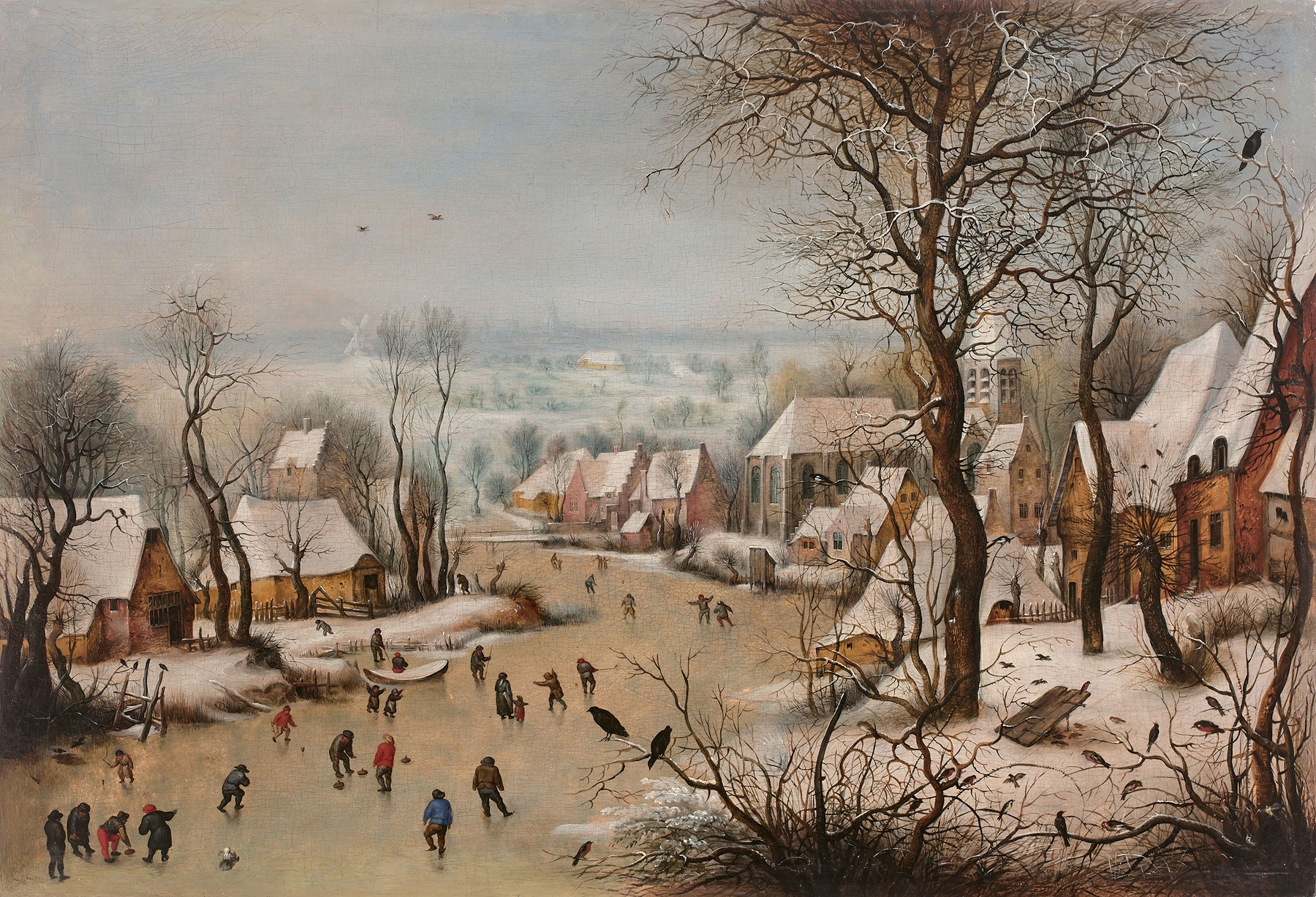
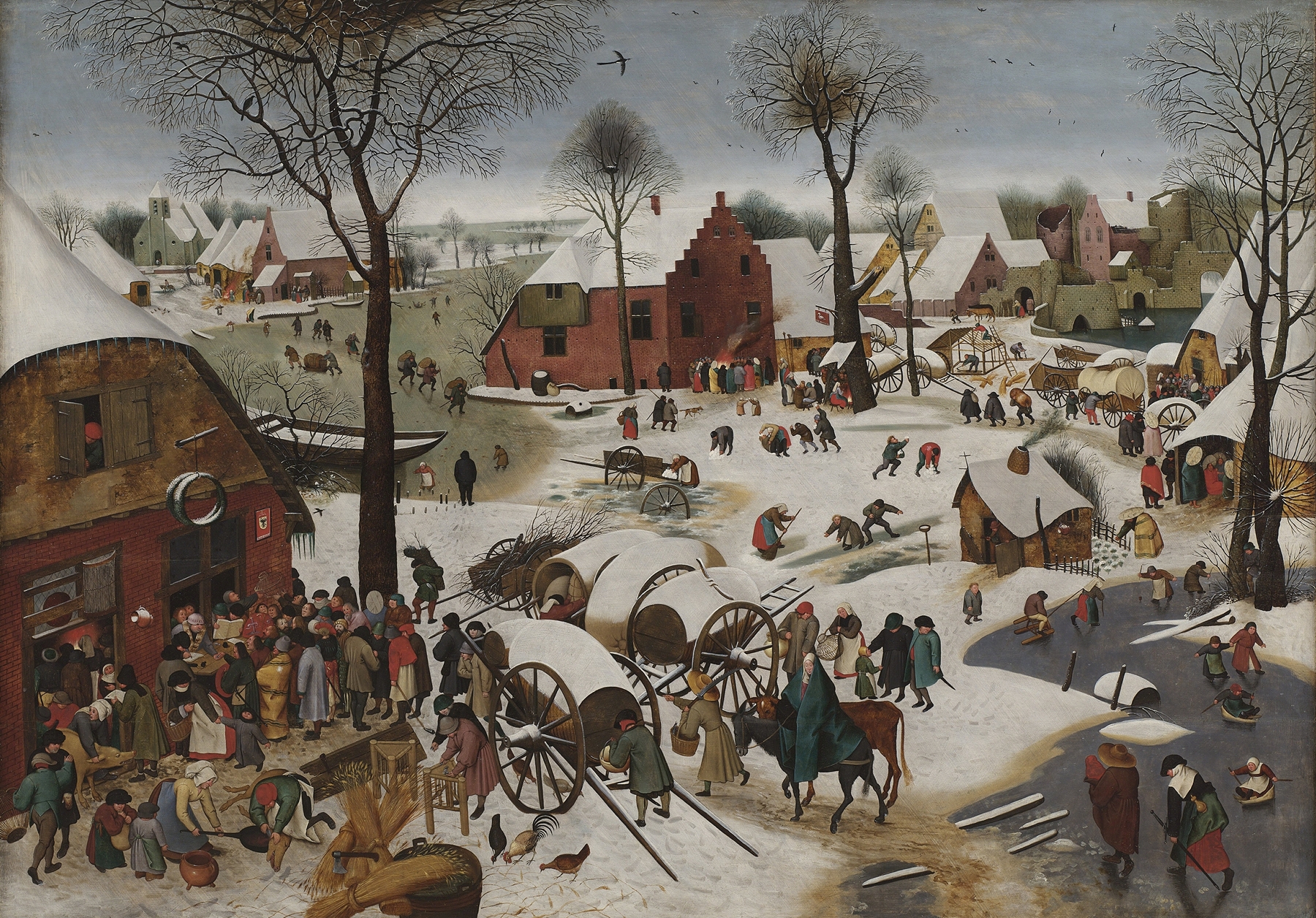
“The canvas doesn’t lie — it simply waits.” In the quiet expanse of a sun-drenched field, the vibrancy of life echoes against an undercurrent of solitude. Amid the joyful clamor of summer activities, a poignant stillness lingers, inviting the viewer to reflect on the duality of existence: the laughter of crowds and the shadow of isolation. Look to the left at the figures lounging under the vast blue sky, their postures relaxed yet detached. Notice how the golden hues of wheat sway gently in the breeze, a contrast to the cool greens and browns of the surrounding landscape.
The way the light dances across the scene reveals Brueghel’s mastery; each brushstroke conveys warmth yet hints at the fleeting nature of happiness, as if the sun itself is a fleeting companion in their lives. The juxtaposition of the bustling figures with the expansive emptiness of the backdrop reveals an emotional tension that runs deeper than mere merriment. One can sense a quiet yearning woven into the fabric of the scene, a reminder that amidst celebration, the moments of personal reflection can often feel more profound. This dichotomy between communal joy and individual solitude resonates powerfully, urging viewers to confront their own feelings of isolation even in crowded spaces.
Pieter Brueghel The Younger painted this piece in the late 16th century, during a time when the Northern Renaissance was flourishing. Much of his work focused on the everyday lives of peasants, reflecting both their joys and struggles. As he created this artwork, Europe was undergoing significant social and political changes, with the Reformation and a burgeoning middle class reshaping both society and artistic expression. This context adds a layer of complexity to the seemingly simple summer scene, revealing the artist’s deep understanding of the human condition.