Winterlandscape with a Bird-trap — History & Analysis
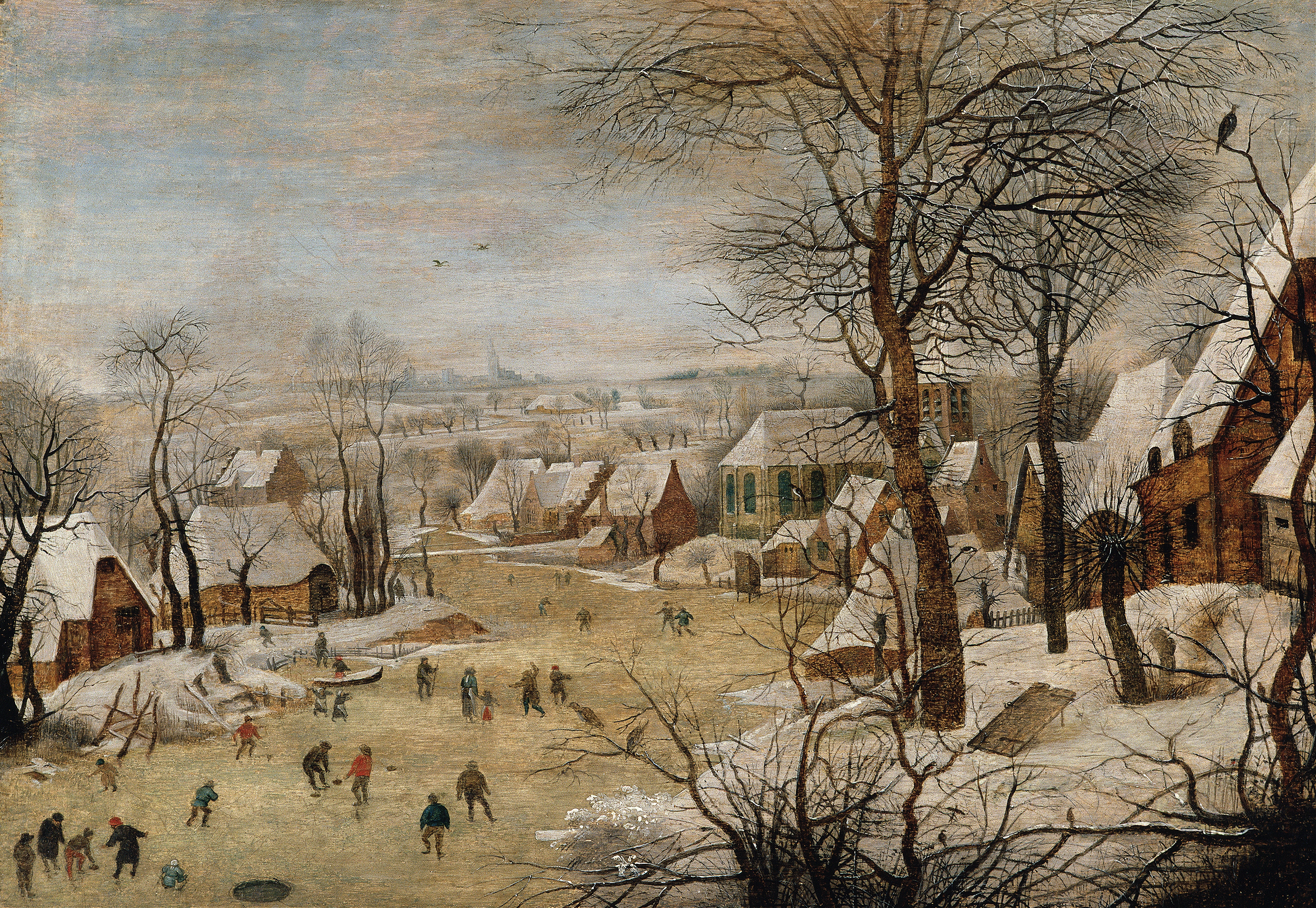
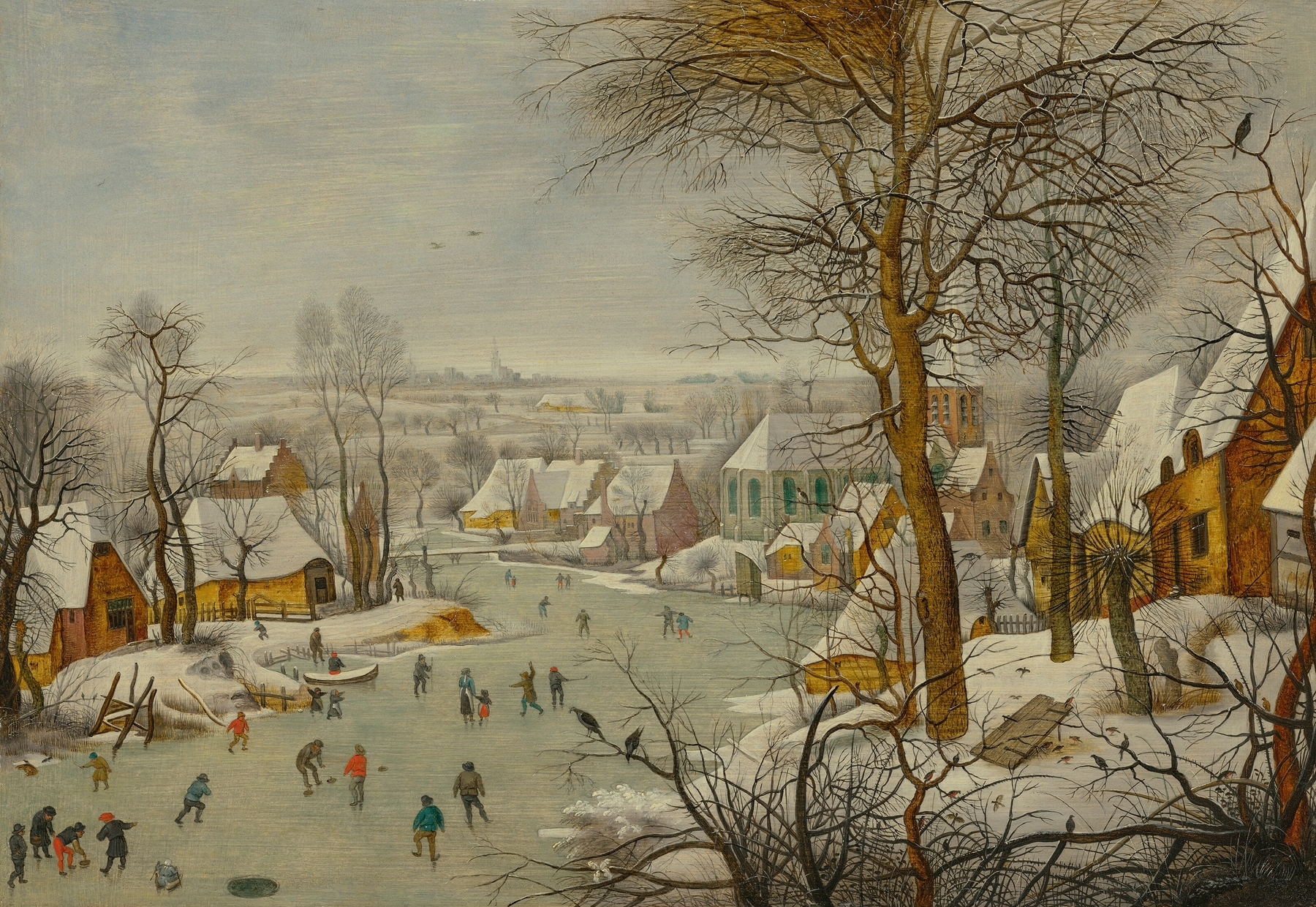
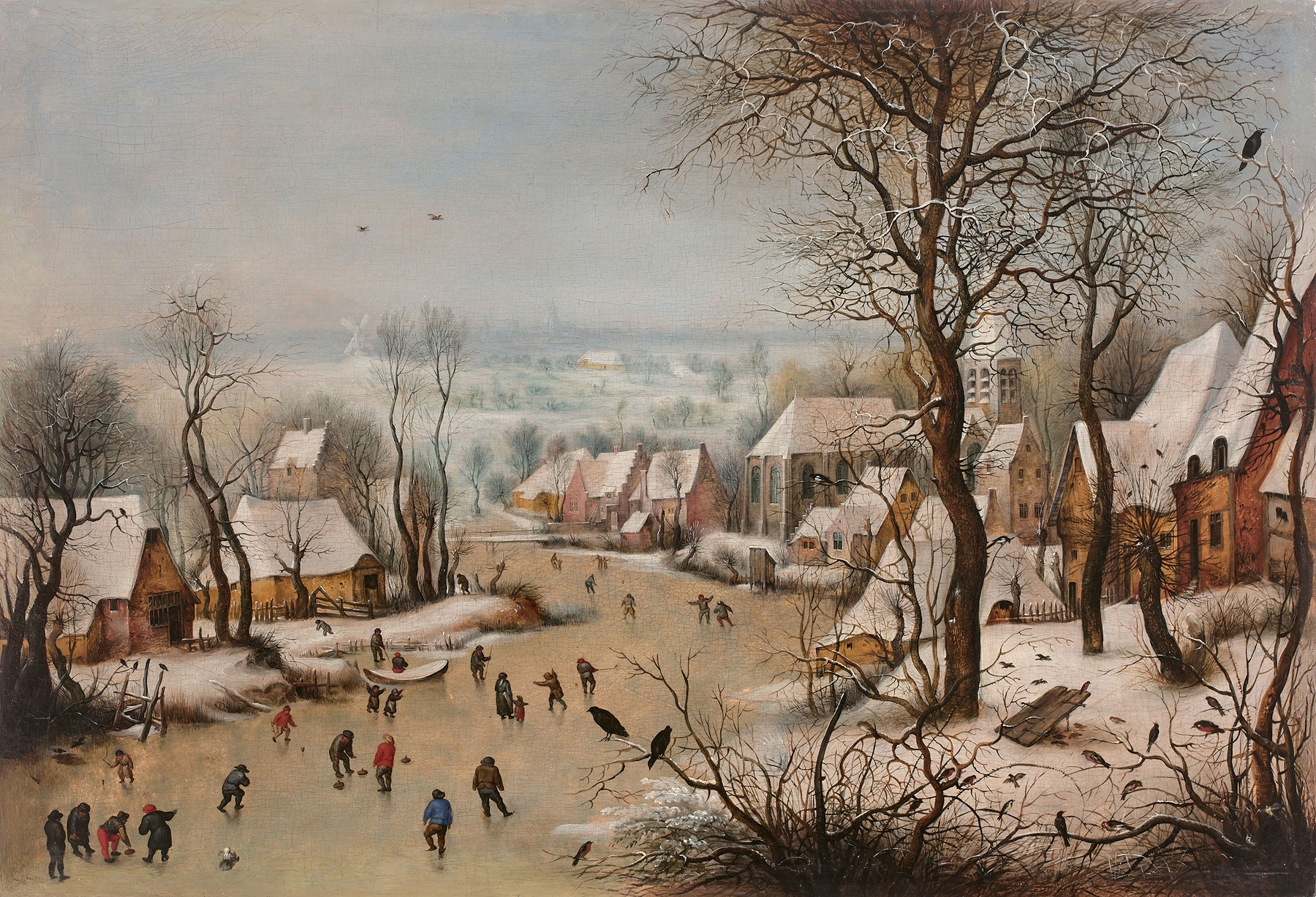
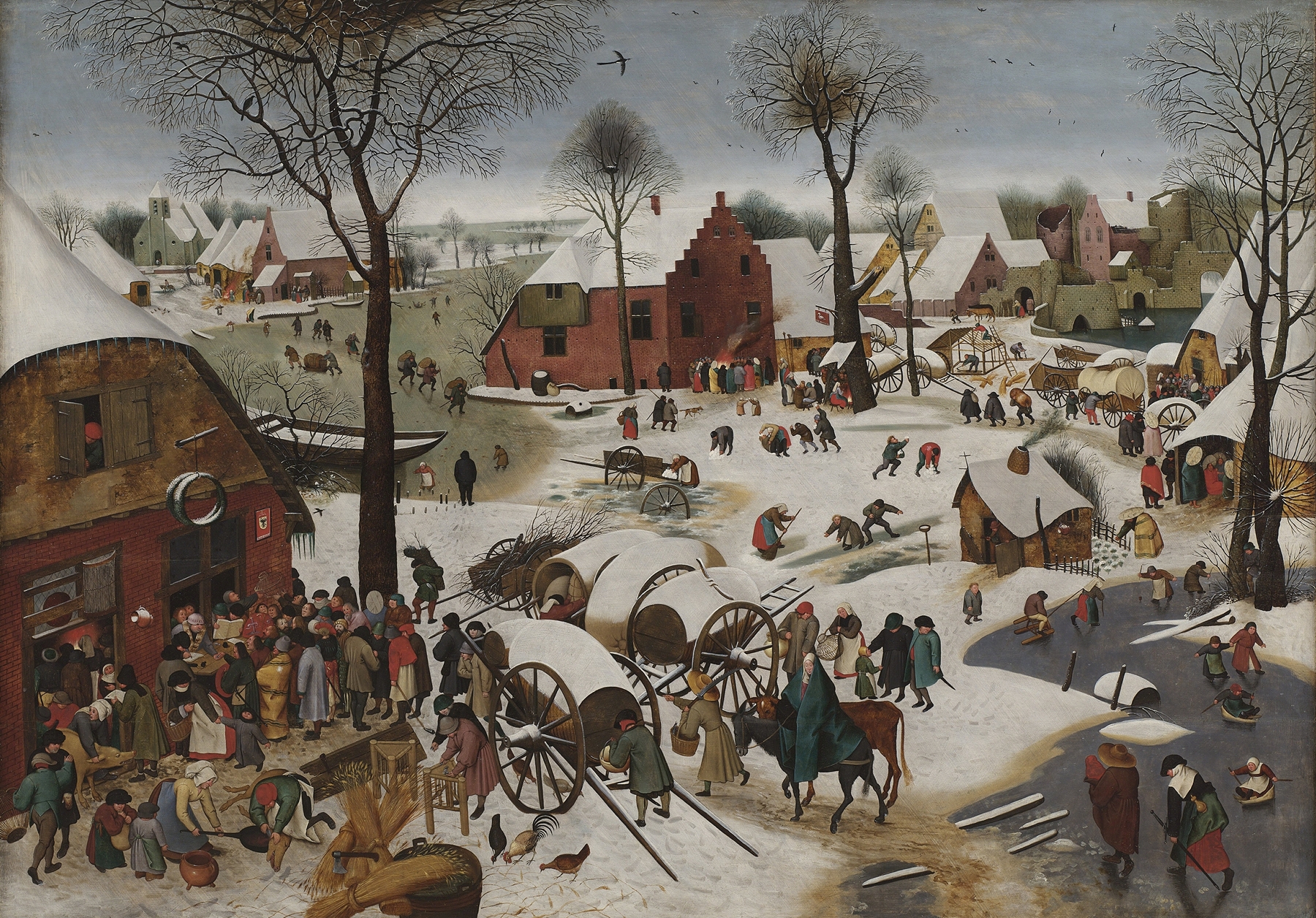
“Between color and silence, truth hides.” In the stark beauty of winter, fate whispers through the stillness of the landscape, inviting contemplation and reflection. Focus on the deep blues and icy whites that dominate the canvas, infusing it with a sense of coldness that resonates throughout. Notice how the delicate strokes detail the snow-laden ground, as a lonely figure approaches a bird trap nestled in the foreground. The muted tones of the distant trees create a somber backdrop, while the warm colors of the rustic trap pulse with life and purpose, drawing your gaze into a narrative of survival and the unyielding pull of nature.
Hidden within the composition is a tension between life and death, where the trap symbolizes the precariousness of existence. The solitary figure, framed by the vast, empty landscape, evokes themes of isolation and the relentless pursuit of sustenance. The juxtaposition of the vibrancy of the trap against the subdued palette reflects the duality of hope and despair, suggesting that the very act of survival is plagued by uncertainty and destiny’s whim.
Pieter Brueghel The Younger painted this work in 1631, during a period when the Northern Renaissance was deeply exploring themes of peasant life and nature. Living in Antwerp, Brueghel faced a world where the tensions of survival were palpable, mirroring the social and economic struggles of the time. His work not only captures the essence of winter but also serves as a poignant reminder of the human condition, frozen in a moment where every choice carries weight.