Winter — History & Analysis
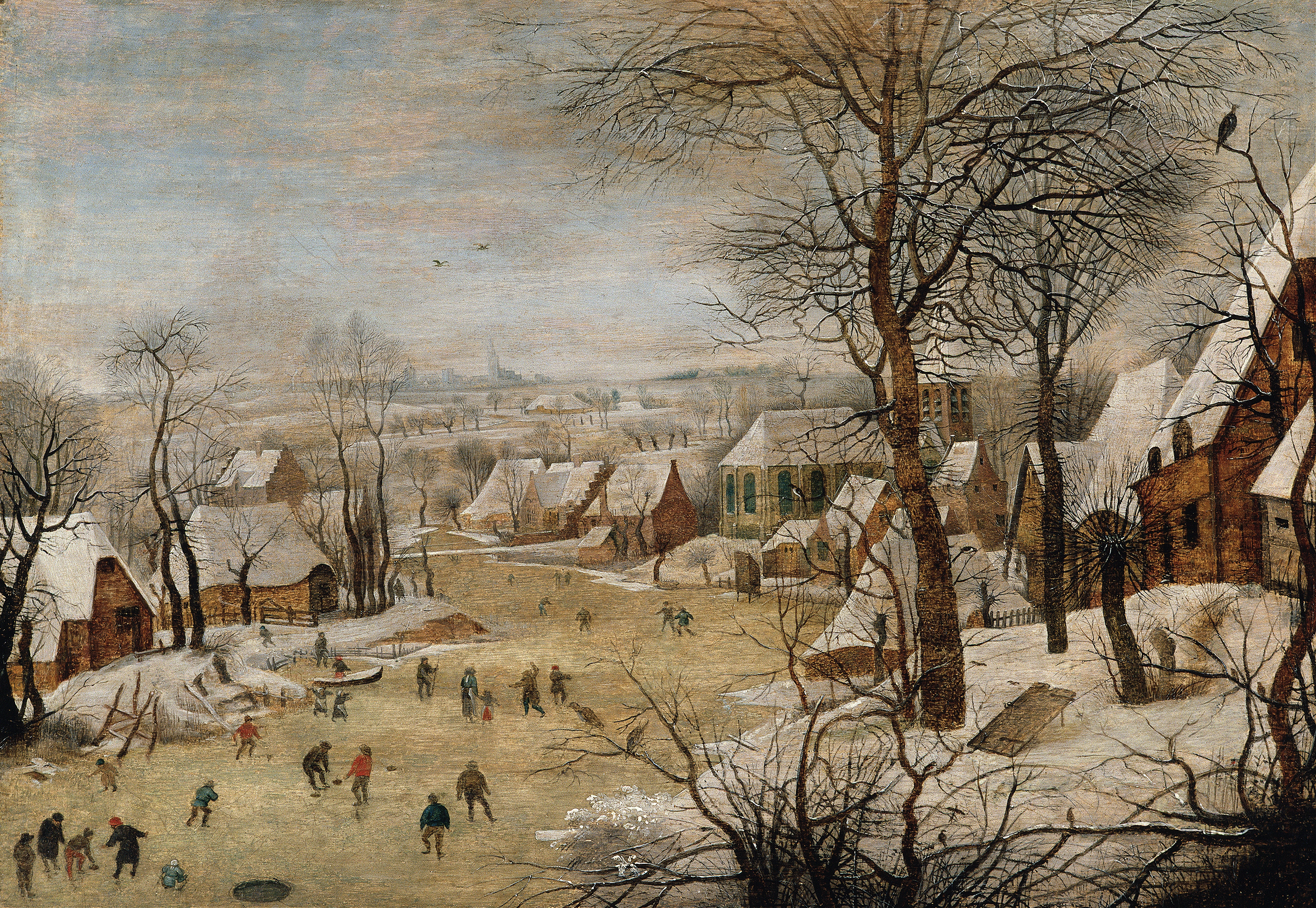
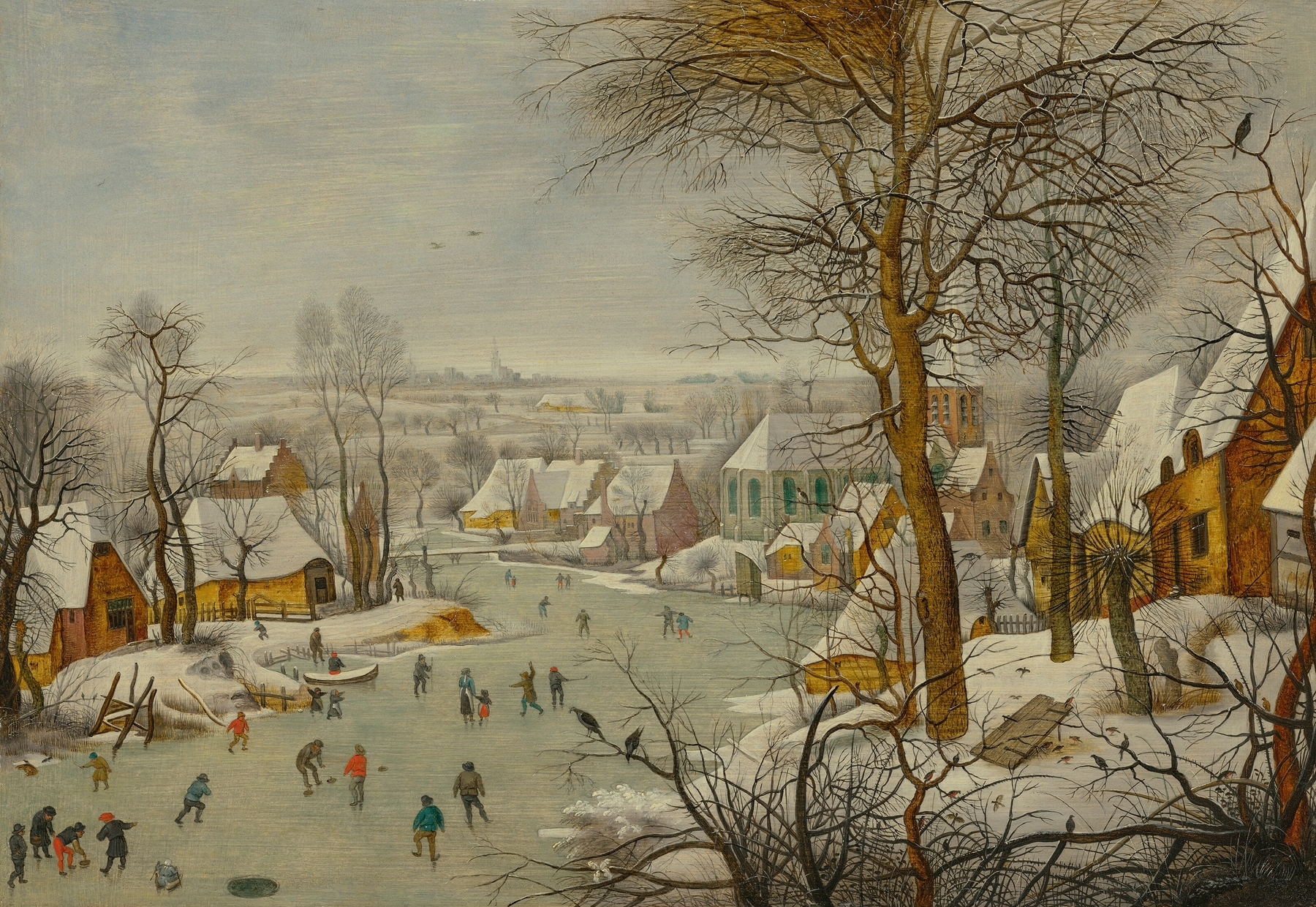
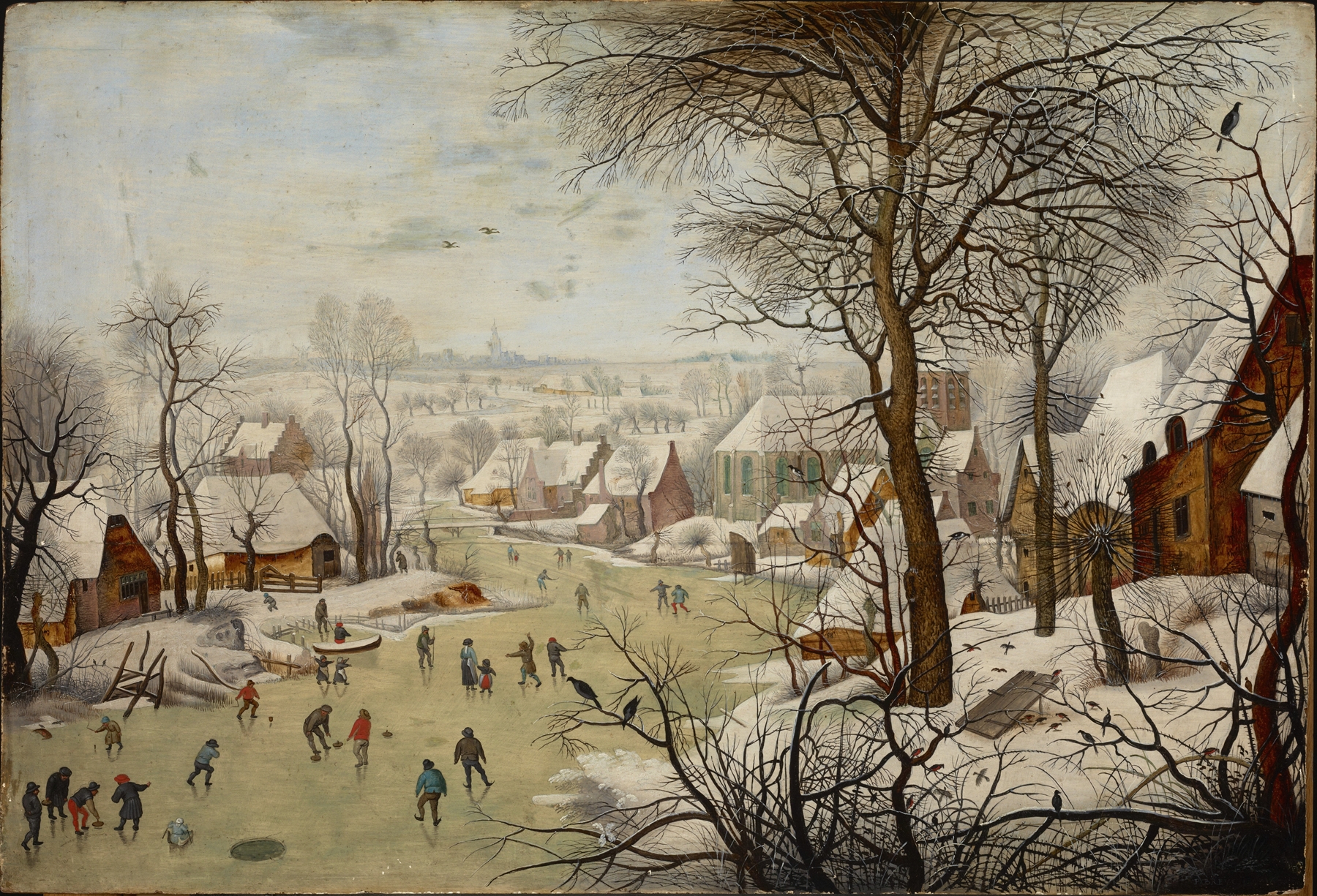
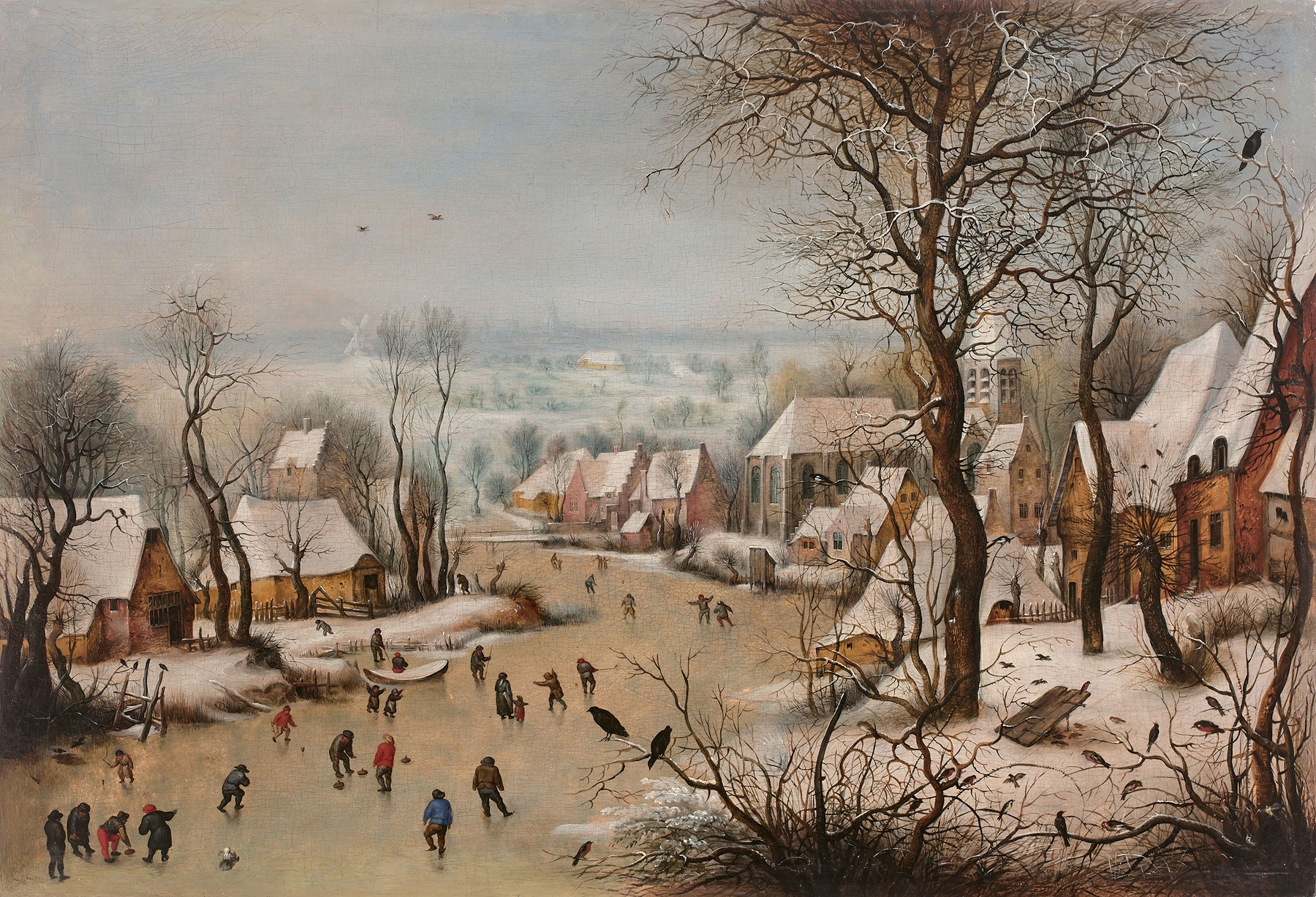
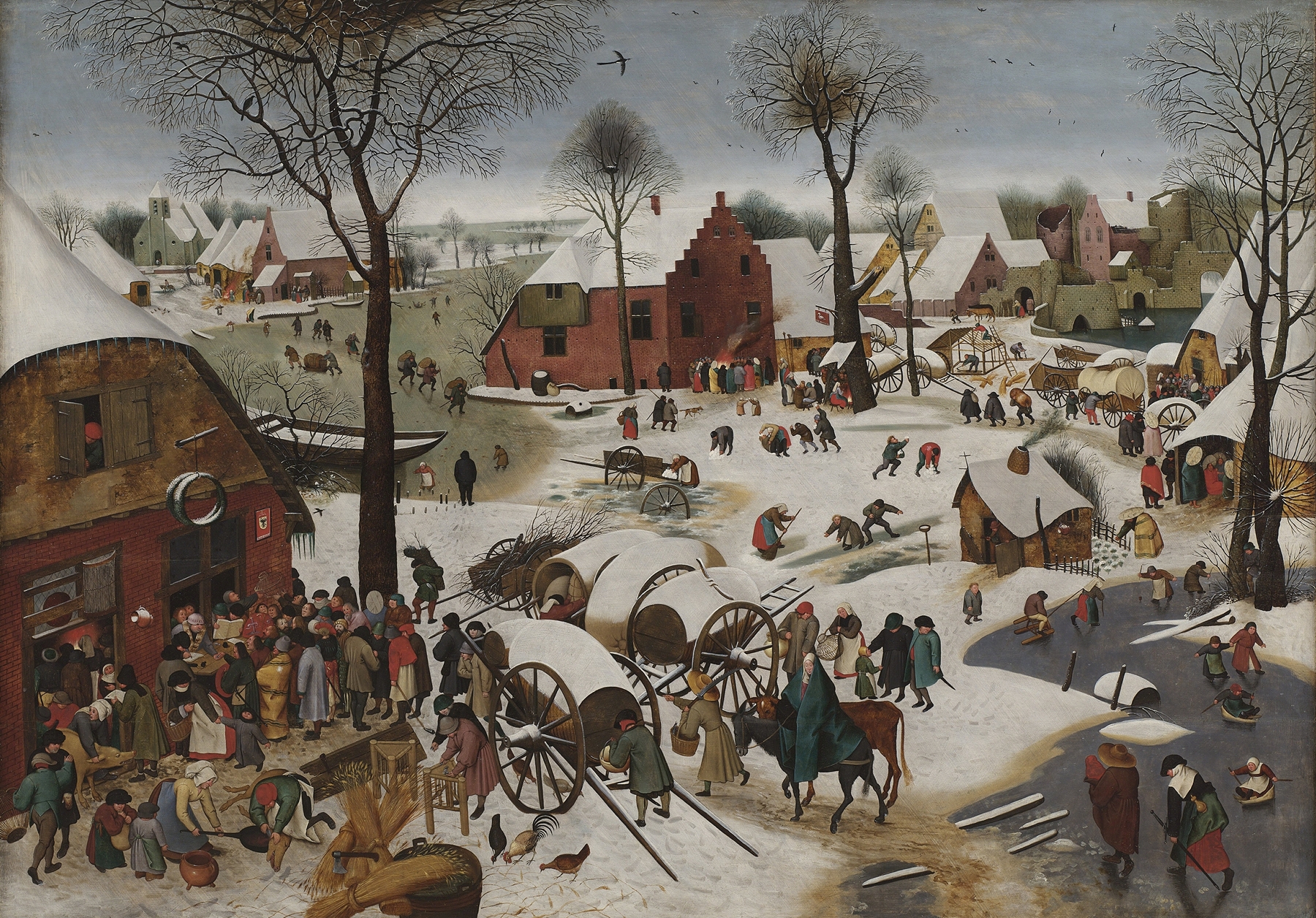
What if silence could speak through light? In the stillness of a winter landscape, the chill of the season wraps around both the earth and the soul, whispering secrets to those who pause to listen. Look to the foreground, where figures clad in muted tones bustle about, their breath visible in the frosty air. Notice how the light filters down through the branches of bare trees, casting intricate shadows upon the snow-covered ground.
The palette, dominated by whites and browns, hints at a world blanket by stillness, yet the scattered touches of red and blue clothing inject life into the scene, creating a compelling juxtaposition against the somber backdrop. The contrast between warmth and cold permeates this work, as the warmth of human activity clashes with the stark chill of the winter landscape. The play of light and shadow not only highlights the figures but also evokes a sense of transcendence—an invitation to escape the mundane and embrace the beauty of the moment. The quietude of the scene offers a reflection on solitude, while the vibrancy of the figures suggests the resilience of life, even in the harshest conditions.
Pieter Brueghel The Younger painted this piece during a period when winter scenes were gaining popularity in Northern Europe. While details about his life remain sparse, it is known that he worked in the late 16th and early 17th centuries, a time marked by a flourishing of genre painting. His work often drew inspiration from his father's renowned depictions of peasant life, blending them with a keen eye for atmospheric storytelling that resonates through the ages.