Lake Como — History & Analysis
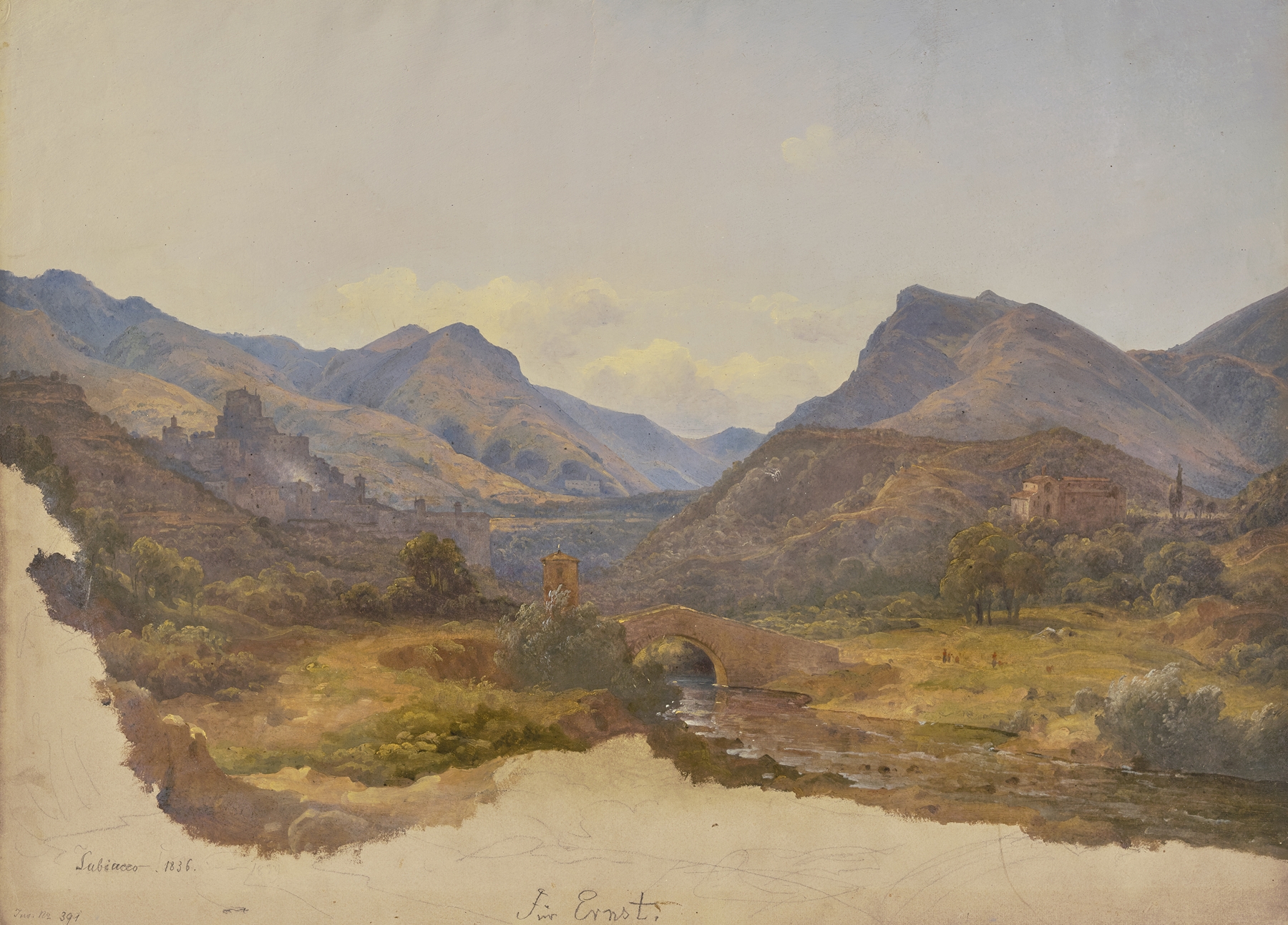
“Sometimes beauty is just pain, disguised in gold.” In the tranquil embrace of Lake Como, one might sense the delicate push and pull of longing and remembrance that echoes across still waters. Focus on the shimmering surface of the lake, where gentle ripples capture the soft light spilling from the sky. Look to the horizon, where the distant hills rise in a gentle gradient of blues and greens, beckoning with promises of exploration. The brushstrokes convey a sense of movement—a dance between the tranquil and the tumultuous, creating a harmonious balance that captivates the viewer's gaze.
Beneath the serene beauty lies a deeper narrative of contrast. The stark cliffs, imposing yet majestic, seem to whisper tales of isolation, while the vibrant flora clinging to their edges suggests resilience and hope. The interplay of light and shadow hints at the complexities of nature, where every reflection is both an invitation to tranquility and a reminder of life’s relentless currents.
During the time he rendered this piece, Morgenstern was immersed in the romantic tradition of landscape painting, drawing inspiration from the picturesque qualities of Lake Como. The exact date remains unclear, but he was likely influenced by the emerging fascination with natural beauty in the mid-19th century, as artists sought to evoke emotional connections through their depictions of the sublime. This period marked a significant moment in art, bridging the gap between romanticism and realism, as artists like Morgenstern explored the intricate relationship between man and nature.