Lake George — History & Analysis
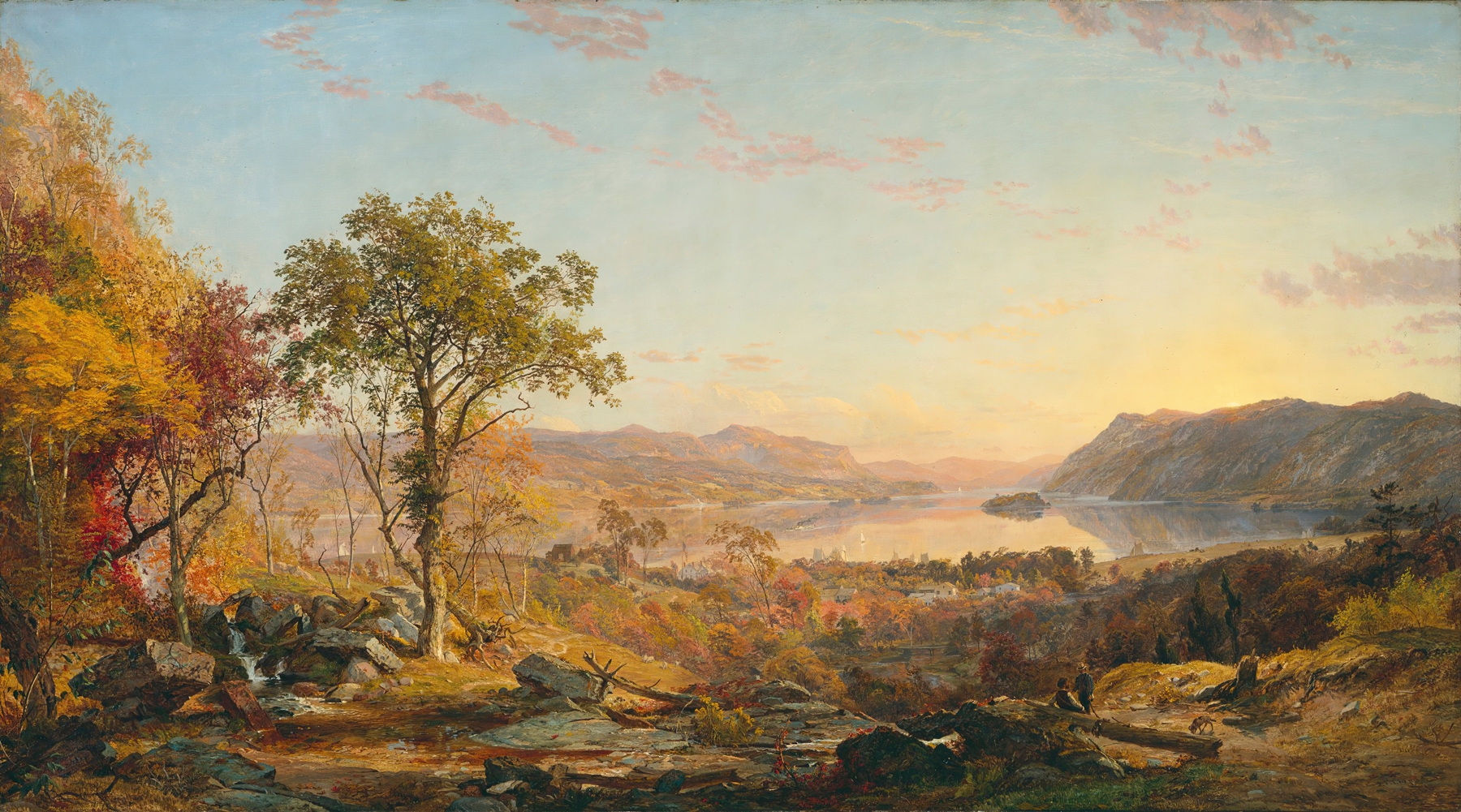
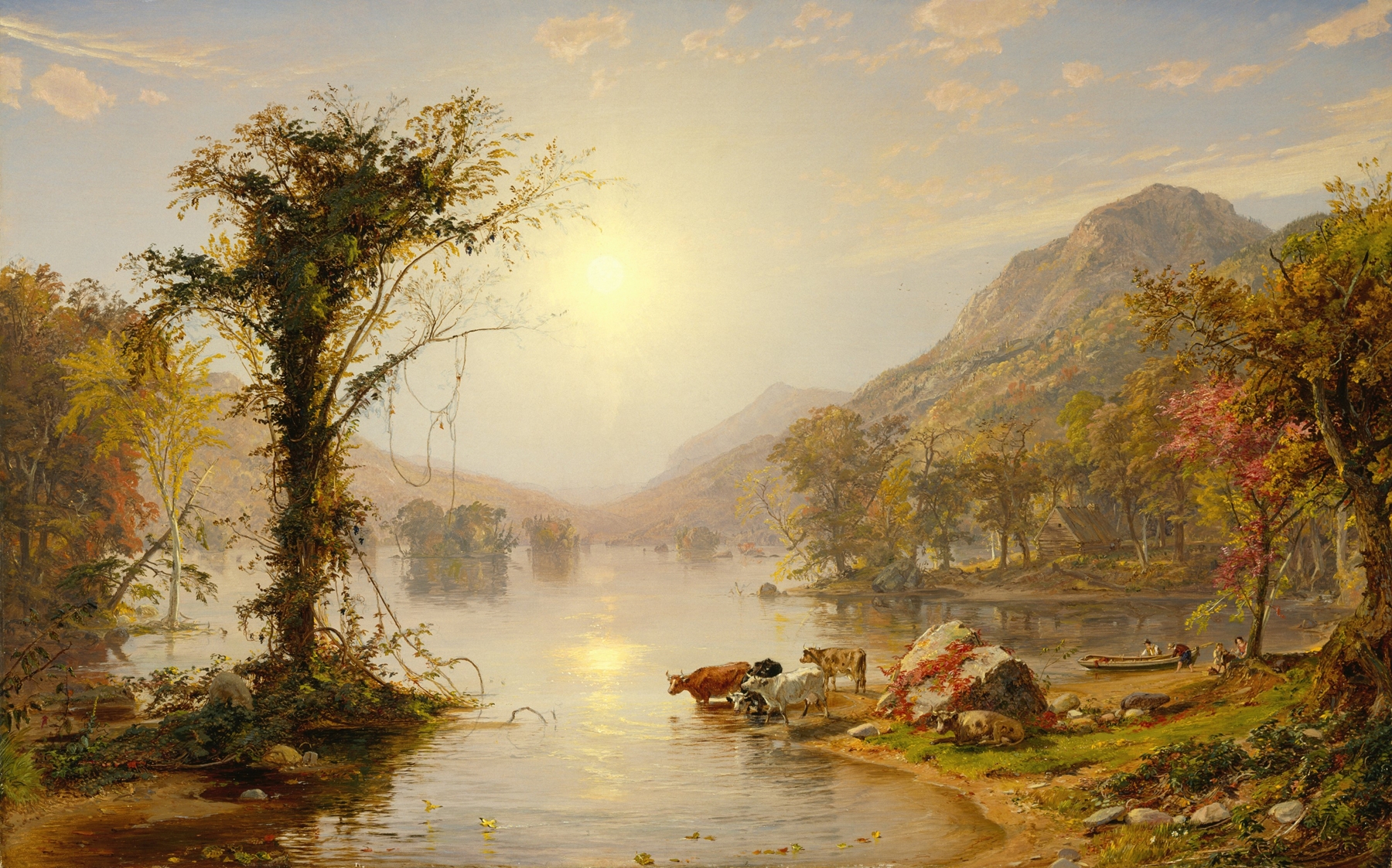
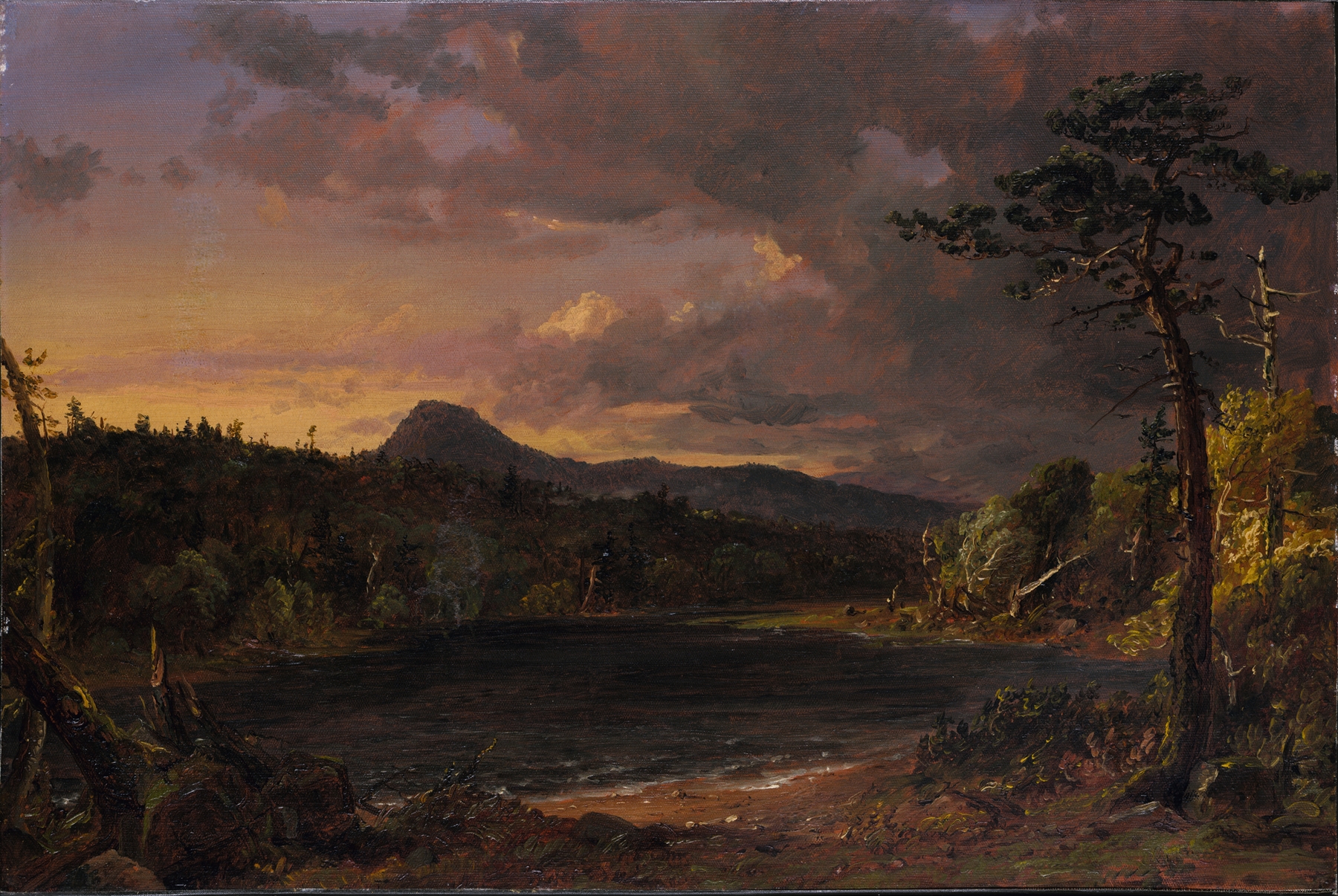
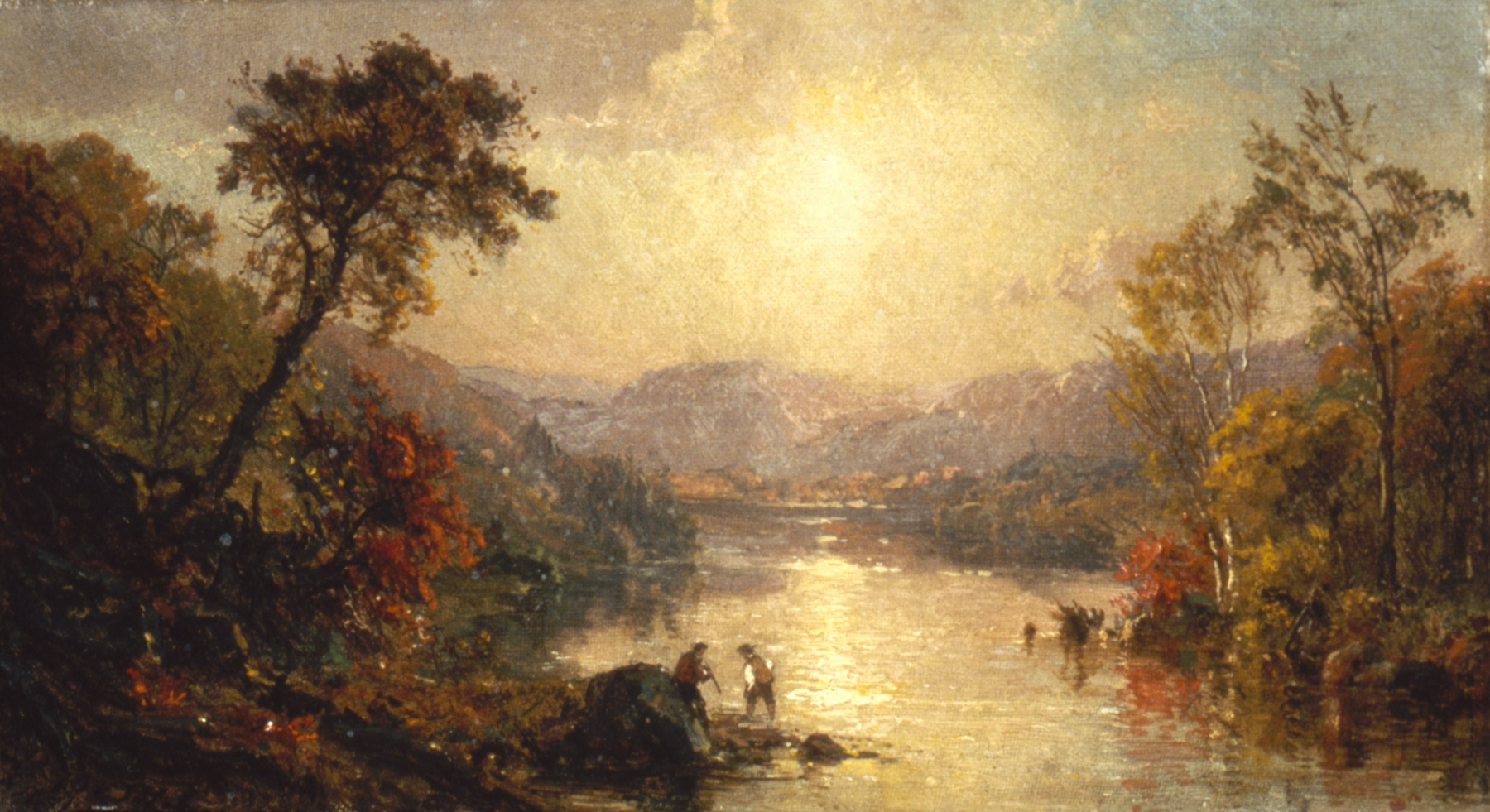
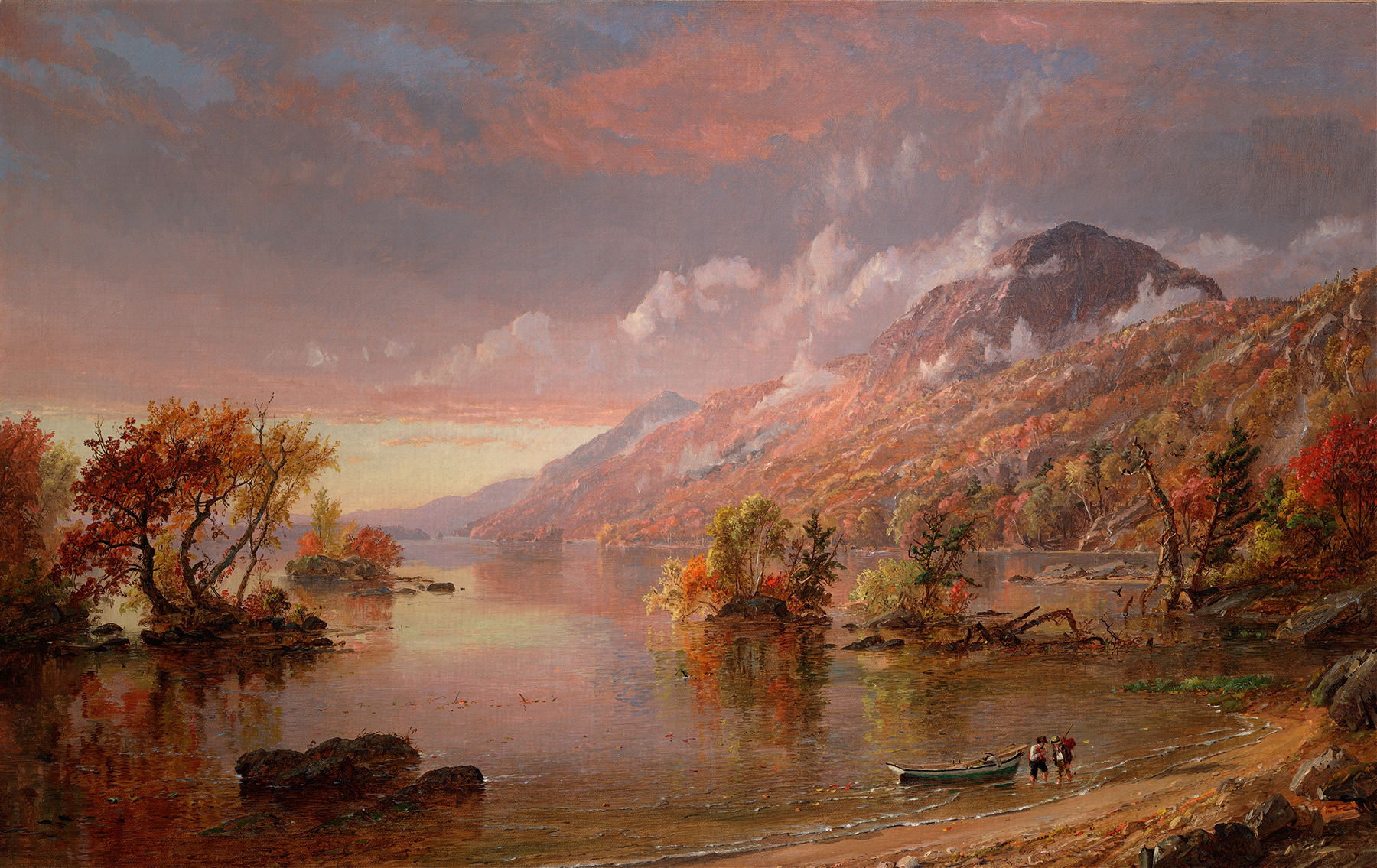
“Between color and silence, truth hides.” In a world where vibrant hues can mask deep sorrow, the quiet resonance of loss unfolds in subtle strokes and gentle tones. Look to the center of the canvas, where the serene waters of Lake George stretch like a mirror, reflecting the soft oranges and deep blues of twilight. Notice how the light dances upon the surface, creating ripples that seem to whisper secrets. The surrounding mountains, draped in lush greens and fading purples, frame this tranquil scene, drawing your eye into the harmonious yet bittersweet embrace of nature.
The composition, rich in detail, invites contemplation, revealing the artist's mastery of light and shadow. Amidst this picturesque landscape, a sense of longing permeates the air. The fading day suggests an inevitable departure, while the gentle waves evoke a feeling of nostalgia—an echo of moments lost to time. The juxtaposition of the calm surface and the unseen depths below symbolizes the layers of grief we carry, fragile yet profound.
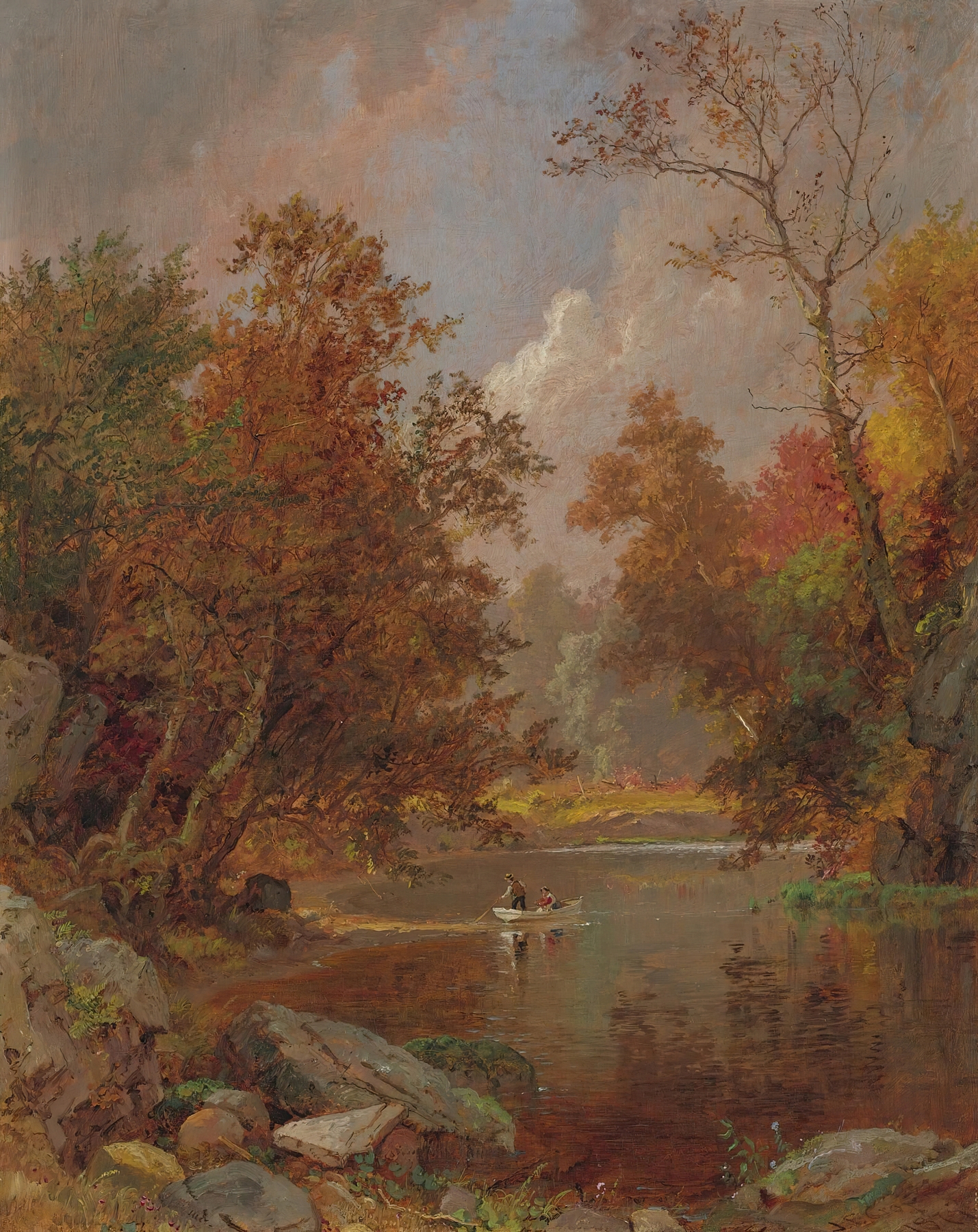
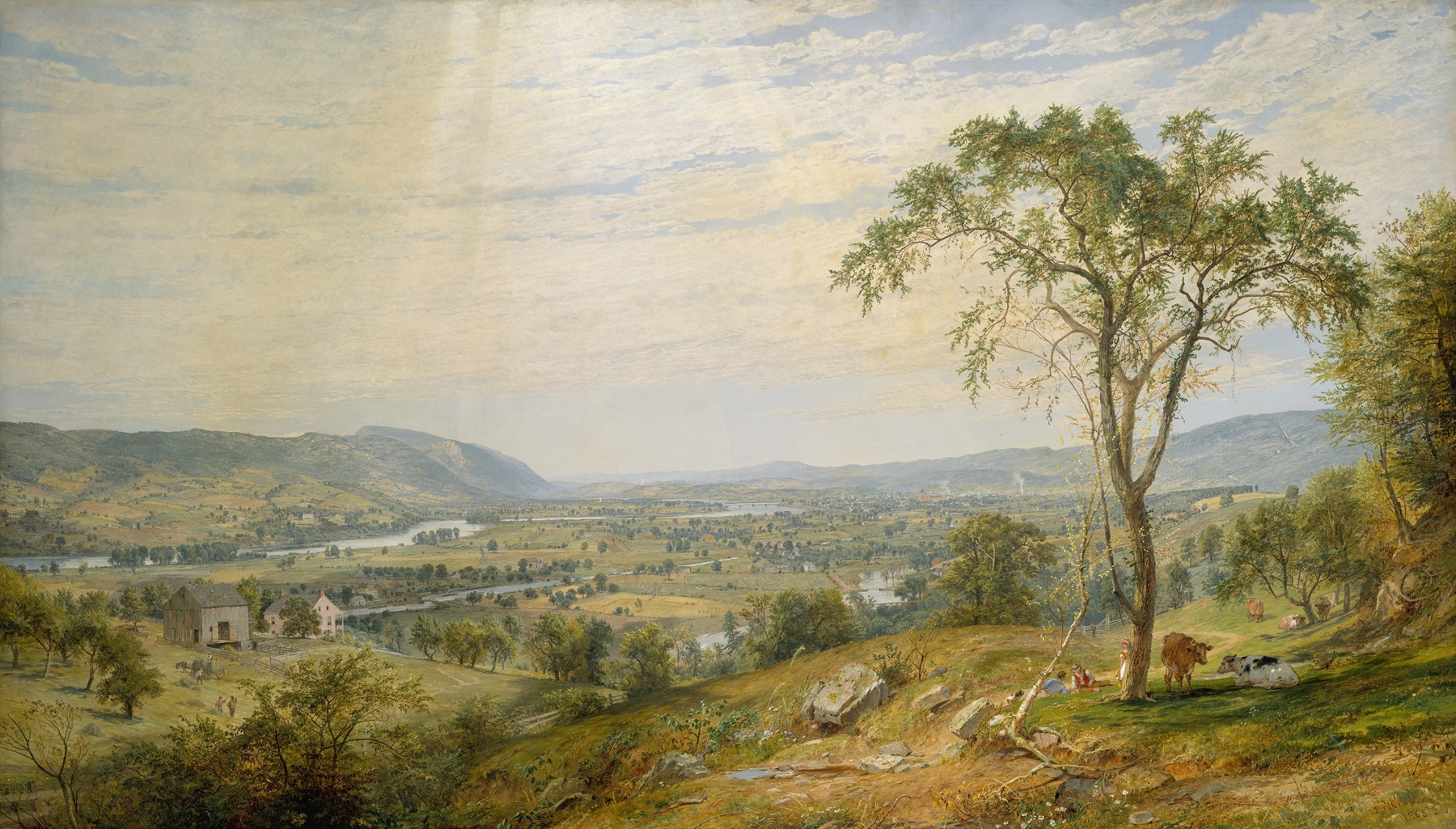
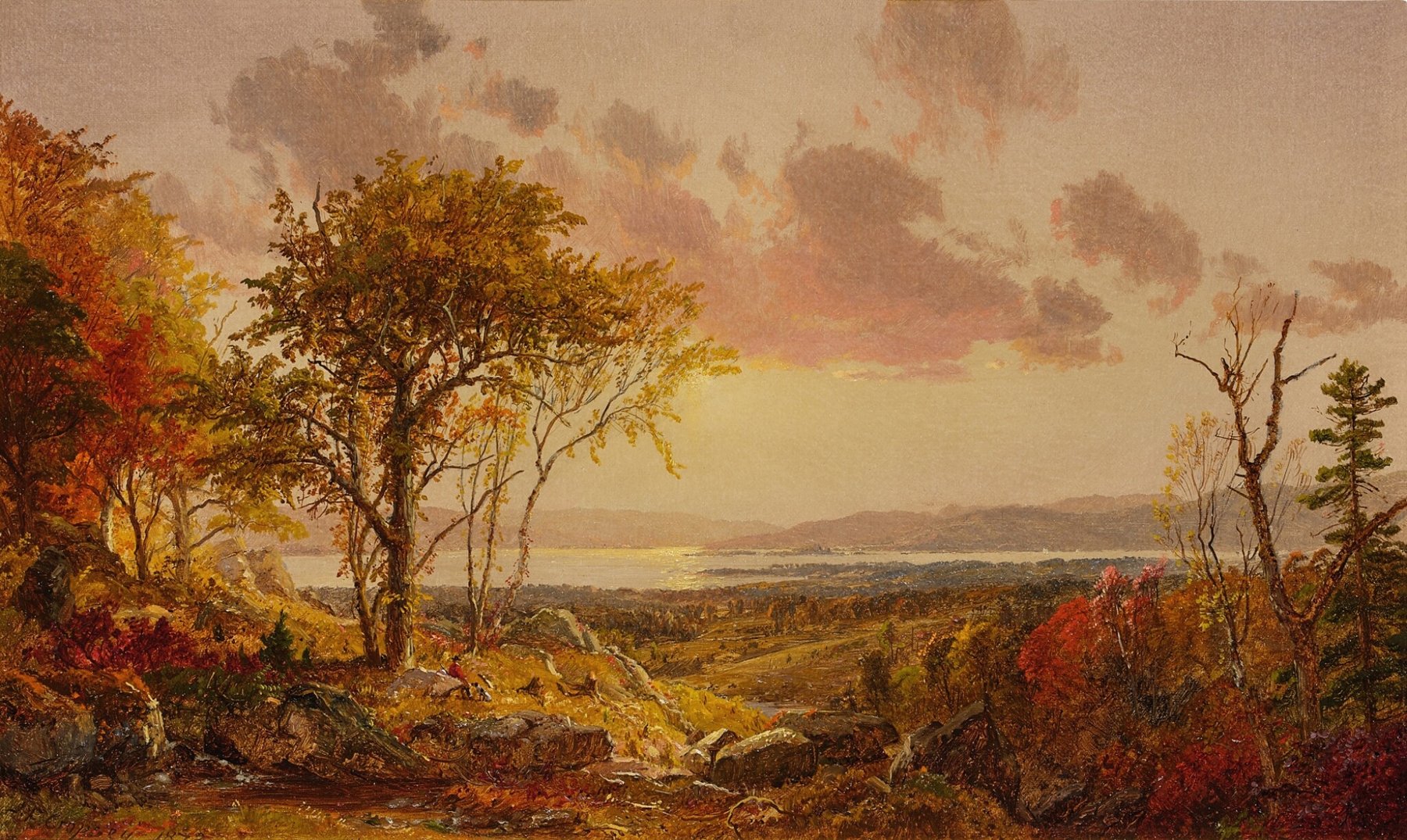
Each brushstroke captures the essence of a fleeting beauty, perhaps a reminder of what once was, even as the daylight wanes. During the period of 1860 to 1870, the artist created Lake George amidst a burgeoning appreciation for American landscapes, reflecting both a personal and national narrative. Cropsey, a prominent figure in the Hudson River School, was influenced by the Romantic movement, emphasizing nature's beauty and the emotional landscapes it inspires. At this time, he sought to convey the sublime, a pursuit that mirrored the transformative changes occurring in America, as the nation grappled with its identity and the passage of time.