Lake Placid, Adirondack Mountains — History & Analysis
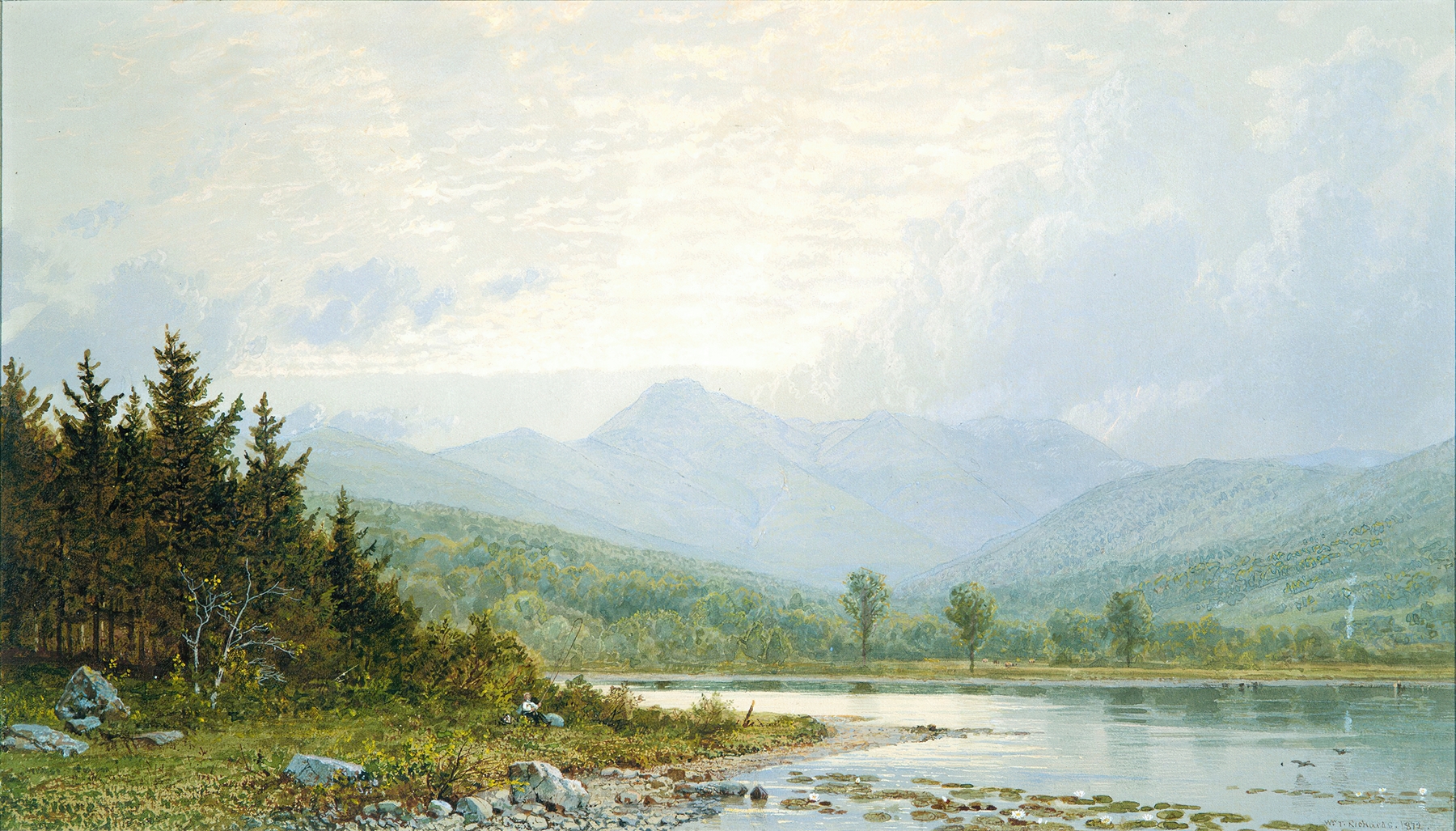
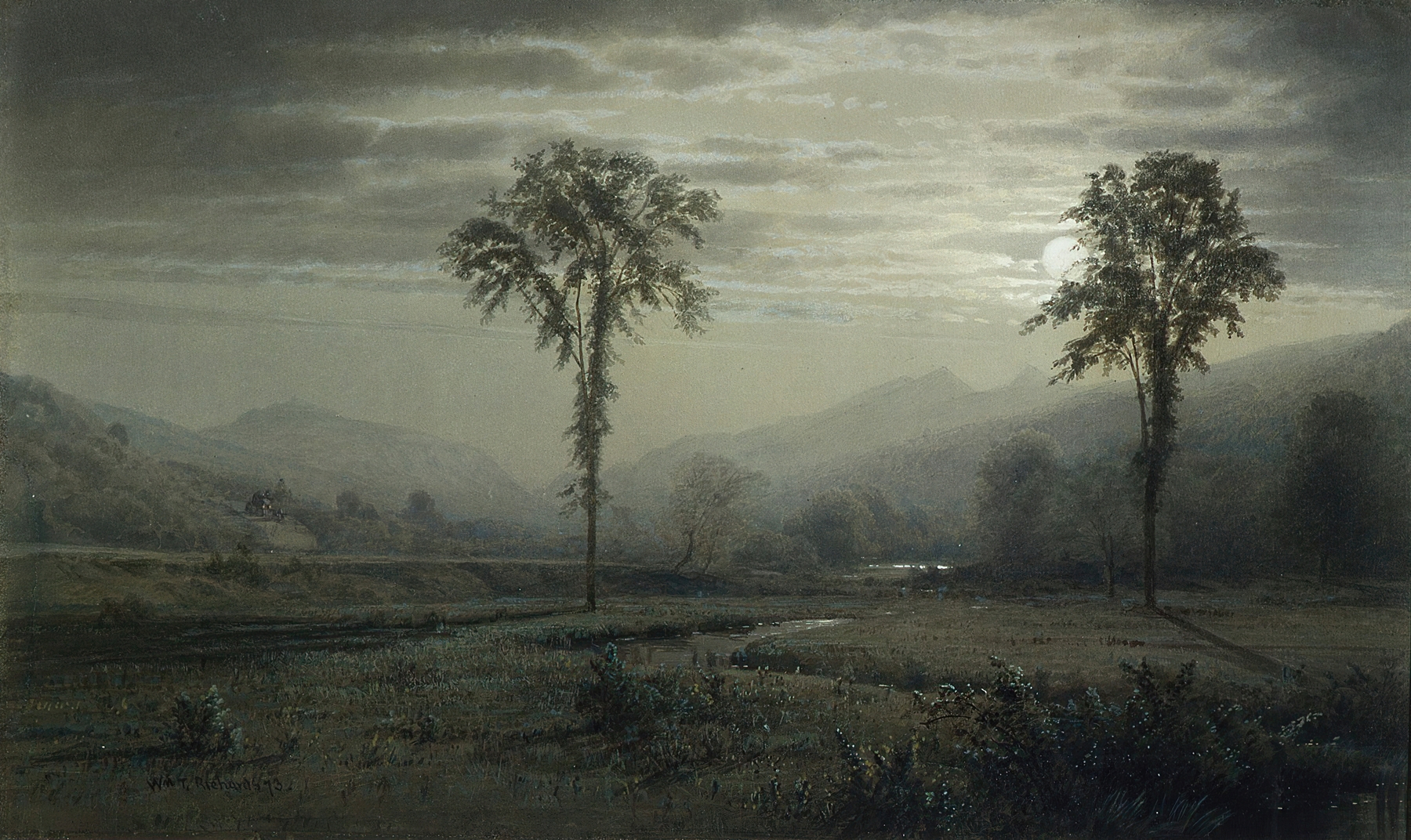
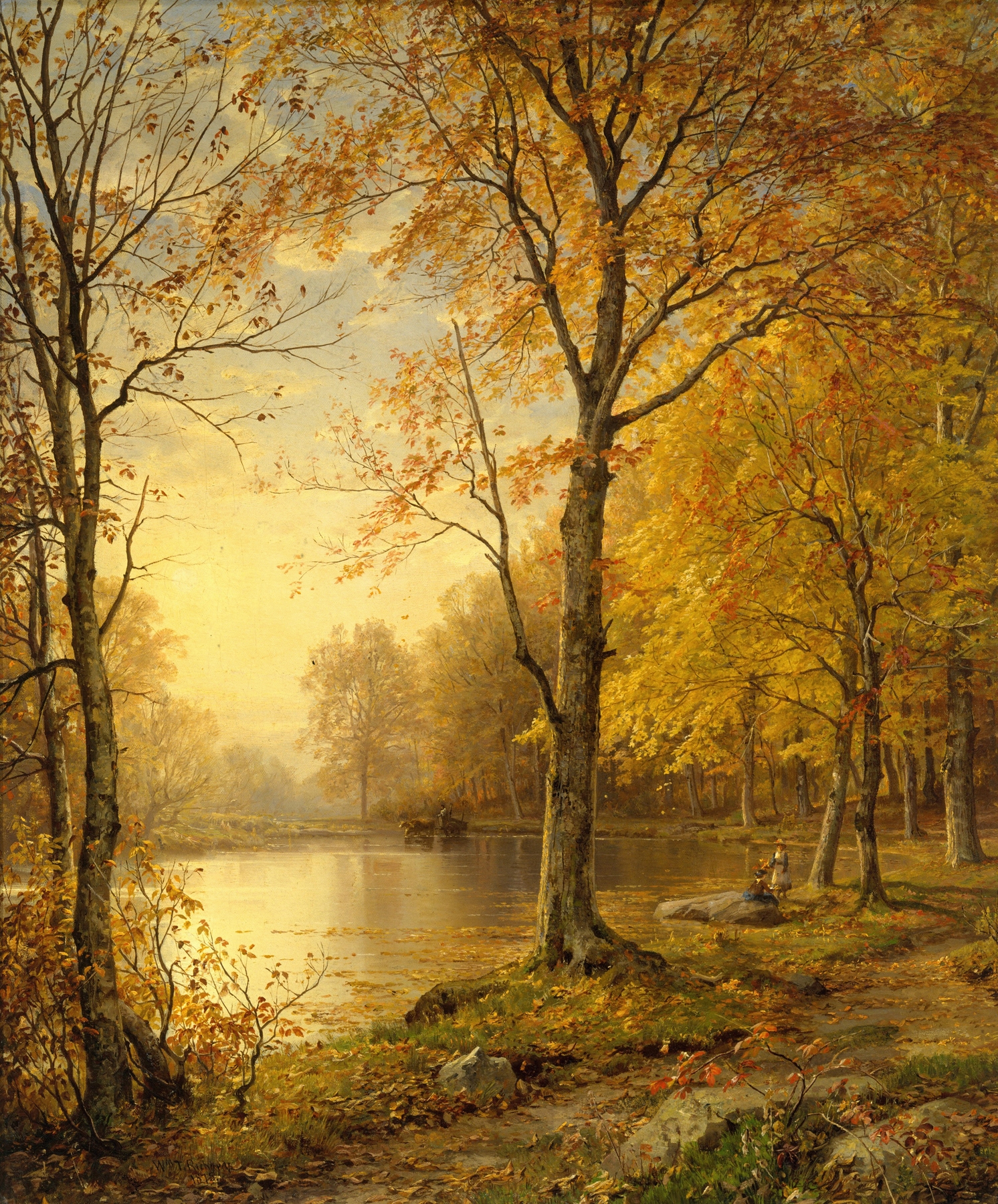
“To paint is to remember what time wants us to forget.” In the serene waters of the Adirondack Mountains, a moment is encapsulated, echoing the quietude of nature and whispering the stories of loss that lie beneath its surface. Look to the center of the canvas, where the stillness of the lake mirrors the sky, creating a harmonious blend of blues and greens. Notice how the delicate brushstrokes capture the ripples that reflect the surrounding trees—each movement a testament to both life and transience.
The sun, veiled by wispy clouds, casts a gentle light that dances across the water, illuminating the delicate interplay of shadow and serenity in a celebration of nature’s beauty. Yet, beneath the tranquility, there lies a poignant contrast: the untouched beauty of the landscape and the unspoken yearning for what has been lost. The absence of human presence suggests solitude, as if the painting itself mourns the passage of time, reminding us of memories that fade into the depths of our minds.
The meticulous detail in the foliage speaks to the artist's desire to preserve these fleeting moments, capturing both the essence of life and the inevitability of decay. This work emerged during a period in which nature was a central theme in the American artistic landscape. Created in the late 19th century, when the Hudson River School was gaining prominence, the artist sought to reflect the profound beauty of the wilderness while grappling with themes of impermanence and nostalgia, a sentiment that resonated deeply during a time of rapid change in the United States.