Lakeside Cottage — History & Analysis
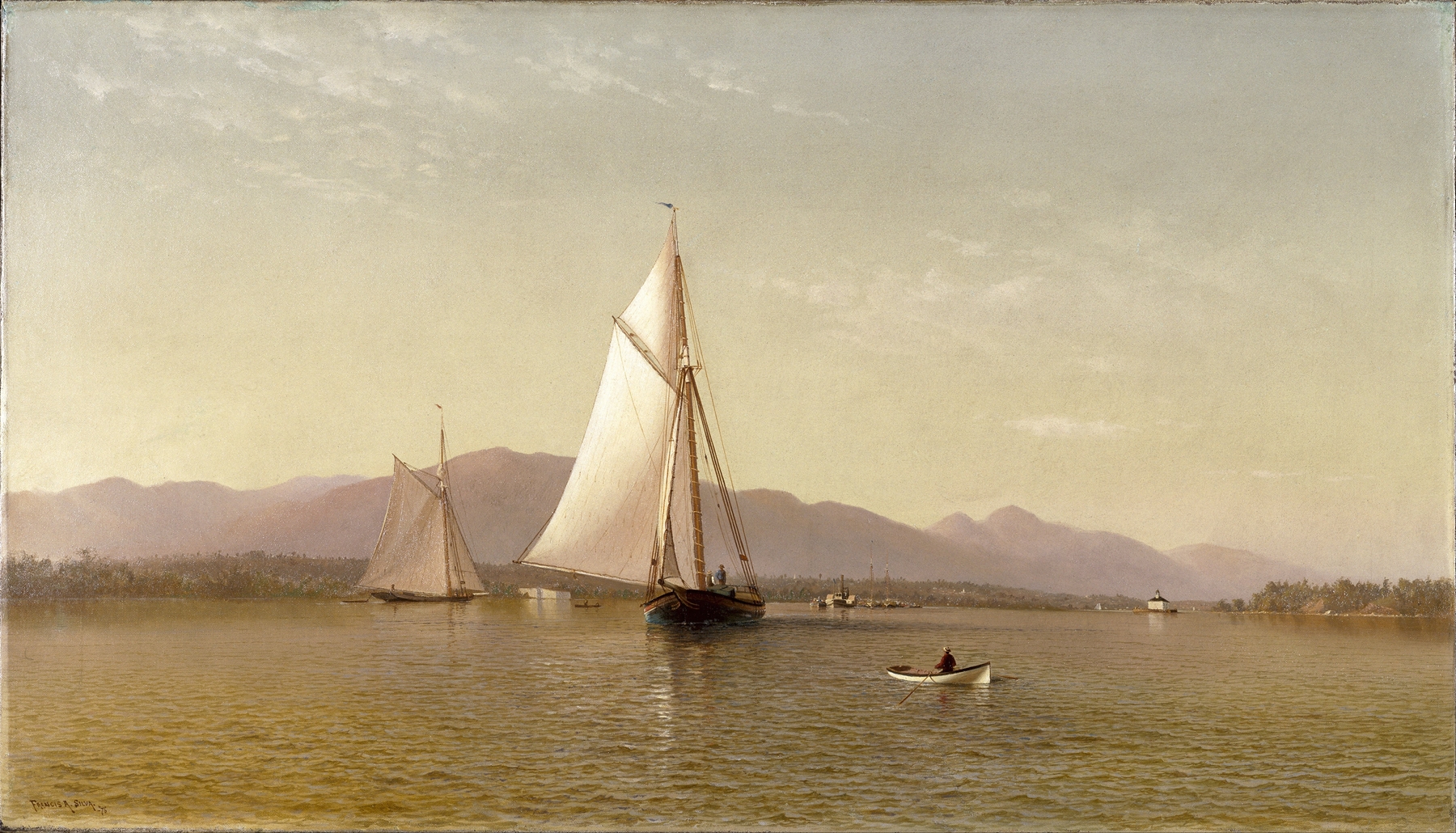
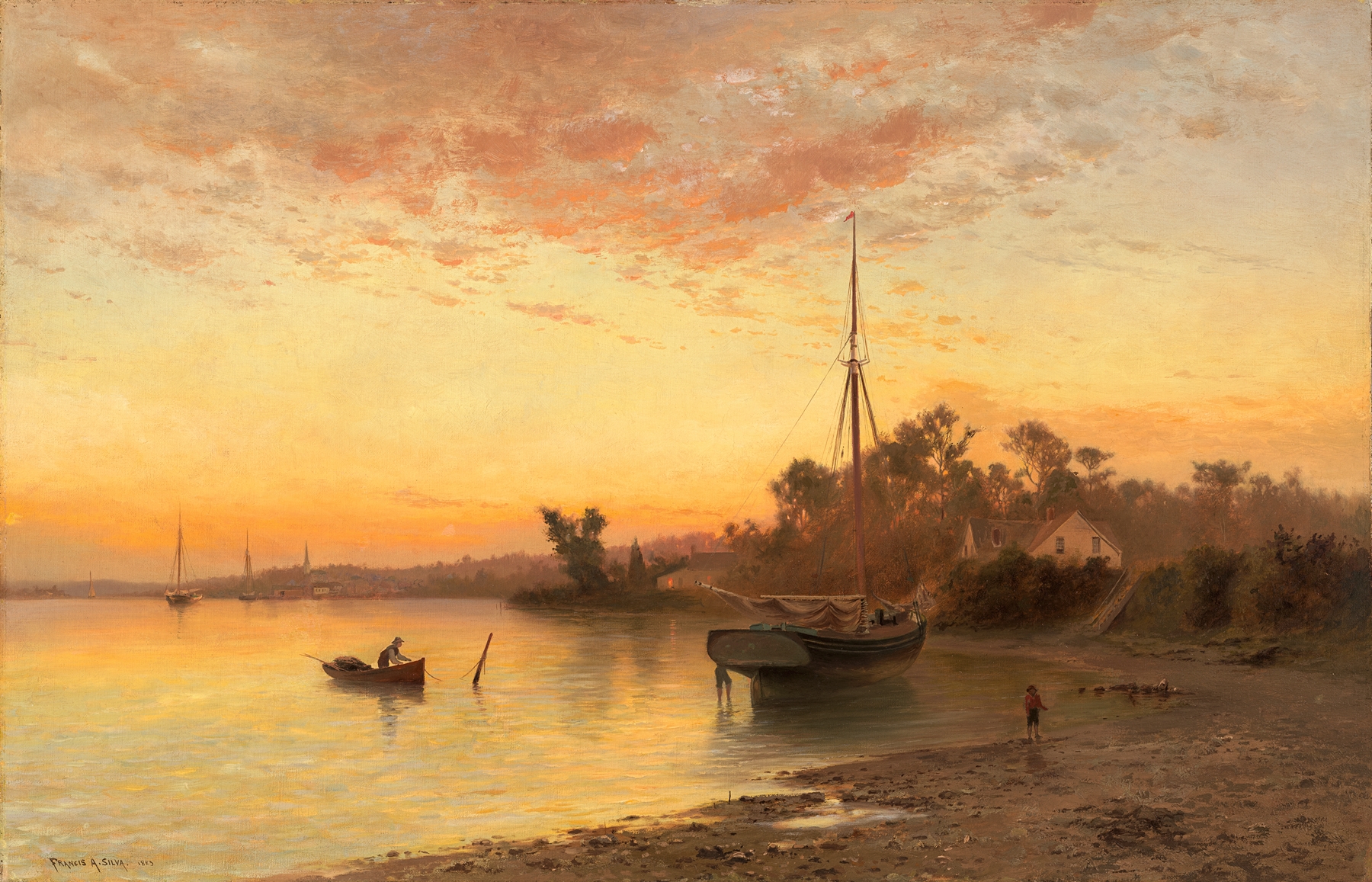
Can beauty exist without sorrow? In the quiet embrace of nature, where light dances on water’s surface, we discover the delicate balance between joy and melancholy. Look to the left at the gentle slope of the hills, bathed in the soft, golden light of a fading day. The cottage, nestled among the trees, stands as a testament to human presence harmonizing with the landscape.
Notice how the reflections in the lake ripple in tandem with the brushstrokes, creating a serene connection between the water and the sky. The palette of greens, blues, and warm earth tones invites the viewer into a dream-like state, where every detail feels meticulously composed yet beautifully spontaneous. Beneath the surface, this scene holds an undercurrent of solitude. The tranquil water suggests quiet contemplation, while the small cottage evokes a sense of isolation, as if it is both a sanctuary and a reminder of distance.
The interplay of light and shadow, so carefully rendered, creates a sense of transience—each moment caught in the stillness hints at the fleeting nature of happiness, underscoring the emotional tension between the comforts of home and the vast, often lonely expanse of the wilderness. Francis Augustus Silva painted this piece during a period of significant change in his life, where the late 19th century sought to embrace a naturalistic approach. Emerging from the bustling art scene of New York, he found solace in landscapes that reflected both personal and collective experiences. The tranquility of Lakeside Cottage embodies his exploration of the relationship between humanity and nature, a theme that would resonate deeply in his work as his career progressed.