The Hudson at the Tappan Zee — History & Analysis
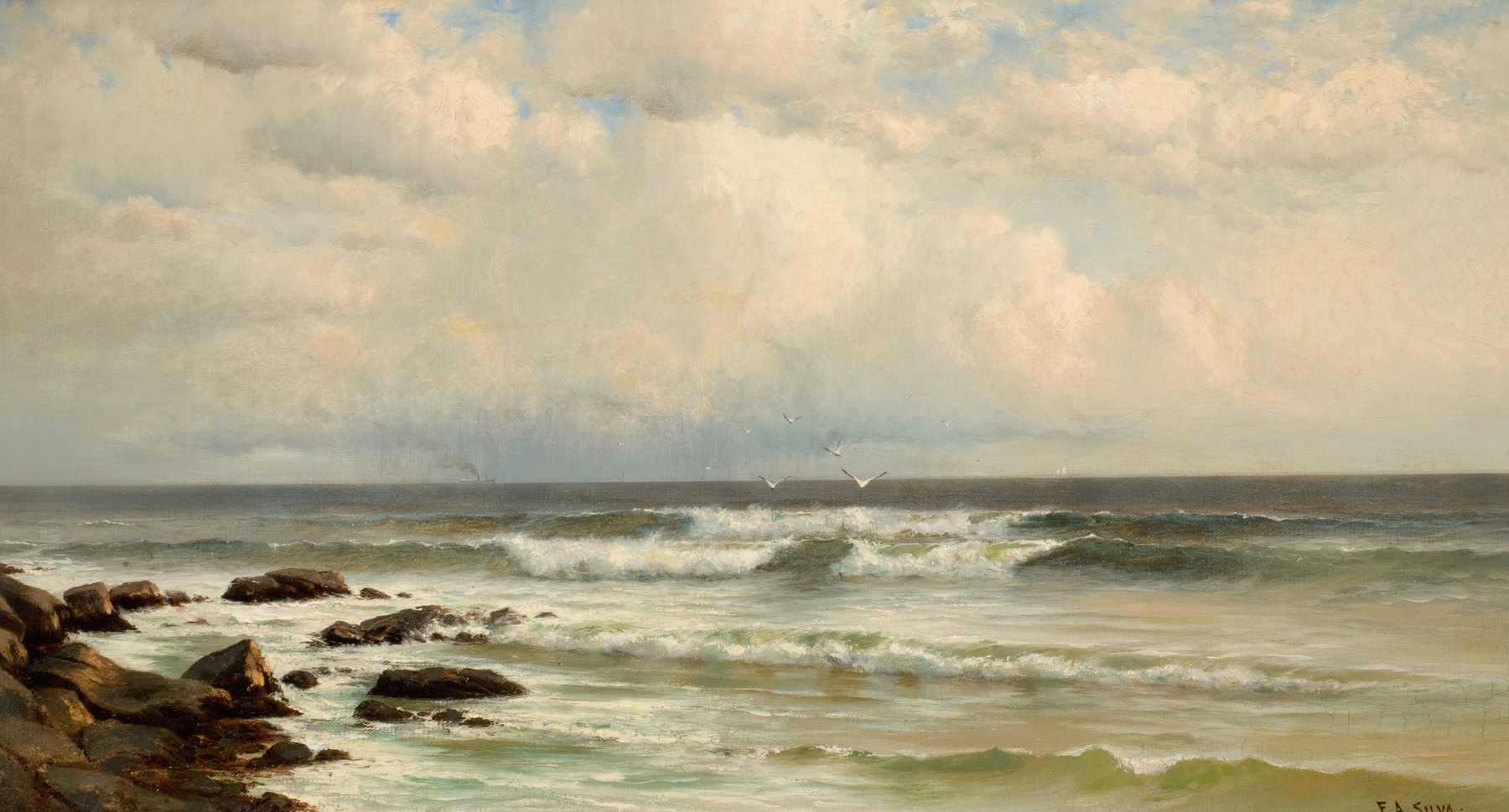
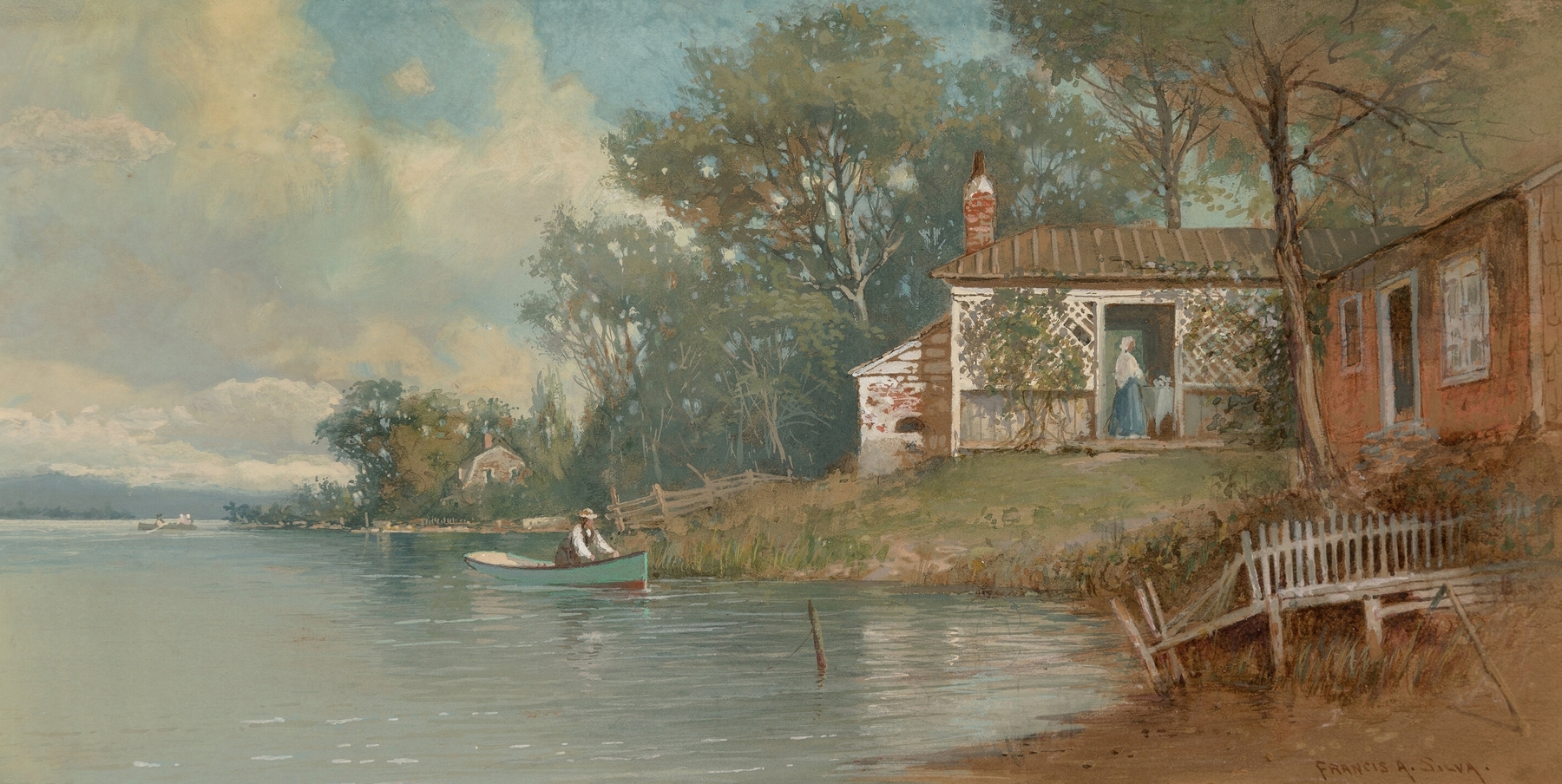
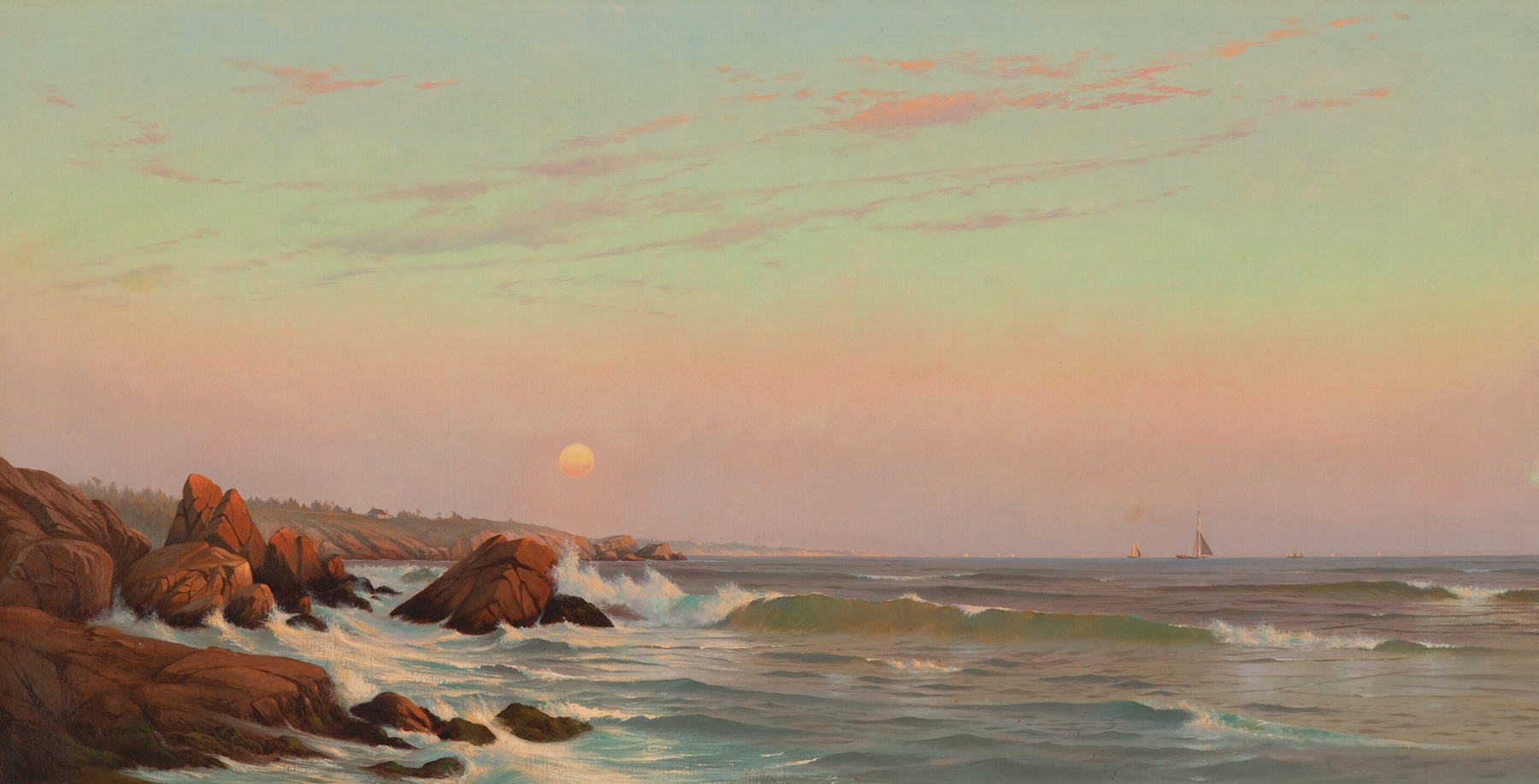
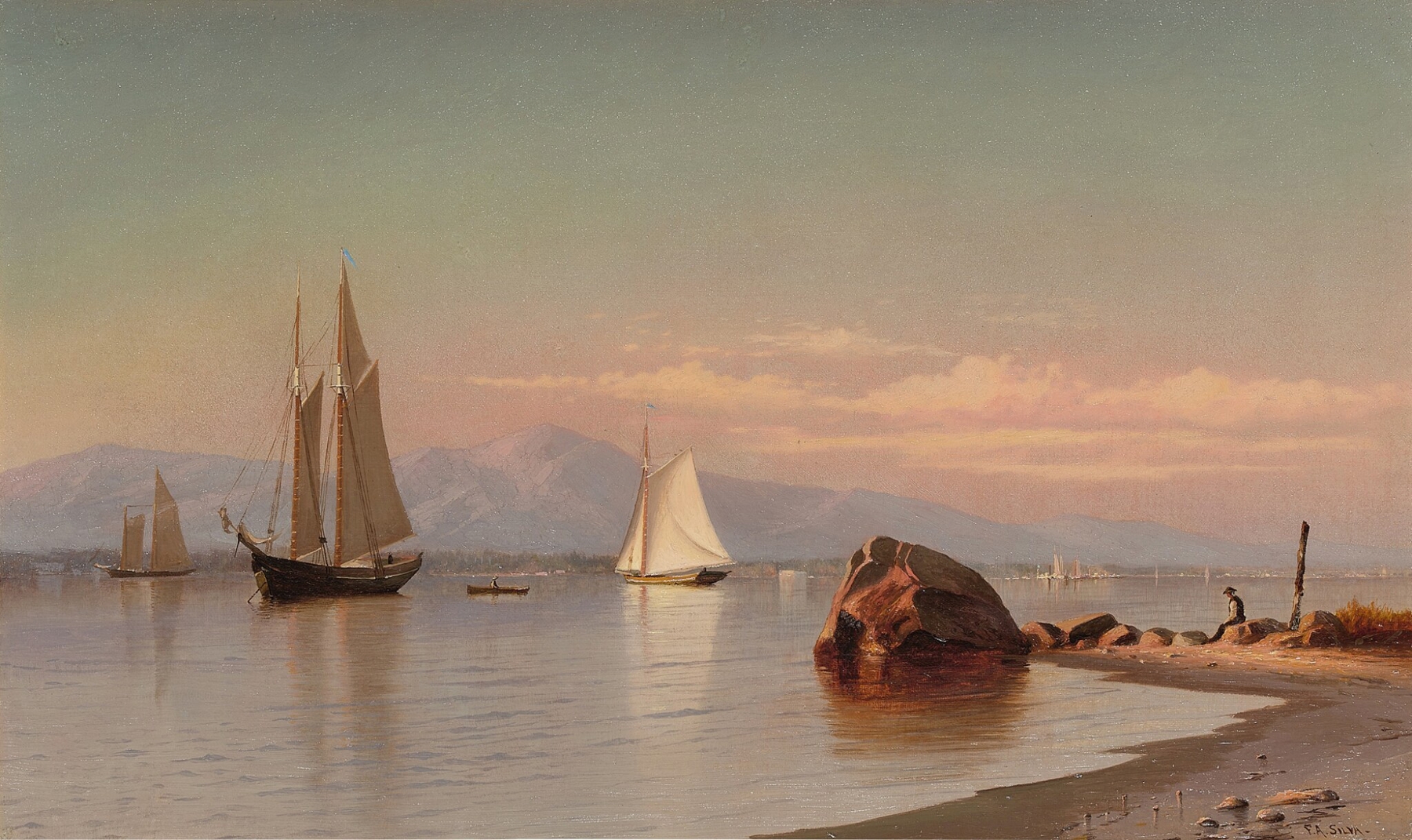
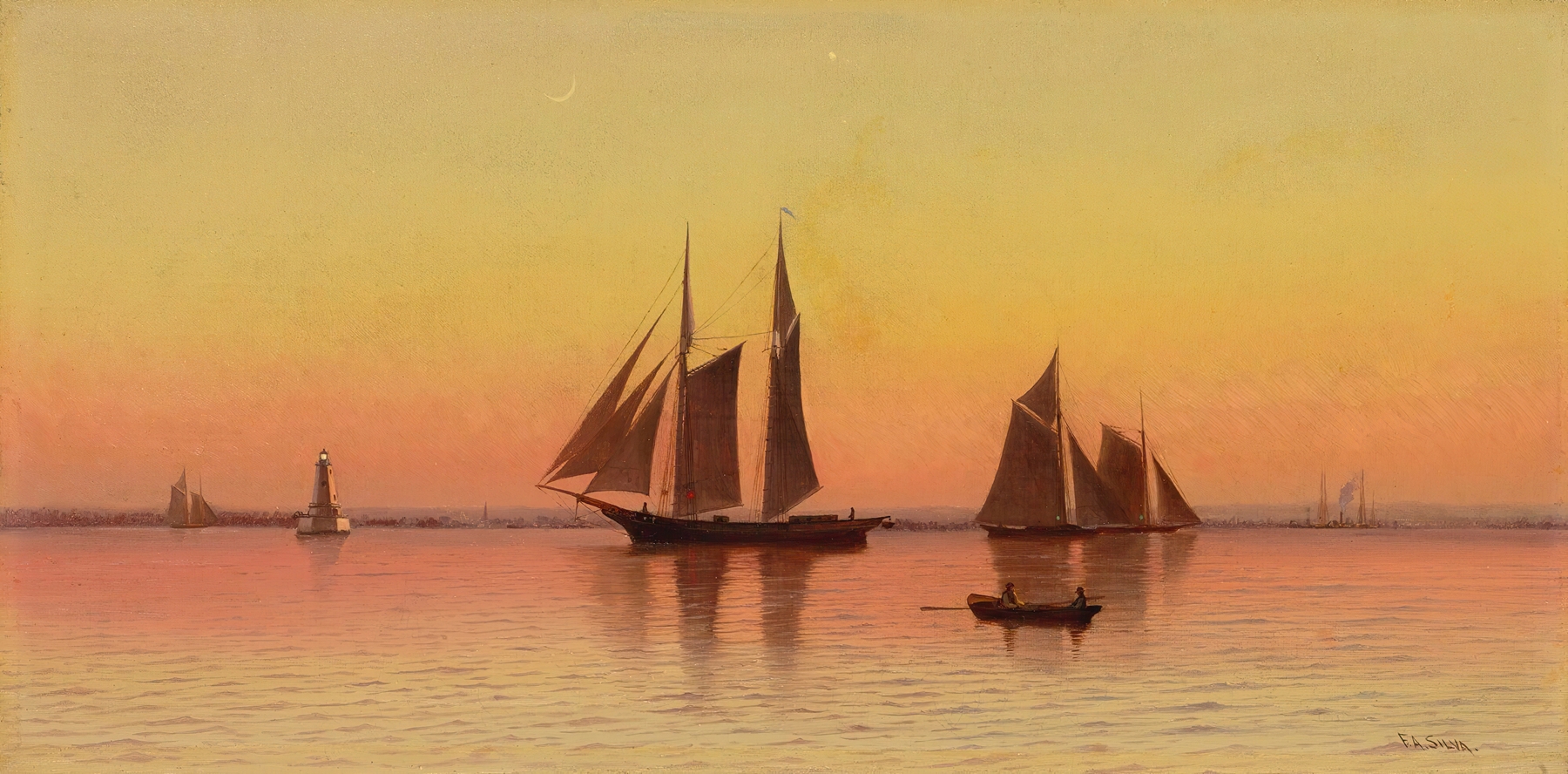
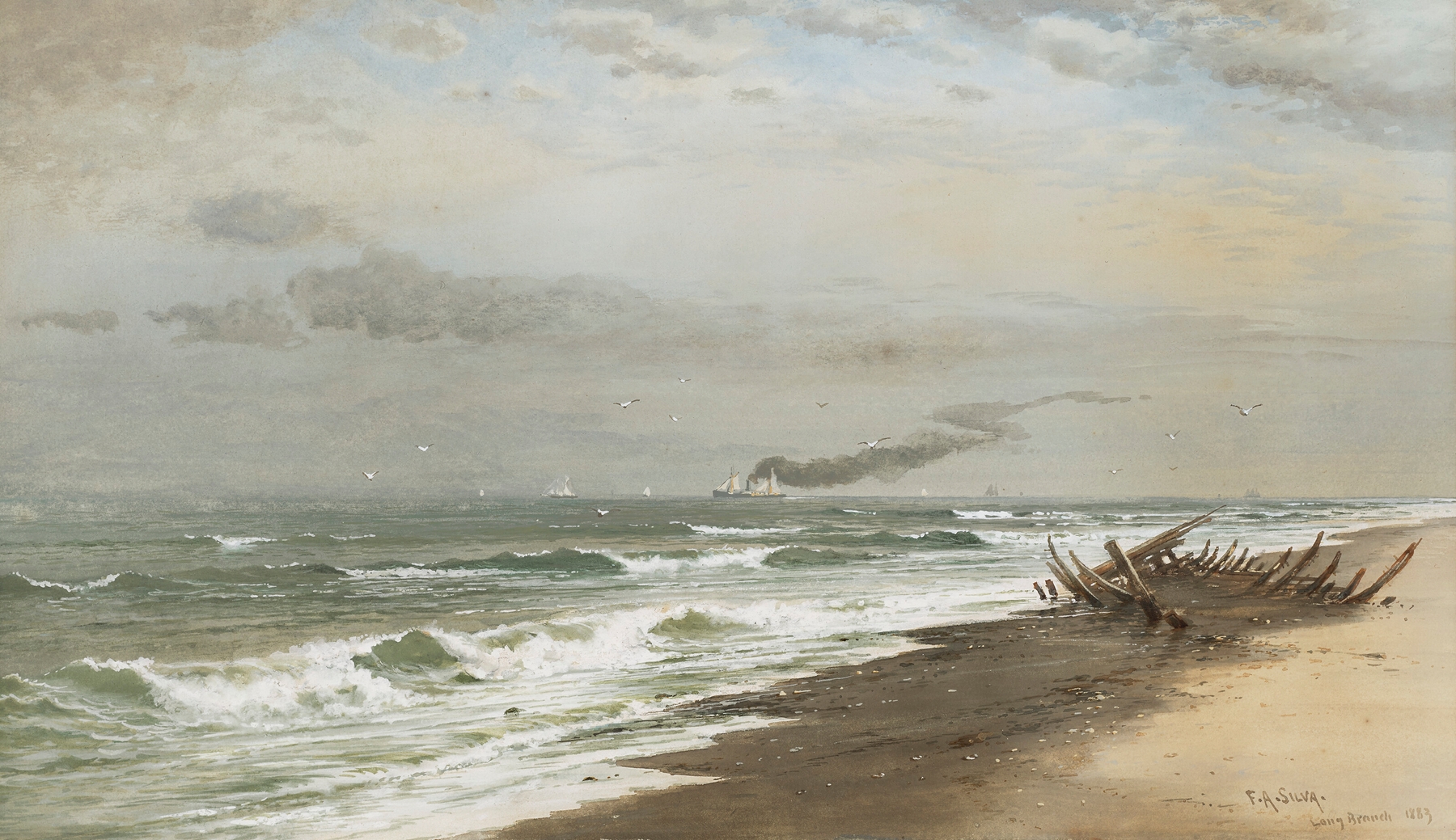
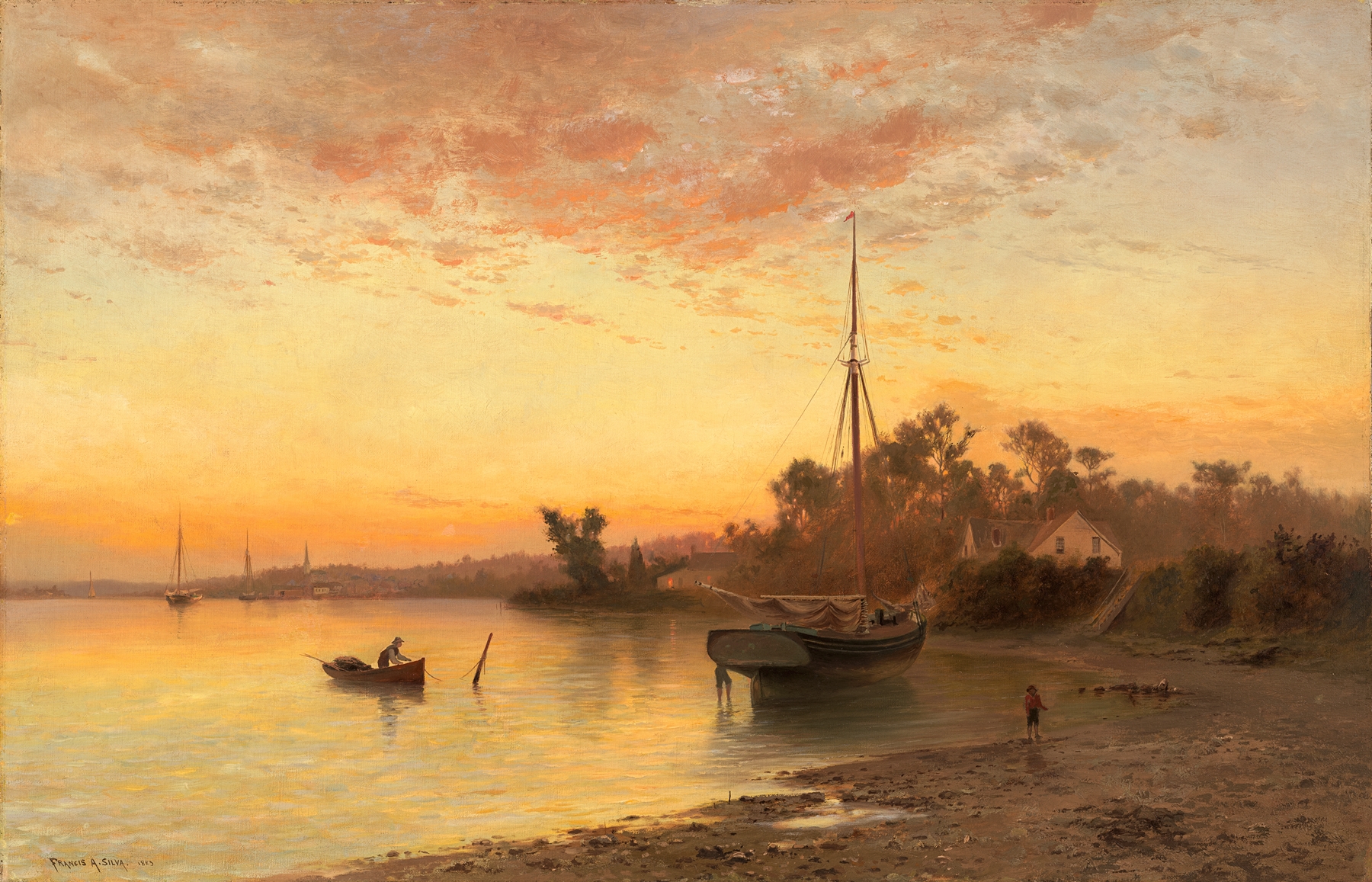
What secret hides in the quiet of the canvas? In The Hudson at the Tappan Zee, a serene landscape unfolds, inviting contemplation of rebirth in nature and life. Look to the left where the gentle curve of the Hudson River beckons, its waters reflecting a delicate palette of blues and greens. Notice how the artist captures the soft interplay of light filtering through clouds, illuminating a tranquil scene evoking both calm and anticipation.
The brushwork, fluid and rhythmic, allows the eye to travel along the river's edge, while the distant hills stand stoically under a soft haze, grounding the composition in a harmonious balance. In this work, the contrast between the still water and the subtle ripples suggests a deeper current of change beneath the surface. The looming clouds, both ominous and luminous, hint at transformation—a moment caught between the mundane and the extraordinary. These elements coalesce, revealing a narrative of renewal, inviting viewers to reflect on the cycles of nature and human experience.
The artist created this work during a time of significant personal growth and exploration. Active in the mid-19th century, he was influenced by the Hudson River School, a movement that celebrated the American landscape. This painting, likely produced while he was living in New York, reflects the era's fascination with nature and the sublime, moments that continue to resonate through time.