By the Seaside, New Jersey Shore — History & Analysis
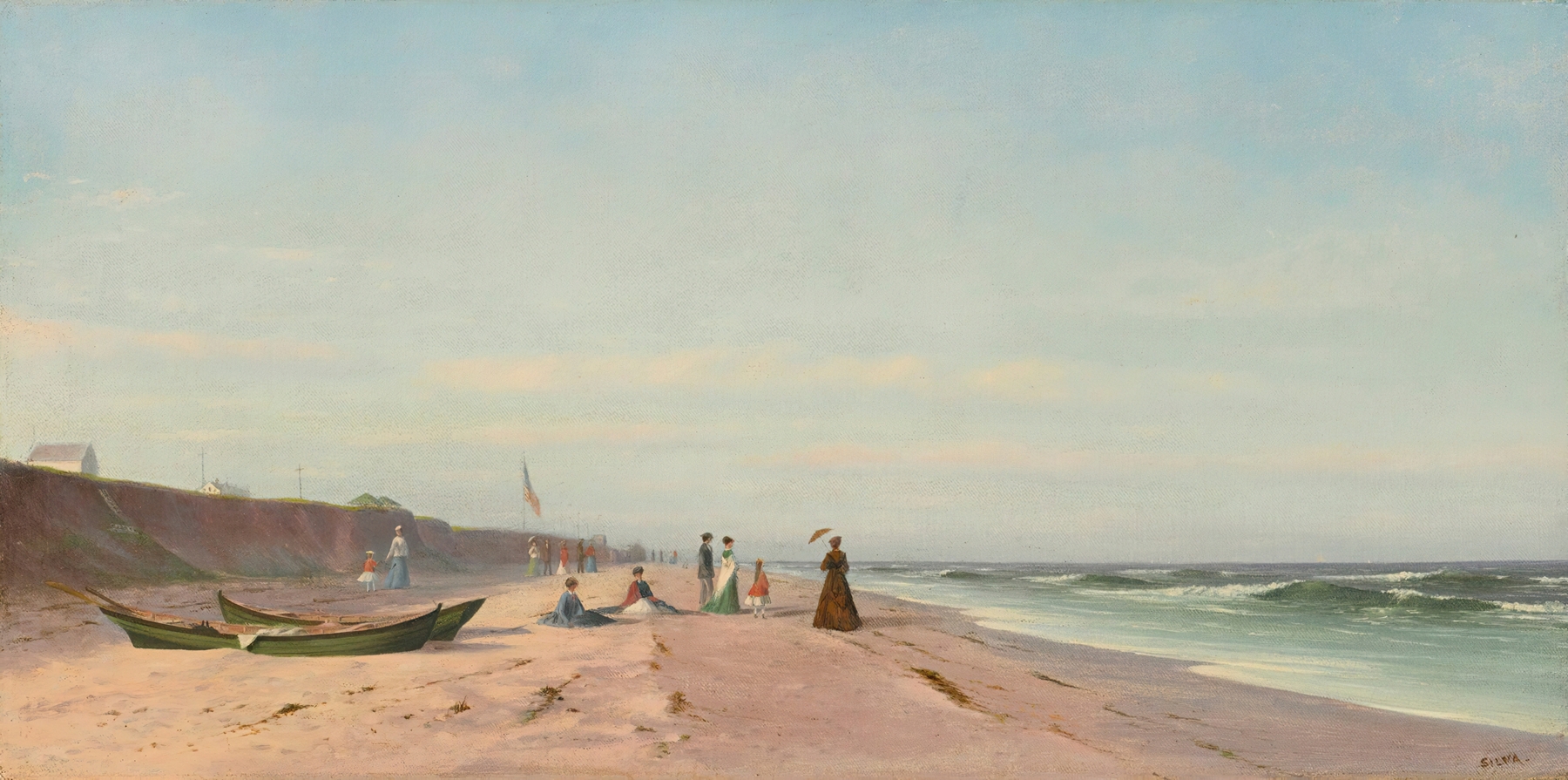
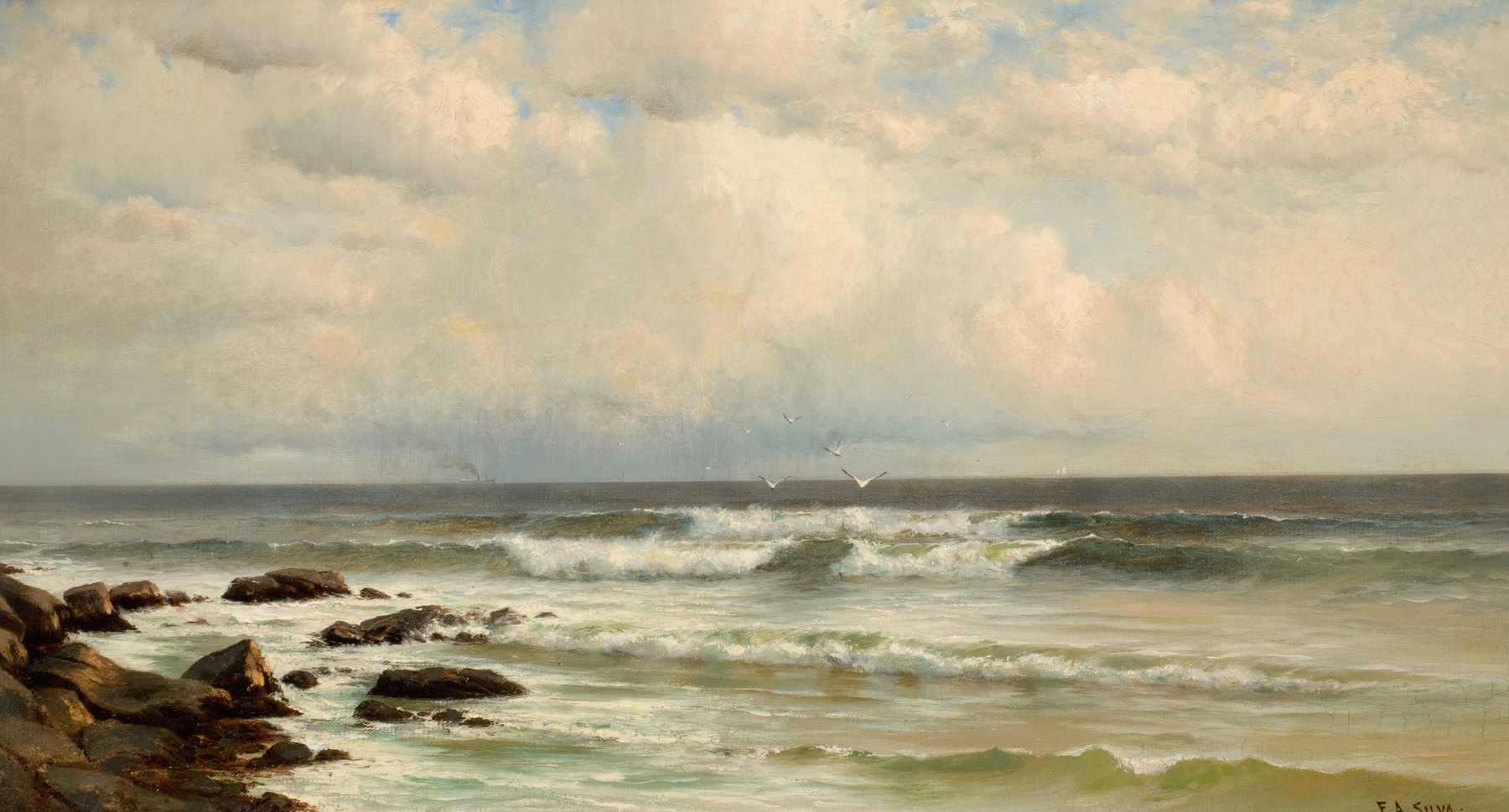
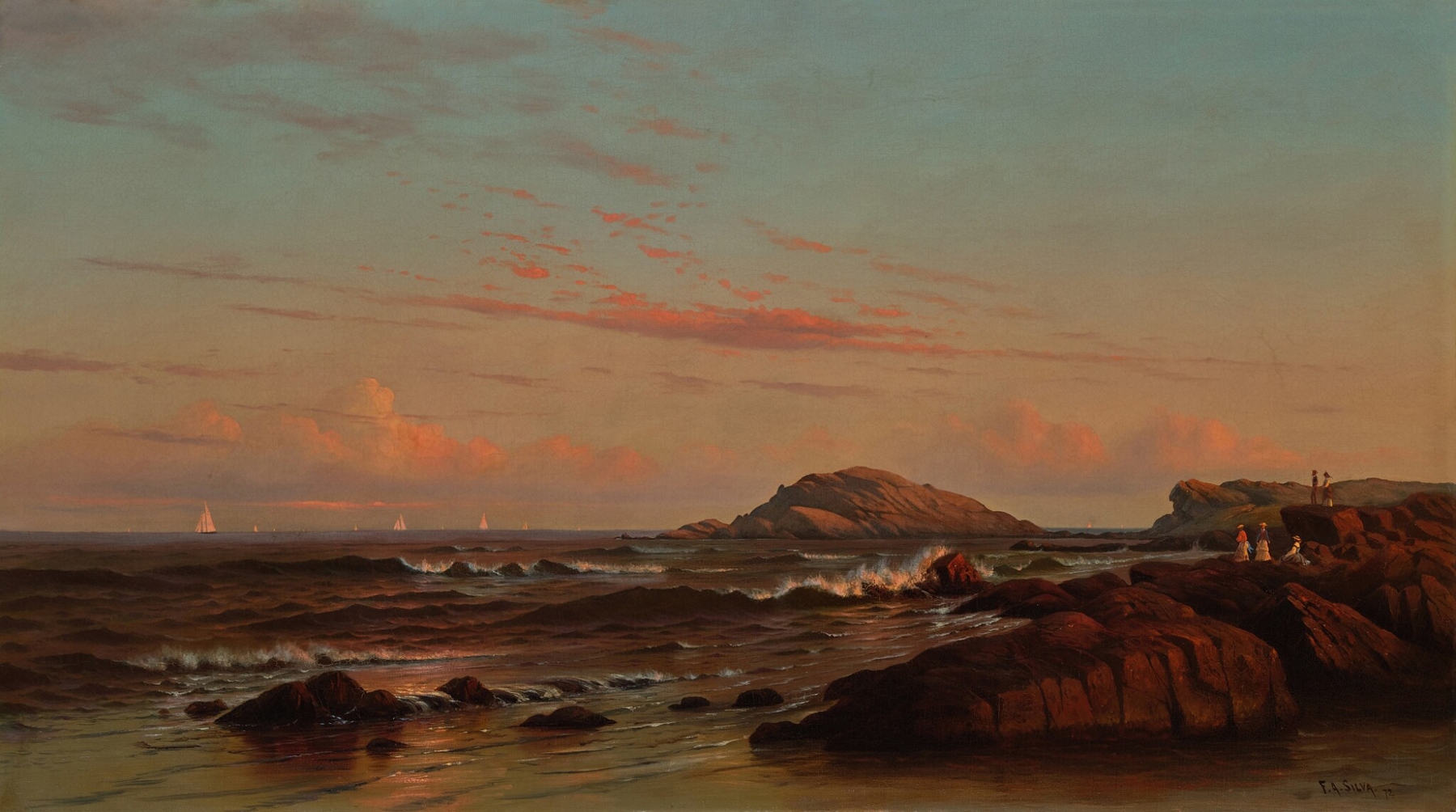
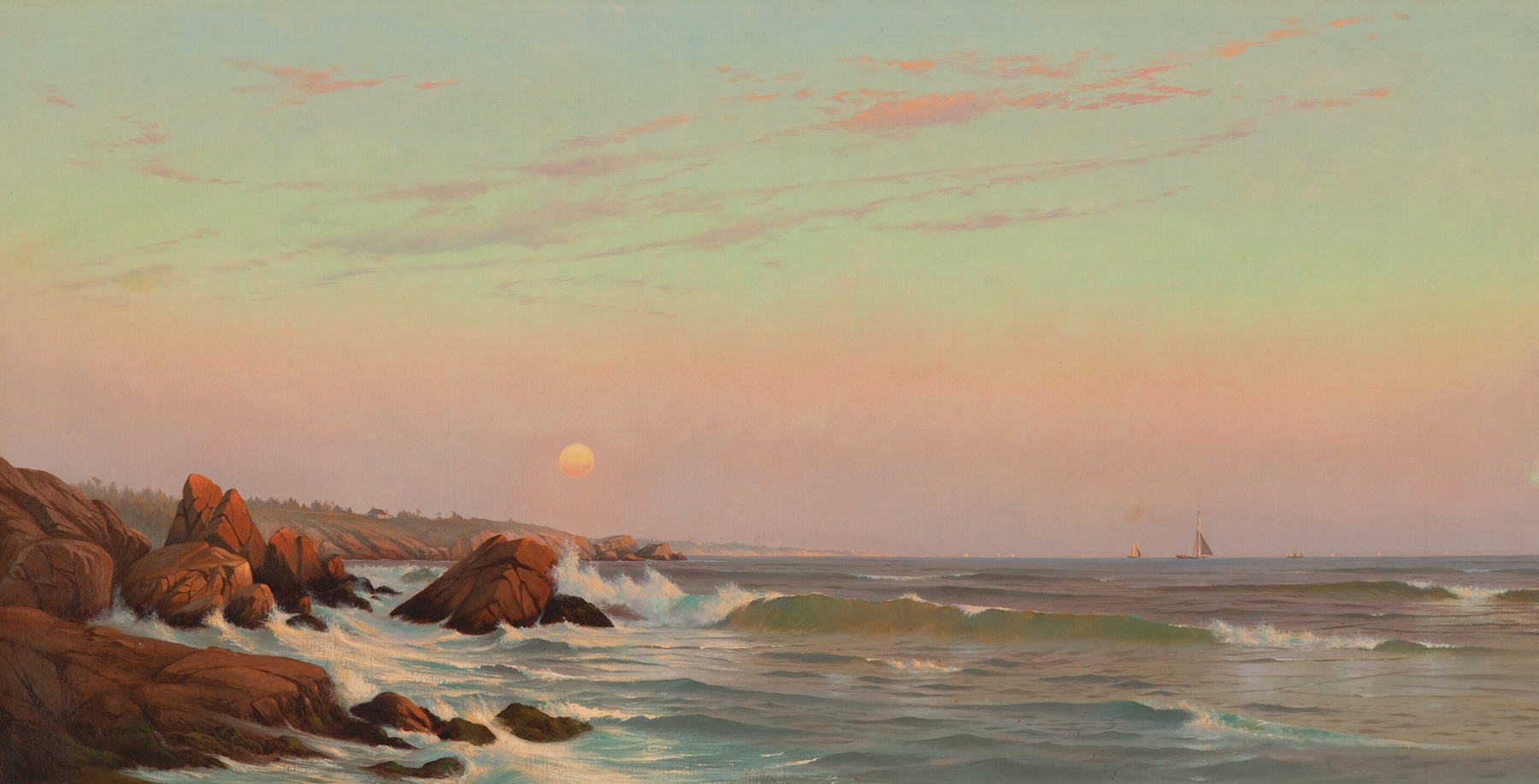
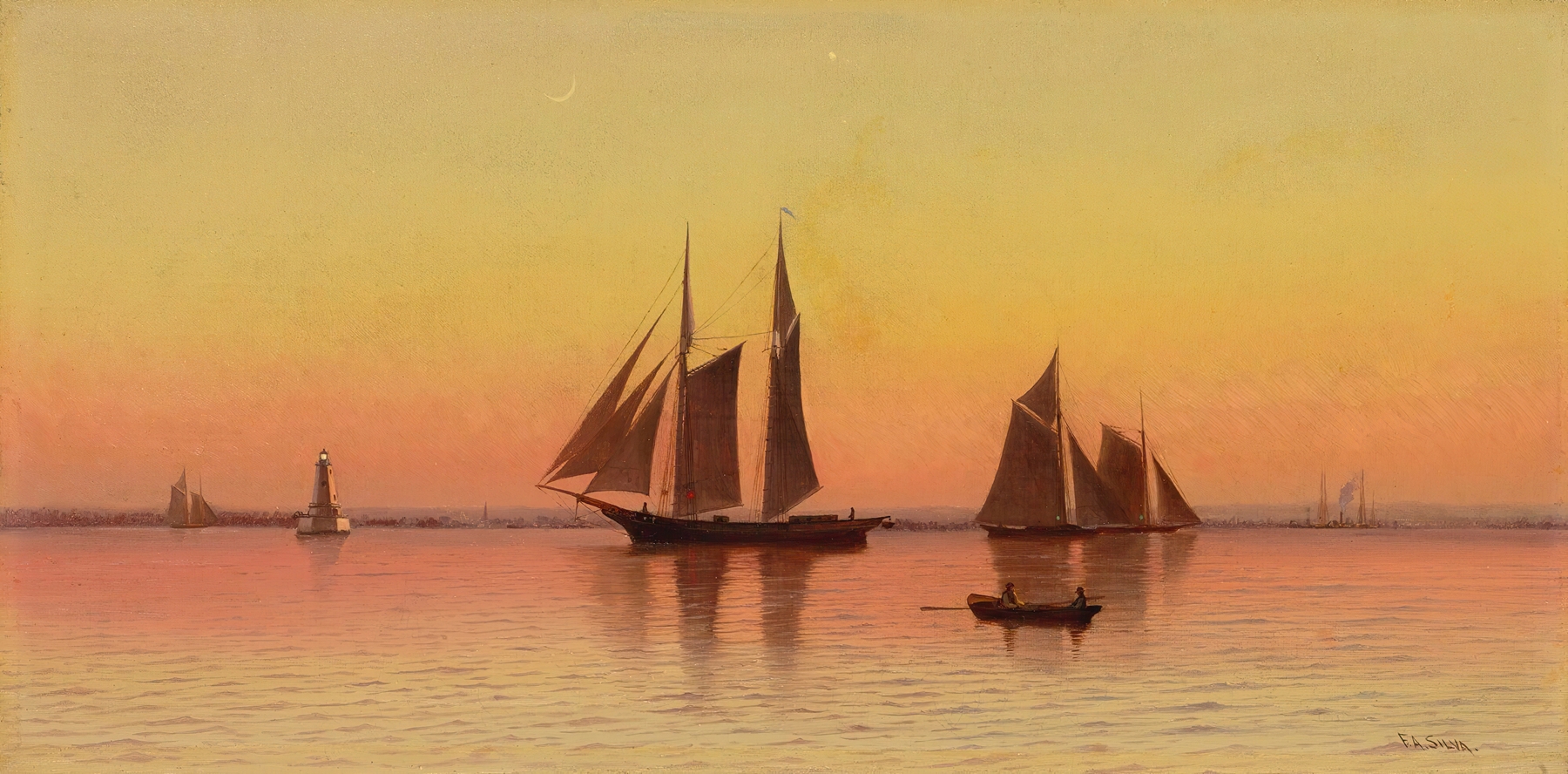
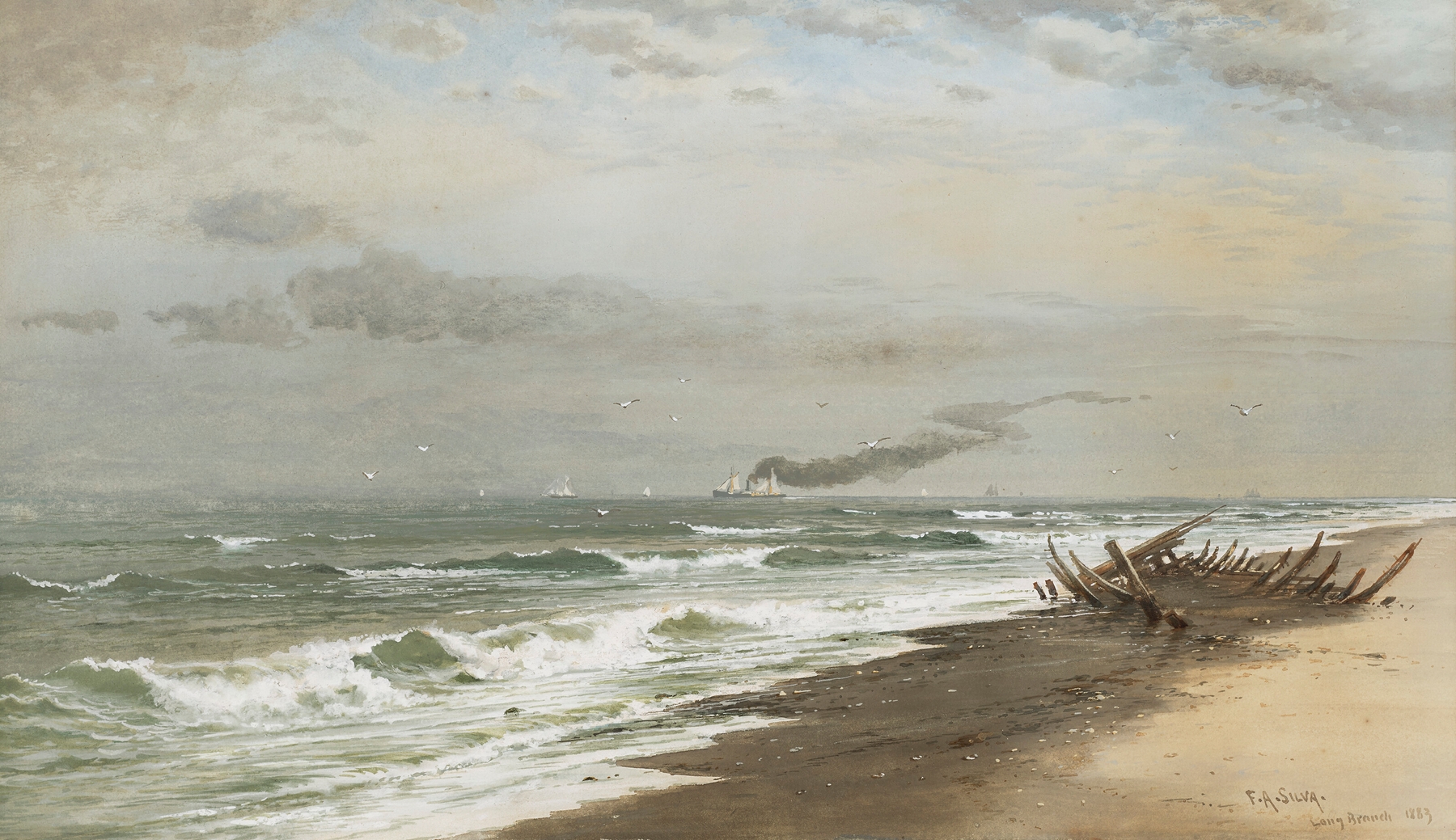
What secret hides in the quiet of the canvas? How does the stillness of a seaside moment give way to a tide of overwhelming emotion? Look to the foreground, where gentle waves lap against the shore, their rhythmic motion captured with a masterful touch. The soft blues and greens of the water contrast with the warm sandy hues, drawing the eye toward the horizon where the sky meets the sea.
Notice how the delicate brush strokes create an illusion of shimmering light dancing upon the surface, evoking a tranquil yet restless atmosphere that hints at hidden depths beneath the calm exterior. As you delve deeper into the scene, observe the tiny figures of people scattered along the beach, engaged in various activities, their postures suggesting a range of human experience from leisure to contemplation. The placement of these figures against the vastness of the ocean accentuates the solitude one can feel even in a crowd, embodying a sweet irony—joy intertwined with a whisper of melancholy. The painting invites reflection on how nature, in all its beauty, can evoke feelings of madness that swirl beneath the surface.
In 1883, the artist found himself living in New York City, where he was deeply influenced by the burgeoning Impressionist movement. During this period, he honed his skills in capturing light and atmosphere, shifting away from traditional realism. The world was rapidly changing, yet he remained steadfast in depicting serene landscapes that bore witness to both human connection and solitude, a duality that resonates powerfully in this evocative work.