Sailboats At Sunset — History & Analysis
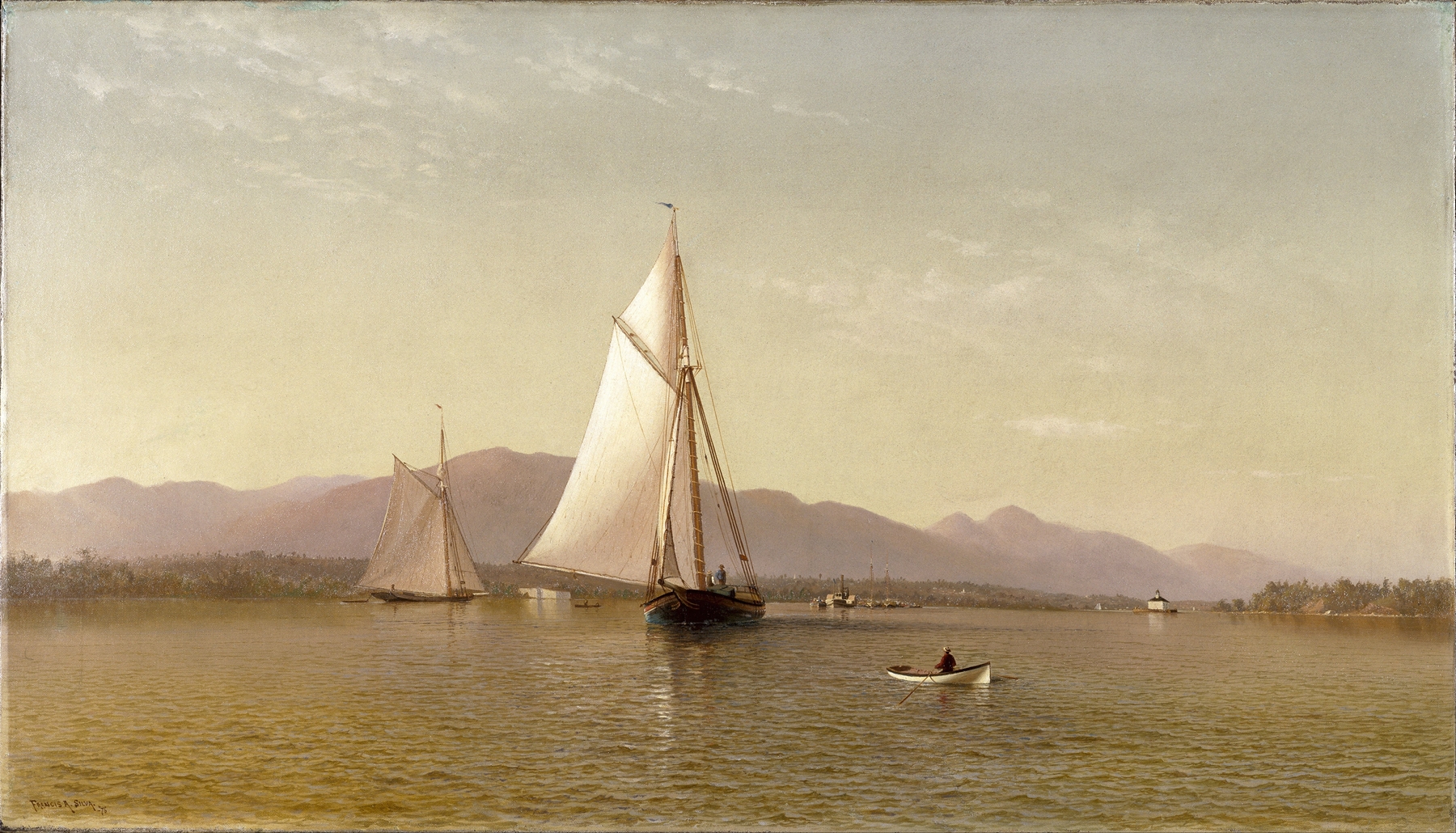
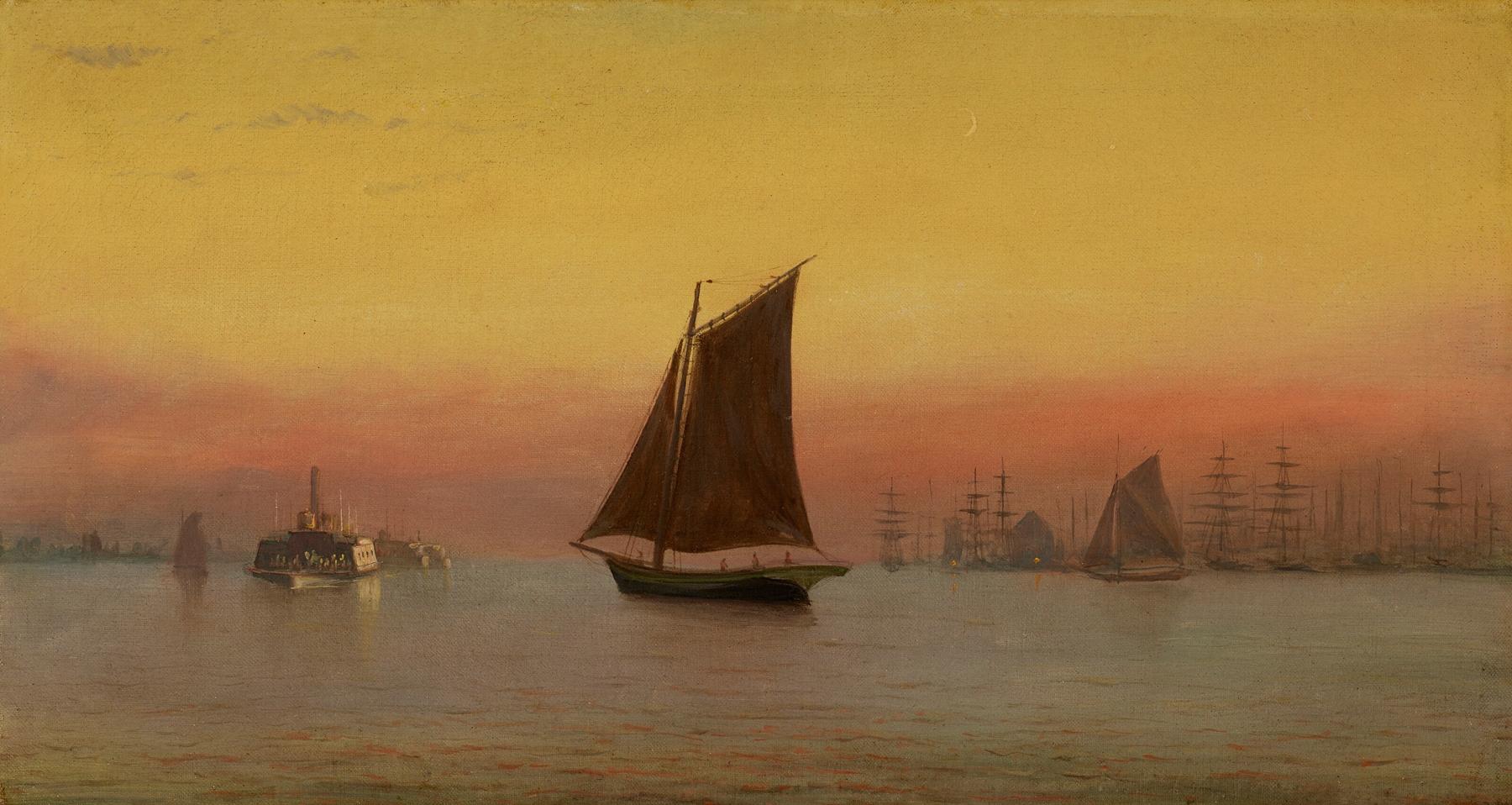
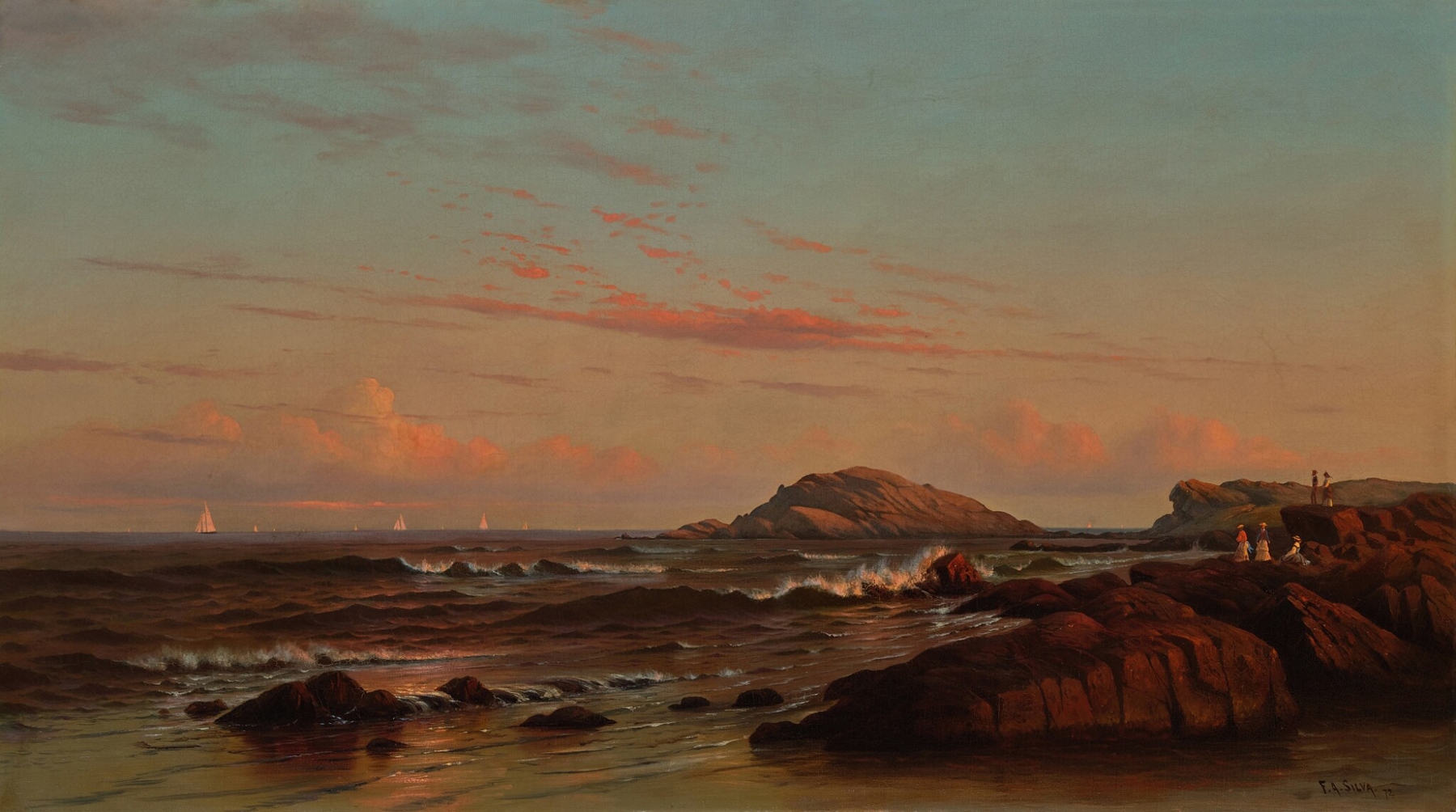
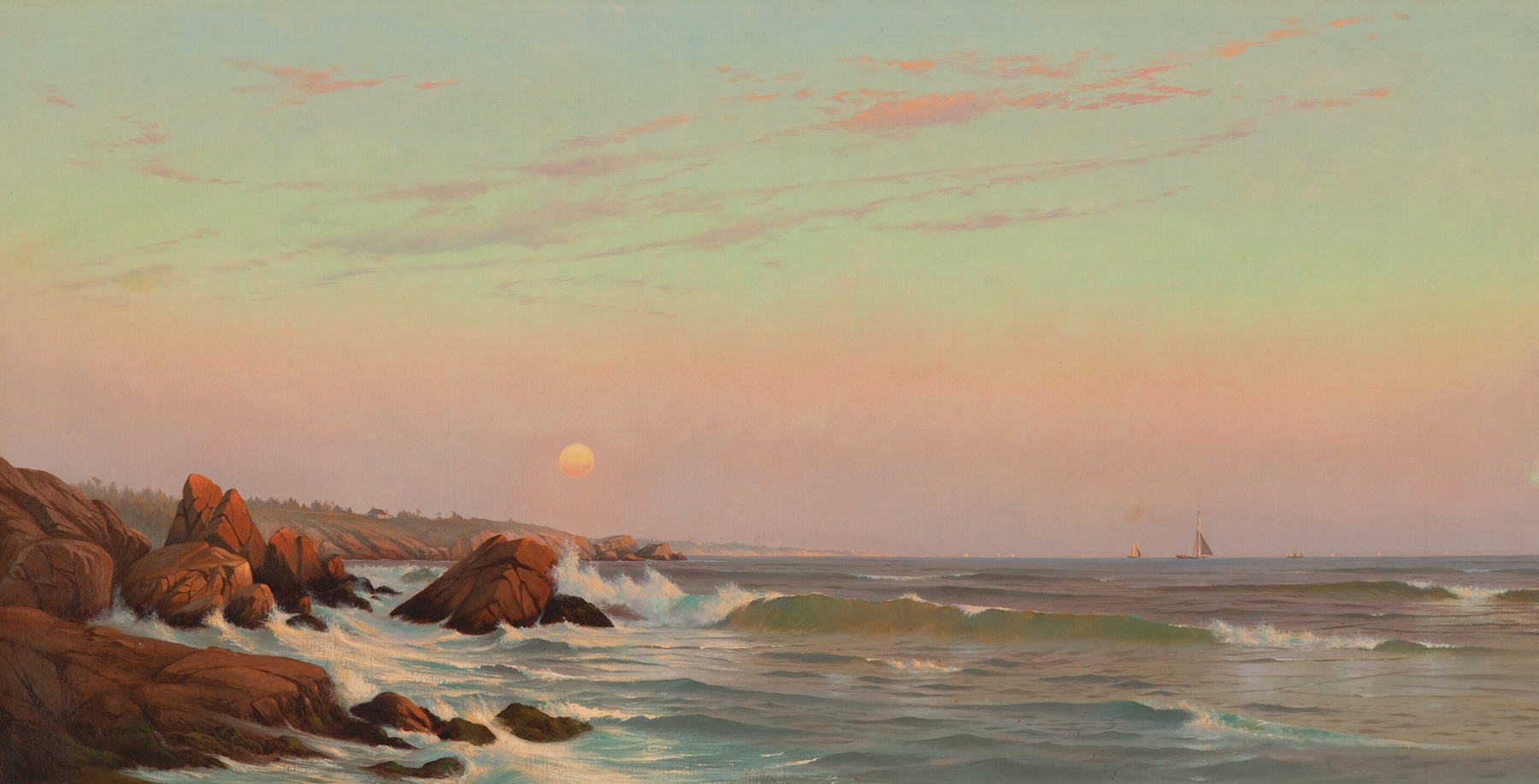
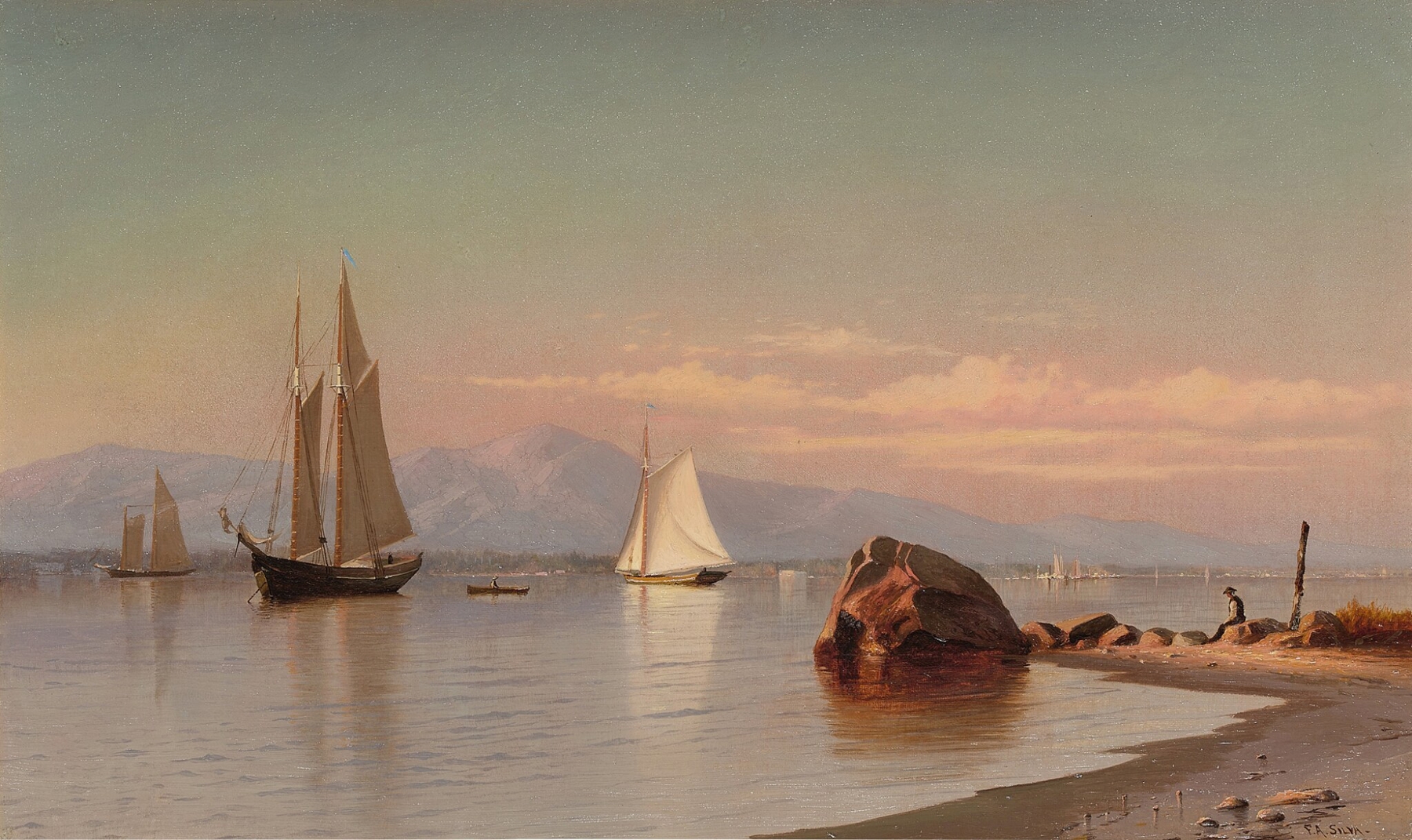
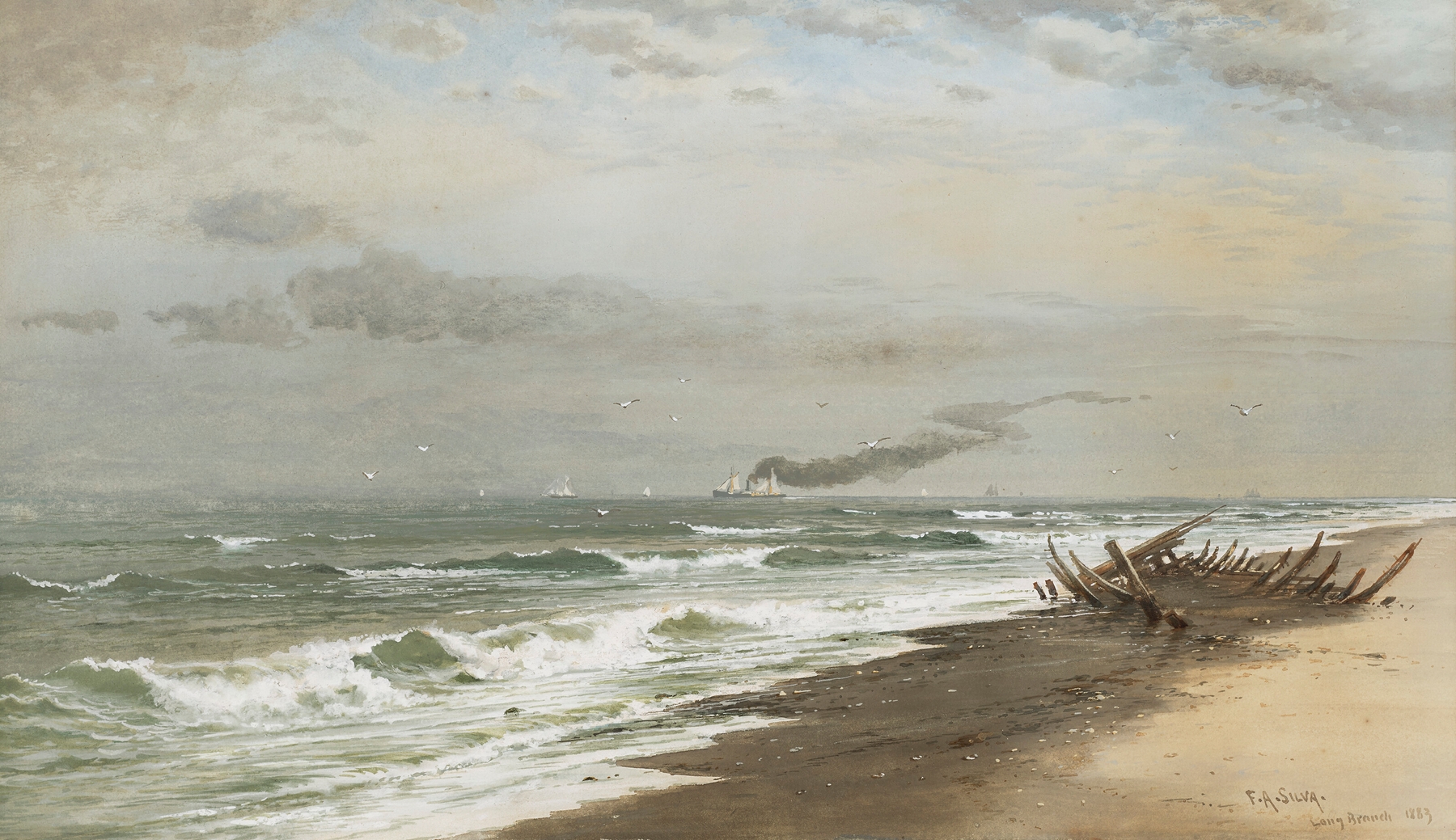
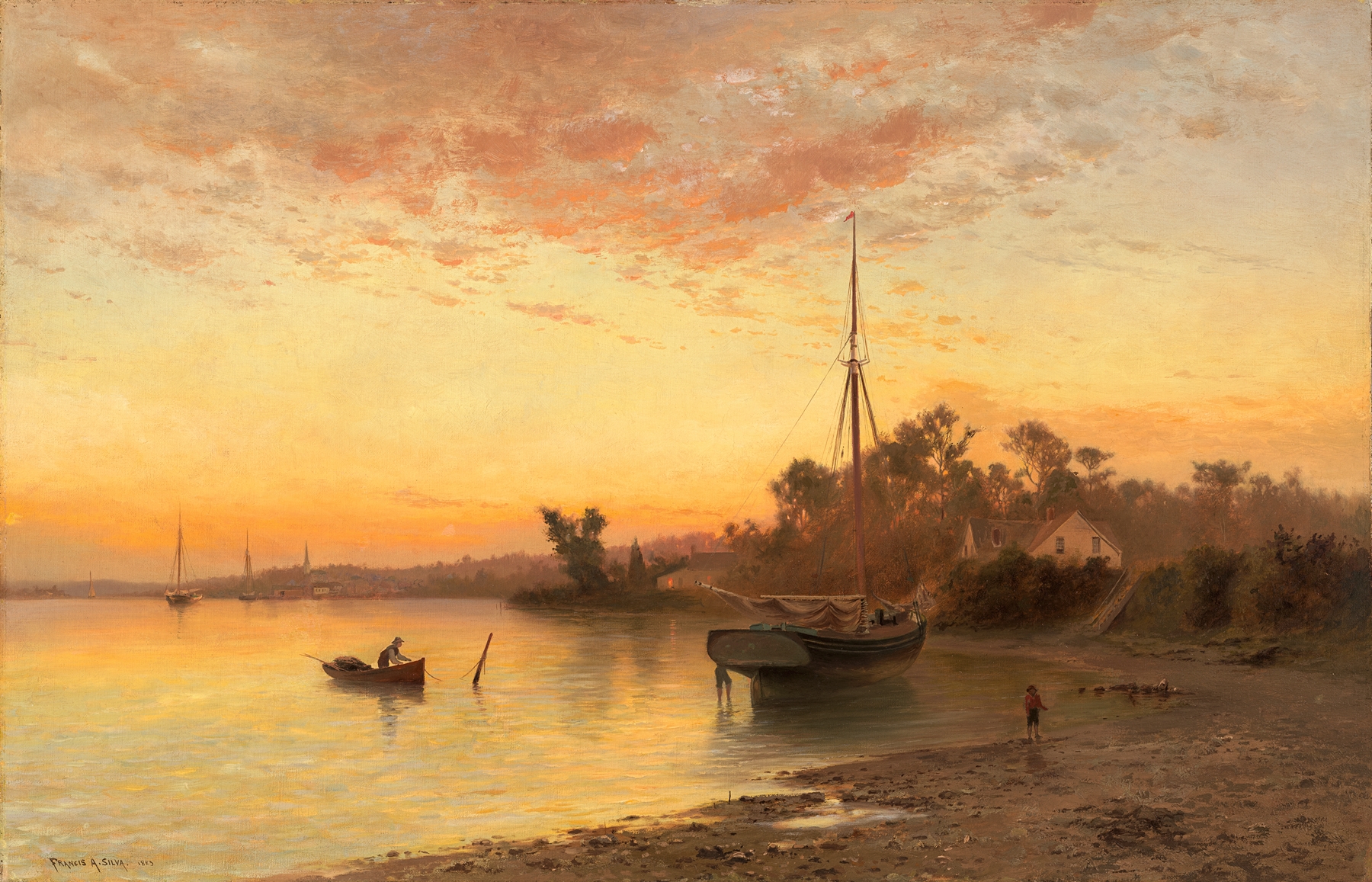
When did color learn to lie? In the embrace of twilight, hues weave tales that sparkle with both allure and ambiguity, coaxing our hearts into a dance with the sublime. Look to the horizon where the sun, a brilliant orb of gold and crimson, dips low, casting an ethereal glow across the canvas. Notice how the sailboats, mere silhouettes, float gracefully upon the shimmering water, their sails catching the last vestiges of daylight.
The bold strokes of ochre and deep indigo contrast sharply with the soft pastels of the sky, creating a dynamic interplay that draws the eye across the vast expanse of color and light. Yet within this seemingly tranquil scene lies an undercurrent of tension. The juxtaposition of the calm water and the explosive colors suggests a fleeting moment — the end of a day that whispers of both closure and promise. Each sailboat appears as a vessel of dreams, suspended between reality and the ephemeral, inviting contemplation about our connection to nature, time, and the essence of beauty itself.
In creating this piece, the artist captured a moment likely influenced by the changing tides of his life. Working in the late 19th century, Silva was part of the American Luminist movement, which sought to portray the effects of light in landscapes. This work reflects a period when artists embraced new techniques and perspectives, exploring the emotional resonance of nature, while they themselves were navigating the complexities of their own artistic identities amidst a world that was rapidly evolving.