Landscape — History & Analysis
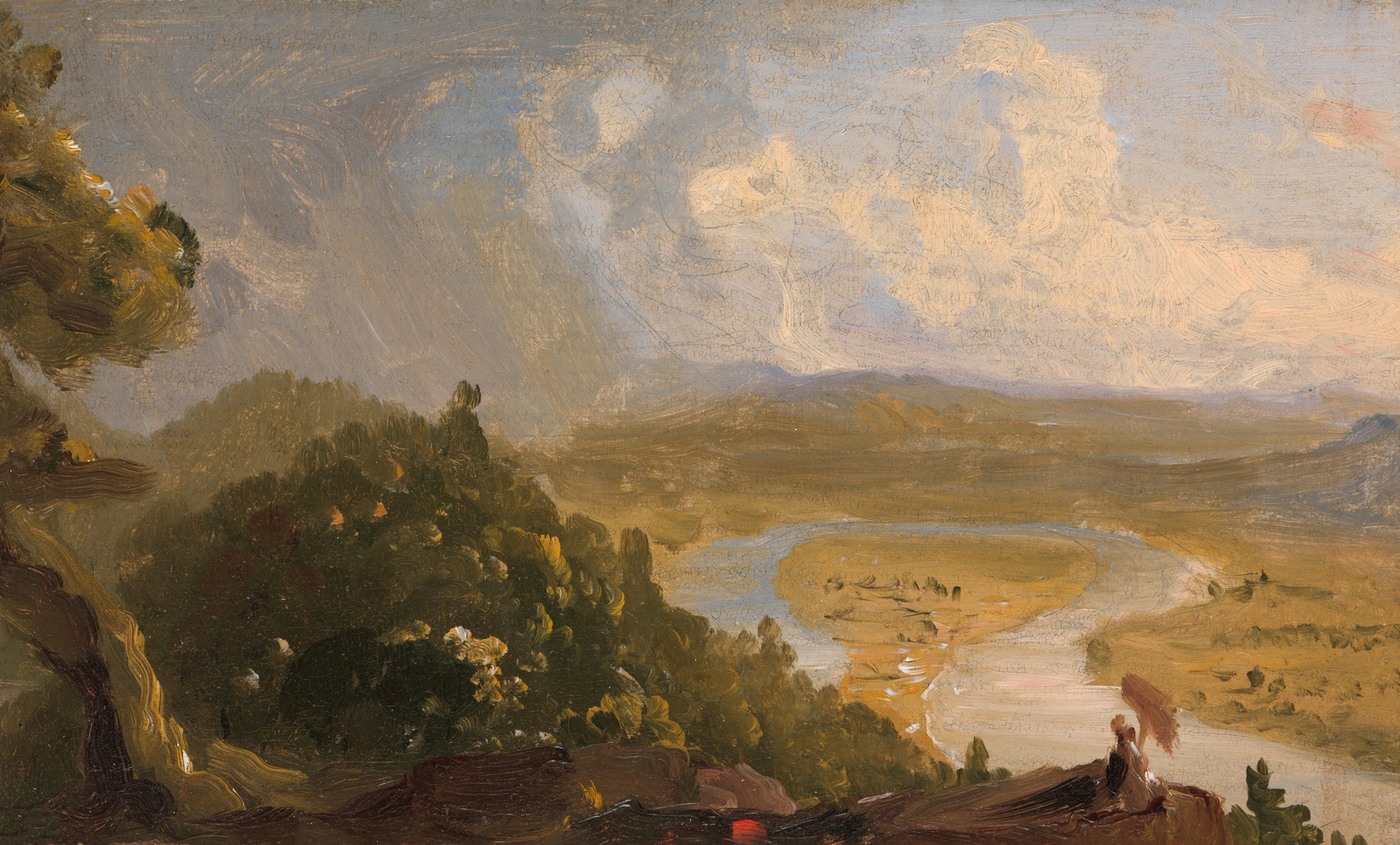
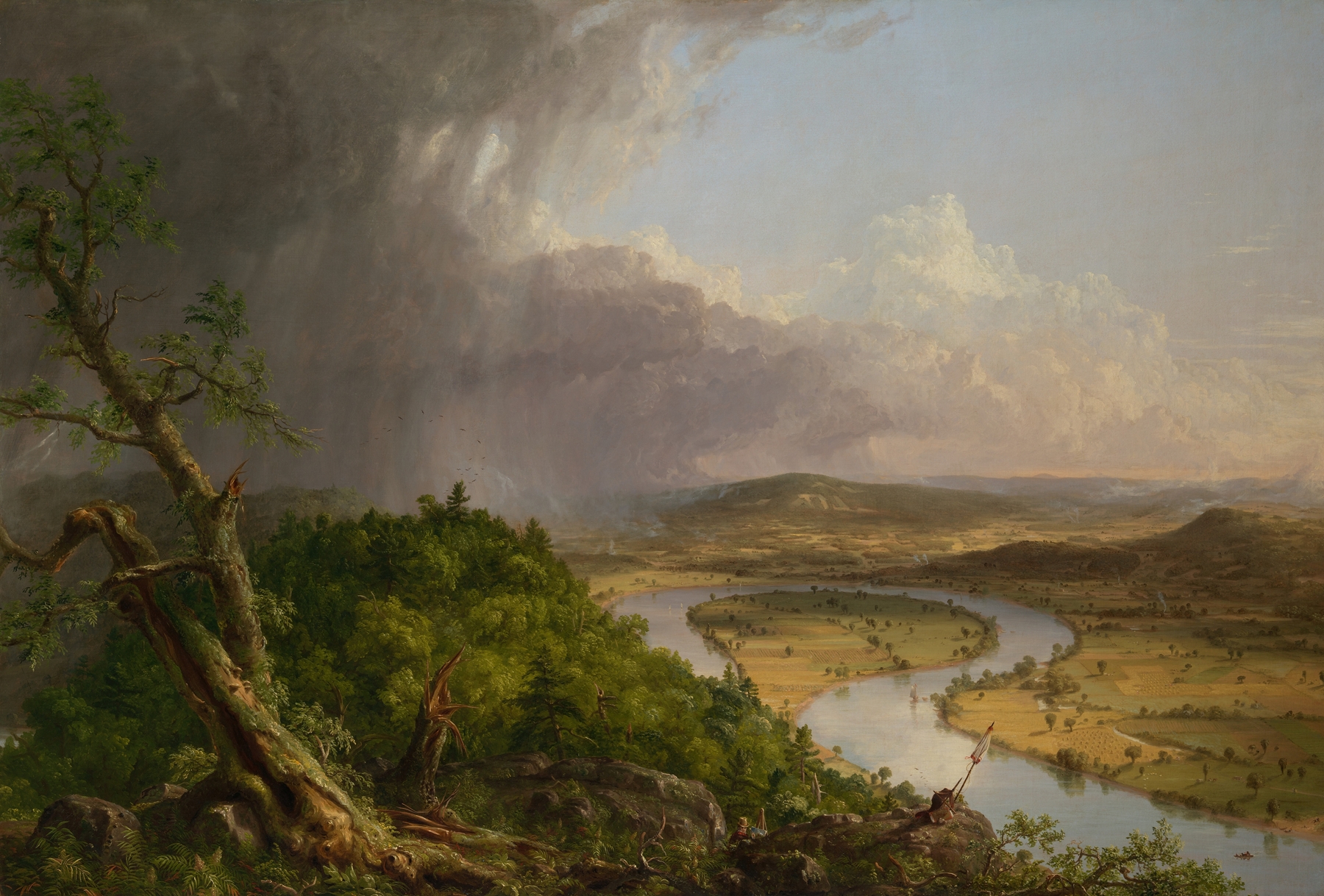
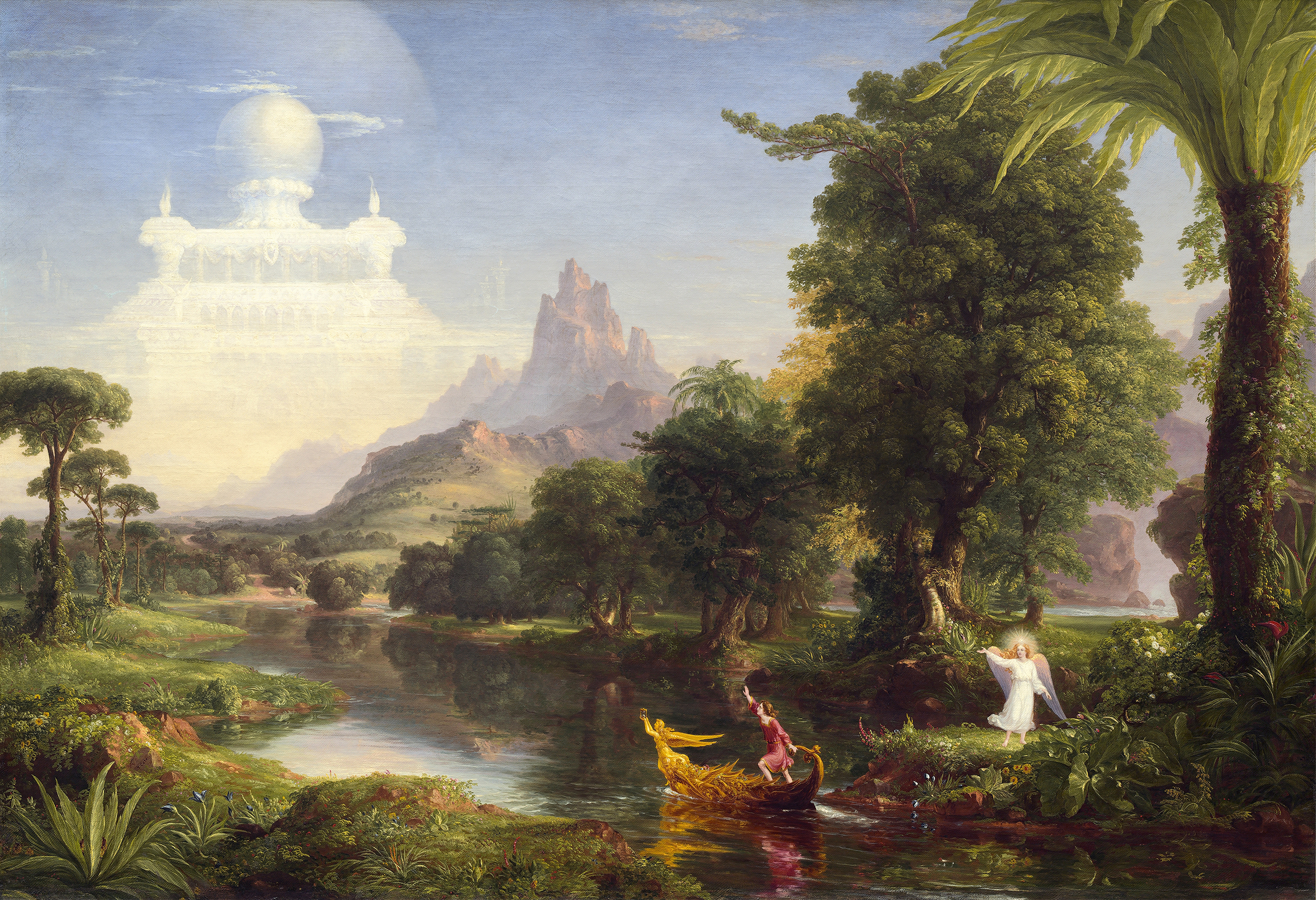
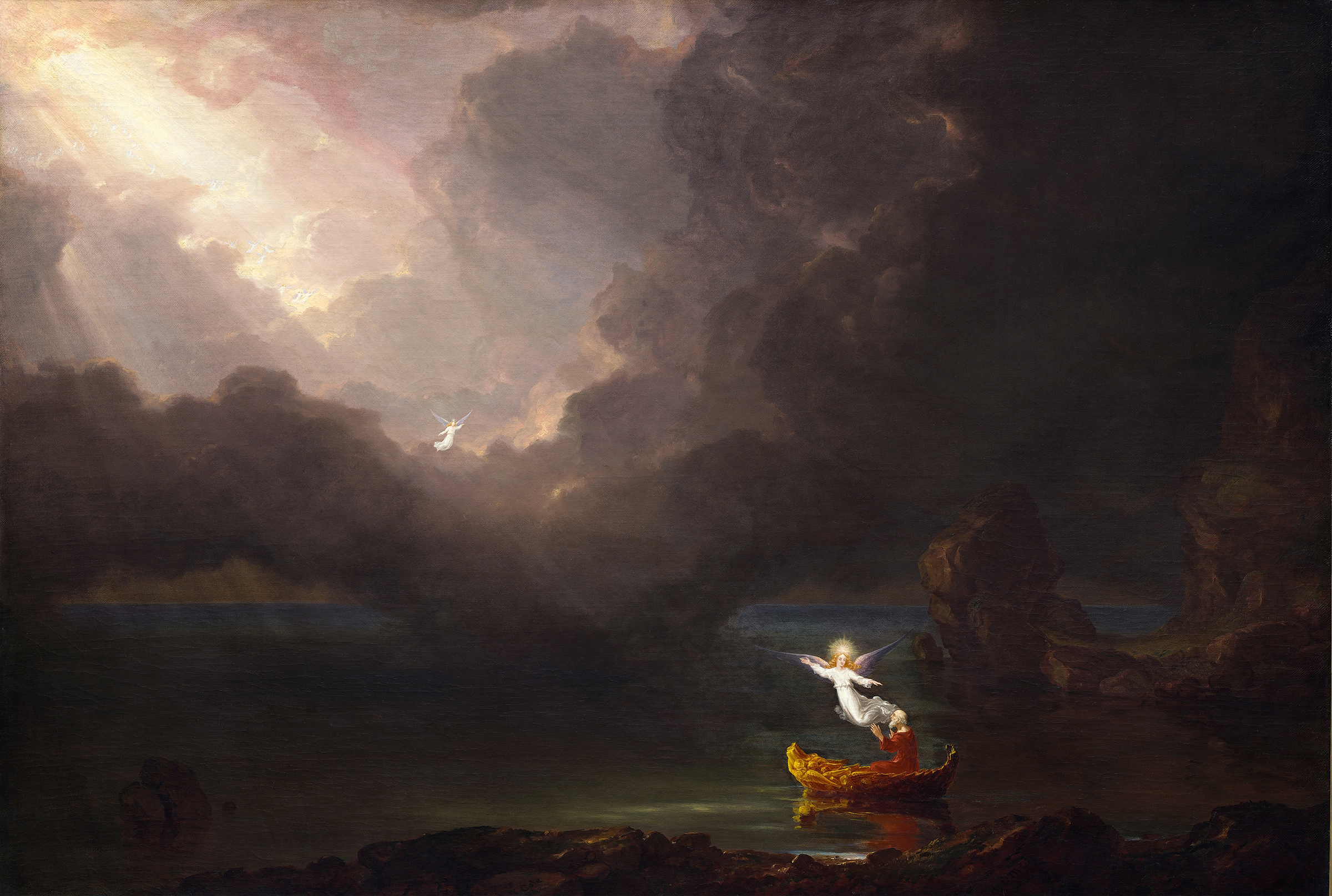
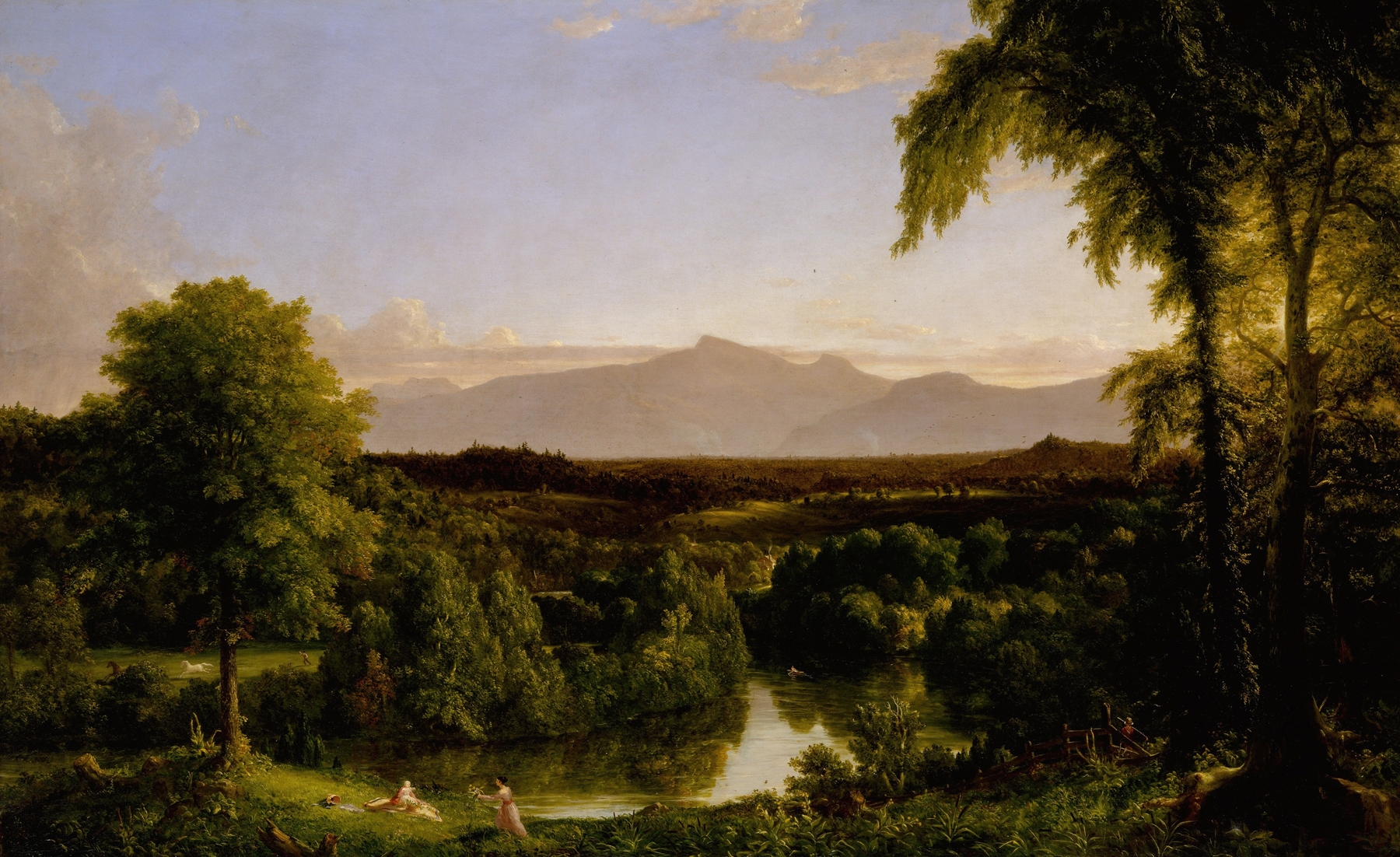
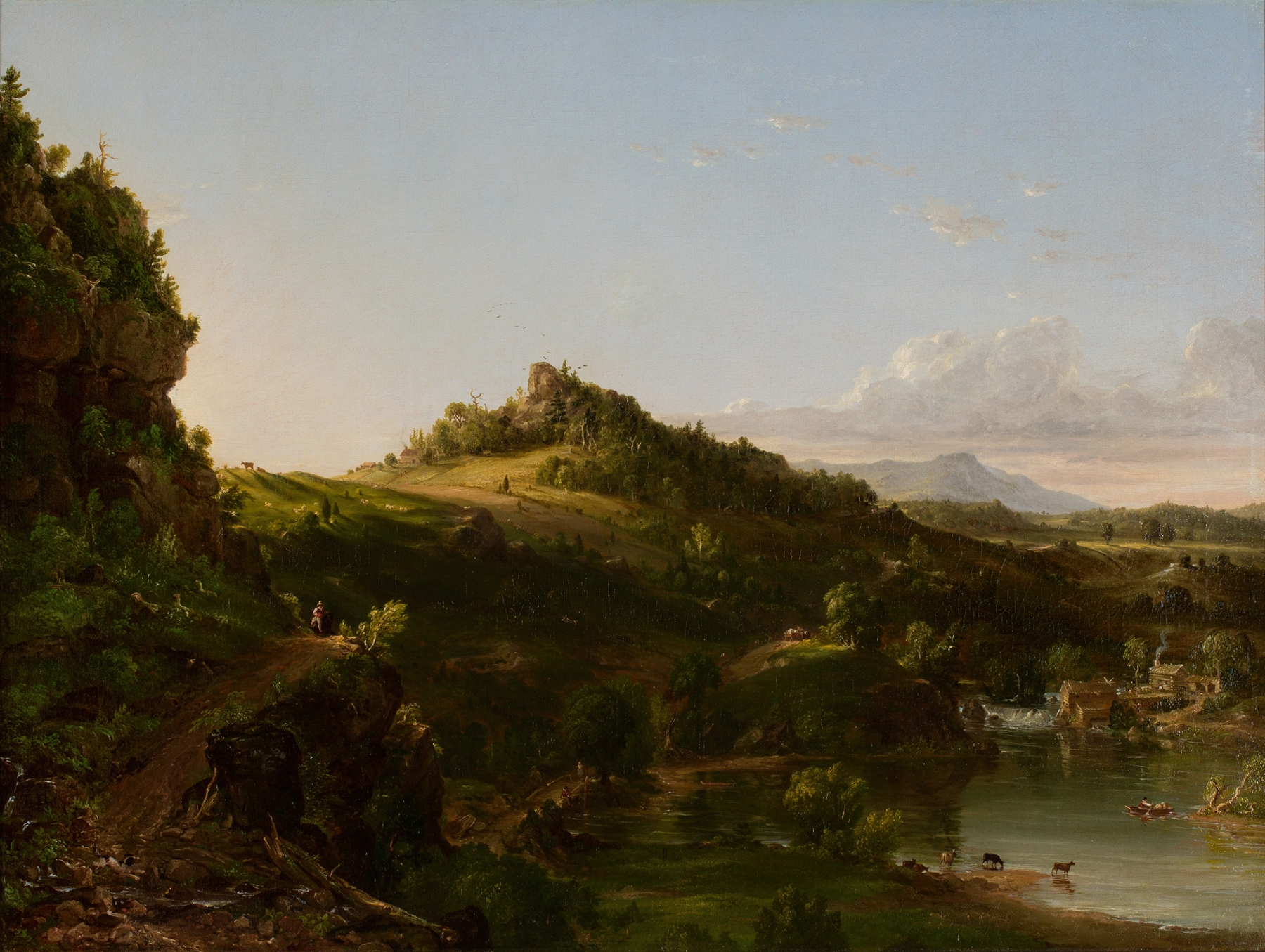
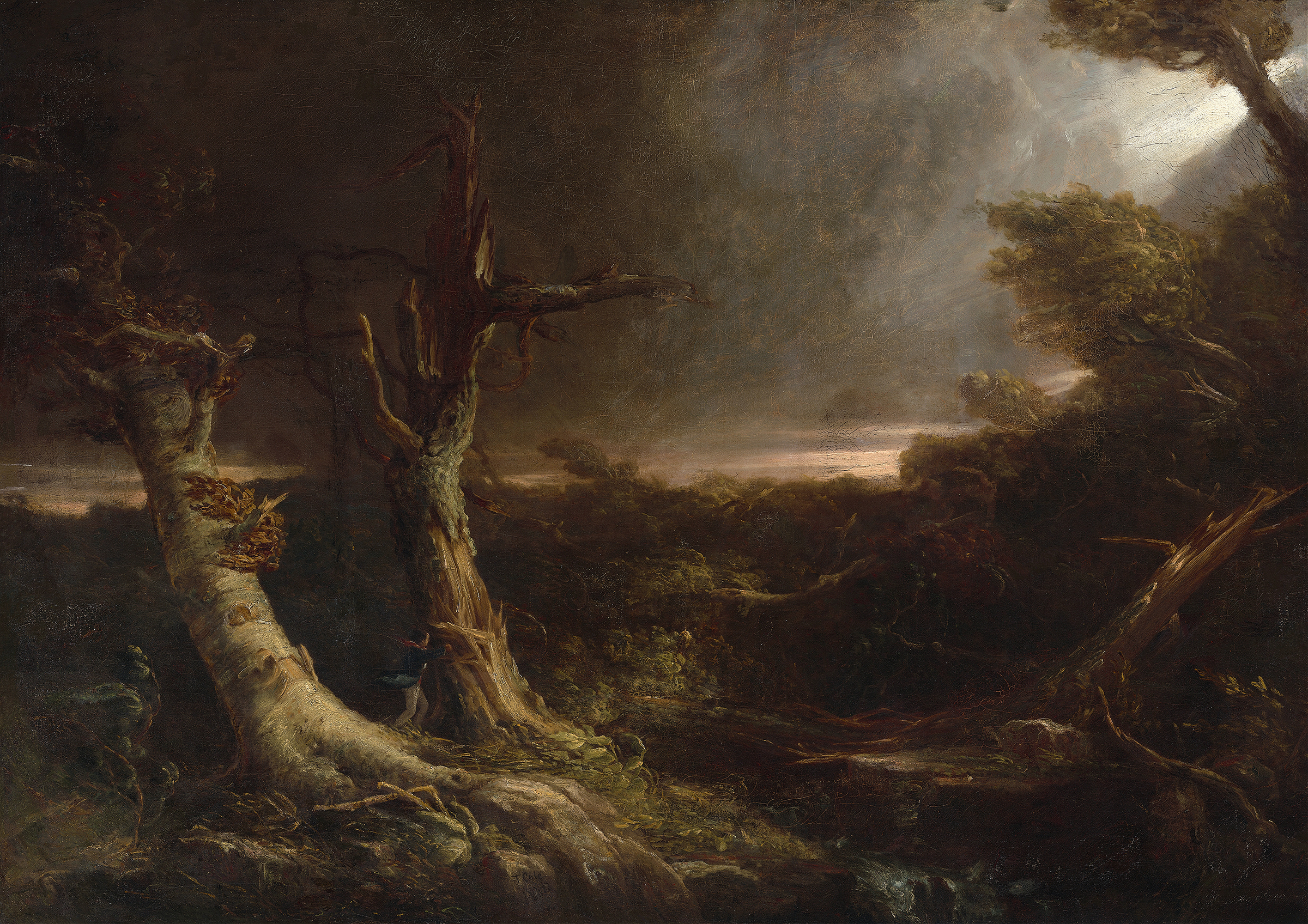
Could beauty survive in a century of chaos? In the heart of the early 19th century, as industrial progress began to clash with nature, the question lingered in the air. Amidst the tumult, a tranquil vision emerges, inviting the viewer to pause and reflect on the balance between humanity and the natural world. Focus your gaze on the sweeping horizon, where gentle hills cradle an expansive sky, painted in soft hues of blue and gold. Notice how the brushwork creates a sense of movement in the clouds, suggesting a fleeting serenity.
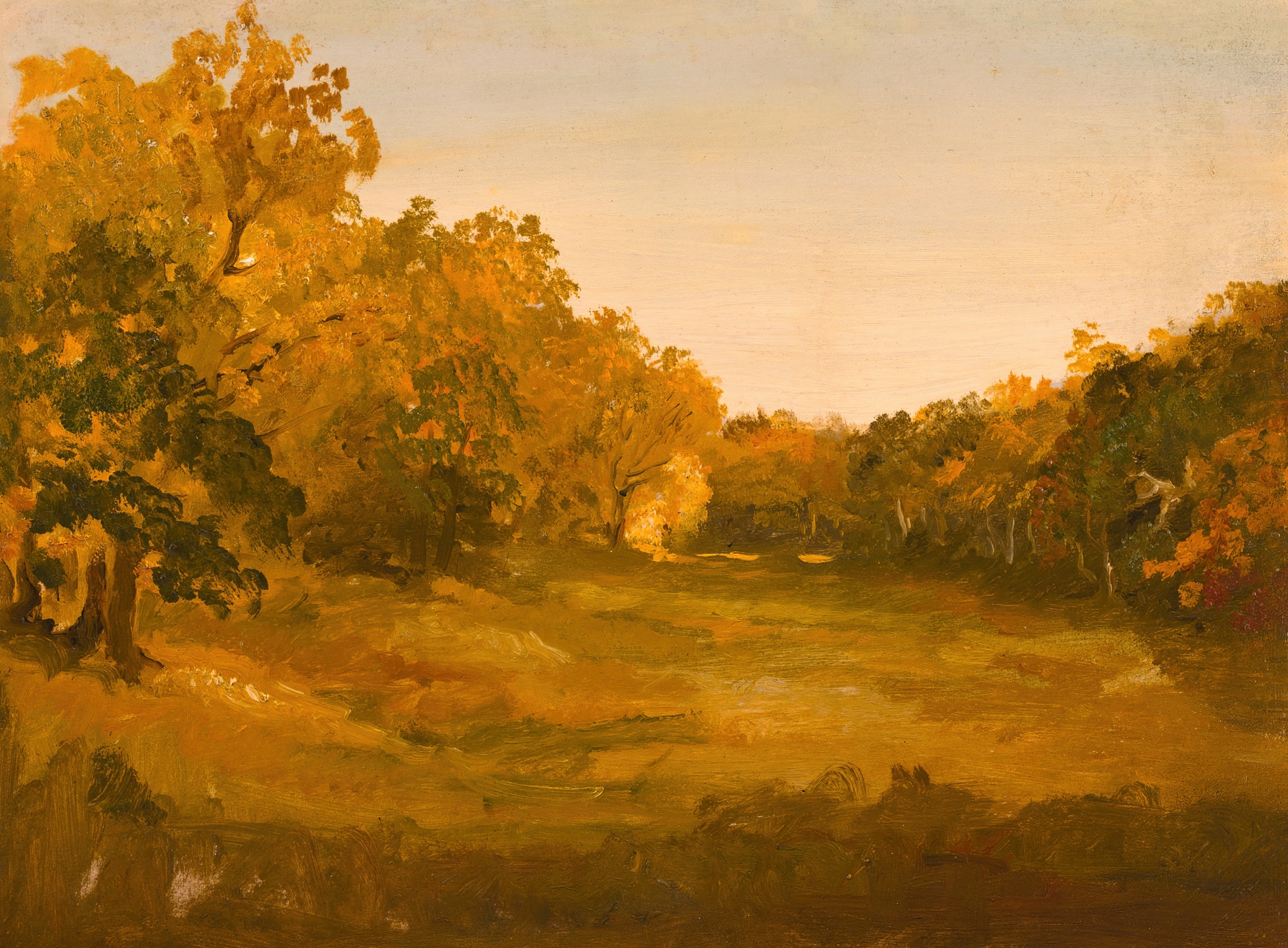
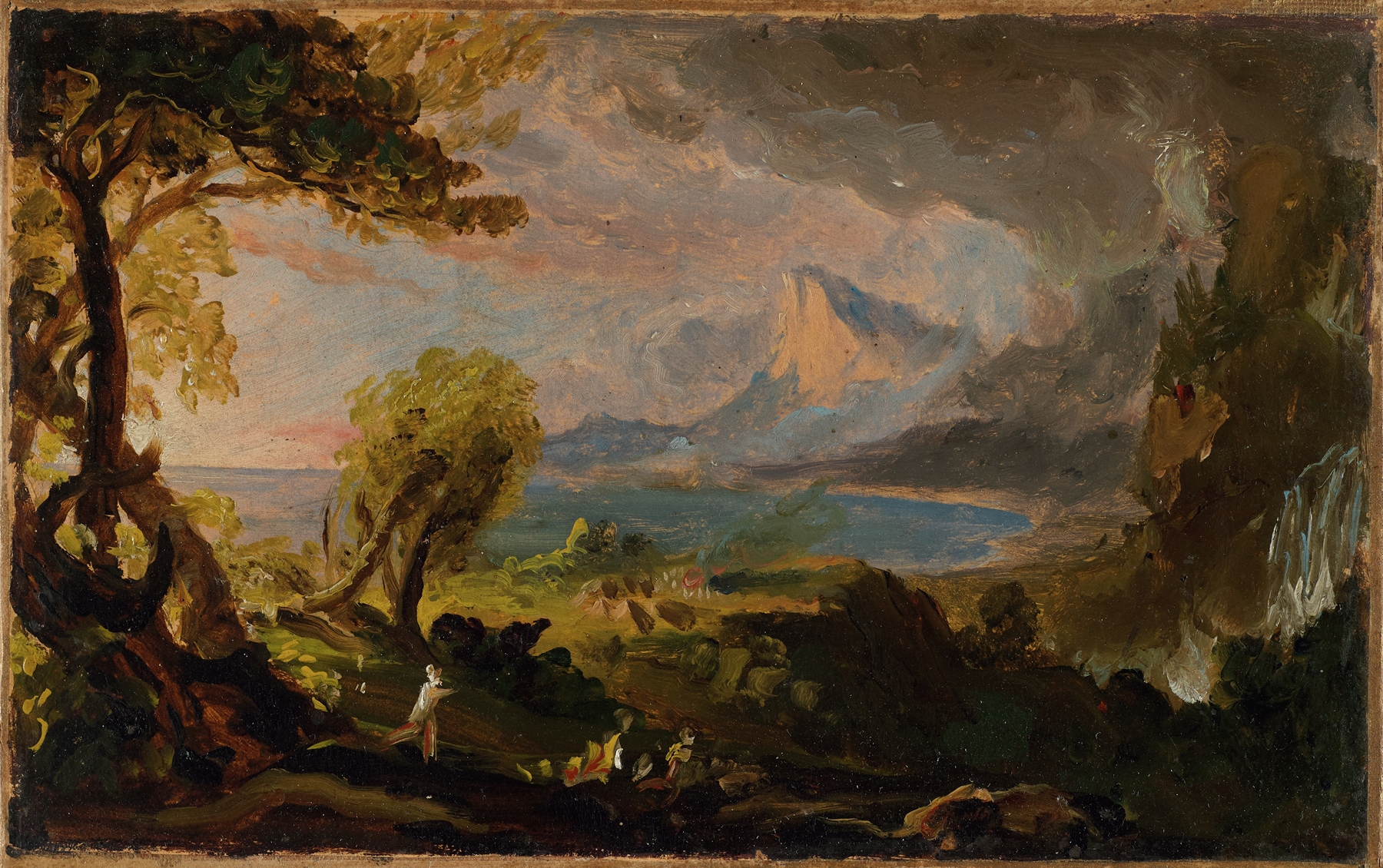
The trees, with their rich greens, stand firmly in the foreground, anchoring the scene while inviting you to wander into the depths of the landscape. The careful use of light captures a moment of dawn or dusk, illuminating the canvas and evoking a sense of harmony. The juxtaposition of the vibrant wilderness against an unspoiled expanse hints at the fragility of nature. Each detail—the delicate interplay of light and shadow, the thoughtful arrangement of elements—reveals a deeper yearning for preservation.
As the viewer, you can’t help but feel a tension between the idyllic beauty and the encroaching turmoil of modernity, forcing a contemplation of humanity's impact on such pristine landscapes. Created in 1825, this work reflects Cole's vision during a pivotal time in American art, as he sought to capture the essence of the nation's natural beauty amidst rapid industrialization. Living in the Hudson River Valley, he was at the forefront of the landscape movement, advocating for a connection to nature that resonated with the Romantic ideals of the era. This painting embodies his commitment to preserving beauty in a changing world, challenging viewers to consider their role in its conservation.