Landscape at Saint-Ouen — History & Analysis
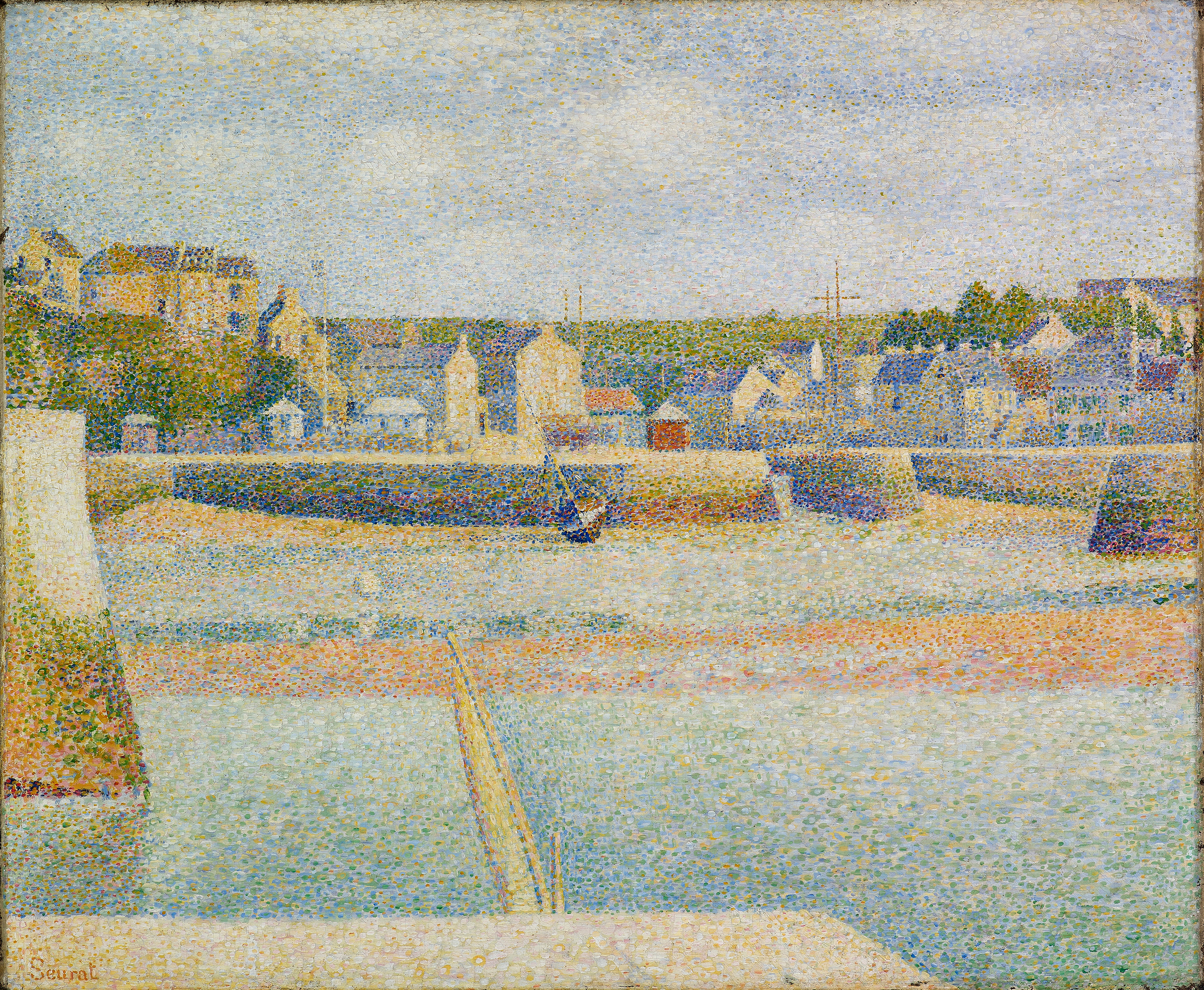
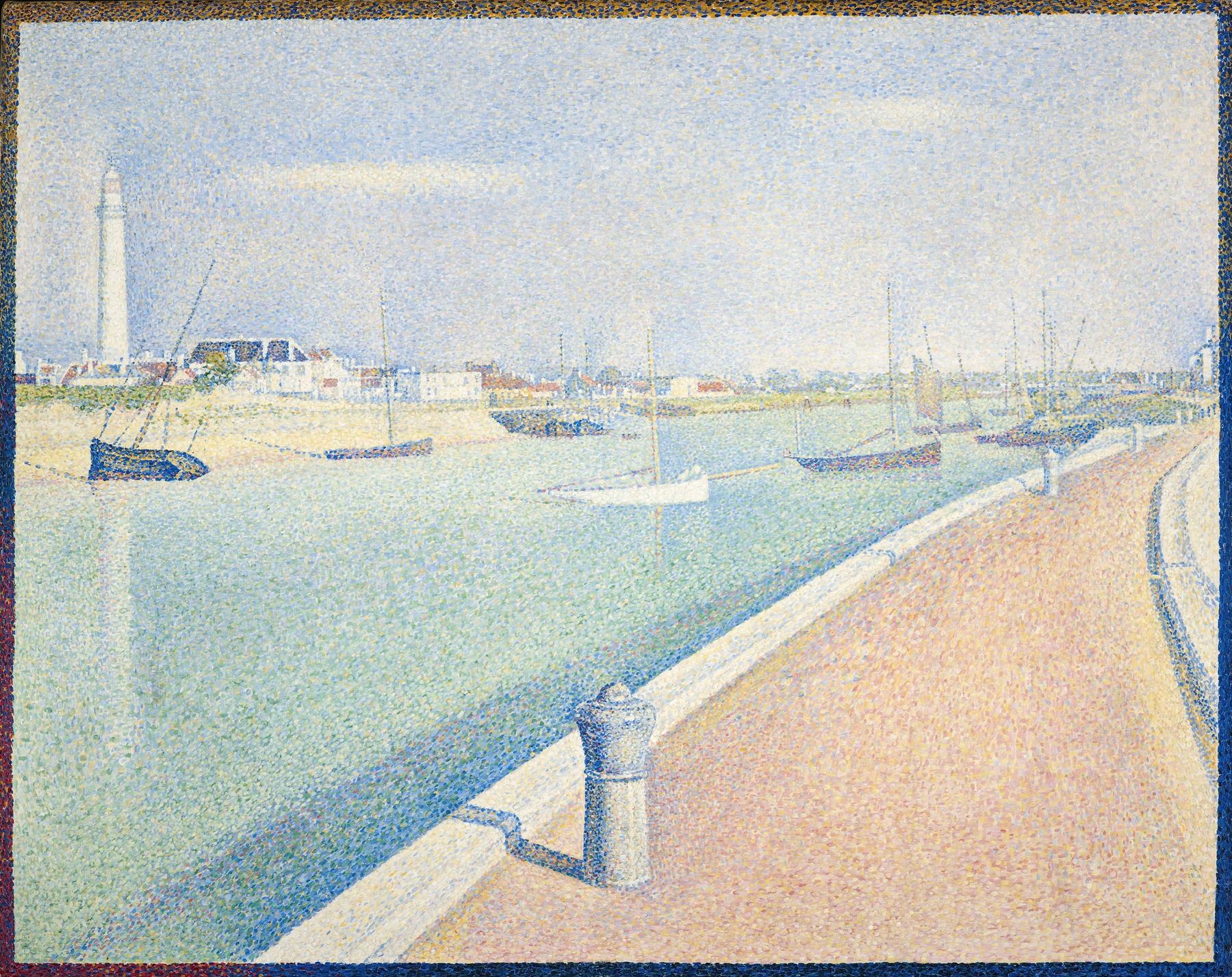
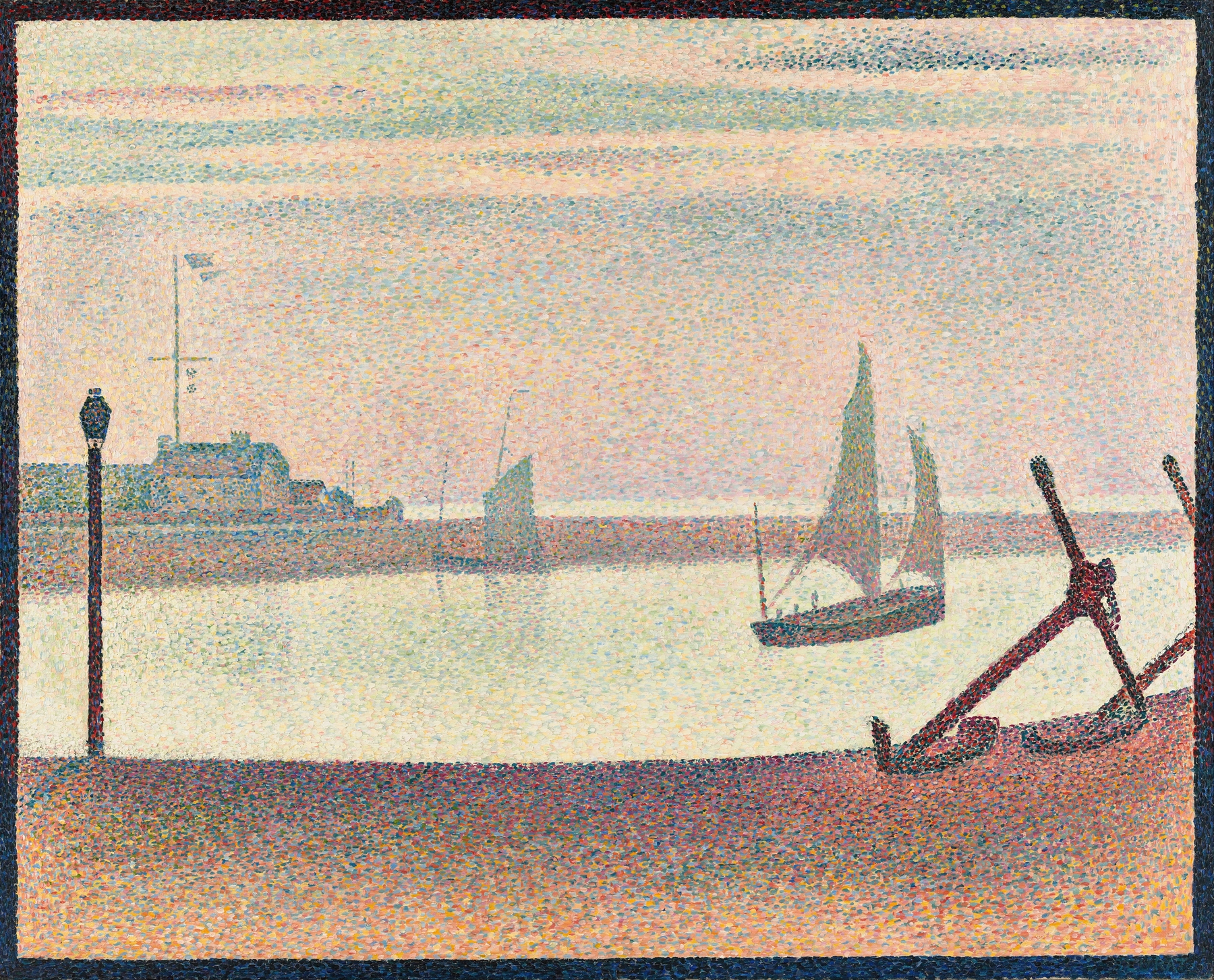
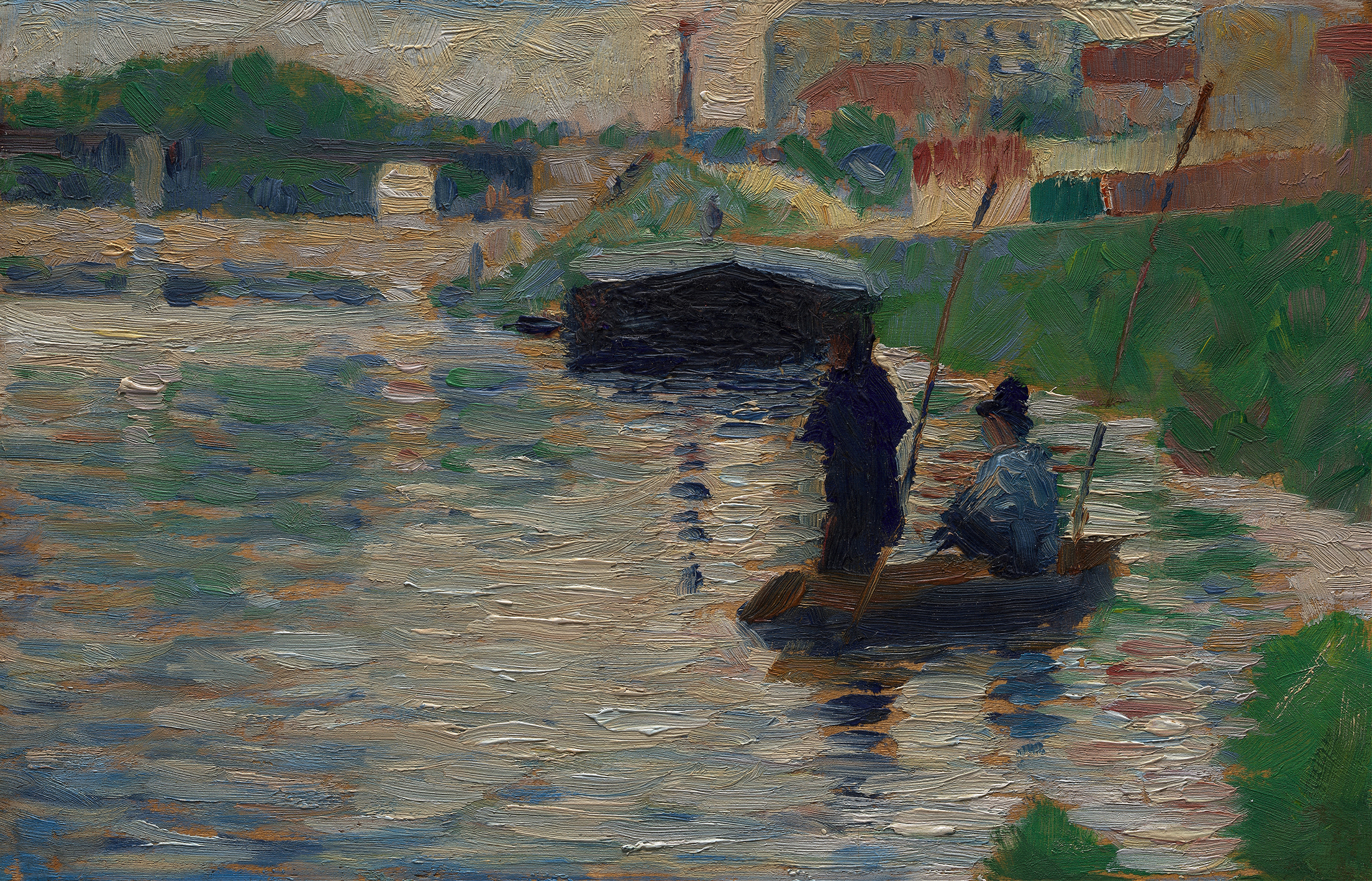
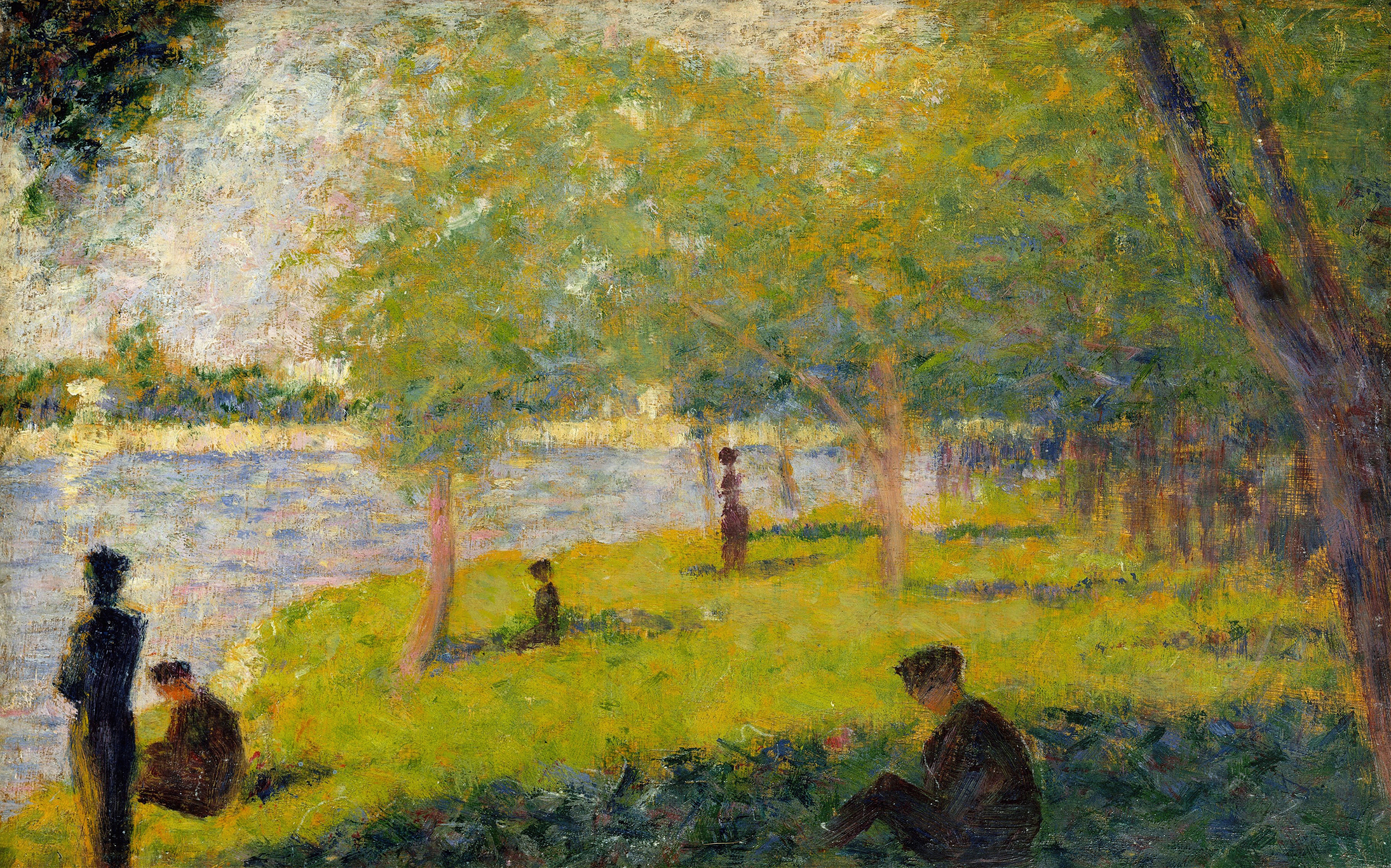
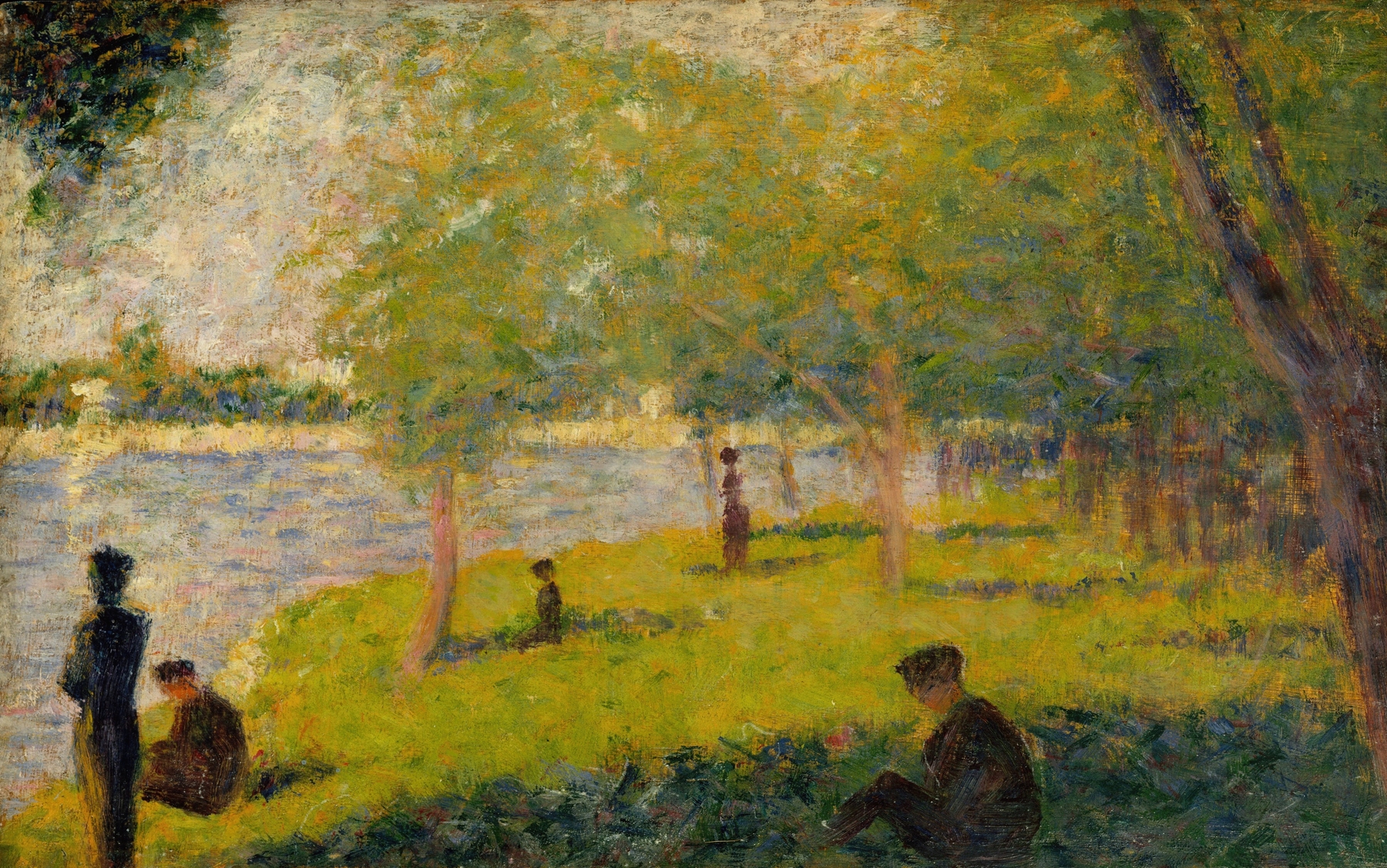
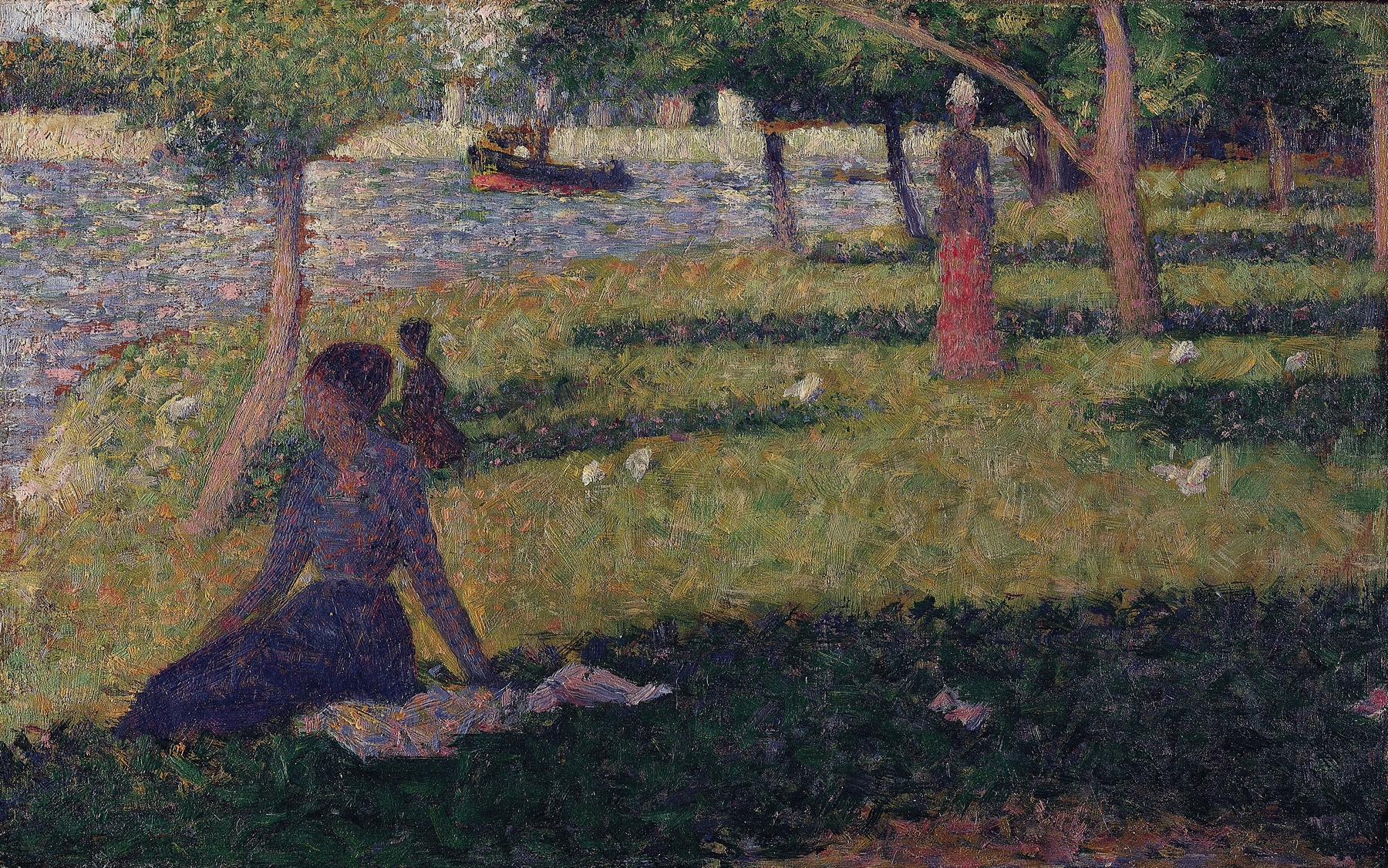
What secret hides in the quiet of the canvas? The stillness of Landscape at Saint-Ouen invites viewers to pause and reflect, revealing the delicate balance between nature and tranquility. Look to the right at the vibrant green fields, where dappled sunlight filters through the trees, creating a soft interplay of light and shadow. The gentle curves of the landscape guide your gaze, drawing you toward the horizon where the sky meets the earth.
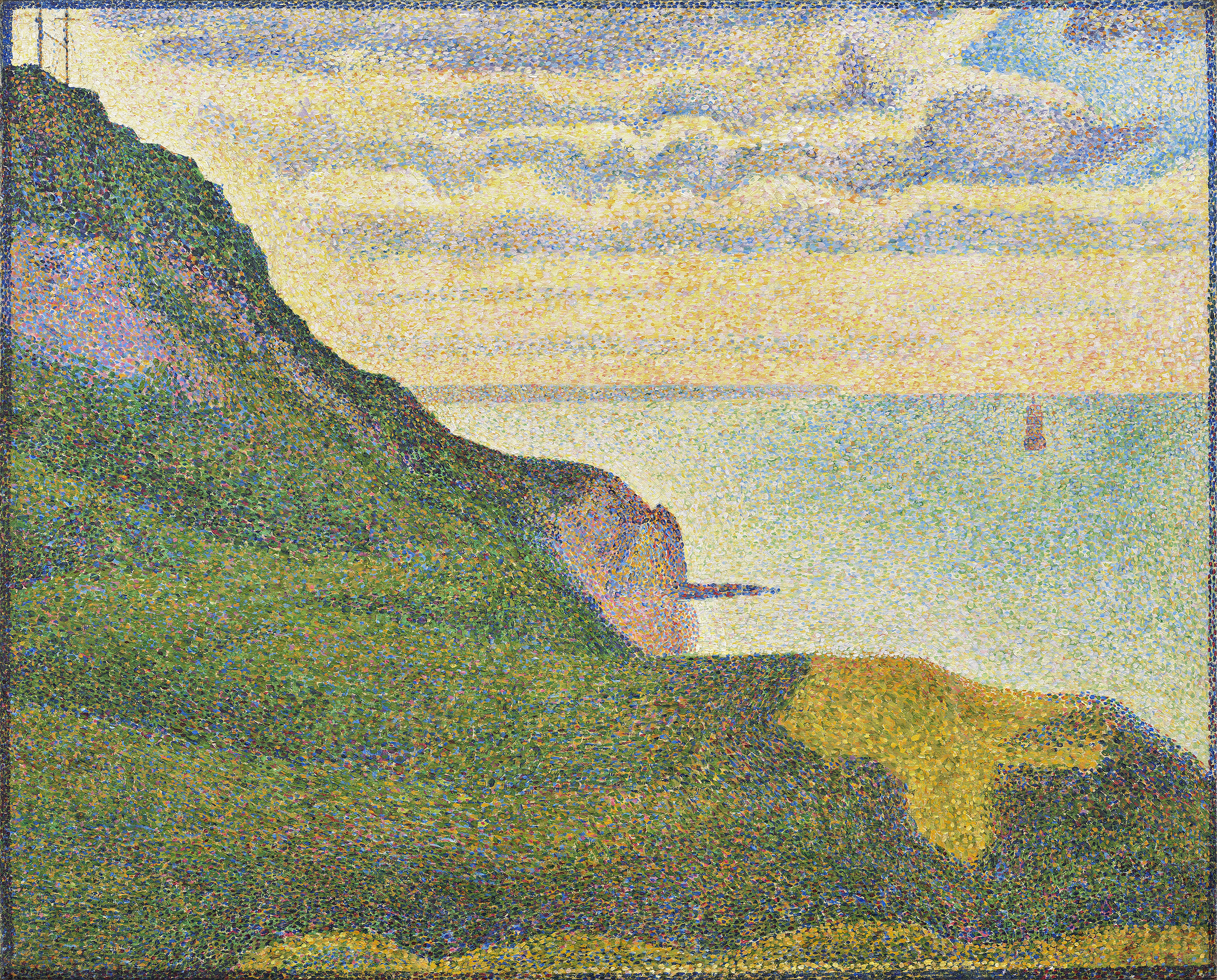
Seurat’s meticulous use of pointillism brings the scene to life, each dot of color blending harmoniously to evoke a sense of peace and stability. Yet, beneath the serene surface lies a subtle tension. The contrast between the lush greenery and the distant, muted buildings hints at the encroaching urbanity of modern life, suggesting a dialogue between nature and industry. Furthermore, the composition balances light and dark, mirroring the coexistence of joy and uncertainty in the face of change.
Each element in the painting resonates with an underlying story of transition, evoking a sense of nostalgia for a simpler past. In 1878, Georges Seurat was exploring the possibilities of color theory and technique, working in Paris at a time when the Impressionist movement was gaining popularity. This was a formative period for Seurat, as he began to develop his unique style of pointillism, seeking to capture not just a moment in time but the essence of emotion within a scene. His dedication to balancing technique and expression laid the groundwork for his later masterpieces.