Landscape at sunset — History & Analysis
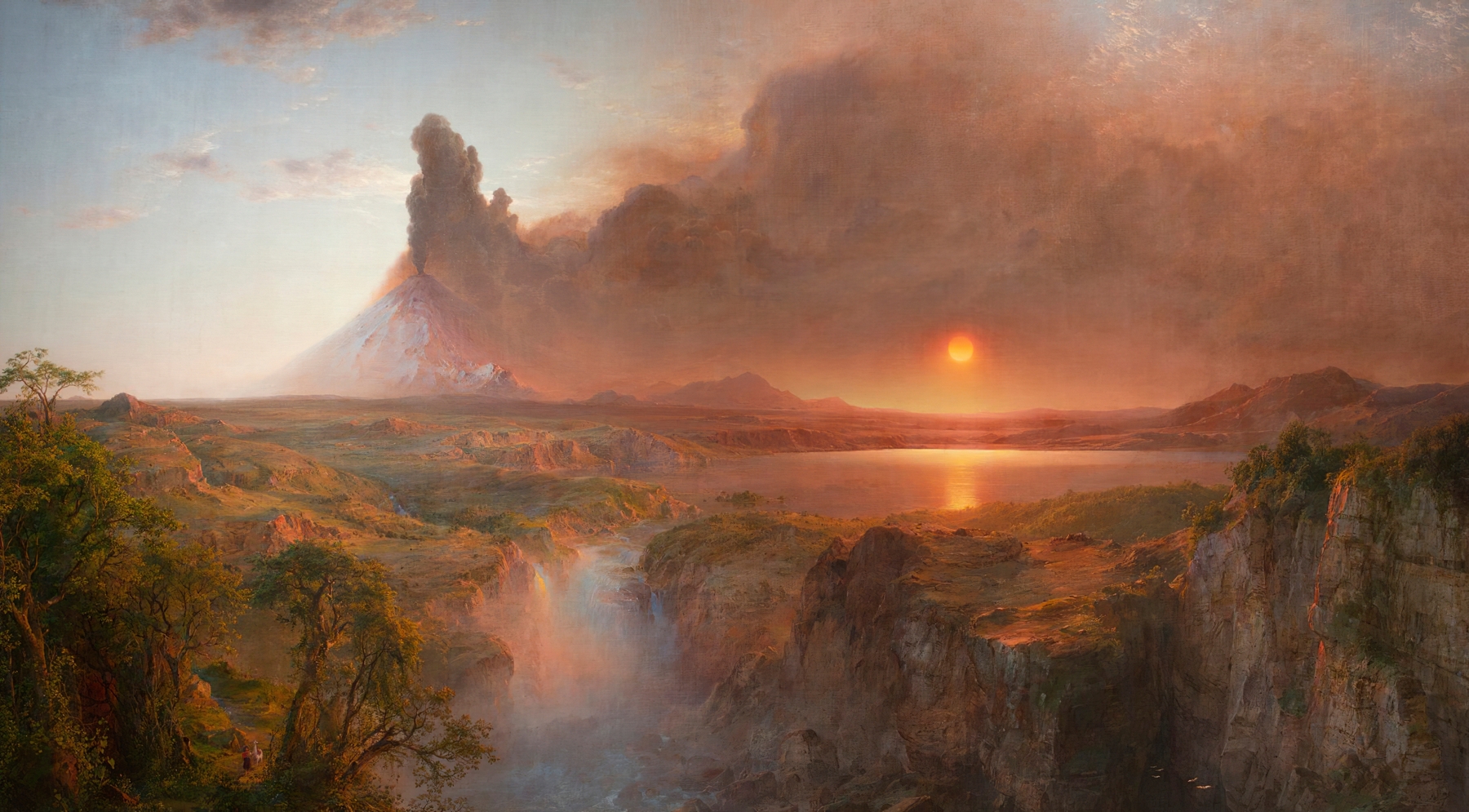
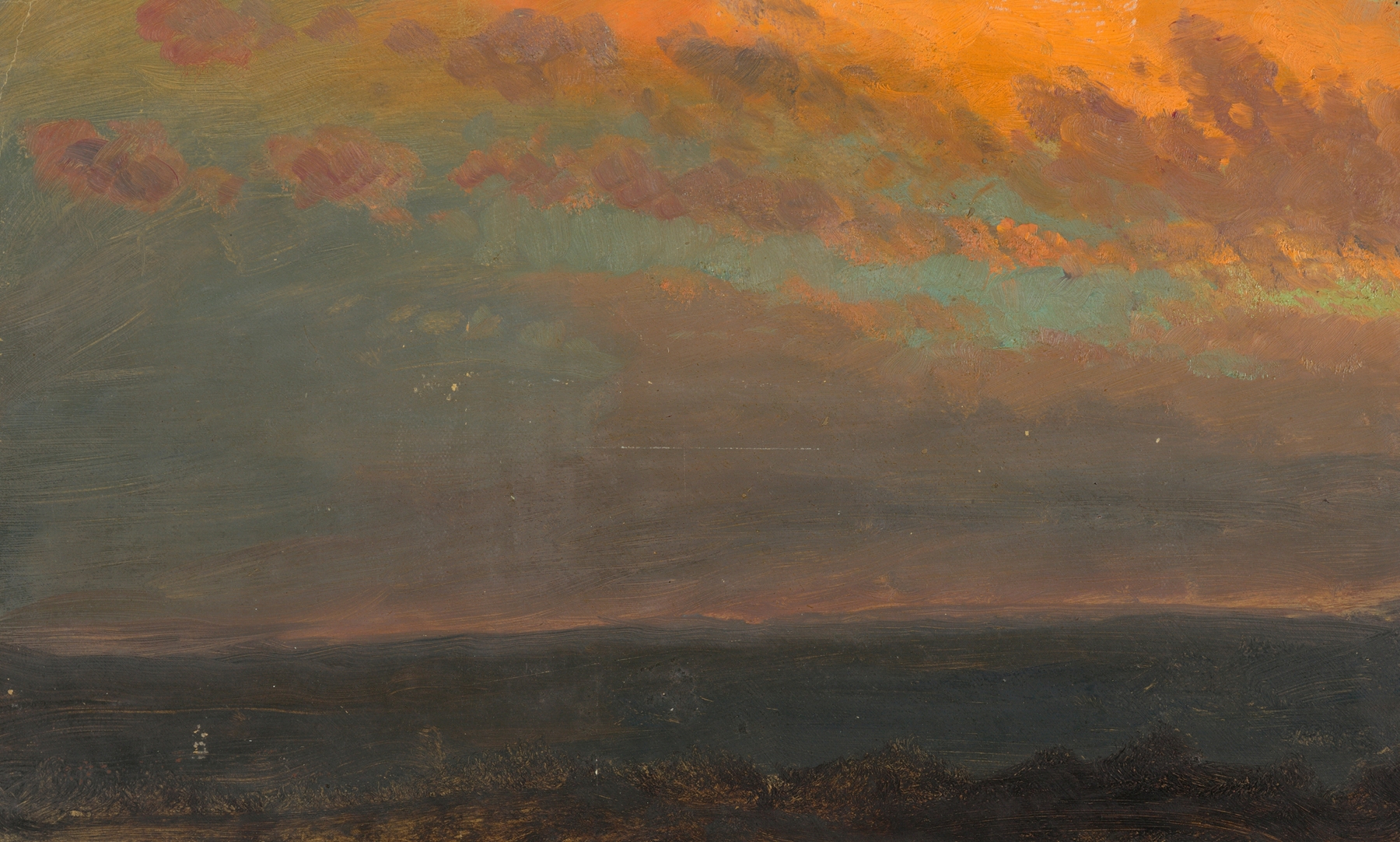
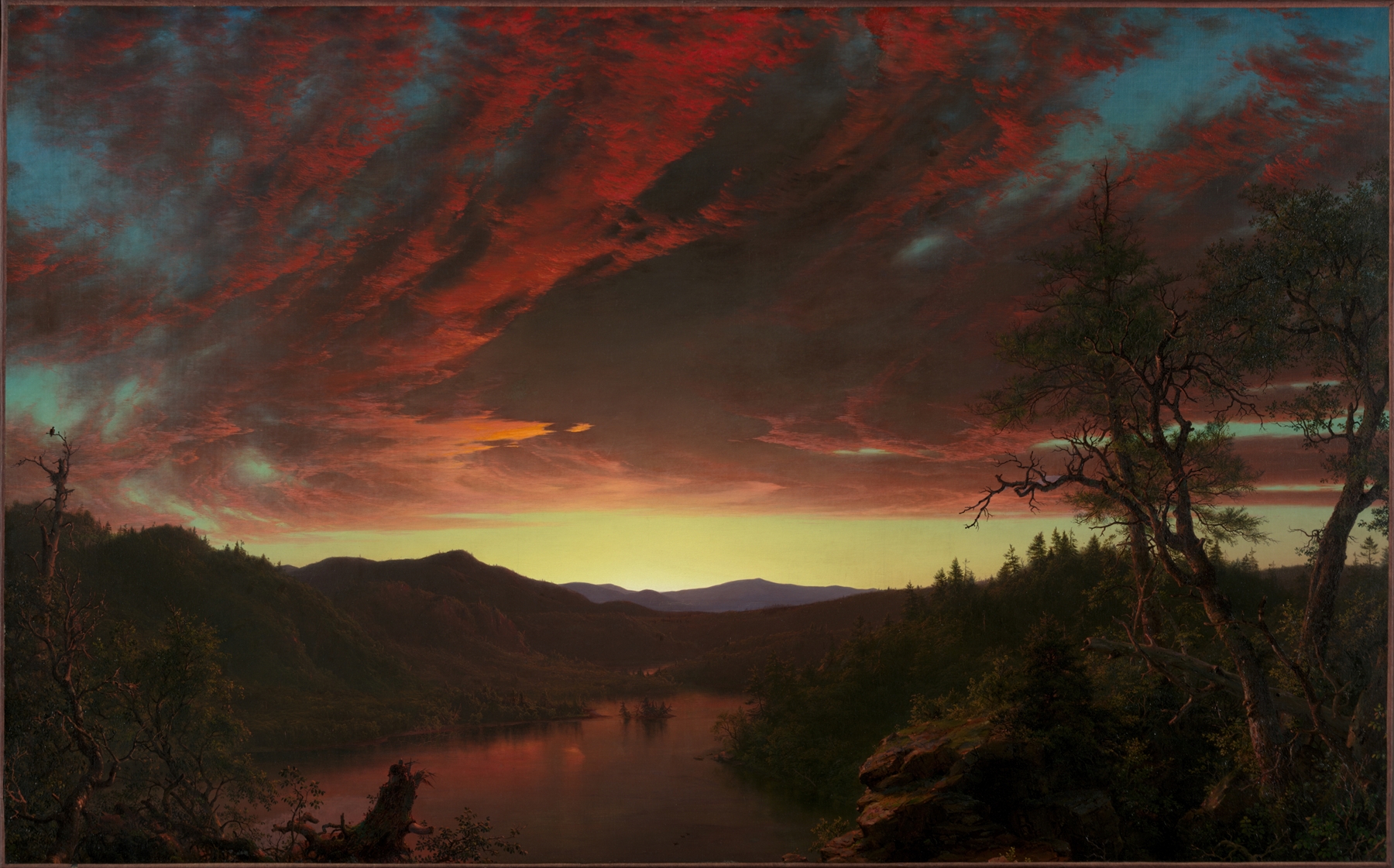
Can beauty exist without sorrow? The twilight hour captured in a serene landscape whispers the answer—a delicate balance where light and shadow dance on the edge of mortality. Look to the horizon, where a warm palette of oranges, pinks, and purples melds into the evening sky. The sun dips low, casting a golden glow that reflects off the tranquil waters below.
Notice how the meticulously painted clouds seem to carry both the weight of day’s end and the promise of night. Every brushstroke elevates a fleeting moment, inviting the viewer to linger in the rich, vibrant colors that embody both peace and the inevitability of change. Amidst the idyllic scenery lies an undercurrent of unease: the lush greenery and vibrant blooms stand as reminders of life’s transience. The viewer may sense the bittersweet tension in the juxtaposition of the radiant sunset against the looming darkness.
This contrast between light and shadow captures the essence of existence itself, evoking both an appreciation for beauty and a reminder of its impermanence. Frederic Edwin Church painted this work during the years of 1860 to 1870, a period when he was deeply engaged in the Hudson River School movement, known for its romantic portrayal of the American landscape. At this time, Church was exploring grand vistas and emotional themes, often reflecting his interest in the sublime and the natural world. His work emerged against the backdrop of a nation grappling with monumental change, making each landscape not just a depiction of beauty but a meditation on its fleeting nature.