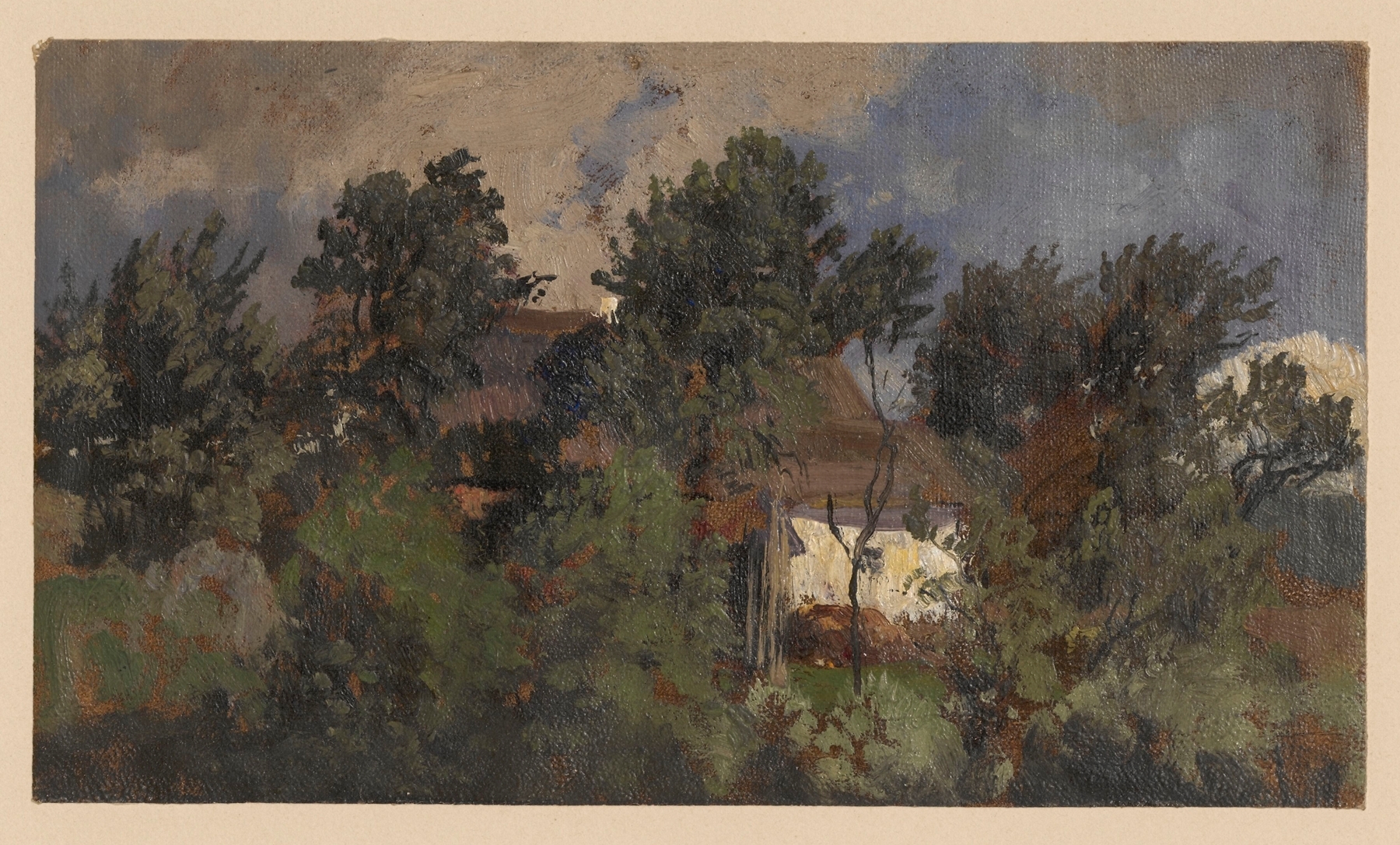
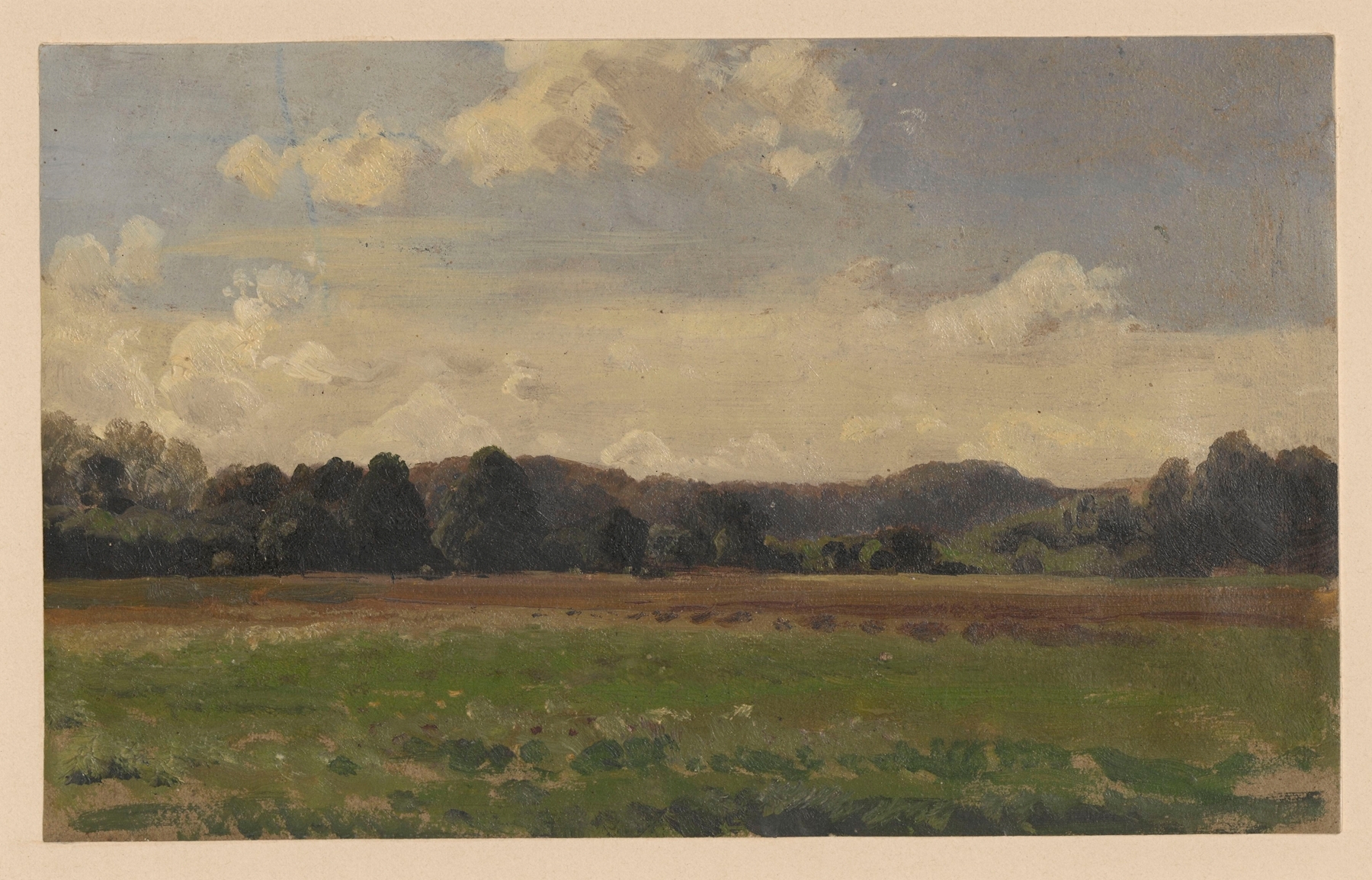
Landscape by the River Barycz. — History & Analysis
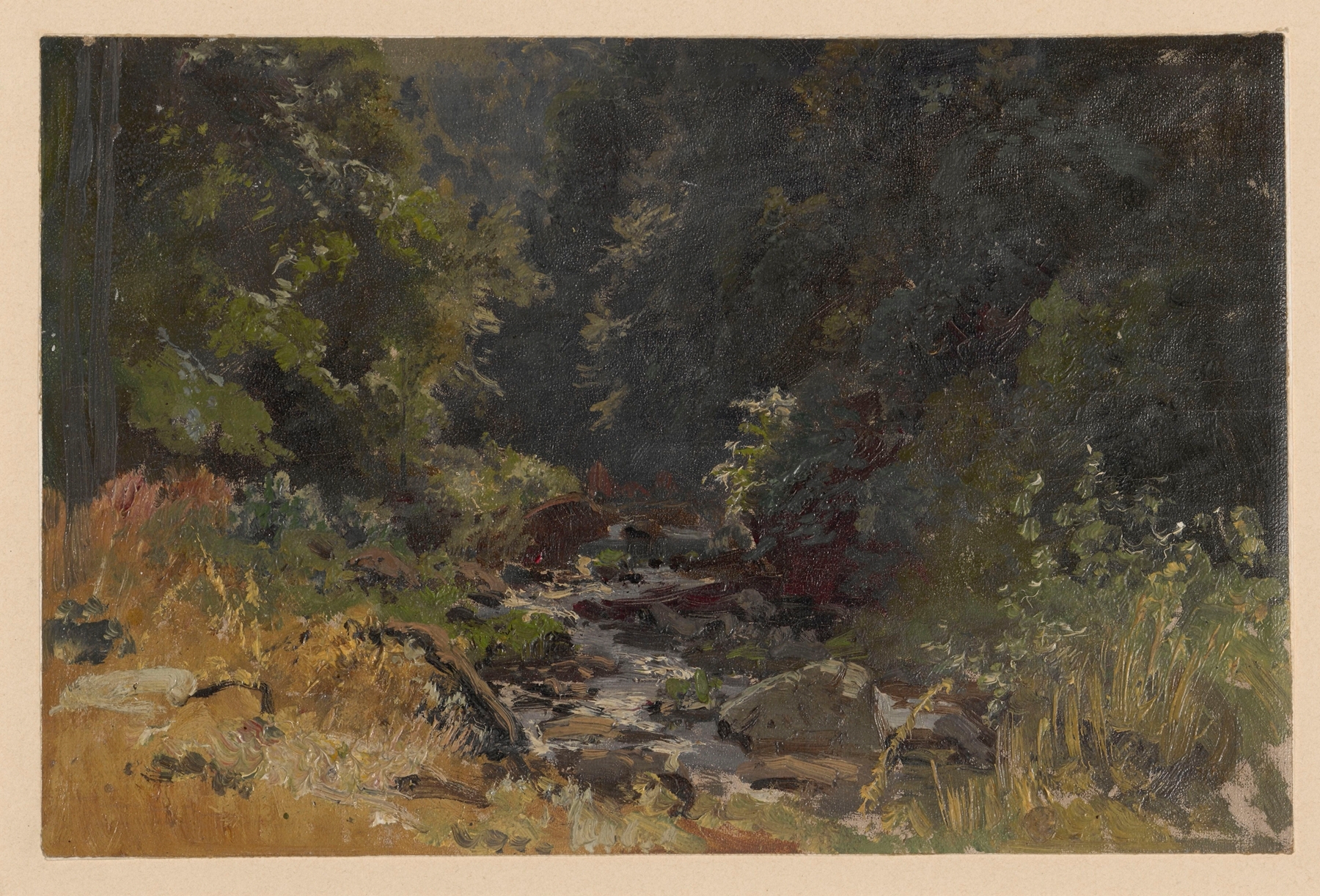
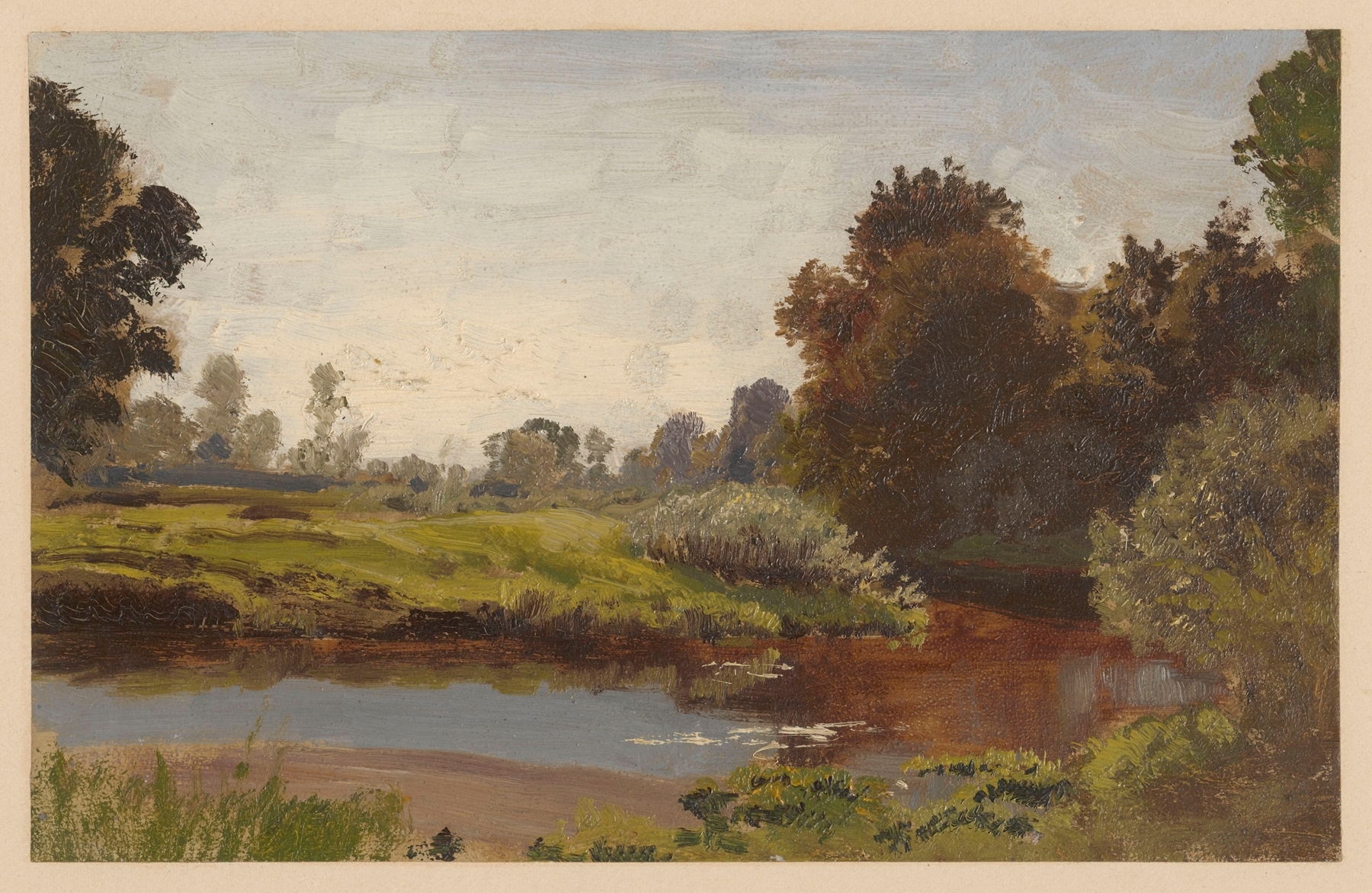
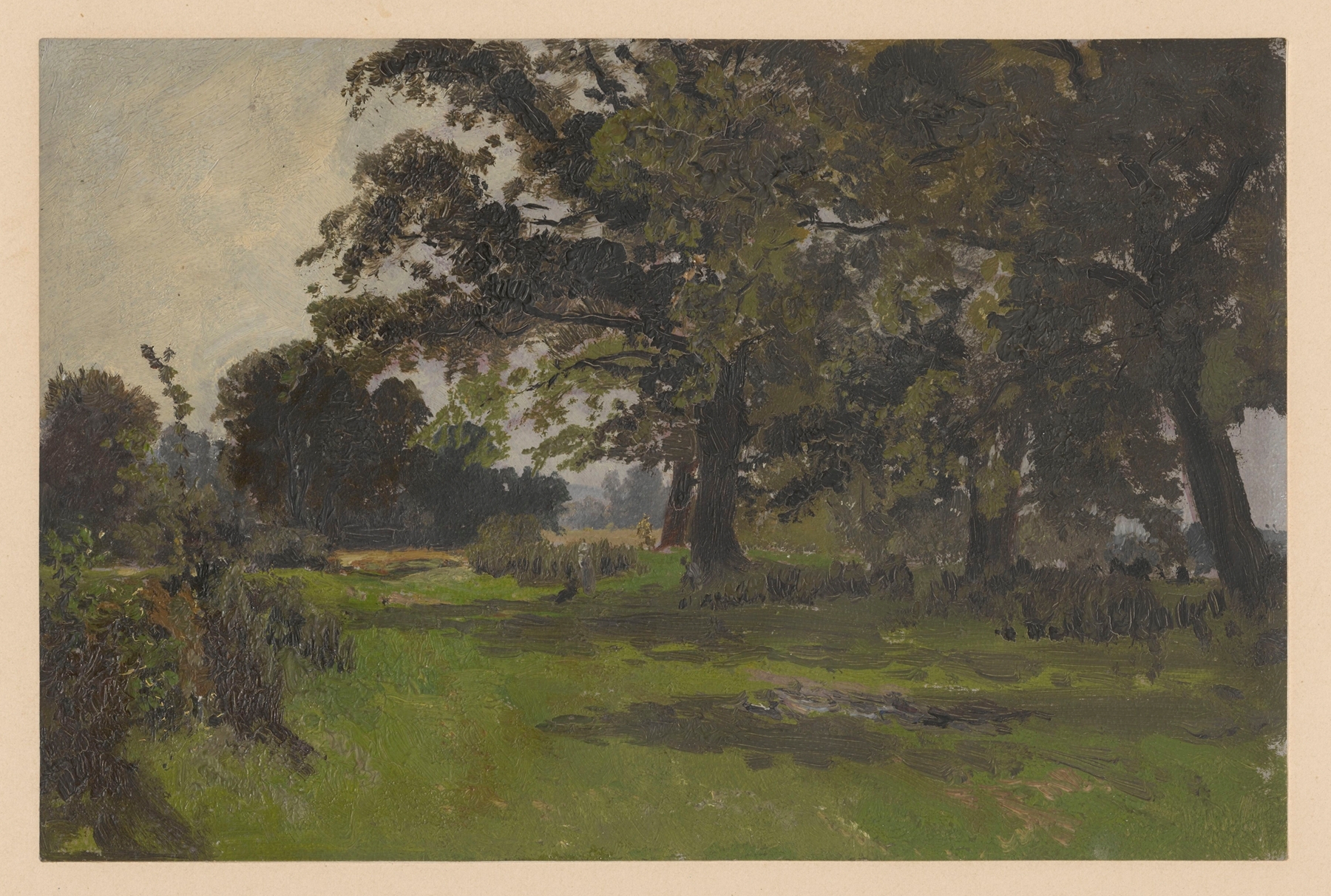
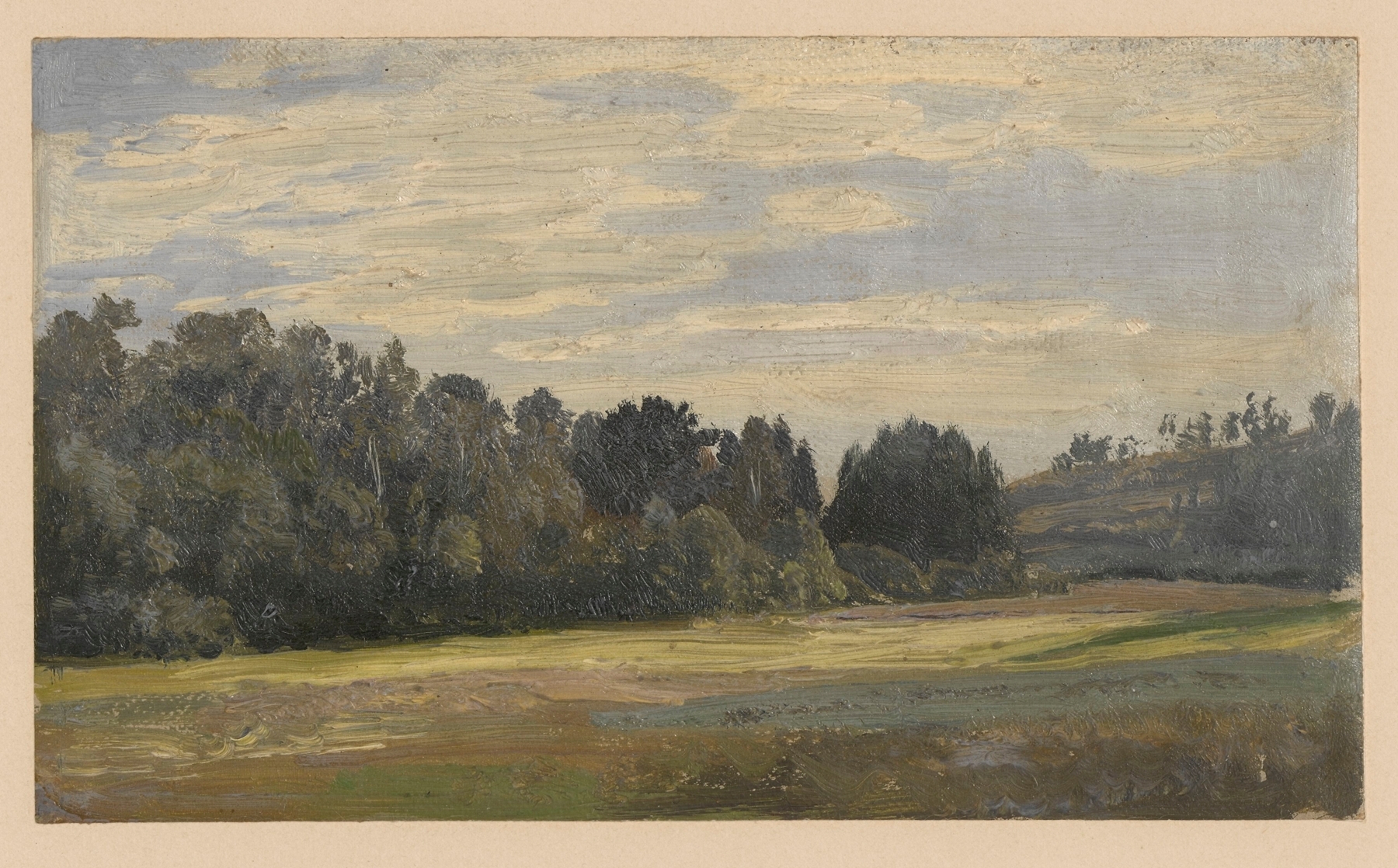
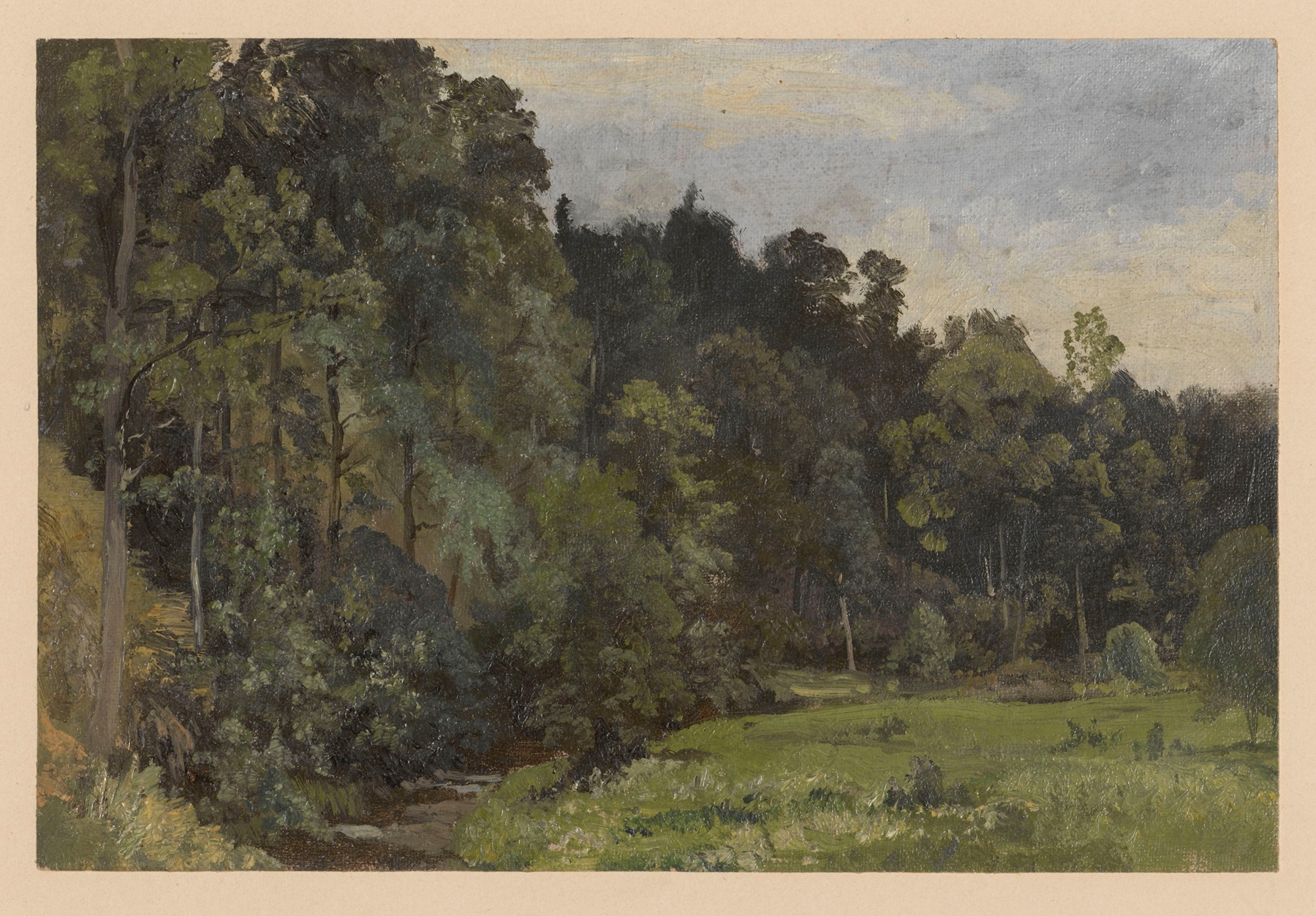
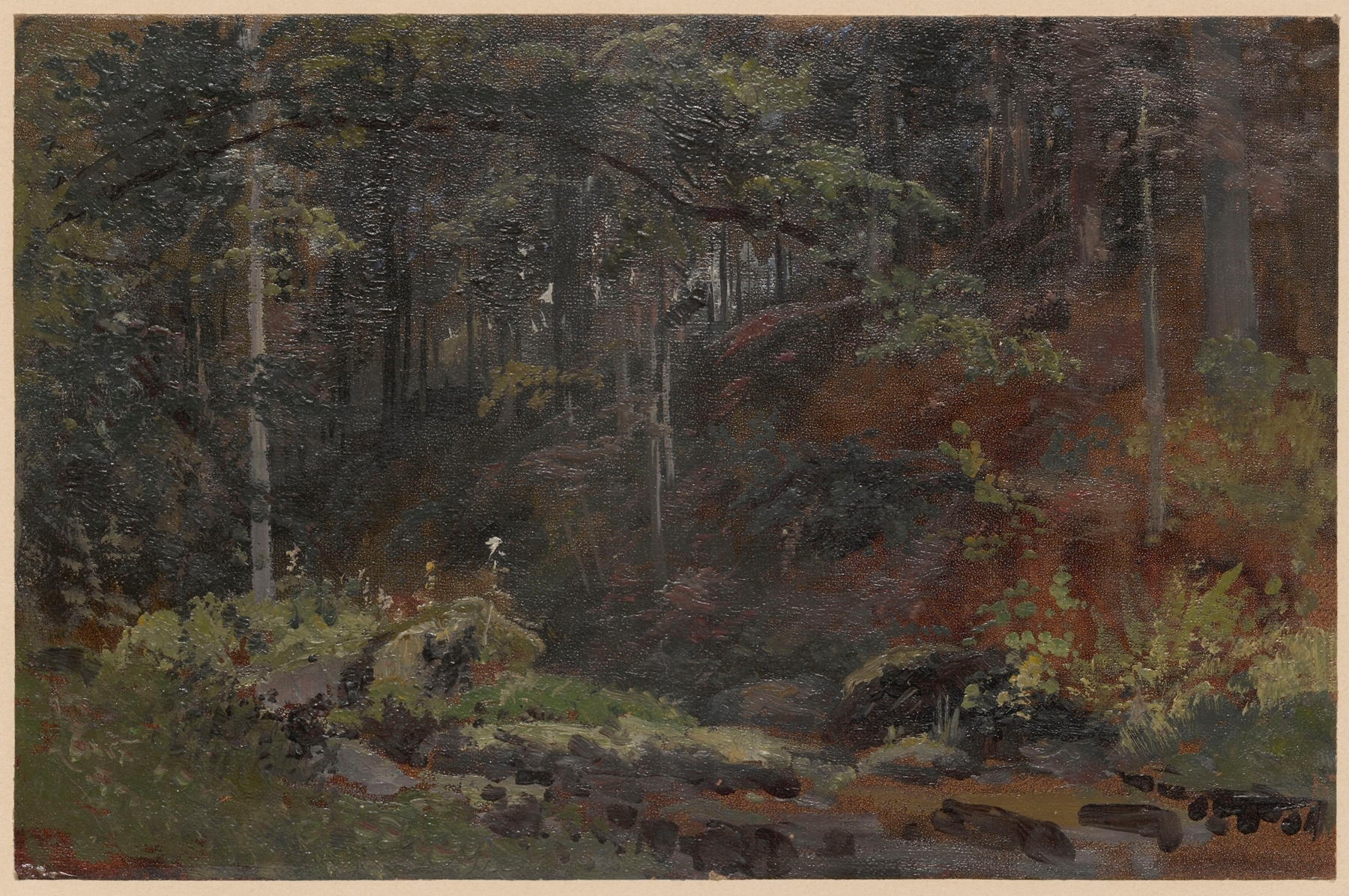
When did color learn to lie? In the delicate interplay between light and hue, the landscape invites us to ponder the truths behind the vibrant strokes of paint. Look to the tranquil foreground, where a gentle river meanders through lush greenery, each brushstroke revealing the artist's deft hand. The soft blues and greens invite a sense of calm, while the dappled sunlight filters through the trees, casting playful shadows that dance on the water's surface.
In the distance, the horizon captures a soft gradient of colors, suggesting an ethereal blend of reality and imagination, leaving the viewer suspended in a moment of profound serenity. Yet, beneath the surface of this idyllic setting lies a subtle tension. The juxtaposition of vibrant foliage against the still water evokes a longing—an insatiable yearning for connection with nature's beauty. The shadows, creeping like whispers, hint at the transient nature of this peaceful moment, urging contemplation on the passage of time and memory.
Each element, meticulously placed, speaks to the artist's desire to capture not just a scene, but an emotional landscape filled with nostalgia and introspection. Adolf Dressler painted this work between 1850 and 1881, a period marked by significant shifts in both his personal life and the broader art world. During these years, he embraced the Romantic ideals that celebrated the beauty of nature, while also adopting elements of realism. As he navigated the complexities of his career, his work evolved to reflect an emotional depth, capturing the essence of both landscape and sentiment, ultimately inviting viewers to engage with their own yearning for the sublime.