Landscape by the River Elbe (Sauer ved Elven) — History & Analysis
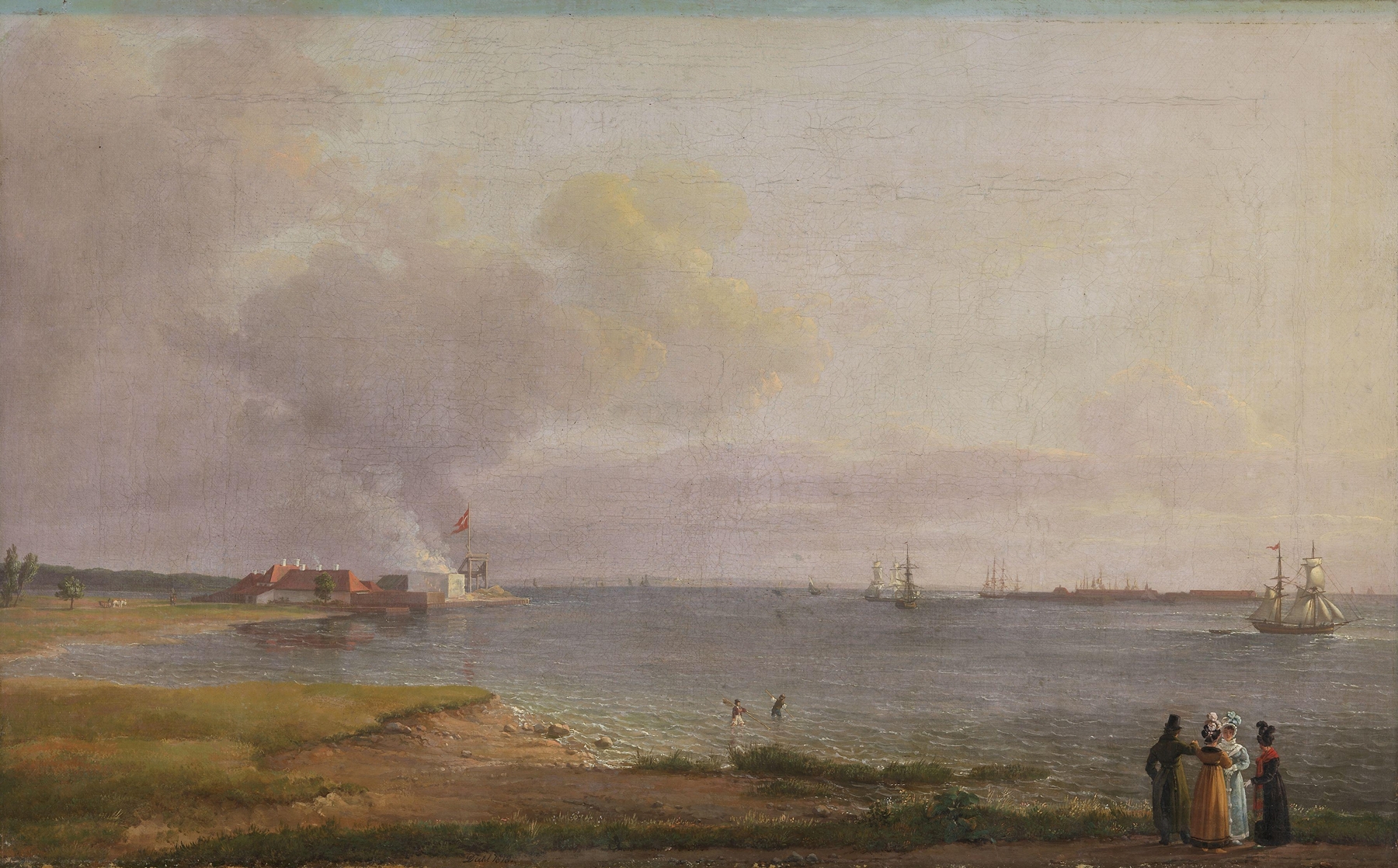
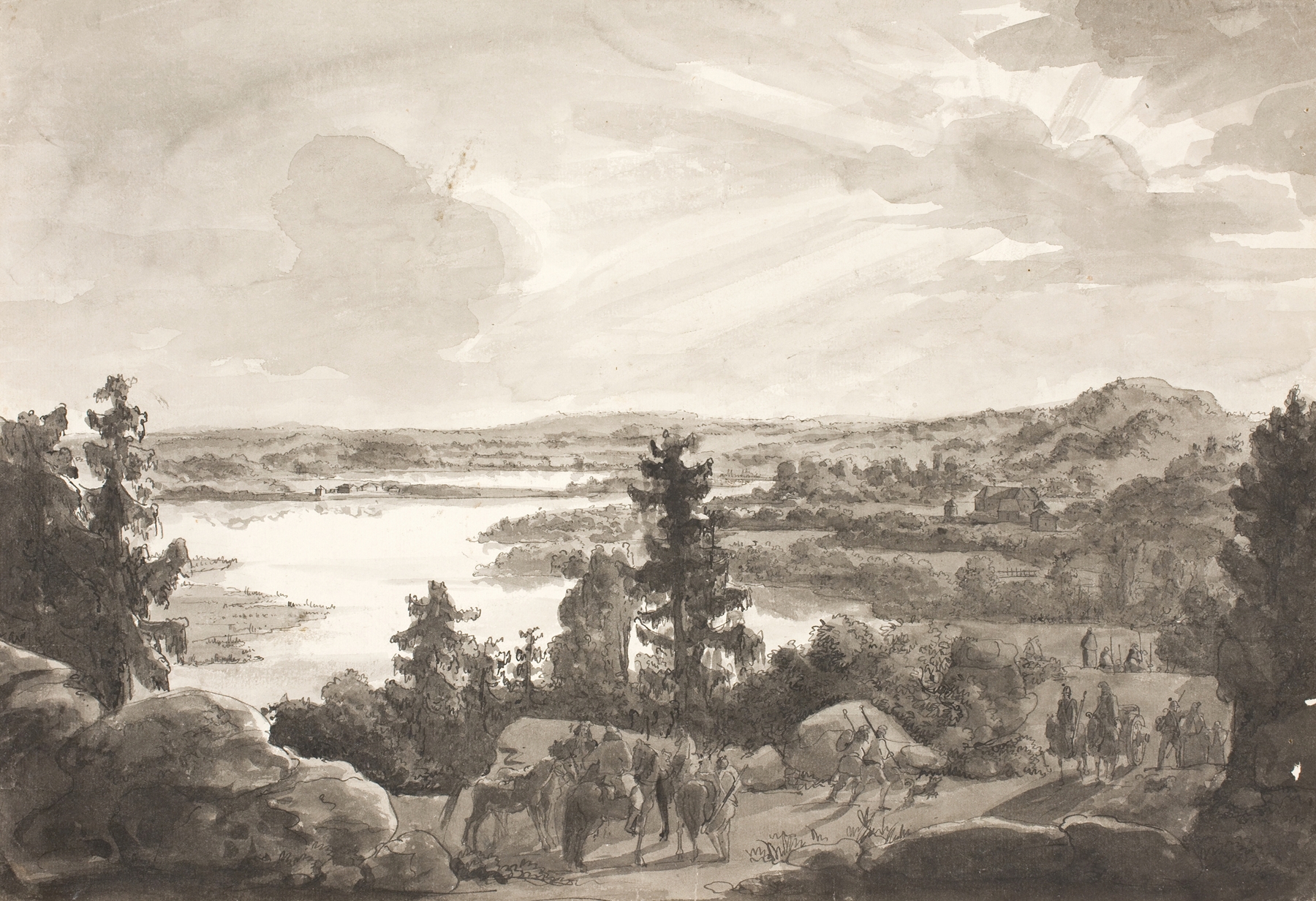
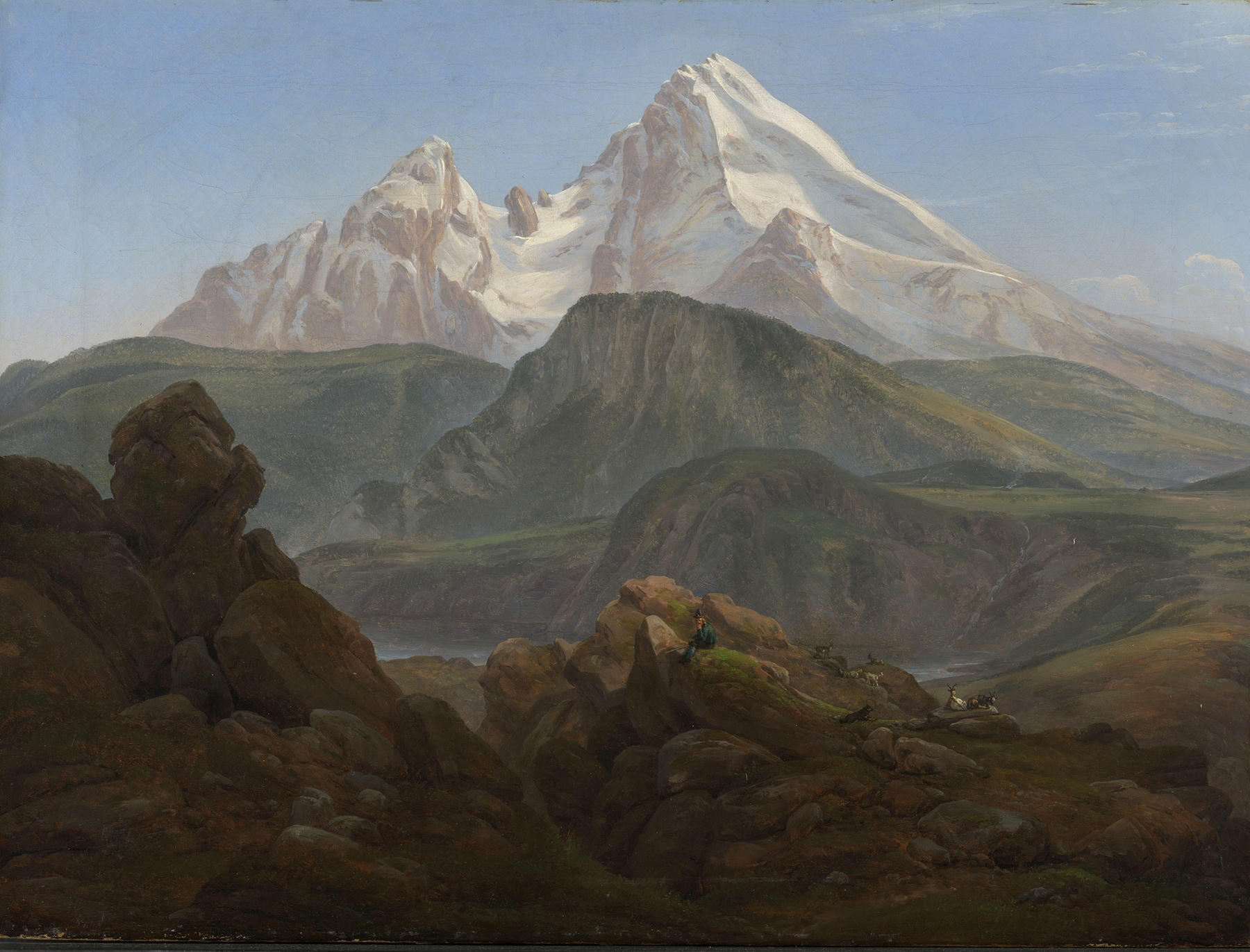
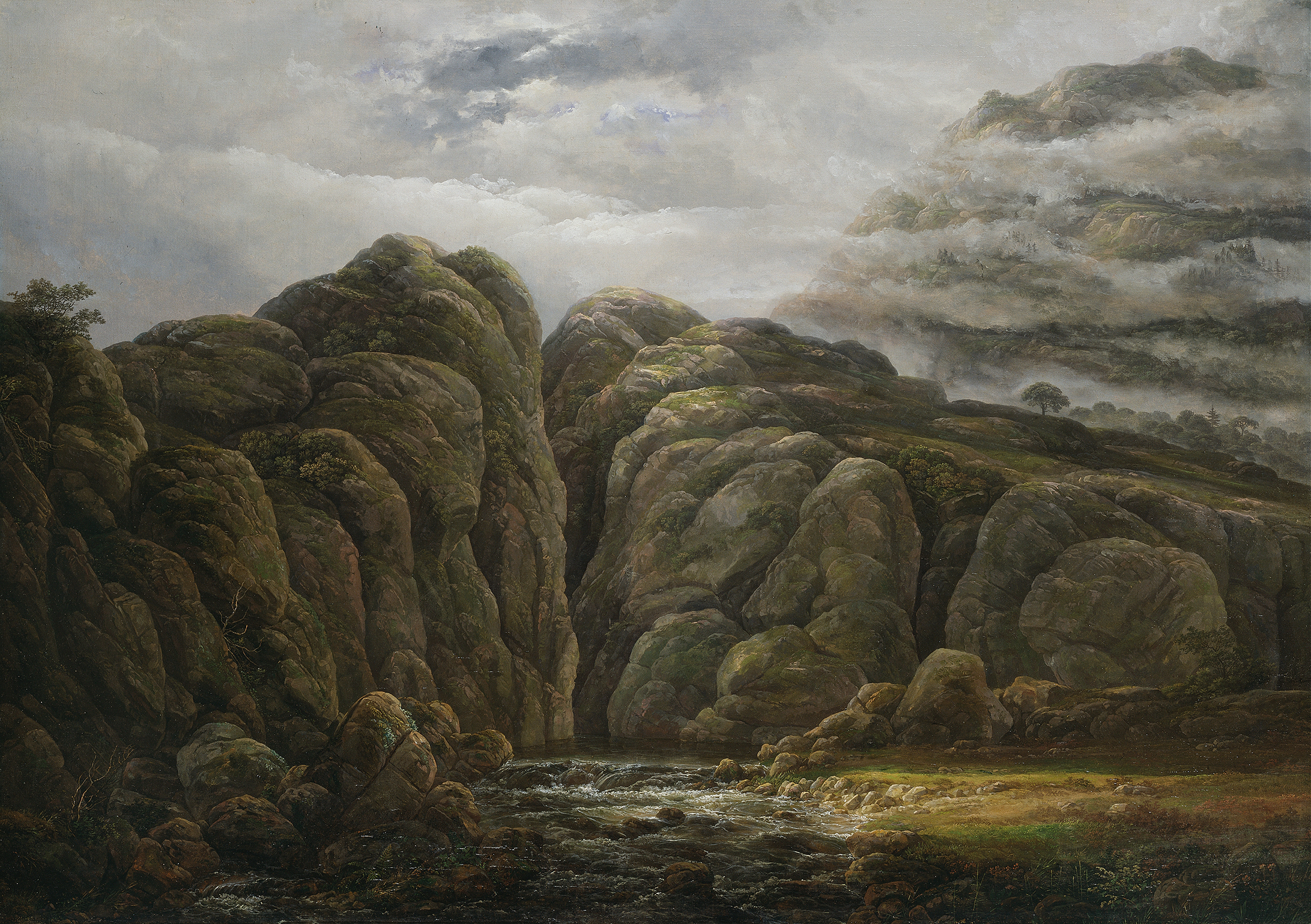
What secret hides in the quiet of the canvas? In Landscape by the River Elbe, tranquility flows like the water itself, revealing a beauty that whispers rather than shouts. Focus on the gentle curve of the river that draws the eye toward the horizon, evoking a sense of endless possibility. The palette of soft greens and blues paints an idyllic setting, where the earth and sky engage in a delicate dance. Notice how the sunlight casts a golden hue over the water's surface, creating a shimmering pathway that invites contemplation and reflection.
In the foreground, the delicate brushwork captures the dappled leaves of trees, their textures almost palpable, grounding the viewer in this serene moment. Yet, beyond the surface beauty lies an emotional depth. The juxtaposition of the serene water against the distant hills hints at the ever-present tension between nature's peace and the human experience. The small boats on the river suggest a connection to life and labor, while their subtle presence hints at the narrative of human existence intertwined with the tranquility of the landscape.
This balance between the serene and the stirring invites viewers to reflect on their own relationship with nature. Johan Christian Dahl created this work in 1824 while living in Dresden, a time when Romanticism was gaining prominence in the art world. Drawing inspiration from the beauty of his Norwegian roots, Dahl sought to capture the sublime essence of nature in his landscapes. During this period, he was also forming connections with other influential artists, sharpening his style and contributing to the burgeoning movement that celebrated the emotional power of the natural world.