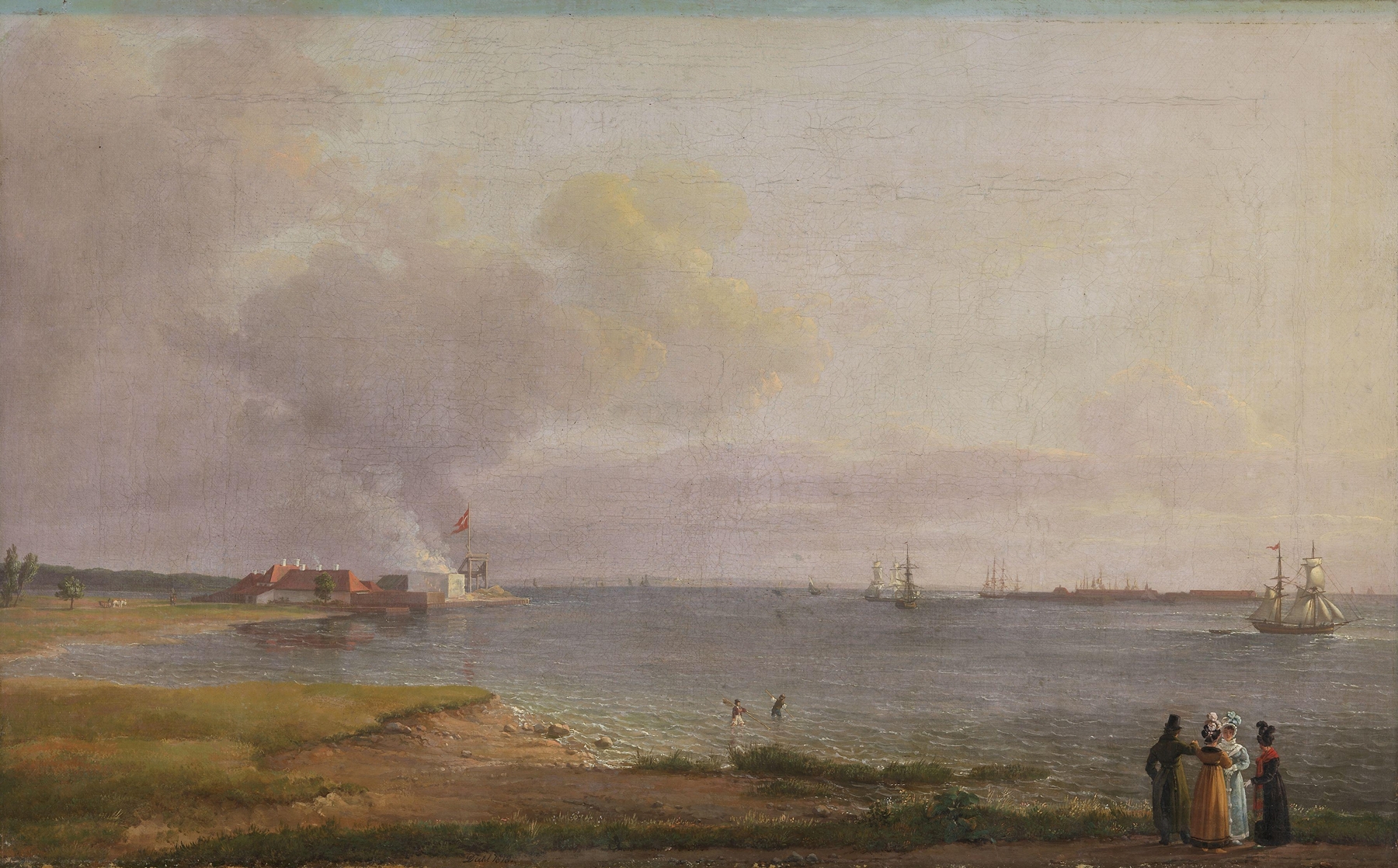
View over Øresund near the Lime Works — History & Analysis
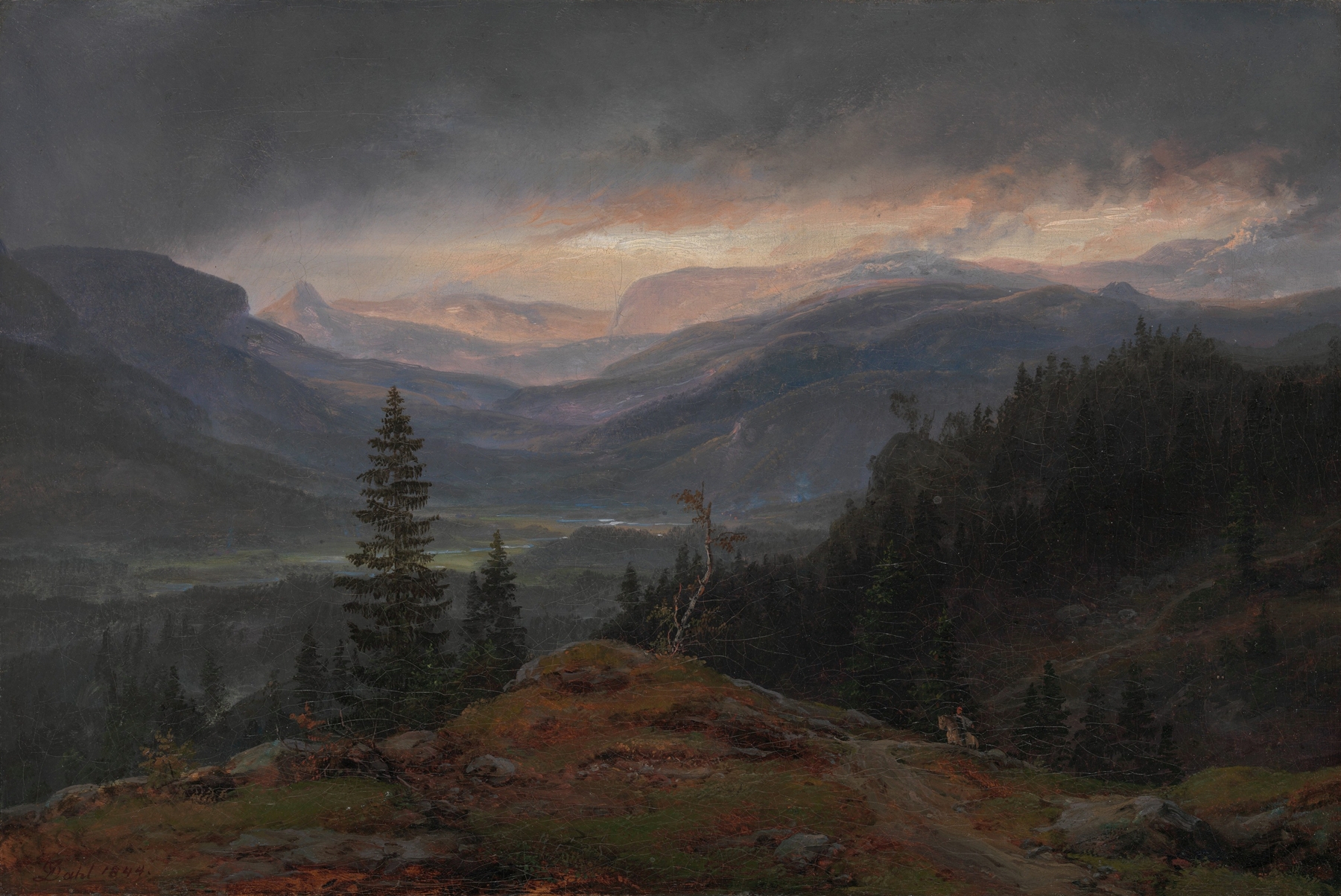
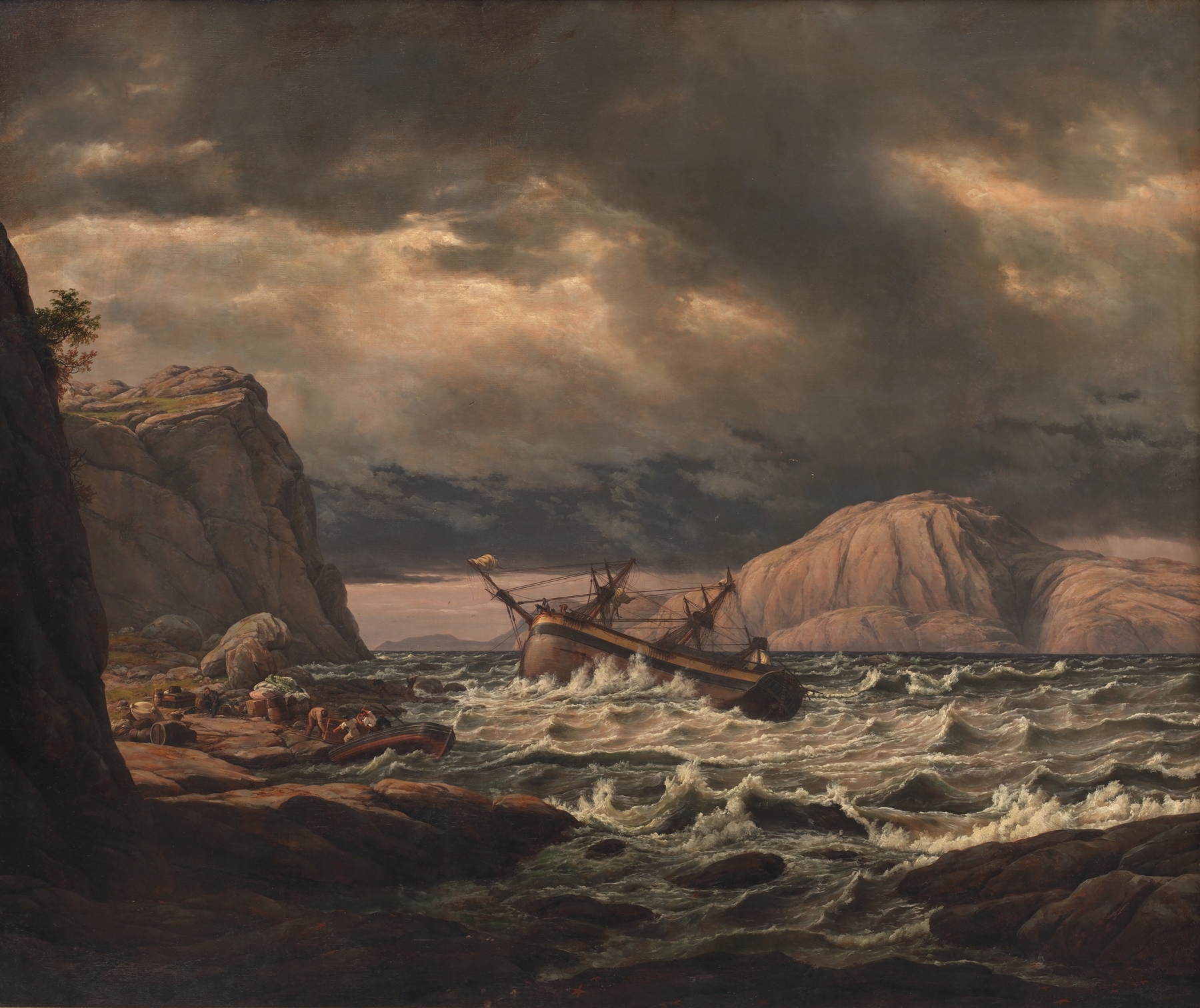
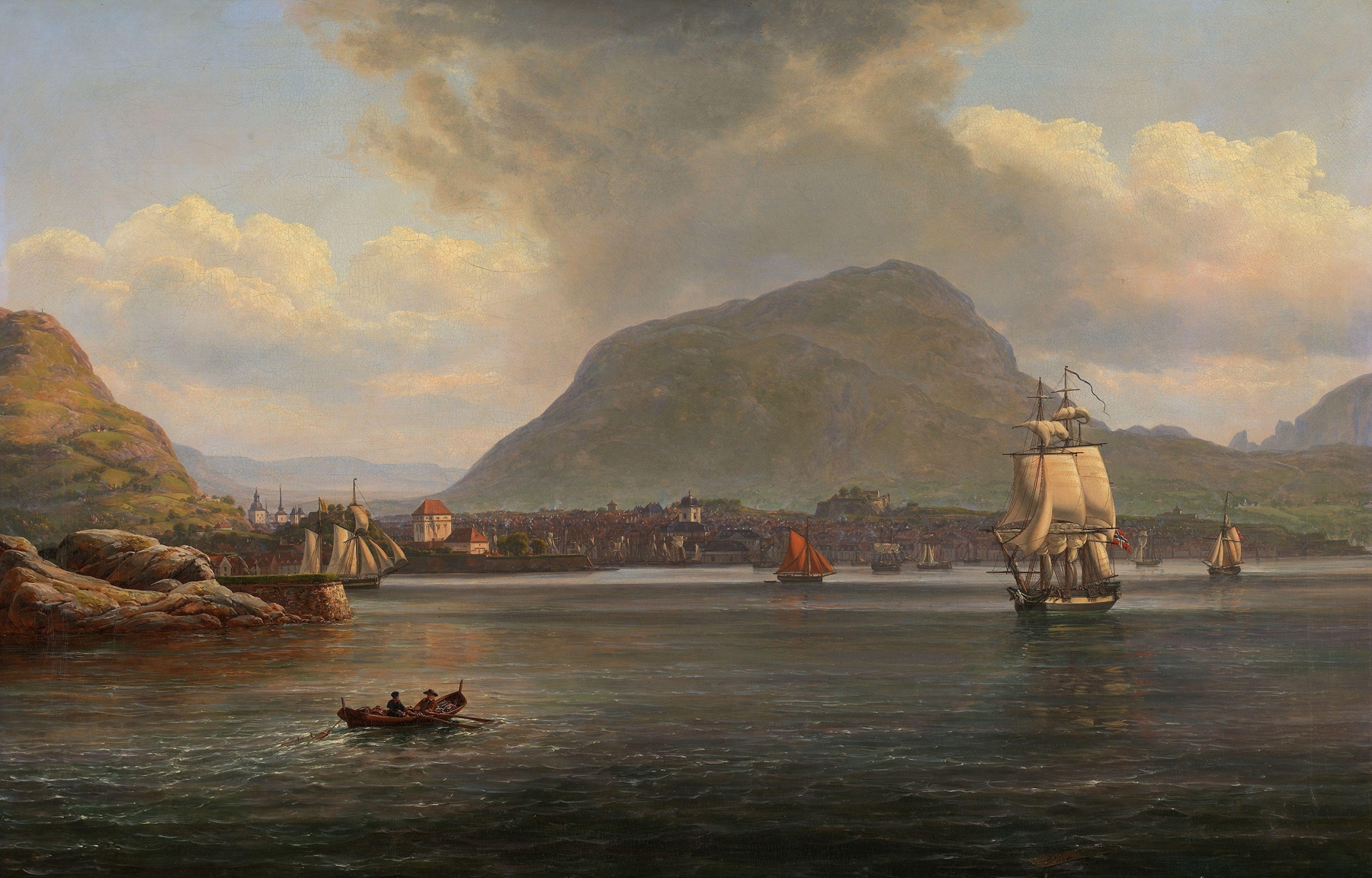
Could a single brushstroke hold eternity? In the hands of a master, each stroke becomes a whisper of nature’s majesty and a testament to the fleeting moments of creation. Look to the horizon where the sky kisses the shimmering waters of Øresund. The soft blues and delicate whites blend seamlessly, drawing our gaze across the vast expanse, while the earthy tones of the lime works in the foreground anchor the composition.
Notice how the light dances across the surface, highlighting the textures of the clouds and the gentle ripples of the sea, creating an illusion of depth and inviting the viewer to step into the scene. Beneath the tranquil surface lies a tension between the serene beauty of the natural world and the industrious encroachment of humanity. The juxtaposition of the rugged lime works with the ethereal sky suggests a dialogue between creation and destruction. Each element—whether the distant ship on the horizon or the strokes defining the land—carries with it a story of coexistence, a reminder of the delicate balance we navigate between nature and our own endeavors.
In 1818, Dahl painted this masterpiece while residing in Dresden, where he was an influential figure in the Romantic landscape movement. Having traveled extensively throughout Scandinavia, he was deeply inspired by the scenery of his homeland, capturing its essence with both precision and emotion. At this time, the art world was evolving, moving away from classicism towards a celebration of individual expression and the sublime beauty of nature—a shift that Dahl embodied in his work.