View of Hjelle in Valdres — History & Analysis
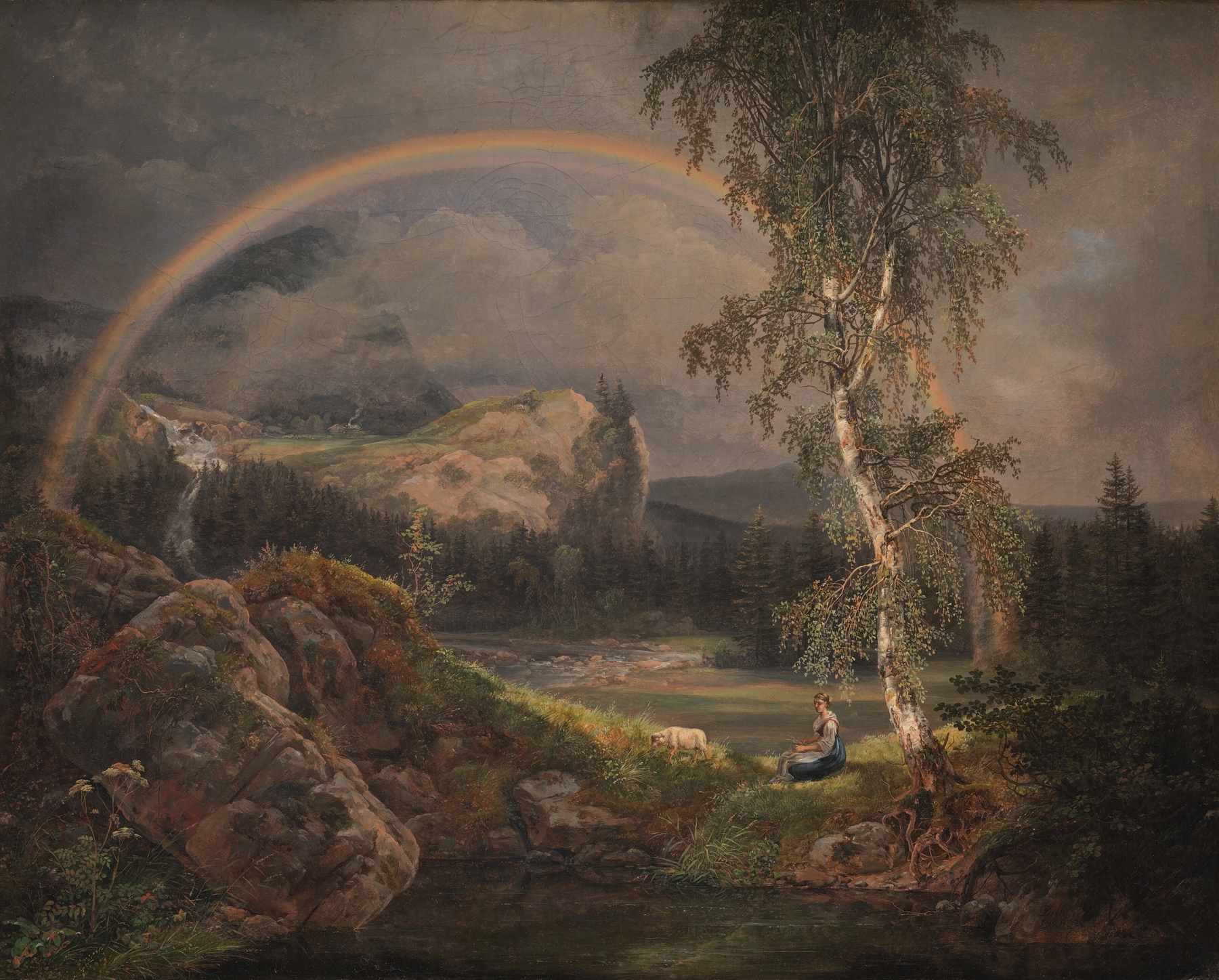
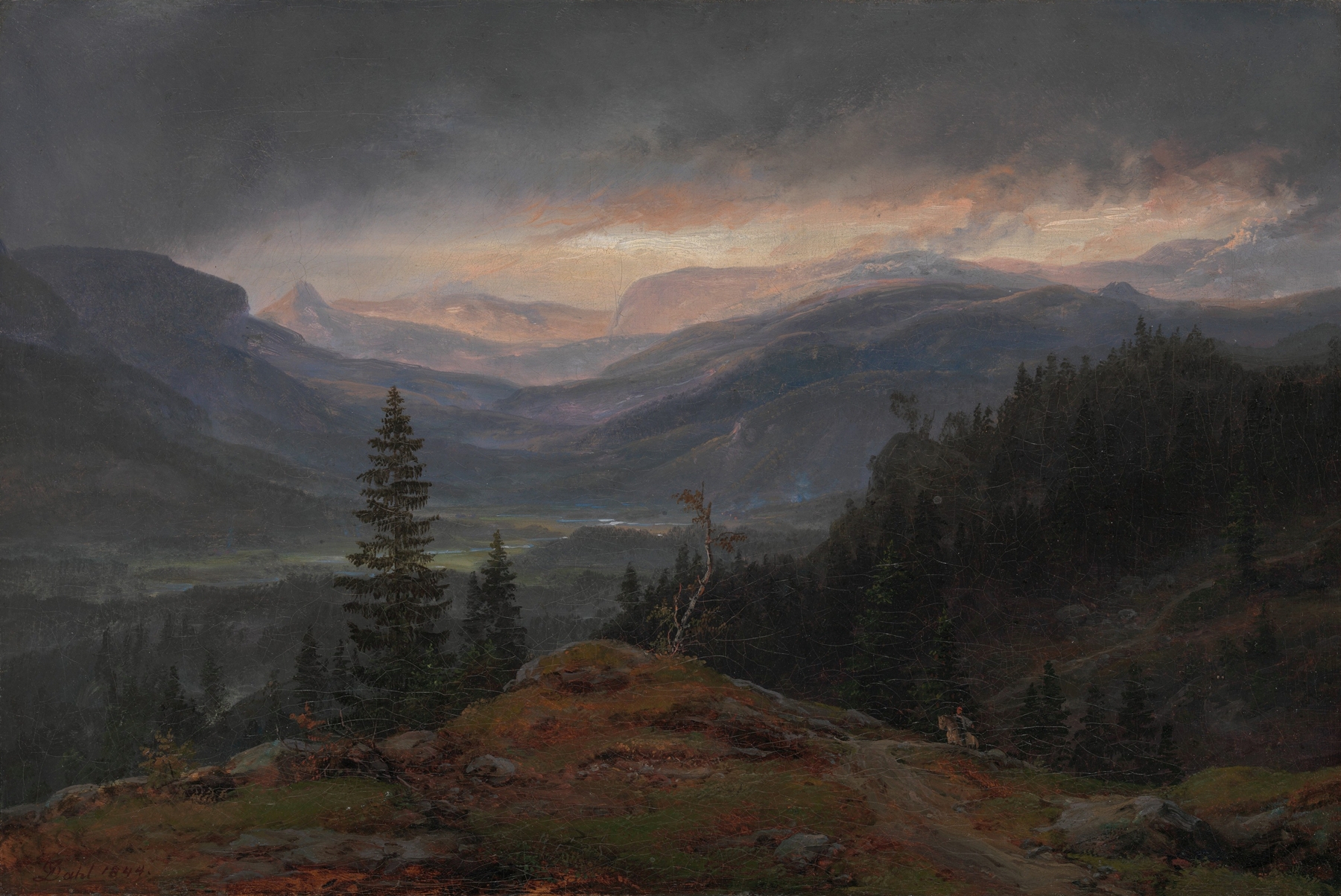
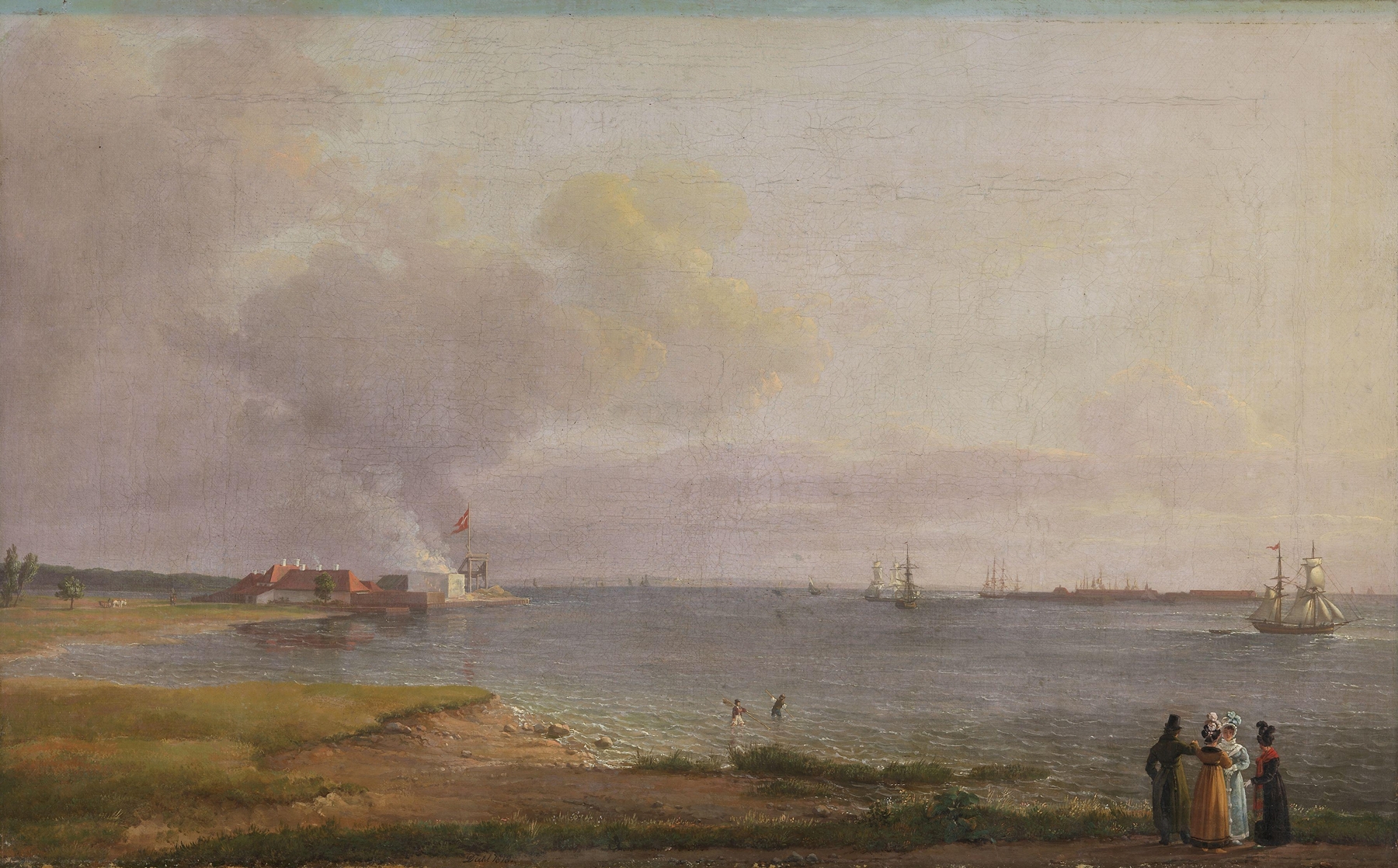
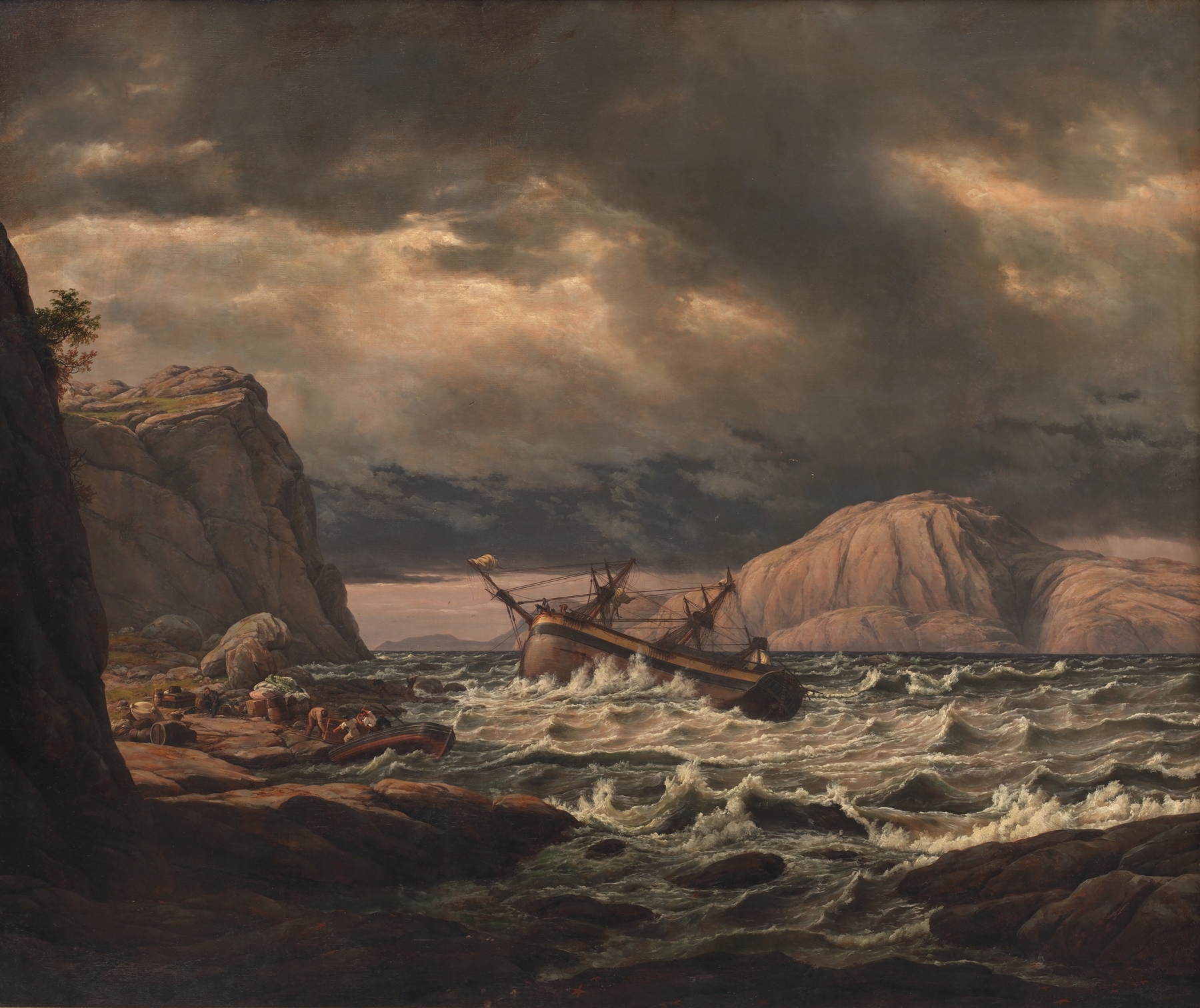
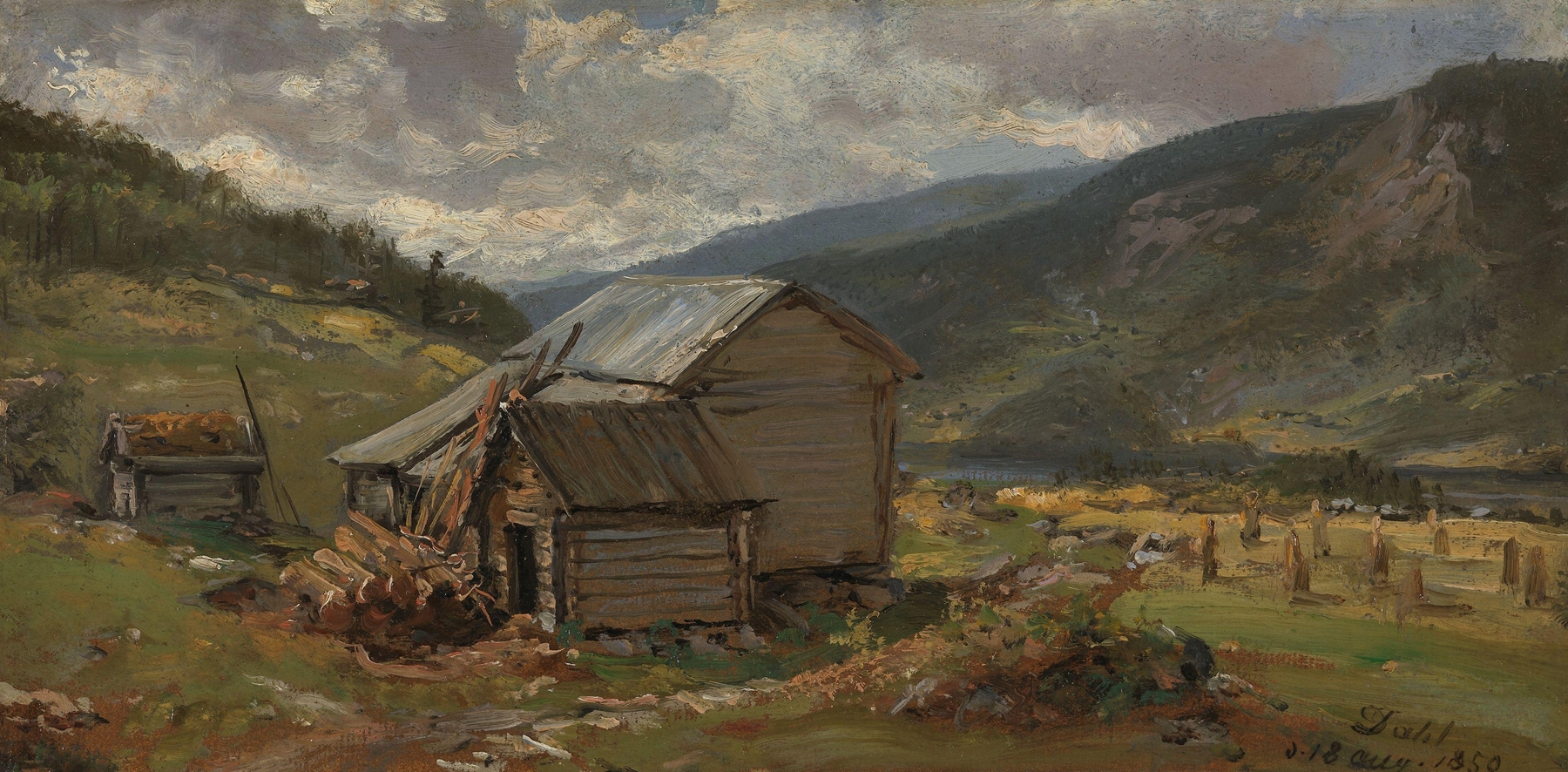
What secret hides in the quiet of the canvas? A serene landscape invites contemplation, whispering of transcendence and the beauty that lies in simplicity. Look to the left at the gentle slopes, where the verdant hills cradle the hamlet of Hjelle, dotted with charming wooden homes. The composition balances the earthy greens with the cool blues of the sky, while the soft, diffused light casts a tranquil glow over the scene.
Notice how the painter skillfully employs a delicate brushwork that captures the nuances of nature, each stroke adding depth to the foliage as it dances in the breeze. Beneath the surface beauty, hidden meanings emerge—an exploration of man’s harmony with nature, a moment frozen in time that transcends the mundane. The juxtaposition of the humble dwellings against the grandeur of the surrounding landscape evokes a feeling of peace, yet also a longing for connection with the vastness around us. The gentle ripples in the nearby lake reflect not only the sky but also the essence of quiet contemplation; together, they create a harmonious dialogue between the human experience and the natural world.
In 1850, while painting this piece, Dahl was residing in Dresden, where he was a prominent figure in the Romantic landscape movement. This period in his life was marked by a growing fascination with capturing the sublime beauty of Norway, as he sought to elevate the landscape genre within the European art scene. His work reflected a shift towards a deeper emotional engagement with nature, positioning him as a key artist in the exploration of national identity through landscape painting.