The Watzmann — History & Analysis
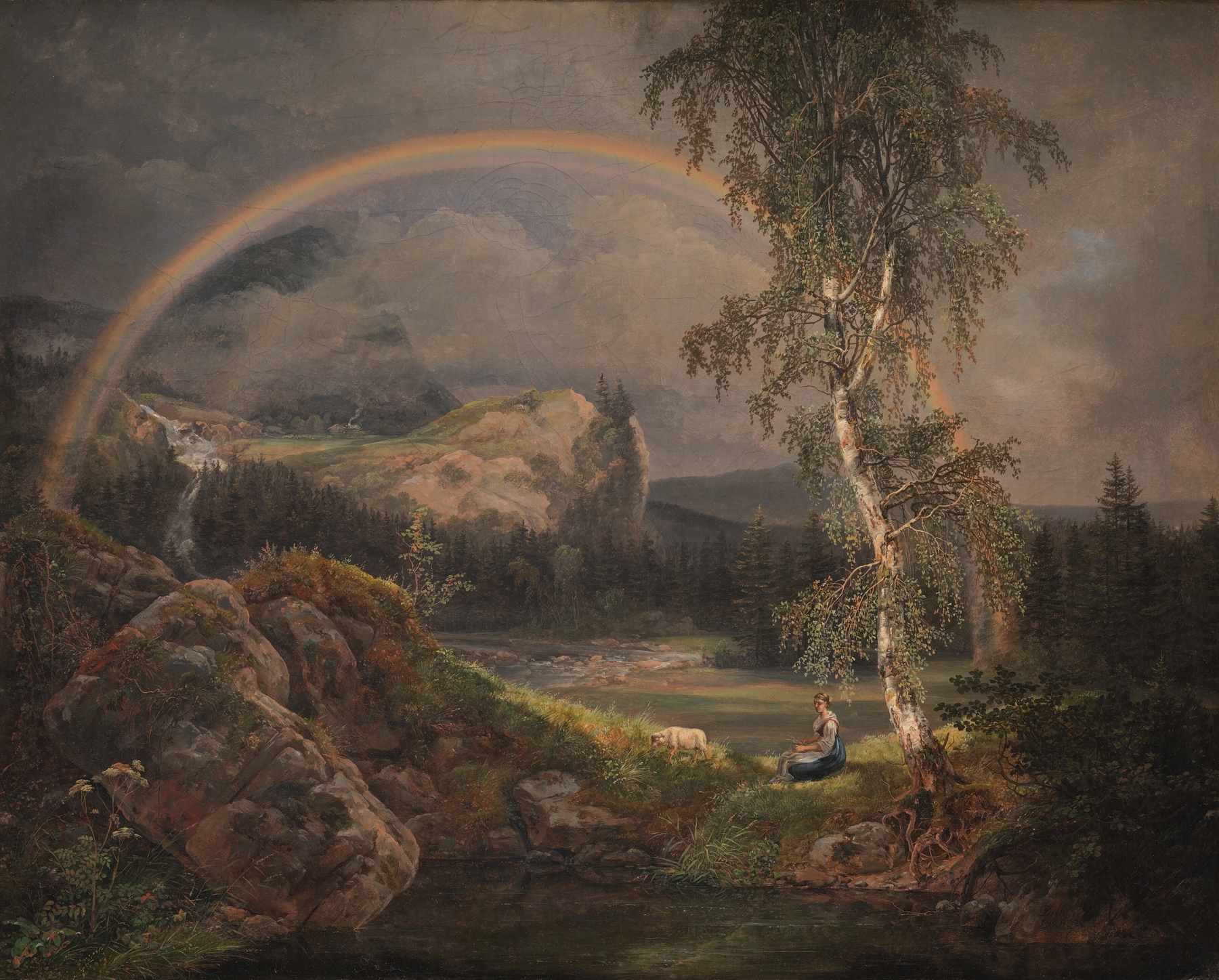
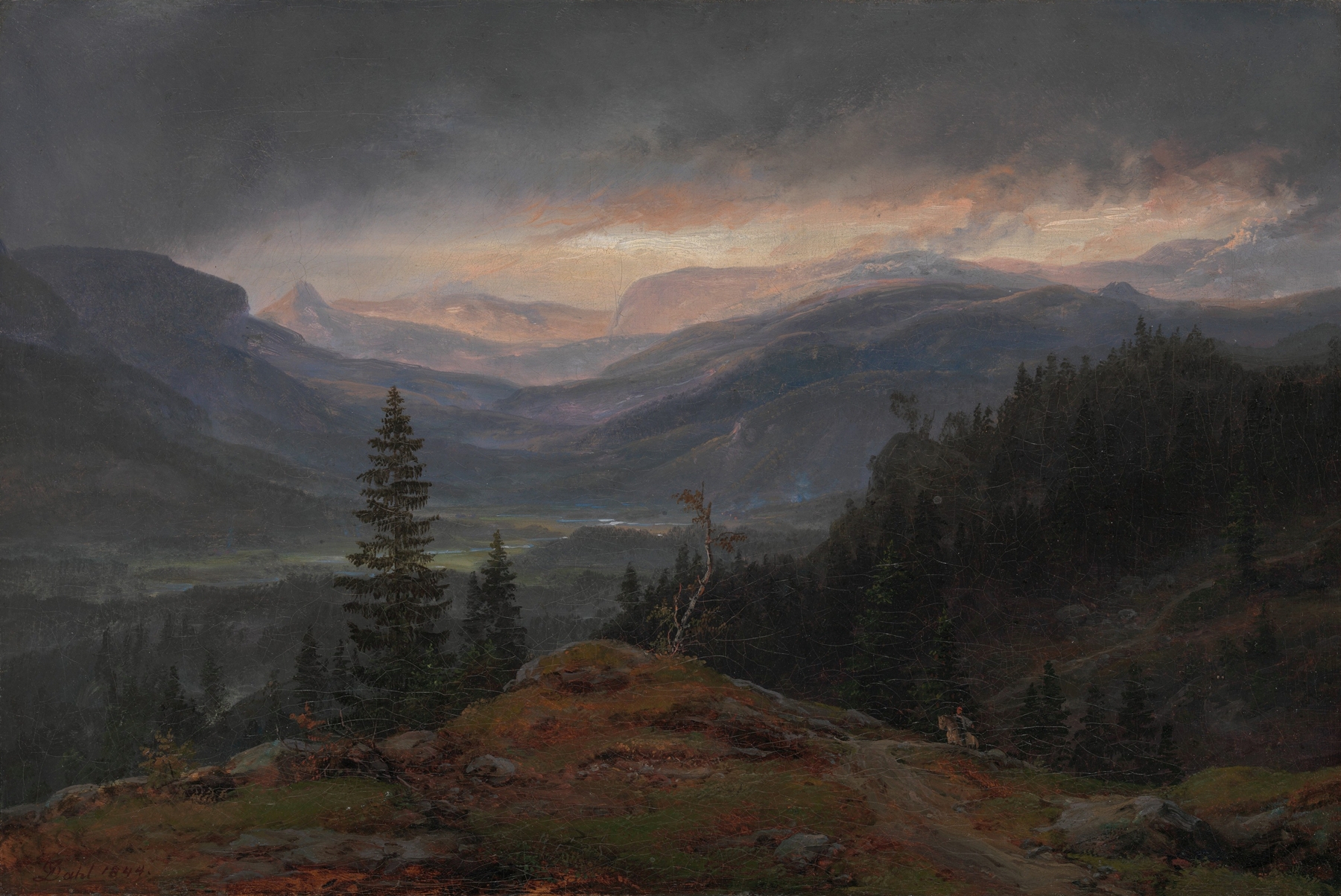
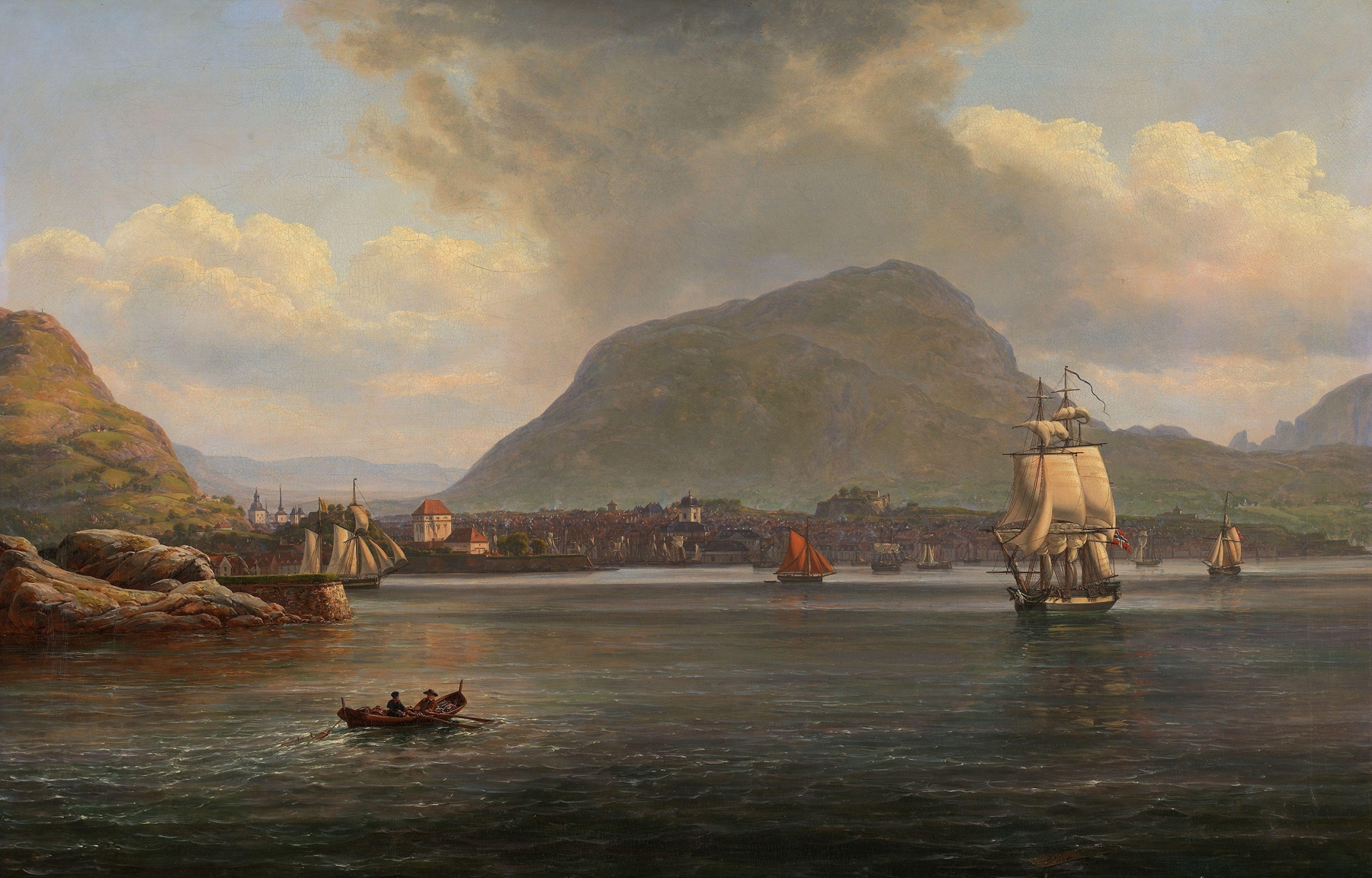
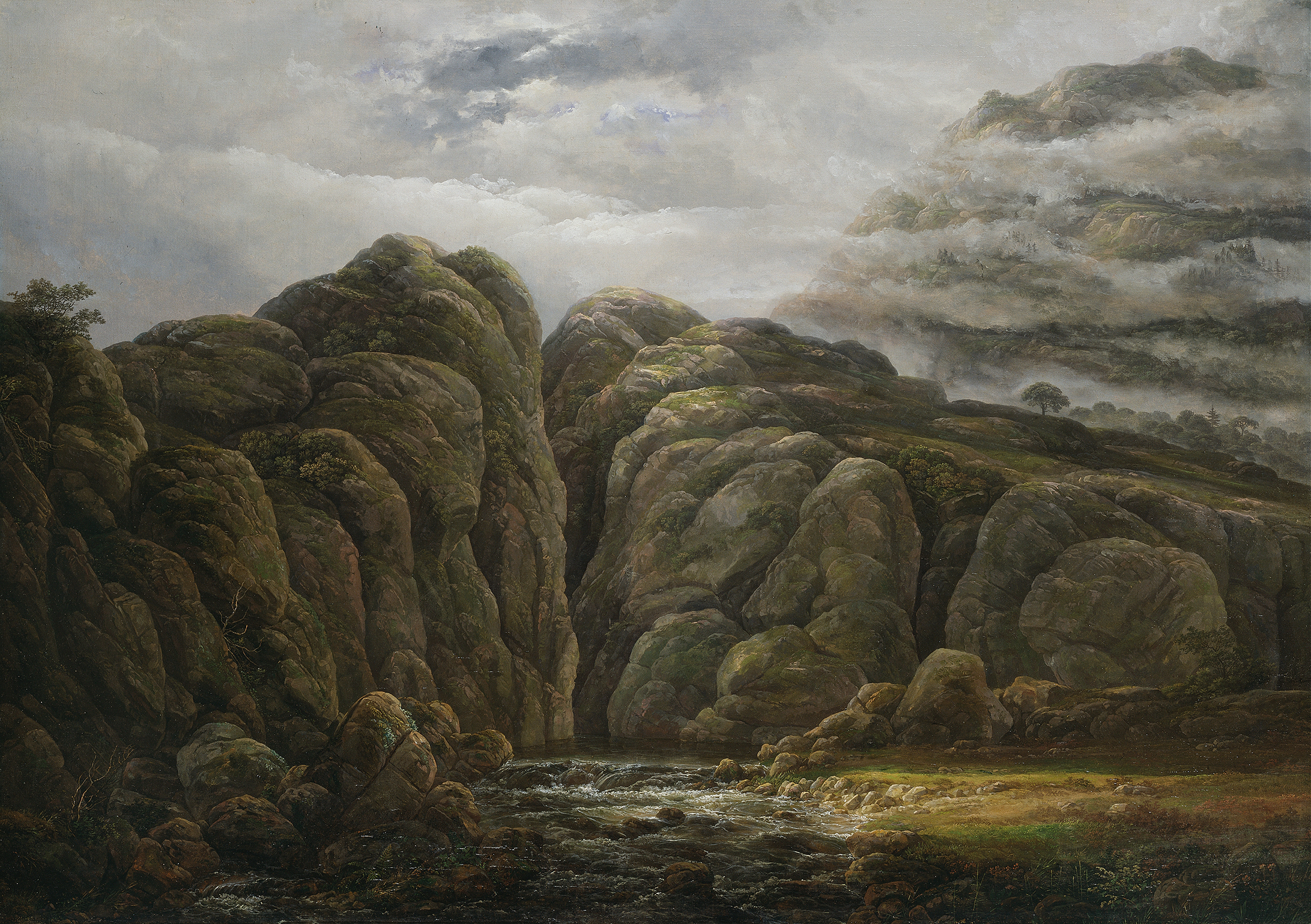
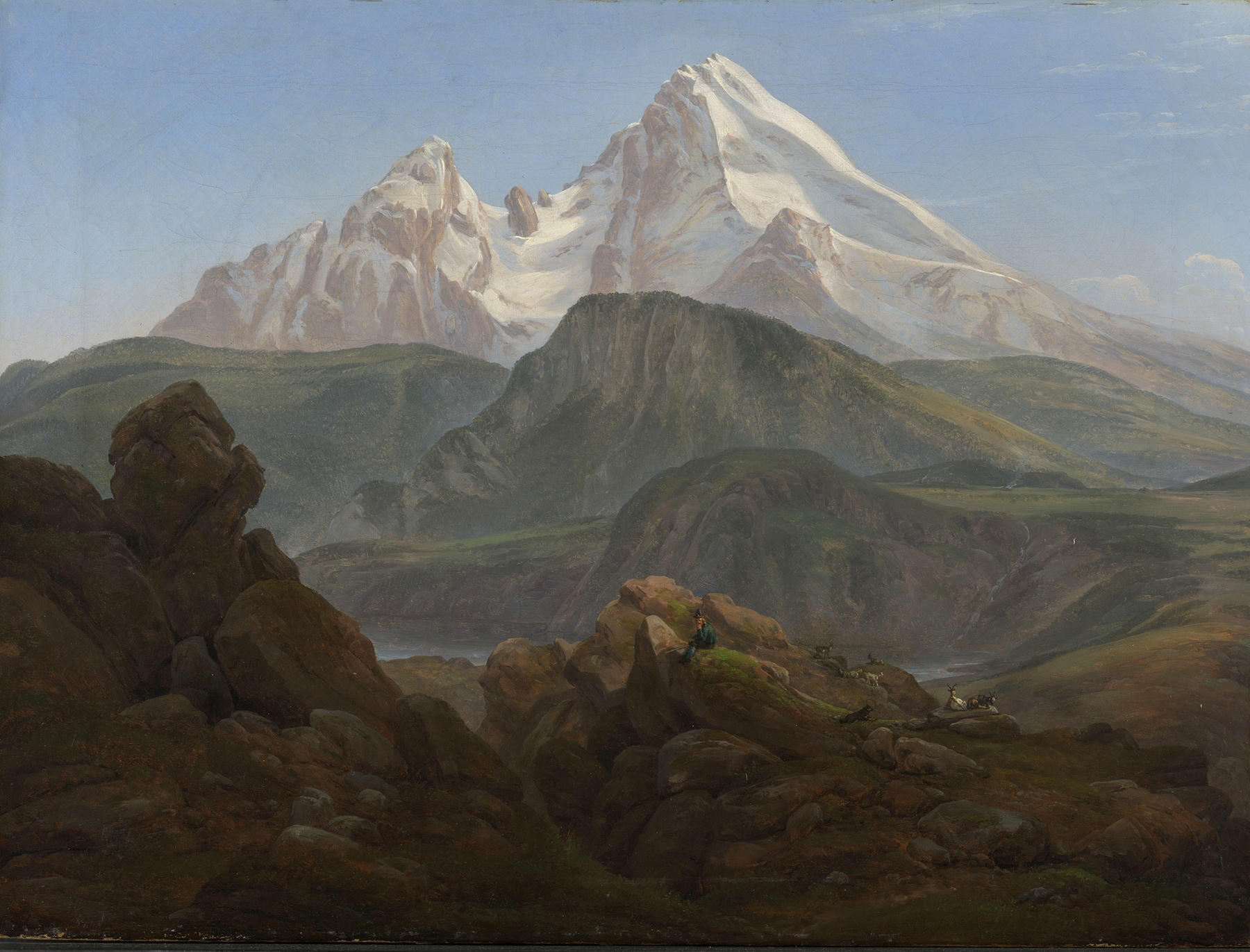
What if silence could speak through light? In The Watzmann, a majestic landscape unfolds, revealing nature's grandiosity and tranquility—a moment of revelation captured in stillness. Look to the foreground, where the tranquil waters reflect the towering peaks of the Watzmann mountain. Notice the delicate brushstrokes that create a sense of depth, drawing the eye toward the shimmering lake, mirroring the ethereal glow of the sky at dusk.
The soft palette of blues and greens evokes calmness, while the craggy textures of the mountains invite you to explore their formidable presence, contrasting with the serene surface of the water. Amidst the grandeur, subtle emotional tensions emerge. The looming mountains evoke a sense of isolation, yet the gentle light hints at hope and revelation in nature's embrace. The interplay between the still water and the rugged terrain underlines the profound connection between fragility and strength in the natural world, suggesting that even amidst towering challenges, serenity can be found.
In 1825, Johan Christian Dahl painted this landscape while residing in Dresden, amidst a burgeoning interest in Romanticism. The period saw artists exploring nature’s sublime beauty, and Dahl, an early figure in Norwegian landscape painting, sought to convey both the awe and the introspection that nature inspires. His art reflects a deep-seated appreciation for the landscapes he loved, inviting viewers to experience their quiet majesty.